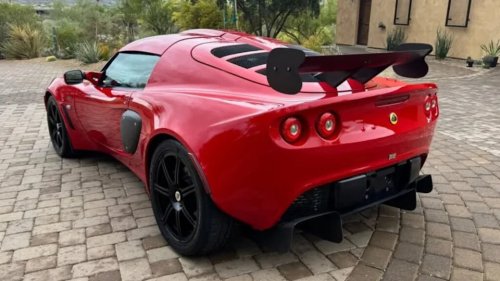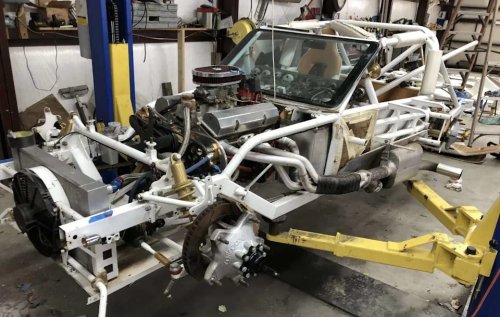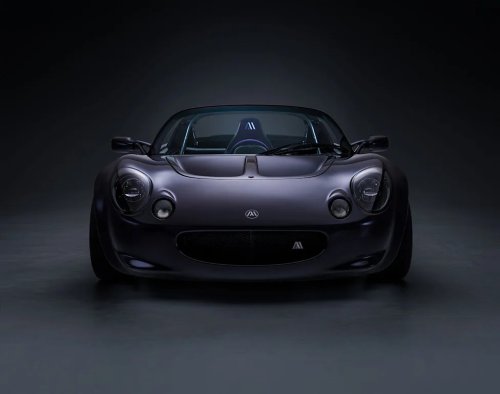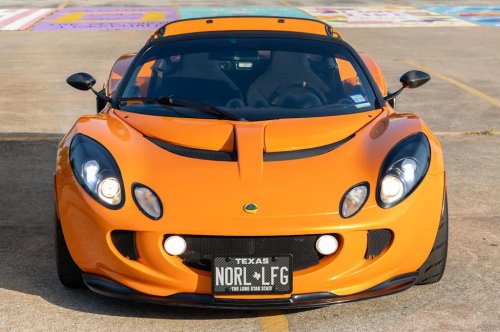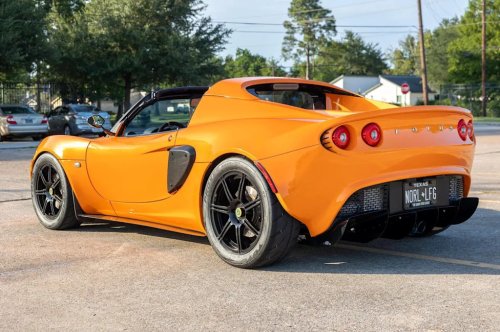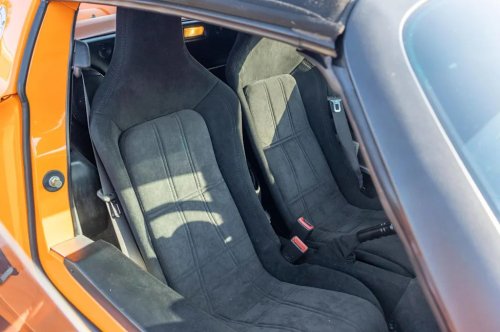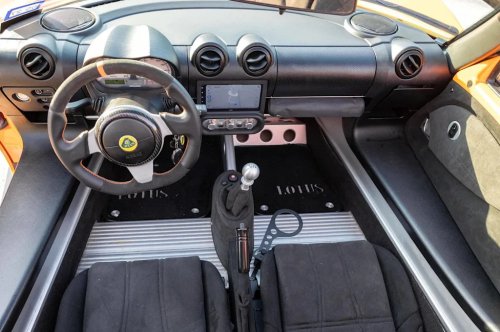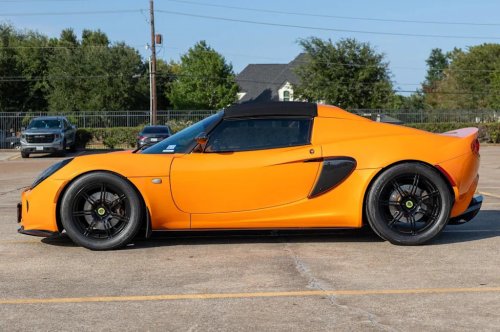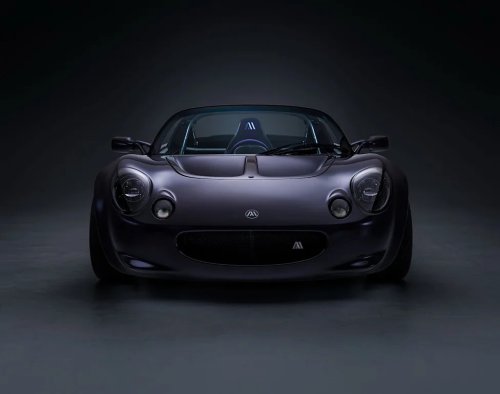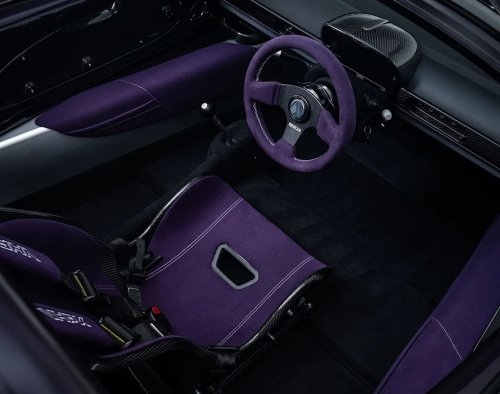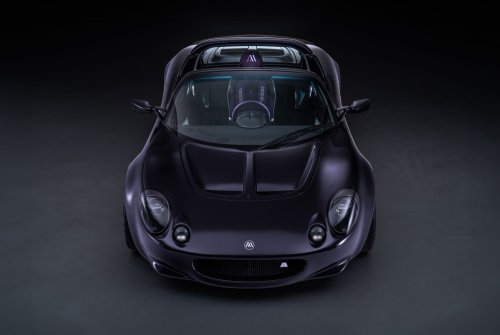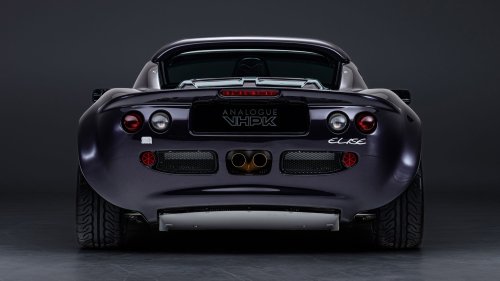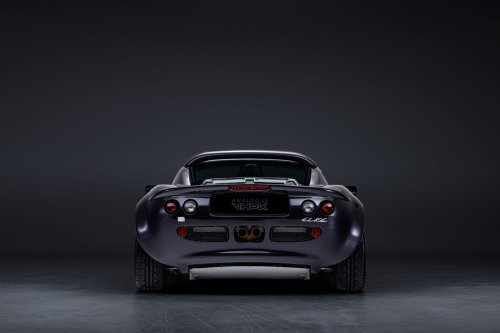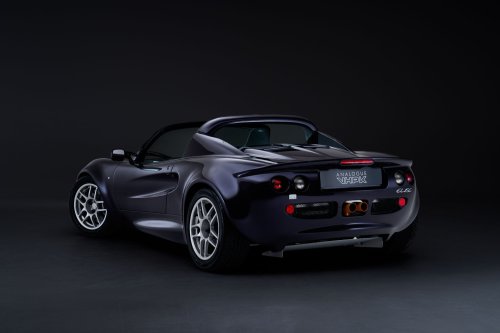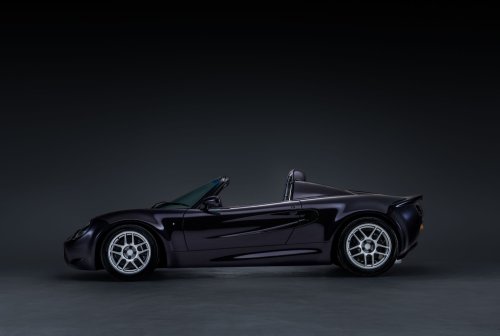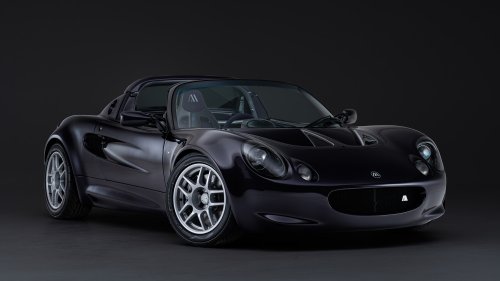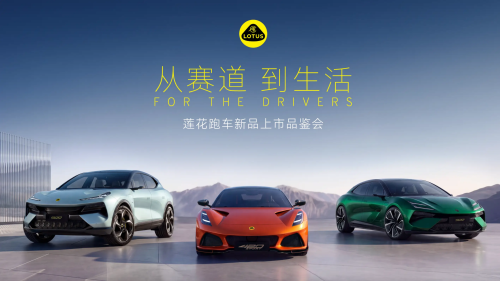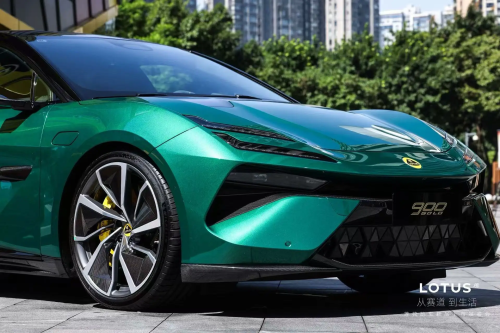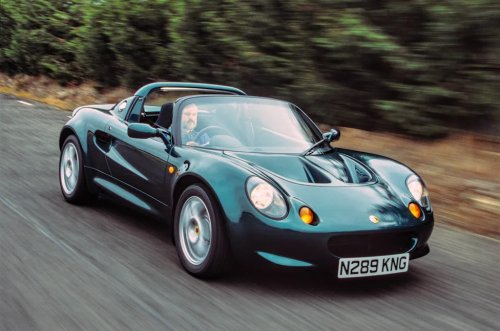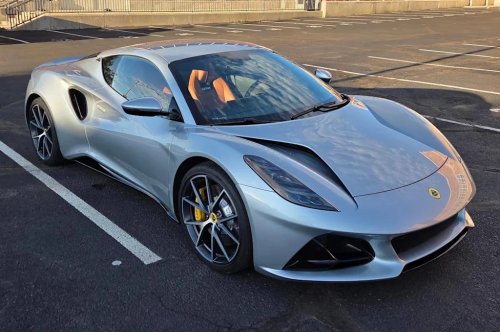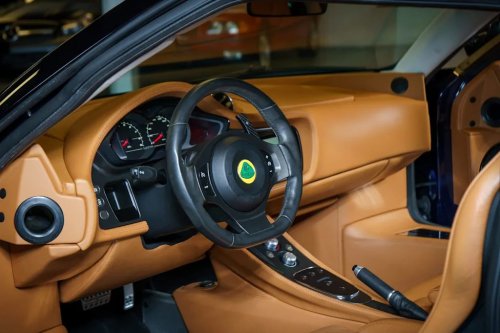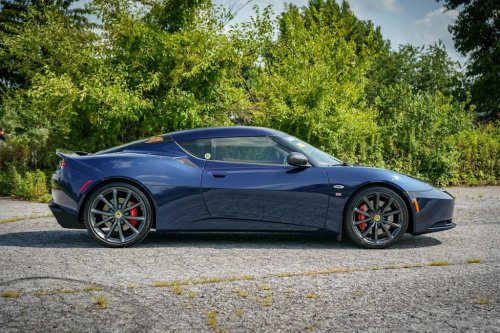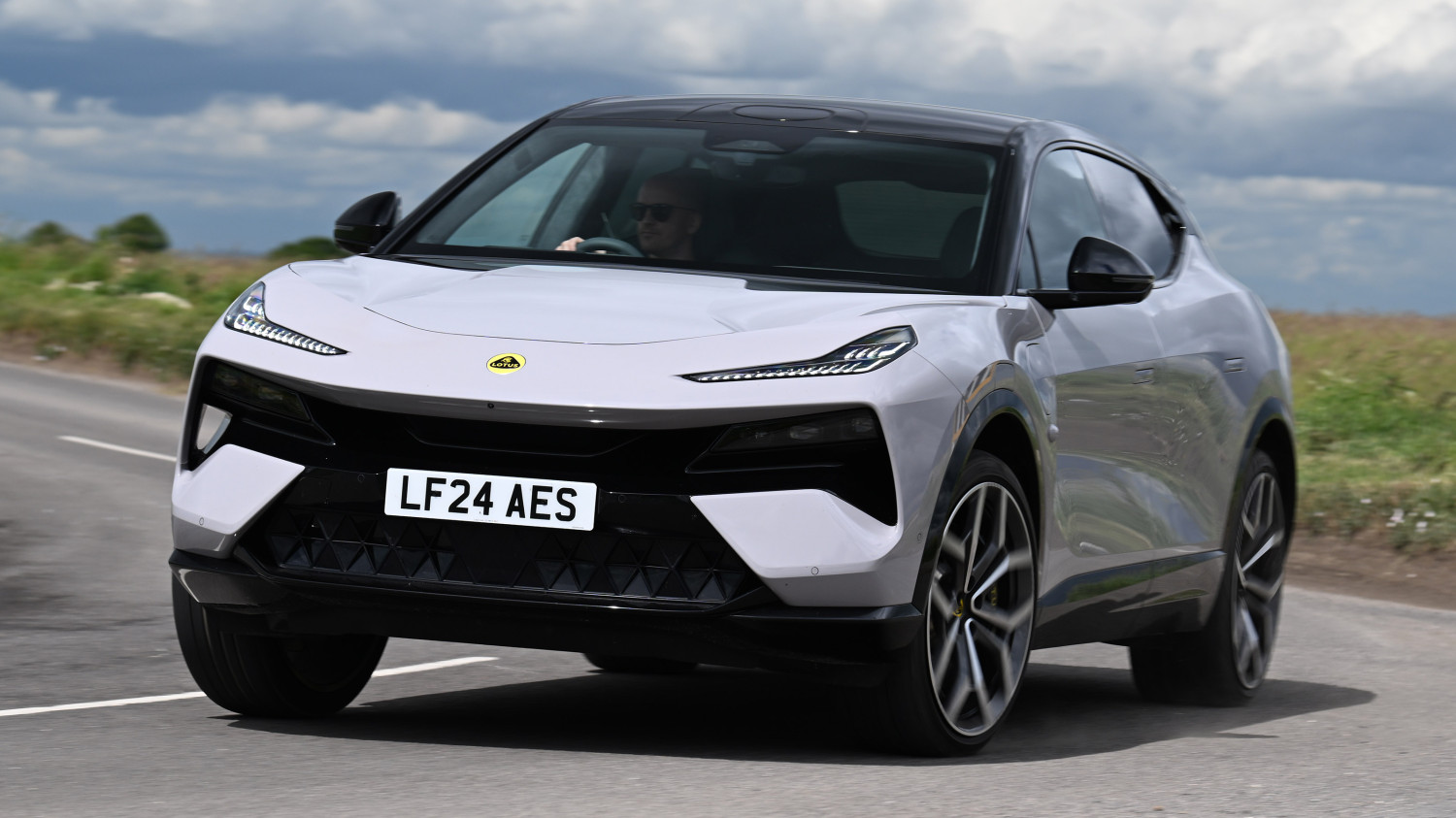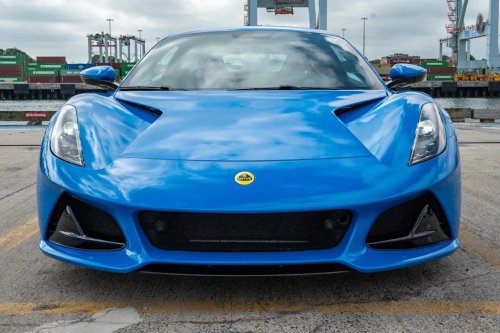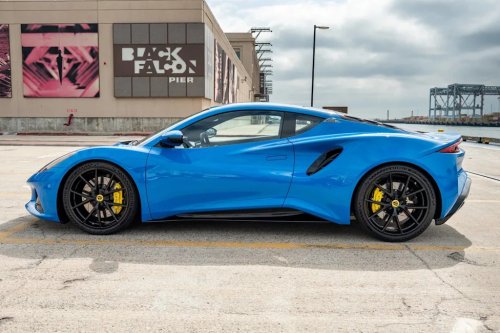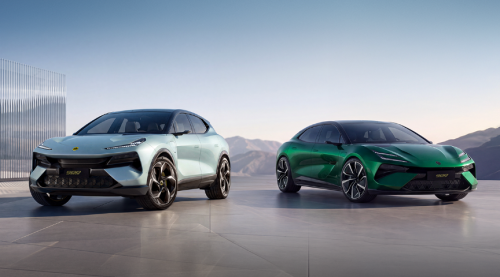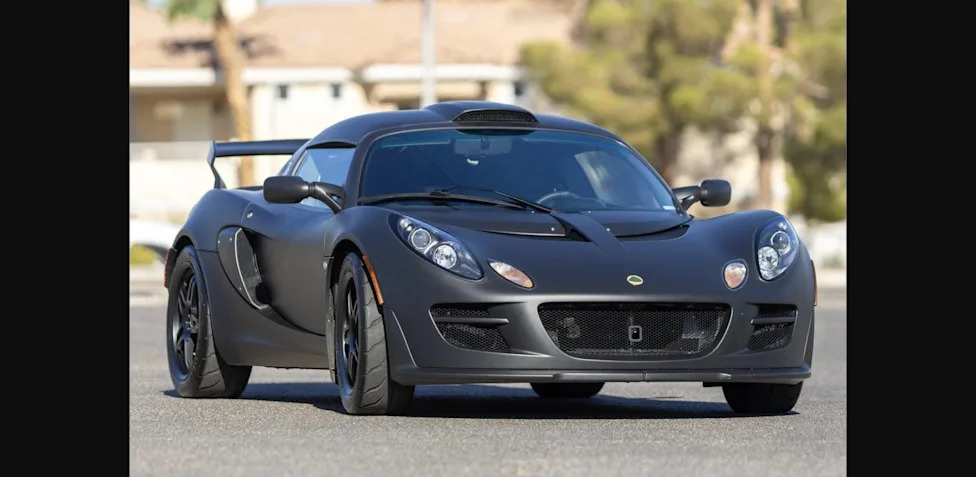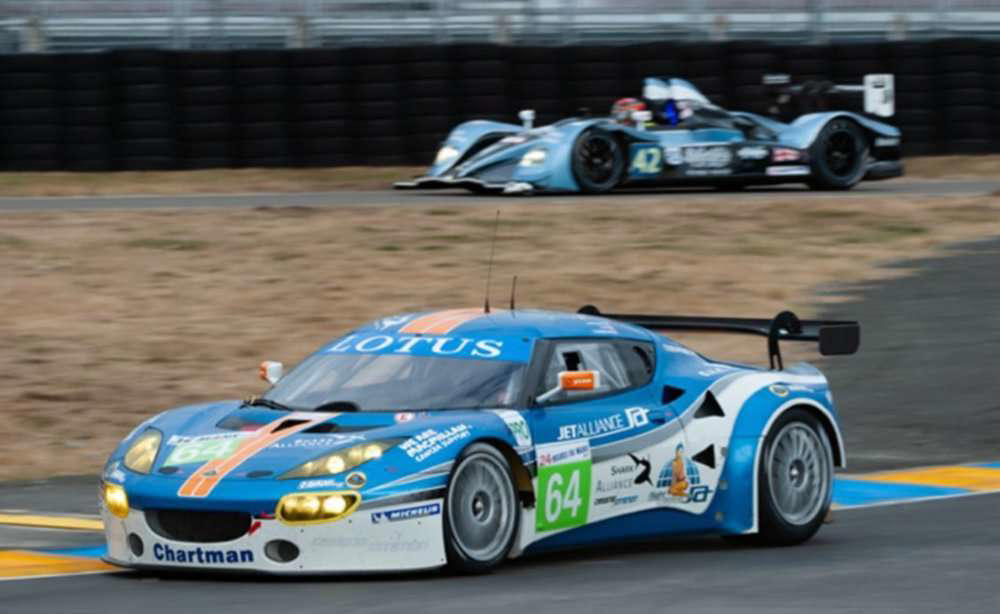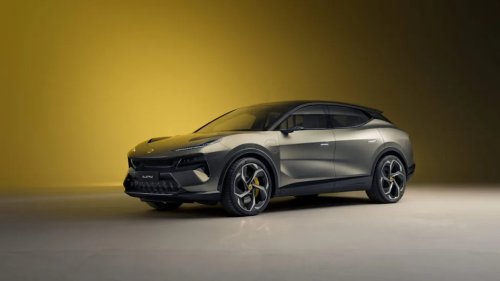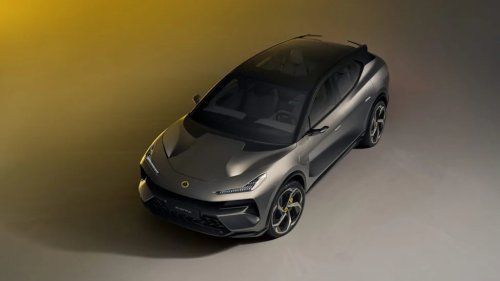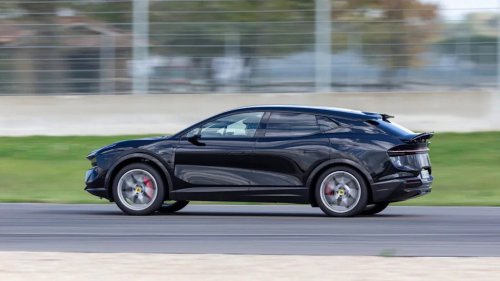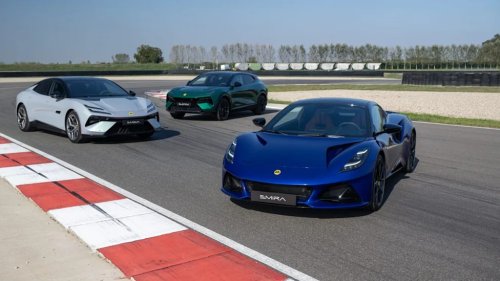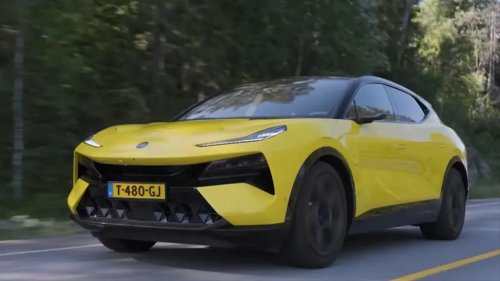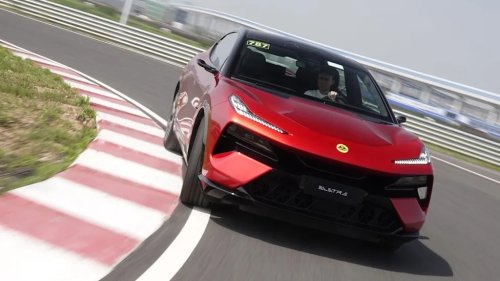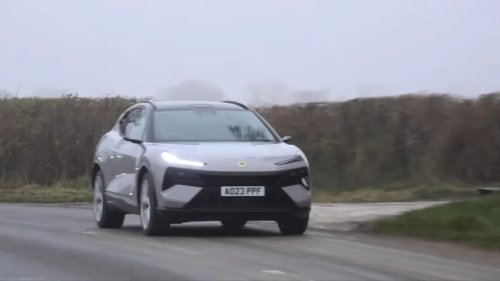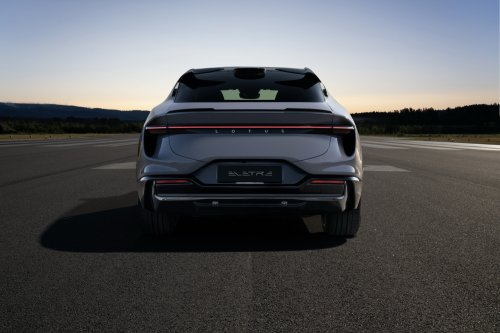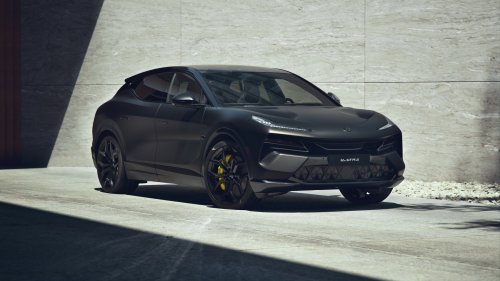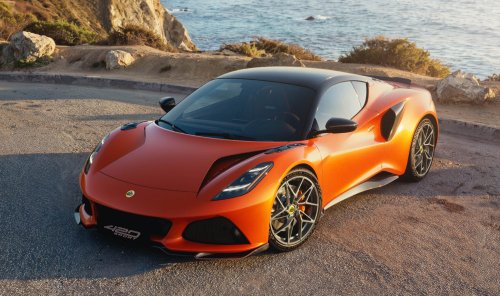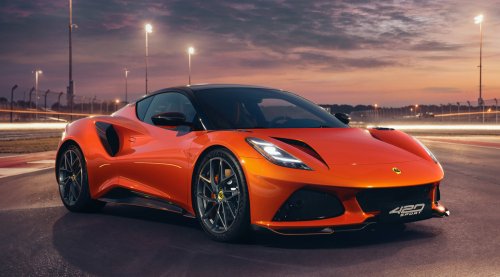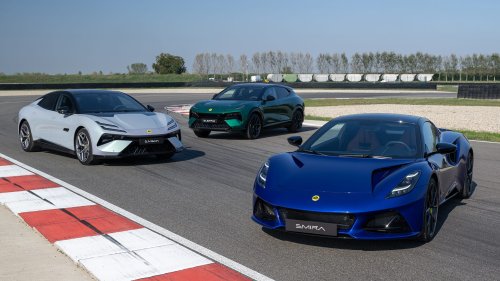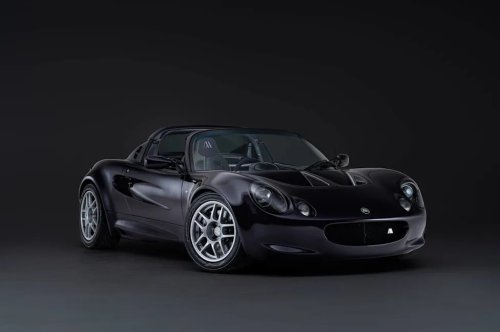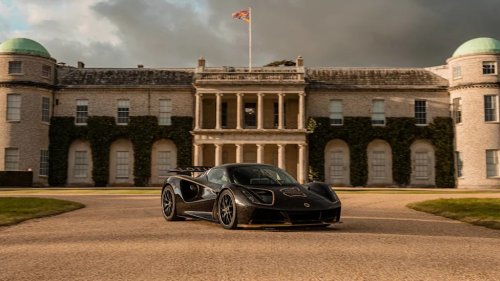
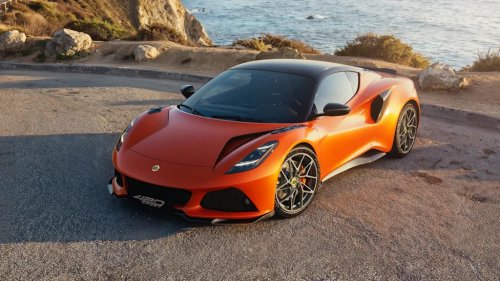
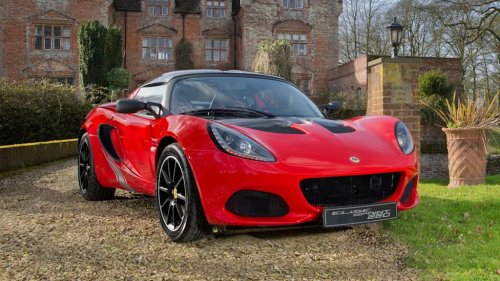
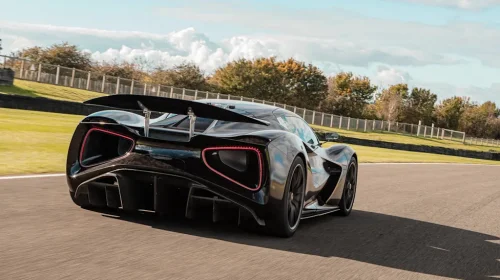
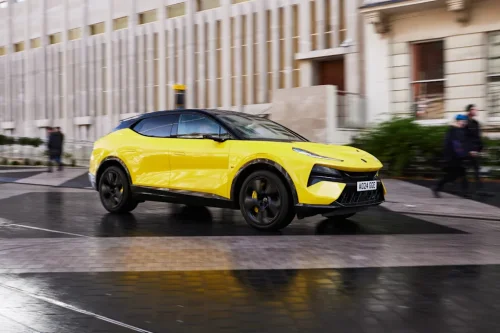
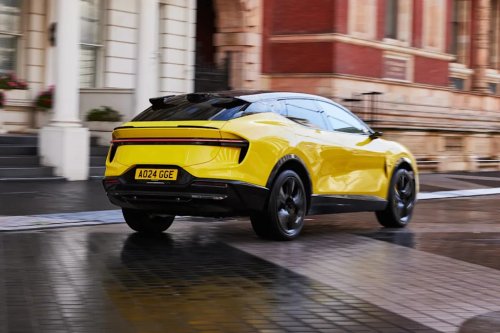



















Autoblog and Yahoo may earn commission from links in this article.There's no getting around it. EVs are heavy and, in many cases, much heavier than a comparable gas-powered vehicle. While that's fine for some of the major automakers, like General Motors, it puts smaller niche manufacturers in a tough spot. Until recently, Lotus has built their entire portfolio of vehicles around lightweight models that are incredibly responsive and deliver a driving experience like no other. With EVs weighing as much as they do, is it possible for Lotus to stick to their principles as we enter the electrification era?LotusSimple and light"Simplify, then add lightness." That was the mantra coined by Colin Chapman, founder of Lotus. There's some debate about the actual wording of the statement, but there's no arguing that Chapman had a different approach towards car design than other prominent figures of the 1950s. His vehicles were faster, lighter, and more efficient, and he won major races as a result. Chapman's principles arguably still serve as the foundation of Lotus today, but electrification could usher in a new era for the British marque.The idea behind Chapman's vehicle design is as simple as it sounds. Rather than bolster performance by adding more horsepower via extra parts, engineers should remove unnecessary equipment to improve the vehicle's handling and reduce weight. Ultimately, the automaker's success in Formula 1 served as proof of concept, and Lotus became a pioneer in the structural, mechanical, and aerodynamic concepts that revolutionized how race cars were built.AdvertisementAdvertisementChapman's belief that making a car lighter was usually better than giving it more power. As a result, Lotus vehicles, with their lightweight design, made the most of the performance output of smaller engines, which effectively improved fuel economy. Not only that, but light cars can brake more effectively, corner better, and don't put as much strain on tires and the suspension.Lotus CarsWhile Lotus revolutionized race cars and brought many of its engineering philosophies to market, the British automaker is approaching a fork in the road. Electrification is taking the automotive industry by storm, and the heavy batteries that power EVs directly contradict what Lotus stands for. The manufacturer may have to make a shift from 'lightweight above all else' to 'engineering efficiency through smart design' in the coming years.Thinking about selling your car? Get an instant cash offer online now. Click here to get started.Lotus and EVsWhen the Lotus Elise arrived for the 2005 model year, it weighed just under 2,000 lbs. At its lightest, the 2005 Mazda MX-5 Miata, arguably the Elise's closest rival by weight, weighed around 2,200 lbs. Lotus' involvement in electrification predates its own vehicles by more than a decade, and it actually starts with the Tesla Roadster.LotusIn July 2005, Tesla and Lotus entered an agreement in which the latter would help the American manufacturer design the first-generation Roadster. Tesla used an Elise chassis, and Lotus gave advice on the design and development of the EV, and the British manufacturer even partially assembled some vehicles.AdvertisementAdvertisementWhile Lotus was involved in several electrification projects in the following years, the company's first all-electric vehicle wouldn't arrive until the 2022 model year. Their flagship electric hypercar, the Evija featured four electric motors, one powering each wheel, and loads of carbon fiber and other lightweight materials. The 93-kWh battery is mid-mounted behind the seats, and there's a Venturi tunnel through each rear quarter that not only reduces weight, but improves aerodynamics. LotusThe Evija's status as an electric hypercar may make it an outlier for Lotus, weighing in at more than 4,100 lbs., despite the use of a single-piece carbon fiber monocoque chassis. Notably, the battery pack makes up 1,660 lbs., or roughly 40%, or the vehicle's weight. While not a production model, the Evija X prototype hypercar ran the Nürburgring in just 6:24.047, the third-fastest lap time ever.At the end of the day, the Lotus Evija is a limited-production hypercar that can't be judged by normal standards. For those, we look to the Lotus Eletre, the marque's first SUV. It features an electric powertrain designed for performance and a 112-kWh battery pack. In its lightest form, the Eletre weighs north of 5,600 lbs., the equivalent of nearly three Elise sports cars.Shopping for a new car? Click here to get a great deal on your next vehicle. Powered by Carvana, no haggle pricing, 100% online.Chapman's philosophy and electrificationIt's clear that Lotus EVs have taken a dramatic turn from Chapman's original engineering philosophy, but, given the state of electrification, it was unavoidable. Heavy battery packs are a necessity, but with battery technology improving with each passing year, odds are we'll see EV power sources grow lighter over time. That alone may not be enough for Lotus to divert back to Chapman's mantra, though.LotusLotus itself has changed significantly since Chapman founded the brand in 1952. Geely, a Chinese holding company, owns a majority stake in Lotus. Not only that, but the market has changed as well. Lightweight sports cars are a small niche dominated by enthusiasts, and consumer demand, especially in the United States, is geared towards larger vehicles, like crossovers. Emissions regulations play a major role in automotive product development as well, and the industry itself is making the shift to electrification as a result.AdvertisementAdvertisementNotably, Lotus' EVs are more than a simple switch from gasoline to electric power, though. The Evija hypercar can be written off due to the nature of the vehicle and its segment, but the Eletre is a different story. With more than 600 horsepower in the base model, it's a power-packed hyper SUV. Weighing more than 5,600 lbs., the Eletre is a far cry from Chapman's vision, "simplify, then add lightness."LotusFinal thoughtsLotus was founded nearly 75 years ago, and while the British automaker served as a pioneer in its early years, it's slowly being forced to change as the market requires. The Eletre, the brand's first electric crossover, is a testament to consumer demand taking priority under Geely's ownership. There are undoubtedly many moving parts that play a key role in the current state of Lotus, and it's entirely possible we may be nearing the end of the brand's goal of creating the lightest, more agile sports car possible. On the other hand, if there's one automaker who will figure out how to make an EV lighter, it's Lotus.Disclaimer: Autoblog aims to feature only the best products and services. If you buy something via one of our links, we may earn a commission.This story was originally published by Autoblog on Jul 25, 2026, where it first appeared in the Features section. Add Autoblog as a Preferred Source by clicking here.