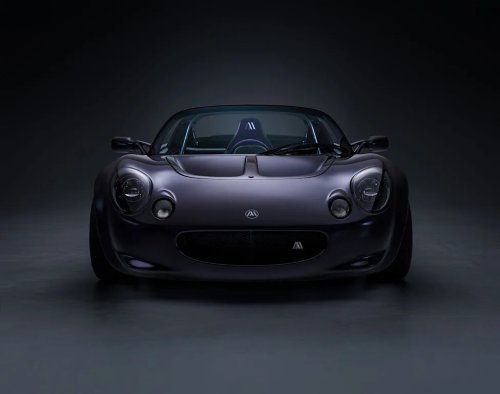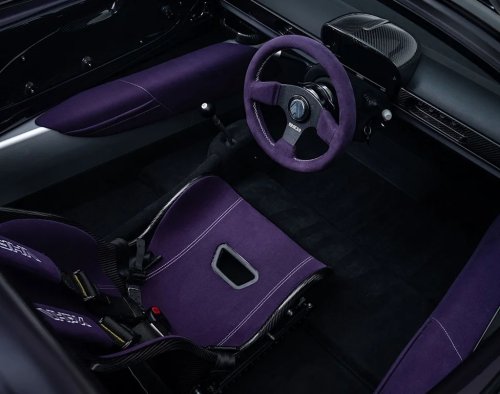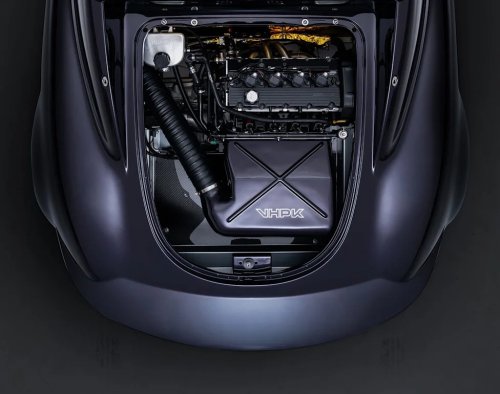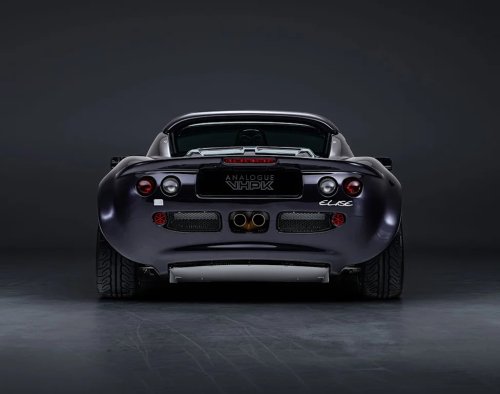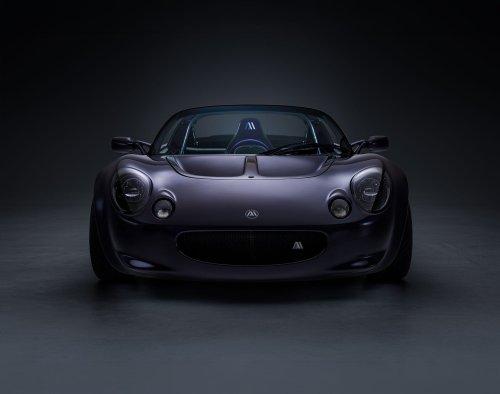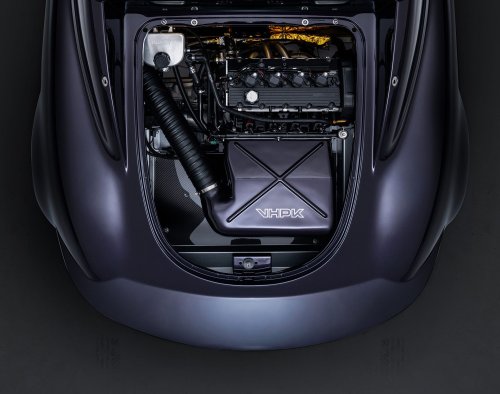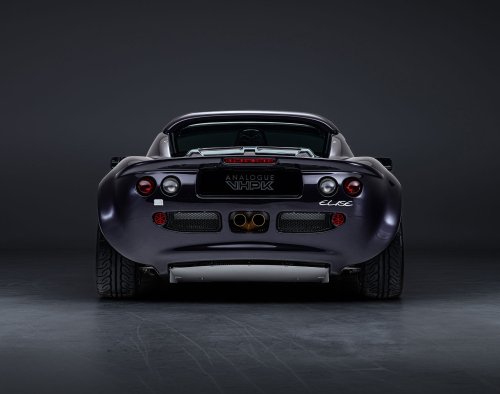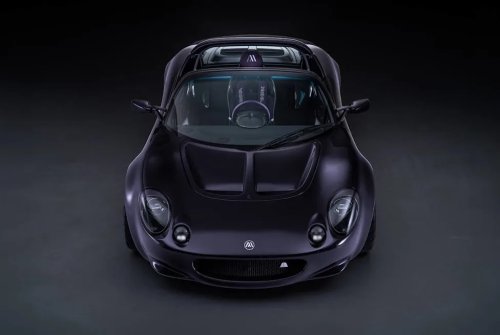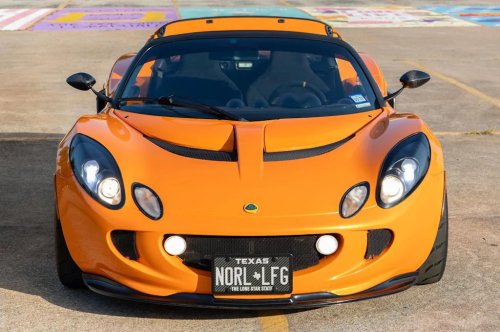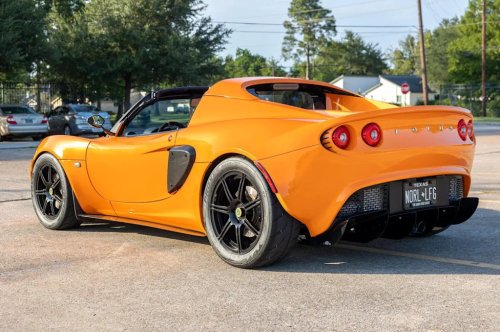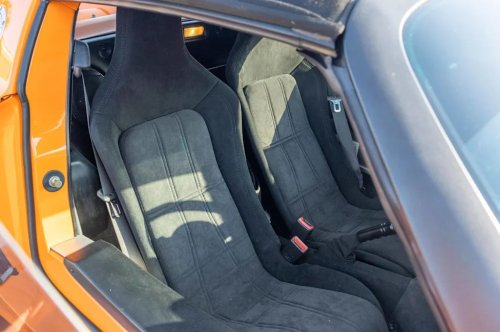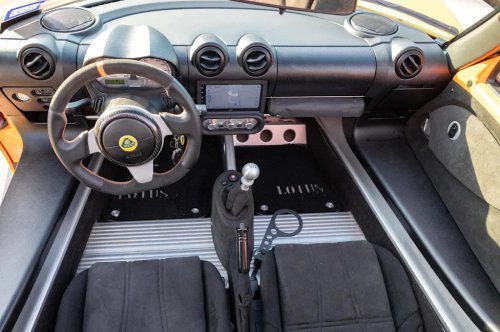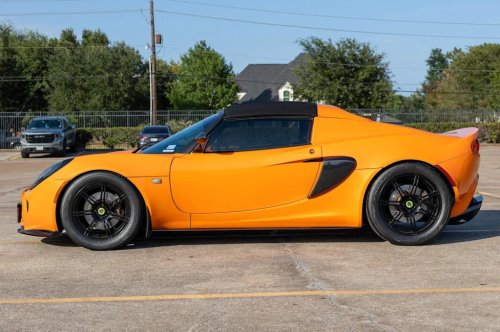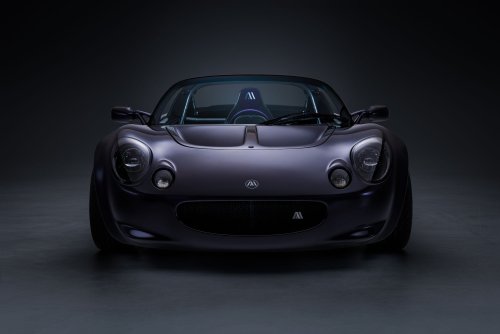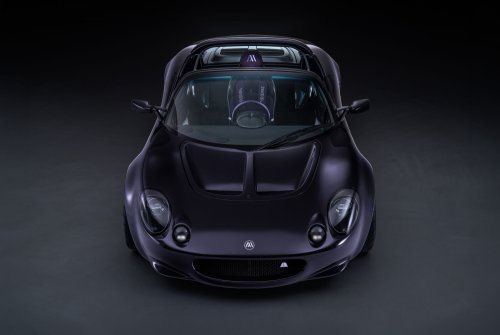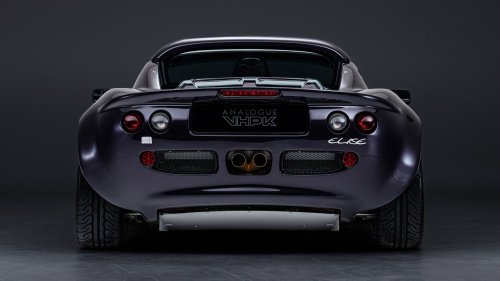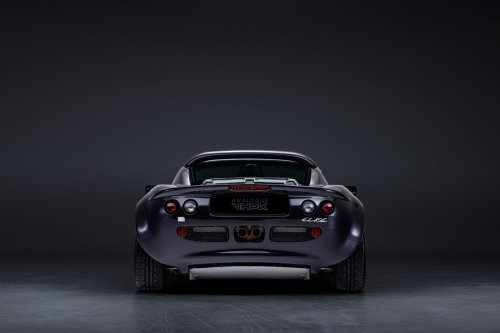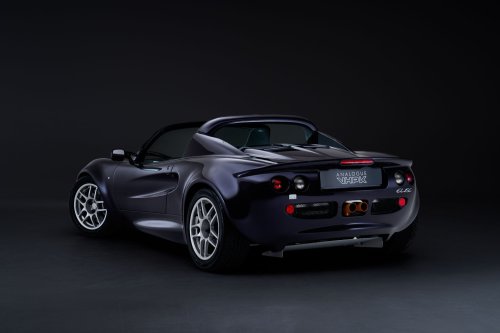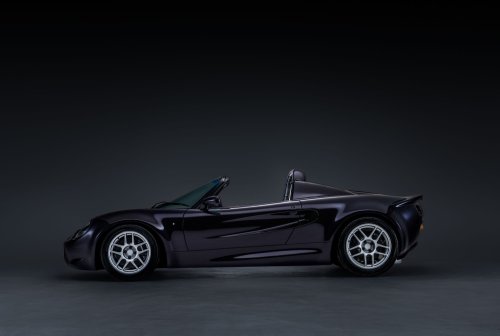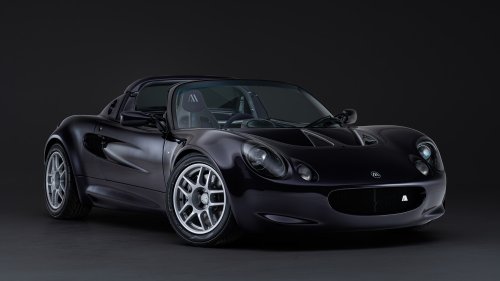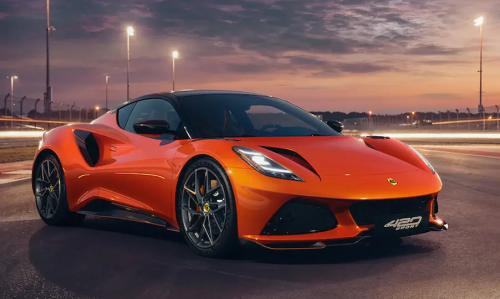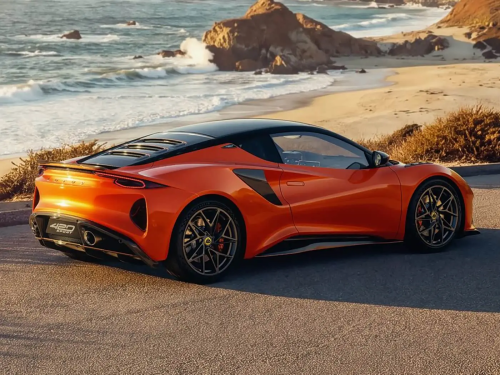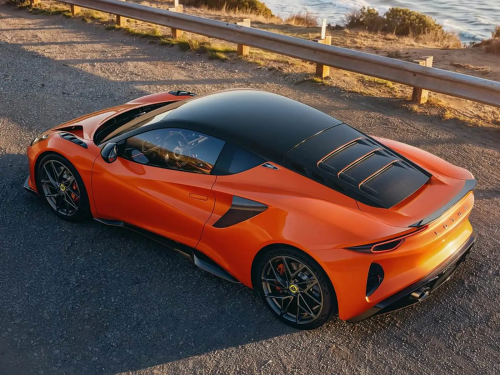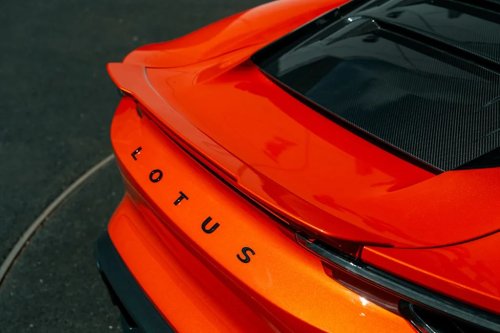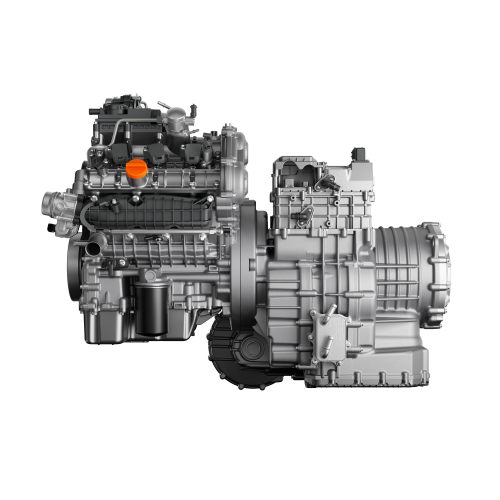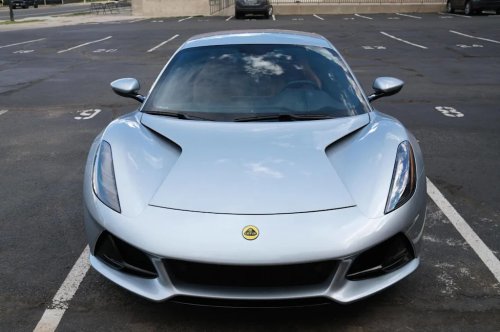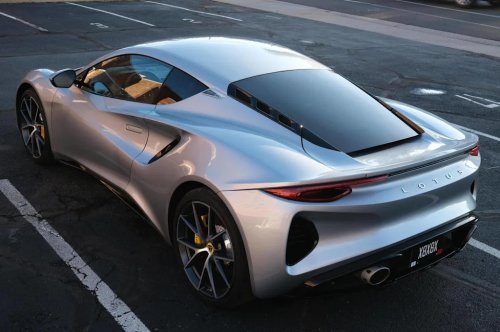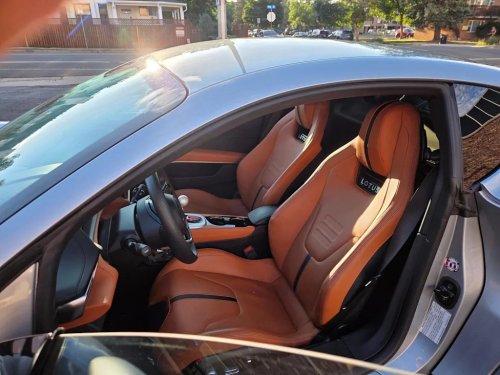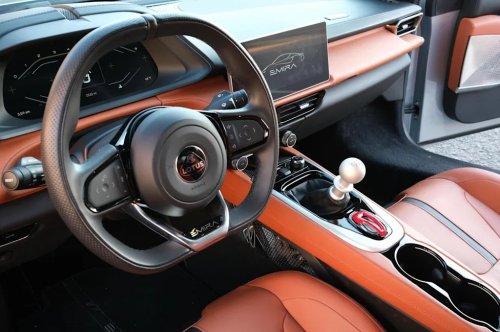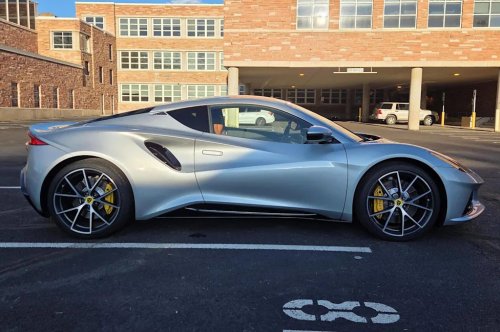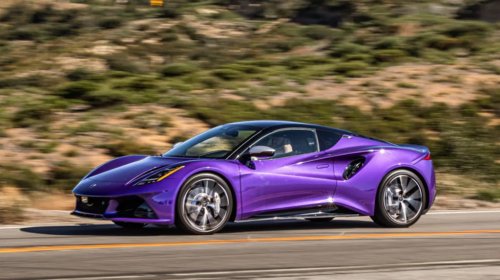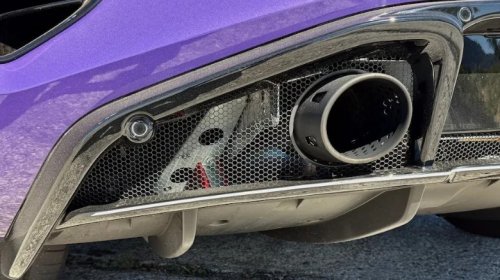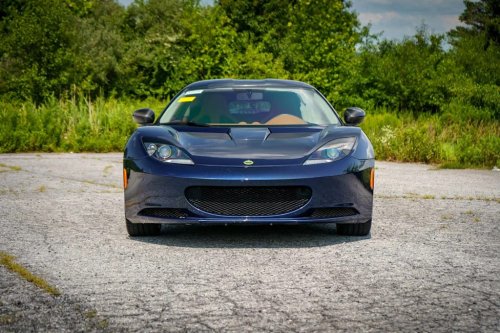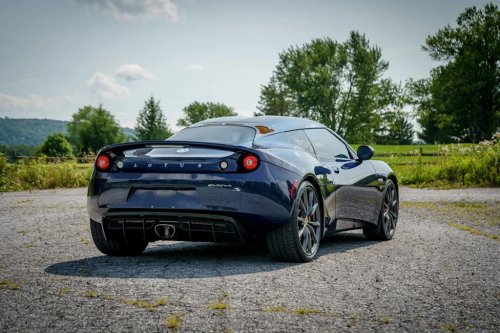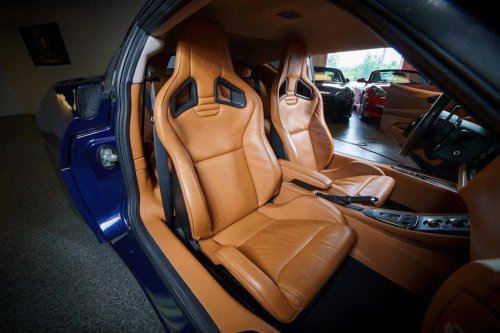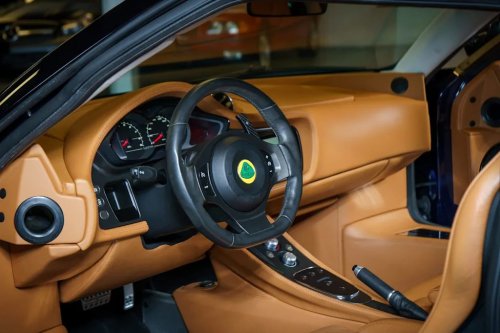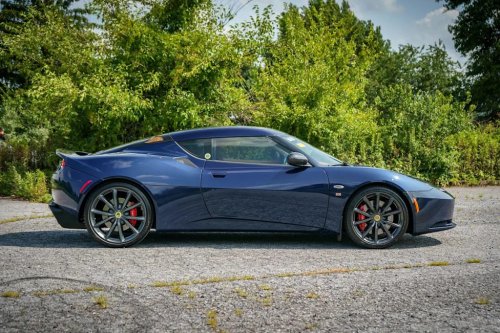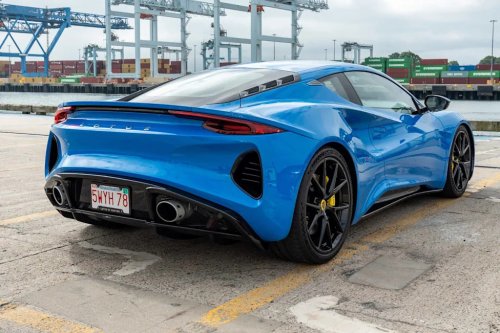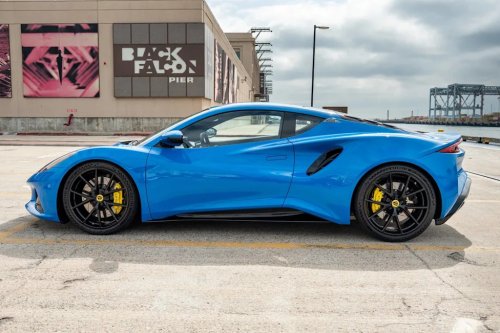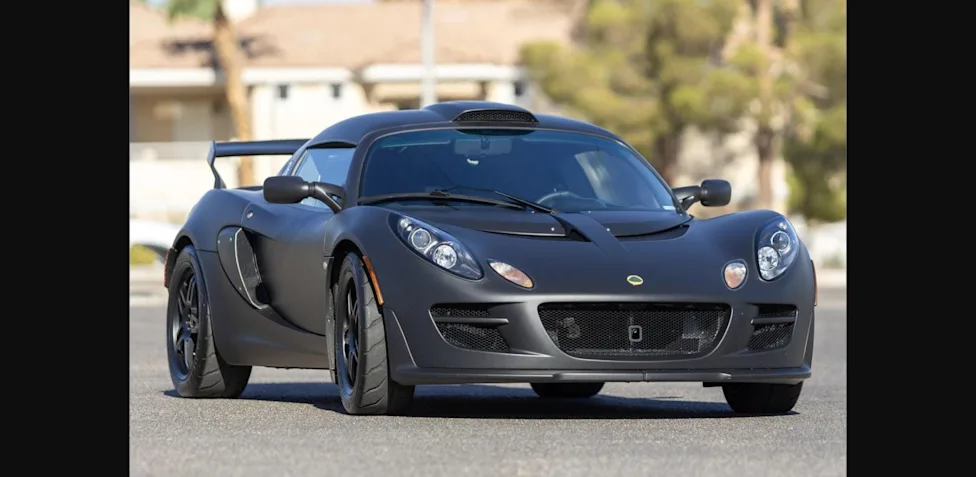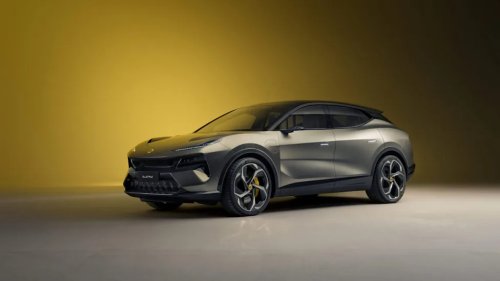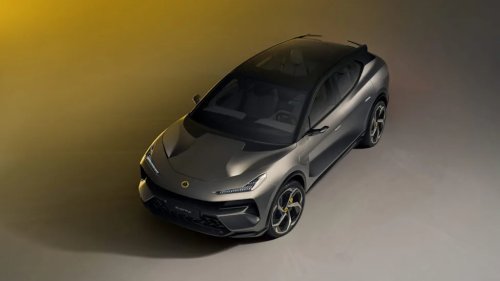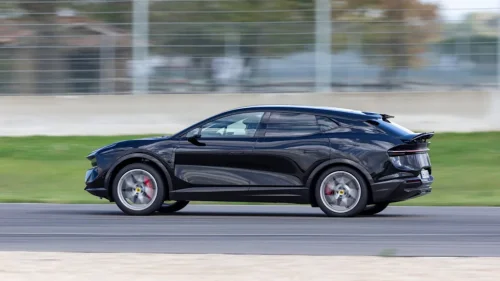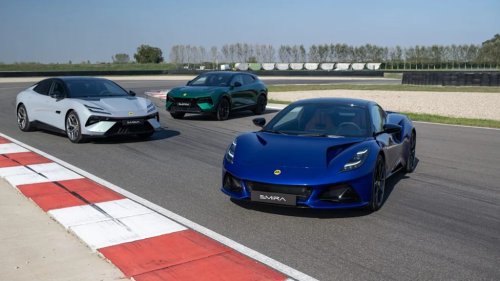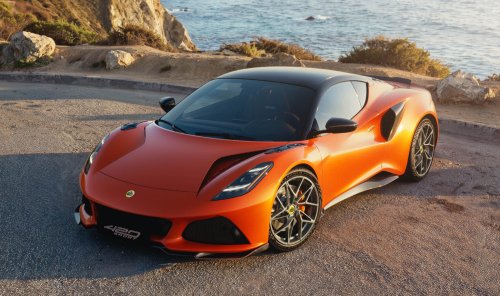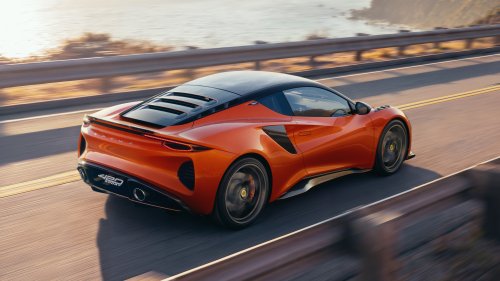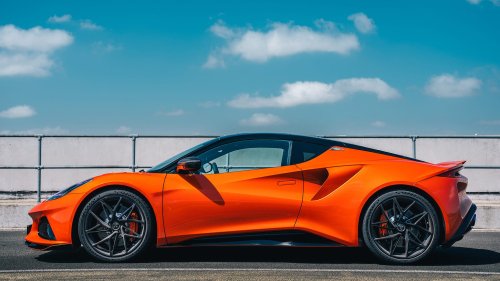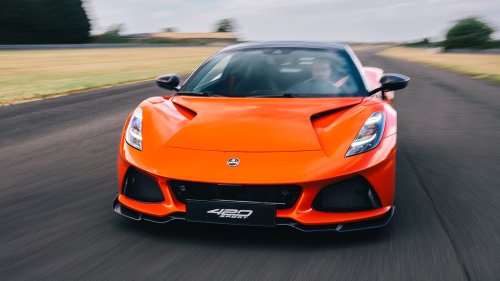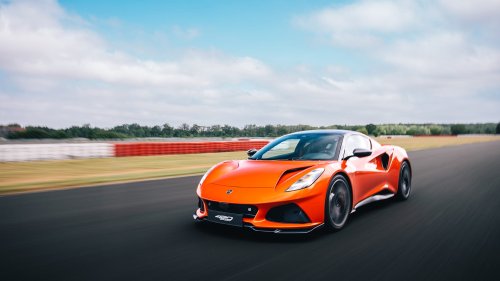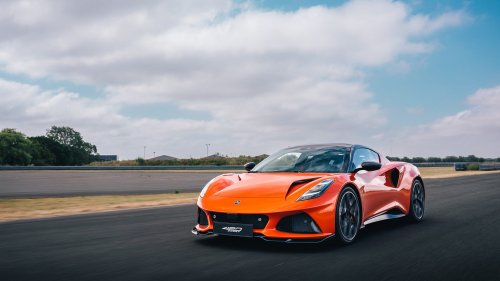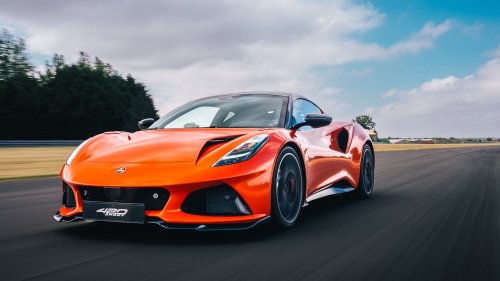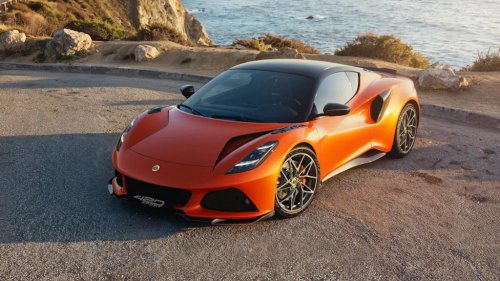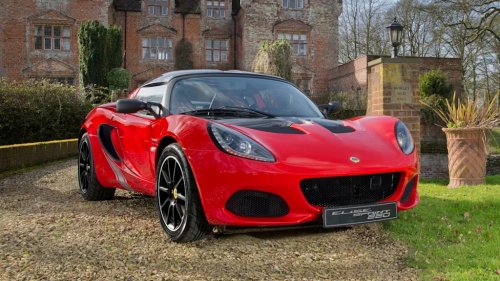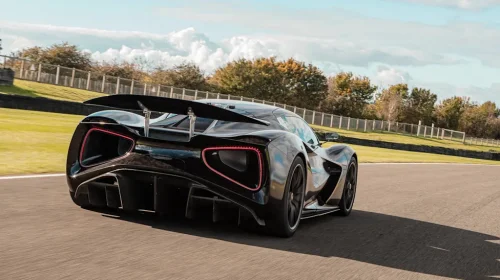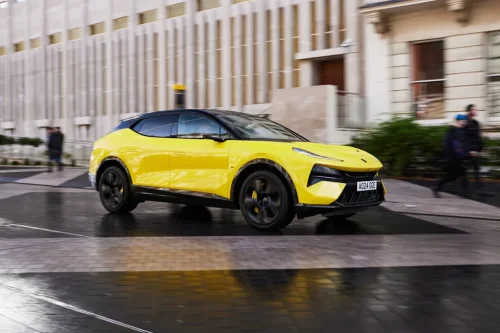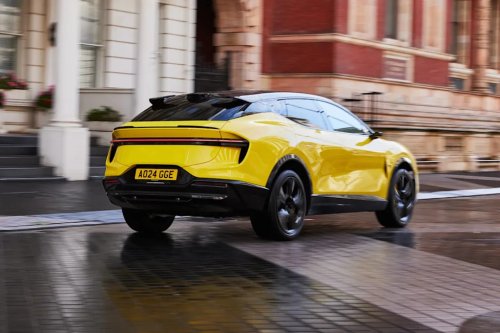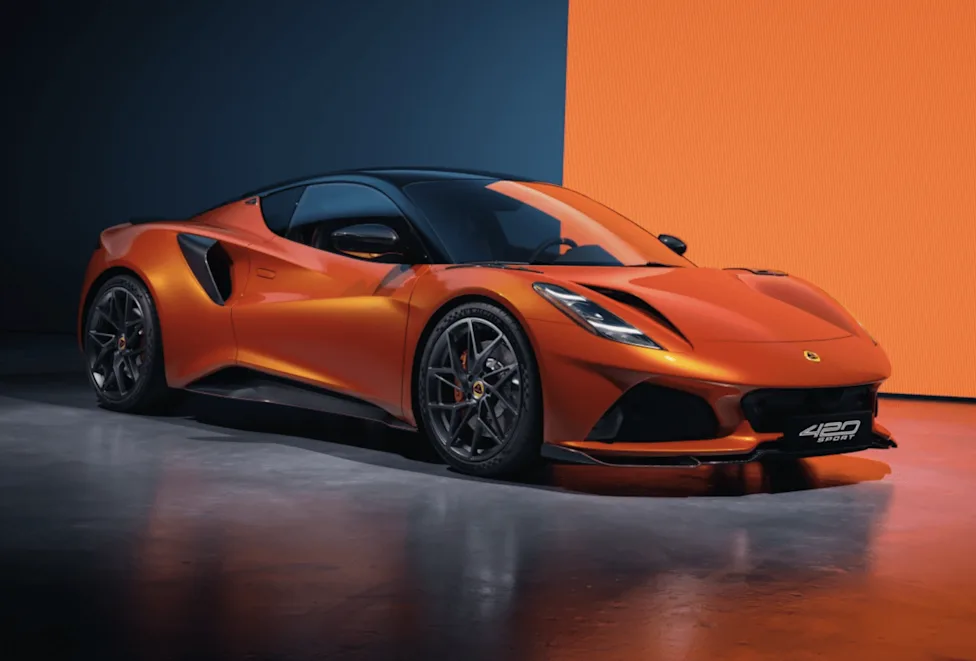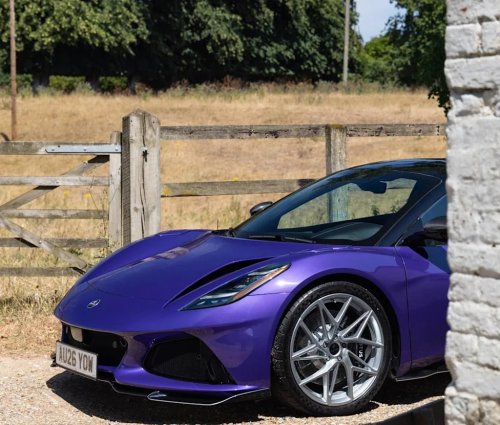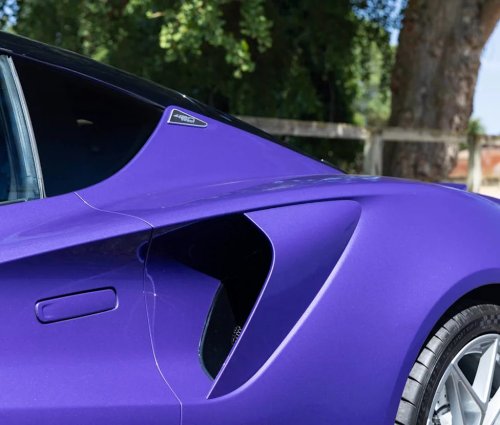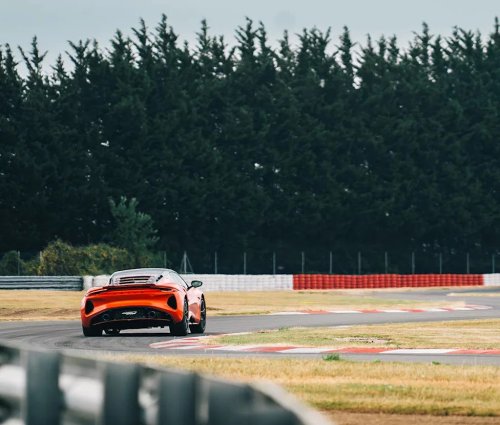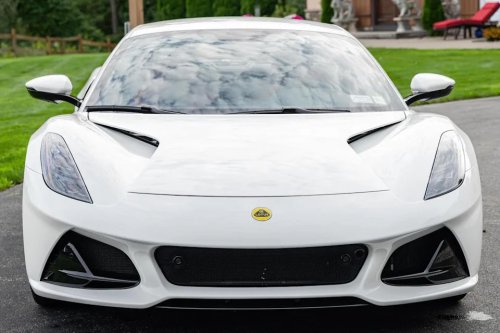



















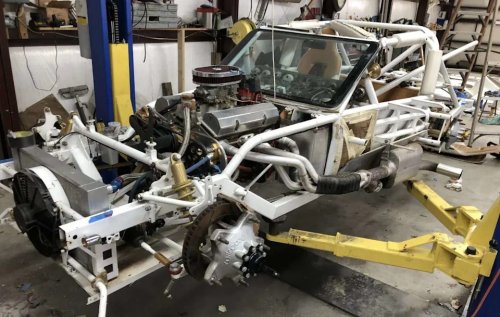
A Lotus Got Impounded for Hitting 140 MPH on I-15. The Real Shock Is How Little Engine It Took.A Lotus got towed off the 15 Freeway near Temecula on Saturday, and the scariest number in that sentence isn't 140. It's 1.8, as in liters, as in an engine smaller than what Toyota once put in a Corolla XRS. Most people assume that kind of speed needs a rocket under the hood. This car didn't have one.According to the California Highway Patrol, a driver was clocked doing 140 mph in a 70 mph zone on northbound I-15 between California Oaks Road and Clinton Keith Road on Aug. 8. CHP's Temecula office pulled the car over, impounded it, and wrote two separate citations: reckless driving under Vehicle Code 23103(a), and speeding in excess of 100 mph under Vehicle Code 22348(b). The citation lists an approved speed of 140 in a posted 70 zone, exactly double.The photos CHP released tell the rest of the story before you even read the ticket. Low nose, round taillights, a roofline that ducks behind the driver's head, a side intake carved into the door, that's not a generic sports car. That's a Lotus, and from the shape of it, a second-generation Elise or Exige, the featherweight two-seater Lotus built from 2004 through 2011.AdvertisementAdvertisementHere's the part that should actually worry you.An Elise or Exige from that era didn't come with big power. Federal fuel economy records list the U.S. spec car with a 1.8 liter four cylinder, the same basic Toyota sourced engine family that powered a Corolla XRS and a Celica GT-S. Depending on trim, that's somewhere in the neighborhood of 190 to 240 horsepower, a number plenty of minivans can match today. What the Elise had instead was almost nothing else: an extruded, bonded aluminum tub, no power steering in some trims, a curb weight hovering around a ton. Lotus founder Colin Chapman built his entire philosophy, simplify, then add lightness, on the idea that removing mass does more for a car than adding power ever will. Saturday's stop is that philosophy working exactly as designed, just somewhere it was never supposed to be tested.California doesn't treat this as one mistake. Vehicle Code 22348(b) makes driving over 100 mph its own infraction, carrying a fine of up to $500 for a first offense and a court ordered license suspension of up to 30 days, regardless of whatever else you're charged with. Stack a reckless driving conviction under 23103(a) on top of it, and state law allows up to 90 days in county jail, a fine up to $1,000, or both. A second 100 mph citation within three years pushes the fine to $750. A third within five years triggers a mandatory suspension. This isn't the state's first rodeo with this exact math either: California issued more than 11,000 speeding citations in a single day back in 2023, with 200 drivers facing immediate license action.CHP's Temecula office didn't just cite the driver. It showed its work. The agency called 140 mph on a public freeway "a high-stakes physics experiment," and it isn't exaggerating for effect. "Kinetic energy scales with the square of speed," CHP wrote, which means going from 70 to 140 doesn't double the energy that has to be dissipated in a crash, it roughly quadruples it. Stopping distance follows the same ugly curve: around 300 to 350 feet at 70 mph, and north of 800 to 1,000 feet at 140, by CHP's own estimate. A lightweight chassis is very good at accelerating and changing direction. It does nothing to change that math.AdvertisementAdvertisementNationally, NHTSA has tracked the same pattern for more than two decades: speeding is a factor in roughly a third of all traffic deaths, including 11,288 people killed in 2024 alone. CHP puts California's own number at around 32%. Insurers already treat reckless driving convictions as a major violation, the kind that can push premiums up for three to five years, and on a car that was already expensive to insure because it's a low production Lotus, that increase compounds fast. Add the tow bill, the storage fees, and whatever a defense attorney costs to fight a misdemeanor, and 140 mph on a Saturday afternoon turns into the most expensive drive this car has ever taken, win or lose in court.None of this required a hypercar. It required a forty year old idea about weight, an empty stretch of freeway, and a driver willing to test both at the same time. Every generation gets a reminder that speed was never really about horsepower. Saturday's Lotus wasn't fast because of what its engineers put into it. It was fast because of everything they were willing to leave out. On public roads, that's not a compliment. It's a liability.Join our Newsletter, follow our Instagram page, and connect with us on Facebook.