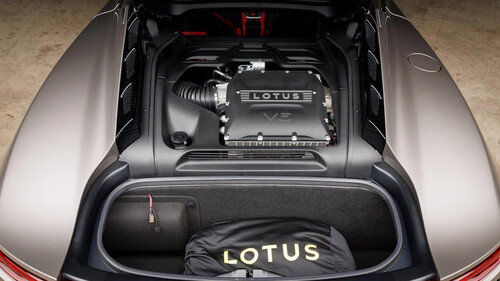
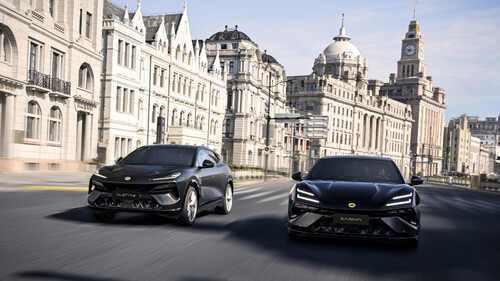
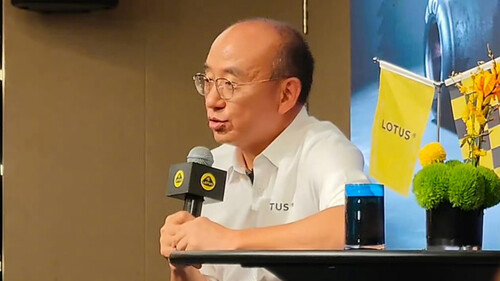
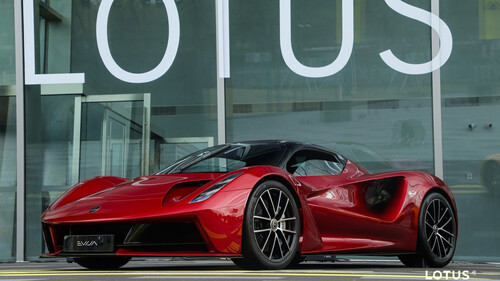
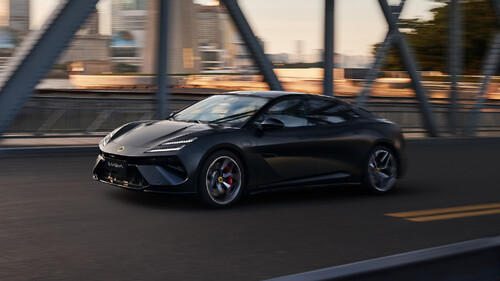
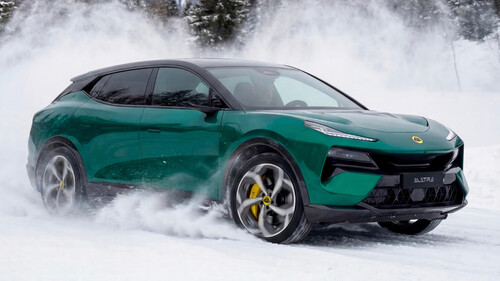
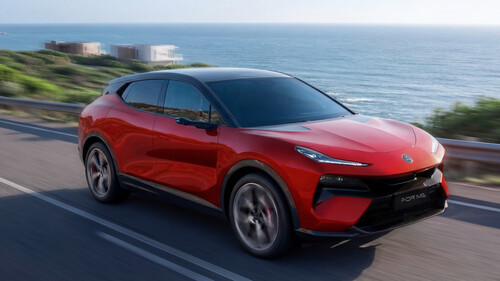
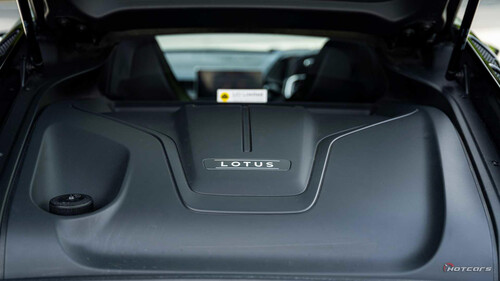
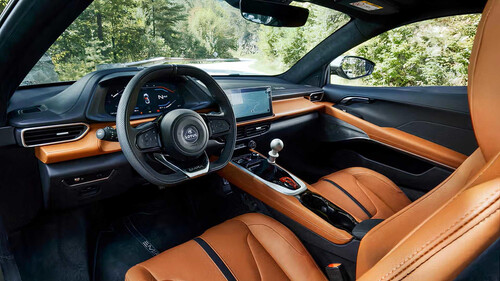
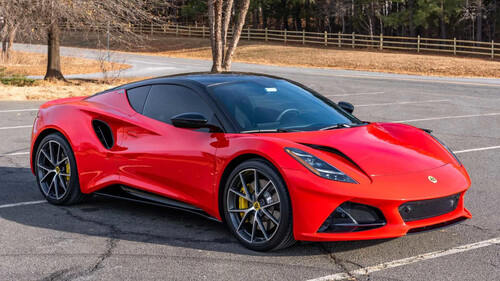
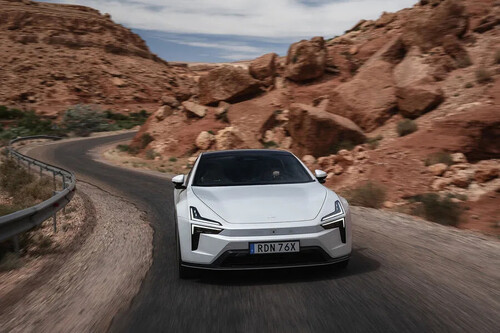
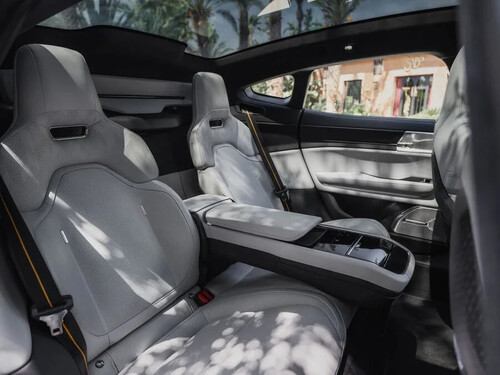
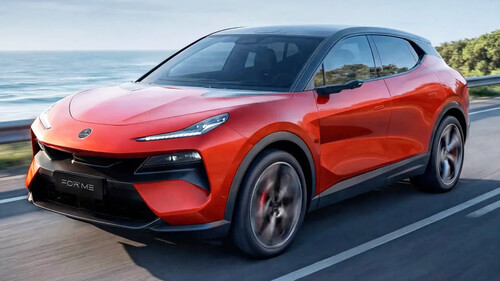
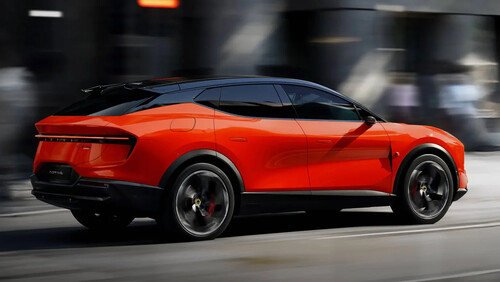
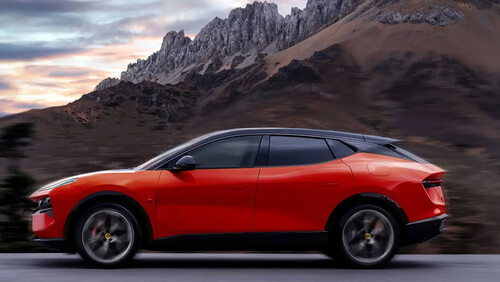
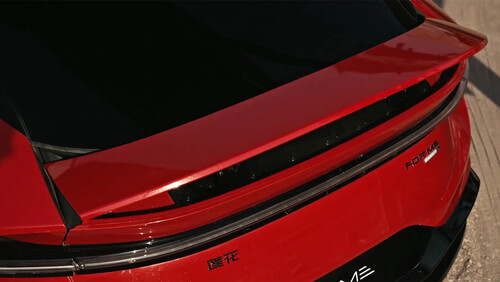
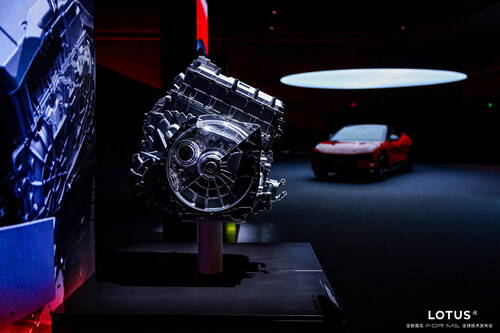
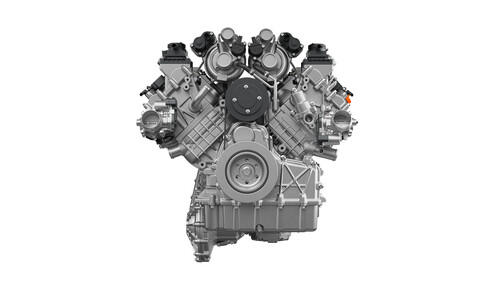
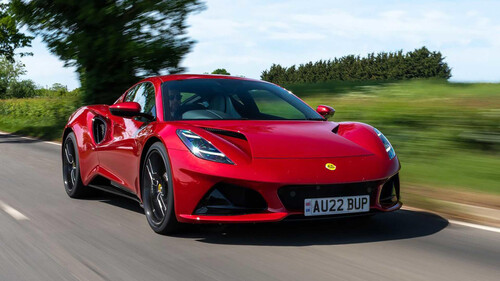
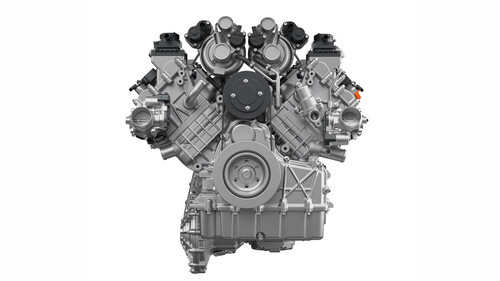
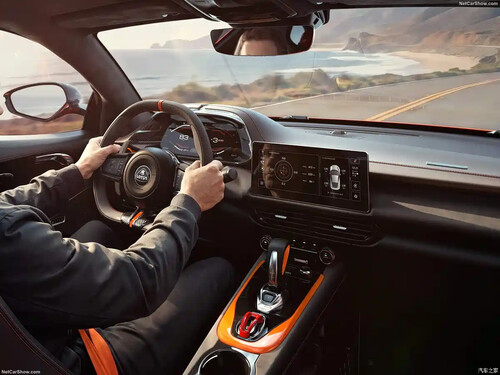
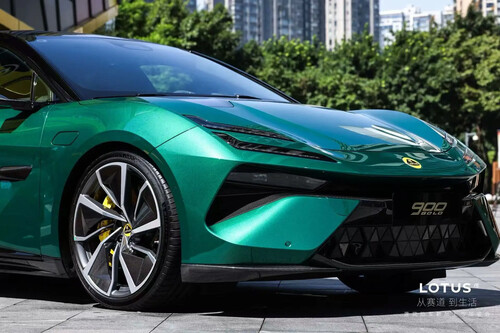
Lotus Talks Details About the 1,000-HP Type 135 Esprit Supercar, and MoreMotorTrendKristen LeeMon, September 14, 2026 at 3:00 PM UTCAdd us on GoogleLotus Update: Details About the 1,000-HP Type 135LotusAnother day on this Earth that Lotus still exists is another day worth celebrating. Changing hands nearly half a dozen times in the last 40-something years, the scrappy British automaker has been tethered to the global Chinese giant, Geely, since 2017. Under its stewardship, Lotus is not only surviving, but there are big plans in store for it, as well.More on the Type 135As any good investor knows, diversification is important. Lotus has made a powerful name for itself with small, sporty gasoline-driven cars and has assured us it will keep building wonderful things like the Lotus Emira. But to compete in today's widespread global market, electrification must be part of its portfolio. That's where the all-electric Eletre SUV and Emeya sedan come in—despite, of course, the present situation tariff and regulatory situation with Chinese goods that stops Lotus from selling them in the U.S.Manufacturer - MotorTrendLotus previously pledged to go fully electric. However, it has since retooled that goal to include hybrids as part of its Focus 2030 business strategy, and it now offers the Eletre X hybrid in the Chinese market as the Lotus For Me. The SUV goes on sale in Europe late this year.AdvertisementAdvertisementThis move is driven (sorry) by customer preference, Group Lotus vice president of design Ben Payne told MotorTrend in a recent interview. "We're looking at still making that transition toward electrification, but [doing so in a way that's] more in line with customer expectations," he said. "We see hybrid as a fantastic solution for us at this point in time, and how we can balance where people really are and what the market really wants from a brand like Lotus. Drivetrain diversity is giving us that flexibility, given the shifting landscape."The Lotus Eletre EV SUV.MotorTrend - MotorTrendNotably, Lotus is launching a new hybridized 1,000-hp V-8 in its upcoming Type 135 supercar that may or may not be the reborn Esprit. The company has not confirmed the car's official production name, though we'll note the Esprit was the last Lotus to have a V-8."Type 135 is reinstating this multi-powertrain strategy," Payne said. "It's something which is a heritage connection for us. The Esprit was also available in the V-8 powertrain. We hear the voice of the customer again saying they would quite like a more powerful product. Our brand value is being something which people love, providing cars which are amazing to drive, a fantastic experience. There's a certain group of people that find that that's also linked to high-output engines, and V-8s are something which are synonymous with a wonderful sports car driving experience. We believe that to be the right decision for the next generation of sports car."In an August 27 earnings call, Lotus CEO Qingfeng Feng shed some more light on the Type 135. Not only will it have a hybrid V-8, but a hybrid V-6 will be available, as well. Lotus sees the Type 135 to sit between the Emira and the Evija EV hypercar.The Lotus Eletre Evija hypercar.MotorTrend - MotorTrend"The Type 135 will fill the gap between the Emira and the Evija," Feng said. "Preserving the emotional connection Emira owners have with the Lotus mechanical handling while leveraging V-8 hybrid technology to approach the technical benchmark set by the Evija."As for lightness? Part of the plan."We are ... targeting a total weight of around just 1.5 tons," Feng went on. "Lightweight engineering is both our greatest strength and our biggest challenge here. Achieving that target with an 800-volt architecture, a hybrid system, a V-8 engine, and electric motors all within just 1.5 tons is not easy. To put that in perspective, while a typical 150-kWh motor weighs between 75 and 95 kilograms (165–209 pounds), we have leveraged Formula 1 technology to bring it down to just 20 kilograms (44 pounds). We are also codeveloping an eight-speed DCT with Horse, designed to handle high torque while keeping weight to a minimum."AdvertisementAdvertisementThat's the Geely-Renault-owned Horse Powertrains. Feng acknowledged Lotus' history of powertrain-sharing with other automakers—today, the Emira uses either an AMG four-cylinder or a Toyota supercharged V-6—and called it the company's "most significant handicap." Like the Esprit V-8 that came before it, Lotus wants to move powertrain production in-house.Lotus"This time, with Geely's strong support and technology enablement, we are codeveloping a high‑performance powertrain with Horse," Feng said. "This collaboration allows us to leverage Lotus' core strength in lightweight engineering, aerodynamics design, and software chassis tuning while tapping into Geely's resources, global supply chain, and scale advantages, meeting the Type 135 power requirement while balancing R&D investments and per‑unit cost."In other words, this is great news for Lotus fans. When the Type 135 arrives, if this all rings true, it will represent a blend of the might of Geely's R&D department unleashed upon what Lotus has always done best: a lightweight driver's car.Even talking with Lotus employees while touring its Hethel plant earlier this past summer, people seem excited. One employee said they were appreciative of the financial security Geely provides, especially through the COVID-19 pandemic and the European automotive business' struggles today. They said they like the technology and parts-bin sharing Geely brings, particularly switchgear that's good and, most important, that works.Kristen Lee - MotorTrendBig Plans for HethelWhile on the topic of the Hethel plant, Lotus assured MotorTrend once more it is not shutting anything down. For now, the plant only builds the Emira, but during a factory floor tour, we observed it humming along and rolling brightly colored sports cars off the line like Skittles. Fun fact: There are only two robots in the whole facility, and their jobs are limited to gluing roofs and bulkheads.AdvertisementAdvertisementStill, keeping an entire plant open to build one low-volume model doesn't seem particularly cost-effective. Given the popularity of the electric SUV and sedan, a diehard Lotus fan might feel nervous about the possibility the "simplify, then add lightness" company could one day abandon its sports car roots altogether in favor of mass-appeal EVs. Not so, according to Feng. The company hasn't forgotten its devotees across the pond."Core sports car enthusiasts in Europe and the U.S. place high value on the physical appeal of internal combustion engine sound and mechanical driving," he said. "Pure electric supercars, constrained by battery weight and charging infrastructure, have struggled with traditional performance buyers. The Type 135 hybrid V-6/V-8 approach offers the ideal solution, delivering compliance with global emission regulations while preserving the essential Lotus DNA of lightweight engineering, aerodynamics, and extreme track-focused driving dynamics, filling a clear gap in the market."Kristen Lee - MotorTrendIndeed, it sounds like Hethel will be the future home of Type 135 production. In some capacity, at least."The Hethel U.K. site will focus on the ICE and PHEV sports car lines, pursuing a differentiated strategy centered on limited edition models," Lotus chief financial officer Daxue Wang said during the same earnings call. "The Wuhan, China, facilities will lead BEV and PHEV lifestyle vehicles under the volume production strategy. We will also prioritize operational integration, combining shared R&D, manufacturing, and supply chain functions with the goal of building Lotus into a global capacity mix high-performance auto brand."AdvertisementAdvertisementThere's another advantage to building cars in the U.K. instead of China: Doing so could potentially get Lotus around the U.S. Department of Commerce's Bureau of Industry's recent Connected Vehicle Rule (CVR). As we previously reported, the CVR is a U.S. national security policy that prevents companies from selling cars that feature hardware, but especially software, that is tied to countries like China or Russia. It's why Polestar can no longer sell cars here for 2027, and we can reasonably assume that, tariffs aside, the same fate would befall the China-built Emeya and Eletre. Remember: Polestar and Lotus are both owned by Geely.Kristen Lee - MotorTrendEstablishing Type 135 production at Hethel is perhaps the best chance we have of getting it here in the U.S. Once again, Lotus is practicing diversification.New Texas DigsWith big product moves underway, Lotus also quietly moved its U.S. headquarters from Michigan to Austin, Texas."We had an office in Michigan," Massimiliano Trantini, Lotus Americas president and CEO, told MotorTrend, "but considering the luxury and sports car positioning of the brand, we wanted to have a location that represents this positioning also."AdvertisementAdvertisementThe company looked at both coasts, according to Trantini, but ultimately decided on Texas because it's in the middle of the country and makes covering the whole region easier.MotorTrend - MotorTrend"Austin is a very business-friendly location," Trantini said, listing off the pros. "The government is very supportive. There is plenty of talent. There is one of the biggest engineering universities (the University of Texas at Austin). A lot of companies are moving there, so it's very dynamic. And it's a place where motorsport is very much appreciated."Certainly, the city's proximity to the Circuit of the Americas F1 venue means there's a potential event space pretty much in the backyard, ready to go.When it comes to Lotus, the question of its survival is historically only a thought away. But under Geely, this time seems different. It's not just more of the same; it genuinely appears that new and better stuff is coming.Photo credit: MotorTrend - MotorTrendPhoto credit: MotorTrend - MotorTrendPhoto credit: MotorTrend - MotorTrendAdvertisementAdvertisementPhoto credit: Manufacturer - MotorTrendPhoto credit: LotusPhoto credit: LotusPhoto credit: Kristen Lee - MotorTrendAdvertisementAdvertisementPhoto credit: Kristen Lee - MotorTrendPhoto credit: Kristen Lee - MotorTrendPhoto credit: Kristen Lee - MotorTrendPhoto credit: Kristen Lee - MotorTrendAdvertisementAdvertisementPhoto credit: Kristen Lee - MotorTrendPhoto credit: Kristen Lee - MotorTrendPhoto credit: Kristen Lee - MotorTrendPhoto credit: Kristen Lee - MotorTrendAdvertisementAdvertisementPhoto credit: Kristen Lee - MotorTrendPhoto credit: Kristen Lee - MotorTrendPhoto credit: Kristen Lee - MotorTrend