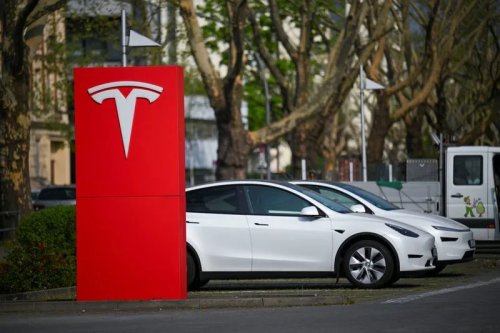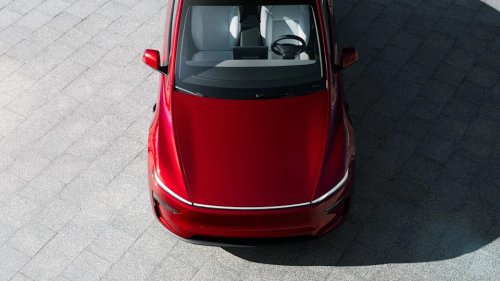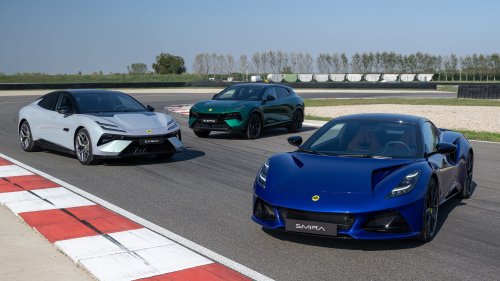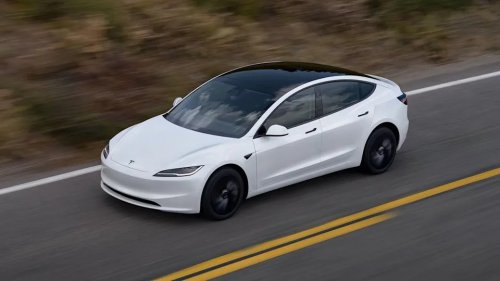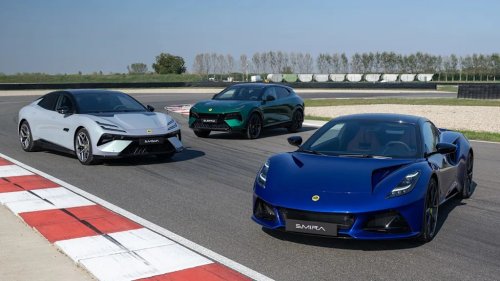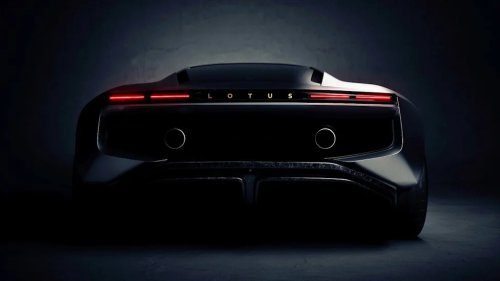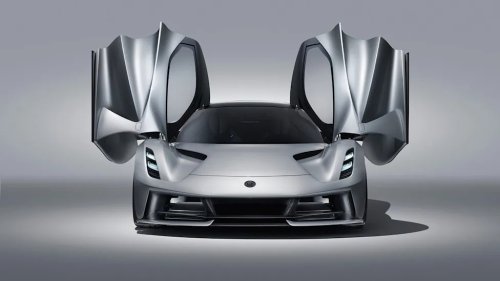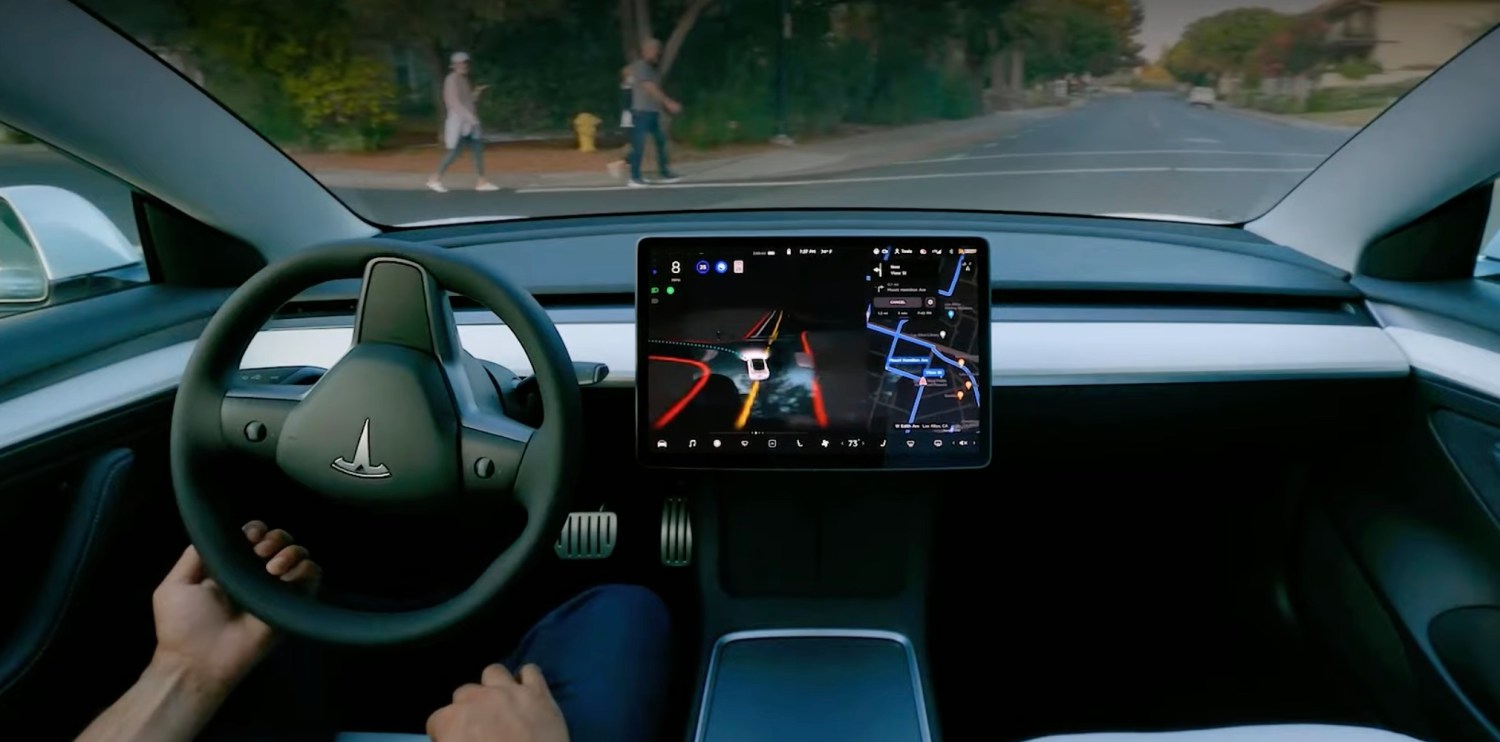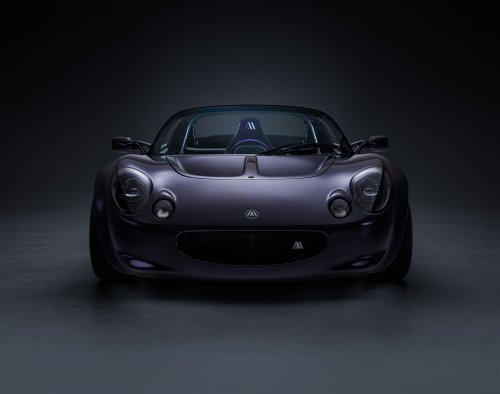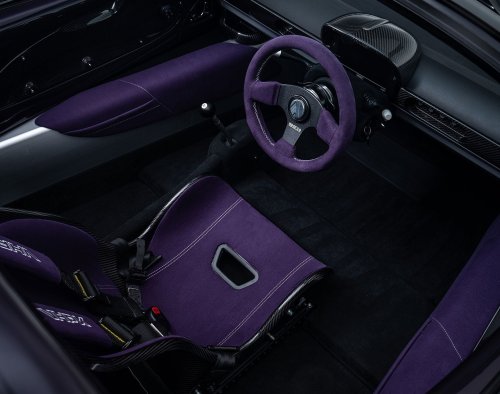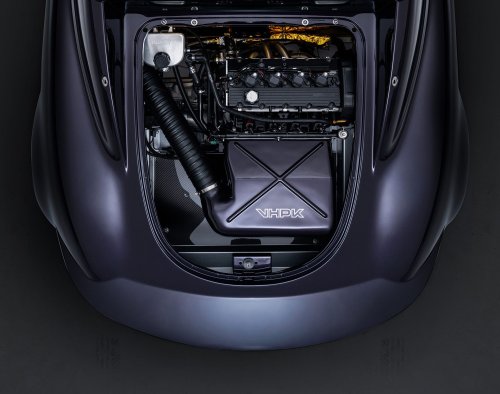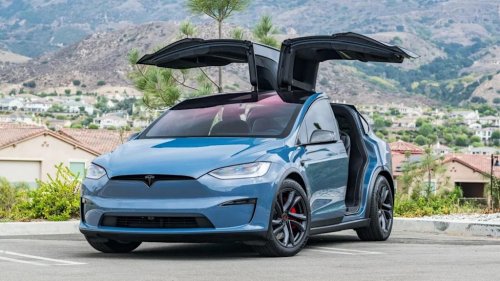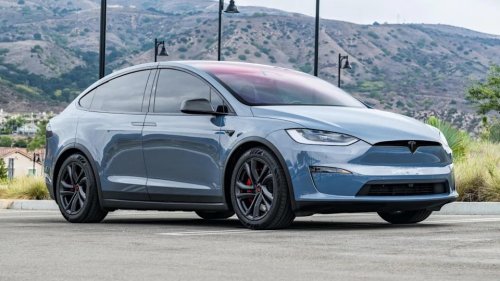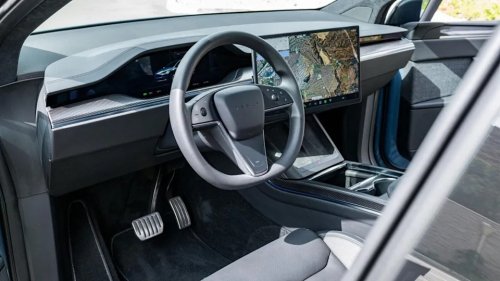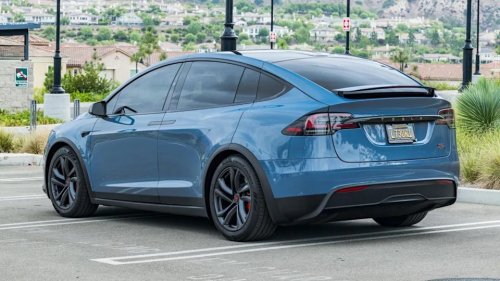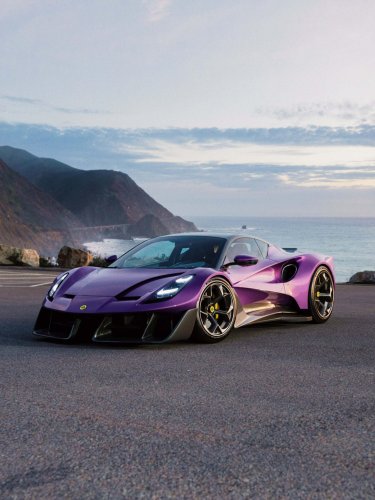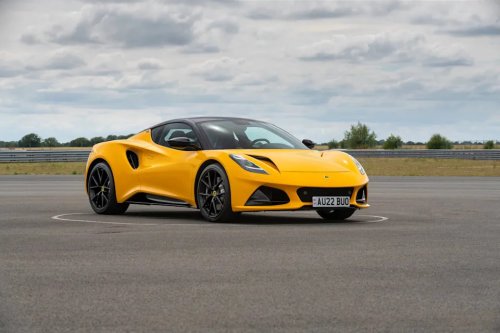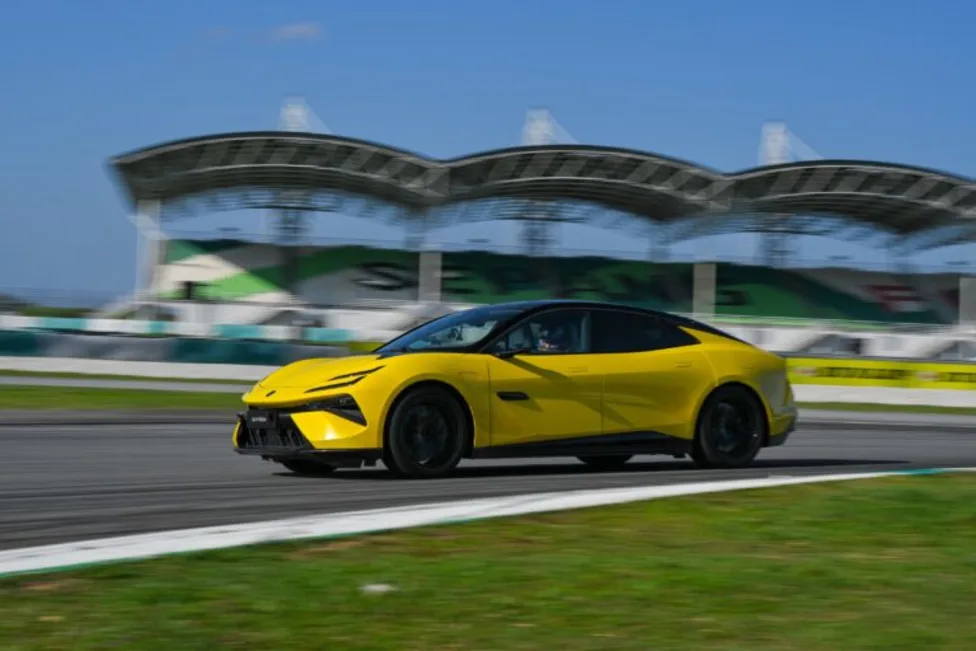


















Lotus Emeya 900 Beats a Modified Tesla by 7 Seconds Around Sepang — in Full Production TrimSepang International Circuit was Hermann Tilke's first ground-up Formula 1 design, and it hasn't gotten any easier since it opened in 1999. Sepang's 5.5-kilometer circuit is unforgiving by design – its extended, flowing bends lead onto two long straight sections, the relentless tropical climate hammers both brakes and tyres simultaneously, and the coarse track surface wears through rubber at a rate that rivals few other venues across the continent. It is, in short, a circuit that tells the truth about a car.The truth the Lotus Emeya 900 told was a 2:20.317.GT World Challenge Asia driver Daniel Lu, competing for Absolute Racing, handled the driving duties during a time attack organized by Lotus and Malaysian distributor Karrus Automotive Group. The car Lu drove arrived directly from China – a left-hand drive production unit, standard specification, no race-specific preparation. A Lotus Group Vehicle Dynamics Engineer was on hand to confirm the car ran within normal development parameters. The opening timed lap, logged before Lotus engineers had swapped the tyres or serviced the brakes, posted a 2:22.770 – which would have been enough to set the record on its own. The 2:20.317 came after that work was done.What the Emeya 900 Actually BeatThe previous record stood at 2:27.790, posted in June by Ee Shedden driving the Exotic Mods Tesla Model 3 Performance – a time the Emeya wiped out just weeks later. The Tesla in question had undergone significant preparation before turning a lap: around 60 kilograms were shed by removing the rear seating and replacing the rear doors with fibreglass units, while a GAB six-piston forged brake setup was installed alongside EMP Track Version coilover suspension and braided stainless steel brake lines, with Nankang CRS competition tyres and a six-point racing harness completing the build. The Emeya beat it by more than seven seconds wearing its standard equipment.AdvertisementAdvertisementFor reference, the Emira – Lotus's petrol-powered sports car, considerably lighter than a grand tourer of the Emeya's size – posted a Sepang lap time of 2:27.932 in 2025, with Malaysian motorsport personality Tengku Djan Ley behind the wheel. The Emeya 900 came in roughly 7.6 seconds quicker than that, too.The hardware behind the time is not subtle. Powering the Emeya 900 are two electric motors that together generate 905 horsepower and 985 Nm of torque, with a two-speed gearbox working in tandem with the rear motor. The 0–100 km/h sprint takes 2.78 seconds. A 102 kWh battery operates on an 800V architecture, and the front axle is brought to a halt by 10-piston carbon-ceramic brakes. During the record lap, the car reached 248.8 km/h. Active aerodynamics – including a deployable rear spoiler – keep nearly 2.6 tonnes of car stable at those speeds, supported by what Lotus calls its "porosity" philosophy: routing airflow through the body structure rather than solely around it, a concept first developed for the Evija hypercar.Chong Yok Meng, Senior Director for Chassis and Vehicle Dynamics at Lotus, framed it in predictably big terms: "The Emeya carries that same philosophy into the electric era. It has been developed with the same DNA that has defined Lotus for more than 75 years. This record is more than a lap time – it validates our engineering philosophy and proves that electrification enhances, rather than compromises, the Lotus driving experience."Malaysian buyers interested in the 900 will have to wait. The local lineup currently tops out at the 600 Series, which produces 603 horsepower and starts at RM489,000. UK pricing for the 2026 range spans £86,305 to approximately £146,805 for the 900 Sport Carbon.AdvertisementAdvertisementThe record-setting car is positioned as a daily-usable grand tourer, not a circuit weapon – which is exactly what makes the Sepang time worth paying attention to. Lotus isn't arguing that the Emeya is a track car. It's arguing that being a track car and being a grand tourer don't have to be different things. One lap around one of Asia's most demanding circuits suggests they might be right.