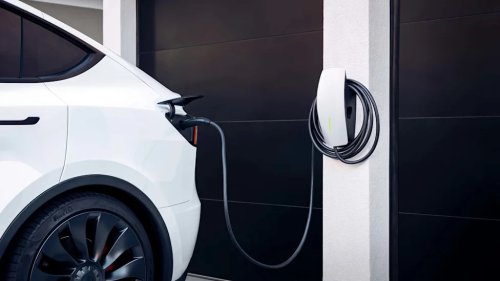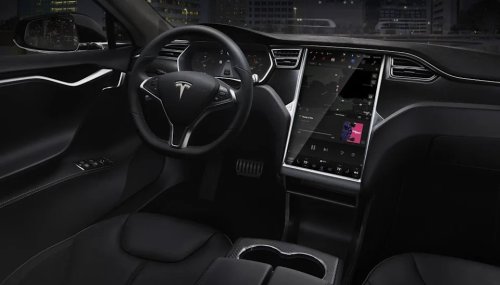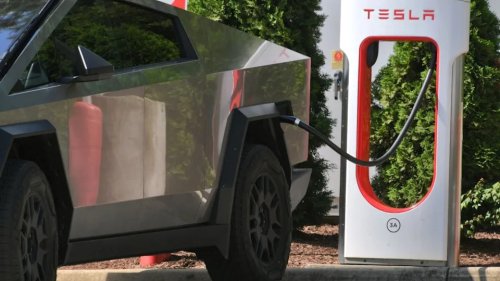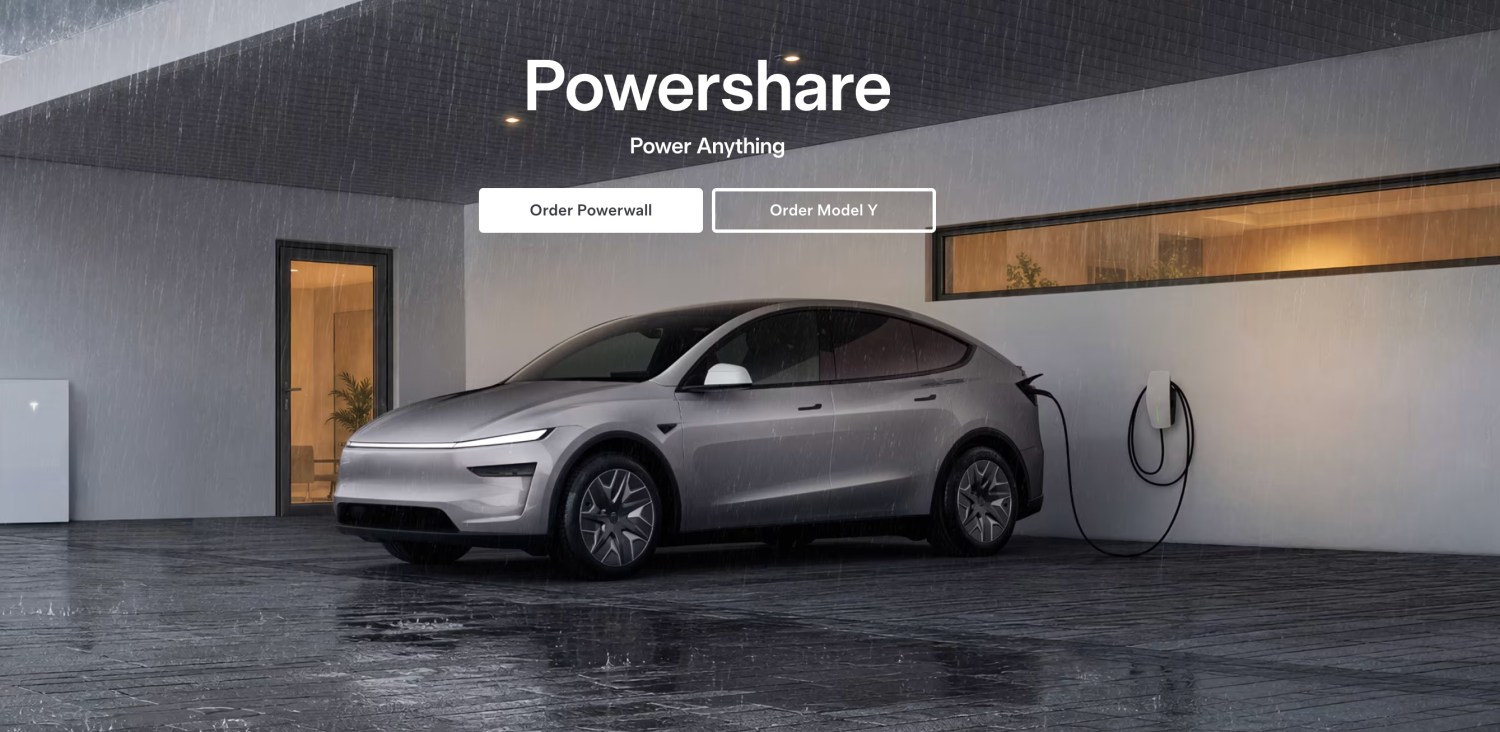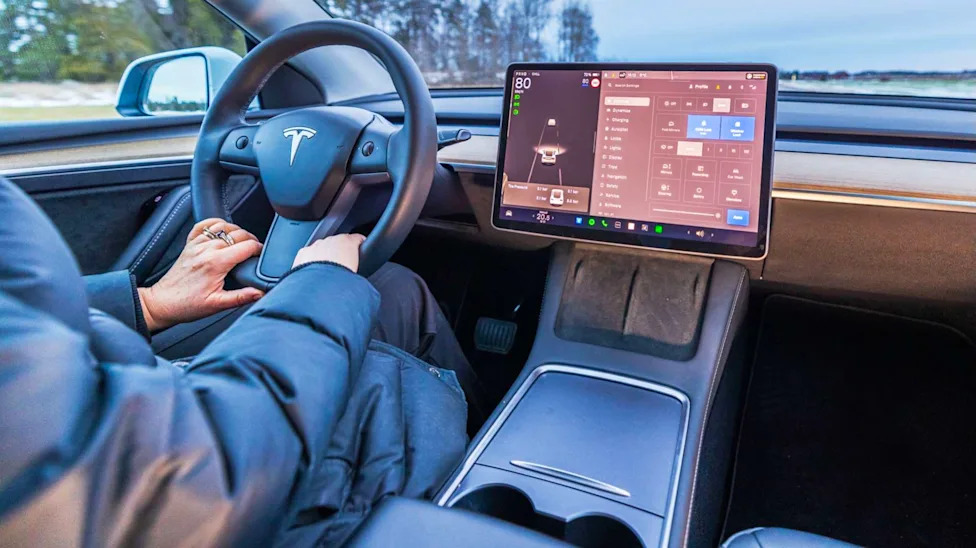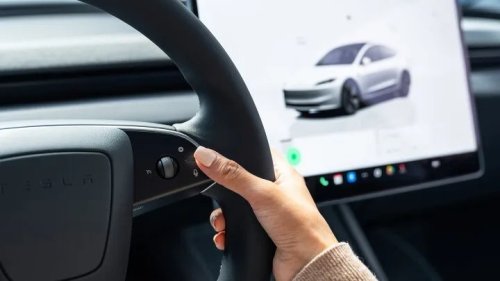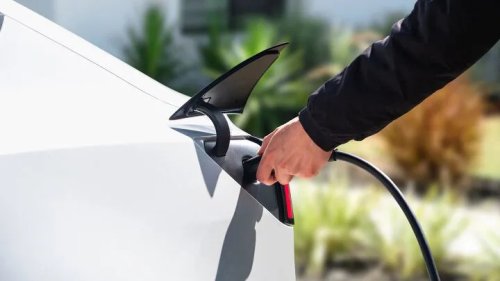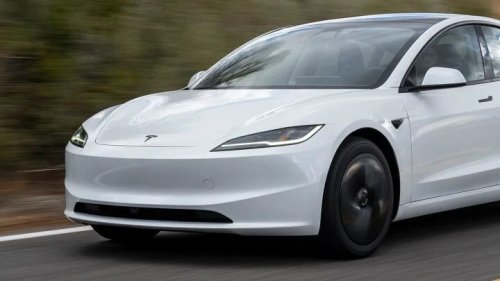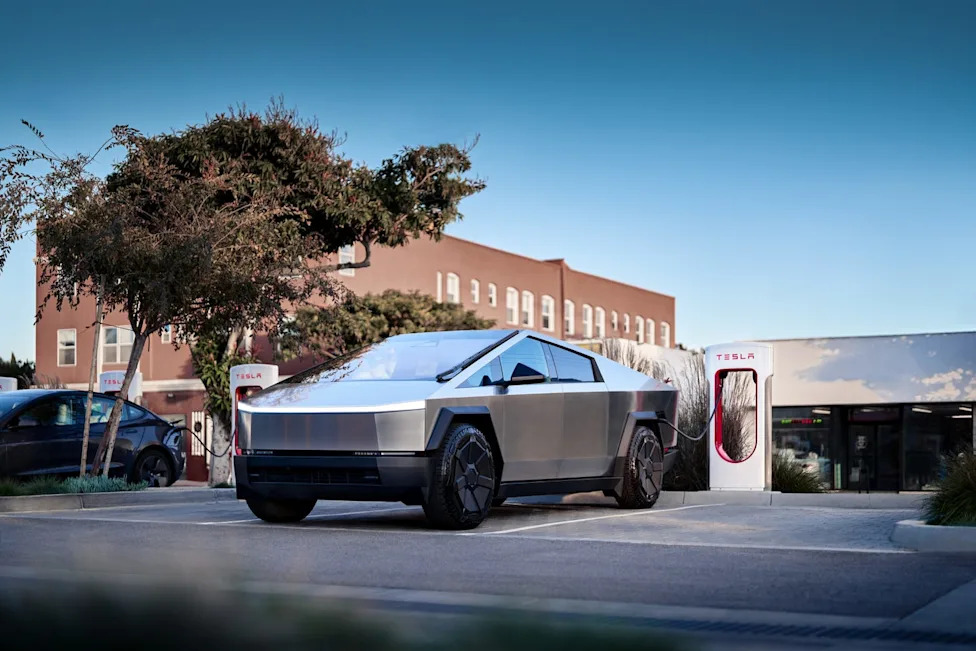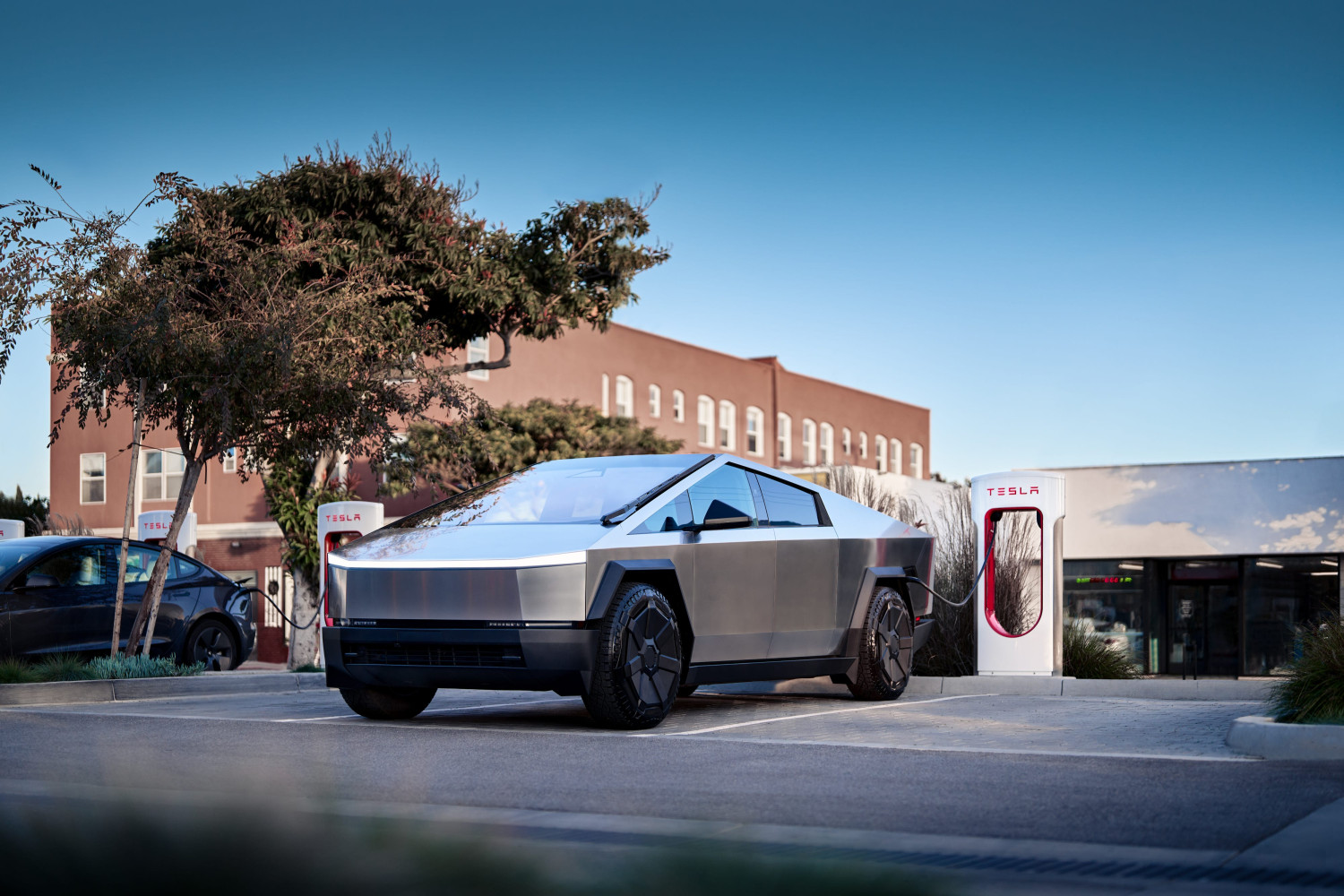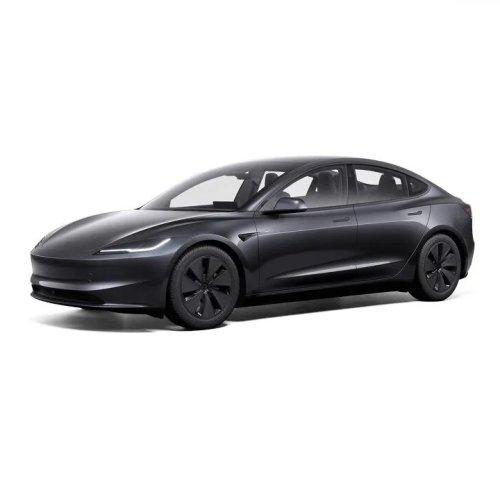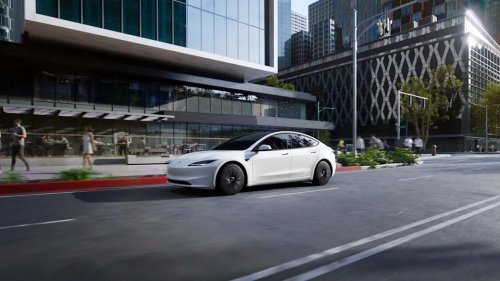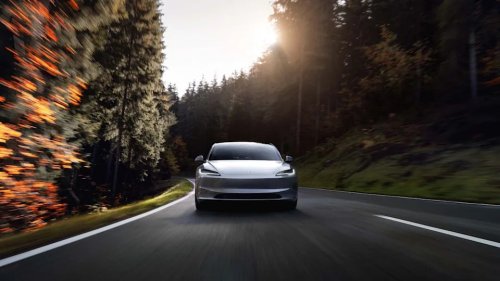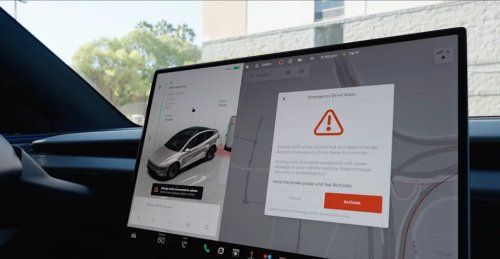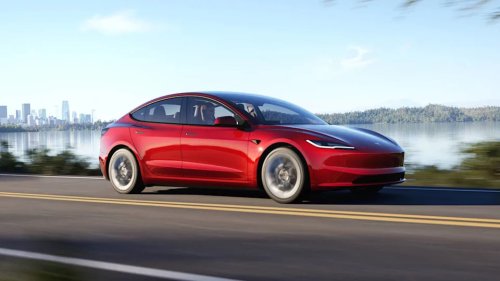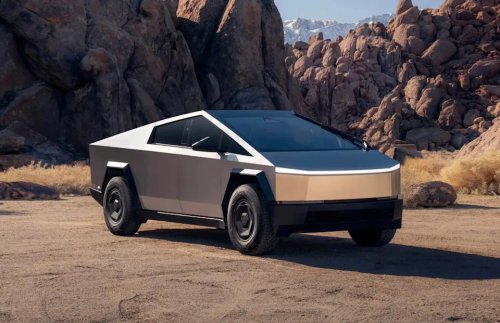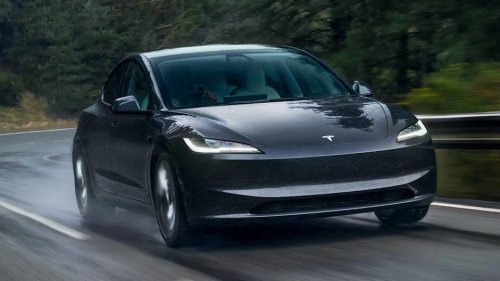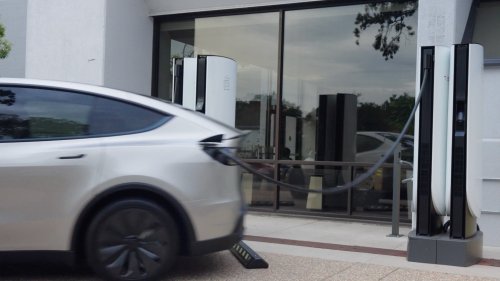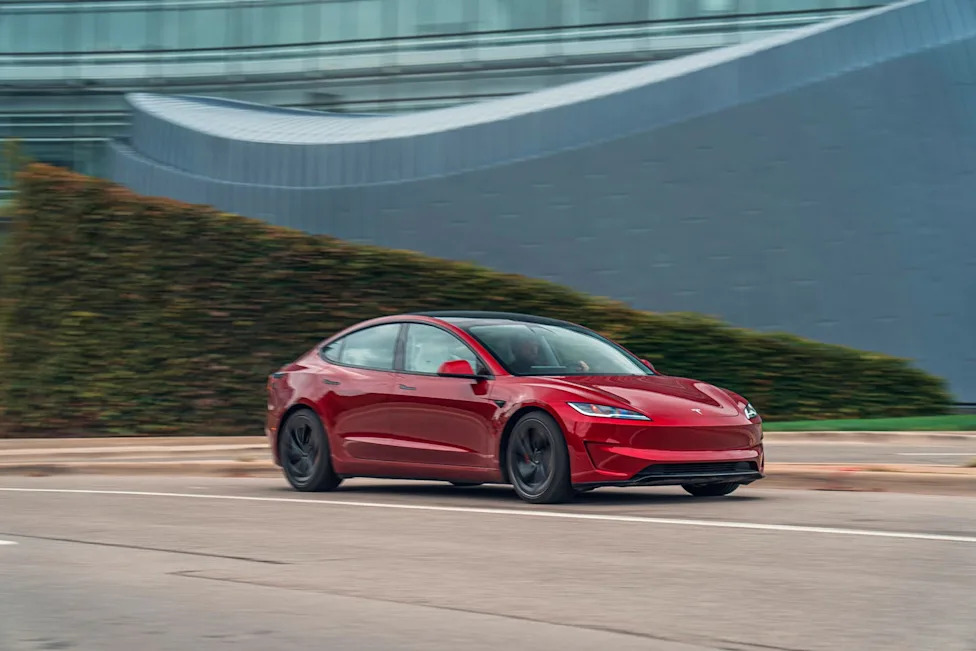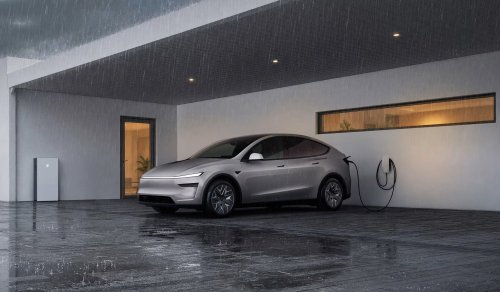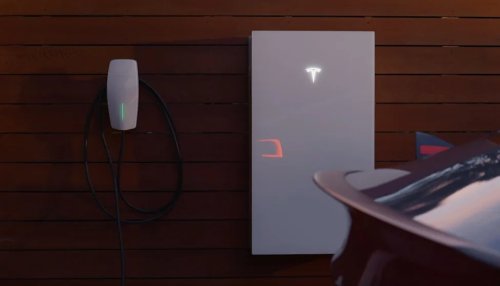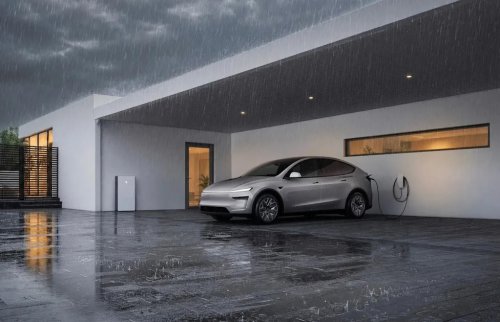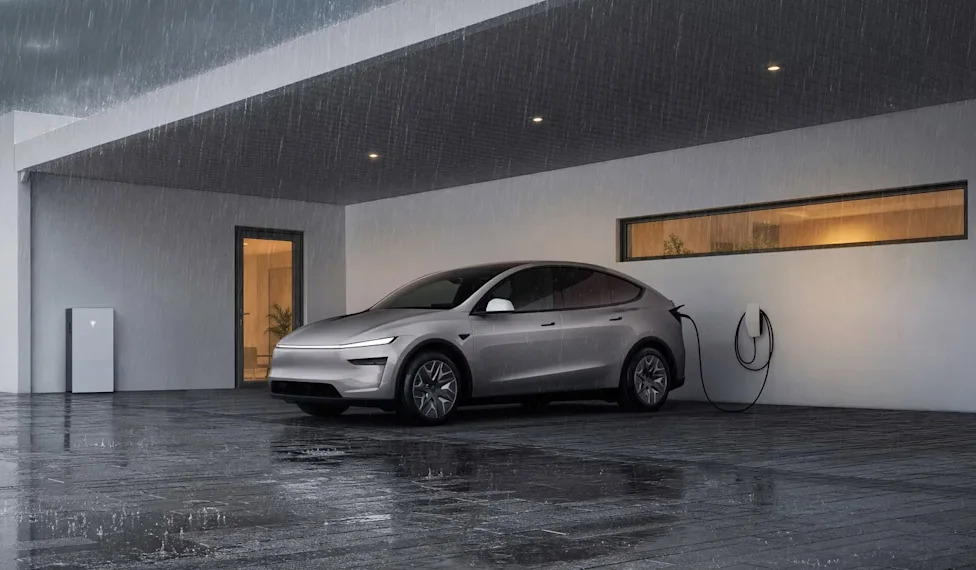
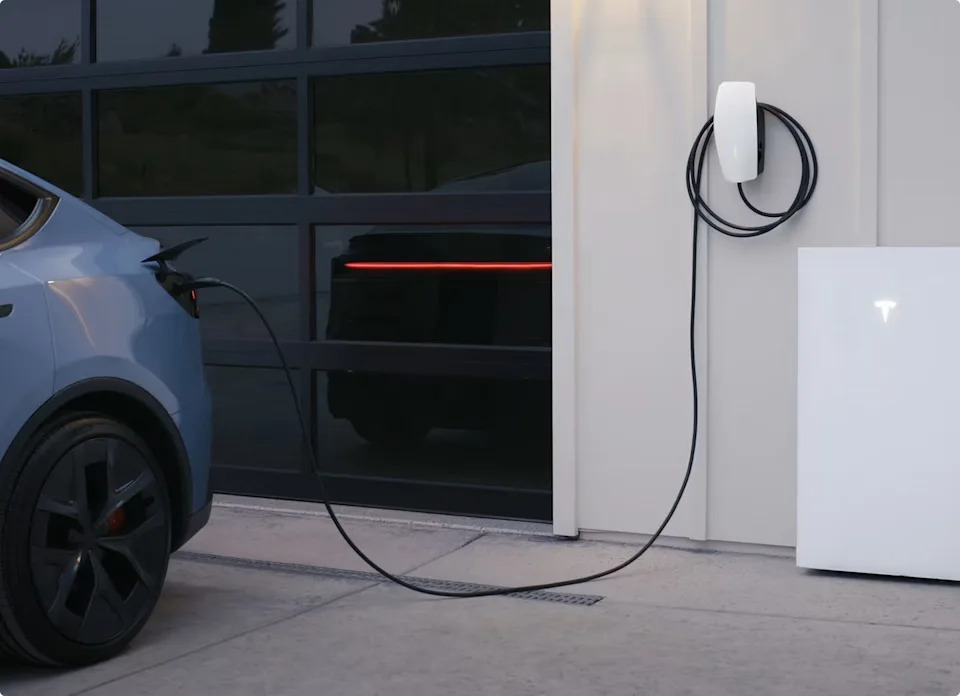
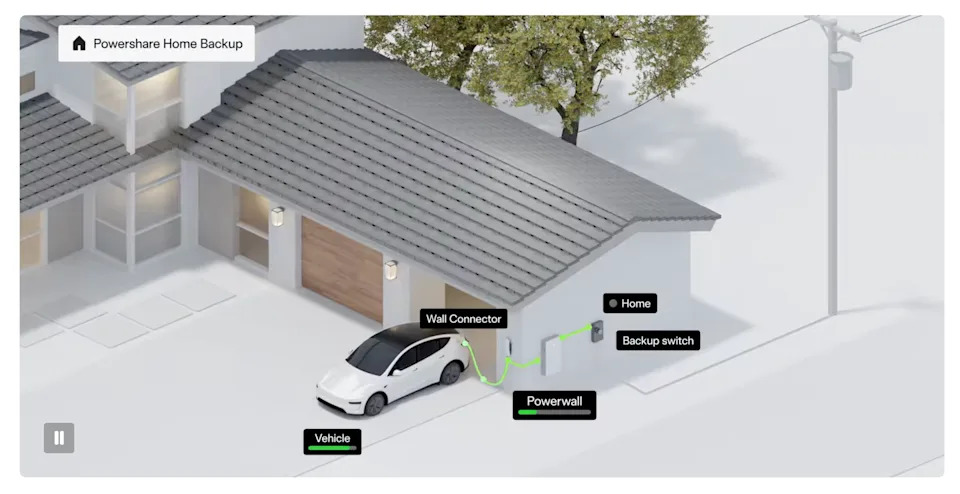



















V2H Charging Finally Comes to Tesla Model 3 and YTeslaTesla's Model 3 sedan and Model Y SUV finally get Vehicle-to-Home (V2H) bidirectional charging, something the Cybertruck already offers.Not all new 3s and Ys are compatible, as the feature requires a specific new piece of hardware.For either model to feed electricity to a home, the dwelling must have one of Tesla Energy's Powerwall 3 home battery backup systems and a compatible Tesla Wall Connector.Tesla's Model 3 and Y finally get V2H bidirectional charging, something the Cybertruck already offers. However, not all new 3s and Ys are compatible, as the feature requires a specific new piece of hardware.For either model to feed electricity to a home, the dwelling must have one of Tesla Energy's Powerwall 3 home battery backup systems and a compatible Tesla Wall Connector.TeslaTesla's rolling changes keep coming. Just a few days after the automaker announced some improvements to the Model 3—a bigger touchscreen for all variants, improved acceleration for some, and a range boost for the Performance—the company's energy arm quietly announced the addition of a long-awaited feature. For the first time, both the Model 3 and Model Y are now capable of vehicle-to-home (V2H) bidirectional charging.Additional Hardware RequiredThe addition of Powershare Home Backup was revealed in an X post from Tesla Energy—vertical integration! Tesla says that all Model 3 and Model Y vehicles ordered in the U.S. after October 1 will have the capability, as will some others that left the factory prior. To check if a particular car can be used in a power outage, owners can check Powershare Support under the Software menu's Additional Vehicle Information screen.Powershare Home Backup is now available for new Model 3 & Model Y with Powerwall 3Extend your home backup by over 2 days with your vehicle pic.twitter.com/a0codvZ2yH— Tesla Energy (@teslaenergy) October 6, 2026The necessary hardware behind the functionality is a new inverter called PCS2 Lite. (PCS stands for Power Conversion System.) It's related to the inverter that allows the Cybertruck to do V2H, the plain PCS2, but carries one important difference: While the Cybertruck can also supply power directly to a home, the Model 3 and Model Y require Tesla's Powerwall 3 home battery hardware and either a Tesla Universal Wall Connector or Gen 3 Wall Connector. (Support for older Powerwall versions is said to be "coming soon.") A Powerwall 3 installation can run well into five figures, depending on the home, so this isn't a cheap prerequisite if you don't already have one.Unlike some other EV-powered backup systems, Tesla's Powerwall includes a battery on the home side, so the vehicle's pack acts as a sort of backup to that backup. In the event of an outage, once the Powerwall's battery is depleted, the vehicle simultaneously supplies electricity to the home and recharges the Powerwall pack. With this arrangement, you don't have to feel like your car is tethered to your home indefinitely until the end of an outage.TeslaPower to Some PeopleHow much power the vehicle can add depends on the size of its battery and its state of charge when switching to electrical-supply duty, and how long it lasts is determined by what you're trying to power. Tesla estimates that the standard 3/Y battery pack will extend an average home's backup by about two days, while the larger pack in the Premium and Performance models ups that to somewhere north of two days. (A Cybertruck, meanwhile, should add more than three days of juice for that same average home.) Max draw is 11.5 kW, more than some other automakers offer for their V2H implementations.This is a surprisingly late addition given the fact that some competitors have been offering V2H for years, especially when you consider Tesla's prominent position in the battery-backup game. Tesla's then-powertrain boss talked up the shift to new electronics to handle V2H at the company's 2023 investor day.Owners of older Model 3 and Y EVs may not be out of luck. Tesla's service documentation includes a draft procedure to upgrade a Model Y from PCS1 to PCS2 Lite hardware, so it seems the retrofit is at least feasible; whether it works with a Model 3 and whether Tesla will offer it to customers are unknowns.➡️ Skip the lot. Let Car and Driver help you find your next car.Shop New Cars Shop Used CarsGift Guide: Best Ride-On Electric Cars for KidsFuture Cars Worth Waiting For: 2025–2029