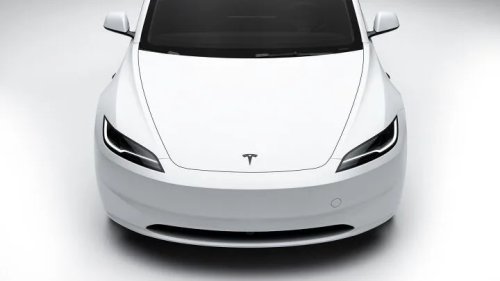
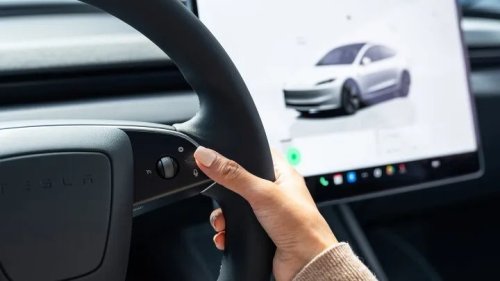
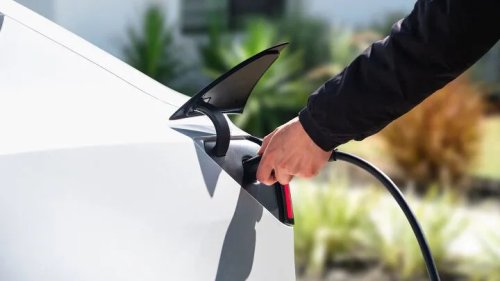
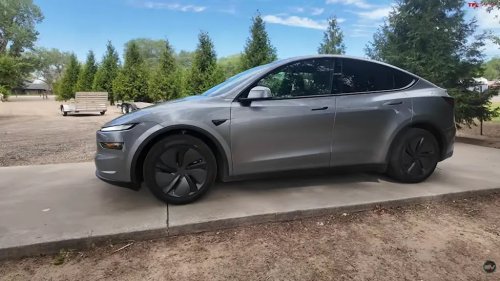
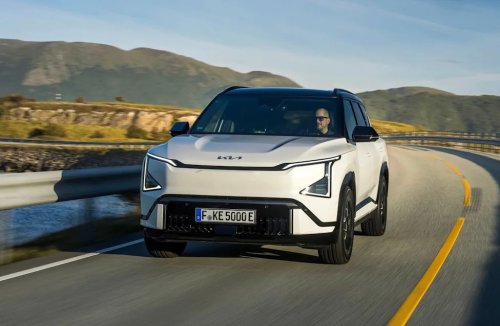
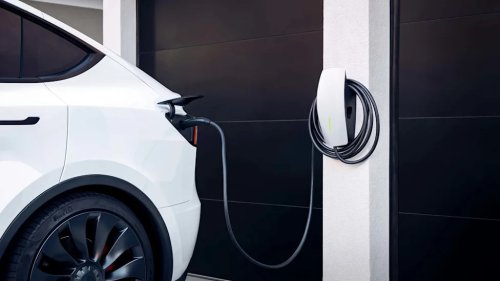
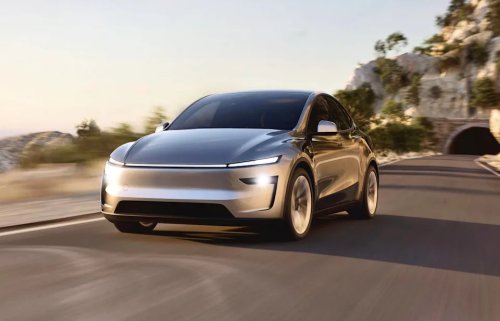
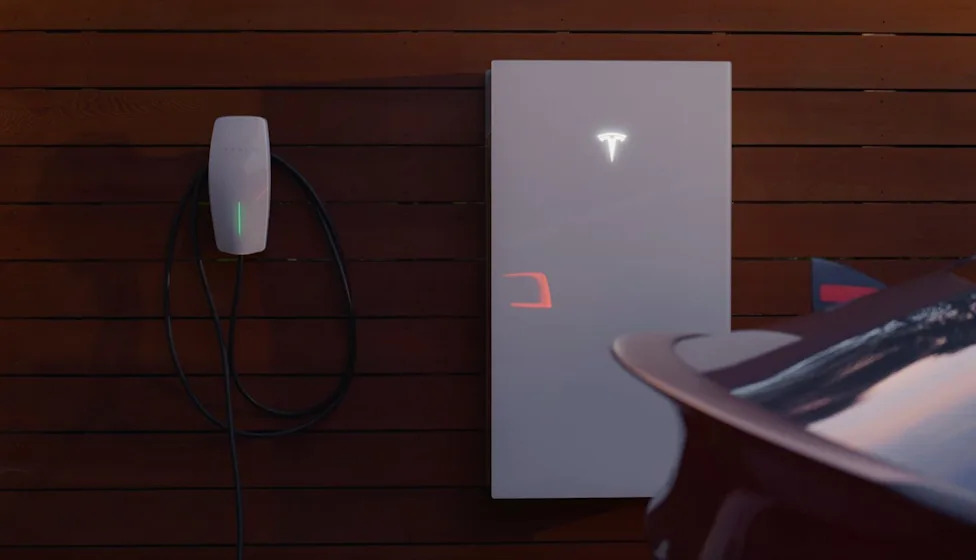
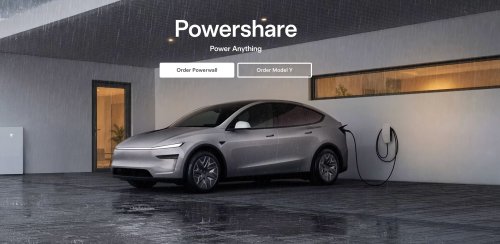
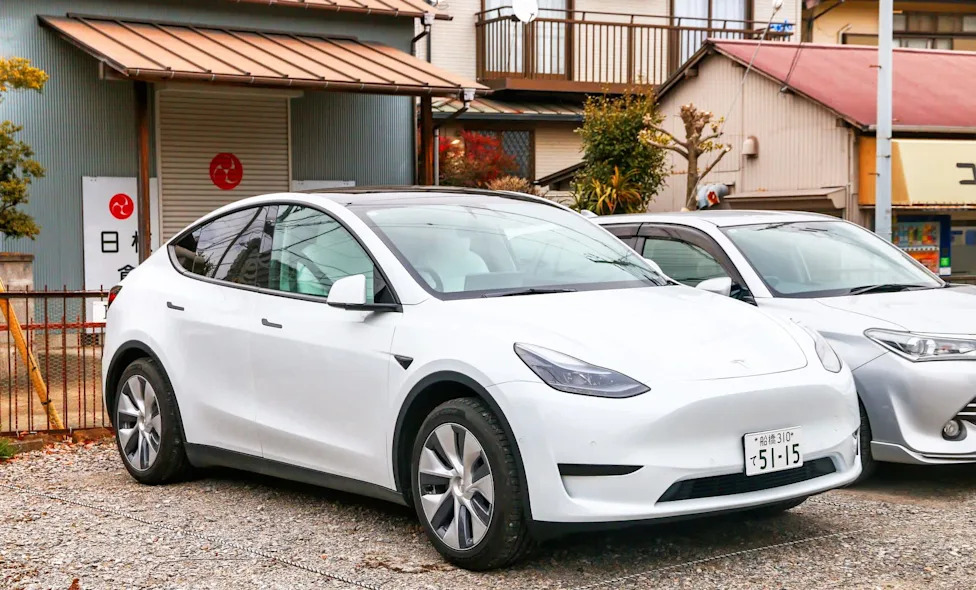
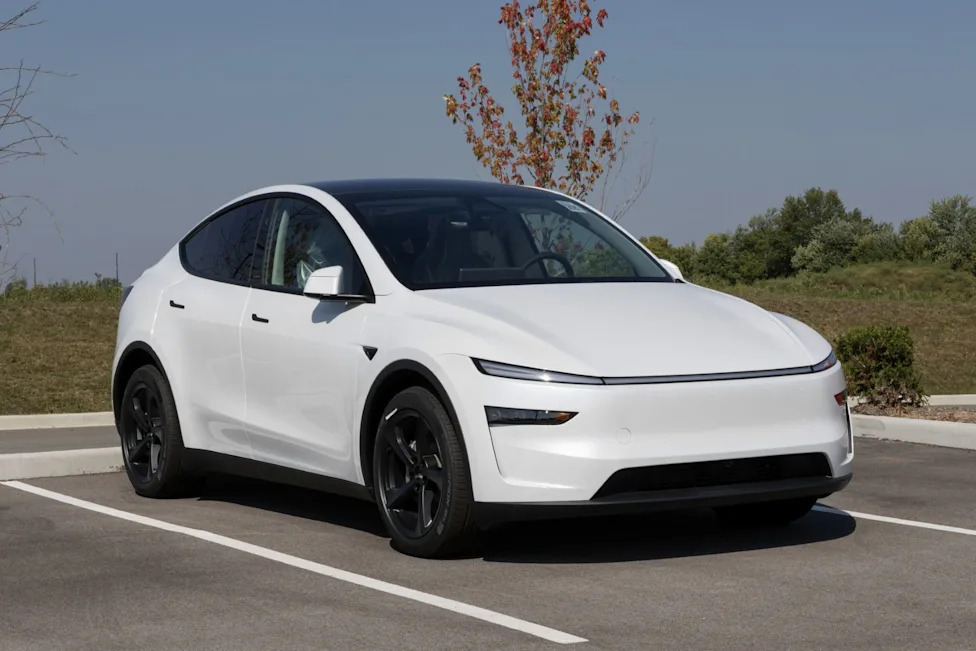
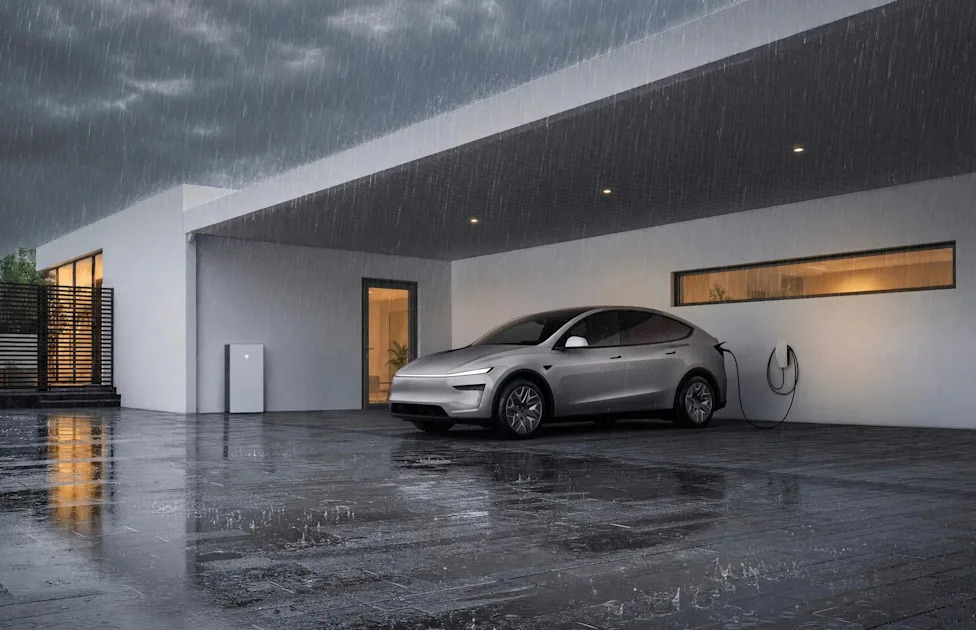
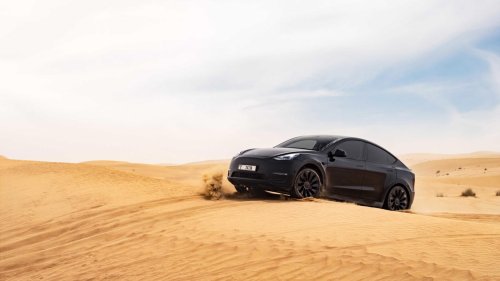
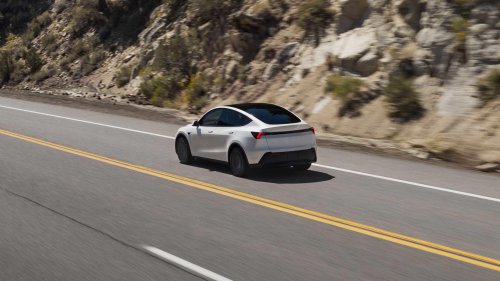
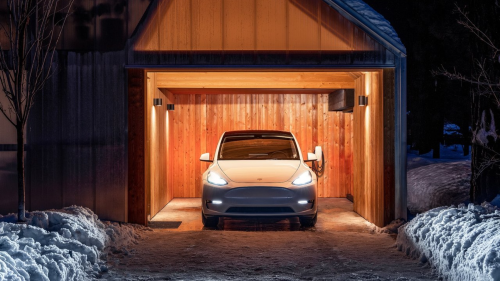
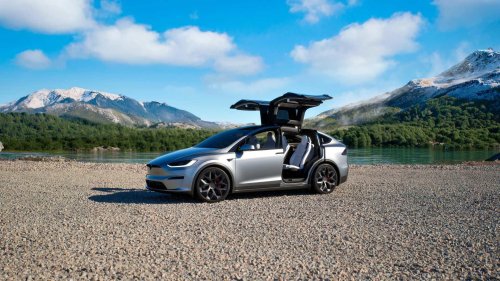
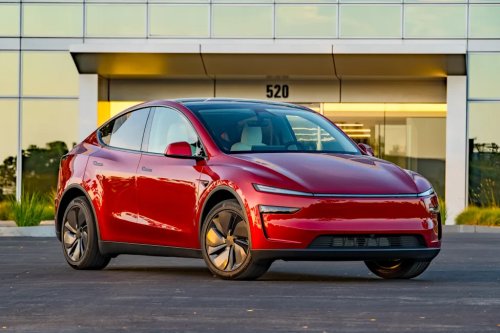
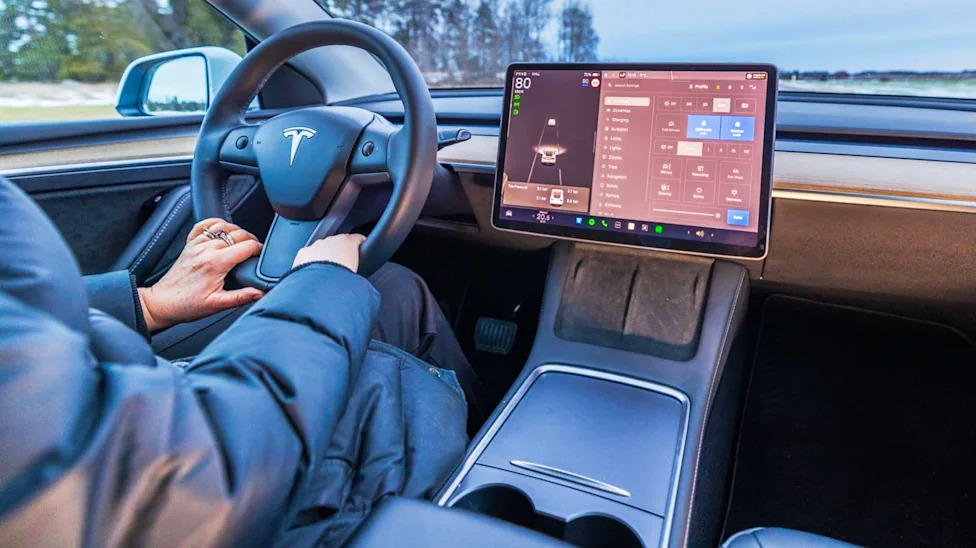
Image: X/@teslaenergyAs of October 6, 2026, a driverless Tesla isn't the only headline-grabbing development from the company this week , a parked Model 3 or Model Y can now power your home during a grid outage, provided the right hardware is already in place. Tesla Energy announced that Powershare Home Backup is available for new Model 3 and Model Y vehicles paired with a Powerwall 3.According to Tesla, a compatible vehicle starting at 90% charge can extend home backup by more than two days for a household consuming 30 kWh per day. That figure applies to Premium and Performance variants; standard versions cover up to two days.What the System Actually RequiresGetting started requires a specific chain of hardware, software, and network configuration.Your vehicle must be connected to a compatible Wall Connector or Universal Wall Connector, your home needs a Powerwall 3, and both devices must share the same Wi-Fi network and be registered to the same Tesla site.If that infrastructure is already in place, Tesla says no additional equipment is required. Activation may arrive through an over-the-air software update, though Tesla support may also be involved in enabling the feature.You can confirm your vehicle's eligibility on the touchscreen under Software, then Additional Vehicle Information, then Powershare Support. These duration estimates are planning benchmarks, not guarantees; actual runtime will shift with your starting charge, household consumption, weather, and which appliances are running.Powershare Home Backup is now available for new Model 3 & Model Y with Powerwall 3Extend your home backup by over 2 days with your vehicle pic.twitter.com/a0codvZ2yH— Tesla Energy (@teslaenergy) October 6, 2026Check Your Vehicle Before Getting ExcitedCompatibility depends on your order date, hardware, and location, so it pays to verify before assuming your car qualifies.Every Model 3 and Model Y ordered in the U.S. and Puerto Rico on or after October 1, 2026, supports Powershare Home Backup by default. Some earlier vehicles may also qualify; Tesla identifies the relevant component as the PCS2 Lite inverter, though that claim comes from secondary sources rather than Tesla's primary support pages.Model S and Model X are not listed as compatible in the current rollout. Powerwall 2 and Powerwall+ support is listed as coming soon, which could expand eligibility considerably among existing Tesla energy customers if Tesla delivers. The current rollout covers the U.S. and Puerto Rico; Tesla's materials for other regions, including Canada, do not list Model 3 or Model Y as compatible.One important boundary: Tesla's support materials describe Powershare as powering a home during an outage. Grid export for Model 3 and Model Y, meaning sending electricity back to the utility outside of a specific demand-response context, is not established by the current configuration. Buyers expecting full bidirectional grid capability should review Tesla's current support documentation before purchase.Tesla Arrived After the CompetitionFord, GM, and Kia each brought vehicle-to-home capability to market before Tesla extended the feature beyond the Cybertruck.Ford introduced home backup for the F-150 Lightning in 2022, rated at up to 9.6 kW. Kia offers a comparable capability on the EV9 through a Wallbox bidirectional charger, according to available reporting, though official Kia and Wallbox documentation should be consulted for current specifications. Buyers weighing the total cost of EV ownership can find a detailed breakdown in our comparison of Gas vs Diesel vs Electric running costs.At its 2023 Investor Day, Tesla executives suggested bidirectional charging was roughly two years away. The Model 3 and Model Y rollout arrived later than that window implied.If your home already runs a Powerwall 3 and a compatible Wall Connector, and your vehicle qualifies, this feature arrives at no additional hardware cost. Every Model 3 and Model Y ordered in the U.S. and Puerto Rico from October 1, 2026, onward arrives ready to support it once the full ecosystem is in place. The Powerwall 3 requirement, combined with vehicle eligibility, is the central condition worth verifying first.




















![Tesla, Battery, Not sold on Tesla Powerwall? There are great battery alternatives out there [update]](https://cdn.topcarnews.net/thumb/id/aHR0cHM6Ly9pMC53cC5jb20vZWxlY3Ry-ZWsuY28vd3AtY29udGVudC91cGxvYWRz-L3NpdGVzLzMvMjAyNi8wNy9ob21lLXNv-bGFyLWJhdHRlcnkucG5nP3c9MTUwMCZh-bXA7cXVhbGl0eT04MiZhbXA7c3RyaXA9-YWxsJmFtcDtzc2w9MQ/18e81f395a77dbb42269ab5e106fea41.png?t=20261007&post_id=68280)
![Tesla, Battery, Not sold on Tesla Powerwall? There are great battery alternatives out there [update]](https://cdn.topcarnews.net/thumb/id/aHR0cHM6Ly9lbGVjdHJlay5jby93cC1j-b250ZW50L3VwbG9hZHMvc2l0ZXMvMy8y-MDI2LzA4L3NvbGl4LXgxLWNvcHkuanBn/a9fe4985234387a08124ce5984c09772.jpg?t=20261007&post_id=68280)
![Tesla, Battery, Not sold on Tesla Powerwall? There are great battery alternatives out there [update]](https://cdn.topcarnews.net/thumb/id/aHR0cHM6Ly9lbGVjdHJlay5jby93cC1j-b250ZW50L3VwbG9hZHMvc2l0ZXMvMy8y-MDI2LzA4L2JsdWV0dGlfRVA4MDAtY29w-eS5qcGc/2d9344a919e78ef6ada1803d9a030ce2.jpg?t=20261007&post_id=68280)
![Tesla, Battery, Not sold on Tesla Powerwall? There are great battery alternatives out there [update]](https://cdn.topcarnews.net/thumb/id/aHR0cHM6Ly9lbGVjdHJlay5jby93cC1j-b250ZW50L3VwbG9hZHMvc2l0ZXMvMy8y-MDI2LzA4L0Vjb0Zsb3ctREVMVEEtUHJv-LVVsdHJhLmpwZw/eff5ecb316465dcf28dd74e9eb1b324c.jpg?t=20261007&post_id=68280)
![Tesla, Battery, Not sold on Tesla Powerwall? There are great battery alternatives out there [update]](https://cdn.topcarnews.net/thumb/id/aHR0cHM6Ly9lbGVjdHJlay5jby93cC1j-b250ZW50L3VwbG9hZHMvc2l0ZXMvMy8y-MDI1LzEwL2dhcmFnZV9iYXR0ZXJ5XzVf-c3lzdGVtX2NvbnRyb2xsZXJfM19VUy0x-LmpwZw/116b4706c7e7c77633518a677e92bdc3.jpg?t=20261007&post_id=68280)
![Tesla, Battery, Not sold on Tesla Powerwall? There are great battery alternatives out there [update]](https://cdn.topcarnews.net/thumb/id/aHR0cHM6Ly9lbGVjdHJlay5jby93cC1j-b250ZW50L3VwbG9hZHMvc2l0ZXMvMy8y-MDI2LzAyL2dtLWVuZXJneS0xLTUud2Vi-cA/f6c358bbb69cf5917e5d0d7d5cb1c03d.webp?t=20261007&post_id=68280)