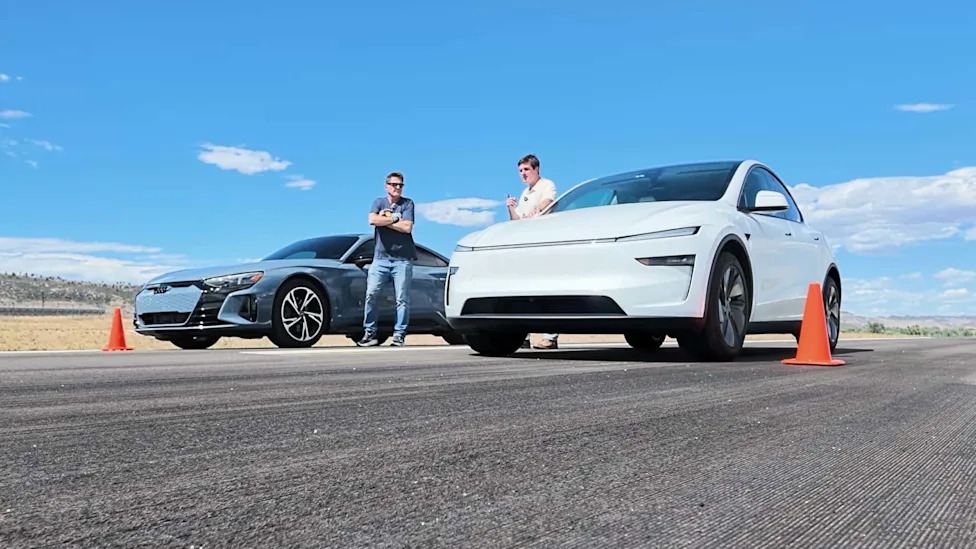
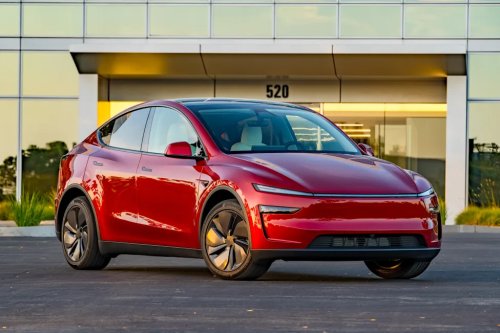
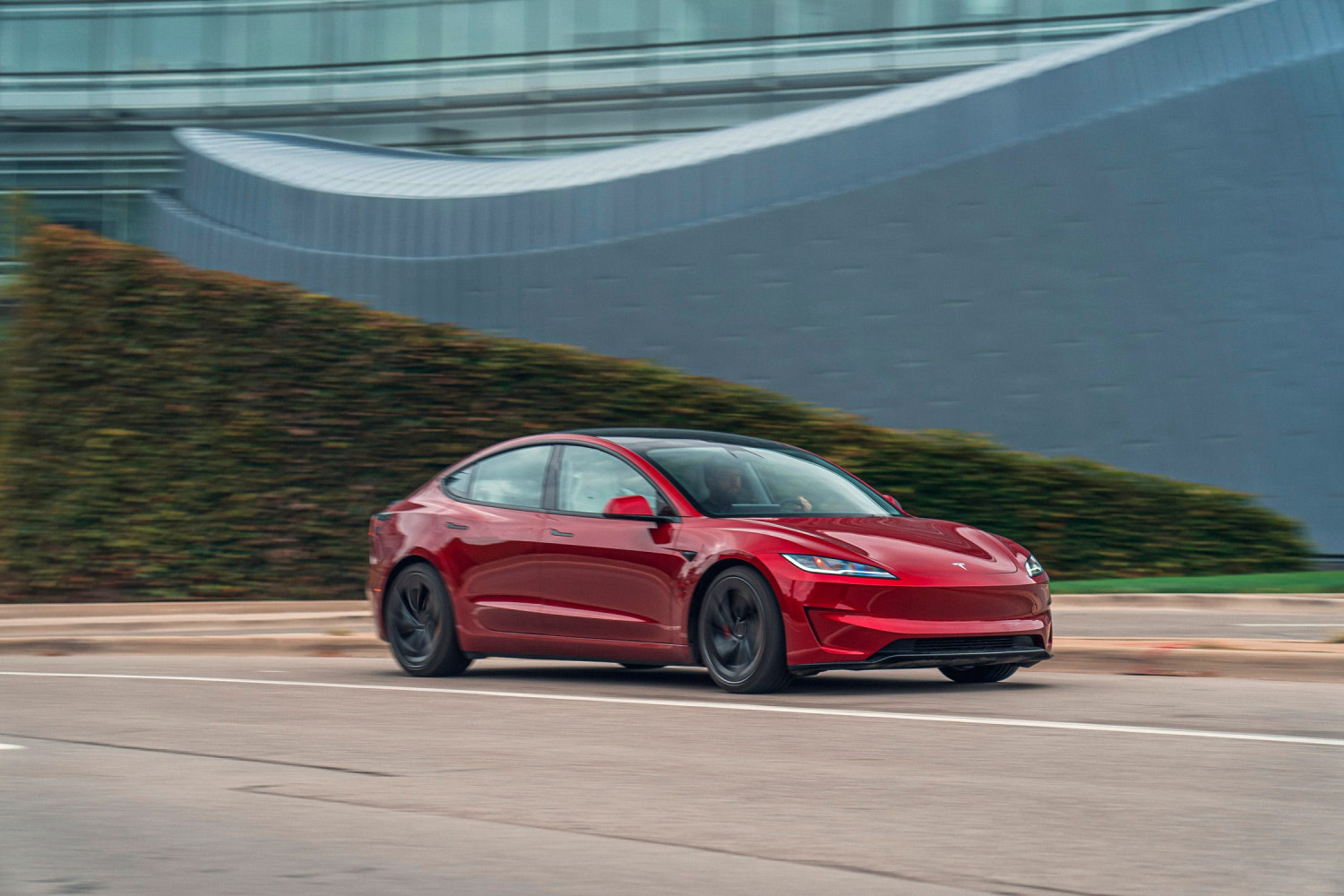
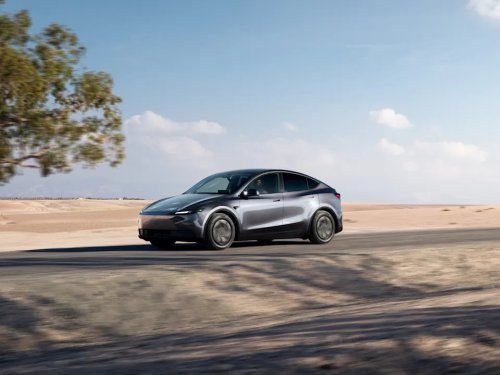
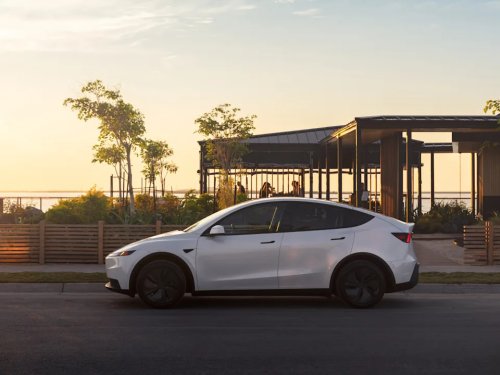
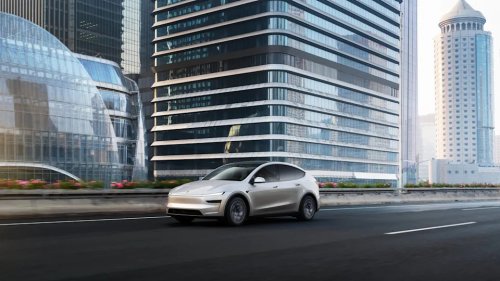
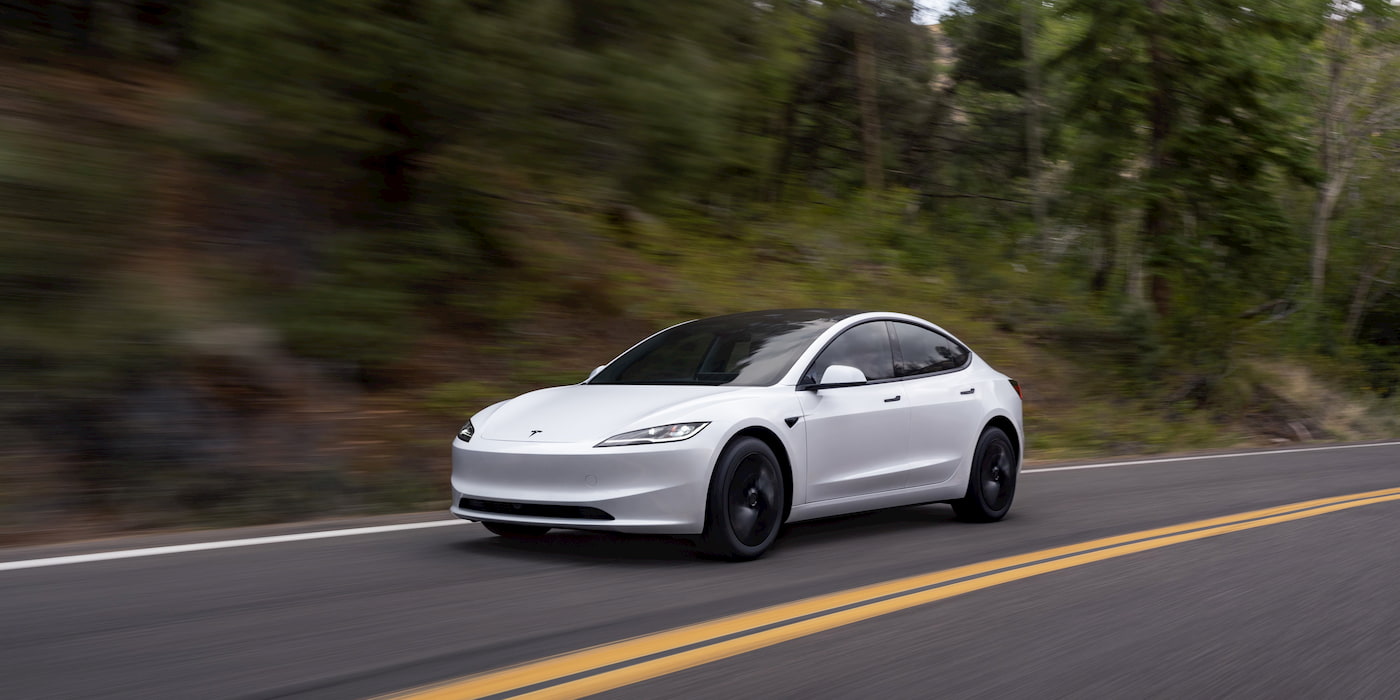
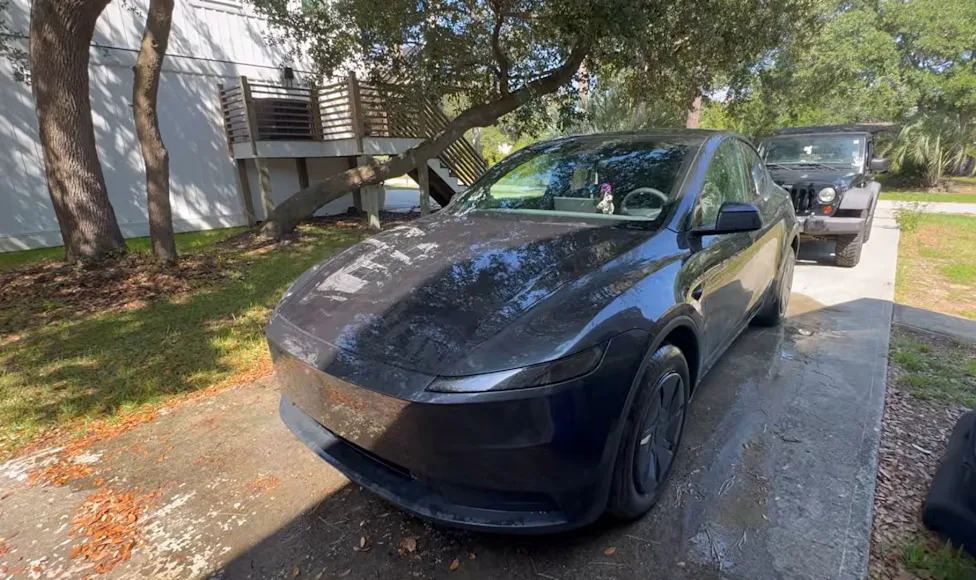
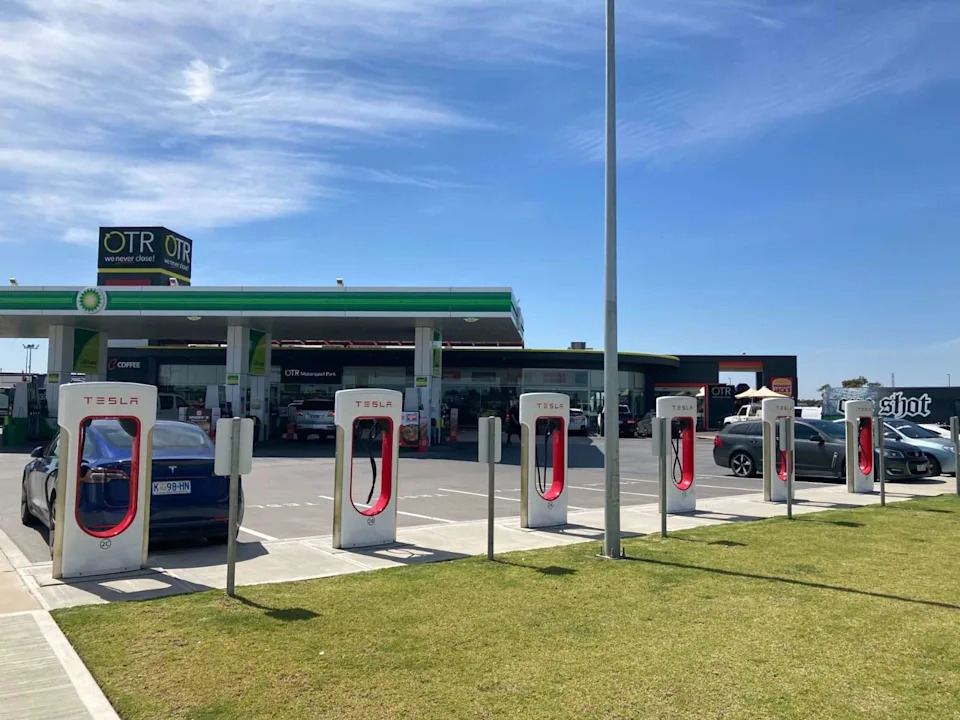
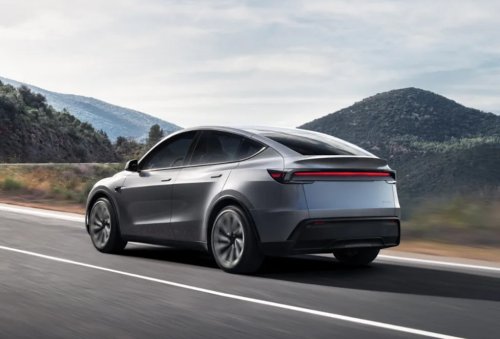
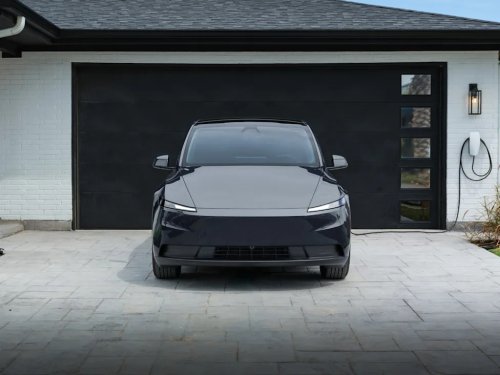
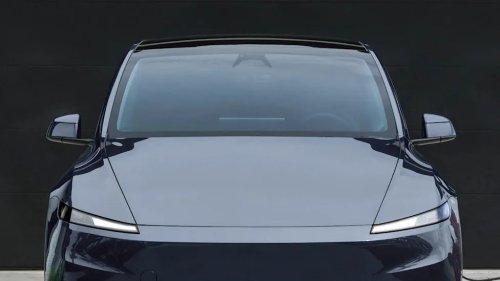
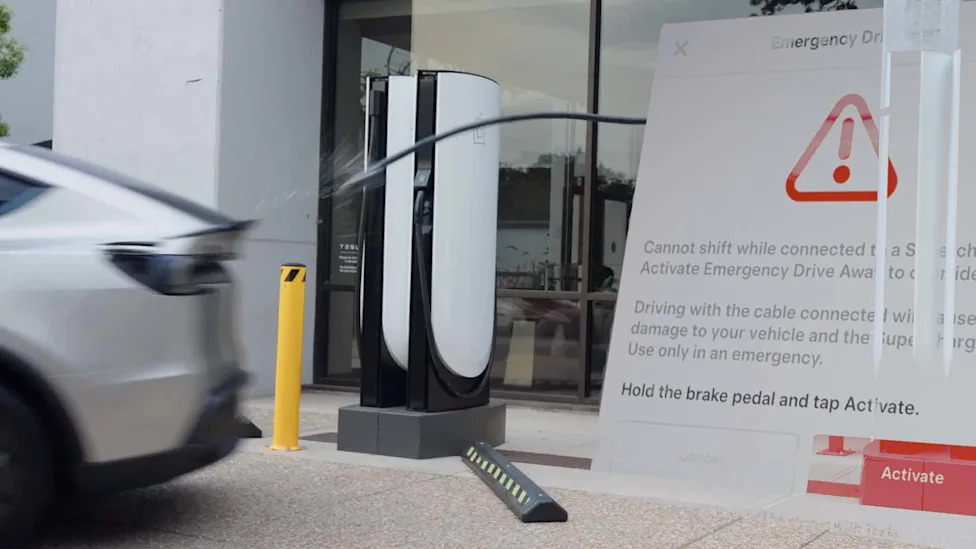
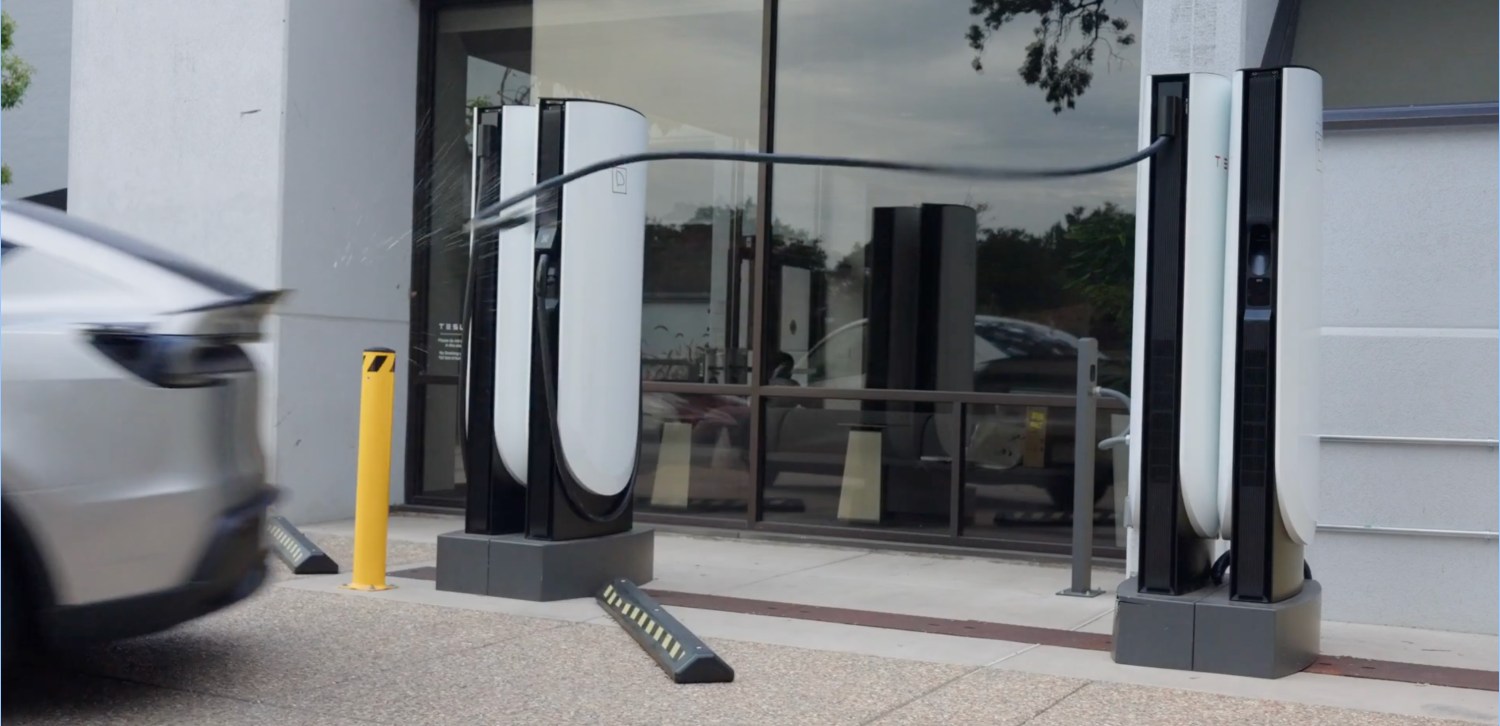
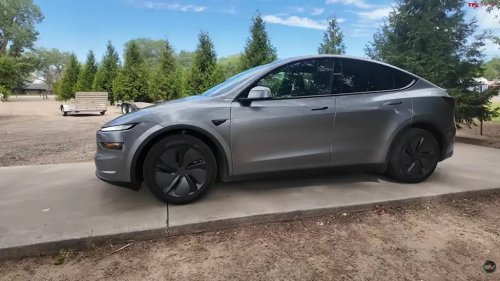
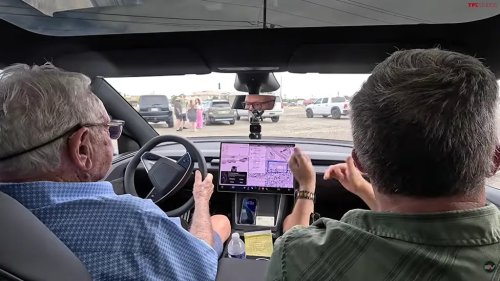
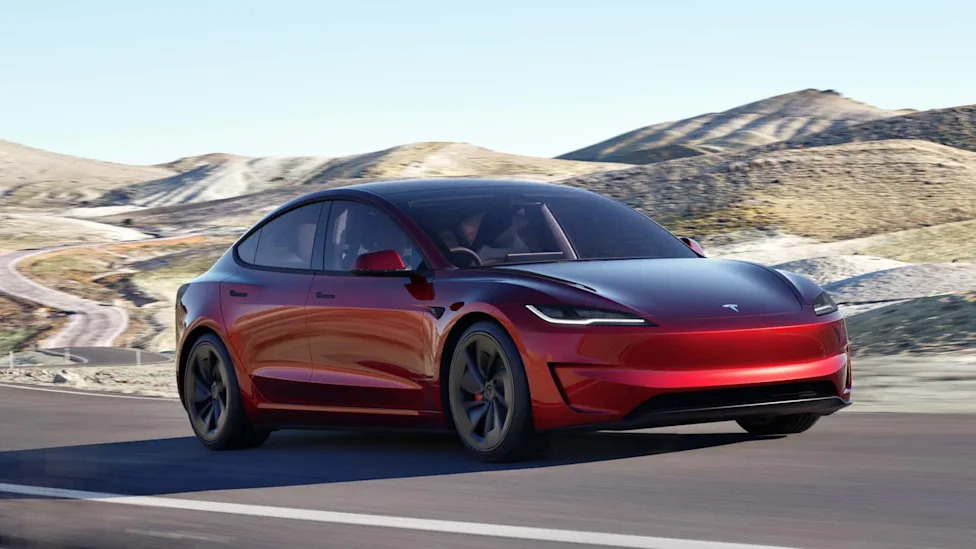
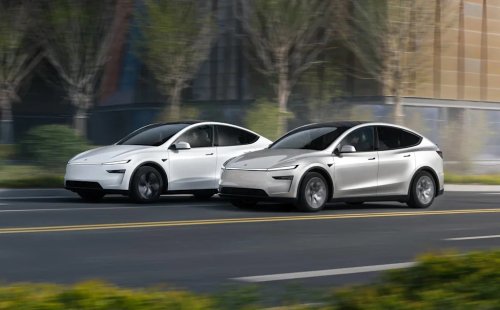
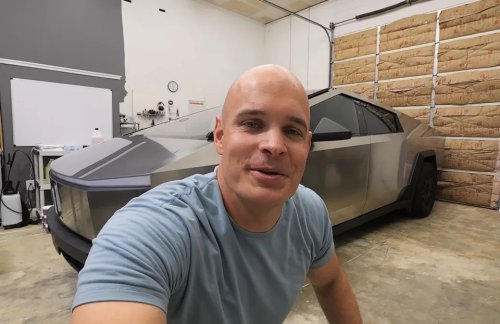
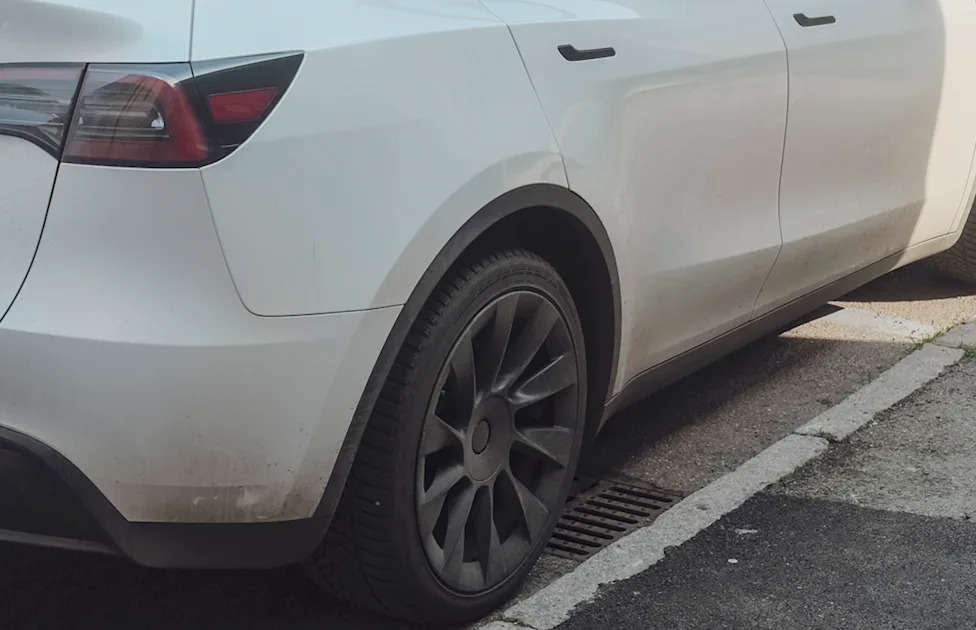
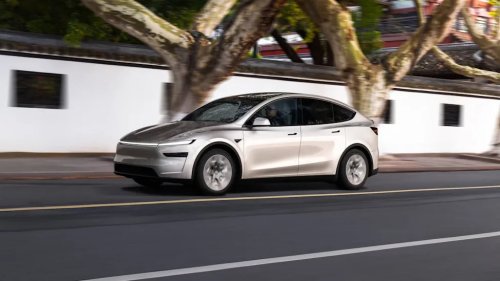
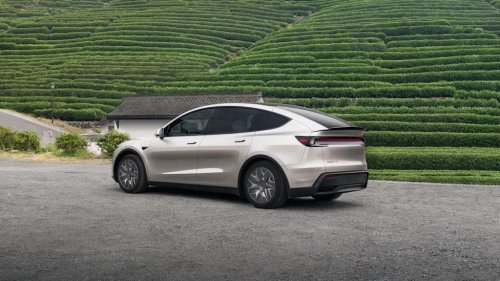
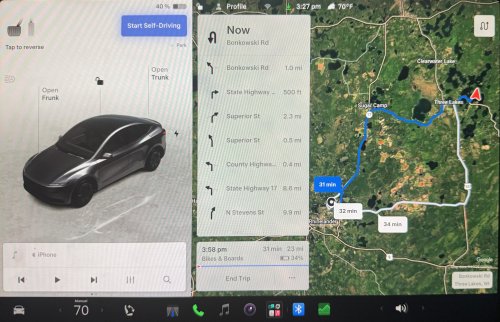
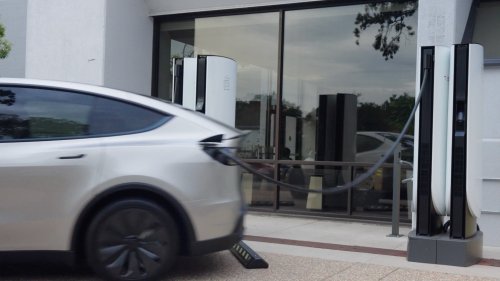
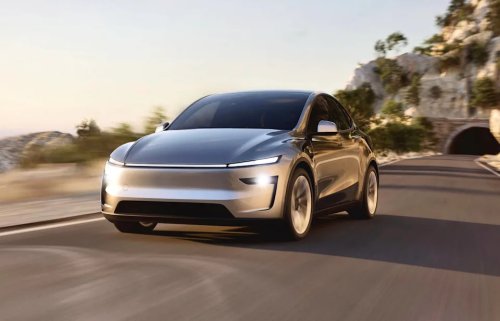
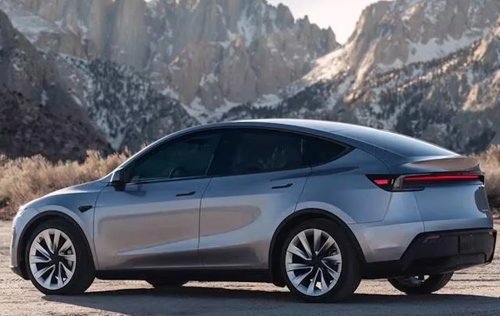
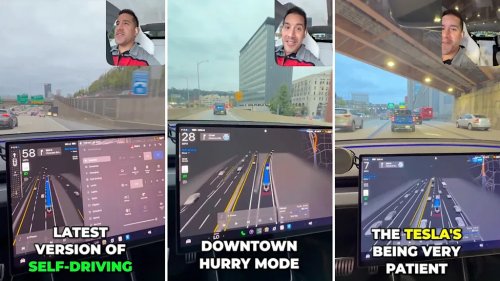
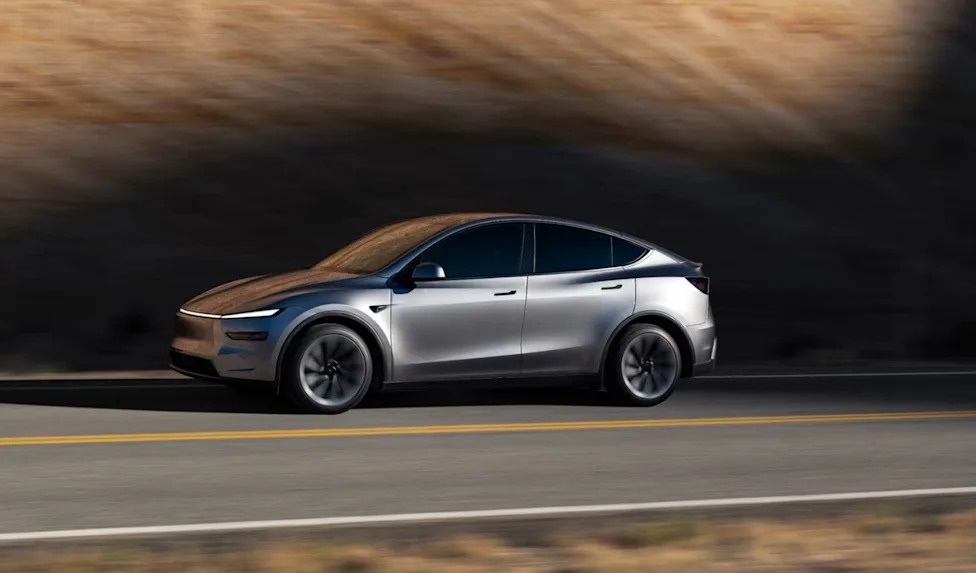
$104 for 1,600 Miles: What a Real Highway Road Trip Costs in a Tesla Model YGadget ReviewAnnemarije de BoerMon, September 14, 2026 at 3:59 PM UTCAdd us on GoogleImage: TeslaSix charging stops. One dog. A little over $104. That is what a round trip from North Carolina to Florida cost in Supercharging fees for YouTube creator projectMac (@projectMac03), who drove a Tesla Model Y Standard the full 1,600-plus miles to document what the entry-level Tesla actually delivers on a real highway trip. For anyone still treating EV road travel as a theoretical exercise, the numbers are worth a closer look.What the Trip Actually Looked LikeBattery arrival consistently beat what Tesla's navigation predicted at each stop.ProjectMac drove the Model Y Standard, EPA-rated at 321 miles per charge, at roughly 75 mph for most of the route. Three Supercharger stops in each direction followed, according to The Cool Down. On the opening leg, Tesla's navigation predicted the car would arrive at a Supercharger with 13% battery remaining; it arrived at 22%. That pattern, arriving with more charge than the nav forecast, repeated across the trip. The creator acknowledged a methodology note in video comments: navigation percentage and rated miles were sometimes used interchangeably, though efficiency data remained visible to viewers throughout.AdvertisementAdvertisement"Supercharging for the entire trip cost $104.65, and I was very confident we would have spent more money in a gas car." (projectMac, per The Cool Down)The Numbers in ContextCost per mile tells the real story, and it shifts considerably depending on where and how you charge.At $104.65 over roughly 1,600 miles, that works out to about 6.5 cents per mile. That figure is not universal. A separate 1,600-mile Model Y trip from Nevada to Illinois, documented by Torque News, ran $160 at Supercharger rates near $0.32 per kWh. That works out to roughly 10 cents per mile, comparable to fueling a 20-mpg gas vehicle. Florida home charging costs approximately 3.5 cents per mile at the state's average residential rate of $0.13 per kWh, according to EV Readiness Check, while public DC fast charging in Florida runs closer to 13.2 cents per mile. Where you charge matters as much as how far you drive.On range, the 2026 Model Y Standard achieved 337 miles in the Edmunds EV Range Test, clearing its 321-mile EPA estimate. Independent range databases put real-world highway performance closer to 276 miles under typical conditions, with cold-weather estimates dropping to around 219 miles. The gap between lab results and real roads is narrowing, but it has not disappeared.AdvertisementAdvertisement"I admittedly used the estimated navigation percentage and the actual rated miles interchangeably in this video, so I apologize for that! But you have all the data to see that we definitely did get great efficiency especially when I was driving on Standard mode and going 75." (projectMac, per The Cool Down)Charging Stops as Rest StopsThe six Supercharger sessions aligned with the kind of breaks most road-trippers would take regardless.The six Supercharger sessions lined up with food breaks, bathroom stops, and letting the dog out, so charging itself rarely registered as an added burden, per The Cool Down's reporting. Drive mode made a measurable difference in efficiency: Standard mode at 75 mph outperformed the faster "hurry" setting on energy consumption, though neither option meaningfully changed the total number of stops required.One warm-weather trip in a single drive mode does not settle every question a buyer might have, particularly for colder climates or heavier cargo loads. What it does provide is a documented data point: roughly $105, six stops, 1,600 miles. Spec sheets list what a car might do; this shows what one did.



















 +30 others