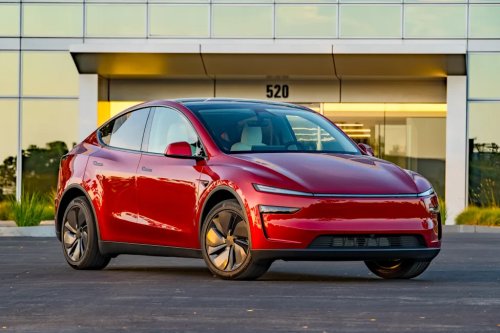
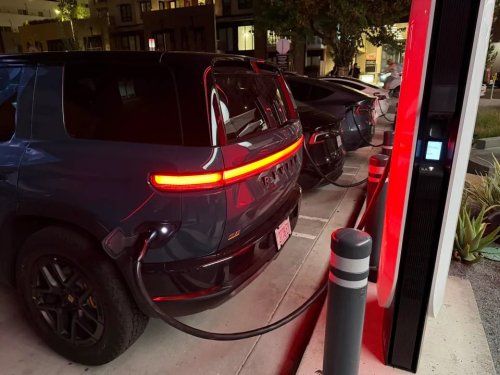
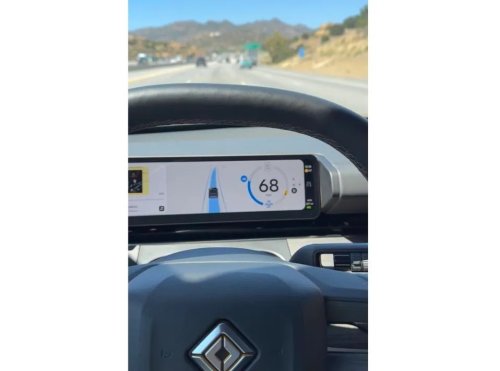
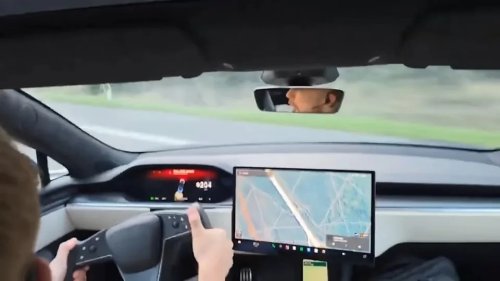
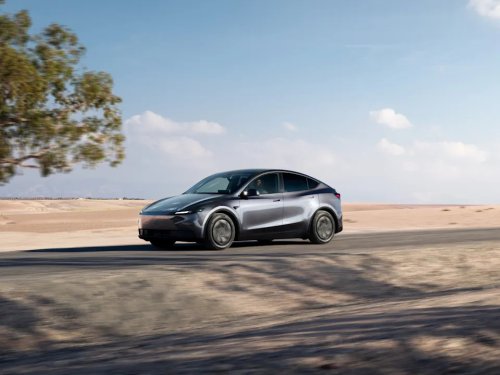
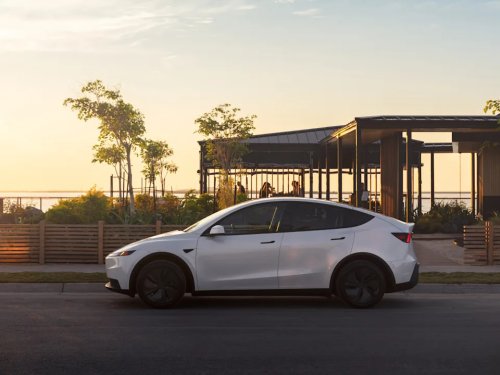
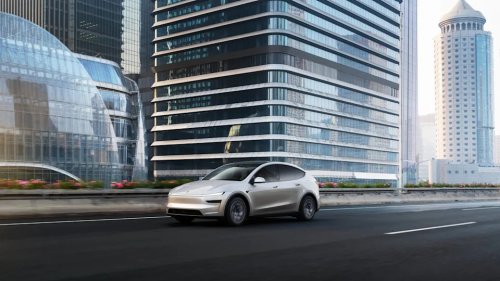
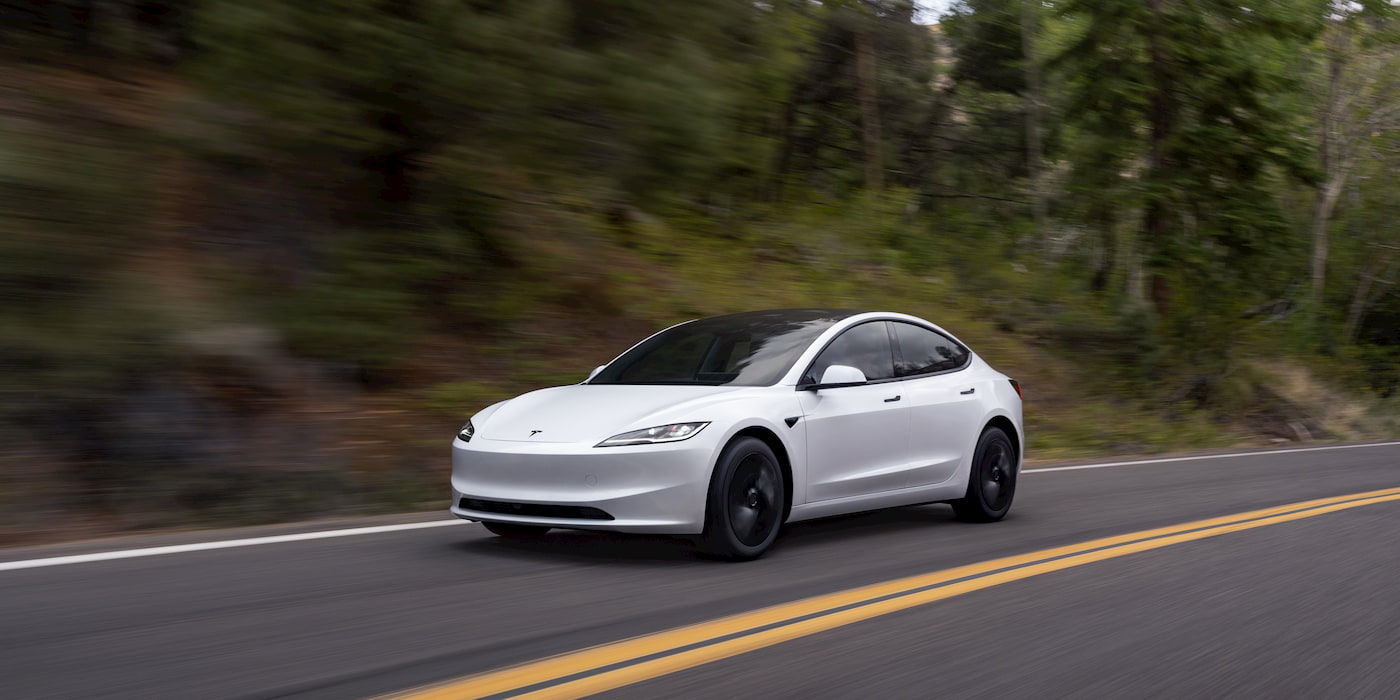
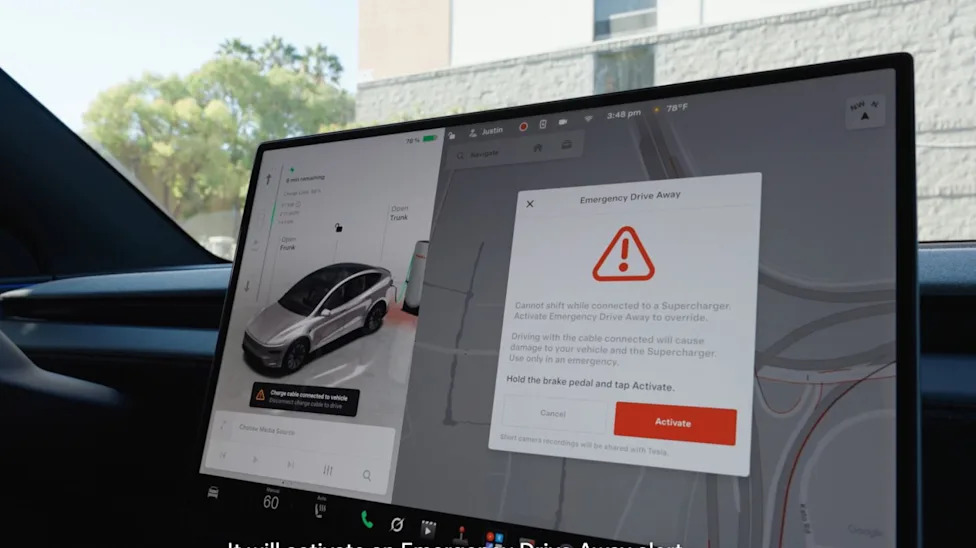
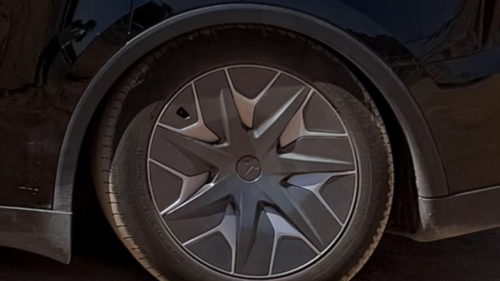
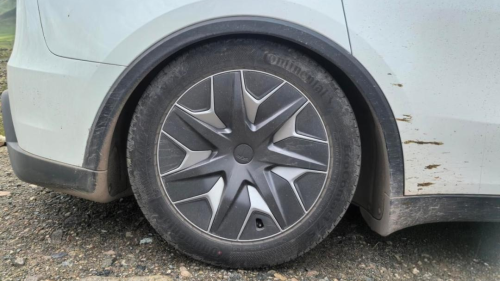
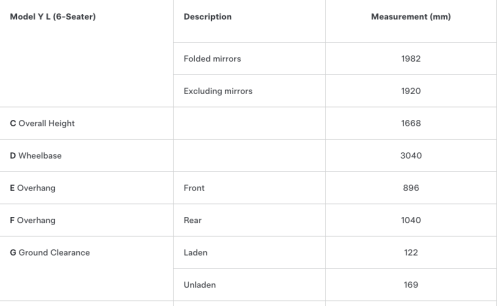
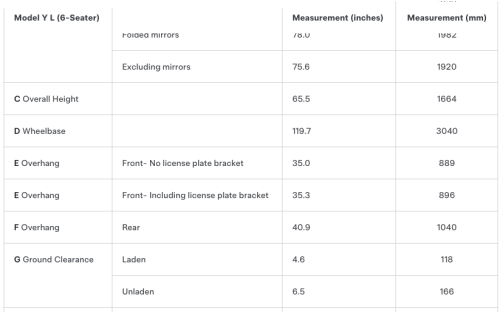
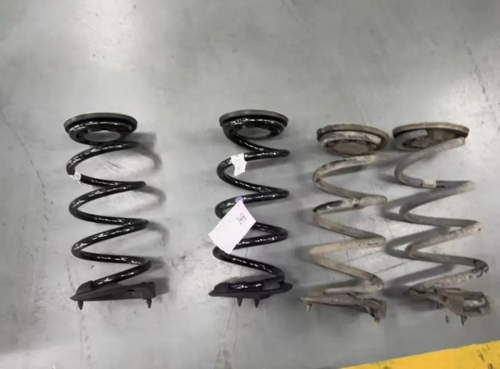
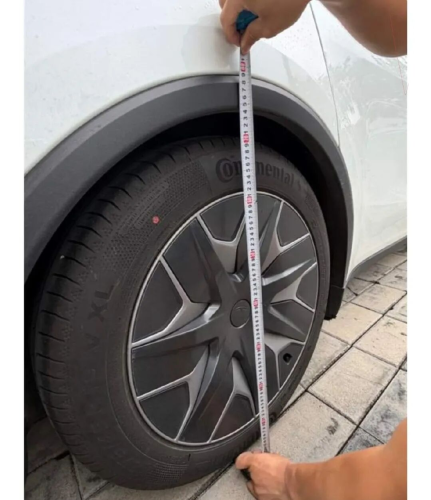
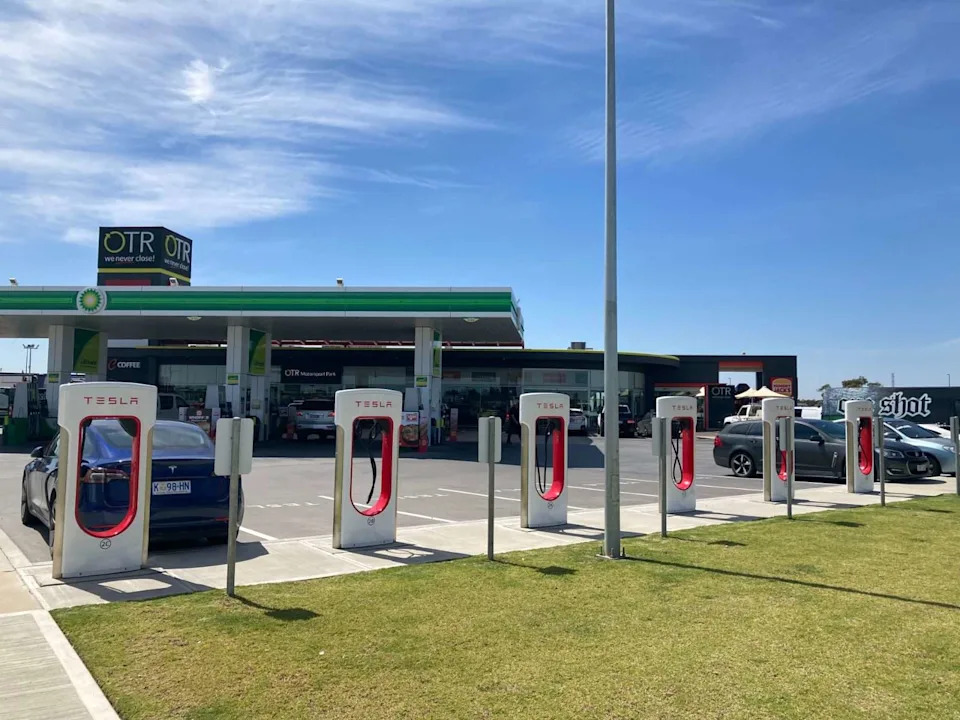
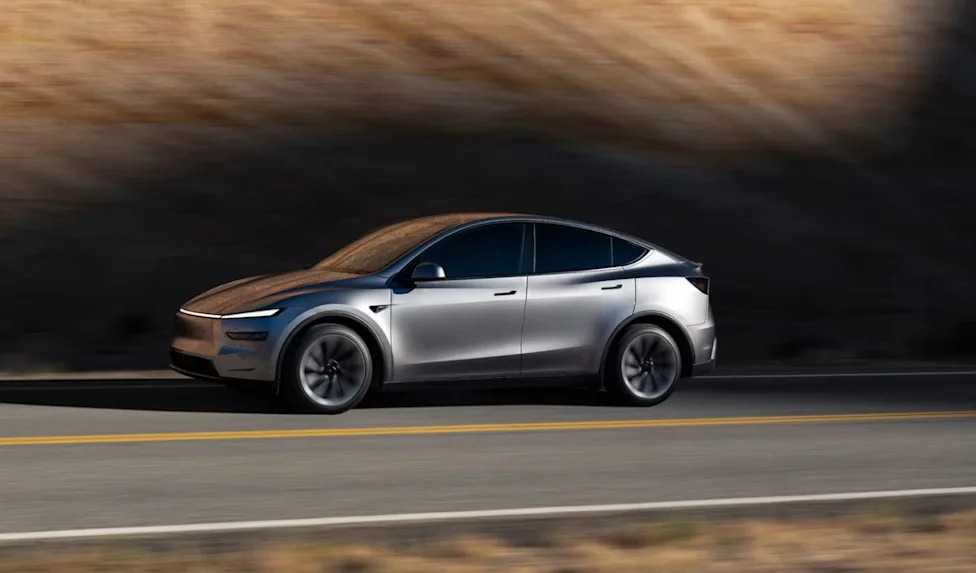
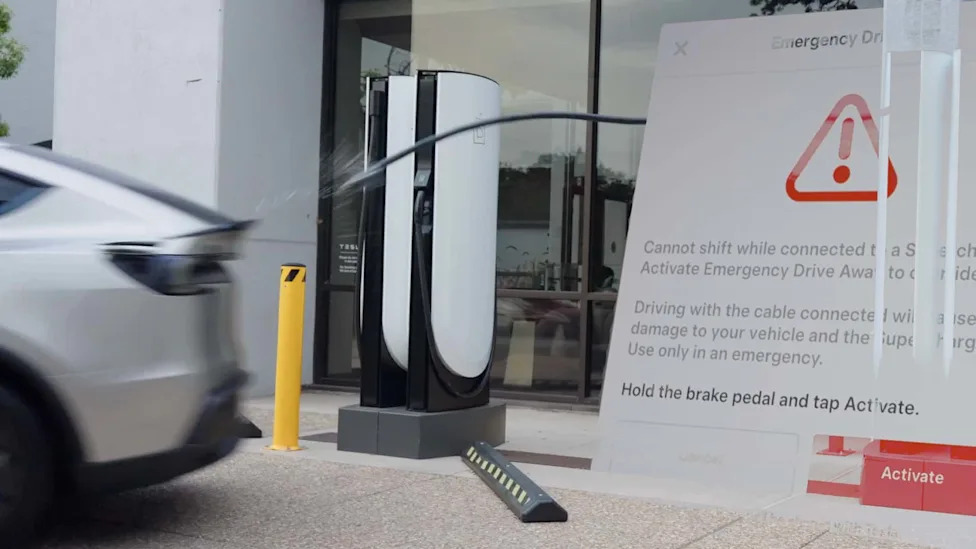
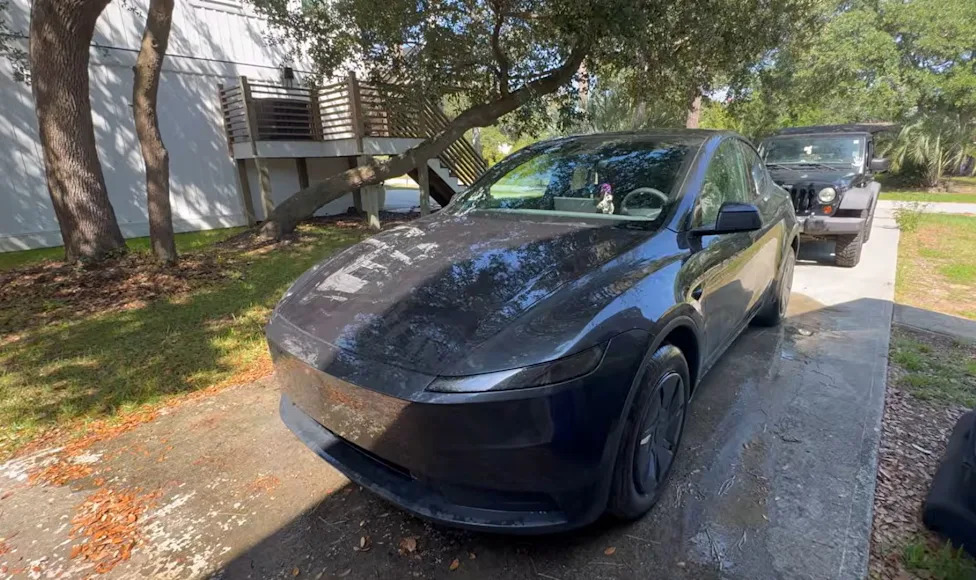
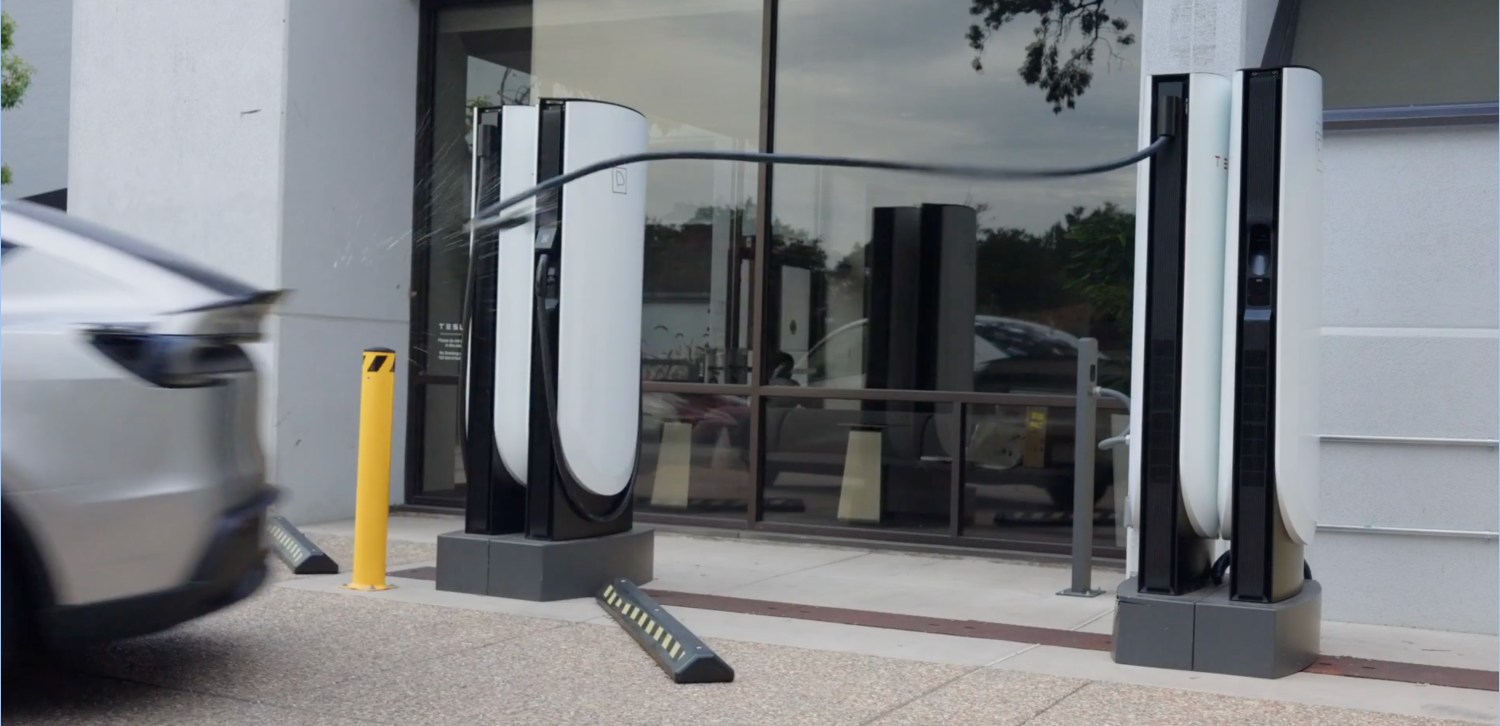
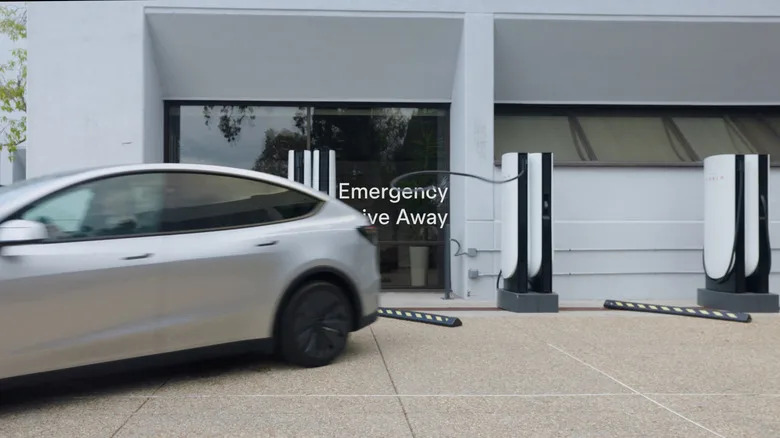
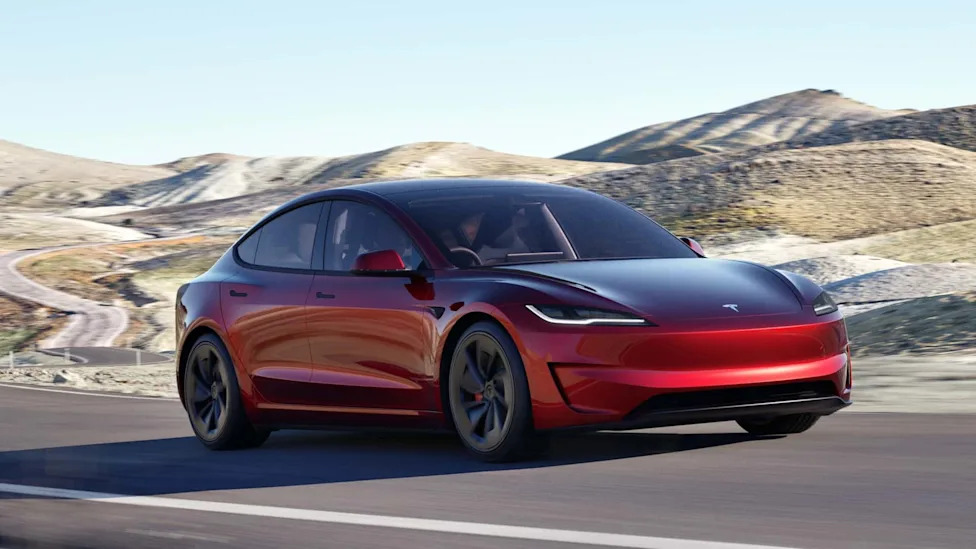
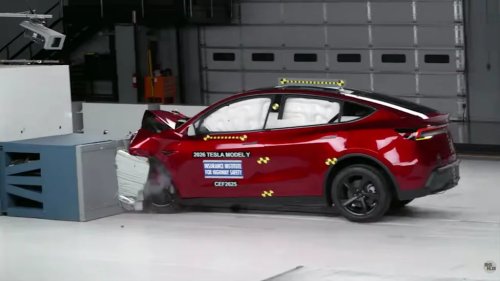
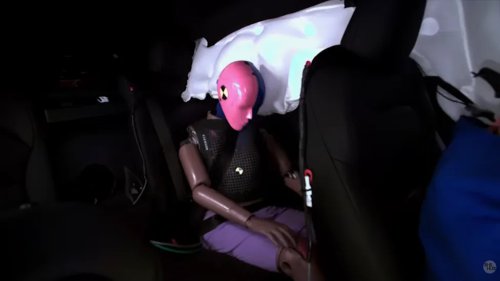
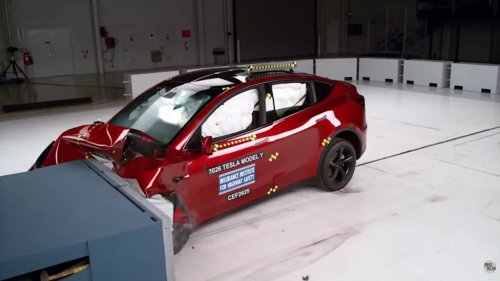
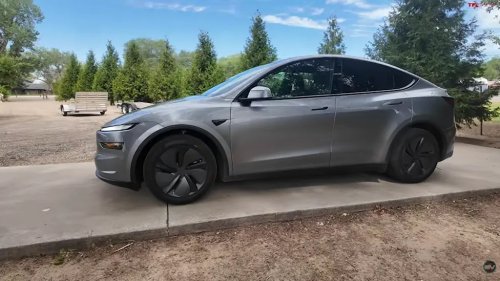
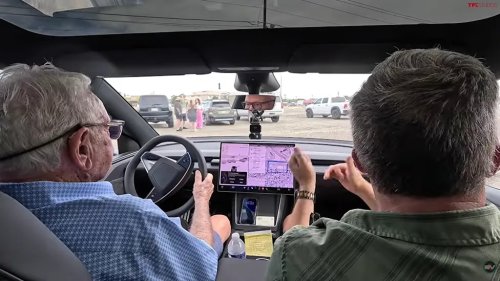
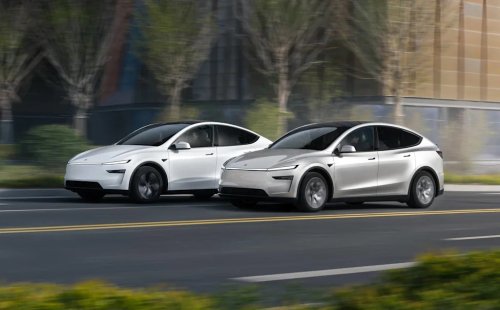
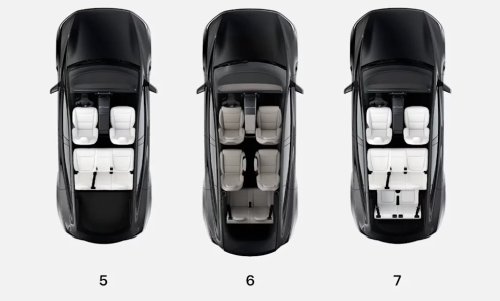
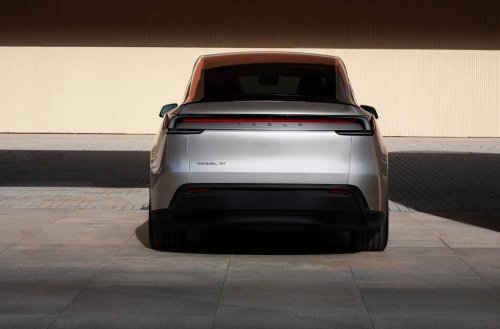
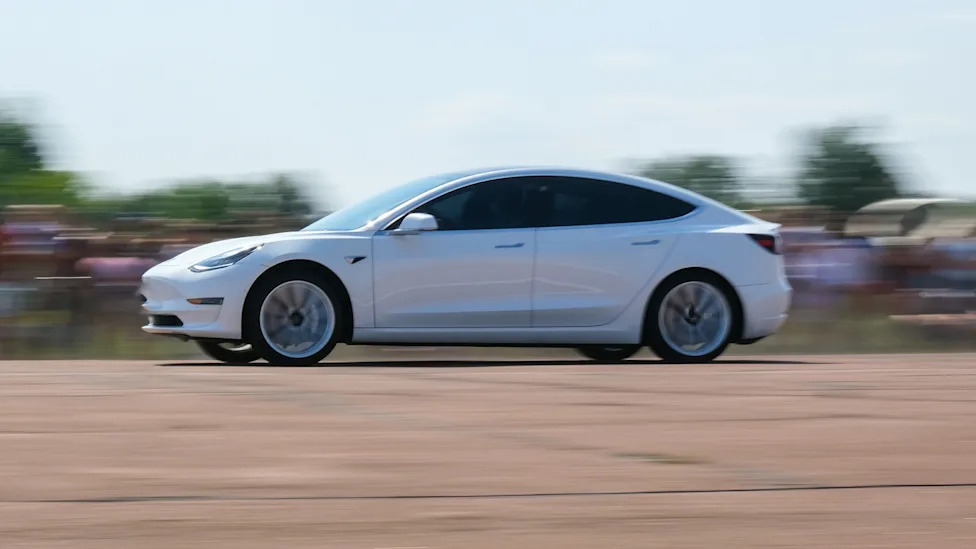
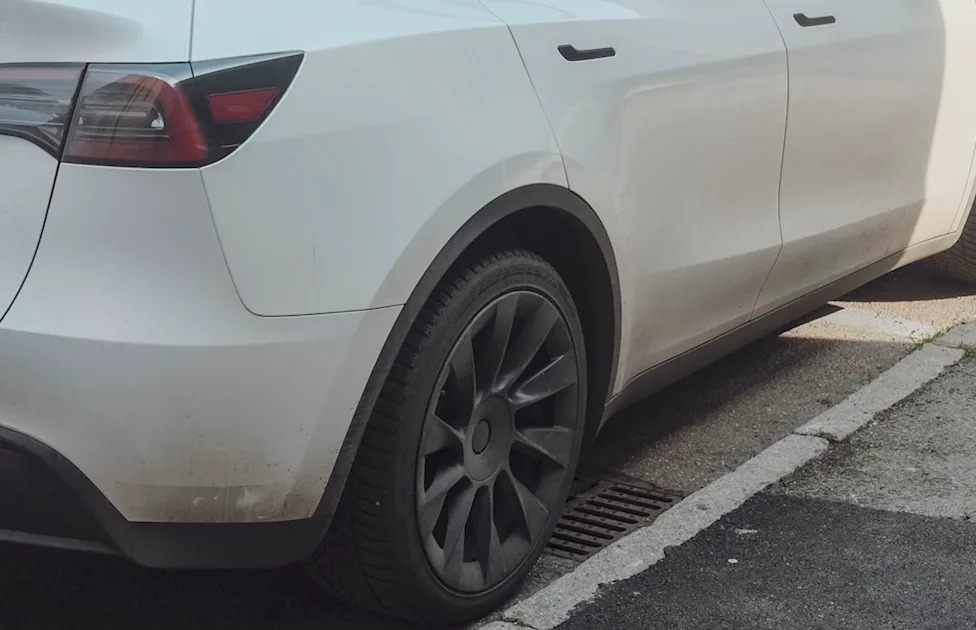
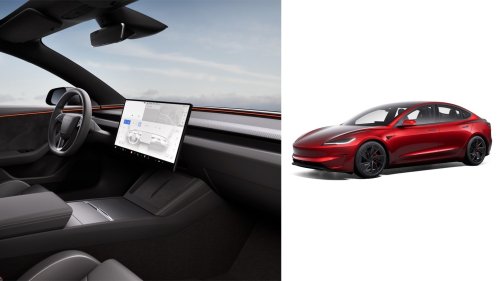
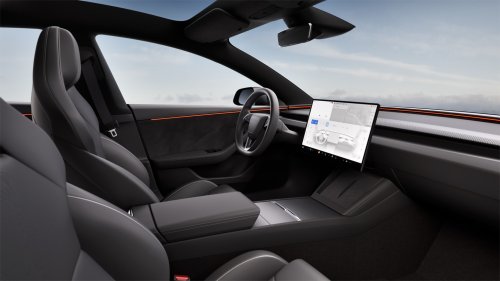
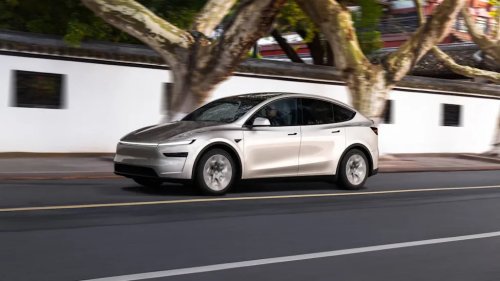
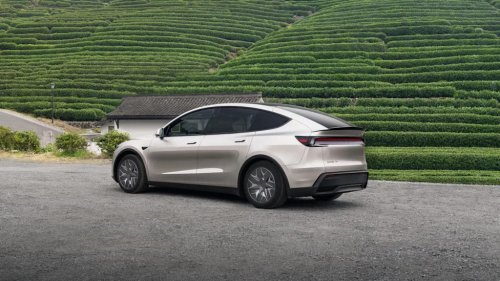
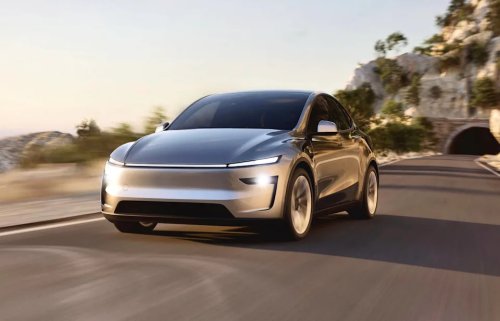
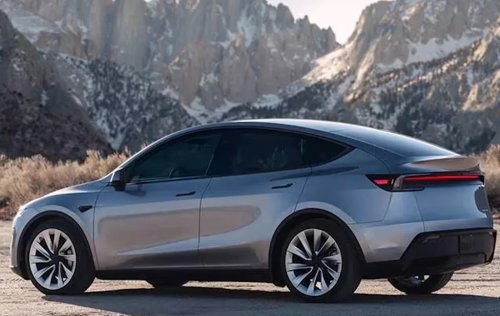
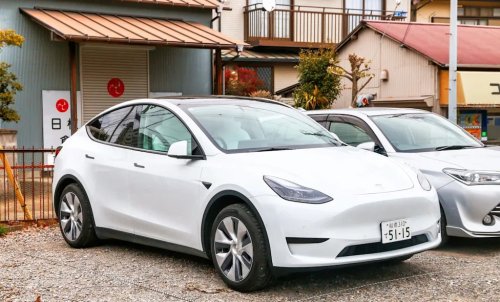
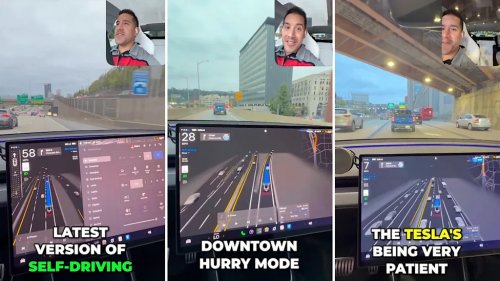
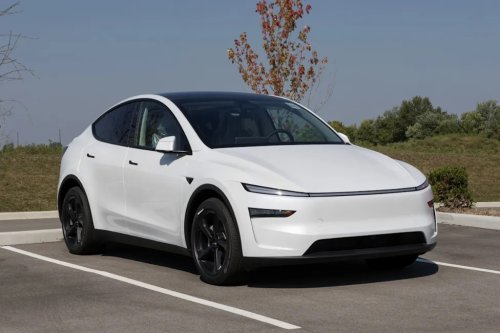
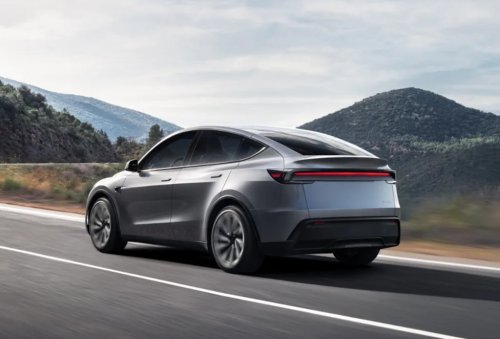
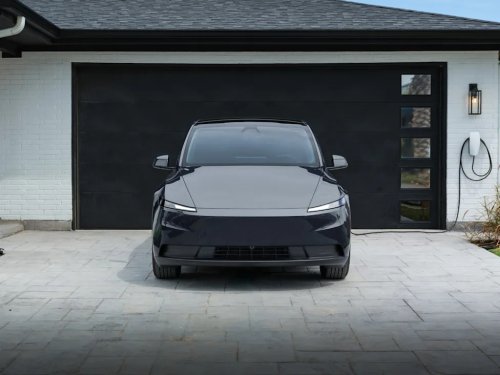
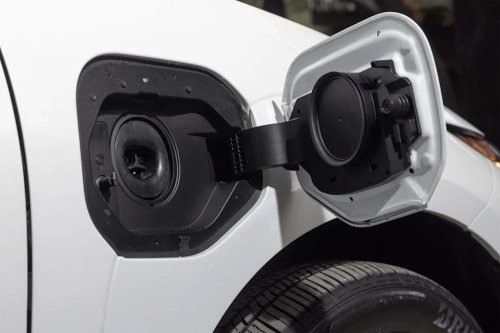
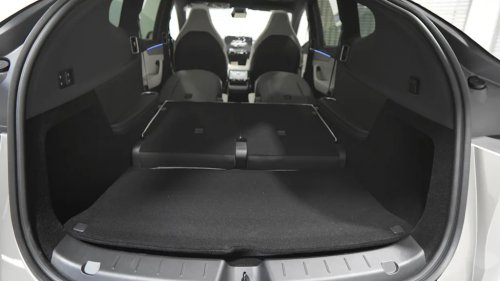
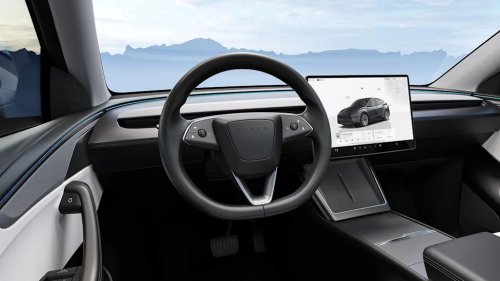
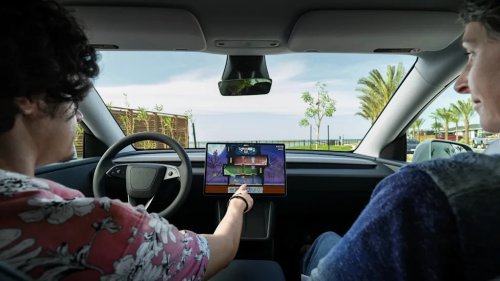
Tesla Model Y Is Flawed, So Why Is It Still Dominating America's EV Market?AutoblogLeroy MarionSat, September 12, 2026 at 9:00 PM UTCAdd us on GoogleAutoblog and Yahoo may earn commission from links in this article.The EV market is more crowded than ever in 2026, yet the Tesla Model Y refuses to yield its crown. Despite fierce competition from Hyundai, Kia, and Ford, the Model Y consistently tops the sales charts. It isn't flawless; it has its share of quirks, compromises, and polarizing design choices. Yet, buyers overwhelmingly default to it. Taking a hard look at the 2026 model, here is a no-nonsense breakdown of why the Model Y remains America's undisputed heavy-hitting EV, and where it still falls short.Unbeatable Value and Pricing MechanicsTesla's aggressive pricing strategy makes the Model Y incredibly hard to ignore. Factoring in the now-defunct federal EV tax credit, which was applied last year directly at the point of sale, the entry price dramatically undercuts rivals. That may have helped last year's sales figures, but even without it, aggressive lease deals let buyers avoid long-term commitments while taking advantage of low monthly payments. You simply get more range and performance per dollar here than anywhere else.AdvertisementAdvertisementHowever, this fluid pricing is a double-edged sword. Sudden MSRP cuts severely punish existing owners by tanking resale values overnight. Furthermore, insurance premiums for the Model Y remain stubbornly high because collision repairs are expensive, offsetting some of the upfront savings.TeslaThe Supercharger Network AdvantageRange anxiety is practically non-existent for Tesla drivers. While other automakers are slowly transitioning to the North American Charging Standard (NACS) plug, Tesla owners enjoy native, seamless access to the Supercharger network. You plug in, it charges, and it bills your account automatically, bypassing buggy third-party apps and broken card readers.On the downside, Tesla's EPA range estimates are notoriously optimistic. A Model Y rated for over 300 miles often struggles to hit 250 miles at highway speeds in colder climates. Competitors like Porsche and BMW often under-promise and over-deliver on real-world range; Tesla has historically done the opposite.Segment-Leading Practicality and Cargo SpacePackaging is where the Model Y shines. It boasts an expansive rear cargo area, a massive sub-trunk, and a highly usable frunk. The sheer volume of stuff you can fit inside rivals mid-size SUVs, despite the Model Y's compact footprint.AdvertisementAdvertisementPassenger comfort takes a hit to achieve this layout, though. The suspension is notoriously stiff, transferring road imperfections directly into the cabin. Moreover, while Tesla recently showcased a six-seat configuration, the third row remains heavily compromised and suits only small children or very short trips.Autoblog / LeRoy MarionSoftware, Tech, and InterfaceThe software experience is remarkably fluid, operating more like an intuitive tablet than a clunky legacy system. Over-the-air updates consistently add real value, improving battery management and driver assistance features. Surprisingly, users adapt well to the minimalist setup; data shows this screen interface is frequently preferred over cluttered dashboards with dozens of physical buttons.Still, the war on physical controls can feel like it has gone too far. Forcing drivers to use a touchscreen to adjust windshield wiper speed or open the glovebox is fundamentally distracting. Additionally, the stubborn refusal to integrate Apple CarPlay or Android Auto frustrates buyers who want their phone's ecosystem mirrored on the dash.TeslaMaturing Build Quality and DependabilityEarly Model Ys were plagued by inconsistent panel gaps, rattles, and paint defects. Tesla has clearly learned from its manufacturing scaling woes, as the latest builds show much tighter tolerances. More importantly, the core drivetrain, the motors and battery packs, has proven bulletproof. It finally earned a reliability score that justifies its massive market share.AdvertisementAdvertisementEven so, nuisance issues persist. Phantom braking on Autopilot remains an unsettling reality for many drivers, while suspension squeaks and premature tire wear, largely due to the vehicle's heavy weight and instant torque, are common long-term complaints.Uncompromising Safety and Driver AssistanceSafety ratings have long been a cornerstone of Tesla's marketing, and the Model Y delivers. Its low center of gravity, rigid structure, and updated standard lighting consistently protect occupants in worst-case scenarios. Standard active safety features, like automatic emergency braking and lane-keeping assist, are incredibly responsive and offer families genuine peace of mind on the highway.On the other hand, removing ultrasonic sensors and radar in favor of a purely camera-based "Tesla Vision" system has introduced undeniable quirks. Parking assistance can sometimes misjudge distances in tight spaces, and the naming convention of its optional driver-assistance packages continues to overpromise their actual capabilities, demanding constant driver vigilance.TeslaConclusionThe Tesla Model Y is not perfect. Its ride is harsh, its range estimates can be exaggerated, and its aggressively minimalist interior frustrates traditional drivers. However, when you zoom out, the math is undeniable. It offers unmatched charging infrastructure, class-leading cargo space, snappy tech, solid safety foundations, and an aggressive price point that legacy automakers simply cannot match right now. Until competitors can deliver a holistic package that matches Tesla's ease of use and value proposition, the Model Y will firmly hold its title as America's favorite EV.AdvertisementAdvertisementThis story was originally published by Autoblog on Sep 12, 2026, where it first appeared in the Features section. Add Autoblog as a Preferred Source by clicking here.



















 +67 others