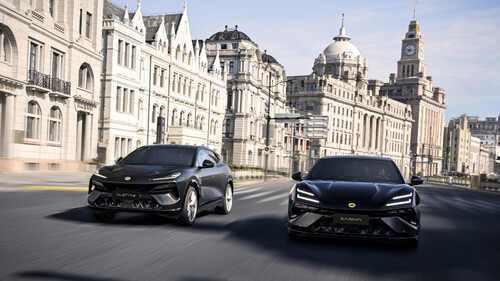
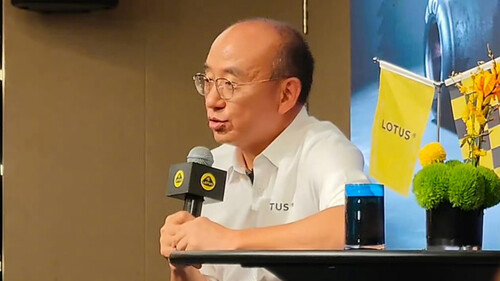
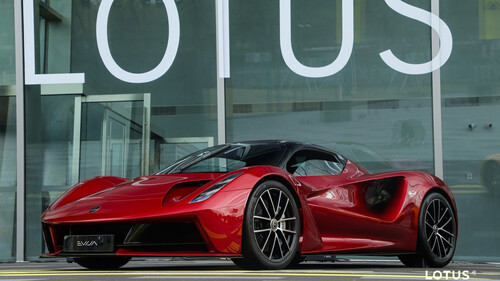
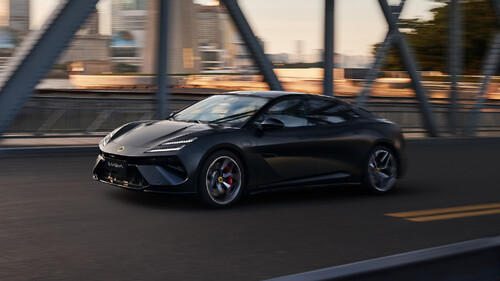
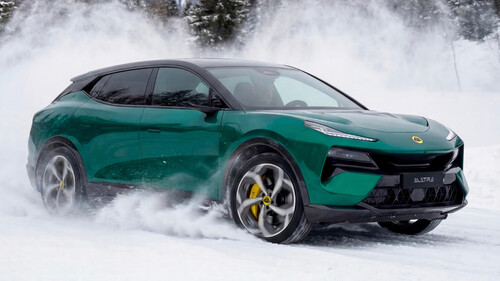
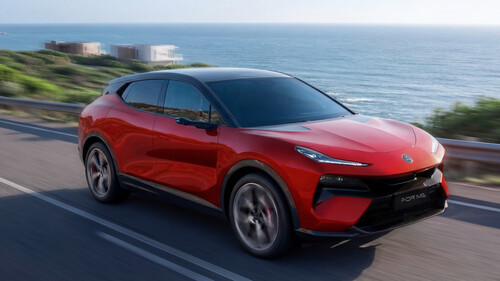
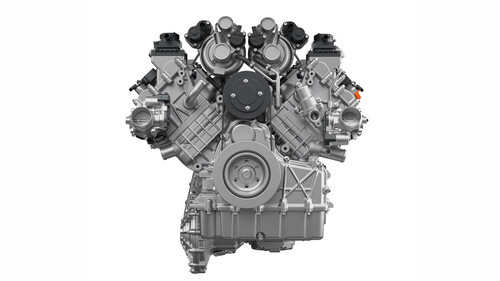
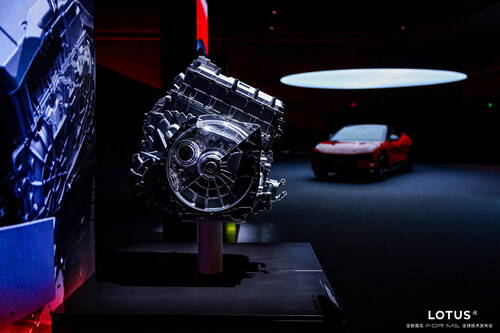
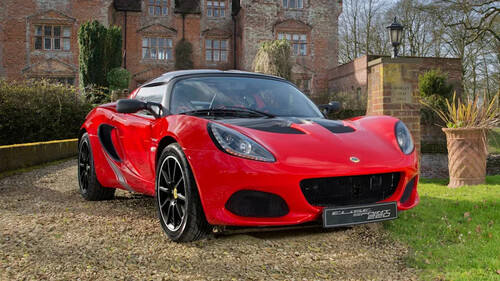
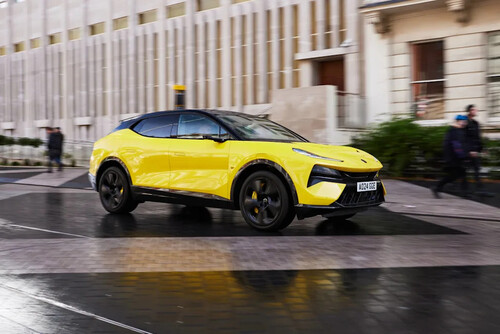
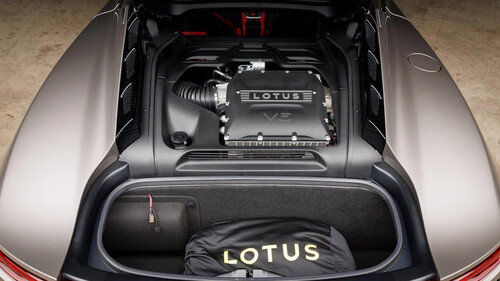
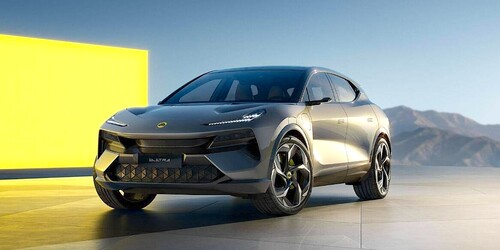
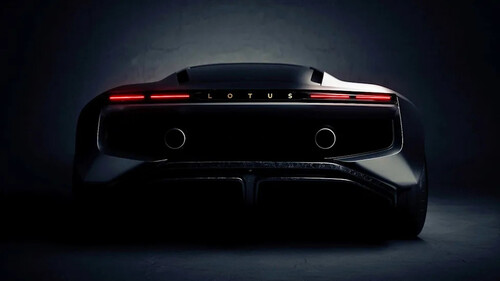
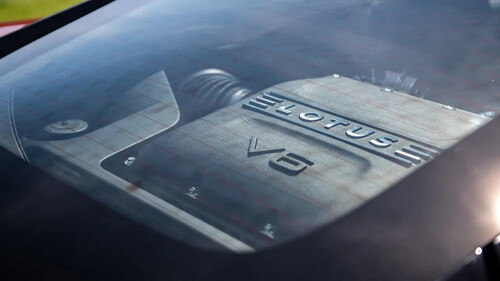
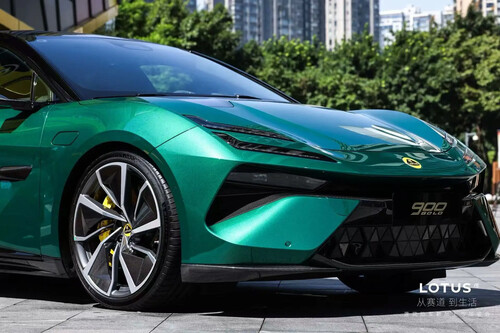
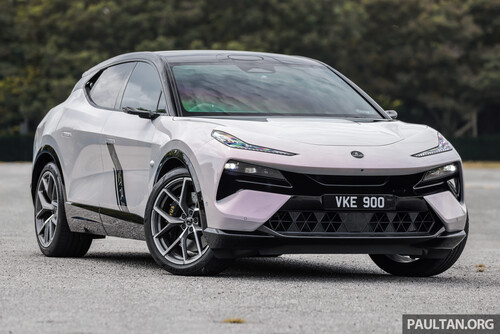
4Lotus is taking steps to shore up Hethel, its UK sports car factory, by kicking off exploratory talks to assemble Zenos' track legal road car, the E10. Not that the E10 will put much of a dent in Lotus's unused capacity: Zenos probably makes about 30 cars in a good year. Hethel's maximum annual capacity across two shifts is 10,000 cars: even on a single shift, last year’s 2,000 volume is painfully under-utilised. But it's the first step on a long road towards a bigger, stronger future. That's the potential reformation of Hethel as a regional 'Performance Hub', with Lotus's engineering, sourcing and assembly capabilities outsourced to a series of clients to boost the acclaimed but struggling sports car business. Over time, the E10 – or future Zenos cars – could be re-engineered to share more components and know-how, boosting economies of scale for both parties. Alan Lubinsky, Chairman Zenos Cars, said: “To have a centre that seamlessly pulls together so many of the disciplines needed to deliver highly advanced vehicles for clients globally represents a significant opportunity for Zenos Cars. Today the barriers to low-volume, high performance automotive engineering are considerable and, with the Hethel Performance Hub able to tap into and draw from the region’s already strong reputation for excellence, we are excited for what lies ahead.” Zenos was founded by ex-Lotus employees in 2012, and its lightweight aluminium structure and high-performance from a humble 2.0-litre engine is true to the Lotus playbook. The firm has bounced back from administration under AC Cars' owner Alan Lubinsky, with the £130,000 E10 set to be relaunched using a 380bhp Volvo engine – plenty in a car weighing just 780kg. 4Lotus’s Norfolk sports car factory has been running on fumes, with a four-month shutdown last year as the exporter figured out how to handle President Trump’s US import tariffs. Well-placed sources said Hethel's future was placed under review in summer 2025, with its Chinese owner, Geely, exploring all options – including closure – to stem losses at the British sports car outpost. But speaking at the FT's Future of the Car summit in May 2026, Lotus CEO Qingfeng Feng dismissed the reporting as “rumours”. Auto Express subsequently sat down with Feng at the brand's marquee retailer in London, and asked him about Hethel's future. Lotus has announced a V8-powered hybrid supercar, the Type 135, will enter production in 2028, with the V6-powered Emira successor due to follow by 2030. “We are currently doing the feasibility studies of producing the new models at the Hethel factory," Feng told us. "The manufacturing process is great, but we really need to think about the supply chain and tariff impact.” Feng confirms the British Government has helped the exporter obtain lower-interest finance and contributed to Hethel’s redevelopment – what more can it do going forward? “It would really help if the Government could [assist with] the supply base: it would be quite costly to do that by ourselves in the EU and UK region.” The car maker has been trapped in a perfect storm, buffeted by tariffs that have inflated the cost of UK sports car exports to the United States, and exorbitant American import duties on its Chinese-built lifestyle EVs that make sales commercially impossible. Lotus is also grappling with inconsistent electric car demand, and growing the brand from a tiny customer base. Geely has pumped billions of investment into Lotus, funding the clean-sheet electric technology that underpins the Eletre SUV and Emeya sports saloon and a factory in Wuhan, China, with a 150,000-unit capacity. It has also invested £100 million in its Norfolk site, yielding new production lines to build the petrol-powered Emira sports car and £2.4m, pure electric Evija hypercar. Nonetheless, Lotus sold only 12,134 vehicles in 2024, which slumped again to 6,520 cars last year, triggering a $464million (£352m) loss. 4Yet Lotus still managed to slash its operating loss by a remarkable 46 per cent year-on-year. It laid off production line and administrative staff, and slashed marketing budgets. Amortising costly technologies – the new V engine, electric/electronic architecture and the upcoming Eletre X SUV’s 939bhp plug-in hybrid system – across the Geely group also helped squeeze expenditure. But it’s critical to staunch the red ink. “If Lotus disappeared in our hands, wow…” finance chief Dr Wang told us, his voice tailing off at the enormity of the prospect. “The ambitions of the management, the shareholders, [will] never change: we want to keep this brand for another 78 years, another 100 years. We want to make [Lotus] sustainable and great again.” That’s why Lotus has announced its new Focus 2030 strategy, superseding Vision 2018. The 150,000 sales target has shrunk to 30,000 cars by the end of the decade, but even that is more than 17 times Lotus’s volume in the last year of the Elise, Exige and Evora sports cars. Two-thirds will be ‘lifestyle cars’, with powertrains split 60:40 hybrid:EV across the range. Dr Wang says Lotus will break even at that volume, assuming a 20 per cent margin on sales. So what makes CEO Feng most proud after eight years running Lotus? “The transition from outdated sports cars to ‘new energy vehicles’ (NEVs) with intelligence,” he shoots back. “We are very proud that after eight years of harsh effort, commitment and devotion, we have [built] our production base and brought out new products such as Eletre, Emeya and Emira. We have laid a great foundation for the march towards the NEV era. The electrification of sports cars is inevitable.” Join us on Whatsapp to keep in touch with all the latest car news and reviews...