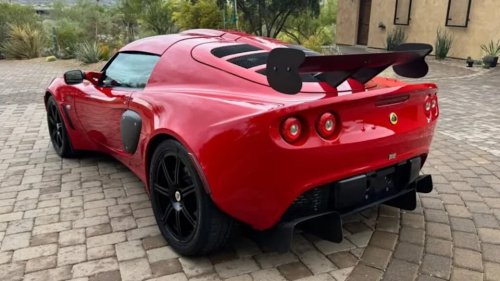
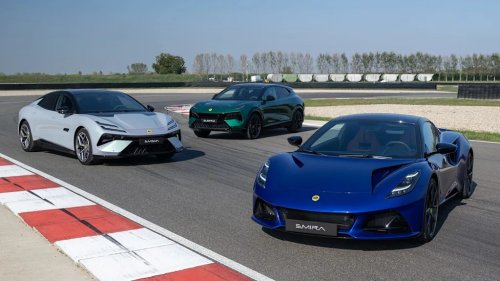
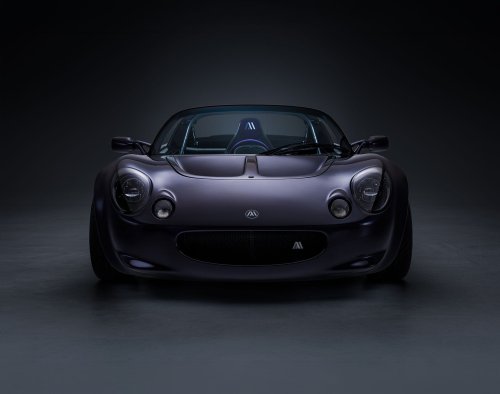
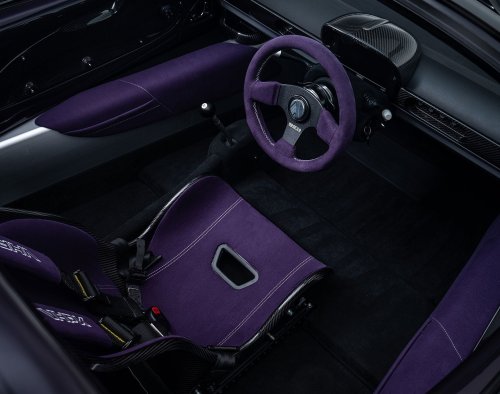
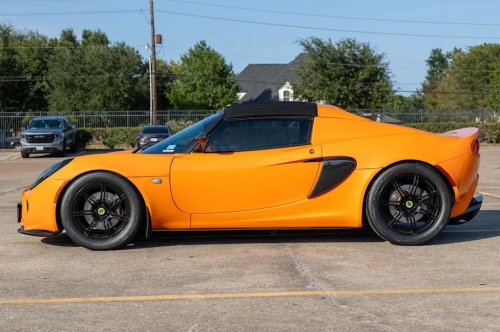
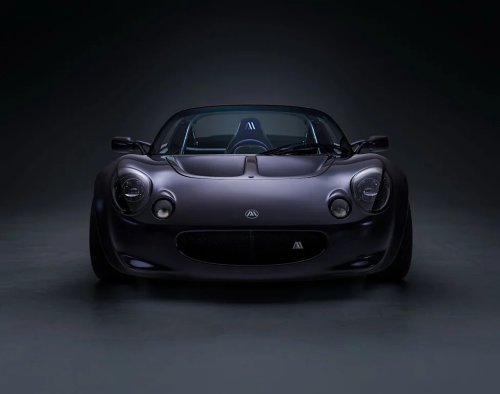
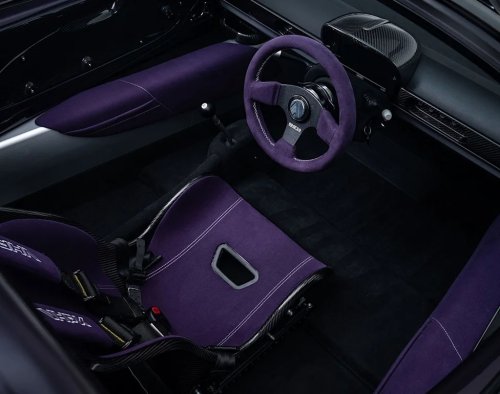
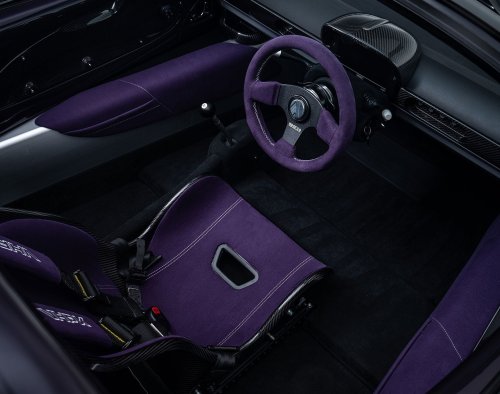
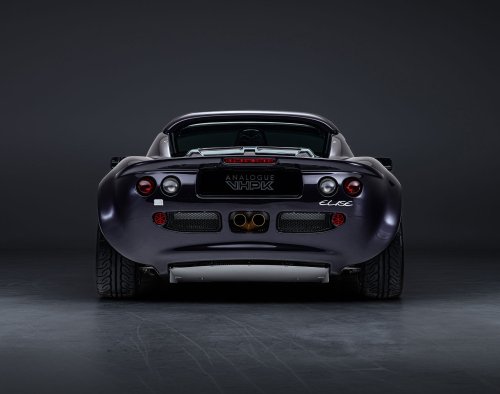
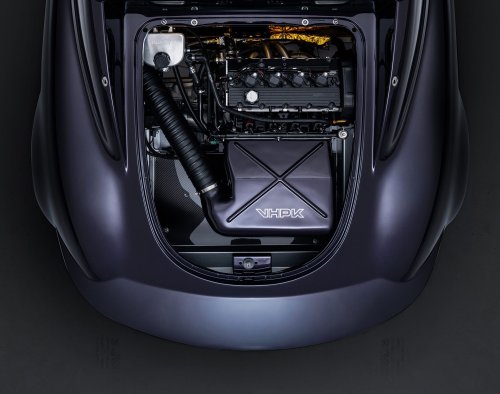
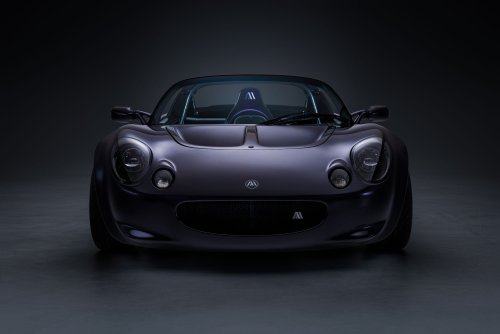
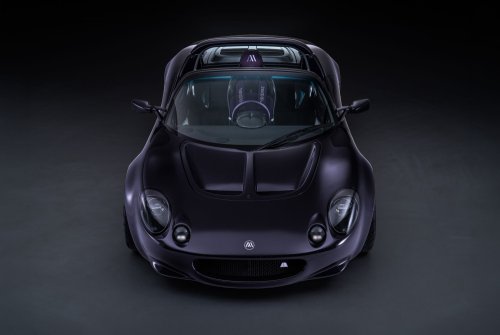
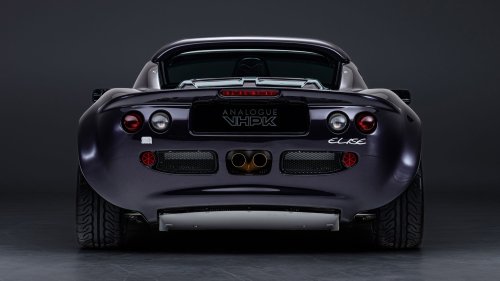
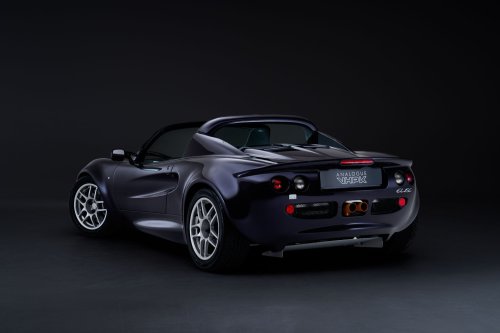
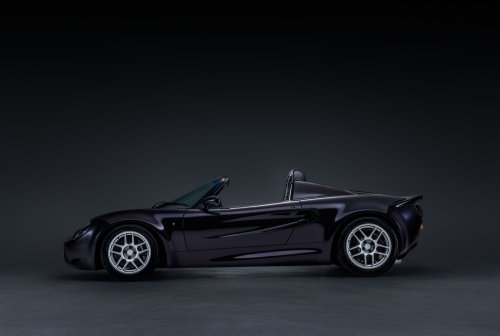
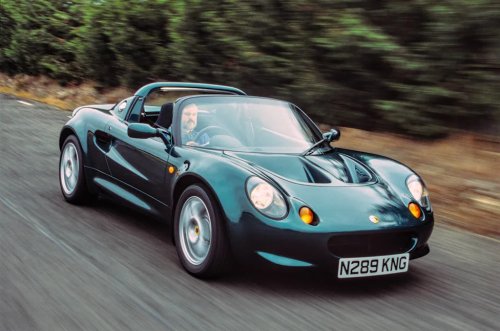
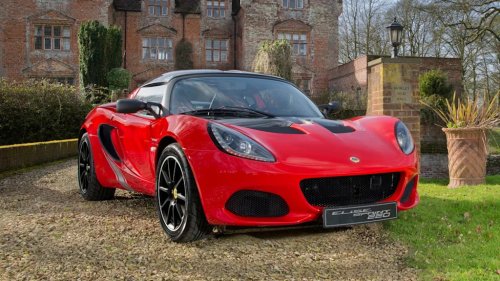
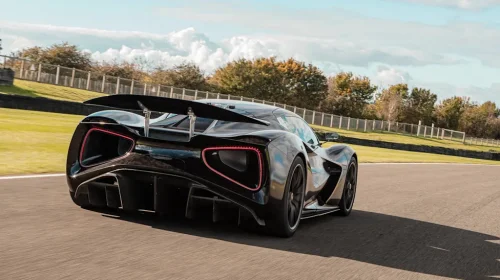
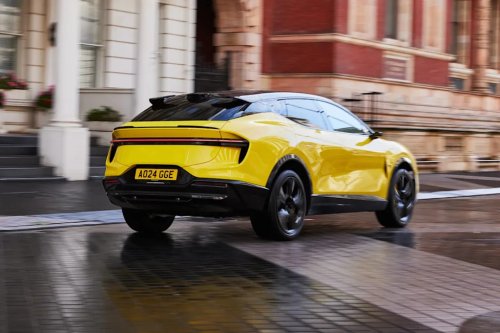
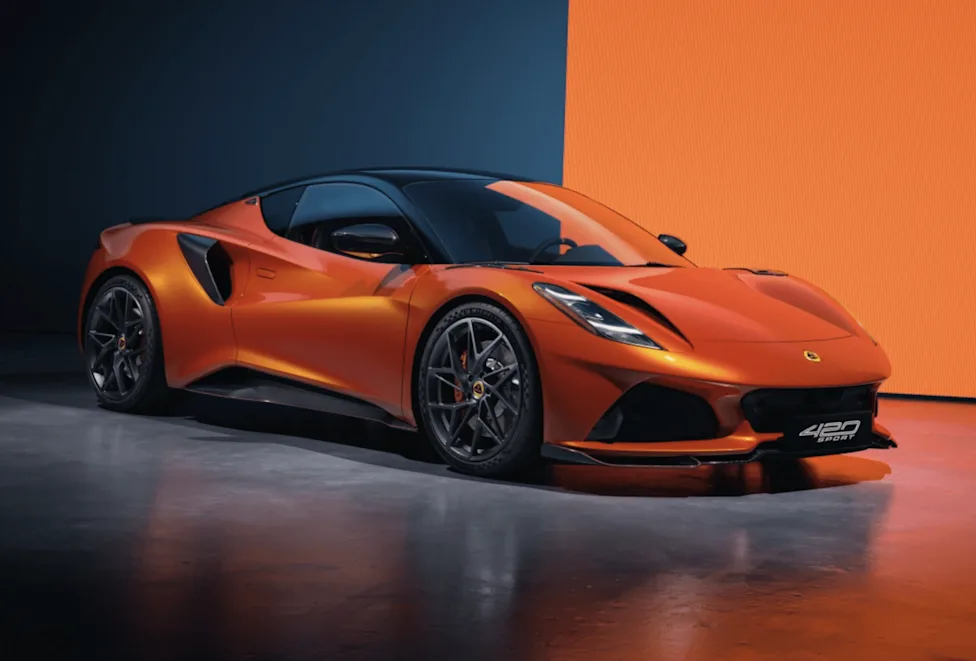
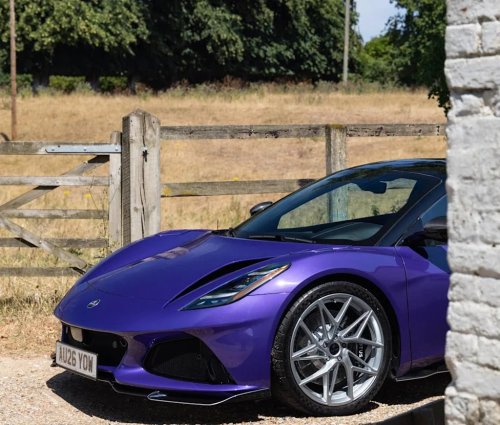
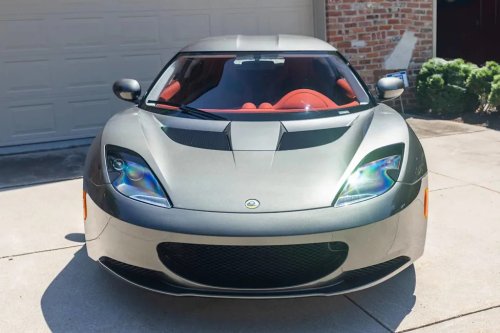
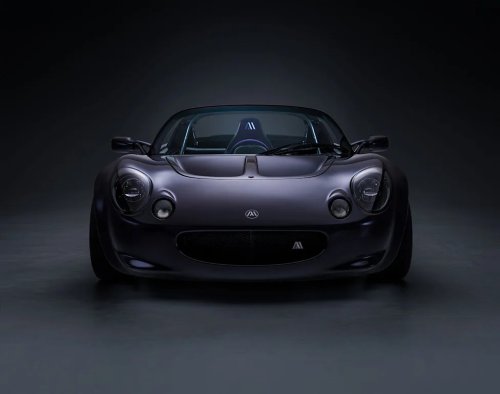
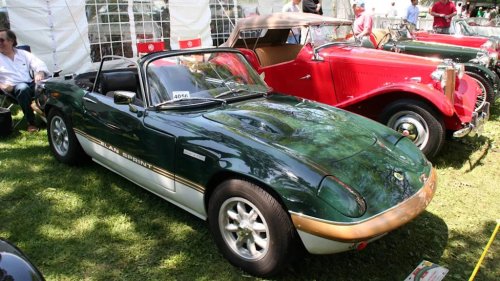
Autoblog and Yahoo may earn commission from links in this article.When power lost its crown and lightness took over Modern performance-first automotive ethos largely prioritizes horsepower. Besides there being no new 2026 model-year cars available with under 100 horsepower, contemporary combustion engineering and battery-electric development have redefined consumers' performance expectations. However, Lotus' philosophy, emphasizing lightness, has carried over into modern times after starting in the 1950s. For example, Lotus models like the 2-Eleven (2007-2011) and 3-Eleven (2015-2018) were released without a roof, doors, or windshield. Colin Chapman, Lotus' founder, has multiple famous quotes regarding lightweight automotive design, with one being: "Adding power makes you faster on the straights. Subtracting weight makes you faster everywhere." This mindset was especially countercultural during the company's earlier history, given that Lotus was navigating peak muscle-car and early supercar eras. Still, Lotus' design contributions forced the industry to reframe its performance priorities.View the 2 images of this gallery on the original article"Simplify, then add lightness" was an engineering weapon Another one of Chapman's famous quotes was: "Simplify, then add lightness." An early example of this quote translating into real-world engineering decisions was with the Lotus Seven, released in 1957. Chapman's steel space frame for the car was meant to be both stiff and featherweight. Instead of a high-powered engine, Chapman opted to use a Ford 100E four-cylinder, displacing 1172 cc and rated at just 36 horsepower in stock form. Upgrades like twin SU carburetors boosted horsepower to 45, while a three-speed manual multiplied low torque and transferred it to the rear axle, according to Hagerty. Instead of adding weight with paint, some early examples of the Seven were finished by polishing the unstressed aluminum body. Even though the Seven's weight increased as production continued, some 1957 examples weighed just 725 lbs. In contrast, a 1957 Cadillac Series 62 had a curb weight of about 4760 lbs. The Seven's lightweight design ultimately helped it double as a road and clubman's racing car with exceptional agility, especially in high-speed cornering.AdvertisementAdvertisementRelated: A Single-Seat Lotus Elise Might Be the Purest Driver's Car YetThe Lotus Elan proved you didn't need big power to feel fast The original first-generation Lotus Elan (1962-1973) was spurred by a mission to perfect the lightweight two-seater sports car. Its foundation included Lotus combining modified off-the-shelf mechanicals borrowed from other automakers with its relatively new in-house composite construction process. The Elan prototype would incorporate a steel backbone chassis construction and fiberglass body for lightness, rigidity, and streamlined manufacturing. Drivers received light, tactile handling, supported by compliant, long-travel suspension that optimized mechanical grip, made possible by the car's lightness. The first Elan used a 1.6-liter Ford four-cylinder engine that Lotus upgraded with a dual overhead-camshaft head, producing 105 horsepower at 5,700 rpm, but its engineering allowed it to feel faster. After the Elan established a reputation for being quick, well-balanced, and responsive, the model's "Sprint version," available during the 1971-1973 model years, featured a 126-horsepower big valve engine.Need new tires? Save up to 30% at Tire RackFind the perfect tires for your exact vehicle and driving style. Click here to shop all top-tier brands, including Michelin, Bridgestone, and more, directly at Tire Rack.Racing was the ultimate proof and Formula 1 took notice Lotus revolutionized Formula 1 by ditching the conventional concept of a tubular spaceframe chassis in favor of a fully stressed aluminum monocoque design. Chapman used the Elan's steel backbone as inspiration for the monocoque, curious to see whether it would function on a race car. Widening the frame allowed the driver to sit between the chassis structure's sides, creating a lighter, stronger, and stiffer structure. This car's single-shell was made from 16swg aluminum sheet and meticulously riveted together, providing exceptional rigidity while minimizing weight. The monocoque also established a slimmer frontal profile, reducing aerodynamic drag. Iconic motorsports journalist Denis Jenkinson said: "This riveted monocoque structure, like an aircraft, makes for greater rigidity with less weight. It was riding the bumps beautifully."GettyThe Lotus Elise restarted the philosophy in the modern era During its 1996 launch, the Elise's power came from a 1.8-liter, 116-horsepower engine coupled to a 5-speed gearbox. Mounted transversely behind the driver and combined with the car's incredibly light weight, this could propel the first car to 62 mph in just 5.9 seconds. It was one of the lightest sports cars available at the time, weighing 1598 lbs. Lotus achieved this weight with a bonded and riveted aluminum extrusion chassis and a glass-fiber body shell. A mid-engine layout and double-wishbone suspension at all four corners helped maintain balance and handling. The Elise's production would continue through 2021, reflecting the resonance of its design philosophy.Why modern performance cars still chase lightness even in the EV era Despite current horsepower wars and challenges with electric vehicle battery weight, Lotus' emphasis on lightness remains in today's performance landscape. For example, McLaren offset the Artura's 287 pounds of hybrid hardware with design choices like a new carbon-fiber monocoque that weighs just 180 lbs. Still, while Artura drivers have larger budgets, cost-effectiveness remains a significant challenge regarding integrating lightweight philosophy into modern performance. Holger Eckhardt, Porsche customer motorsports spokesman, said: "Nothing is more expensive than lightweight. We could develop a 3,000-pound Taycan, but you'd have to spend $1 million. This is not the right way; as a manufacturer, we have to find the right compromise," according to TheDrive. As electrification expands, power alone isn't the answer, as Lotus' lightweight ideas are more relevant than ever due to efficiency and range concerns. Check out more features covering your favorite automakers on Road Ethos.AdvertisementAdvertisementRelated: This is Why GM and Lotus's Sleeper Sedan Was Almost BannedThis story was originally published by Autoblog on Jun 22, 2026, where it first appeared in the Features section. Add Autoblog as a Preferred Source by clicking here.




















 +14 others