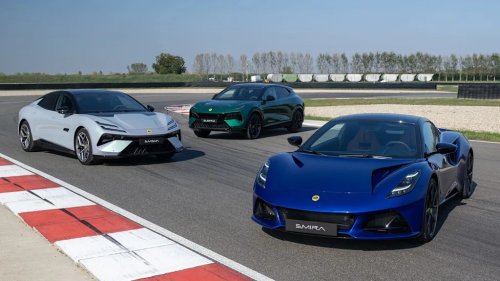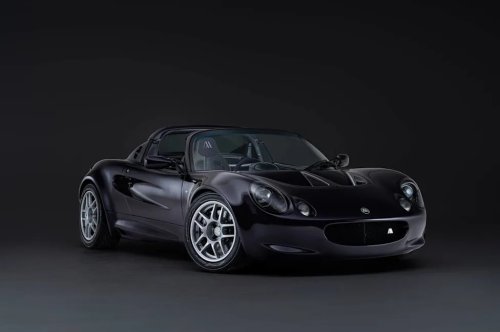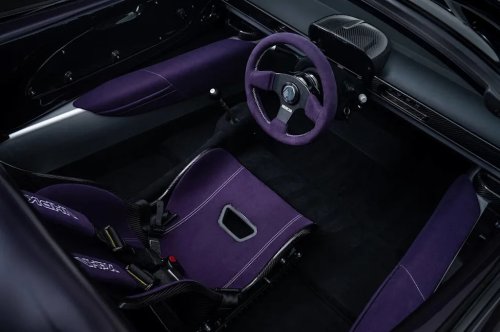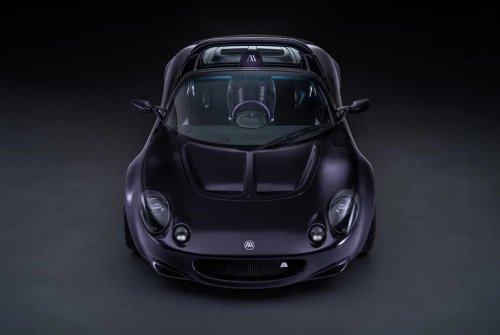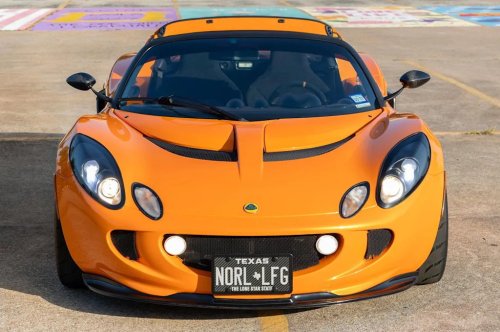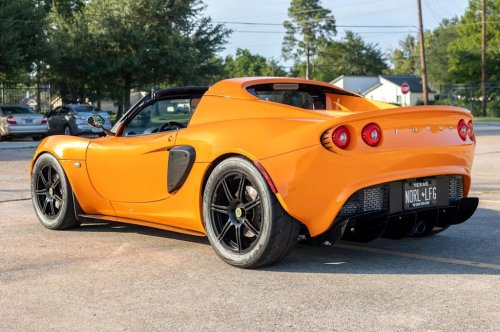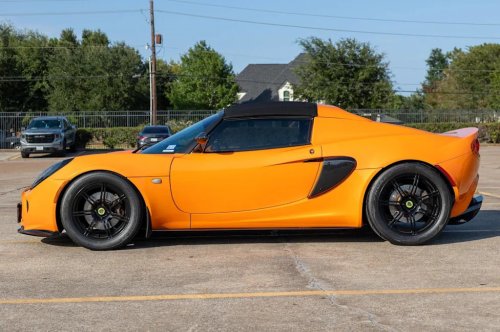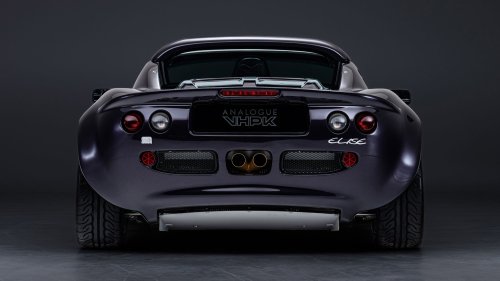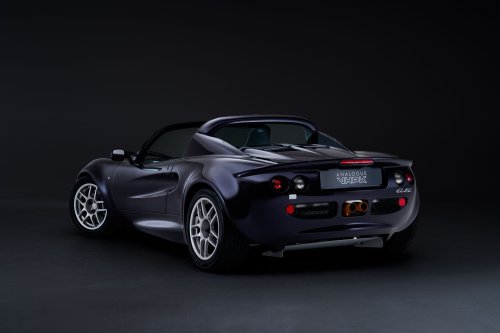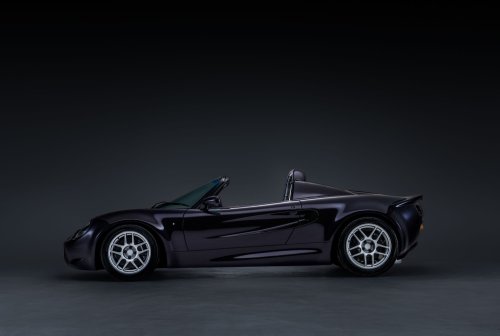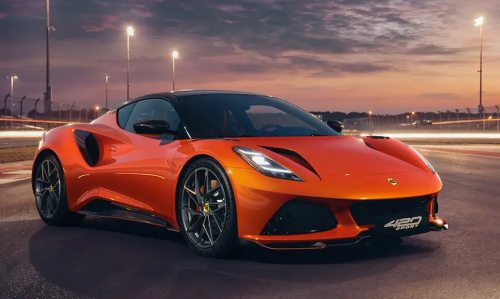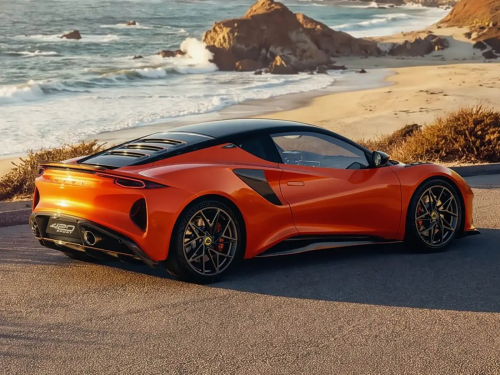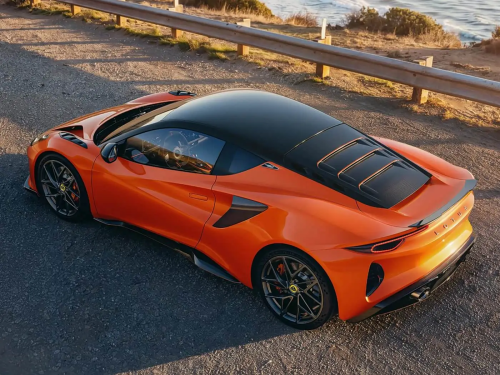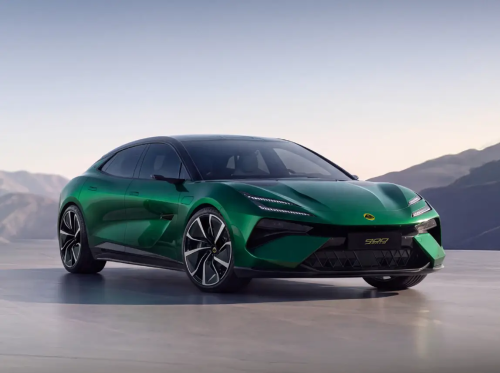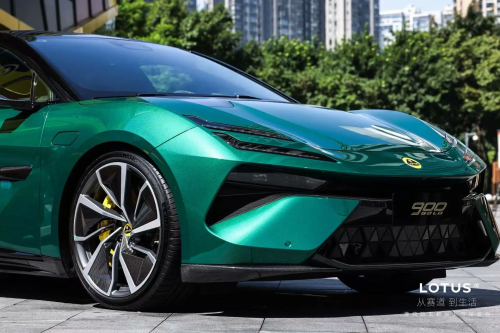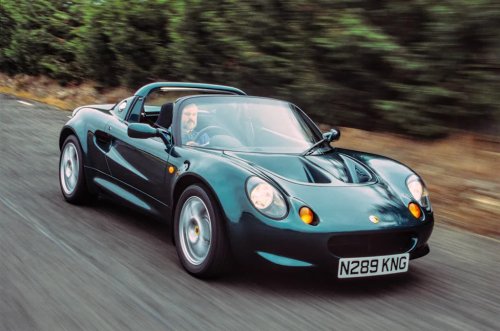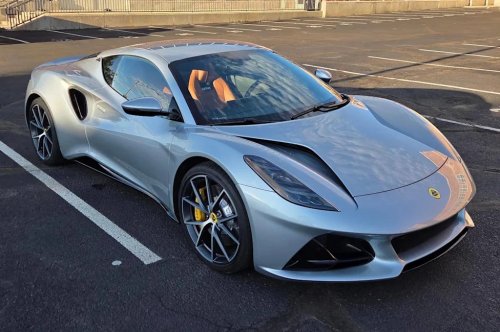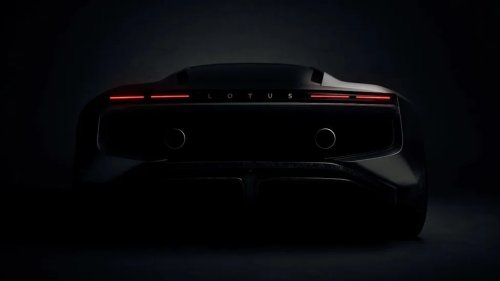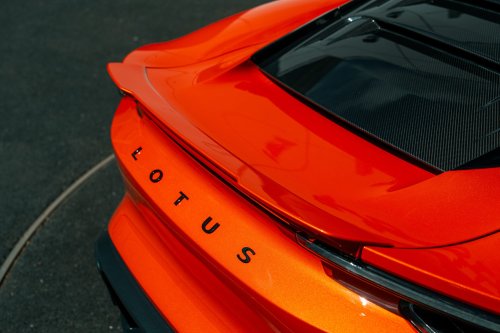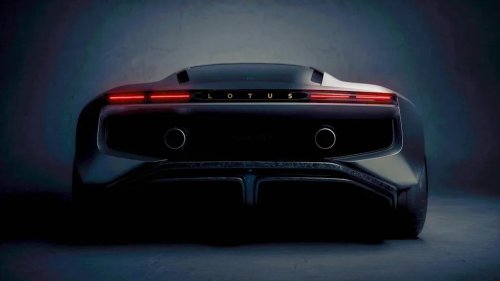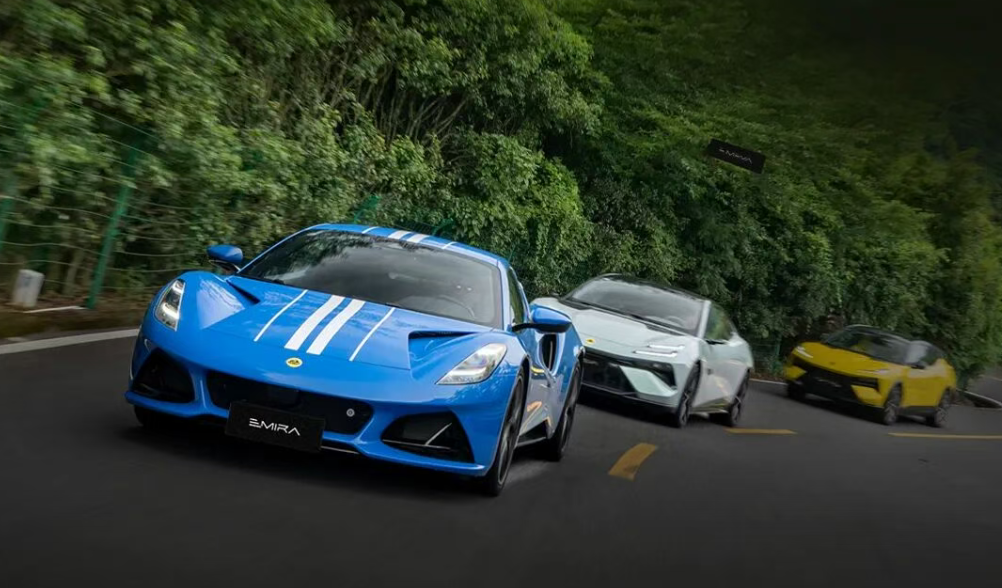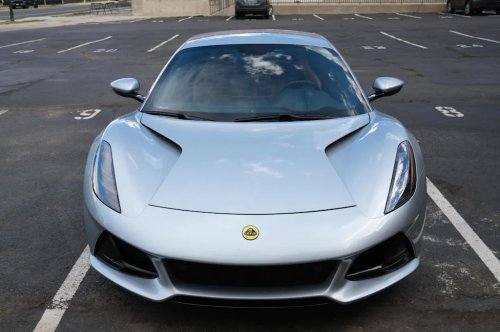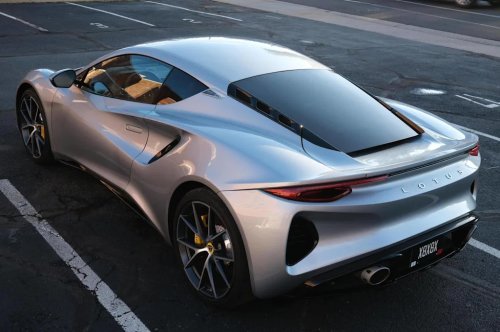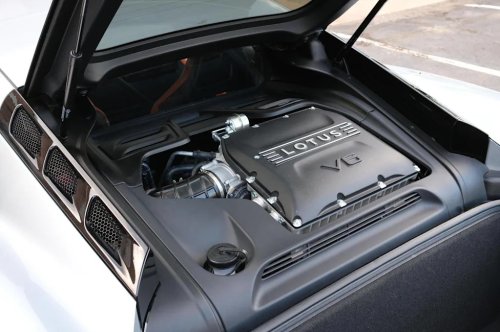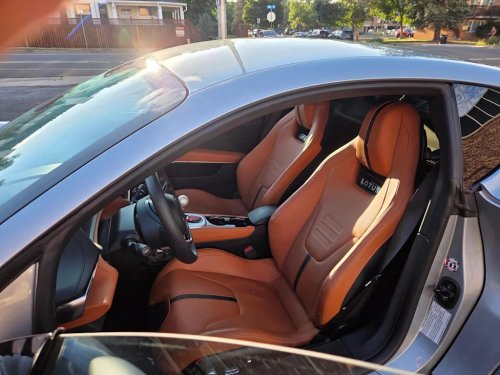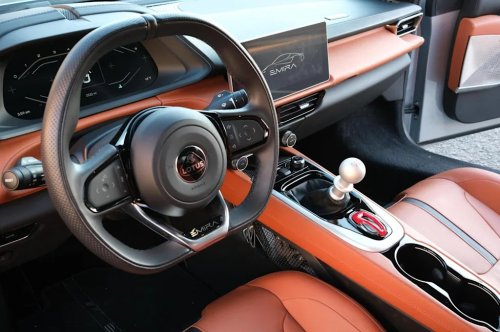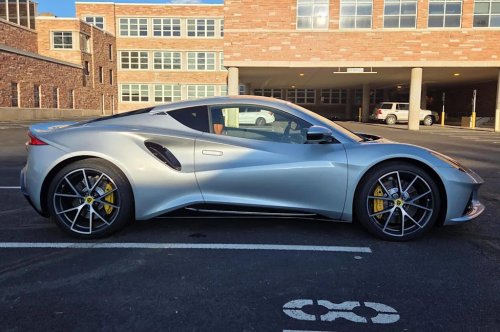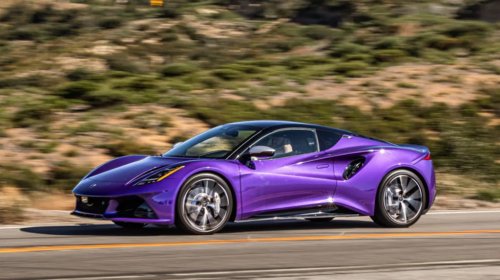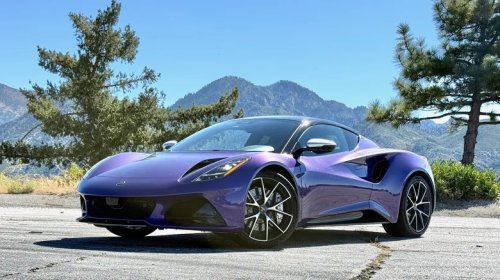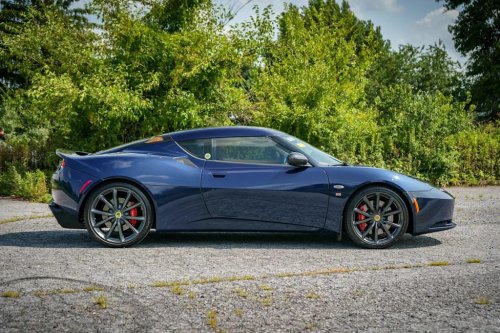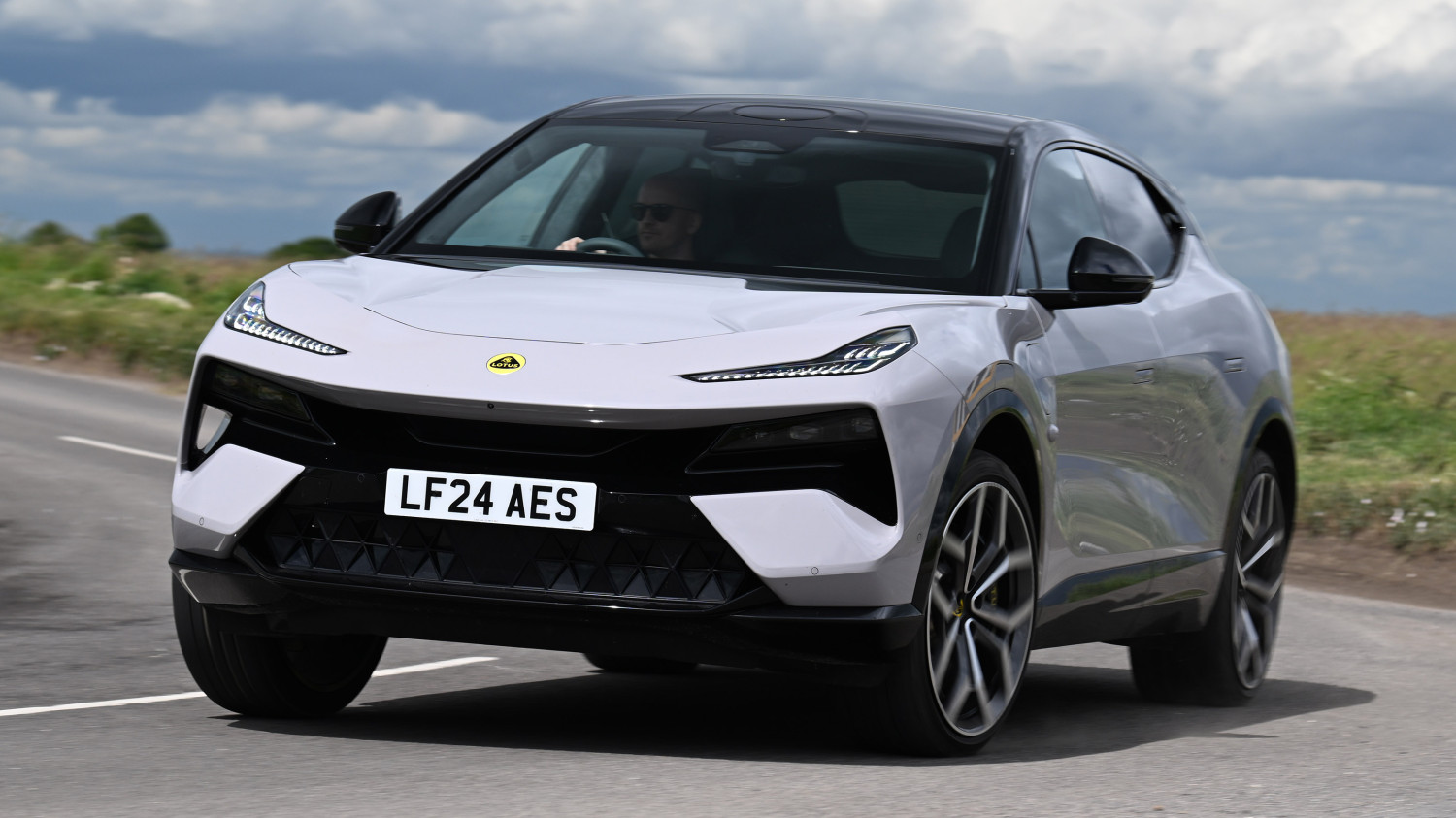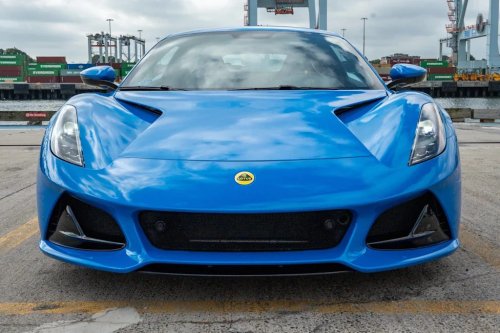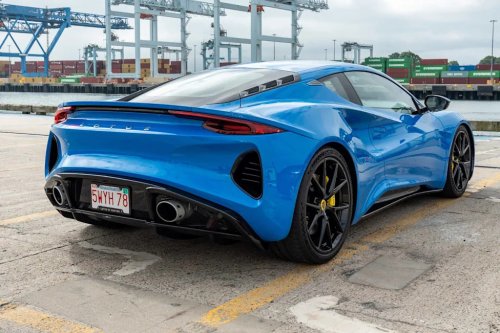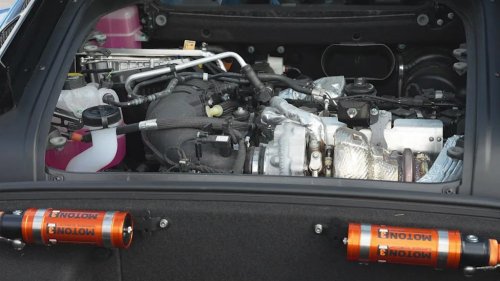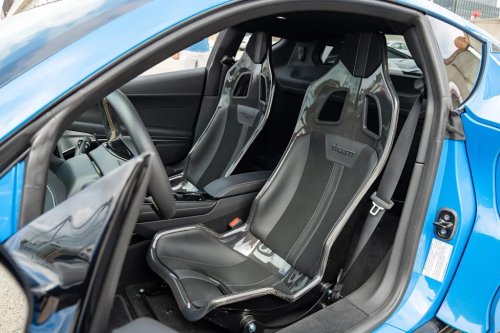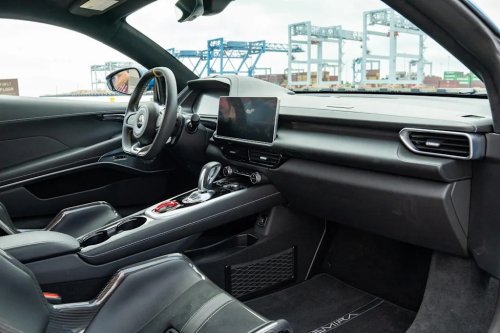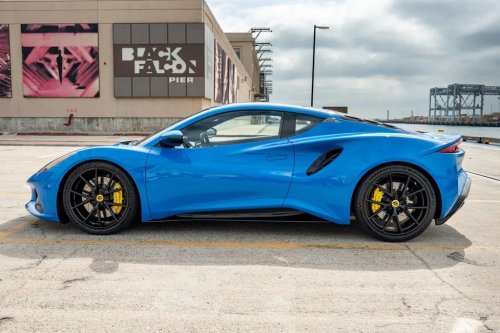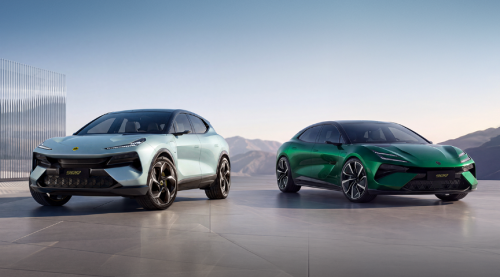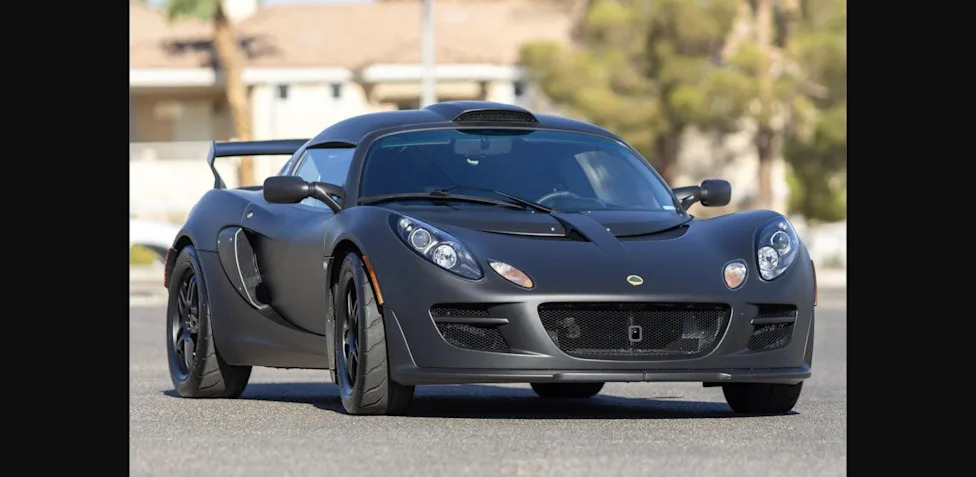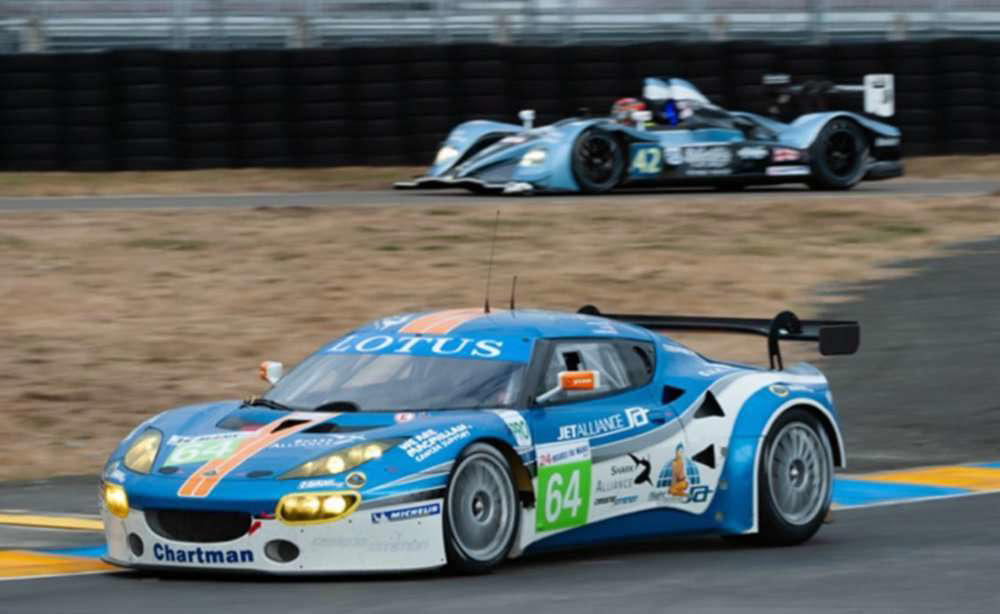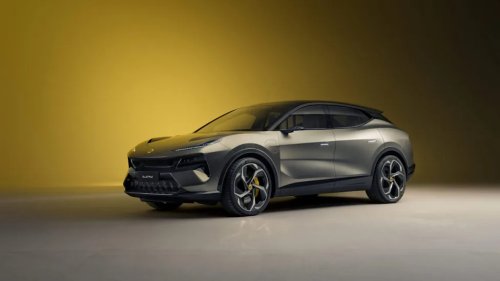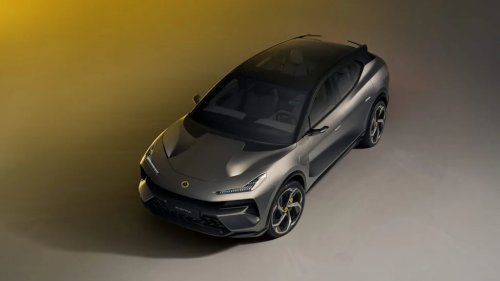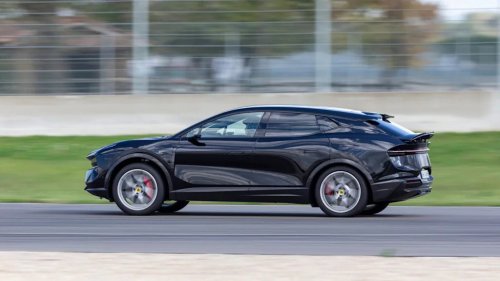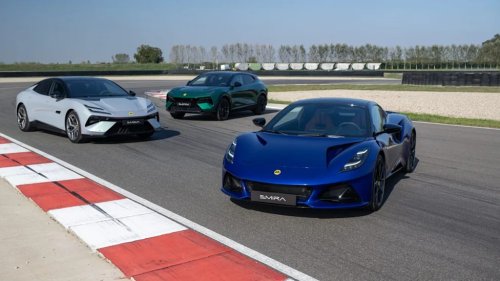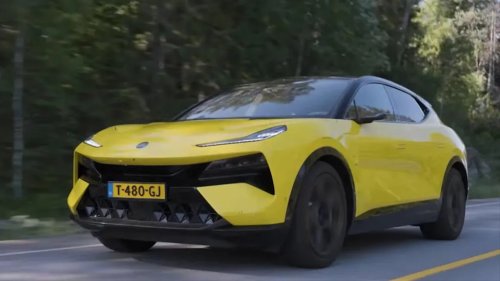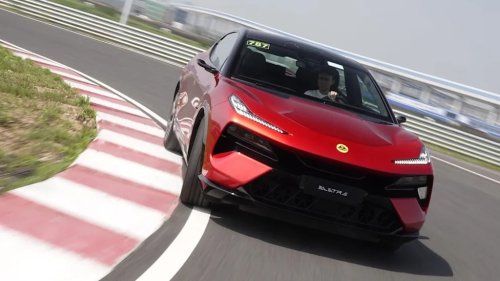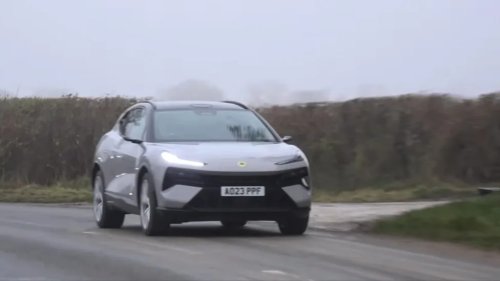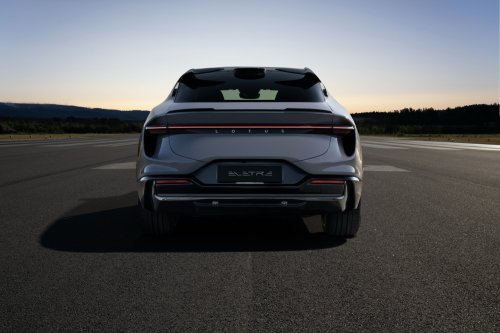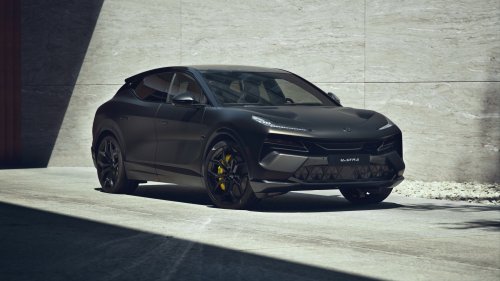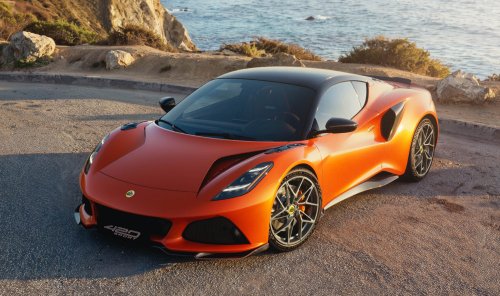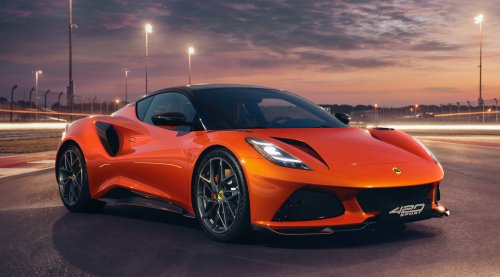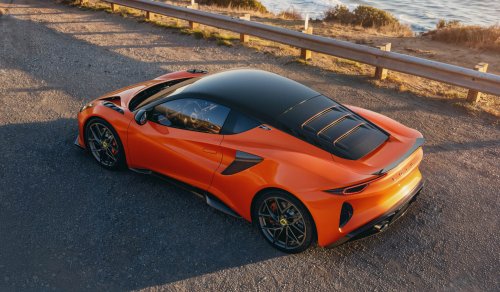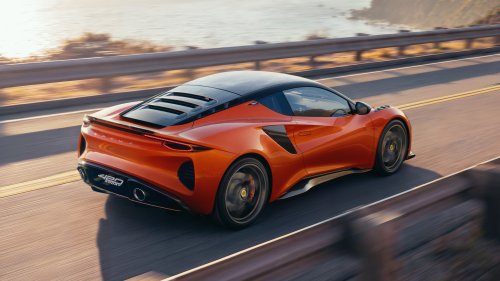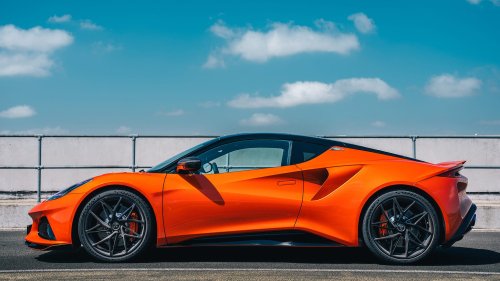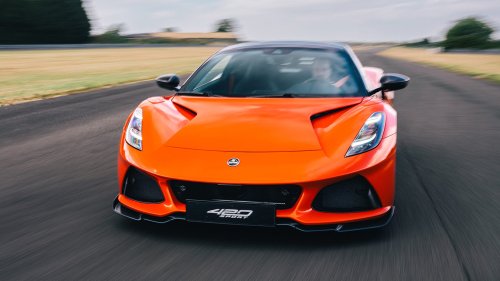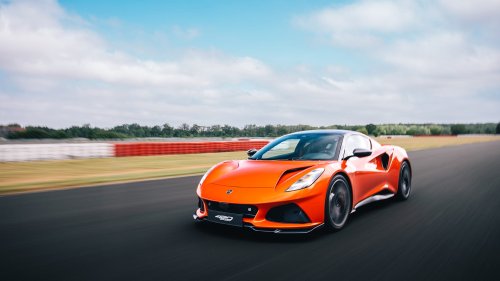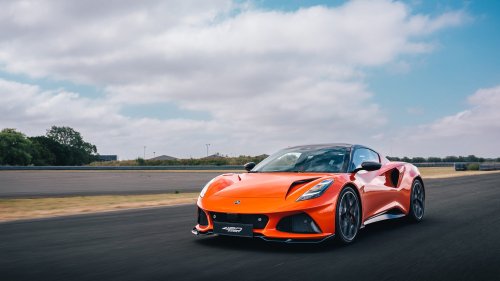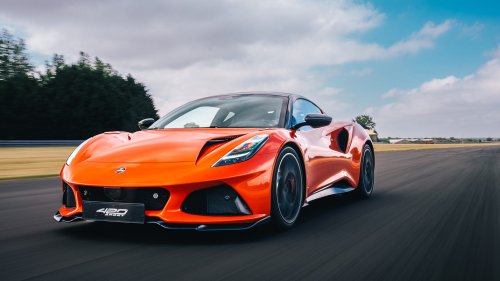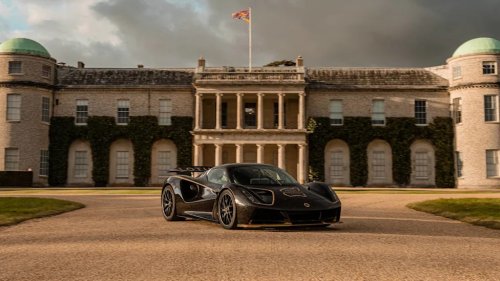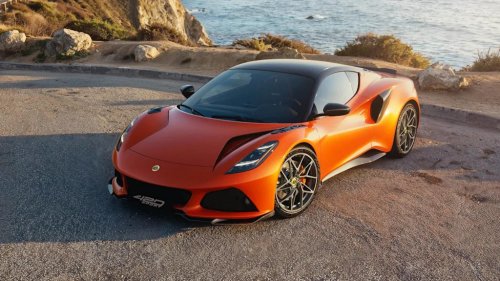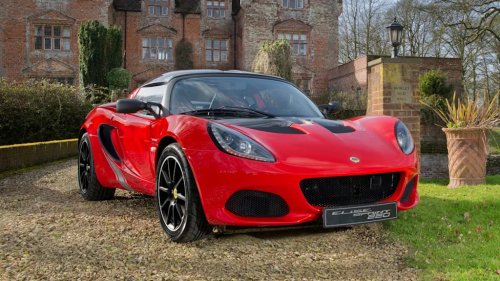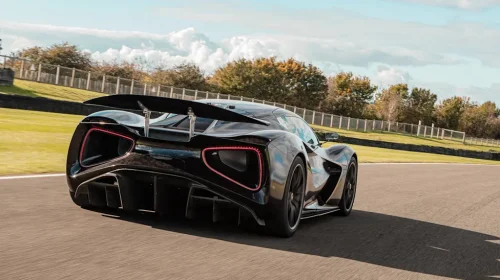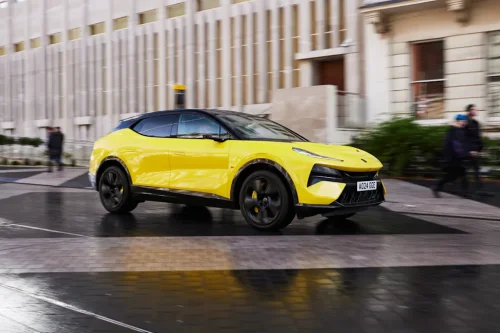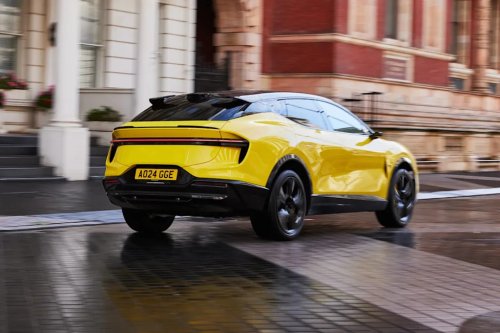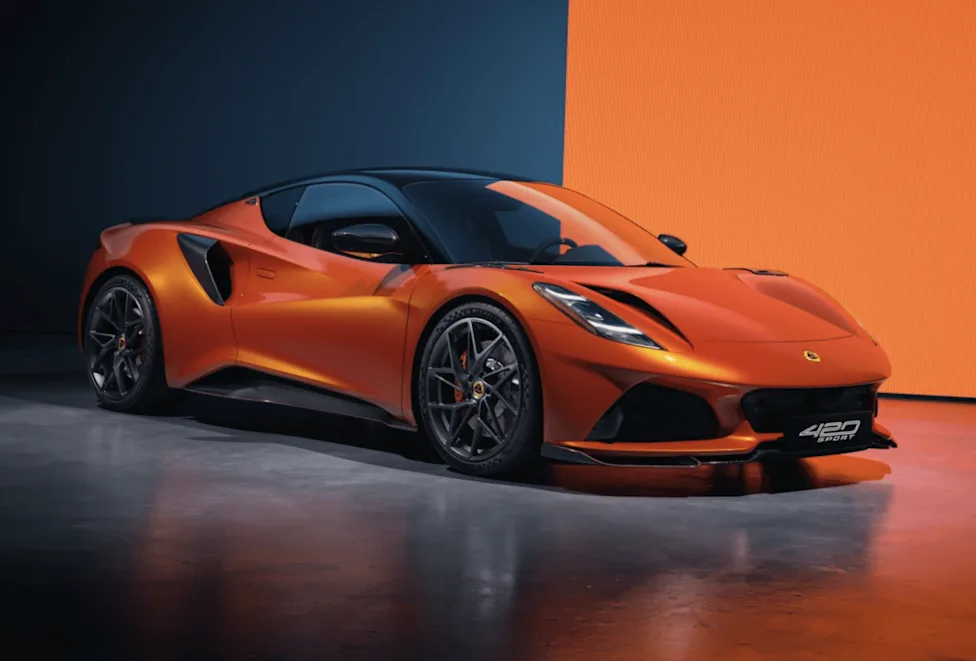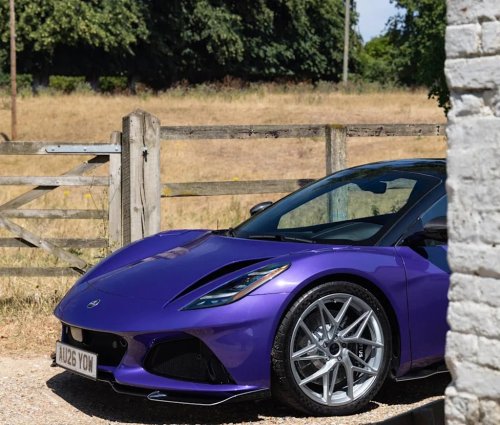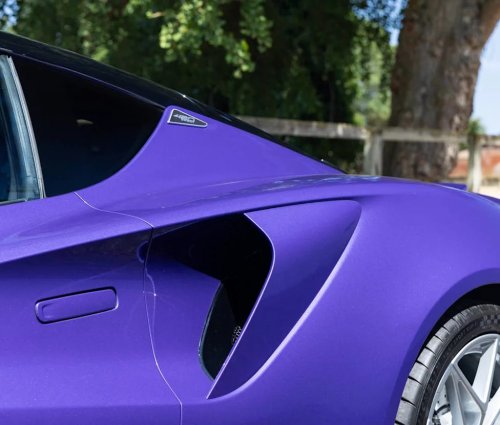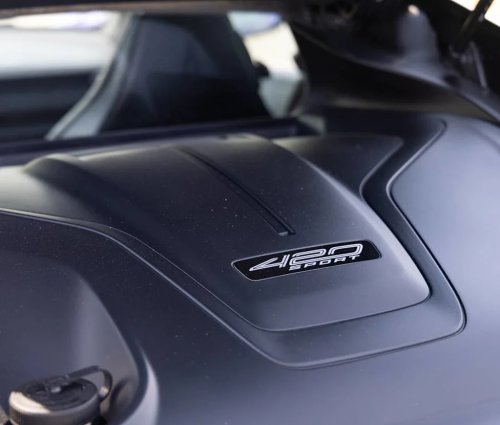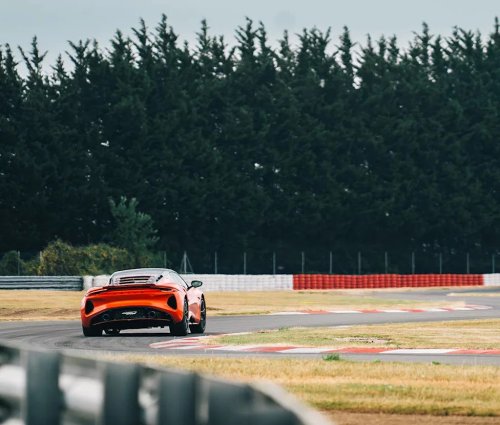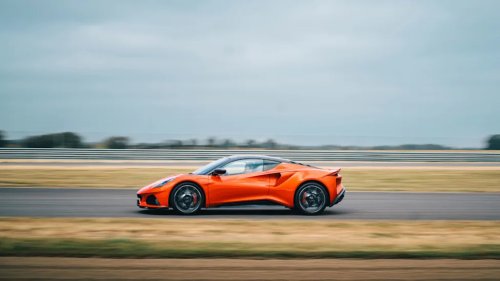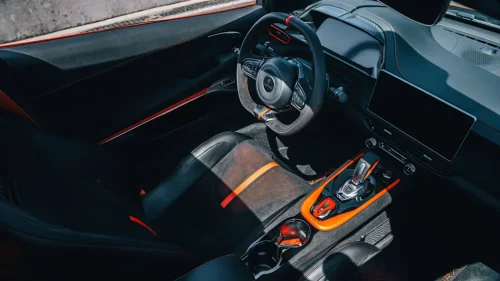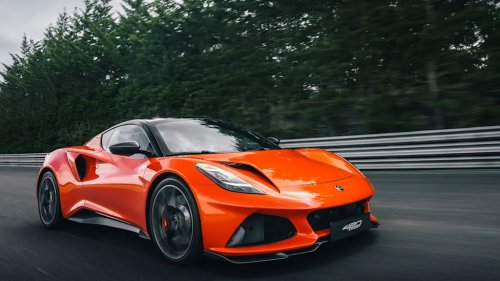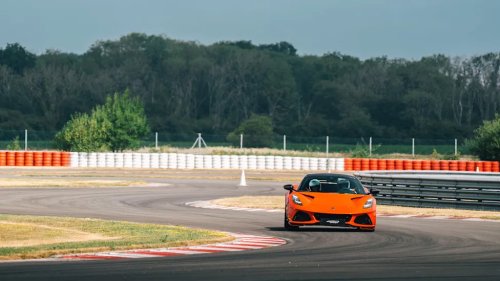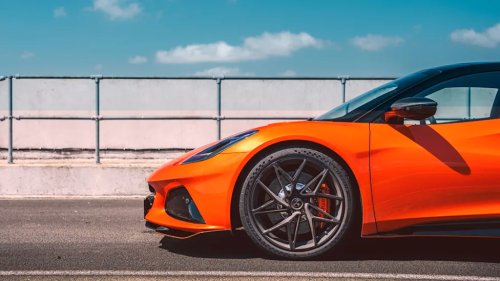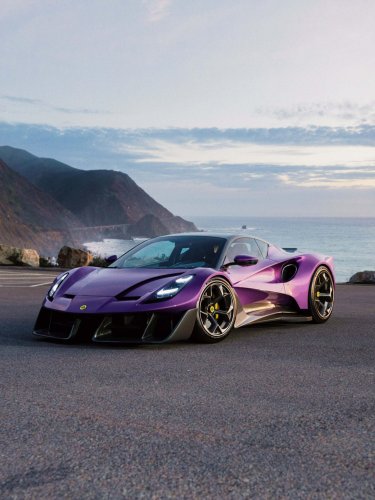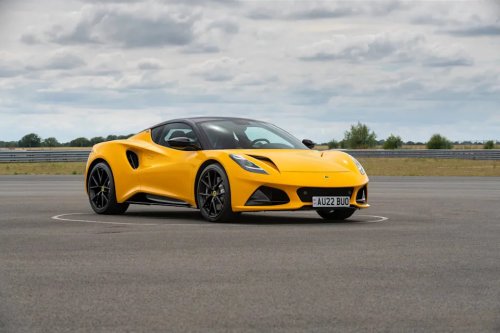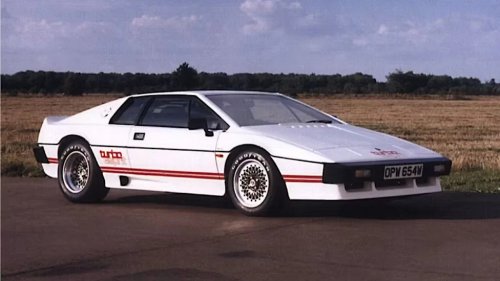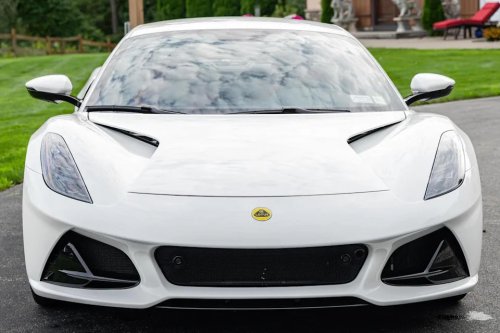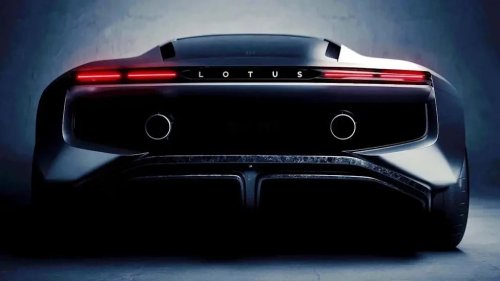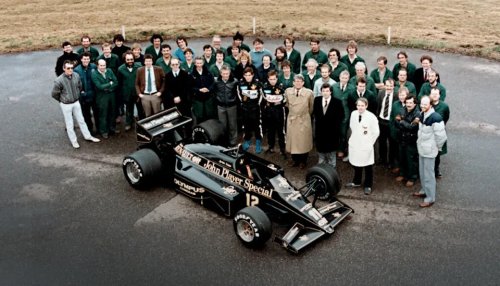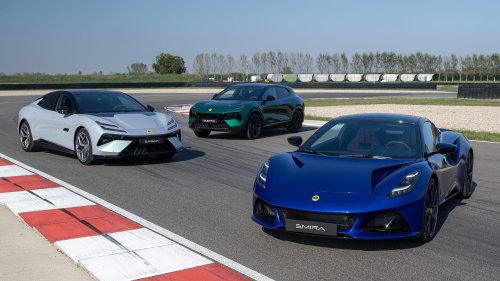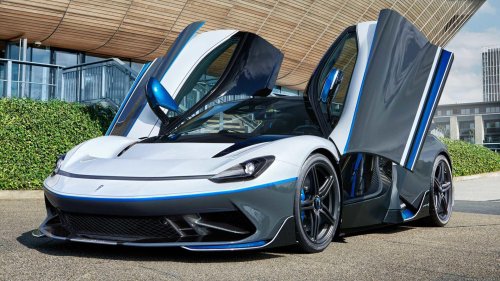
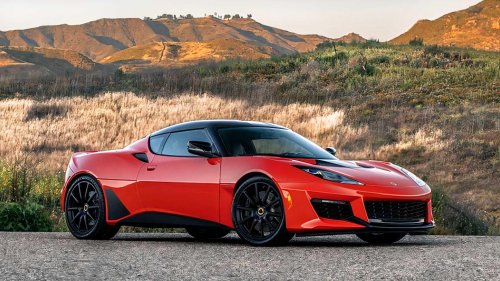
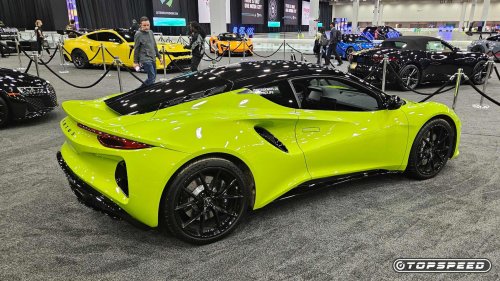
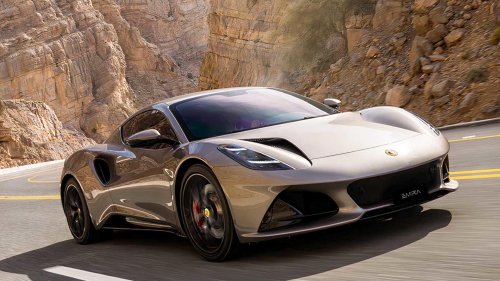



















Lotus CEO Feng Qingfeng has drawn a hard line in the sand: any sports car tipping the scales beyond 1,800 kilograms—roughly 3,970 lbs—is mediocre. Full stop. The statement, made public on June 2, is a pointed philosophical challenge to the segment's biggest names, and the curb weights of several current halo models put them squarely in the crosshairs.The provocation carries real credibility. Lotus built its reputation on Colin Chapman's famous dictum—add lightness—and that ethos still runs through the brand's sports car DNA. When the CEO of that company sets a weight ceiling and calls everything above it second-rate, it's not a marketing slogan. It's a gauntlet, and a surprisingly large number of flagship sports cars can't clear it. Which Current Halo Cars Fall Above The 1.8-Ton Mark White Pininfarina BattistaThe math is straightforward, and it's uncomfortable for several celebrated models. The Lamborghini Revuelto, the V12 hybrid successor to the Aventador, checks in at approximately 1,772 kg dry—but its curb weight with fluids pushes it past the 1,800 kg threshold. The Lamborghini Huracán Sterrato, the brand's adventure-spec variant, lands even heavier. Ferrari's F8 Tributo sits at around 1,435 kg curb—well under the line—but the SF90 Stradale, Ferrari's flagship PHEV, weighs in at approximately 1,570 kg, which still clears the threshold. The more relevant pressure point may be Porsche: the 911 Turbo S tips the scales at roughly 1,640 kg, and the Porsche Cayenne Turbo GT, which Porsche markets as a performance vehicle, is well over 2,100 kg.The Lotus CEO's 1.8-ton line isn't arbitrary. It maps closely to the point where hybrid and electric powertrains—and the structural reinforcement required to handle them—begin adding mass that traditional sports car engineering can't fully offset. That's a problem for an industry increasingly leaning on electrification to hit performance targets. Lotus's Own Lineup And The Weight Paradox It Has To Manage Lotus The statement lands with more force when you look at what Lotus itself is selling. The Emira, the brand's last petrol sports car, weighs approximately 1,405 kg (3,098 lbs)—comfortably under the CEO's ceiling and a genuine lightweight by modern standards. The Evija, Lotus's all-electric hypercar, is a different story: it weighs around 1,680 kg, which is light for a full-EV hypercar but still a significant number for a brand whose identity is built on minimal mass.The Eletre, Lotus's electric SUV, is heavier still—and a new hybrid Eletre variant, producing 939 horsepower and offering a claimed 745-mile range, has just landed in Europe. That model is not a sports car, and Lotus would argue the CEO's 1.8-ton line applies specifically to that category. But the contrast between the brand's philosophical stance and its broader commercial portfolio is real, and it's the kind of tension that critics will be quick to point out.Feng has acknowledged this directly in recent comments, noting that his initial skepticism about petrol engines shifted after track driving—a signal that Lotus is trying to hold the performance-car line even as it expands into electrified SUV territory. A Philosophical Stake In The Ground—And What It Means For The Segment Tom Murphy | TopSpeed What makes the CEO's statement notable isn't just the number—it's the framing. Calling heavyweight sports cars "mediocre" is a direct rejection of the industry's current direction, where electrification and hybrid systems are pushing flagship models toward two-tonne territory in exchange for four-figure horsepower figures. The Revuelto makes 1,001 horsepower. The SF90 makes 986. The argument from those manufacturers is that the performance justifies the mass.Lotus's counter-argument, implicit in the CEO's statement, is that weight is a fundamental compromise—one that no amount of horsepower fully resolves. Lap times may favor the heavy hybrid, but the tactile experience of a lighter car, the steering feel, the body control, the sense of connection, is what defines a sports car worth the name. That's a position with deep roots in the brand's history, and it resonates with a specific kind of buyer who measures a car not by its 0–60 time but by what it feels like at the limit.Whether the 1.8-ton line becomes a genuine industry benchmark or simply a well-timed provocation, it has reframed the conversation around what flagship sports cars are actually for—and several of the segment's most celebrated models now have a number to answer to. TopSpeed’s Take Lotus Lotus is right to draw attention to weight, because 1,800 kilograms sounds abstract until you realize that is nearly 3,970 pounds. At that point, even massive horsepower has to work harder to hide the physics. That is why Feng Qingfeng’s comment stings: today’s hybrid halo cars may be brutally quick, but Lotus is arguing that speed alone does not make a great sports car if the driver loses that raw, lightweight connection.The tricky part is that Lotus now has to live by its own philosophy. The Emira, at around 3,100 pounds, fits the old “add lightness” ideal beautifully, while the Evija’s roughly 3,700-pound figure is impressive for an electric hypercar but still heavy by traditional Lotus standards. The bigger message is simple: as performance cars chase batteries, motors, and four-figure horsepower, Lotus wants the industry to remember that less weight can still be the ultimate luxury.Sources: CarNewsChina.com, TheAutopian, Carscoops