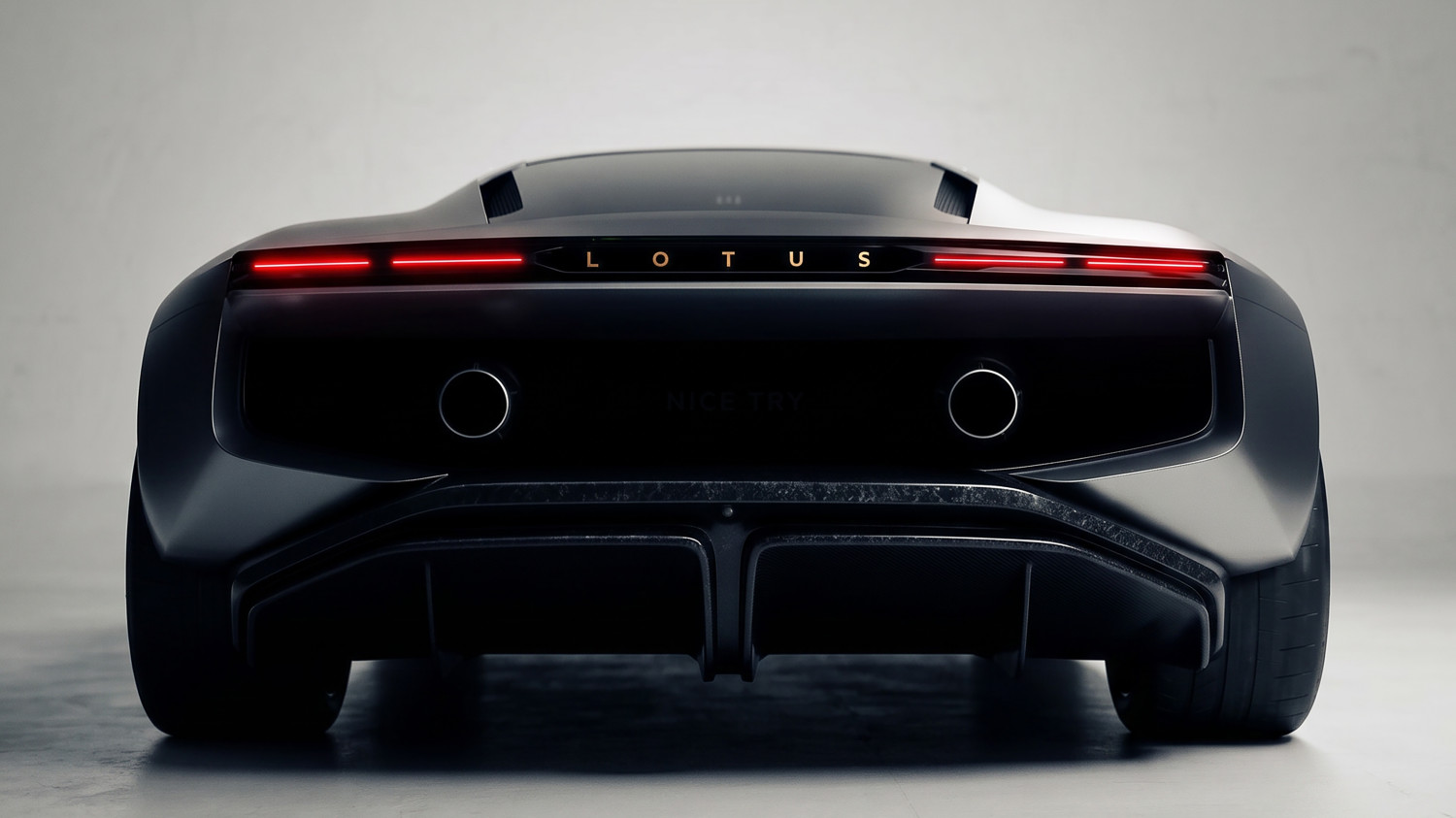
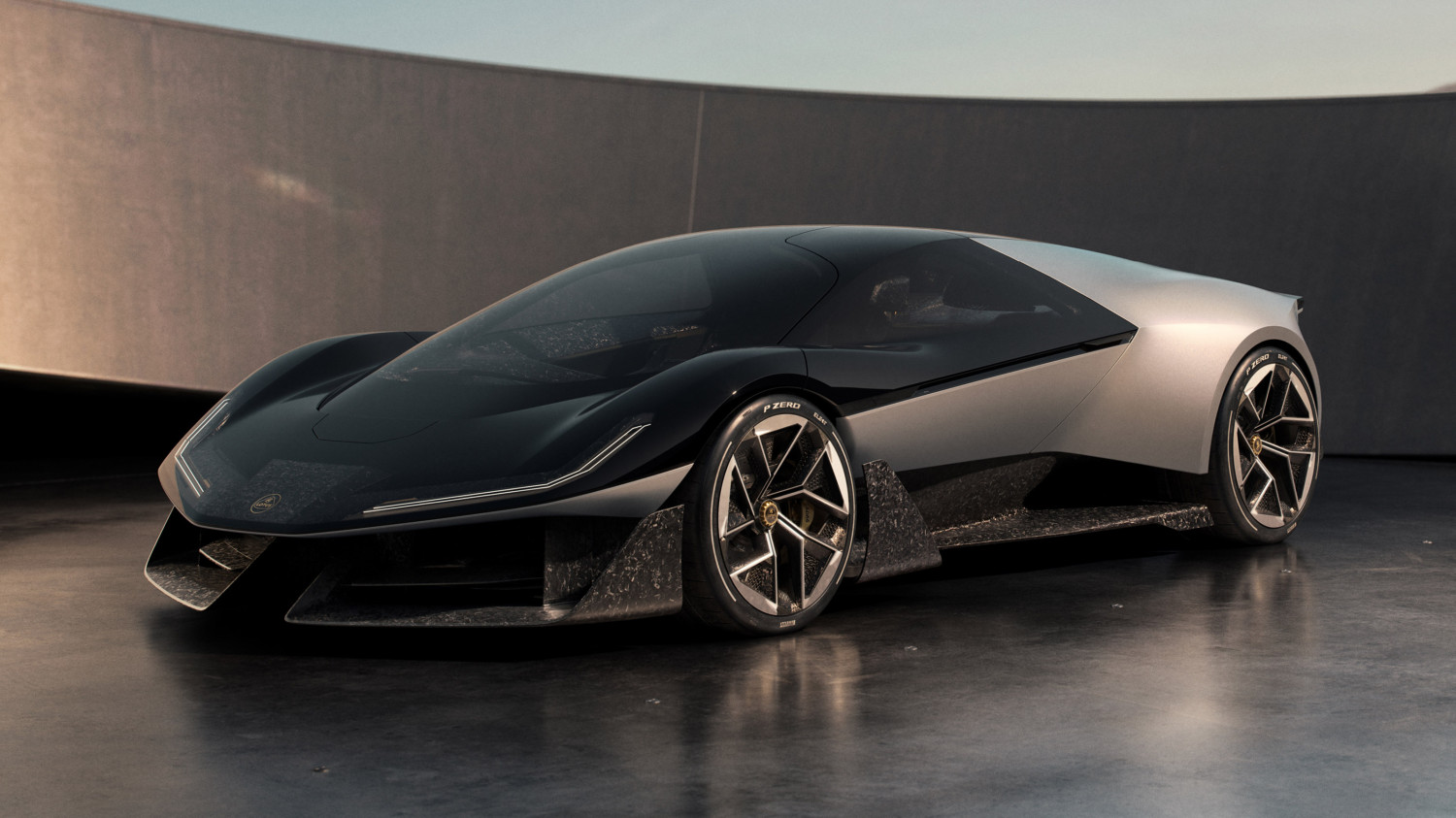
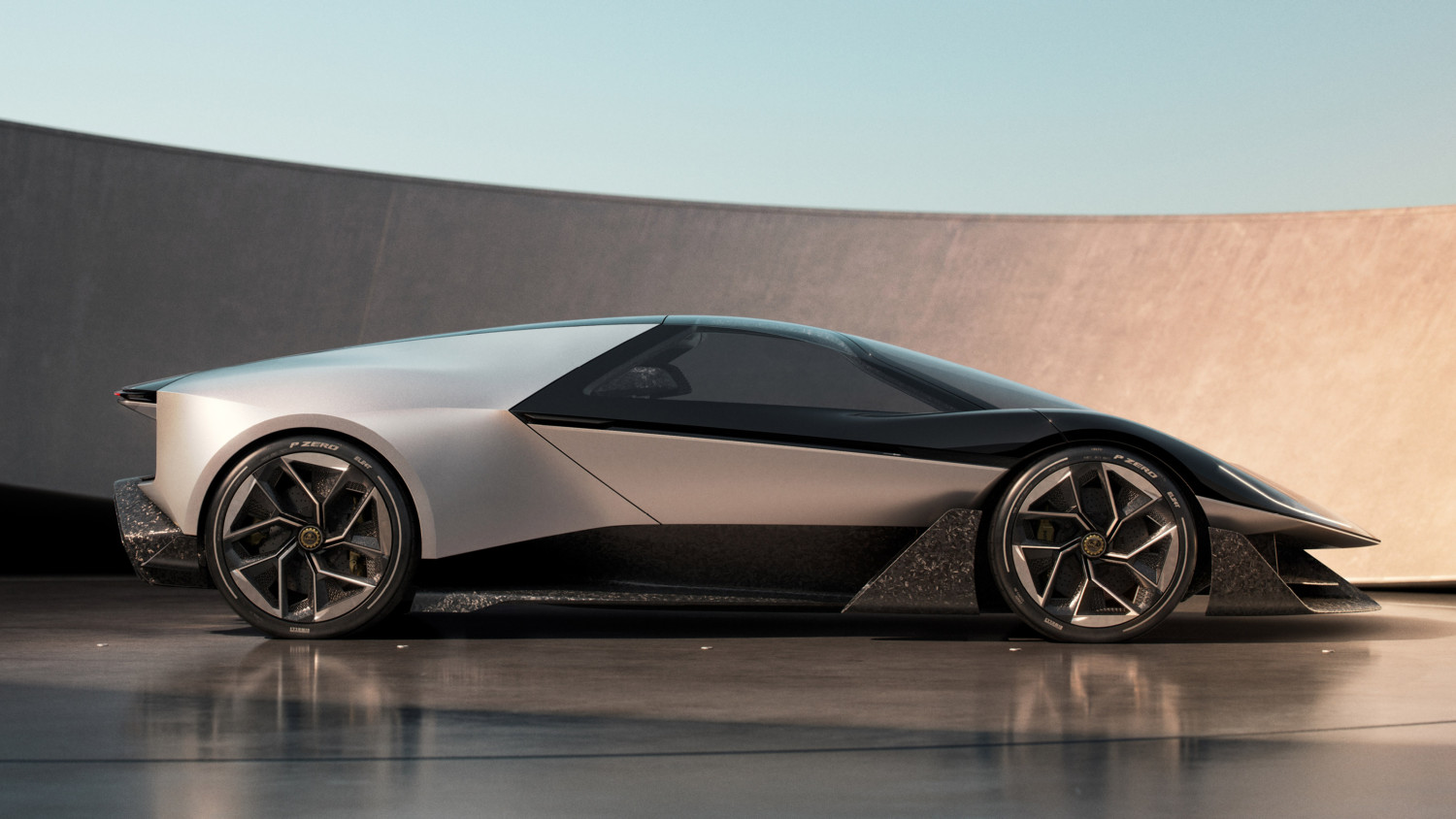
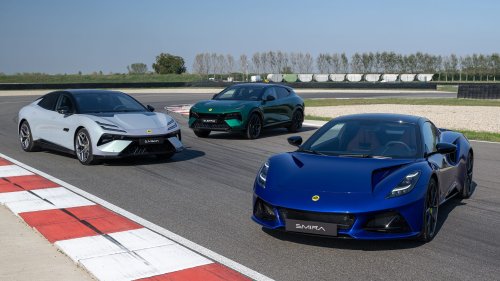
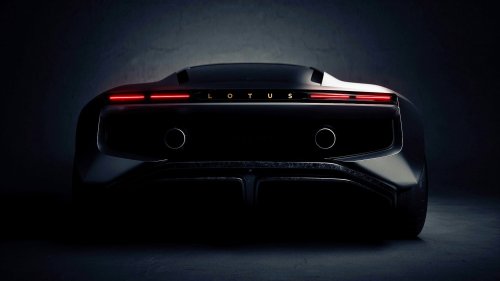
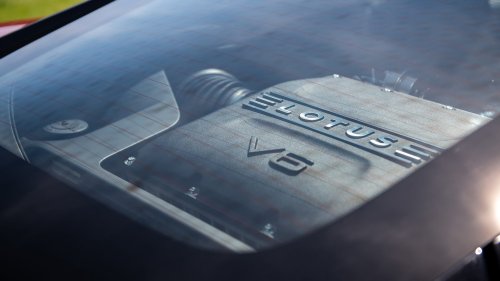
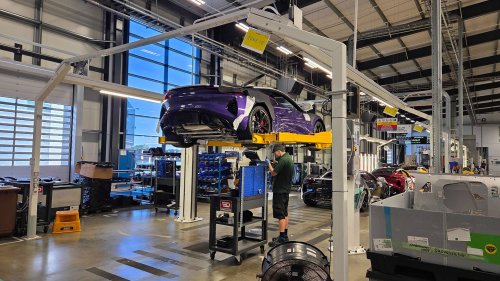
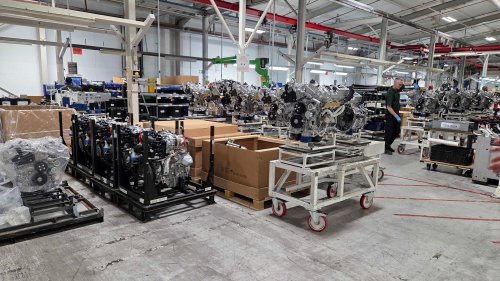
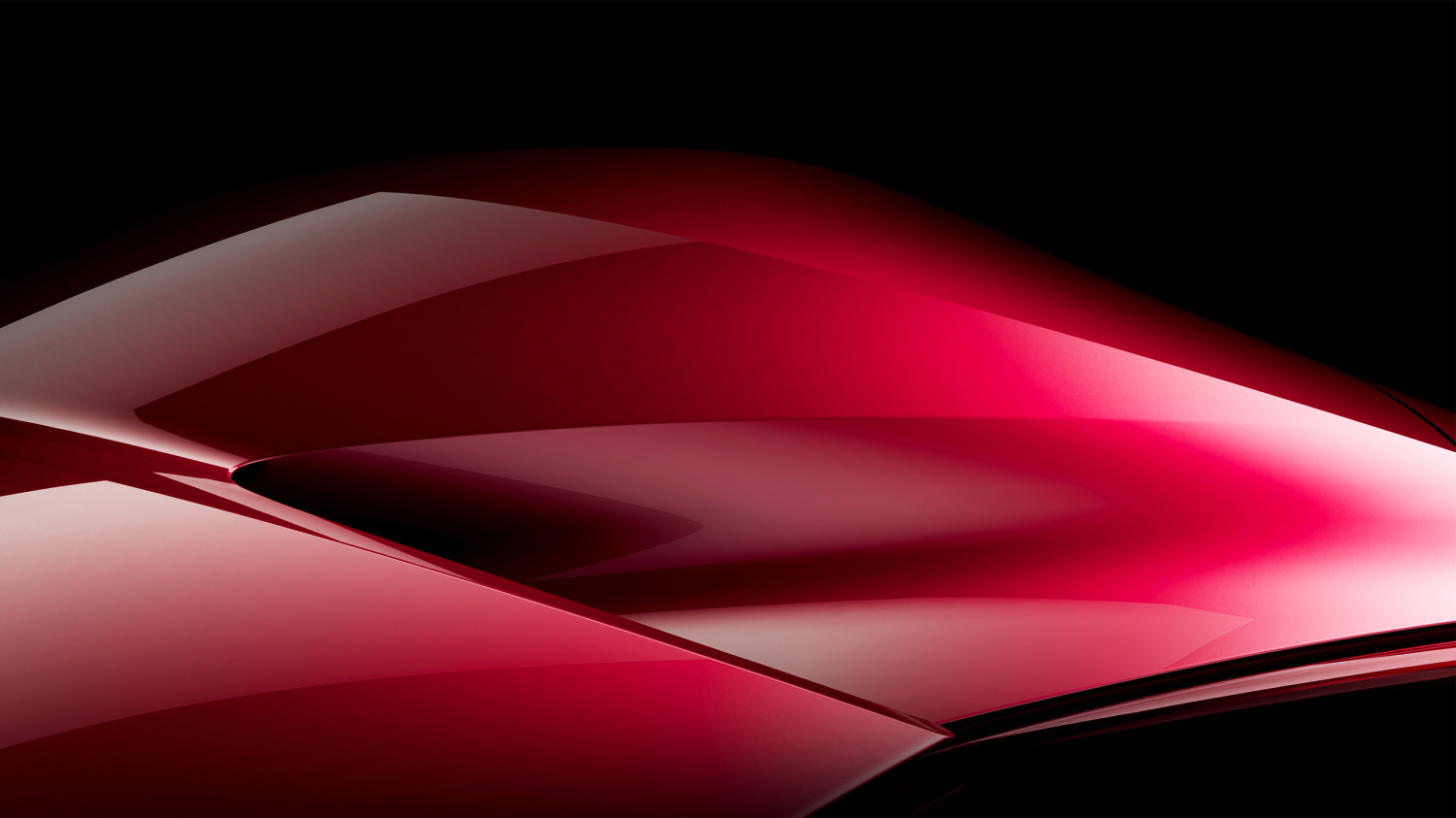
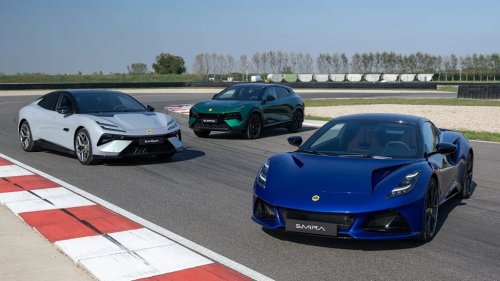
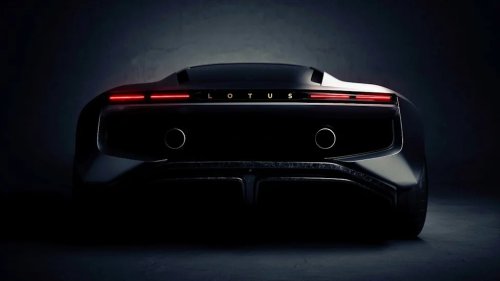
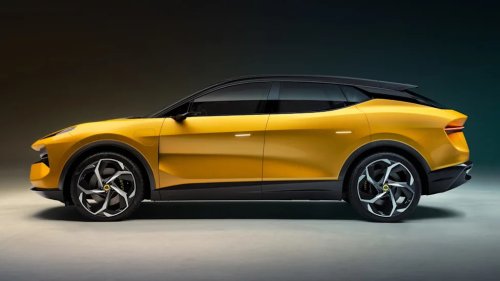
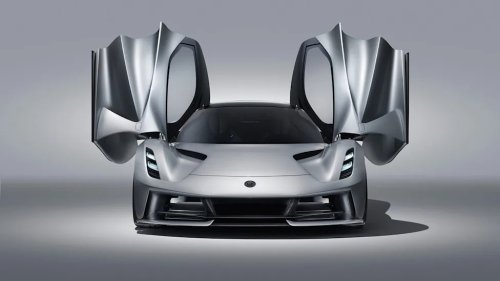
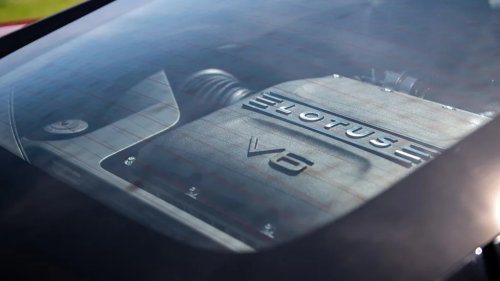
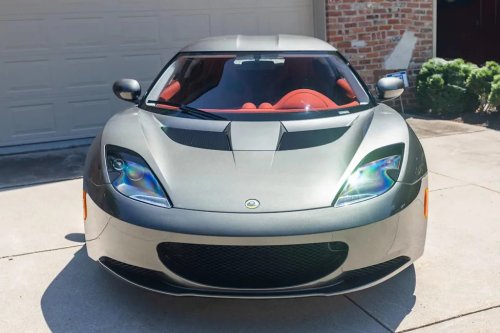
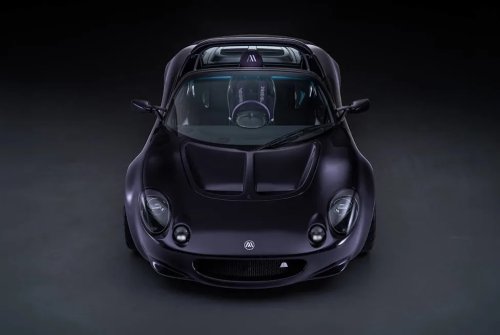
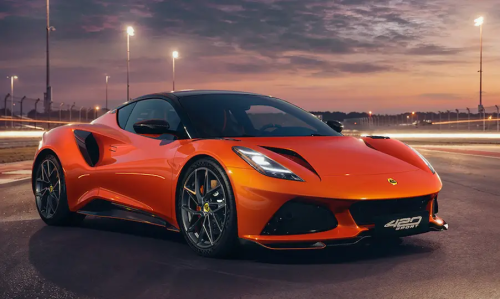
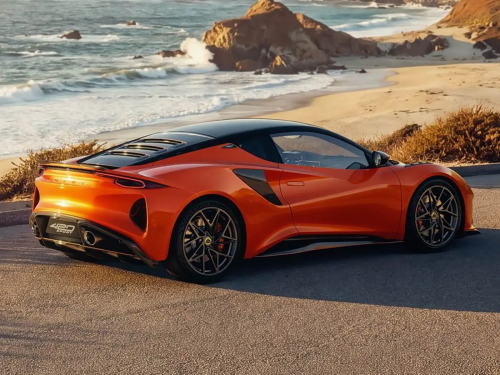
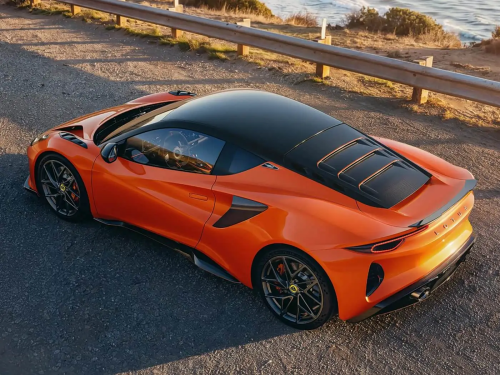
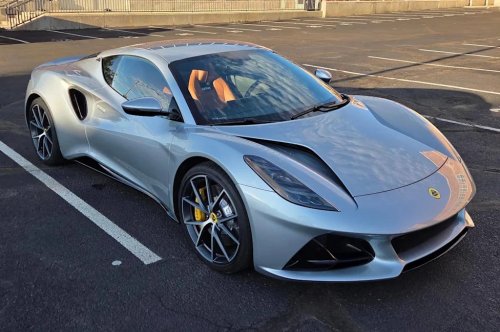
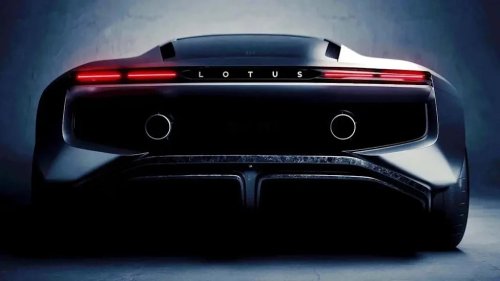
Lotus’s upcoming supercar will get all-wheel drive and cutting-edge chassis tech to unleash more than 1,000bhp from its V8 hybrid drivetrain, the company’s CEO has revealed. Speaking to Auto Express exclusively at Lotus’s flagship Mayfair store, Qingfeng Feng previewed some of the engineering highlights of the Type 135, internally referred to as the new Esprit. The supercar’s heart is an all-new V8 engine, commissioned from Horse Powertrain, the joint venture between Lotus’s owner Geely and Renault. The eight-cylinder unit will be scaled up from a recently announced, 90-degree 3.0-litre V6 with twin turbochargers, built-in exhaust manifolds and the ability to stretch to an 8,000rpm redline. “What has truly limited us is the lack of a proper powertrain, because Lotus hasn’t produced its own engine,” explained Feng. It currently sources two engines for the mid-engined Emira, Mercedes-AMG’s frenetic turbocharged 2.0-litre with 360 or 400bhp or a supercharged Toyota V6 also producing – bizarrely – 400bhp but differentiated by its six-cylinder character and manual gearbox. “The problem is you have to compromise when sourcing from other suppliers: these two engines couldn’t deliver the performance we [intended] for the Emira,” admits Feng. “But Geely has empowered Lotus to develop a V6/V8 engine to fill the gap. My role is the chief cook, and I’ve now found the very last ingredient to make the perfect dish.” The Emira was intended to be the last combustion Lotus, but the sports car company’s transformation to pure electric ‘lifestyle’ SUVs and saloons has been rocky. As a result Feng is embracing powertrain flexibility, from ICE to hybrid to plug-in hybrid and pure EV. He likens the electric element of the Type 135’s V8 to the MGU-K motor/generators on Formula 1 cars, harvesting kinetic energy to supply the battery and boosting power and torque. Feng also espouses aerodynamics and light weight as core Lotus tenets, dating back to founder Colin Chapman. The upcoming V6, set to yield up to 536bhp, is claimed to be the lightest on the market at just 160kg. If you’re thinking of buying a new sports or supercar, check out the Auto Express Buy a Car service now for a whole range of high performance models in stock right now. The focus on reducing mass will shape the new V8 supercar’s chassis too. It’s likely that Lotus’ engineers will re-use the carbon-fibre tub technology from the 2,011bhp Evija electric hypercar. But Feng suggests it will have a compound structure, no doubt deploying lightweight aluminium for the crash structures, axles and more. “[Our material choice] really depends on what is best for the product,” he explains. The new hybrid supercar isn’t tipped for plug-in capability, which will reduce the size of the battery to save cost and weight. Will it be rear- or all-wheel drive? “All-wheel drive could be a great solution,” says the boss. “With the help of torque control software, you can decide how much power you want to put to the front and rear wheels.” Feng would like the 135 to put power to all four corners on straights for ballistic acceleration, with a rear bias in corners to boost driver feel. He namechecks the new Lamborghini Temerario, which has twin motors turning the front axle and another sandwiched between the V8 and gearbox, combining for 907bhp – less than the new Esprit. The Lambo’s axial flux motors are provided by British tech start-up Yasa: are these in contention for the 135? “I spoke to the CEO last week, and they’re developing interesting new products. They’ve got great technologies, with disc-shaped motors that are extremely small in size but extremely powerful in output. Mercedes-AMG made a real smart move by acquiring it.” Technologically the Type 135 will be light years ahead of primitive, pre-Geely Lotus models. Feng repeatedly references the ‘smart’ capabilities enabled by the group’s E/E (electronic and electrical) architecture, with ultra-rapid processing power and sophisticated software controlling the hi-tech chassis and cockpit. This unified central nervous system will unleash the V8 hybrid’s power in sync with chassis hardware including air suspension with continuously variable damping and active anti-roll bars, optimising the Type 135 for real-time driving conditions. “In the past, the chassis was fixed, frozen and acted in a passive way. Nowadays, chassis are becoming more dynamic. Our smart technologies will add up to make driving really fun, really thrilling.” If our test drive of the Evija is anything to go by, this is not wishful thinking on Feng’s part. Lotus has released a teaser image showing part of the new Type 135 or Esprit. It shows a wide, clean and altogether more restrained design, with simple horizontal two-piece rear lights and a subtle Lotus badge. There are no obvious aero devices or wings on top of the bodywork. However, the large central section, which also houses two round exhaust pipes, could contain some clever air-management functionality in combination with the large diffuser below. You can also see the use of chopped or ‘forged’ carbon fibre on the lower bumper, similar to the Lotus Theory 1 concept car. In fact, put the Esprit and Theory 1 side by side and you can see the influence of the more extreme concept car, both in the general aesthetic of the new supercar’s rear end and the clean haunches and simple glass engine cover. In total contrast to the more aerodynamically influenced Evija and Emira, the Type 135 looks to usher in a more elegant and almost classical design language – one that looks more road-biased than the racier Aston Martin Valhalla or Ferrari Testarossa. Don't miss out! See more of Auto Express in your Google Top Stories. Click here...