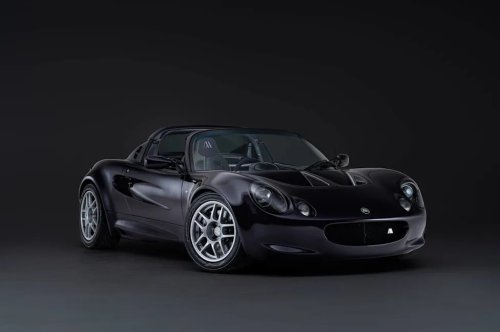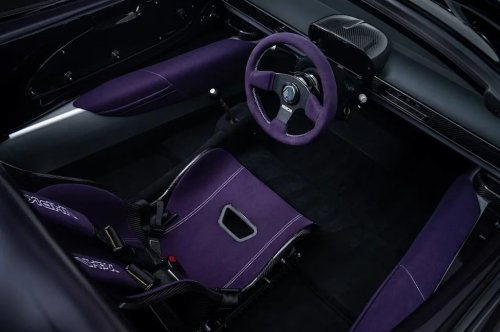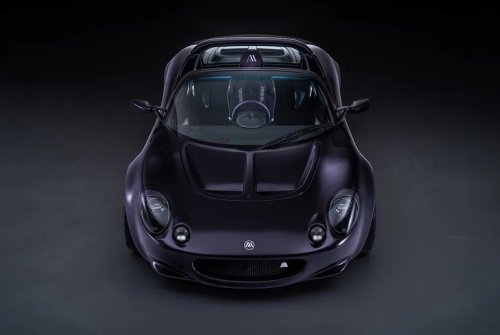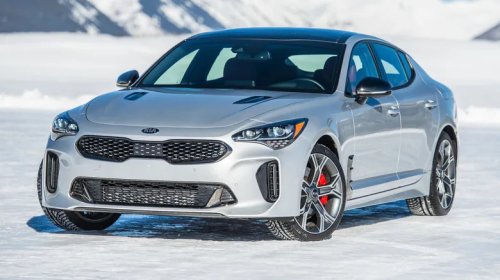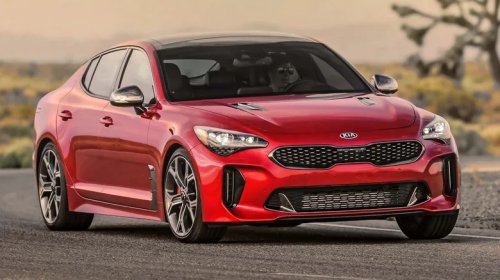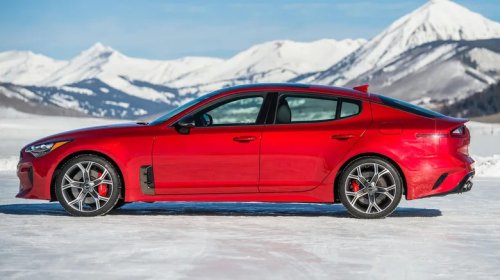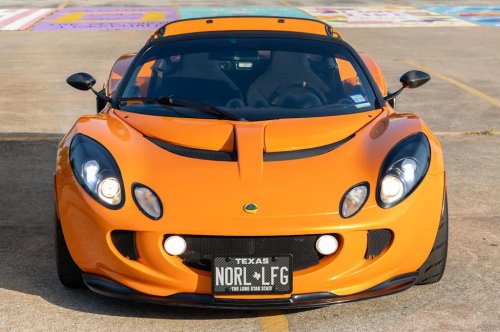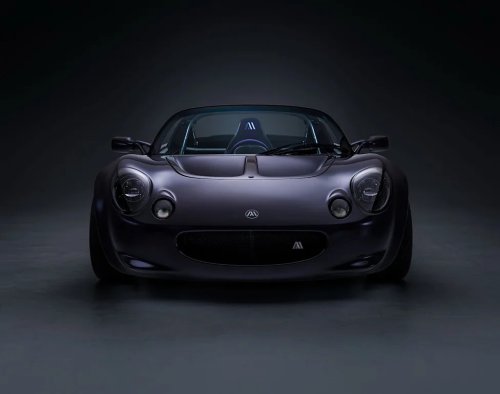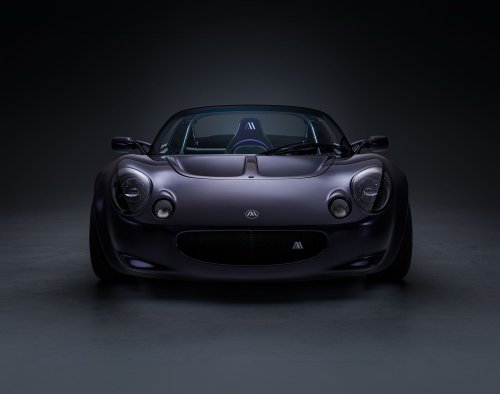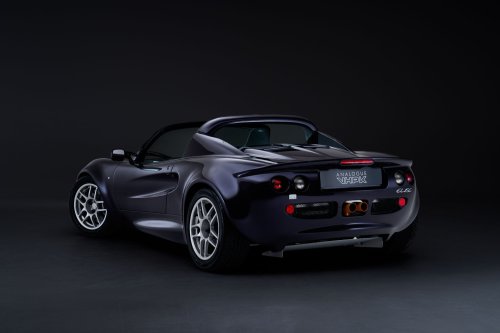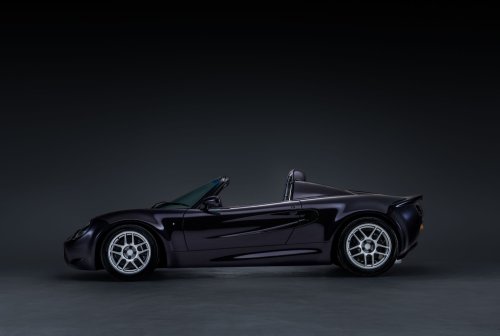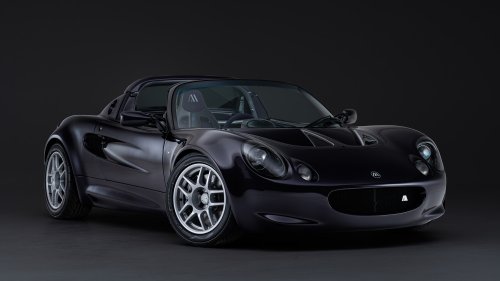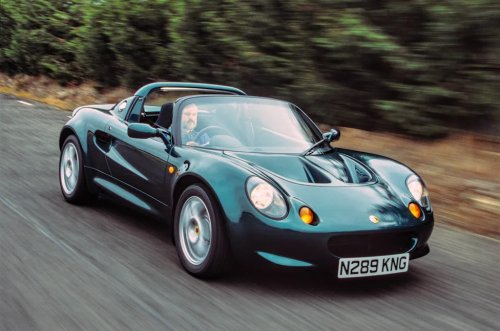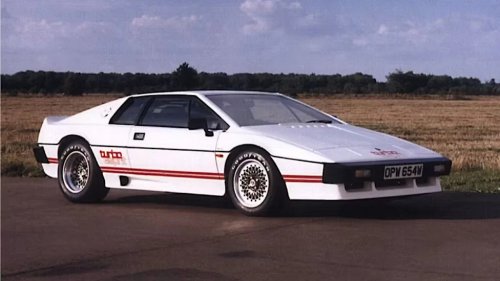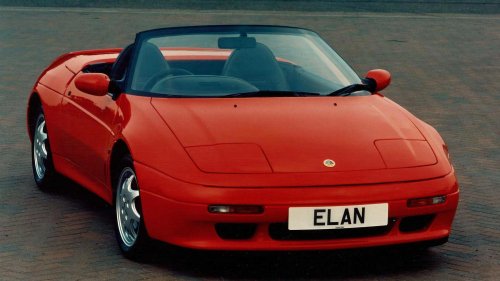
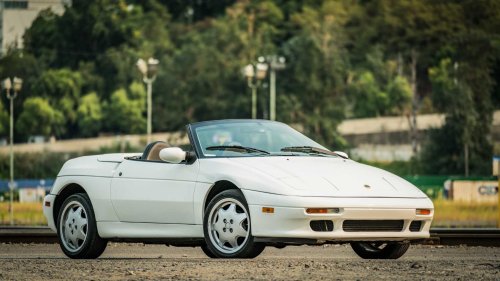
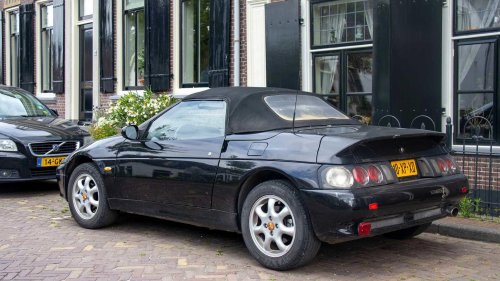
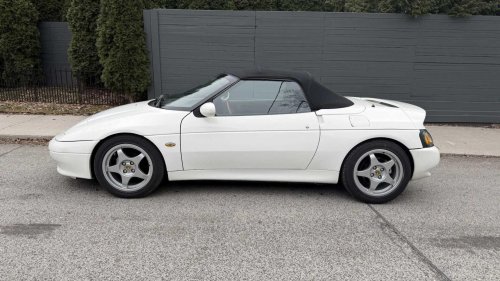
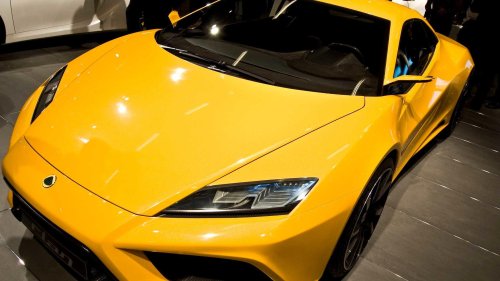



















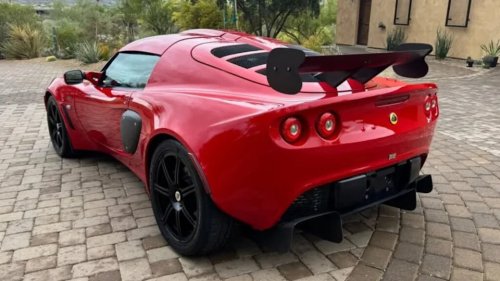
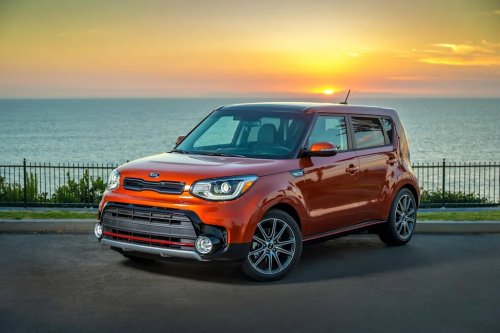
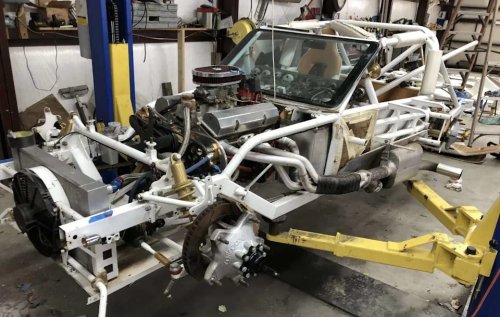
Do you know what words sound weird together? Kia and Lotus do. The economy and luxury brands aren’t often paired together. However, buckle up, because their relationship is a bit weirder than expected, because General Motors is also involved! This rare Lotus sports car might be something that the brands want to forget about.However, it stands out with historical racing relevance and automotive heritage. Because it's incredibly rare, with a unique story as a nice sports car, it certainly has the attention of enthusiasts and collectors. But its low production number is no coincidence, as the tiny compact option ran into massive problems.At the time, Kia was years away from breaking into the sports car market. So being paired with the Lotus name may have gone exactly as you think, with disastrous results. But it gained a few valuable lessons and may have helped with the success of the Kia Stinger, one of the best affordable sports cars that’s currently available. General Motors Helped Hand The Elan To Kia LotusAt one time, Lotus was under the General Motors’ umbrella. General Motors acquired a majority stake in Group Lotus in 1986. It held a 91% stake in the British sports car manufacturer and provided financial stability for the brand. During the seven-year period, General Motors used engineering and other Lotus features to improve high-powered models, like the Chevy Corvette ZR-1.But things weren't going well in the early 90s as General Motors wrote off thousands in financial losses while failing to stabilize the brand and lose profits. Instead of investing and financing a new line of expensive Lotus luxury vehicles, GM decided to cut its losses to focus on its core European brands. So, it sold Lotus to A.C.B.N Holdings (a company associated with Bugatti) in 1993.During the time, the luxury brand hoped that the redesigned M100 Lotus Elan that debuted in 1989 would bring in more sales. However, it struggled against the more affordable and popular rear-wheel-drive Mazda Miata. Kia wanted to enter the sports car market with something to spice up its lineup, but lacked the funds to build one from scratch. This perfect storm of events created the opportunity for Kia to buy the Elan’s design rights and tooling from Lotus. Thus, The Kia Elan Was Born via bring a trailerThe Kia Elan was in production from 1996 until 1999 as it rebadged the discontinued M100 Lotus Elan with the goal of providing an affordable sports car to rival the increasingly popular Mazda Miata. Kia's variant remained pretty similar to the original model, as the exterior design and pop-up headlights were kept identical. But Kia did replace the taillights, raise the suspension, and update the interior.But General Motors refused to sell the 1.6-liter turbocharged Isuzu inline-four engine with 165 hp and 148 lb-ft of torque to Kia. So, Kia used its own naturally-aspirated 1.8-liter 'T8D' Hi-Sprint inline-four engine with 149 hp and 137 lb-ft of torque instead. The M100 could accelerate from 0 to 60 mph in about 6.5 seconds and crush a quarter mile in 15 seconds with a top speed of 137 miles per hour.Then the Kia Elan could accelerate from 0 to 60 mph in about 7.4 seconds and cover a quarter mile in roughly 16.4 seconds with a top speed of about 137 mph. The 1996 Mazda Miata features a 1.8-liter inline-four engine with 133 hp and 114 lb-ft of torque. It reached 60 mph in about 8.6 seconds with a quarter-mile time of 16.4 seconds and a top speed of 122 mph. Sadly, Kia’s First Sports Car Ran Into Problems Flickr - KockengenThe Kia Elan entered a market controlled by prestigious sports cars with a budget brand option during the 1997 Asian Financial Crisis. It’s worth noting that Kia didn't have the right brand perception at the time. It was viewed as a brand for building economy-focused, budget-friendly vehicles. This scared off people who didn’t want to purchase a high-end niche sports car from a brand before proving its racing pedigree.On top of that, in some countries like Japan, it was called the Vitago, and that type of confusion probably doesn't help with marketing. Also, enthusiasts in the sports car market back in the 1990s didn't want cars with a front-wheel-drive layout. Rear-wheel drive was preferred. But still, the Kia Elan features a well-tuned chassis. It didn’t help that the Kia Elan was slower than the M100 Lotus, and potential buyers knew it.The suspension lift gave it an awkward stance, and the low-quality tires led to terrible grip. Some folks complained that the steering wheel was way too big, and the instrumentation was highly disorganized. On top of those problems, the Kia Elan was expensive compared to more affordable alternatives, like the rear-wheel-drive Mazda Miata MX-5. It was discontinued in 1999, after only 1,056 models were produced. But The Kia Elan Has A Cult Following Bring A TrailerCollectors often hunt for the Kia Elan because it’s essentially twins with the M100 Lotus. It can be scooped up as a budget-friendly model with distinct DNA that retains the excellence of the original British design. It also has a unique story that sets it apart from the crowd and has historic significance as Kia’s first sports car despite turning out to be a massive flop.It’s extremely rare, even rarer than its Lotus twin, as Kia only sold the sports car in South Korea and select Asian markets. A Kia Elan model in average condition can be found for between $7,000 and $10,000. Low-mileage, clean models or the Kia Vigato title that’s specific to the Japanese market increase its value to between $14,000 and $18,000.Despite not being as rare, Lotus Elan M100 sports cars typically fetch higher premiums. Depending on mileage and condition, these cars range in price from about $7,000 to $16,000. However, pristine examples with low mileage can fetch over $25,000. Also, the limited-production S2 models that were introduced in 1994 are more valuable. This is when the M100 got suspension and chassis rigidity improvements. The Lotus Elan Almost Made A Comeback Flickr - Davis VillarrealThe Lotus Elan Concept was revealed during the 2010 Paris Motor Show. It features a supercharged 4.0-liter V6 engine with 450 hp and 343 lb-ft of torque. This car boasts a 0 to 60 mph time of 3.5 seconds and an estimated quarter-mile time of about 13 seconds with a top speed of 190 mph.It was paired with a seven-speed dual-clutch transmission with a mid-engine, rear-wheel-drive layout. Also, the sports car features an optional hybrid Kinetic Energy Recovery System. It made a bold choice to move away from traditional curvy Lotus design aspects for an aggressive, angular supercar-like profile.Sadly, the company lacked the resources to meet the ambitions of CEO Dany Bahar at the time. He wanted to produce five overhauled vehicles as part of a sweeping revival. Lotus failed to secure grants and loans to develop new cars and was fired in 2012. New ownership decided to scrap his expensive plans as developers wanted to focus on the existing Lotus Evora instead.Source: Hagerty, Automobile Catalog, Classic