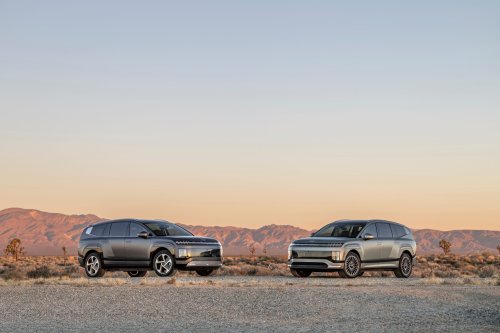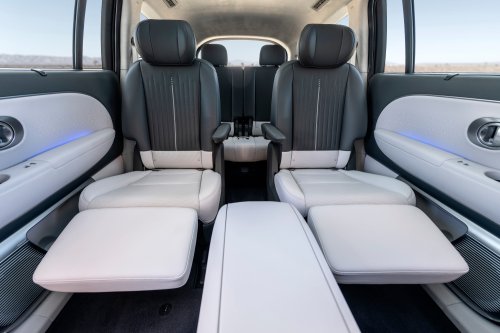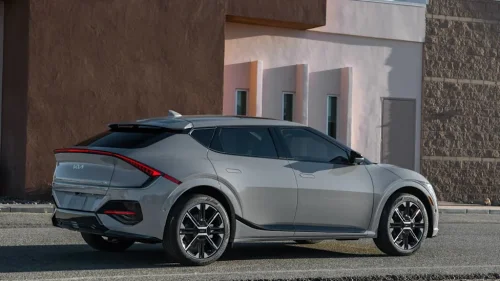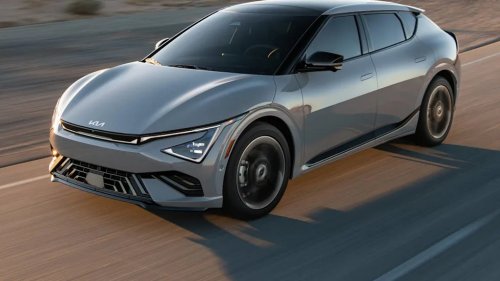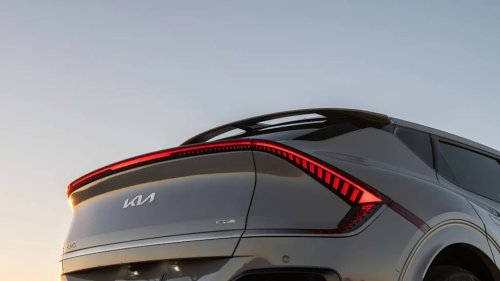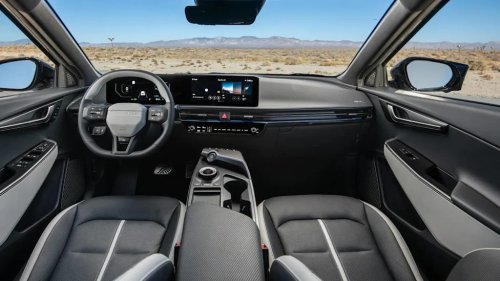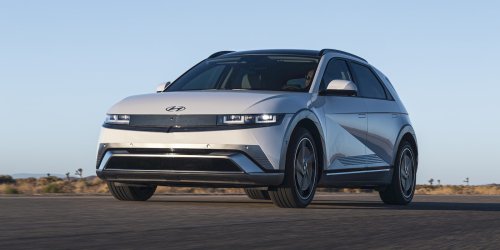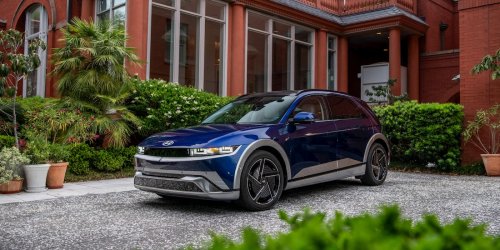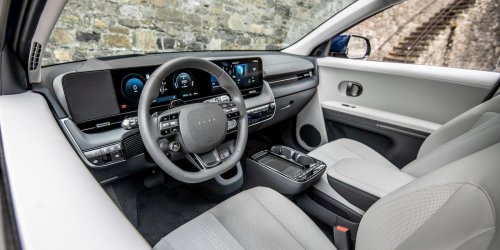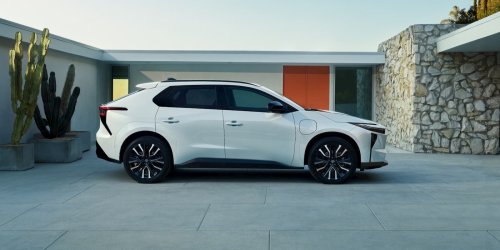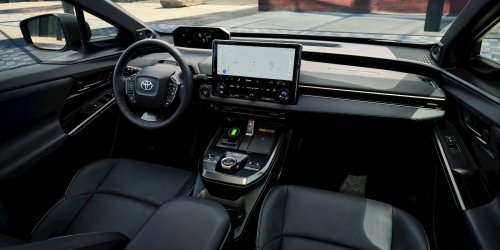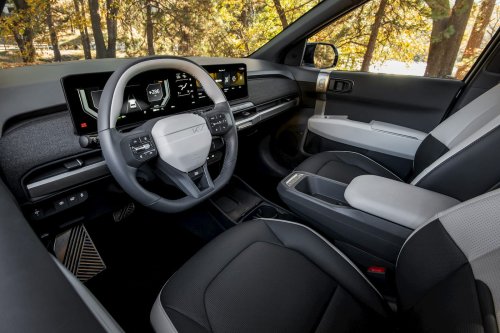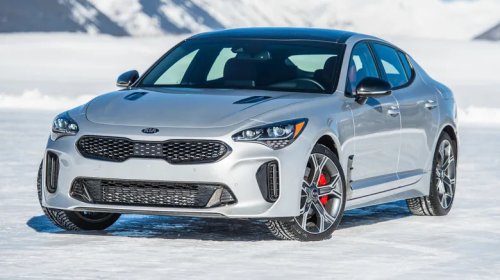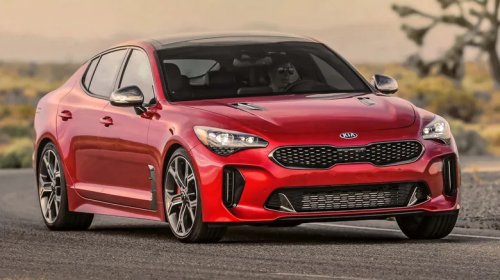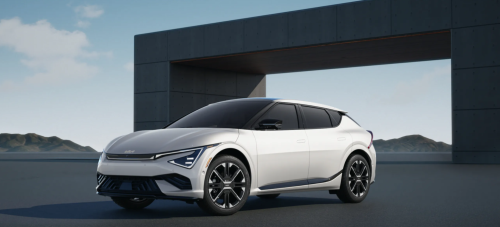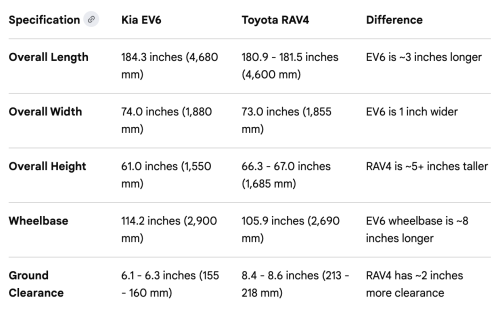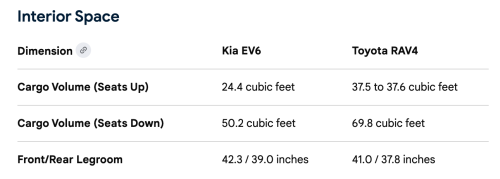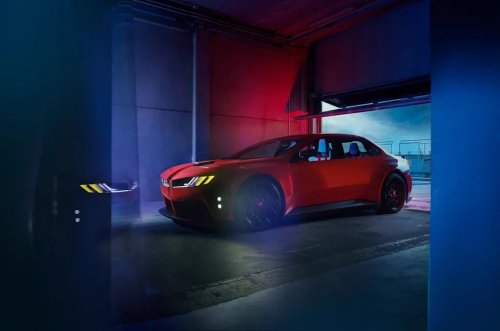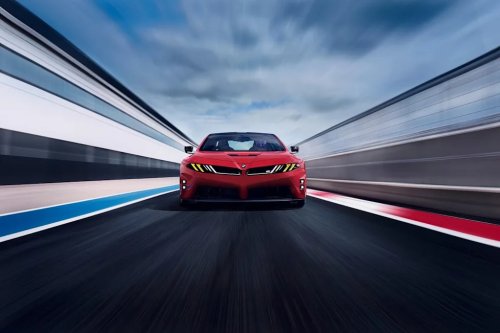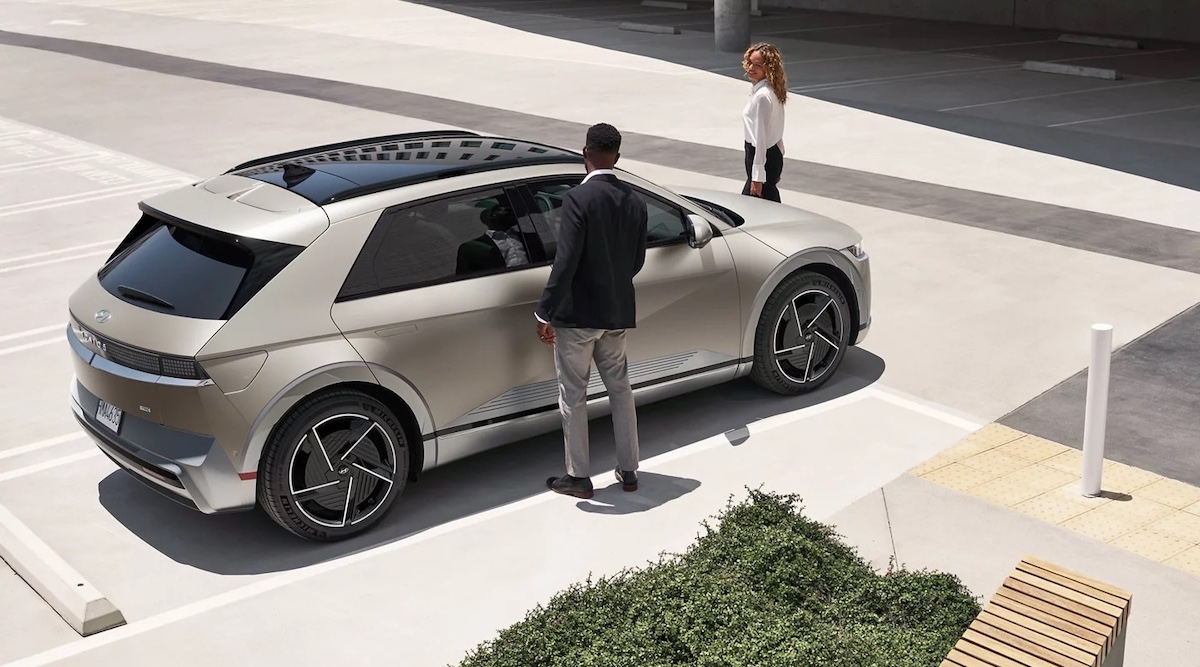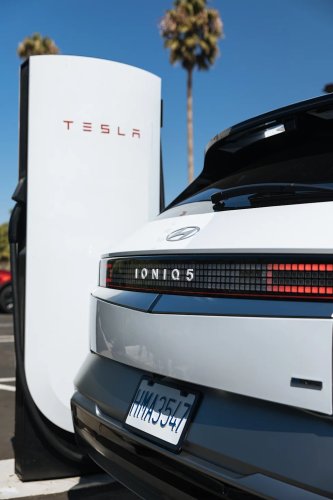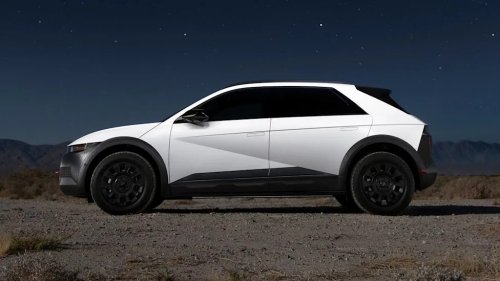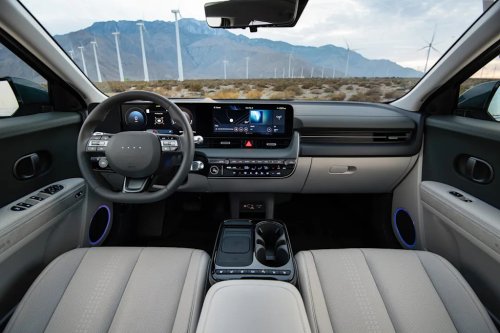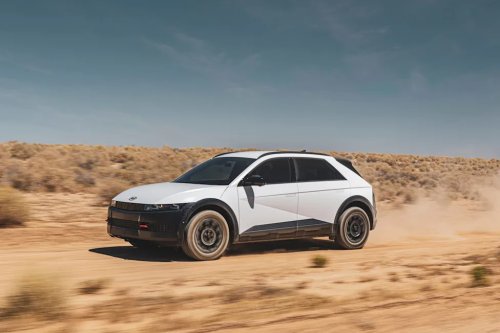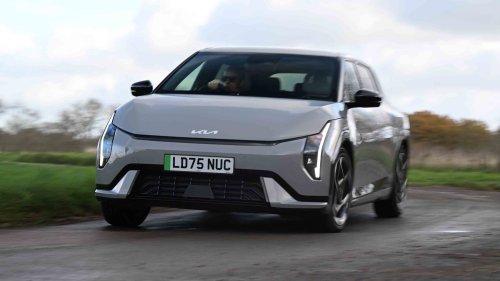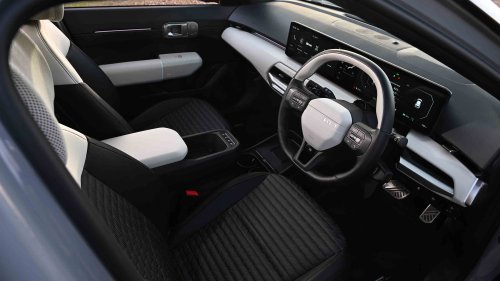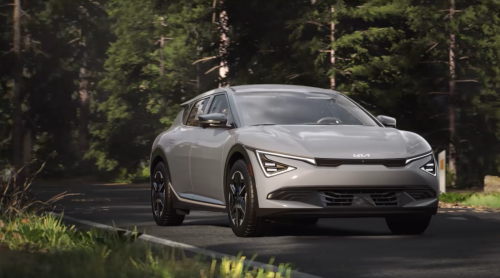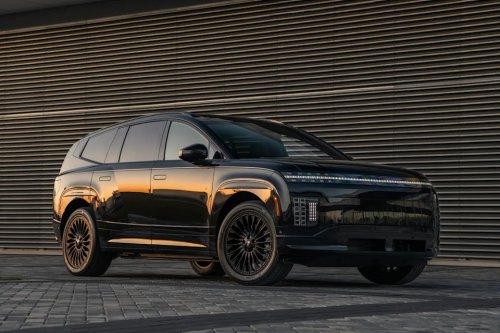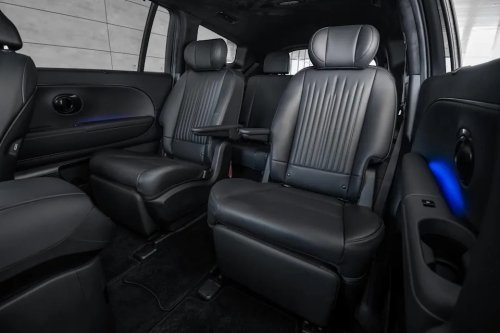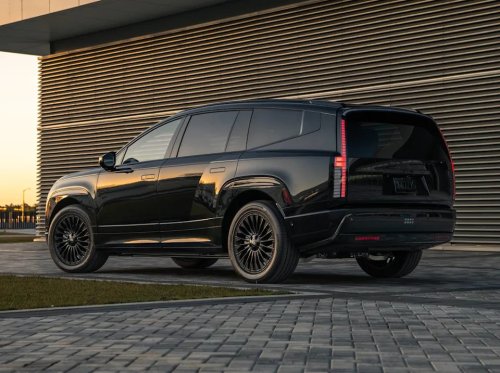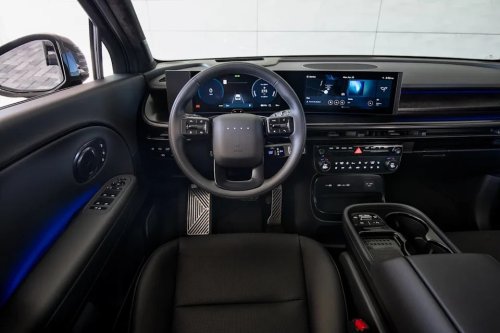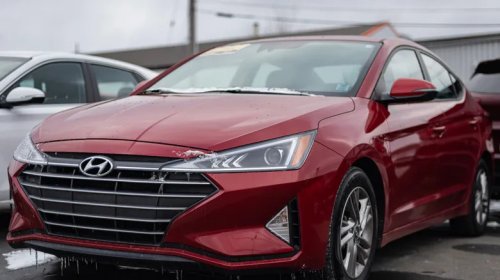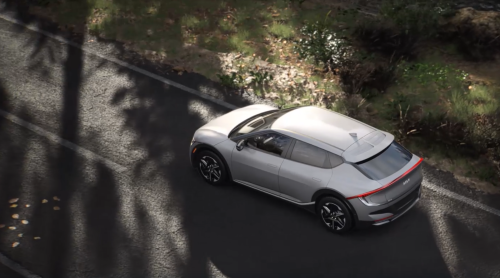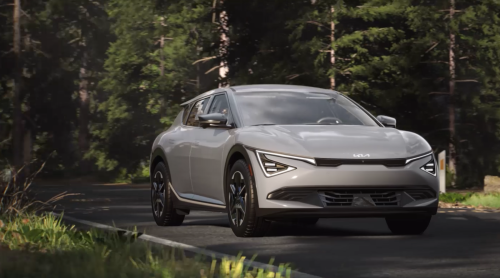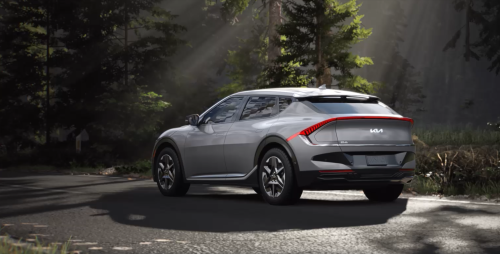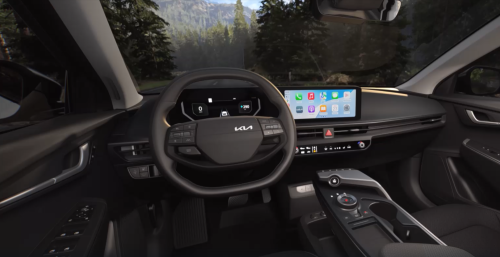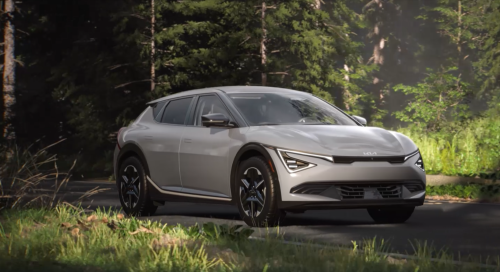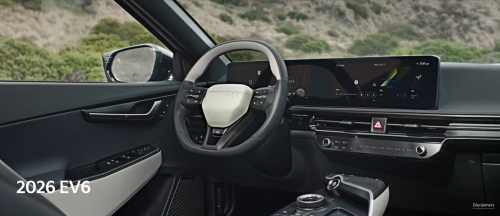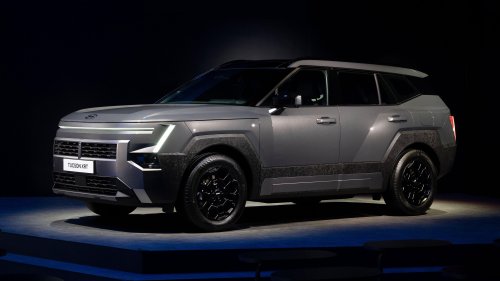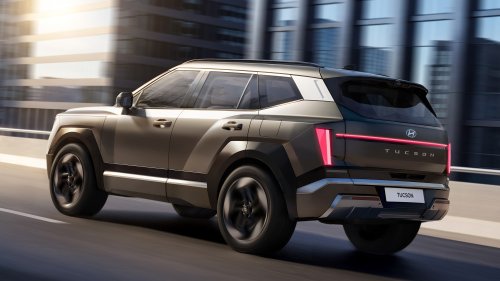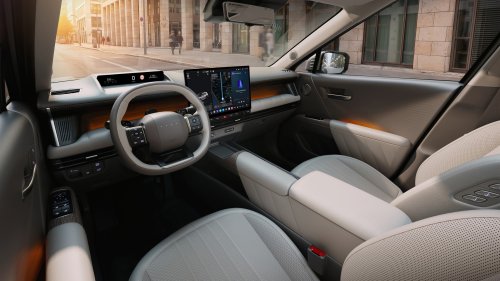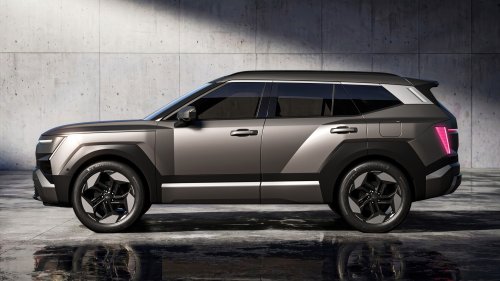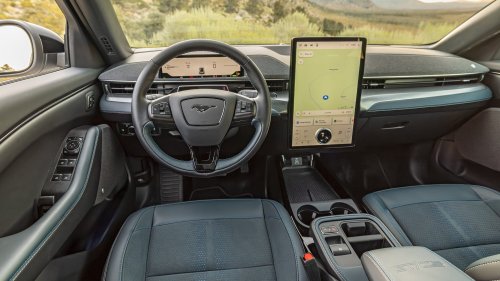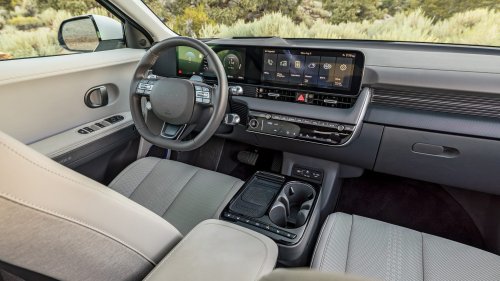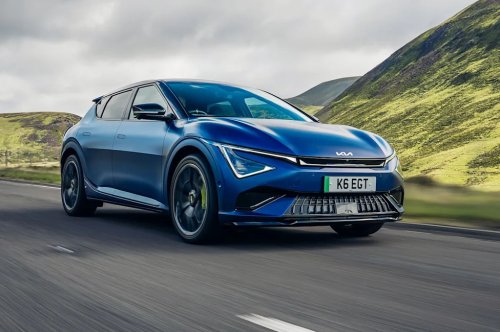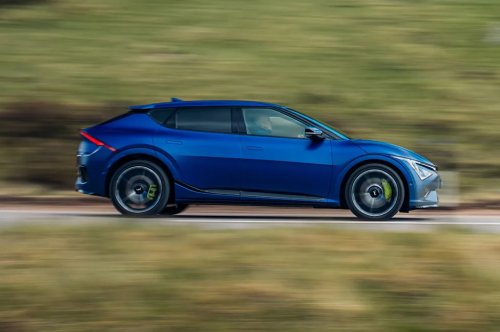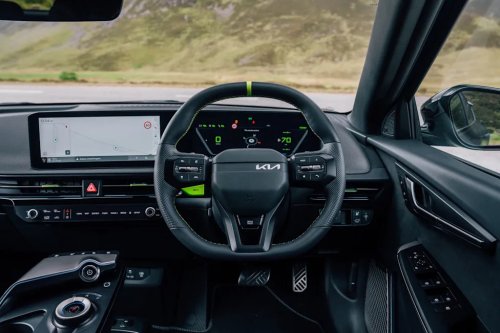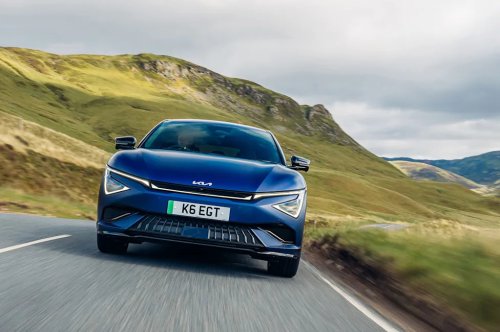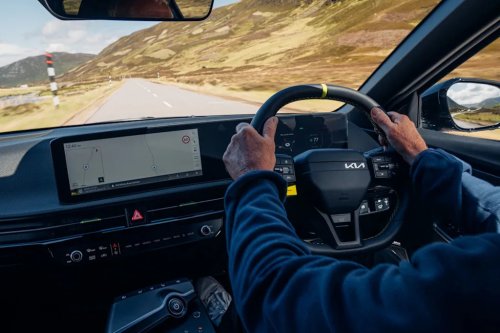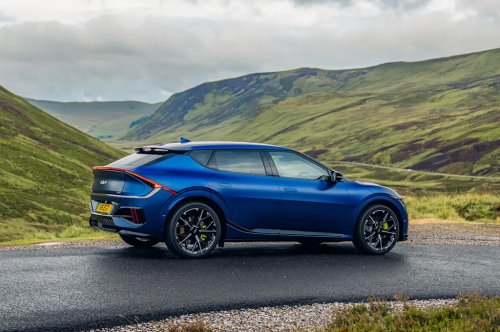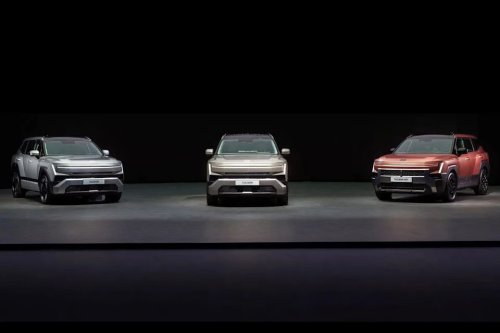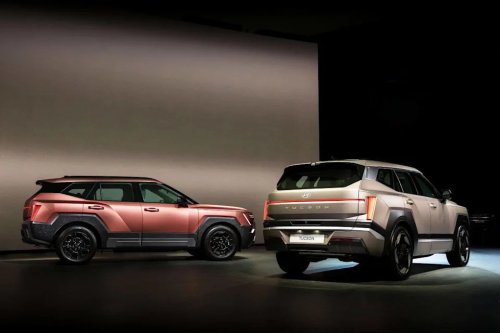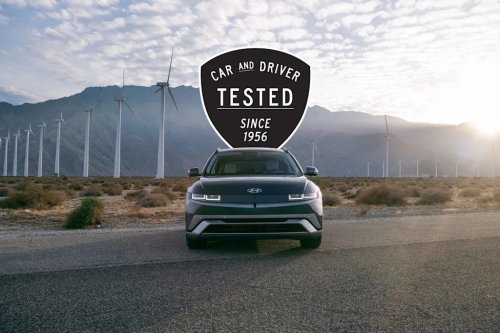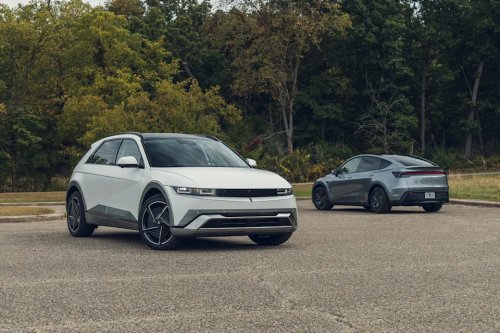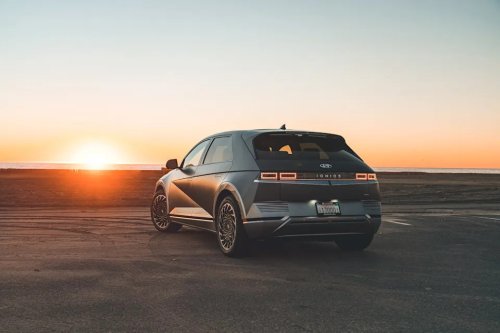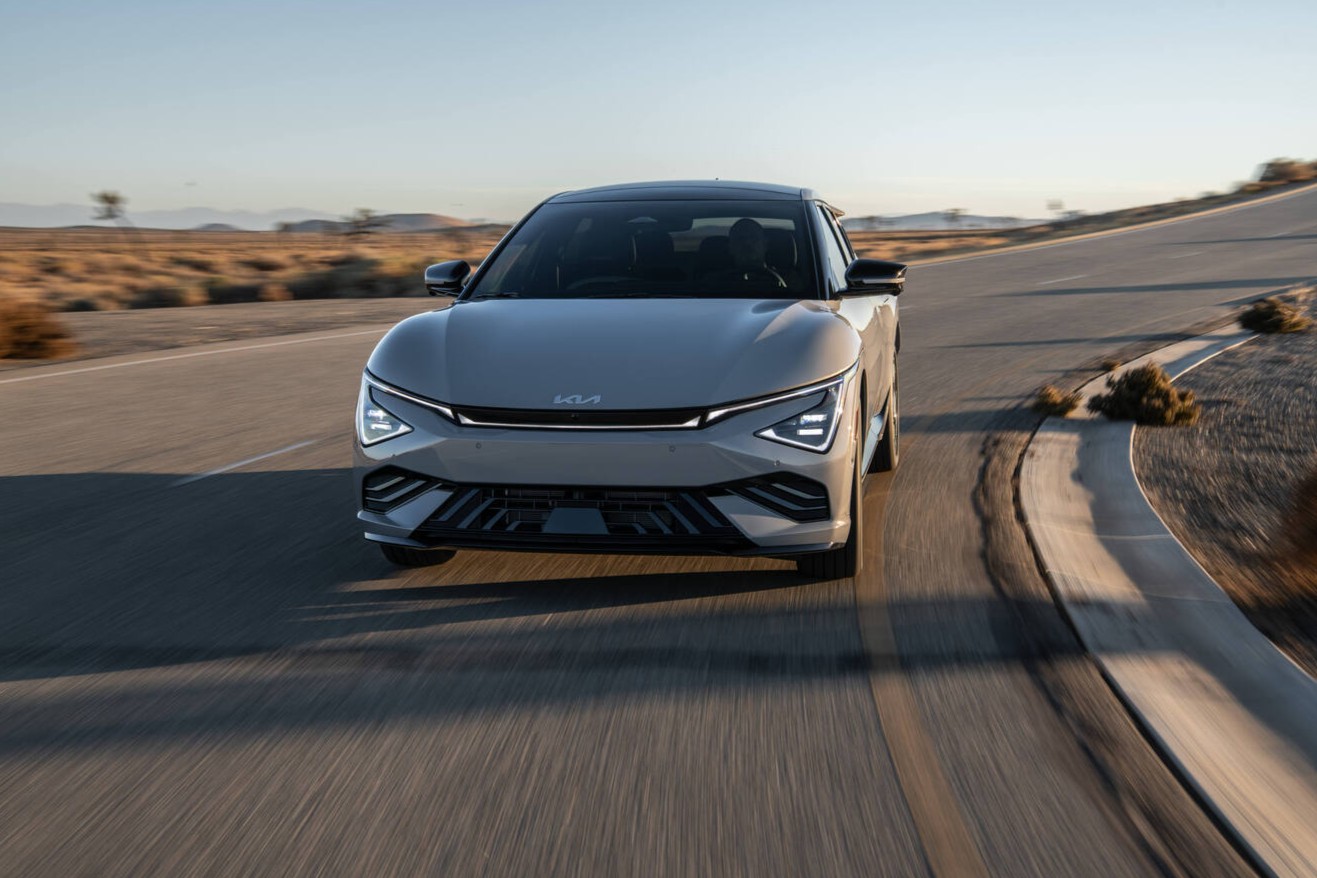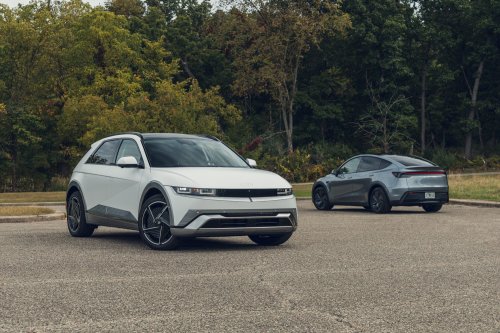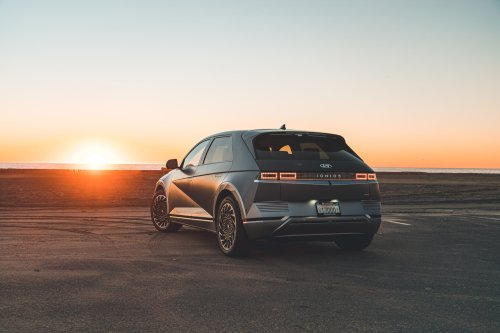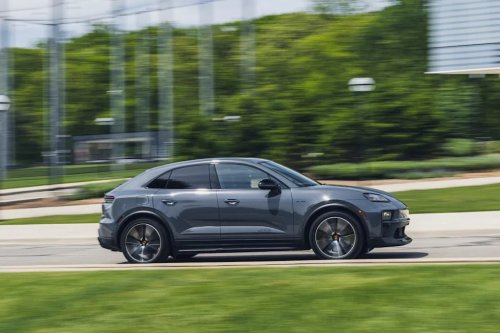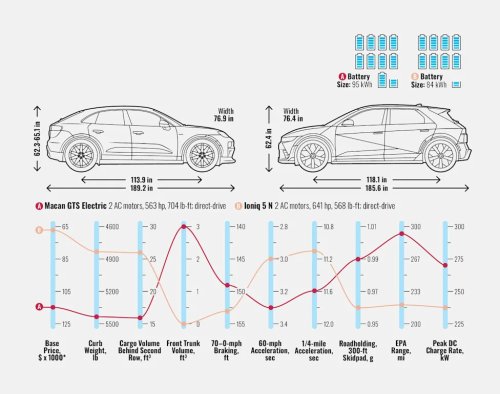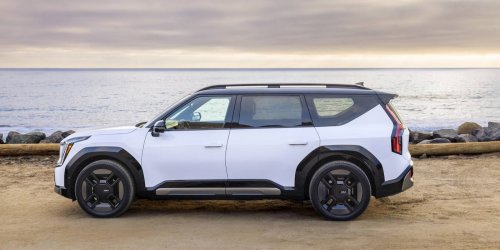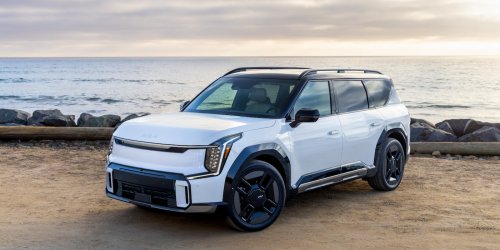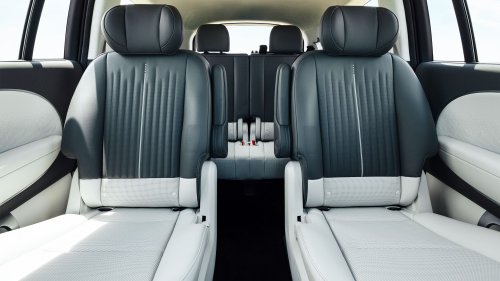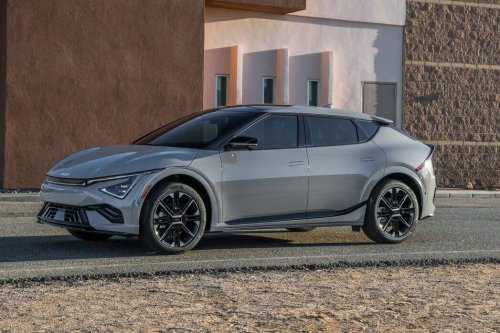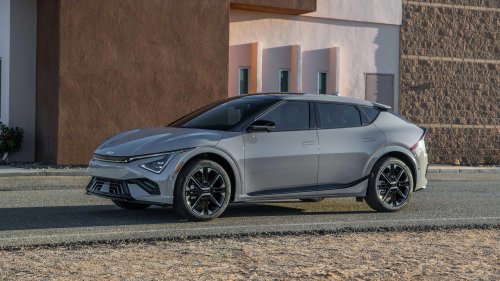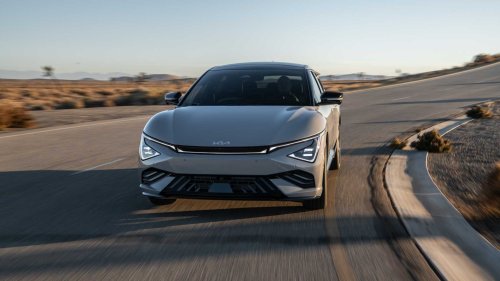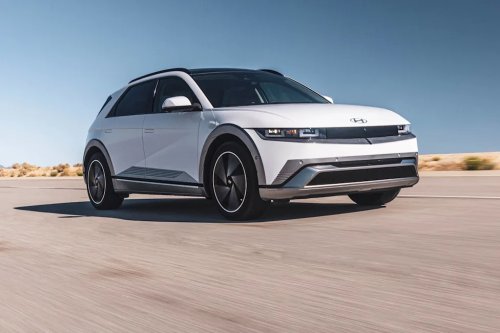
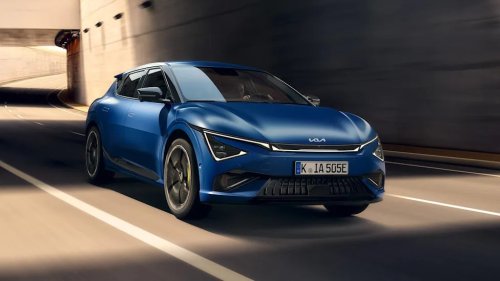
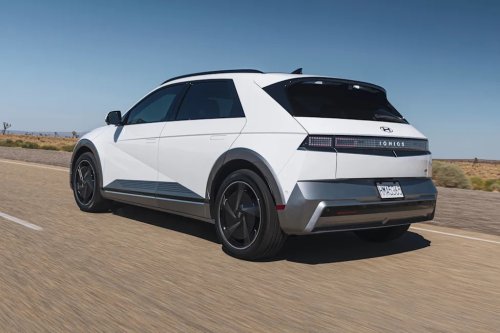
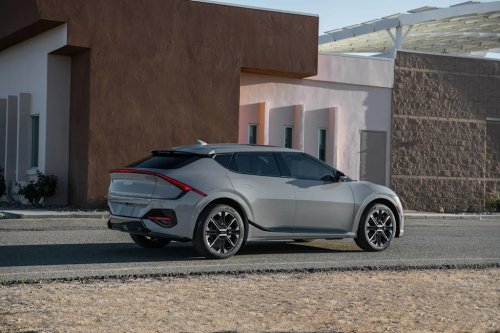
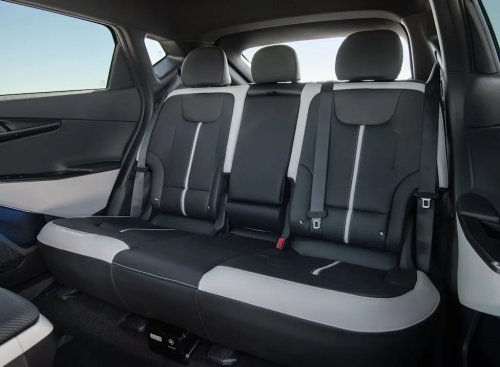




















Autoblog and Yahoo may earn commission from links in this article.These two are corporate cousins in the most literal sense. The Kia EV6 and Hyundai Ioniq 5 share the E-GMP platform, an 800-volt electrical architecture, an 84-kWh battery, a native Tesla-style NACS charging port, and most of the engineering underneath. On a spec sheet they are close to identical twins.2026 Hyundai Ioniq 5 LimitedHyundaiYet they feel nothing alike from the driver's seat, and for 2026 both got substantial price cuts that shuffled the value equation. Here is how the EV6 and Ioniq 5 compare, and which one we would choose.2025 Kia EV6 GTKiaSpecs and pricingSpecificationKia EV6Hyundai Ioniq 5Max EPA range319 miles318 milesBase motor167 hp, rear-drive168 hp, rear-driveDual-motor output320 hp, 446 lb-ft320 hp, 446 lb-ftCharge portNative NACSNative NACSCargo behind rear seats24.4 cu ft27.2 cu ftStarting priceAbout $37,900About $36,600Range, charging, and efficiencyThis is effectively a tie, which is exactly what you would expect from two cars running the same hardware. The EV6 spans roughly 237 miles in base Light trim to 319 miles for the rear-drive GT-Line, while the Ioniq 5 runs from 245 miles in SE Standard Range form to 318 miles for the rear-drive SE Long Range, with dual-motor versions rated up to 290 miles.2026 Hyundai Ioniq 5 LimitedHyundaiCharging is where both cars quietly embarrass most of the competition. The 800-volt architecture takes the 84-kWh pack from 10 to 80 percent in about 20 minutes on a capable 350-kW DC fast charger, among the quickest figures in the class, and both now ship with a factory NACS port that plugs straight into Tesla Superchargers without an adapter. Neither car has an advantage worth mentioning here.Power and driving feelBoth use the same motors, so the numbers match: 167 or 168 horsepower for the standard-range base cars, 225 horsepower for the long-range single-motor versions, and 320 horsepower with 446 lb-ft for dual-motor all-wheel drive. What differs is the tuning and the body they are bolted into.2026 Kia EV6 Side ViewKiaAdvertisementAdvertisementThe Kia EV6 sits lower with a sleeker, fastback-ish profile, and it drives the way it looks, with tighter body control, a stiffer rear anti-roll bar, and steering response that feels more eager than an appliance EV has any right to. The Ioniq 5 is taller and more upright, and it is tuned for calm rather than commitment, which many families will genuinely prefer. One notable change for 2026 is that Kia dropped the 641-horsepower EV6 GT, while Hyundai still sells the 601-horsepower Ioniq 5 N at around $67,800, so the halo car now belongs to Hyundai.Space and practicalityThe Ioniq 5's boxier shape pays off. It offers 27.2 cubic feet behind the rear seats to the EV6's 24.4, and the gap widens with the seats folded, where the Hyundai's roughly 59 cubic feet comfortably beats the Kia's 50. Passenger volume tells the same story at 106.5 cubic feet against 103.0, with the Hyundai holding advantages in rear headroom, shoulder room, and legroom.2026 EV6KiaThe Hyundai Ioniq 5 also gets sliding rear seats and a more intuitive, less cockpit-like dashboard layout, and the off-road-styled XRT trim adds all-terrain tires, extra ground clearance, and tow capability for buyers who want the rugged look. The EV6 counters with a smart power tailgate and cargo-seat release handles, but the sloping roofline costs it real usable volume. If you regularly load strollers, luggage, or dogs, the Hyundai is the better tool.2026 Hyundai Ioniq 5 LimitedHyundaiPrice, warranty, and valueBoth brands cut prices hard for 2026 after the federal EV tax credit disappeared. Hyundai trimmed the Ioniq 5 by an average of roughly $9,155, dropping the SE Standard Range to about $35,000 before destination, or roughly $36,600 with it. Kia cut the EV6 by thousands too, landing the base Light at about $37,900 including destination.AdvertisementAdvertisementCoverage is identical territory, with both carrying Hyundai and Kia's 10-year or 100,000-mile powertrain and EV battery warranties and 5-year/60,000-mile basic coverage, which remains among the best safety nets in the business. Resale and five-year cost projections currently run close enough between the two that it should not swing your decision, though the Hyundai's lower entry price gives it the head start.So which one wins?The Hyundai Ioniq 5 wins. It costs less to get into, holds noticeably more cargo, has the roomier and more comfortable back seat, offers the broader lineup from the value SE Standard Range through the rugged XRT to the wild 601-horsepower N, and gives up essentially nothing on range or charging speed. When two cars share this much hardware, the one that is cheaper and more useful is the one to buy.The Kia EV6 is a very close second and the enthusiast's answer of the pair. It is the better-looking car to most eyes, it is sharper and more connected to drive, and its maximum range edges the Hyundai by a single mile. If you value how a car feels over how much it swallows, the EV6 justifies its small premium. For the better all-around electric SUV, though, the Ioniq 5 takes it.This story was originally published by Autoblog on Aug 11, 2026, where it first appeared in the Car Buying section. Add Autoblog as a Preferred Source by clicking here.