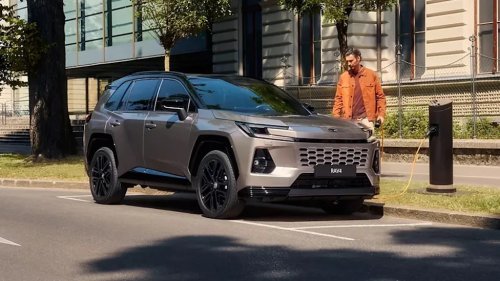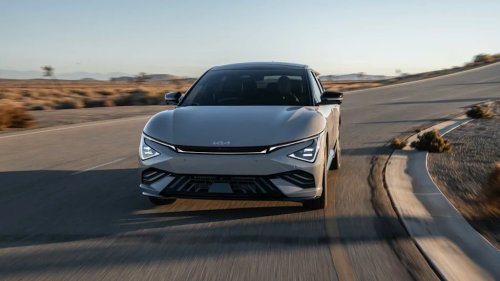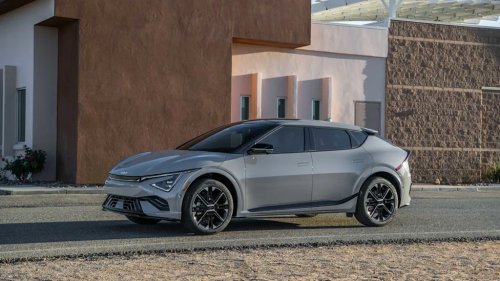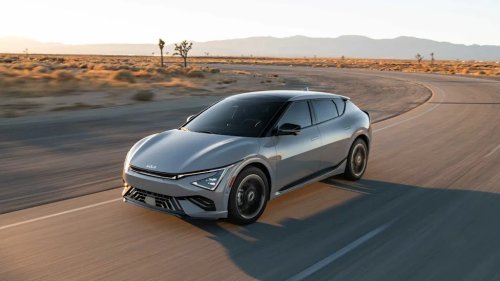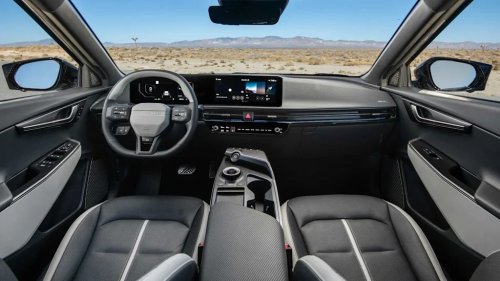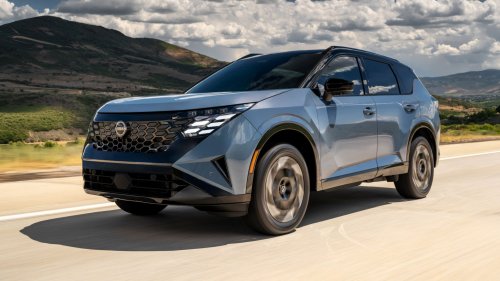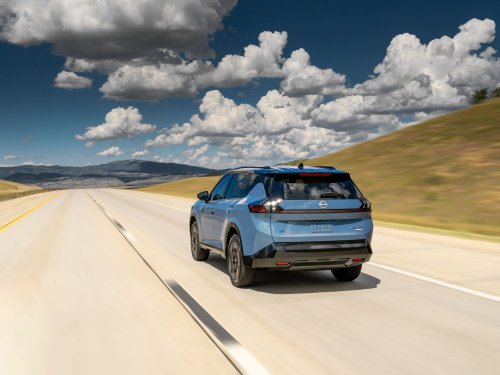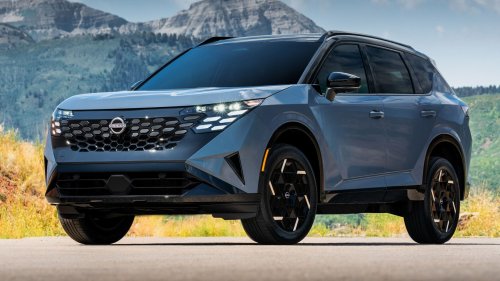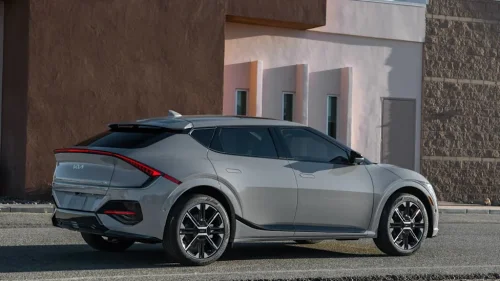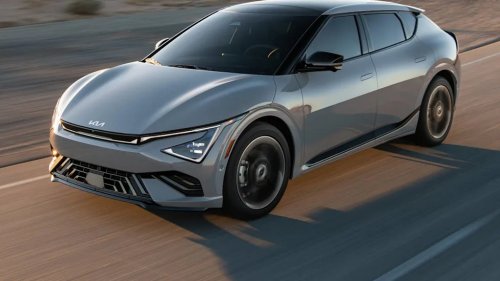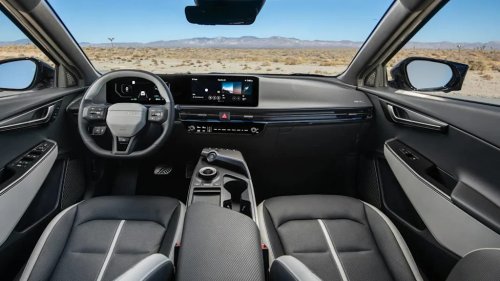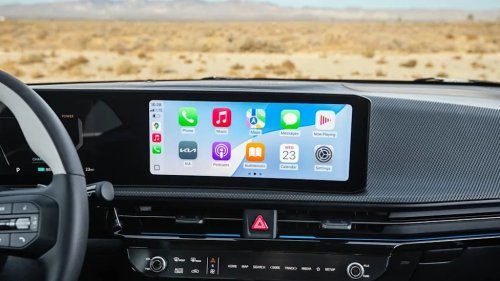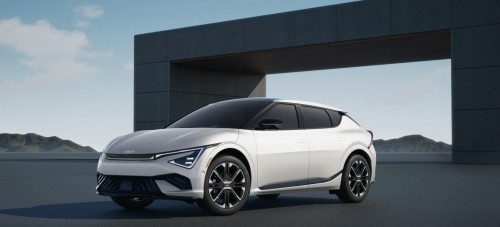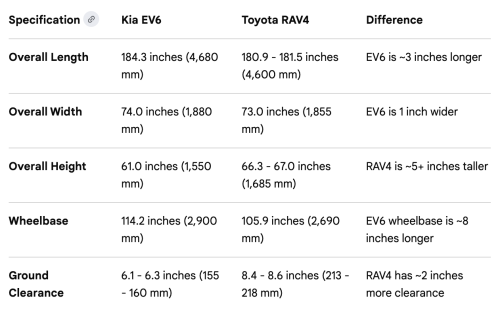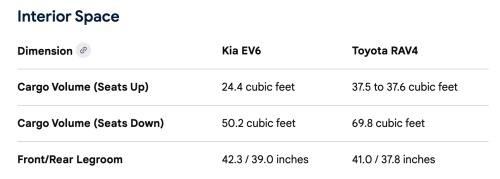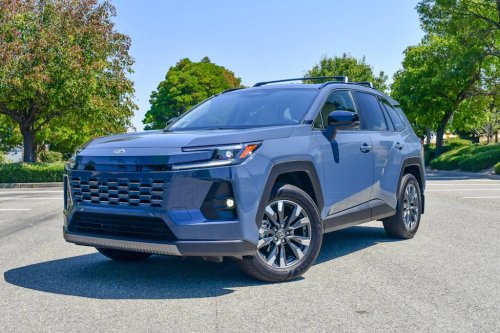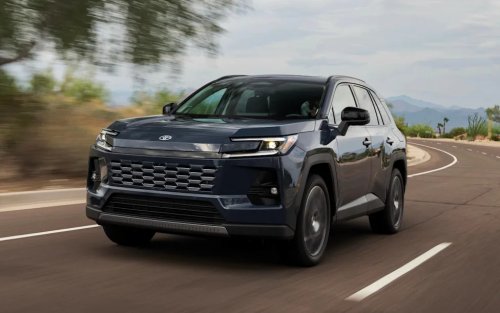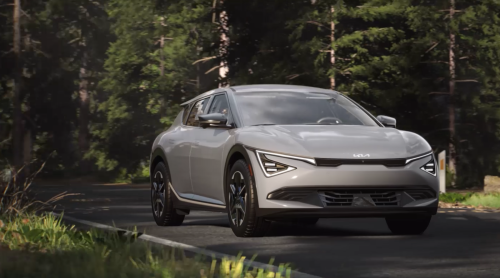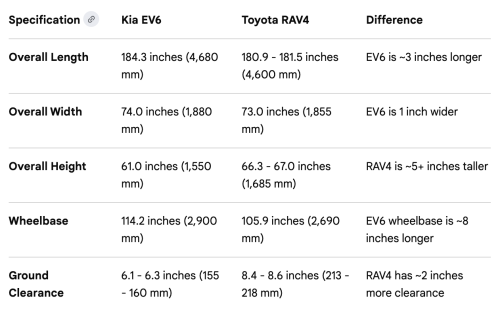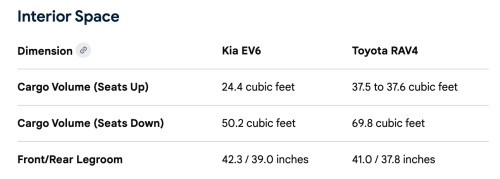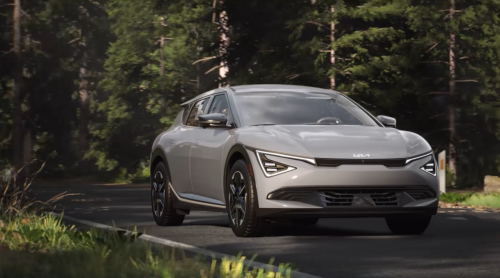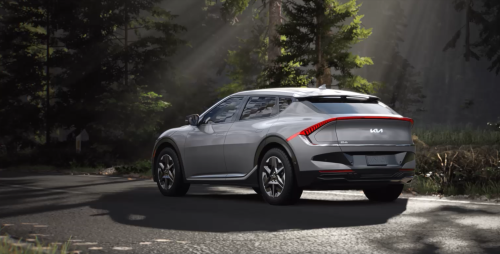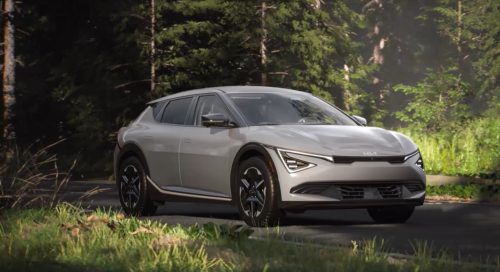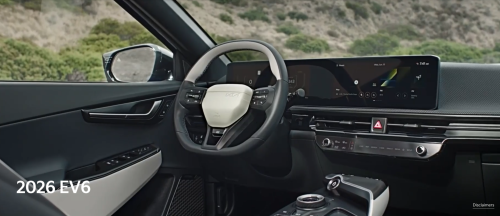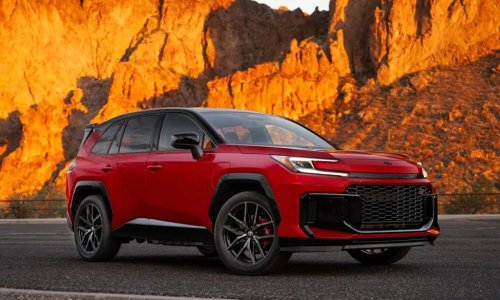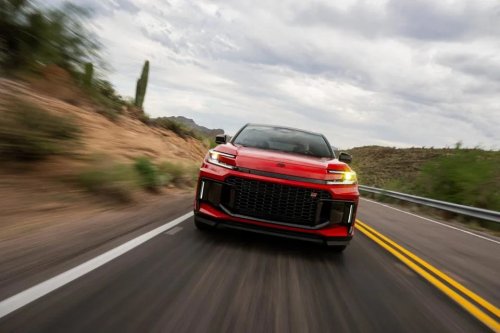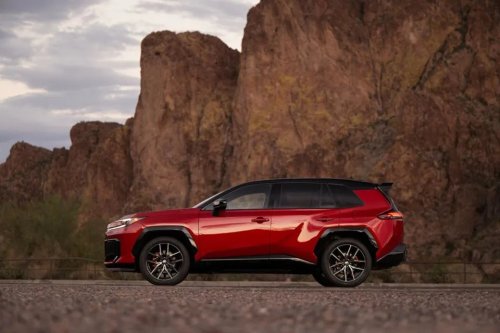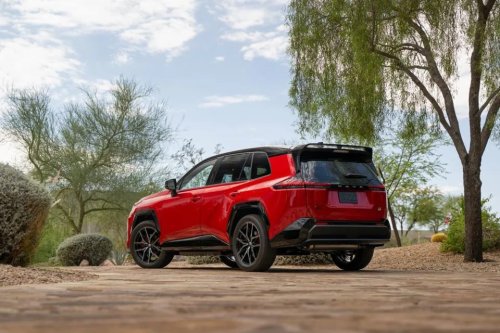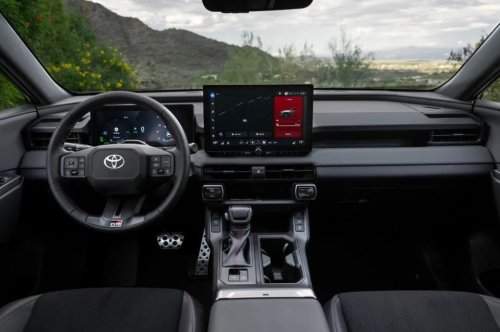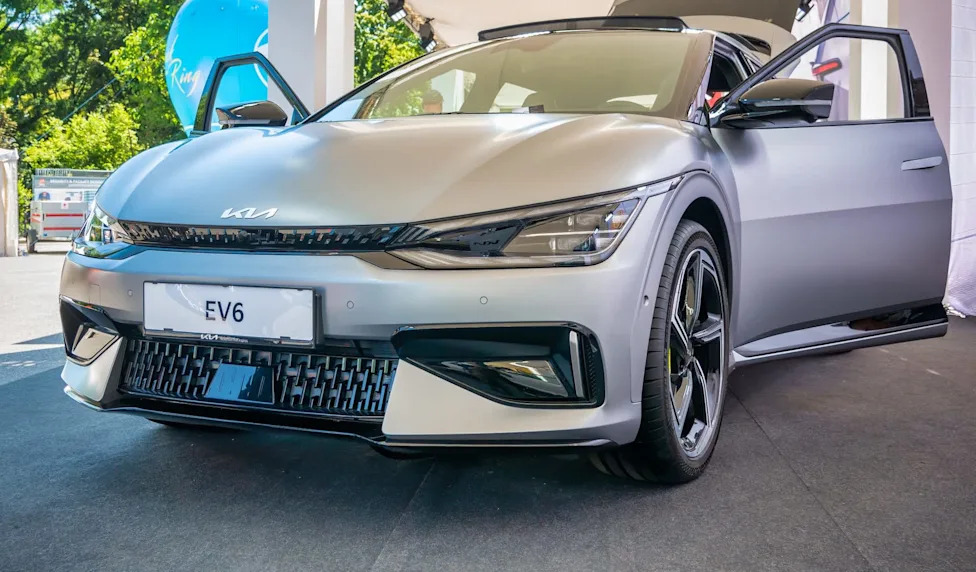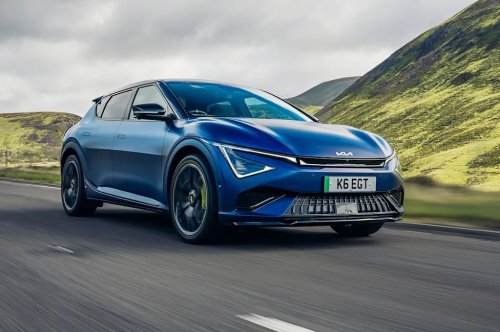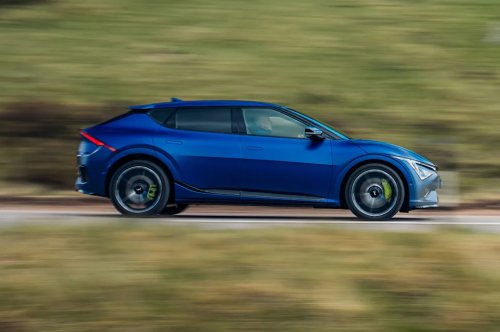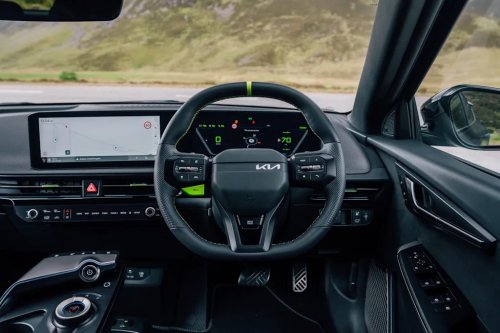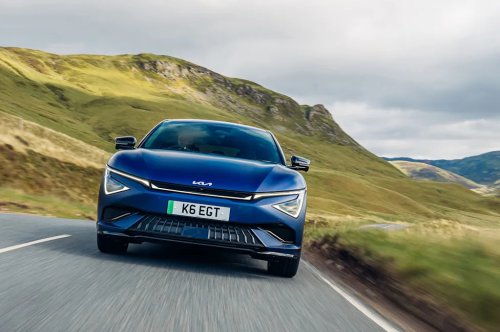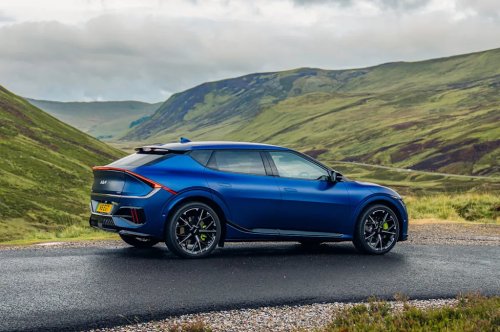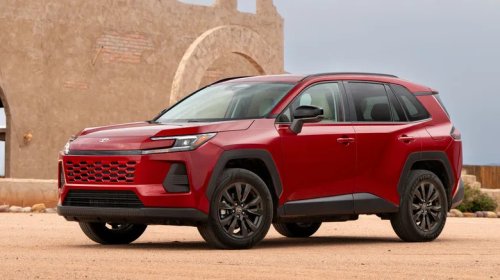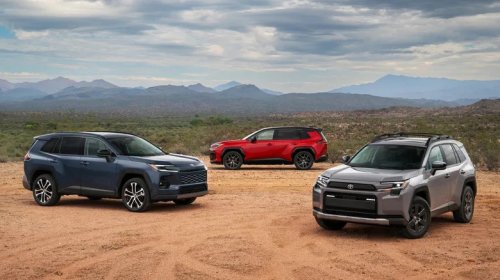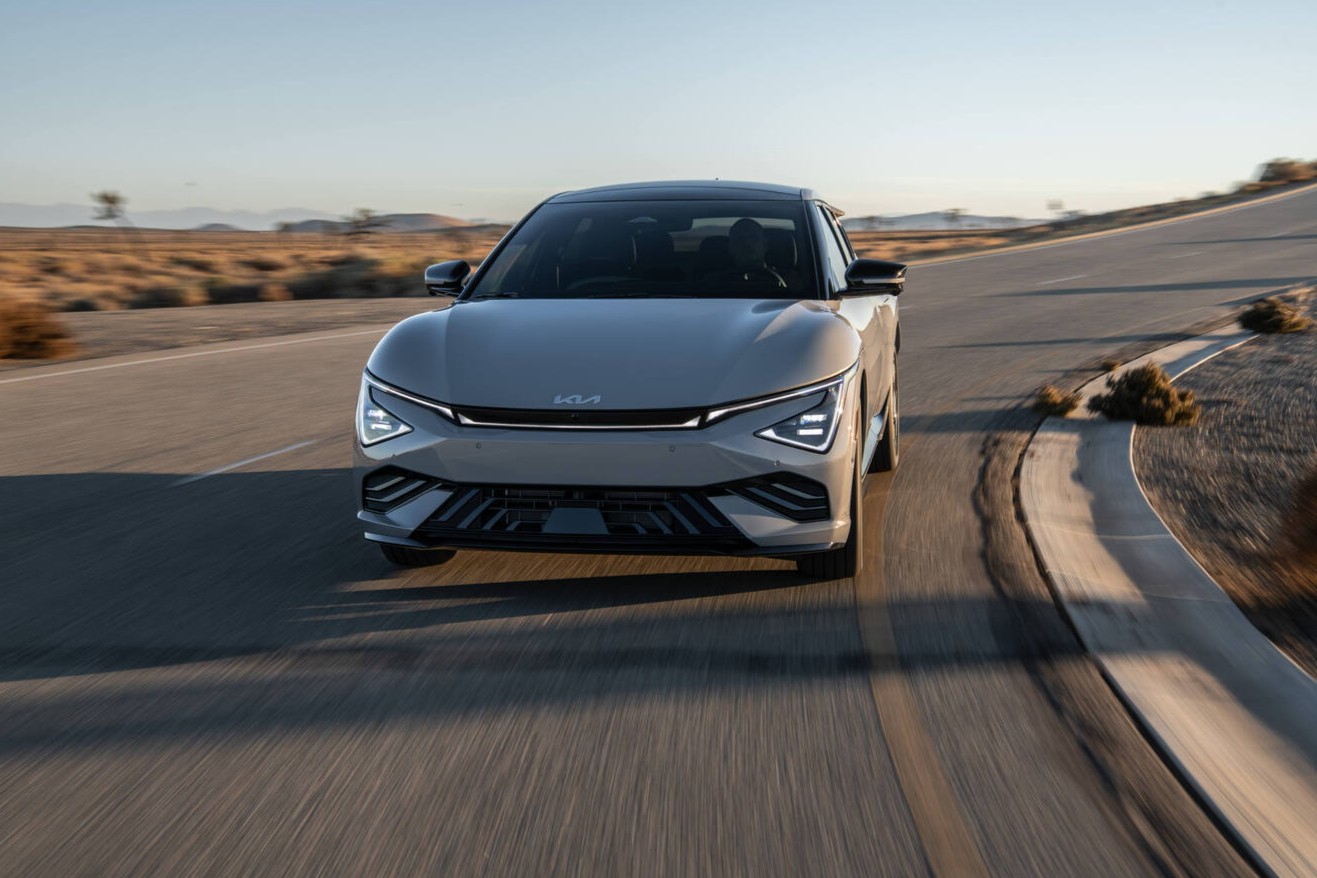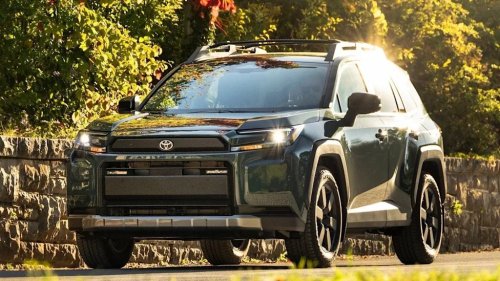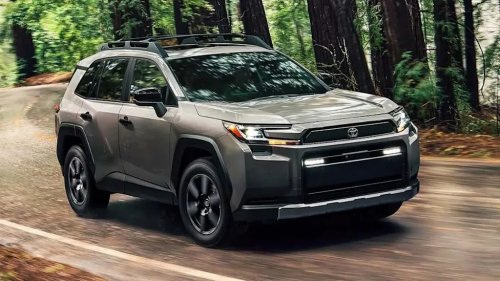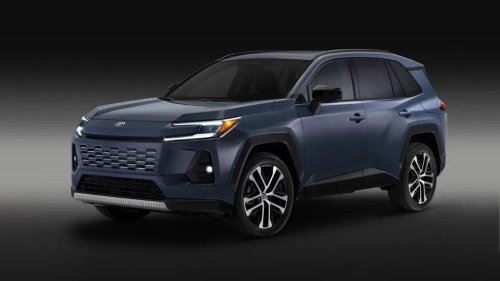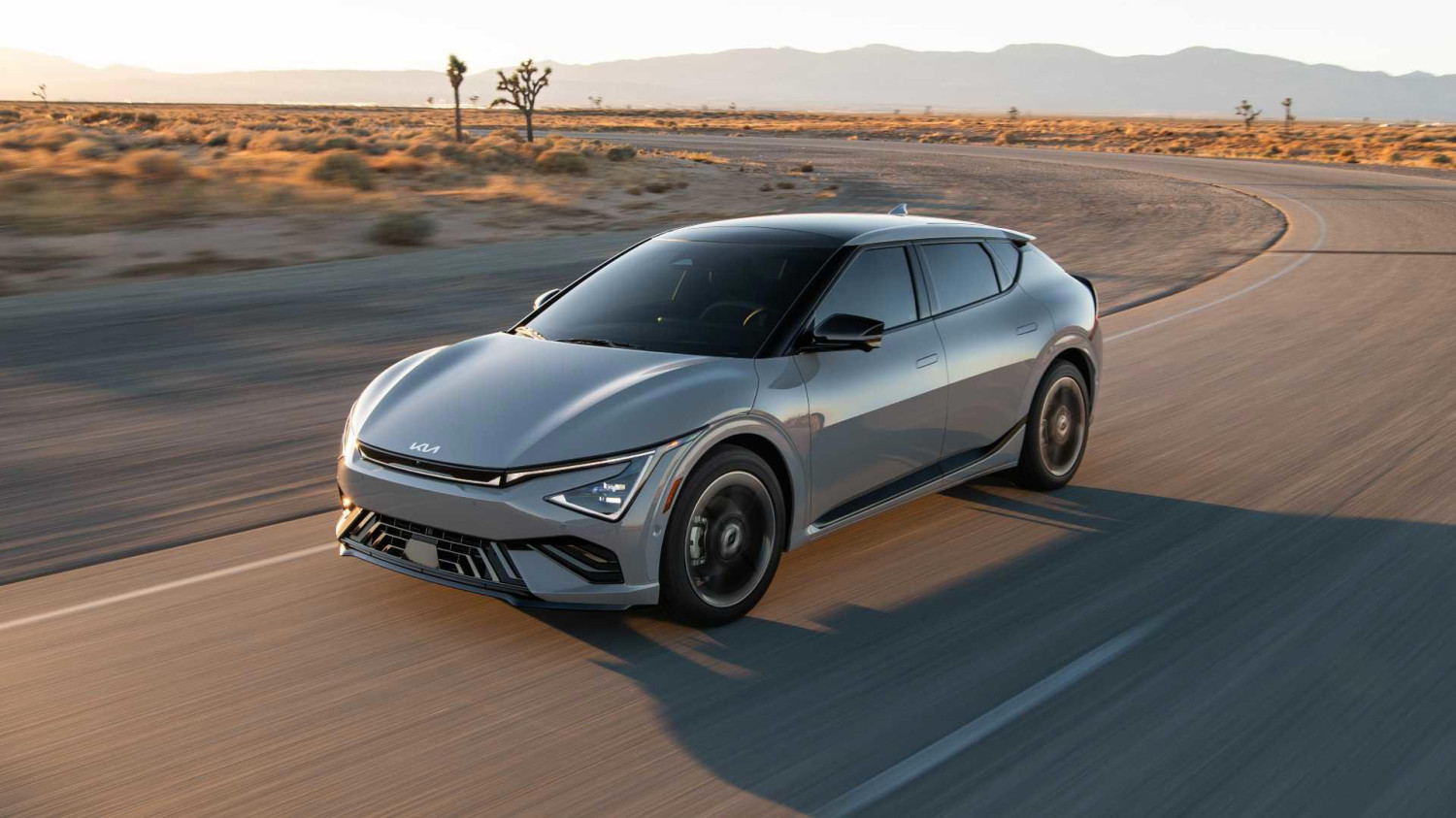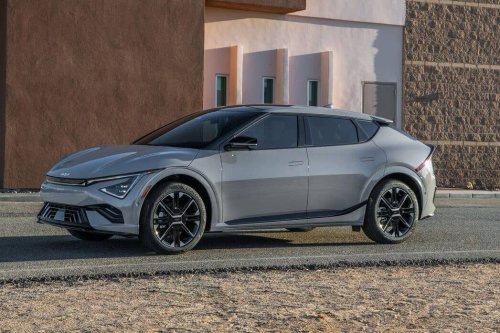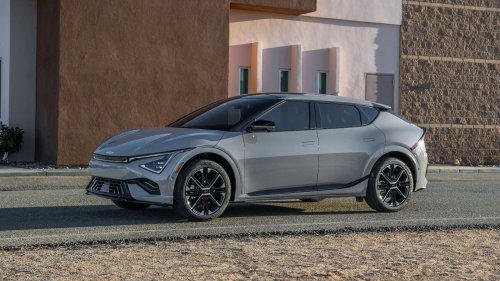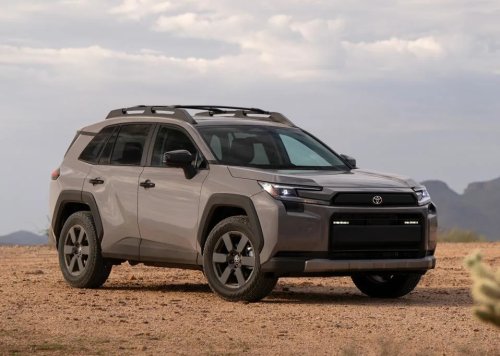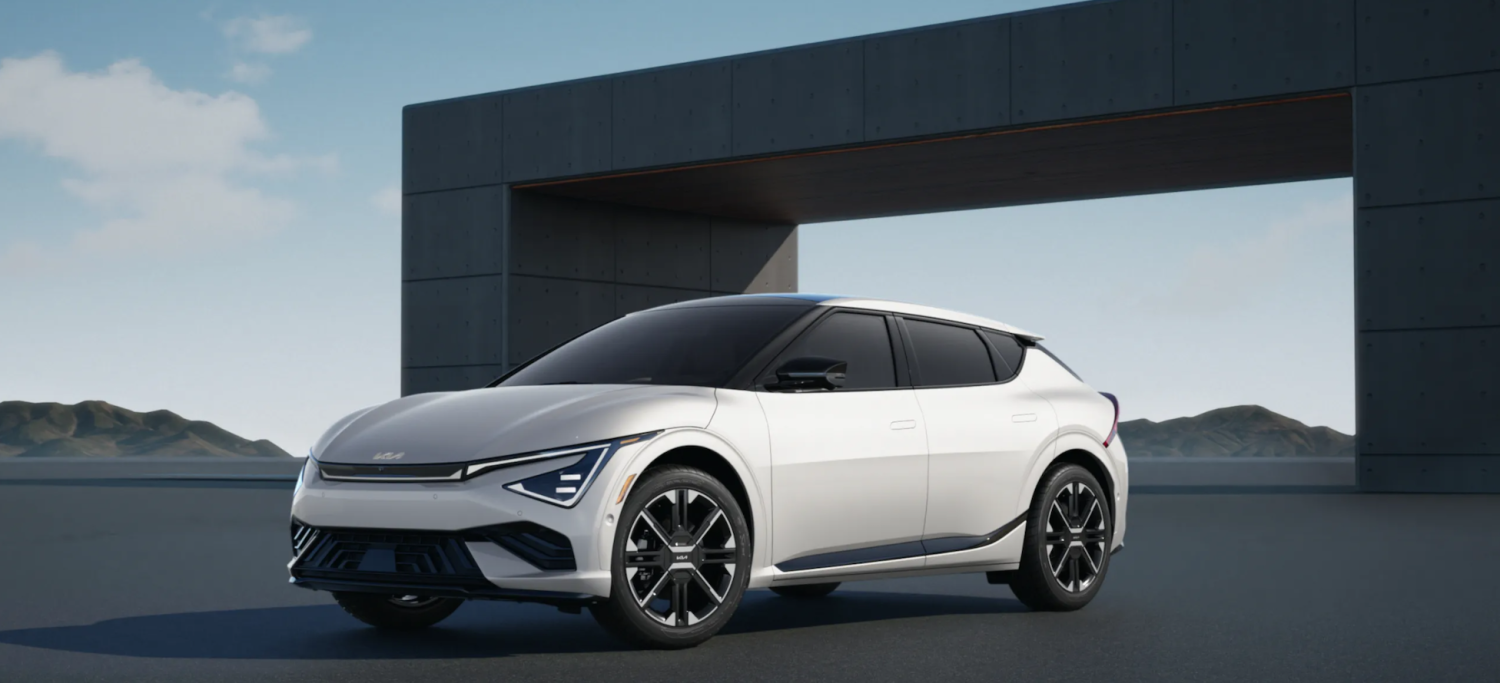
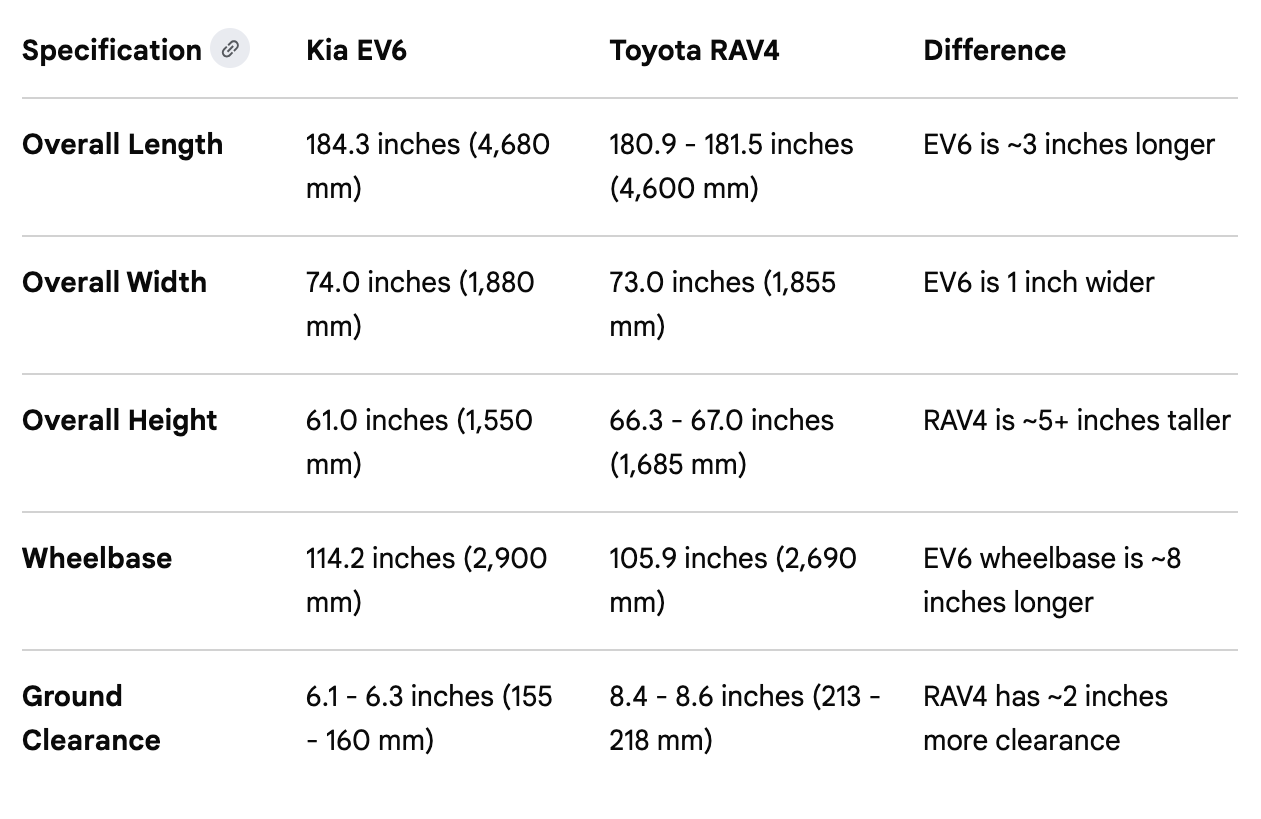
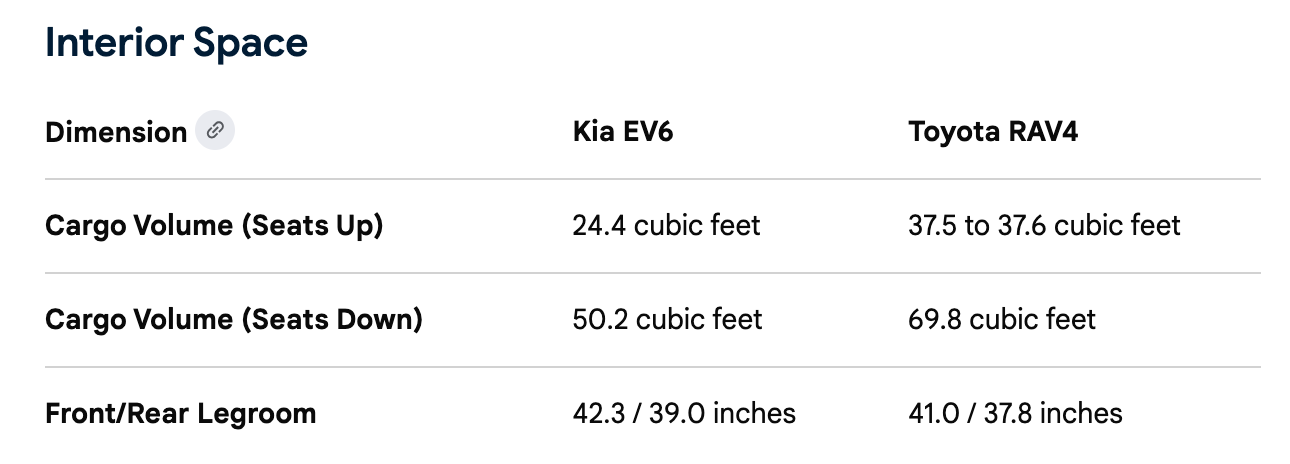



















A few days ago, I looked into how much it would cost to fuel a Hyundai Santa Fe versus how much it would cost to “fuel” a Hyundai IONIQ 5. I enjoyed doing the comparison, so I wanted to do it with more models. With news that Kia has just slashed pricing on the EV6 (my favorite vehicle on the market), this seemed like the obvious model to use next. I tried to think of a good vehicle to compare the EV6 to, and I came up with the Toyota RAV4. (I’m happy to take suggestions for other comparisons if you have them.) At this point, I haven’t yet run the comparisons, so I don’t know how things will land. Let’s go through it together and see what we find! In that previous article, reader William Fitch recommended that we use the term “energize” instead of “fuel” for EVs. I like that idea — “energize” is a fun word and it works. Kia EV6 vs. Toyota RAV4 The Toyota RAV4 is a somewhat bigger vehicle, but it’s quite comparable. The EV6 is actually ~3 inches longer and one inch wider, but the RAV4 is significantly taller. The EV6 offers 4 more cubic feet of passenger volume and provides significantly more legroom. However, the RAV4 offers considerably more cargo space. Some people are going to prefer the extra passenger space, some will prefer more cargo capacity. For the comparison, these are the key assumptions I used: $4.42/gallon of gas — the average price of gas in Florida at the moment $0.07/kWh electricity — the price I pay to charge my EV overnight 10,000 miles and 15,000 miles (two scenarios) — which is about how much I drive and approximately the US average, respectively. 42 MPG — average fuel economy of the Toyota RAV4, per the EPA 3.4 miles/kWh — average energy efficiency of Kia EV6 RWD trims, per the EPA At 10,000 miles, the result is that the Toyota RAV4 Hybrid costs $1,052 to fuel while the Kia EV6 costs $205 to energize. That means a savings of $846 by getting the EV6 instead. At 15,000 miles, the result is that the Toyota RAV4 Hybrid costs $1,578 to fuel while the Kia EV6 costs $308 to energize. That means a savings of $1,269 by getting the EV6 instead. Of course, multiply those savings across 10 years and you’d be at $8,460 or $12,690 in savings! That does assume those are the averages across 10 years, and forecasting those averages gets harder the further out you go. Overall, those are some big savings, and I know what I’d be choosing! Tip of the hat to the ChooseEV savings calculator. Yes, this article replaces an earlier article in which I mistakenly used a comparison model that did not make sense to use here.