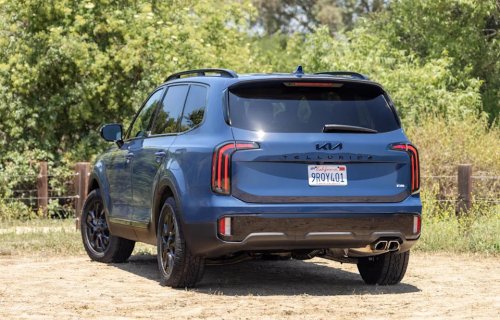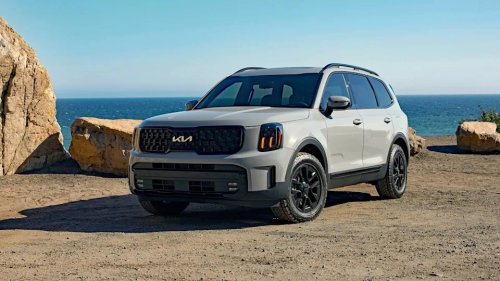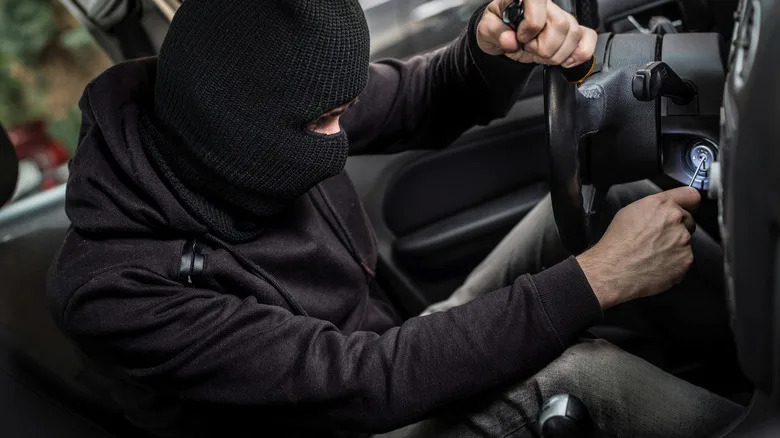
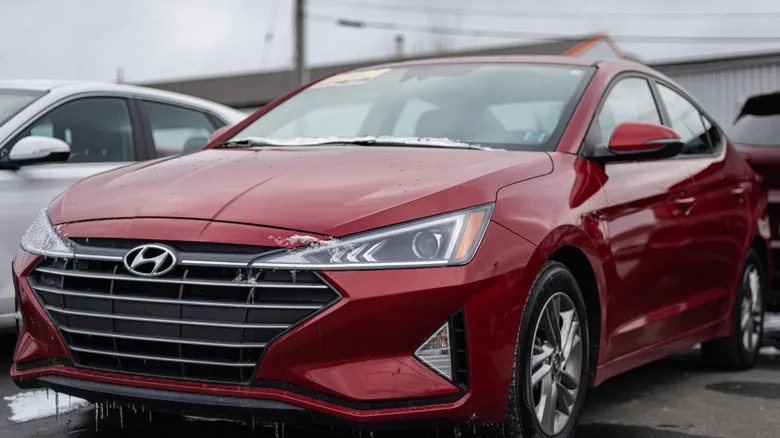



















Researchers Say 'Kia Boys' Crime Spree Could Last Into The 2040sSlashGearTom ClarkSat, September 19, 2026 at 1:45 AM UTCAdd us on GoogleDjedzura/Getty ImagesIf you keep up with true crime stories and follow recent cases online, then you may be familiar with the "Kia Boys." This story involves the theft of certain Kia and Hyundai vehicles that lack an electronic immobilizer, a security system that prevents the engine from starting without the correct key. According to a study published in August 2026, this crime spree could continue for years to come.The story dates back to 2020, when thieves first discovered the security vulnerabilities. Videos showing how to steal the affected vehicles later turned the technique into a social media trend, and the thefts have continued since then. Though the problem was happening in cities around the country, researchers focused on Los Angeles, where they found that the Hyundai Sonata was stolen at a rate of about 38 per week from 2017 through 2019. Using those theft patterns, along with historical data on other vulnerable vehicles, they estimated how long the problem could continue.The research team's long-term projection into the 2040s is based, in part, on what happened with other vehicles that had similar security weaknesses. That includes certain Honda Civic and Toyota Camry models, which were targeted for years after newer versions were equipped with immobilizers. Additionally, vulnerable Hyundai and Kia vehicles are likely to become more concentrated in lower-income communities as older cars are resold. Based on those patterns, researchers estimate that annual thefts of affected Sonatas will dip below 100 in 2039 and below 10 in 2042.AdvertisementAdvertisementRead more: Why Are People Stealing Toyota Tacoma Tailgates?How automakers responded to the Kia BoysShaunl/Getty ImagesResearchers studying the wave of Hyundai and Kia thefts over the past several years in Los Angeles took the time to explore a hypothetical model. In this model, both automakers issued recalls that completely fixed the security vulnerabilities in 2024. While that would dramatically reduce the number of projected thefts that year, it would only shorten the period of elevated thefts by about 12 months. This would still have placed the estimated thefts below 10 vehicles in 2041 instead of 2042.Hyundai and Kia eventually addressed the security vulnerabilities and dealt with the legal fallout from the thefts, but they did not initially issue recalls for the affected vehicles. Hyundai said in 2023 that the vehicles met federal safety standards, and that the thefts were not caused by a malfunction or defect. Instead, the automaker offered a free software upgrade designed to improve the factory alarm system and ignition start logic. Hyundai also worked with law enforcement to provide steering wheel locks and offered a security kit for some affected vehicles.Kia also addressed the problem with a free software upgrade for vehicles that were built without an engine immobilizer. The update changed how the alarm and ignition worked, including making the key necessary to actually start the vehicle. Kia began by making the upgrade available in February 2023, then expanded it to additional vehicles over the following months. Kia also participated in efforts to distribute steering wheel locks to affected owners.AdvertisementAdvertisementWant the latest in tech and auto trends? Subscribe to our free newsletter for the latest headlines, expert guides, and how-to tips, one email at a time. You can also add us as a preferred search source on Google.Read the original article on SlashGear.