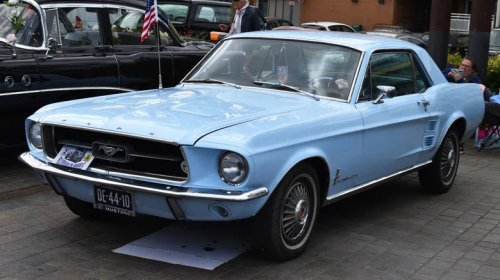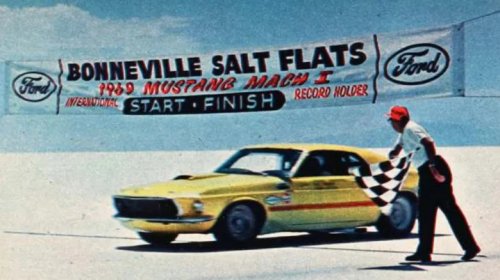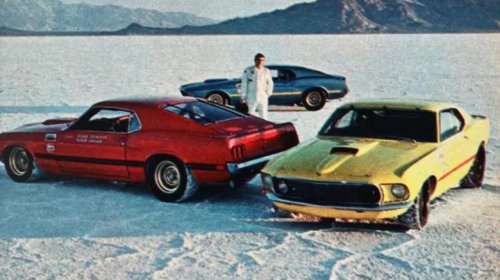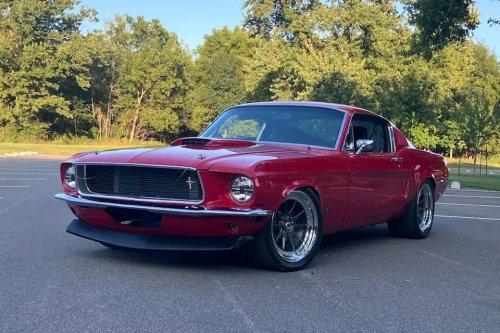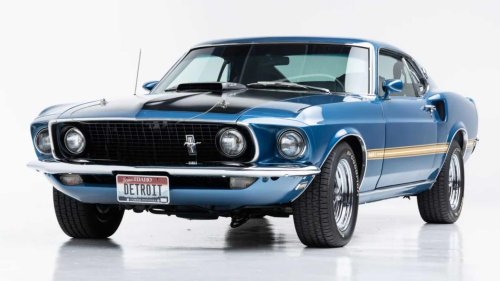
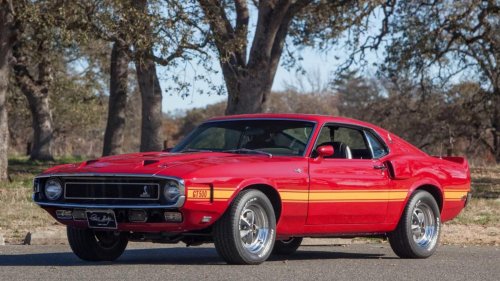
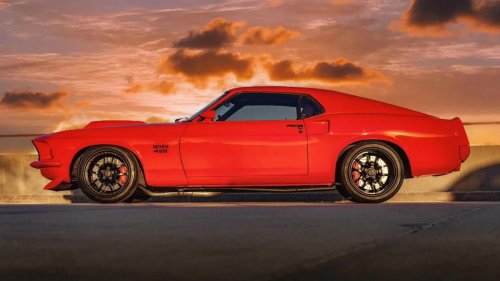
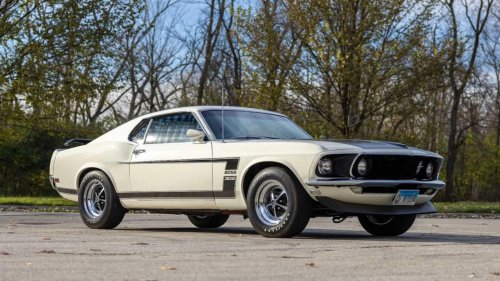
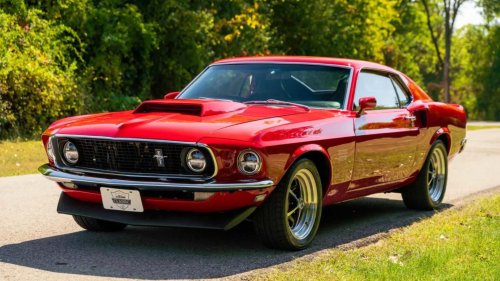
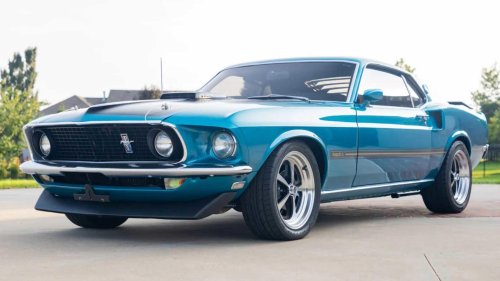



















1969 was the pinnacle of the American muscle car era. It was the period where performance, styling, and raw attitude gave us unforgettable experiences. For the 1969 Ford Mustang, Ford didn’t do just another evolution of their successful formula; they went all-in. The 1965 Mustang launched the generation’s approachable charm, while the more aggressive 1967 Mustang matured the generation into a broader design, but 1969 was different.The Mustang had gone from being just a "pony car" to embracing its muscle car identity. All through that era, the Mustang offered four legendary variants: the first was the street-savvy Mach 1, then a track-focused Boss 302, the Boss 429 that proved monstrous, and the brutal Shelby GT500 that proved to still be refined. This lineup offered vehicles that could challenge anything on the road and even the track. Now, let’s break down everything that makes the 1969 Mustang iconic, from its evolution to its engines, its trims and variants, everything to check for before buying one today, and why this collector car is one of the most desirable cars ever built. From Pony Car to Pure Muscle — How The 1969 Mustang Earned Its Stripes Ford When the first-generation Mustang launched in 1965, it didn’t just chase brute force; it opened a new market. This stylish, affordable, and customizable car created the “pony car” segment almost overnight. The Mustang's looks pulled in most buyers, along with the freedom to spec their car, but the primary focus still wasn't performance. But by the time the 1967 Mustang arrived, the tone had shifted to a widened body, a strengthened chassis, and more room for larger V8 engines. This shifted the focus from the realm of style to competing with increasingly aggressive rivals like the Chevrolet Camaro.For the Mustang, 1968 was a transition year. This was when Ford hinted at what was coming by refining both design and performance, with models like the Mustang Mach 1. In the Ford office, figures like Carroll Shelby started pushing Ford to produce bigger and faster cars, and also sharpen their handling and real motorsport credibility. The transformation was completed in 1969. By then, the Mustang had gotten lower, grown longer, and become more aggressive. It also included functional design elements like aerodynamic tweaks and hood scoops that weren’t just cosmetic anymore, but actually served a purpose. At this point, the Mustang had become a fully realized muscle car and no longer just a sporty coupe. It was now capable of dominating both street and track. The 1969 Mustang Engines That Made Legends FordIn 1969, the Mustang’s engine lineup wasn’t just broad, but strategic. Ford made each option cater to different kinds of drivers, making sure everyone from a casual cruiser to a hardcore racer was covered. The base level Base, Grande, Model E, and GT trims started with either the 115-horsepower or 155-horsepower inline-six engine, but the 220-horsepower V8 was the real story. The small-block engines balanced power and drivability, while big-block options delivered the torque that defined muscle cars. The 1969 Mustang Mach 1 was the sweet spot, equipped with either the 351 Windsor or the legendary 428 Cobra Jet engine, and offered serious straight-line performance. The 351 Windsor hit 0–60 mph times of 7.5 seconds on the standard trims and about 4.0 seconds on the Shelby GT350. The optional Super Cobra Jet engine had mid-13-second range quarter-mile times, making it a street powerhouse.The next was the purpose-built machines. It started with the Ford Mustang Boss 302, which featured a high-revving 302-cubic-inch V8 officially rated at 290 horsepower, although people believed it produced more. It was engineered for Trans-Am racing. It used an upgraded suspension and handling that made it carve the corners with ease. The top-of-the-line offering was the Ford Mustang Boss 429, built to homologate Ford’s NASCAR engine. Under the hood was a 429 cubic-inch V8 rated at 375 horsepower, but in reality, peak output was likely much higher. At the time, this was rare, massive, and brutally powerful, requiring factory modifications just to fit this engine into the Mustang’s body. Mach 1 vs. Boss 302 vs. Boss 429 vs. Shelby GT500 — Which 1969 Mustang Was the Real Deal? Ford In the 1969 Mustang lineup, Ford clearly defined each variant's purpose. Ford didn’t do everything with one car; it tried distinct things. After the base trims, which were Base, Grande, Model E, and GT, Ford offered the Mustang Mach 1 as the enthusiast's car, combining its aggressive styling, which included a matte-black hood, sportsroof body, and hood scoop, with a wide range of engine options. This car was attainable, fast, and versatile, and it quickly became the most popular performance variant. The Ford Mustang Boss 302 was offered as a different kind of animal. This trim was built for road racing, with functional aerodynamics, a stiffened suspension, and a high-revving engine. This one didn't just focus on speed—it was about control, making it a driver's car.Ford The Ford Mustang Boss 429 came as a brute-force option. Just 857 units were produced, making it the crown jewel for collectors. The Shelby GT500 was developed under the influence of Carroll Shelby to blend muscle with refinement. It used the 428 Cobra Jet engine and delivered serious power. The Shelby badge also added prestige and a more upscale feel. Each variant served a different driver: with the Mach 1 being the everyday performance enthusiast’s choice, the Boss 302 being the track-focused purist, the Boss 429 being the collector’s option, and the Shelby GT500 offering performance with pedigree. Ford didn't offer a single "best" '69 Mustang; it was a situation of finding the one that matched your intent. Before You Buy — The 1969 Mustang Buyer's Guide Every Collector Needs Ford Before buying a 1969 Mustang today, start with your goal. If you plan to get a weekend driver, your best bet is the best balance of cost and performance that the Mach 1 offers. If you plan to invest, look at the stronger long-term value of the Boss and Shelby variants, especially units with documented provenance. The first thing to check is rust. Inspect torque boxes, floor pans, and frame rails carefully, because for cars that are over five decades old, corrosion is common. Rust in the structure can turn a “good deal” into a sinkhole financially.Next, verify engine authenticity by matching engine numbers and VINs; consistency is critical, especially when dealing with high-value models like the Shelby GT500 or Ford Mustang Boss 429. Restorations must be near-perfect or original, mechanically sound with acceptable cosmetic wear, and those with issues shouldn't require significant work. It's always best to hire a specialist familiar with classic Mustangs, as their expertise can identify issues that even experienced buyers might miss. What Is a 1969 Mustang Worth Today — And Is It Still a Smart Buy? FordThe 1969 Mustang is a collector’s vehicle today, sitting in a unique position, being both accessible at the low end and still capable of commanding six figures at the top. For entry-level coupes and standard fastbacks, expect to pay at least $30,000 for driver-quality examples. The value of the Ford Mustang Mach 1 typically ranges from $45,000 to over $90,000, depending on condition and engine specification, with several models in pristine condition and low mileage going for over $100,000. A 1969 Mustang belonging to MLB pitcher Jack Morris was modified and later sold in July 2025 for $227,000.The Ford Mustang Boss 302 has appreciated, with well-preserved units often crossing into six-figure territory, but they typically cost between $30,000 and $84,000. Now, the Ford Mustang Boss 429 is where it gets interesting. This trim regularly exceeds $100,000, with pristine, numbers-matching cars commanding significantly more. Values range from $113,500 to even as high as $450,000. However, some units have been known to sell for as low as $50,000, though this is rare. Then, there’s the Shelby GT500, which commands a similar premium due to brand prestige and limited production.Source: Top Gear, Porsche, Bring A TrailerFAQQ: How much is a 1969 Mustang worth?Values range from about $30,000 for a driver-quality coupe to over $150,000 for rare, numbers-matching models like the Ford Mustang Boss 429 or Shelby GT500.Q: What is the rarest 1969 Mustang?The Ford Mustang Boss 429 is the rarest 1969 Mustang, with only 859 units produced.Q: How much horsepower did the 1969 Boss 429 have?It was officially rated at 375 hp, though real-world output was likely higher.Q: What is the difference between Mach 1 and Boss 302?The Ford Mustang Mach 1 focuses on street performance and styling, while the Ford Mustang Boss 302 is engineered for road racing with sharper handling.Q: Is a 1969 Mustang a good investment?Yes—especially rare variants. Condition, originality, and documentation are the key value drivers.