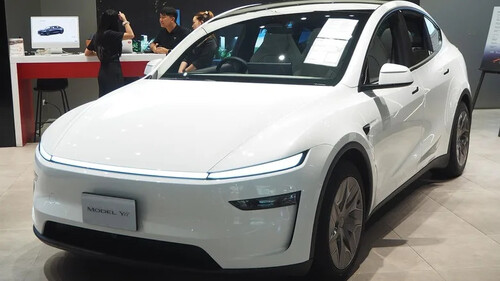
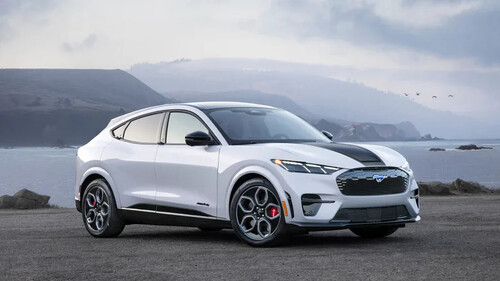
Henry Leblanc · 5 months ago@henryleblanc79Tesla's Model Y price hike gives Hyundai Ioniq 5 and Ford Mustang Mach-E a fresh opening Liked by+63 othersPost commentRelated PostsThese are the ultimate stealth wealth cars currently on sale 73 · Nicole Roy · 6 months agoTesla's Newest Recall Covers Just 19 Cars. It's the Same Bolt That's Failed Four Times Since 2021. 22 · Logan Brown · 1 months agoThe world’s most influential cars 62 · Justin Leblanc · 1 months agoWho Makes 5.0 Liter V8 Engines Besides Ford? 89 · Nathan Campbell · 1 months agoI Drove the Slate EV Pickup Truck. This is What You Can Expect When Deliveries Begin—Which Will Be Soon! 37 · Annabelle Bouchard · 26 days agoFord’s Sub-$30K Fathom EV Could Bring Tesla-Like OTA Updates to the Mass MarketJackson Côté · 17 days agoHenry Ford Killed The Patent That Claimed To Own The AutomobileThomas Wilson · 13 days agoFord Rolls Out Impressive Mustang Mach-E Lease Deals For August 85 · Camille Smith · 2 months agoTesla adds 2.4 kW vehicle-to-load to Model Y Premium with $80 adapter 76 · Henry Anderson · 2 months agoTop Selling Electric Vehicles in the World — 27% EV Share in August!Alexander Mitchell · 21 days agoSome Tesla Model Ys can now power fridges, tools, and campsite gear through a new add-on 24 · Sophie Carter · 2 months agoRanked: Cars That Hold and Lose Their Value the Most 73 · Samuel Bouchard · 1 months agoThe cars that are also cults 61 · Hannah Gagnon · 1 months agoHyundai sales are about to gut-punch Ford in a major way 27 · Amelia Martin · 29 days agoAnalysts Say Japan And Korea Will Eat The Big Three's LunchesAdam Côté · 24 days agoSEMA-Built 1994 Ford F-350 on 54-Inch Tires Brings Its Own Dance Floor to Mecum Las VegasDaniel Lewis · 13 days ago2026's Best-Selling EVs Are Great Cars - Look At What They've Survived 95 · Mia Macdonald · 2 months agoAll the new EVs you can buy with 0% financing in June 2026 84 · Camille Tremblay · 4 months ago14 Electric Cars That Hold Their Value Better Than A Tesla Model 3 61 · Caleb Johnson · 2 months agoFord Just Blew Up the Assembly Line It Invented. The Target Is a Used Tesla. 40 · Grace Bouchard · 2 months ago


 +63 others+63 others
 +63 others