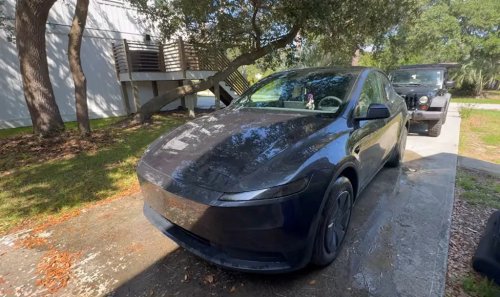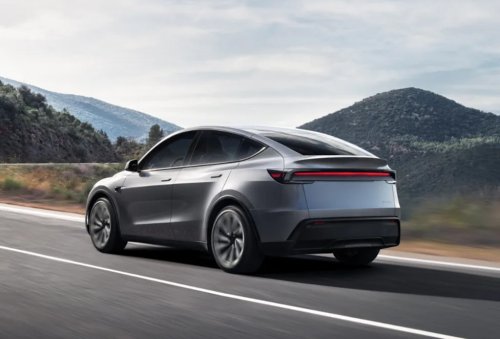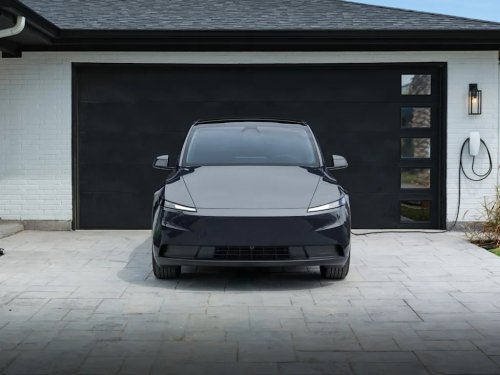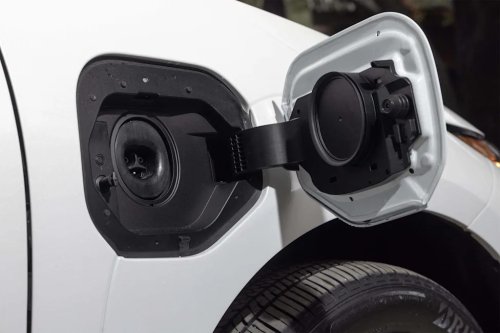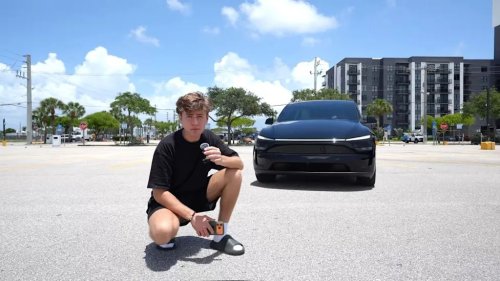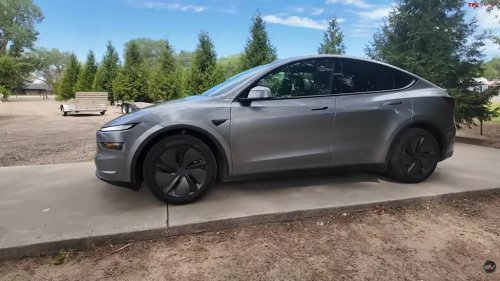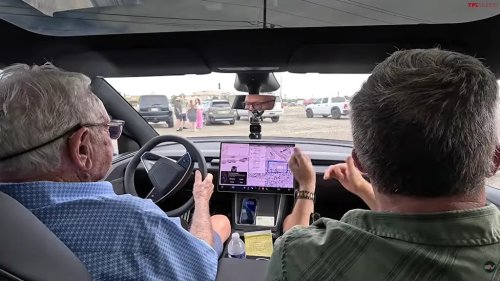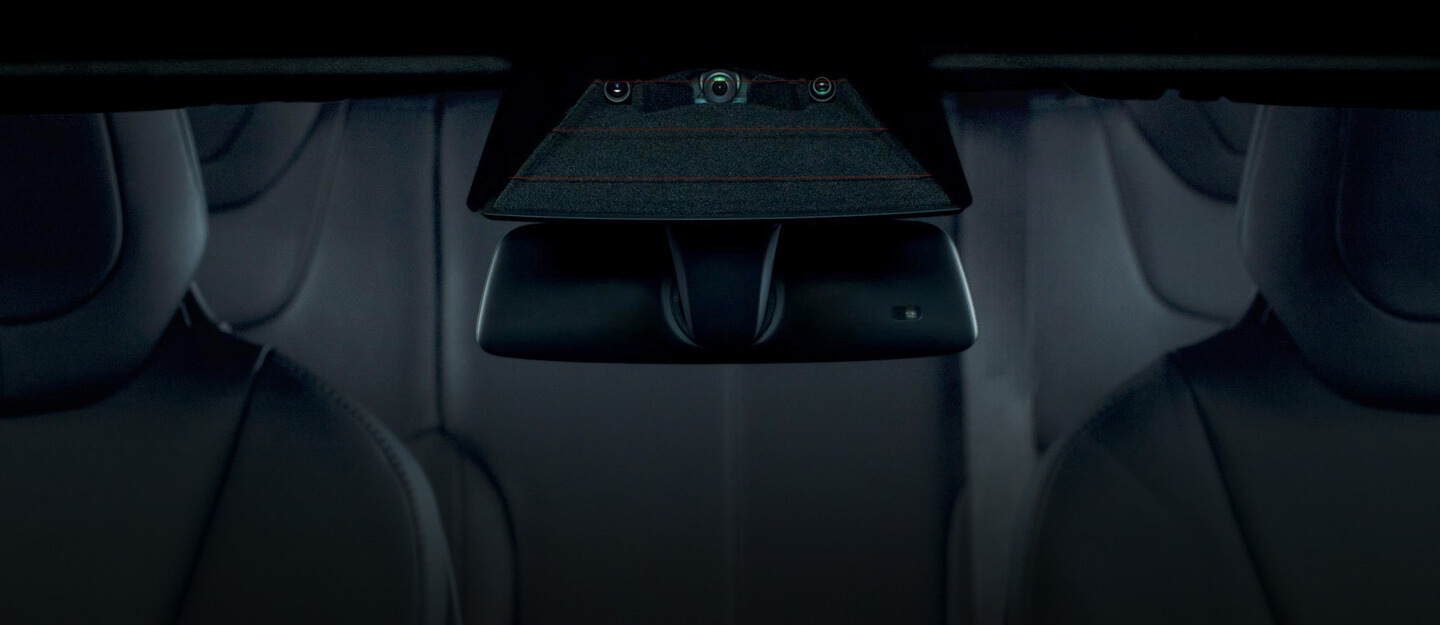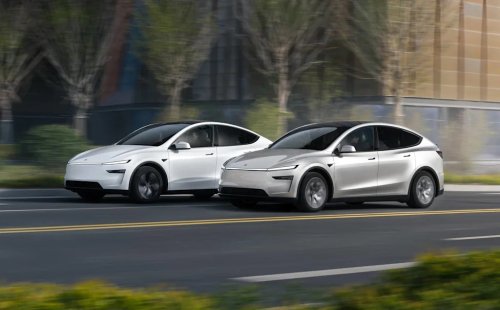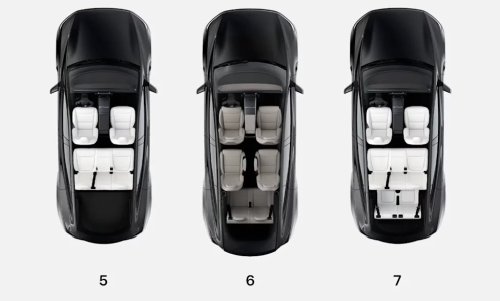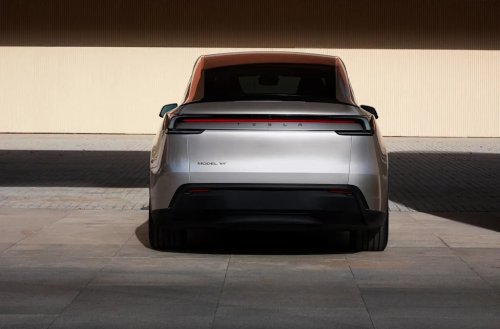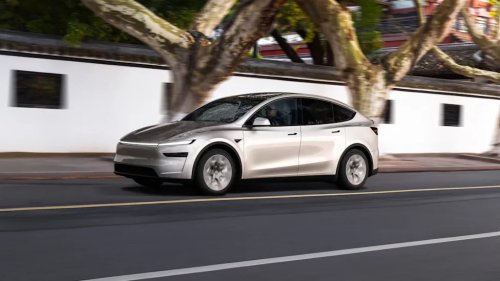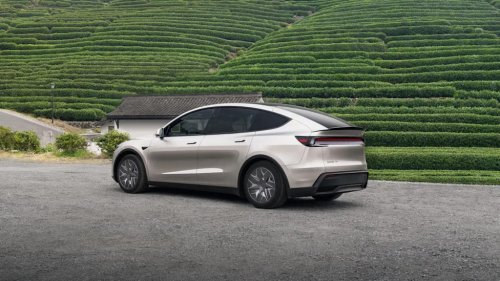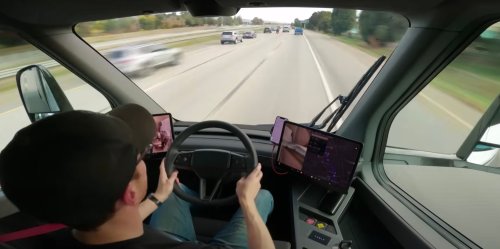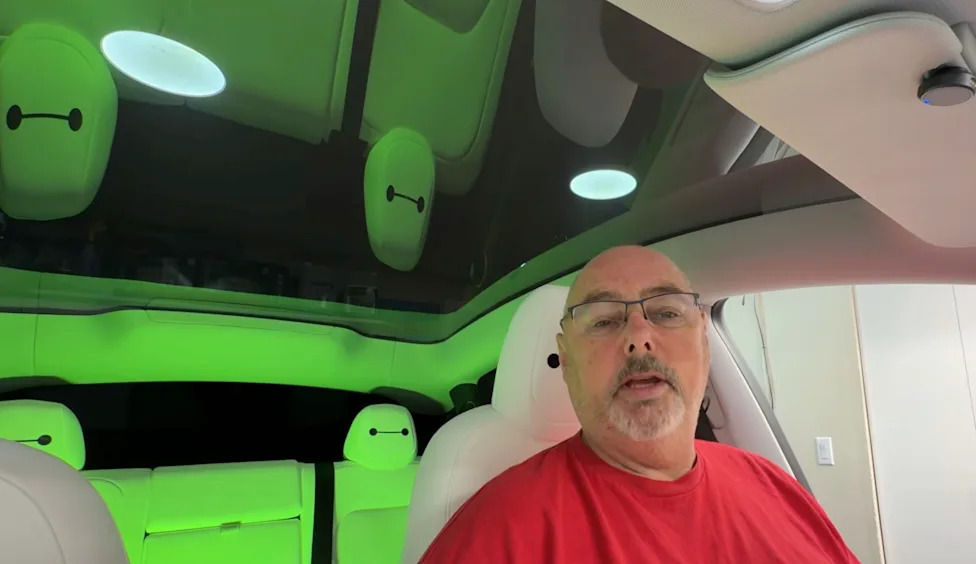



















Photo Credit: YouTubeHeavy use of fast chargers is often treated as a worst-case scenario for electric vehicle battery health.In one real-world example, though, a Tesla Model Y covered 16,000 miles in about six months and still delivered a battery result that beat the owner's expectations, as InsideEVs detailed.What happened?BCTESLAGUY (@BCTeslaGuy) shared the battery test on his YouTube page.As he shared, over the vehicle's first six months, he logged more energy from DC fast charging than from AC charging at home. The totals came to 2,888 kilowatt-hours from DC fast chargers and 2,588 kWh from AC, InsideEVs noted.AdvertisementAdvertisementAfter 16,000 miles, a thorough battery test rated the pack at 99% health, better than the roughly 96% to 97% result the owner had been expecting.The overnight test, which drains the battery and then recharges it to full on AC power, also showed 326 miles of range at 100% charge. That is the same as when the SUV was new. The car's nominal full-pack figure was 82.8 kWh, unchanged from the previous test, though the cell imbalance increased from 16 mV to 30 mV.As InsideEVs described it, the owner pointed to a couple of habits that may have helped. For one, the battery was warmed up before fast charging. Another move was to ensure the state of charge was typically kept in a middle range, generally above 35% and capped at around 75%.Why does it matter?Battery degradation remains one of the biggest concerns for drivers considering an EV, especially those who expect to rely on public fast charging for daily use.AdvertisementAdvertisementStrong battery retention can help preserve usable range and support resale value. It also echoes InsideEVs' point that charging behavior may matter more than simply avoiding fast chargers.The test aligns with findings from battery experts, according to InsideEVs. Packs tend to lose capacity fastest when new and then slow down, while staying away from very high and very low charge levels can ease stress on the battery.The battery's resiliency is good news for Tesla owners and the brand. While the company struggled with sales in 2025, resilient batteries can keep current drivers happy, preserve the appeal for drivers considering used vehicles, and attract new buyers.What can I do?This single test does not settle the fast-charging debate, but it does offer a useful playbook. AdvertisementAdvertisementInsideEVs suggested that preconditioning before DC fast charging, steering clear of very low battery levels, and saving 100% charges for long trips may help limit wear over time.Charging at home is also significantly cheaper than relying on public chargers, potentially saving hundreds of dollars. Qmerit is a great partner if you're interested in installing a Level 2 EV charger and offers free, instant installation estimates.Installing solar panels can increase those savings even more, since charging with your own electricity is cheaper than using public stations or drawing power from the grid. EnergySage can make it easy to find the right setup for you by compiling quotes from vetted installers, so you can maximize savings on your installation.Get TCD's free newsletters for easy tips, smart advice, and a chance to earn $5,000 toward home upgrades. To see more stories like this one, change your Google preferences here.