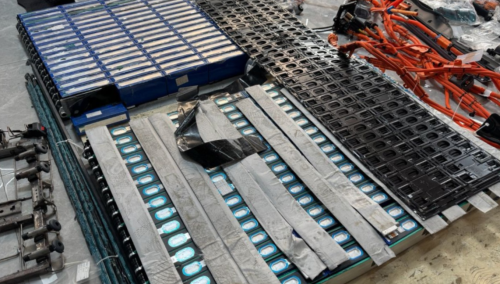
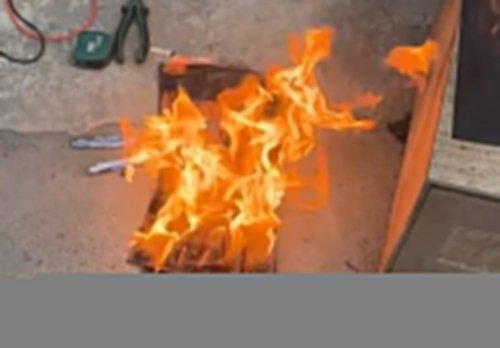
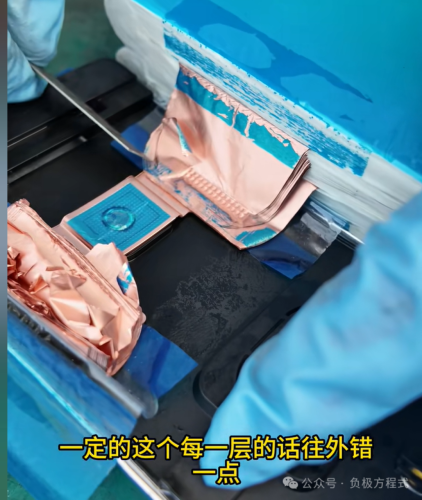
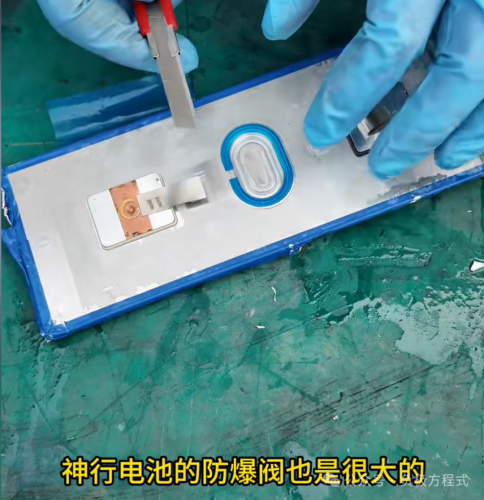
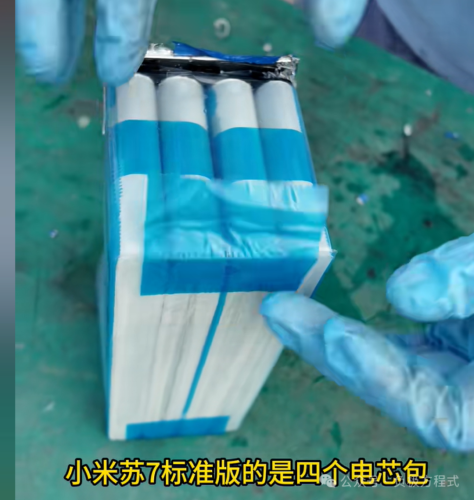
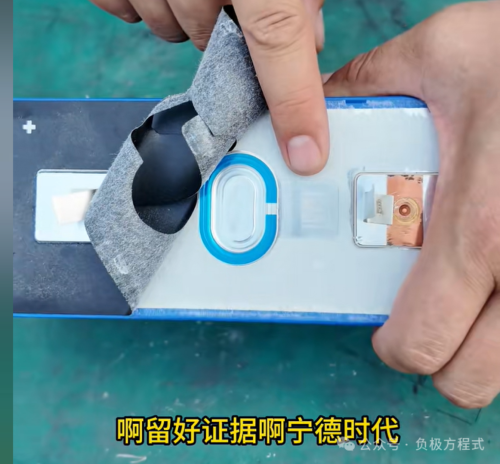
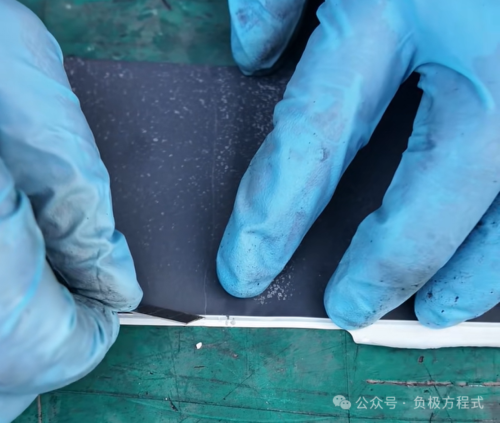
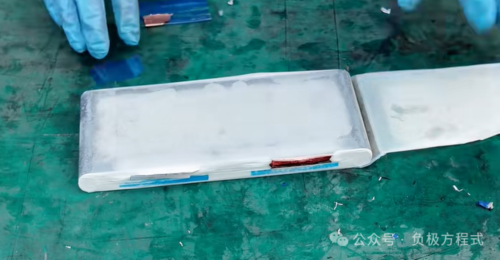
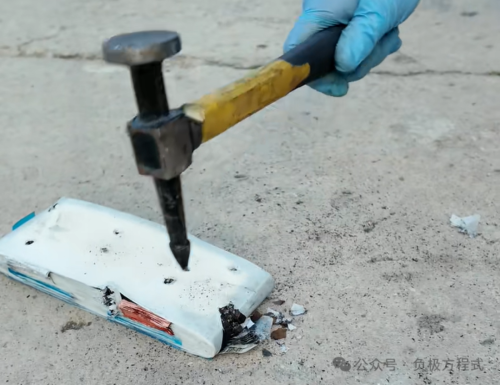
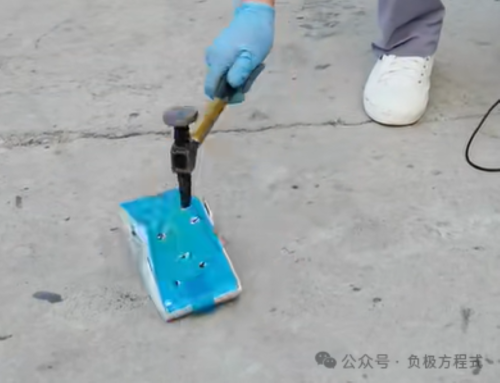
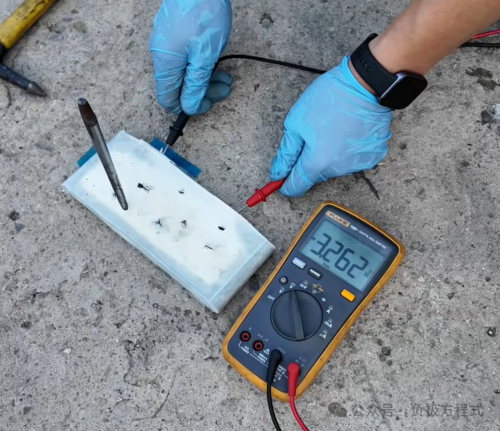
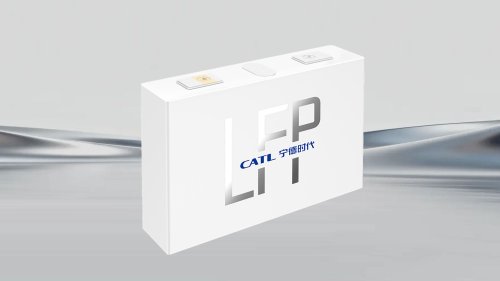
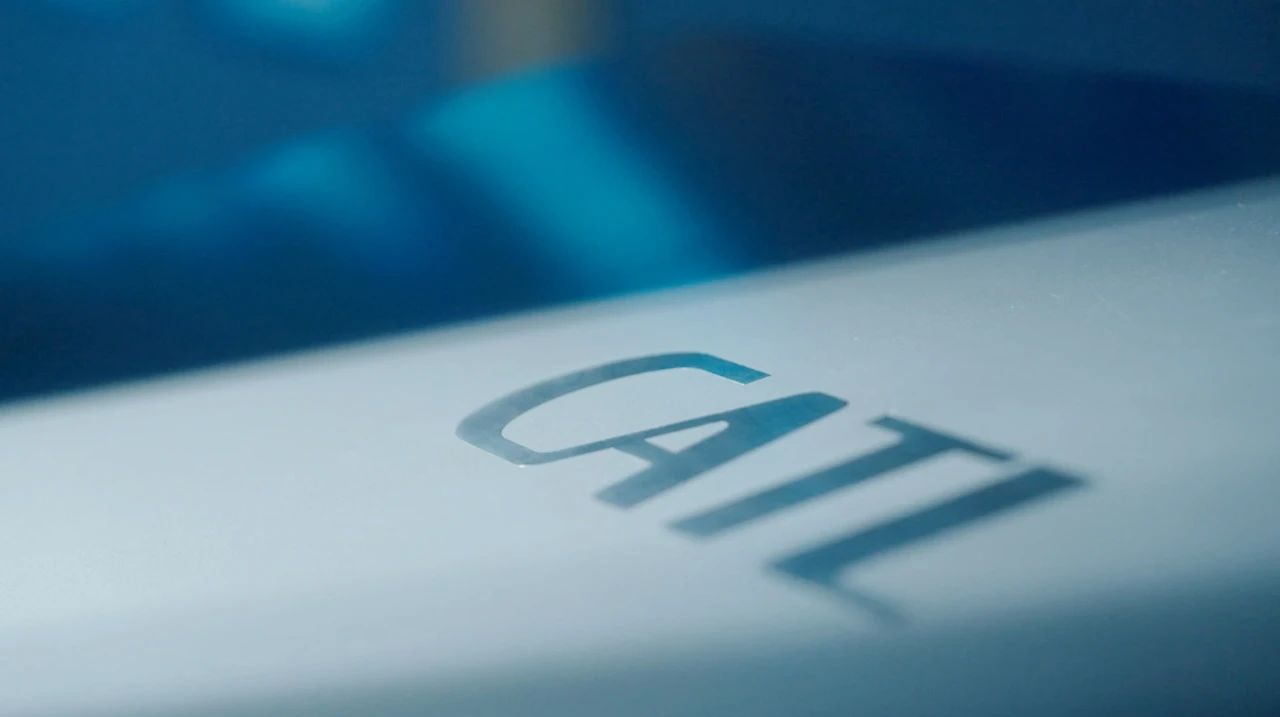
CATL 186.7 Ah LFP cell from the Xiaomi SU7 Standard Edition after teardown. Credit: Fuji Fangchengshi Understand China EV’s Market Real-time notifications when critical EV data is released All important data in one place 2,000,000+ data points Become a member An independent teardown of a 186.7 Ah CATL Shenxing LFP cell used in the Xiaomi SU7 Standard Edition has revealed its internal construction and provided a physical comparison with a same-capacity FinDreams battery cell from BYD. Measurements recorded during the teardown showed the CATL cell to be heavier and less energy-dense than the FinDreams cell. Its internal construction also included four winding cores, a thickened positive current-collector foil and a ceramic-coated separator. The teardown was conducted by independent automotive repair technician Aichi New Energy as Cell #21 in its 100 Cell Teardown Project. The video was published on Bilibili on August 7, 2026. The technician cut open the cell, measured its internal components and subjected a fully charged cell to more than 20 steel-nail penetrations before carrying out mechanical crushing and bending tests. CATL cell is heavier Both cells have a rated capacity of 186.7 Ah, but their physical dimensions and energy-density figures differ. The CATL cell measured 213 mm long, 80 mm wide and 95 mm high, with a mass of 3.4 kg. The FinDreams cell measured 620 mm long, 24 mm wide and 103 mm high, with a mass of 3.2 kg. Based on the teardown measurements, the CATL cell has a calculated gravimetric energy density of 175.7 Wh/kg, compared with 186.7 Wh/kg for the FinDreams cell. That puts the CATL cell 6.3% lower on gravimetric energy density despite the identical rated capacity. Its calculated volumetric energy density was also lower, at 369.0 Wh/L compared with 389.8 Wh/L for the FinDreams cell. The CATL cell was 8 mm shorter than the FinDreams cell, but its dimensions gave it a wider cross-section. These figures describe the individual cells rather than the complete battery packs. The cell ignited after its internal layers were forcibly separated during the subsequent teardown. Four-core design Inspection of the CATL cell revealed four internal winding cores, or jelly rolls, housed inside a single hard aluminium casing. The cores were arranged in pairs with an insulating bottom tray. The FinDreams cell uses a different internal architecture. Rather than four-wound jelly rolls, the 186.7 Ah blade-shaped cell uses a laminated stacking process, with alternating electrode and separator layers arranged inside its long aluminium casing. Its 620 mm-long, 24 mm-wide form factor differs substantially from the shorter, wider CATL cell, giving the two cells distinctly different internal layouts despite their identical rated capacity. The CATL cell’s terminals and explosion-proof valve were integrated into the top cap assembly. According to the teardown, the cell is mounted in an inverted orientation in the vehicle battery pack, with the venting facing the bottom of the pack. The CATL cell’s positive current collector used aluminium foil thicker than 20 micrometres, while the negative collector used 11-micrometre copper foil. The technician also measured a separator approximately 12 micrometres thick with a double-sided ceramic/polymer composite coating. The cathode material covered about 78 mm of an 81 mm-wide collector, leaving an approximately 2 mm uncoated margin along the edges. These measurements and structural observations apply to the cells examined in the teardown and do not establish identical construction across all CATL or FinDreams cells or production batches. Nail test produced smoke The most visible abuse test involved more than 20 steel nails driven through the CATL cell. The technician said the cell was fully charged and recorded a voltage of 3.392 V during the test. The cell discharged electrically and generated smoke during the test, but the technician did not observe an open flame or explosion. A subsequent stage of the teardown involved removing the cell’s aluminium casing and mechanically separating the internal winding layers. During that process, the extracted cell material ignited after the internal layers were forcibly torn apart. The two events occurred under different conditions. The nail test was performed on the assembled cell, while the latter fire occurred during deliberate mechanical destruction of the exposed internal cell structure. The teardown does not establish that the nail penetrations themselves caused the later ignition. The nail test and subsequent mechanical disassembly were workshop procedures, not certified laboratory testing conducted in accordance with GB 38031-2025. The observations cannot be used to determine pack-level thermal-propagation performance, crash safety or compliance with China’s mandatory traction-battery safety requirements. We previously reported on a BYD Blade battery pack teardown that included a 40-hour freezing process and a subsequent technical discussion of the dismantling method. On August 10, Chinese authorities named a blogger in a national enforcement case involving online disputes over technical claims for BYD Blade Battery 2.0. Those cases provide a broader context for scrutiny surrounding public battery testing, but do not establish the safety performance of the CATL cell examined here. One cell is not the pack The teardown involved a single CATL cell taken from a Xiaomi SU7 Standard Edition battery pack. Its measurements and workshop test results apply to that sample. The technician also did not chemically analyse the cell’s electrolyte, binder or graphite composition. The findings are limited to the physical construction and behaviour observed during the teardown. The comparison with the FinDreams cell shows measurable differences in mass, dimensions and calculated energy density between the two 186.7 Ah cells. The CATL sample weighed 200 grams more and had lower calculated gravimetric and volumetric energy density, while its internal examination revealed a four-core construction and other measured component characteristics. More than 20 nails were driven through the fully charged CATL cell during the workshop test. Most important news in your inbox. Recaps · scheduled All you need, in one email. Instant alerts · real-time Ping me when an article goes live. 0 of 27 topics selected Bundle into one email per day — instead of one email per article No spam · Unsubscribe with one click · Change settings anytime



















 +12 others













































![BYD's $10,000 EV has a big sibling on the way: First look [Images]](https://cdn.topcarnews.net/thumb/id/aHR0cHM6Ly9pMC53cC5jb20vZWxlY3Ry-ZWsuY28vd3AtY29udGVudC91cGxvYWRz-L3NpdGVzLzMvMjAyNi8wOS9CWUQtR3Jl-YXQtU2VhZ3VsbC1FVi1maXJzdC1sb29r-LmpwZWc_dz0xNTAwJmFtcDtxdWFsaXR5-PTgyJmFtcDtzdHJpcD1hbGwmYW1wO3Nz-bD0x/4dd4fa96cdf12559891b44c0ae18cc65.jpeg?t=20260922&post_id=64341)