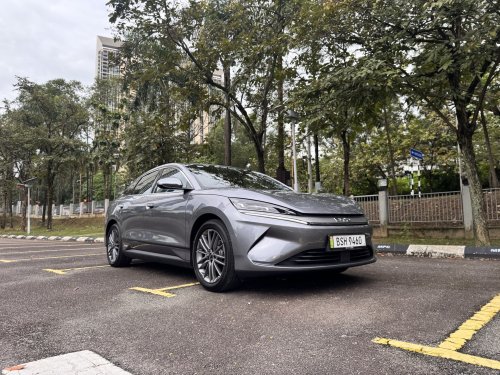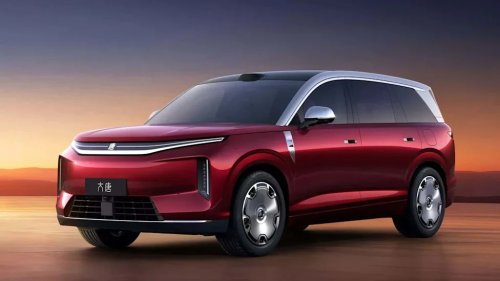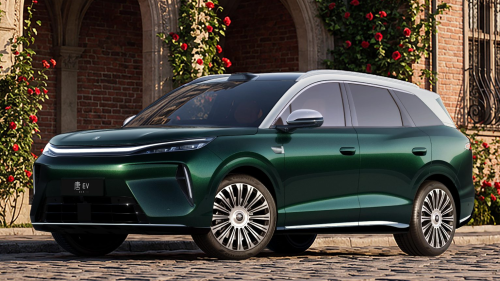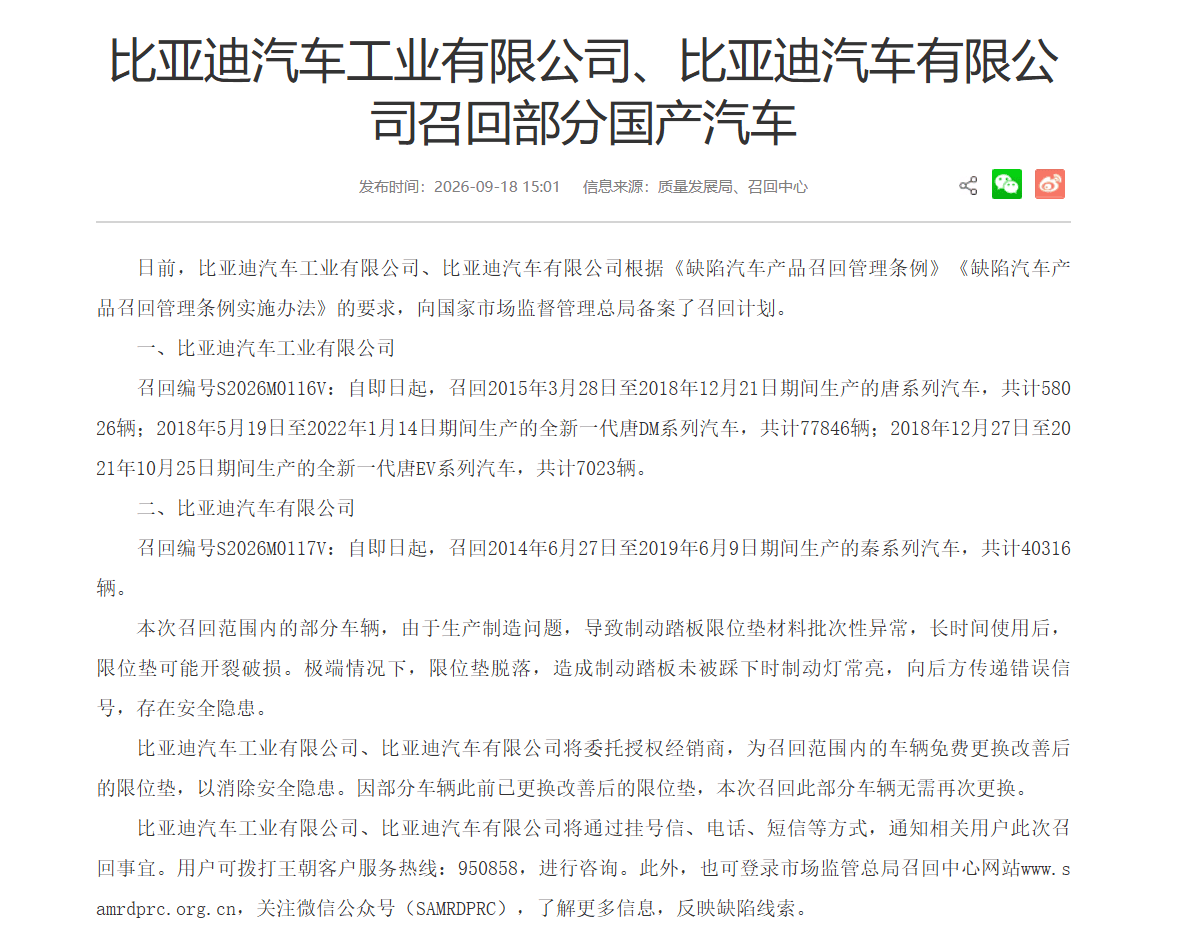

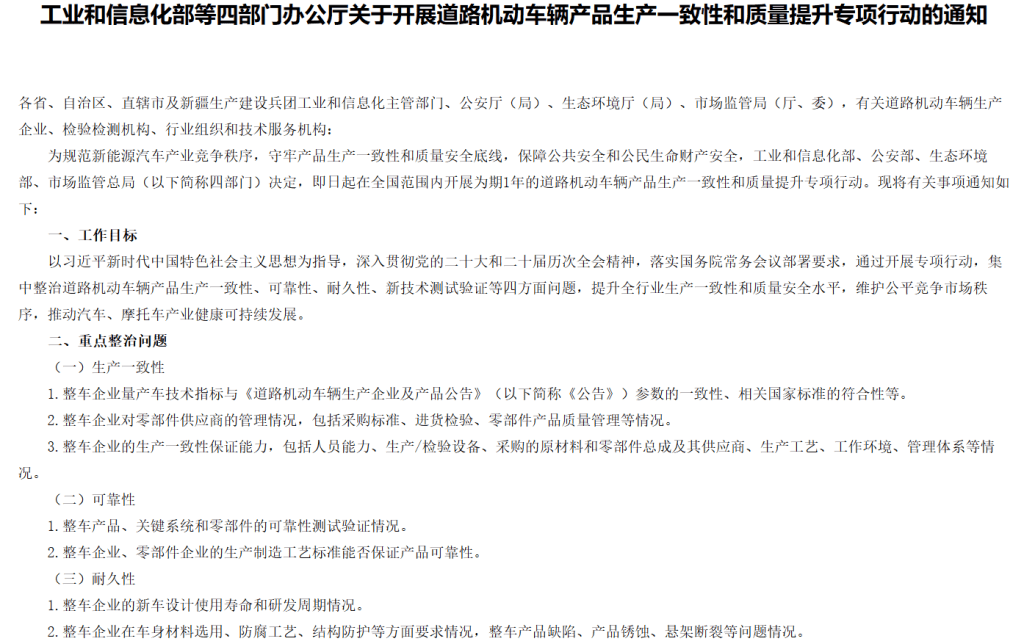



















BYD has filed a recall plan with China’s State Administration for Market Regulation (SAMR) covering 183,211 locally produced vehicles over a potential brake pedal stopper defect. The recall involves certain Tang-series models, the second-generation Tang DM, the second-generation Tang EV produced by BYD Auto Industry Co., as well as some Qin-series models made by BYD Auto Co. Official notice of BYD’s recall of 183,211 vehicles The affected vehicles include 58,026 Tang-series units produced between March 28, 2015 and Dec. 21, 2018; 77,846 second-generation Tang DM units built between May 19, 2018 and Jan. 14, 2022; and 7,023 second-generation Tang EV units produced between Dec. 27, 2018 and Oct. 25, 2021. BYD Auto Co. will also recall 40,316 Qin-series vehicles manufactured between June 27, 2014 and June 9, 2019. The recall was triggered by a manufacturing issue involving abnormal batches of brake pedal stopper materials. BYD Tang DM-i After extended use, the stopper may crack or break. In extreme cases, it could detach, causing the brake lights to remain on even when the brake pedal is not pressed. This could send incorrect signals to following vehicles and create a potential safety risk. BYD will ask authorized dealers to replace the brake pedal stoppers with improved parts free of charge for affected vehicles. Vehicles that have already received the upgraded component do not require further action. The recall comes as Chinese consumers have become increasingly focused on vehicle defects and safety issues following several EV-related quality incidents in the domestic market this year. A partial excerpt of the official notice Regulators have also stepped up oversight. In late August, China’s Ministry of Industry and Information Technology, Ministry of Public Security, Ministry of Ecology and Environment, and SAMR jointly launched a one-year campaign targeting vehicle production consistency and quality improvement. The initiative focuses on four areas: production consistency, reliability, durability, and validation of new technologies. It also requires automakers to strengthen pre-launch testing and take greater responsibility for vehicle quality.