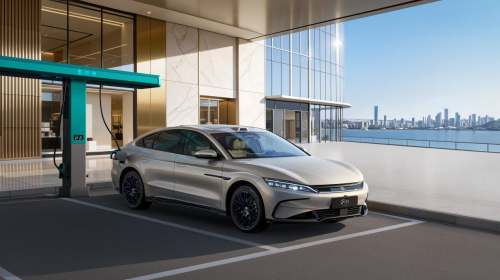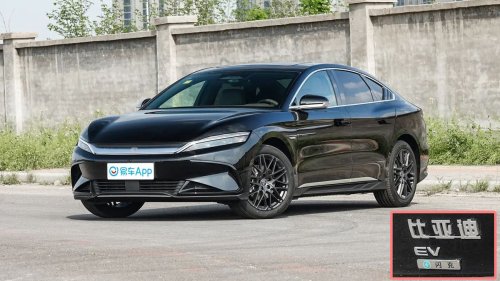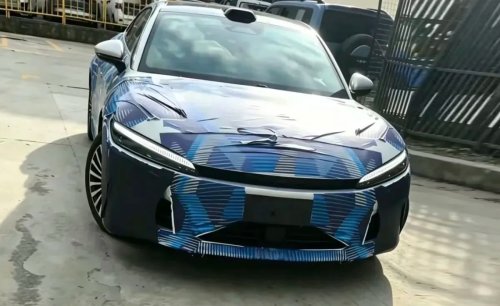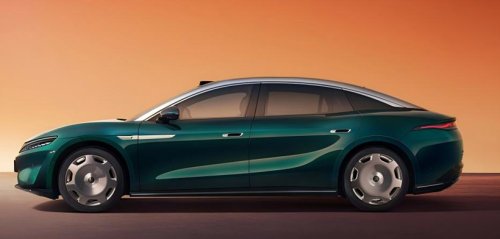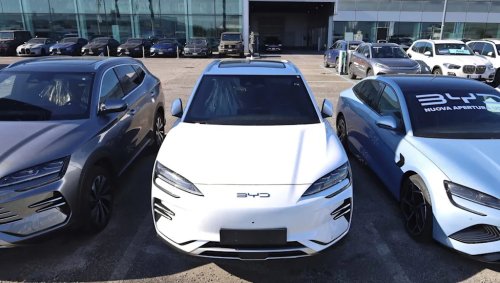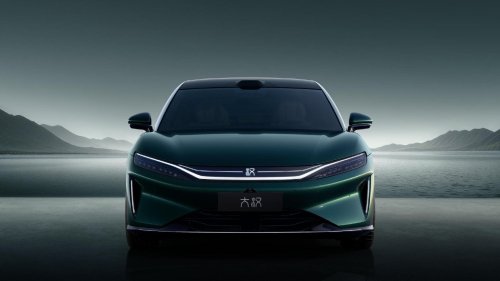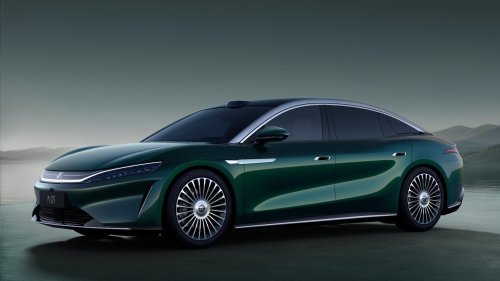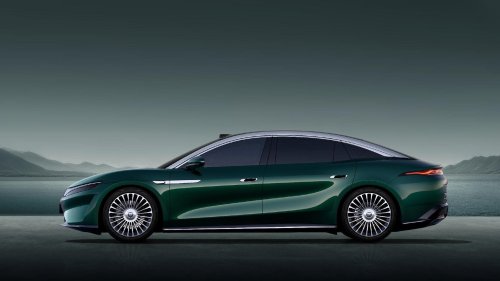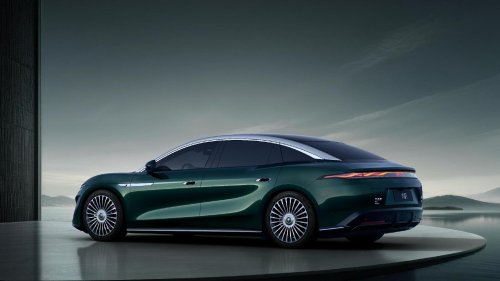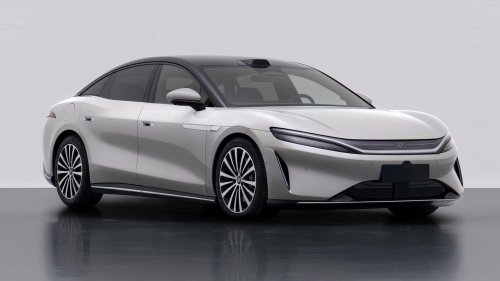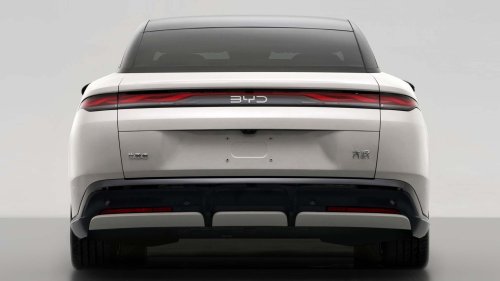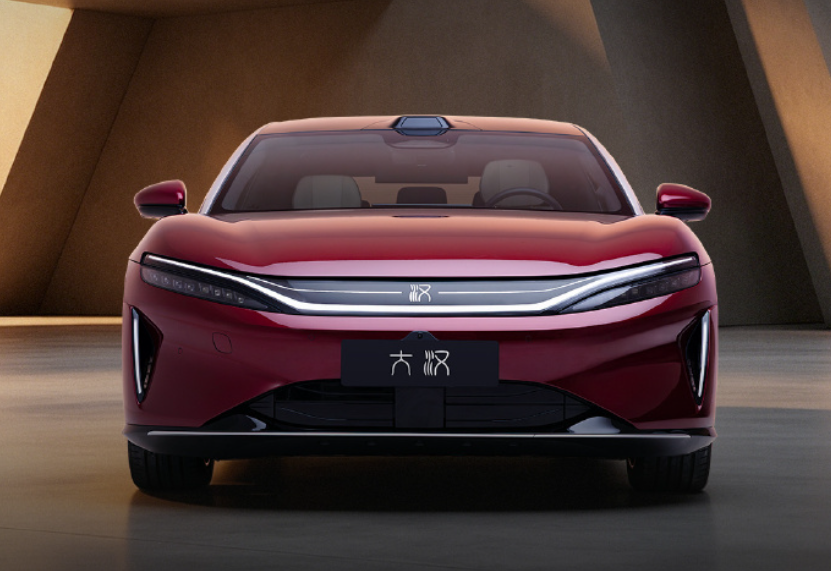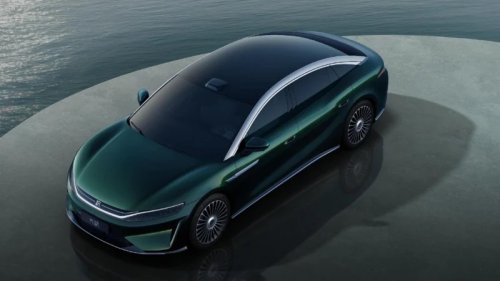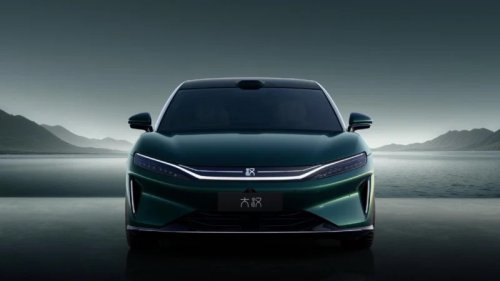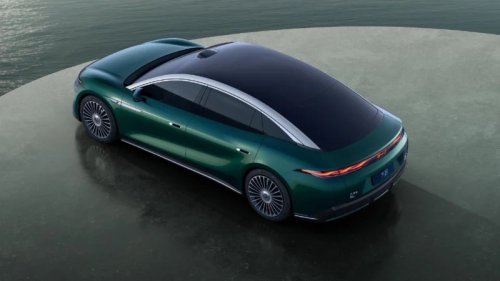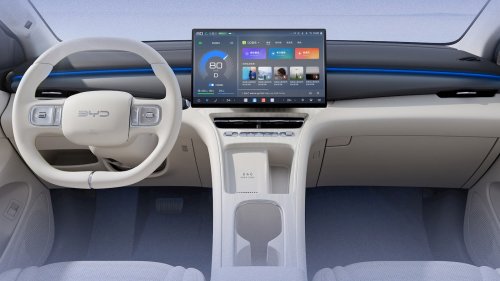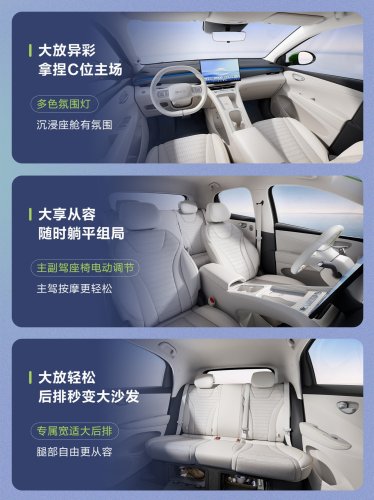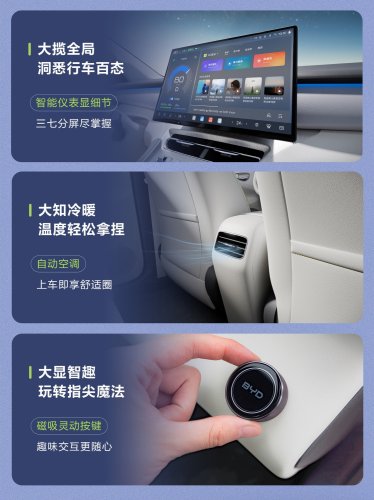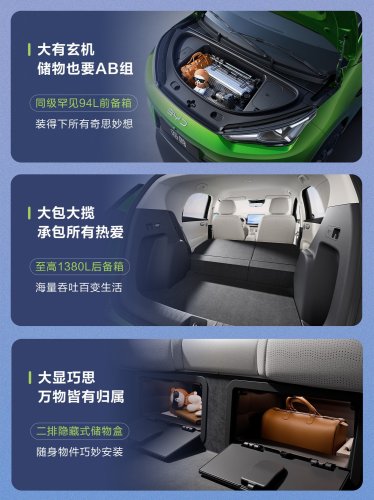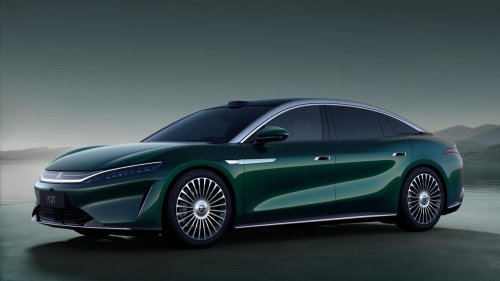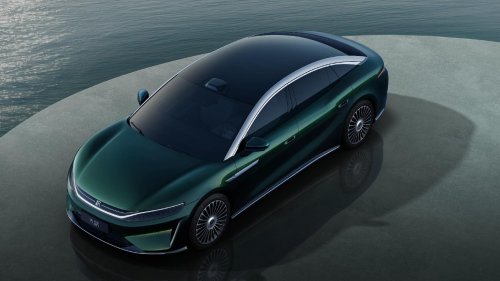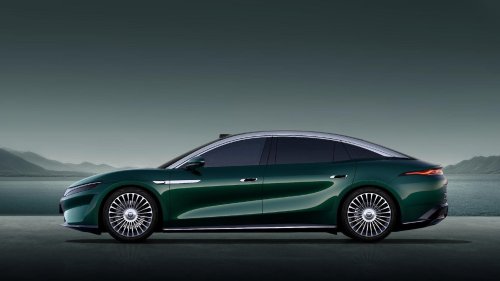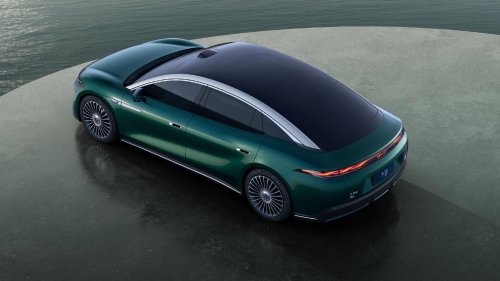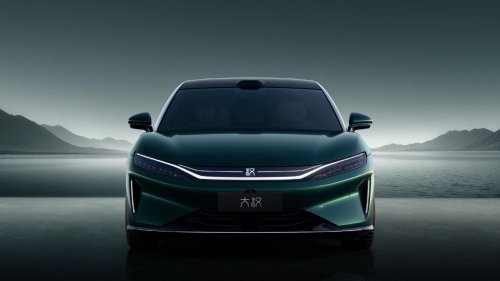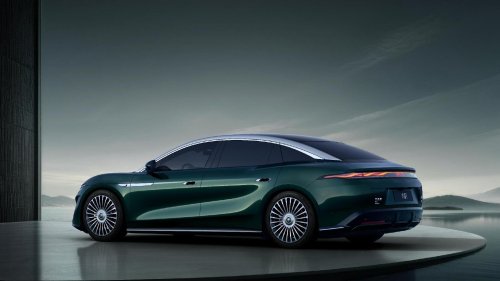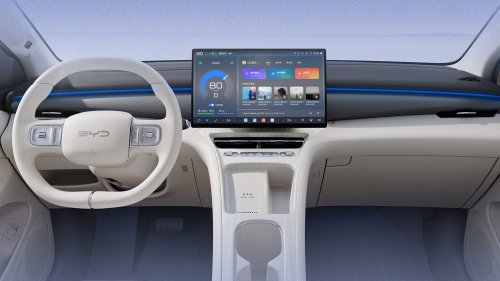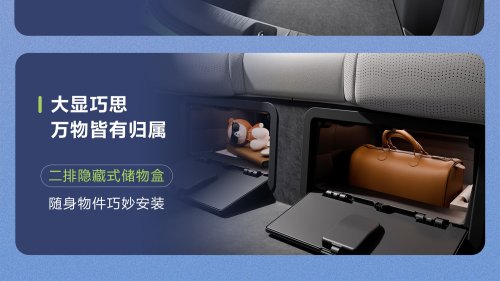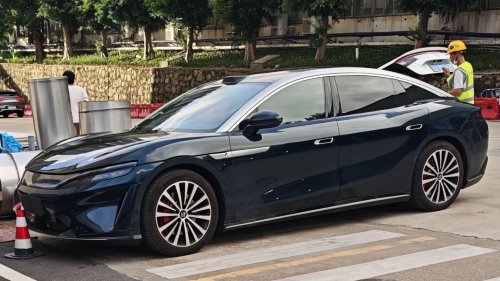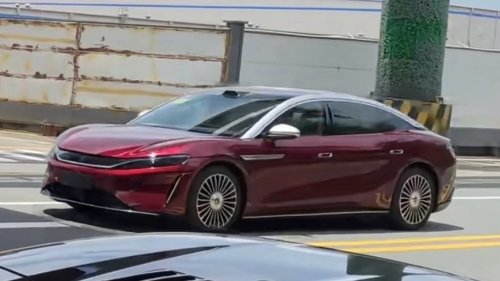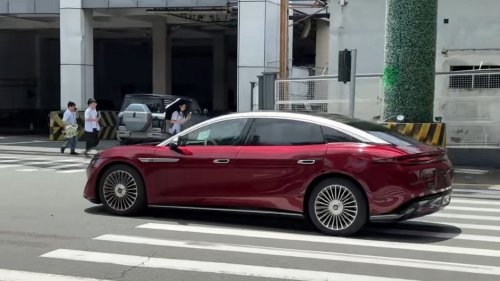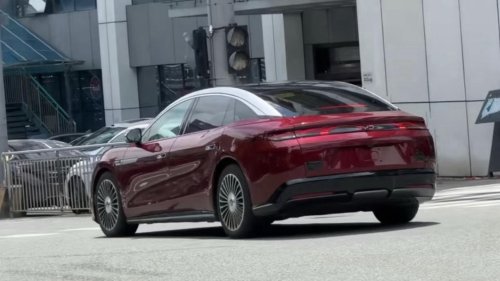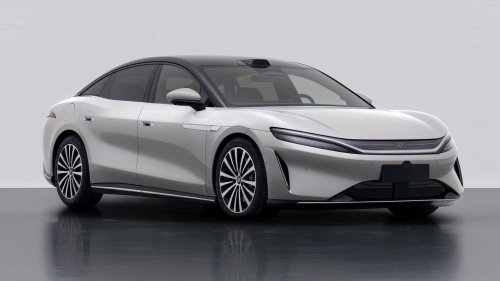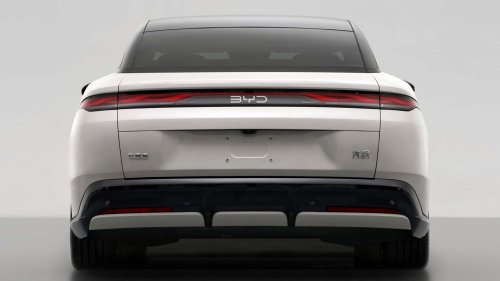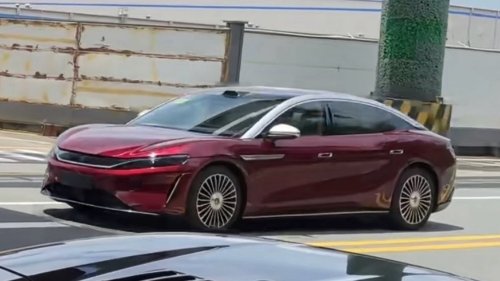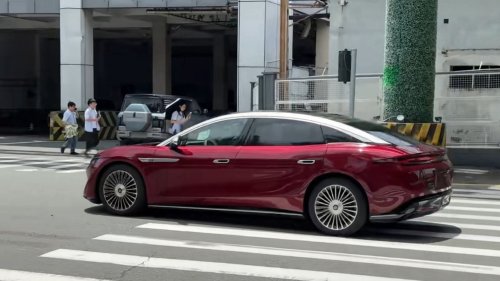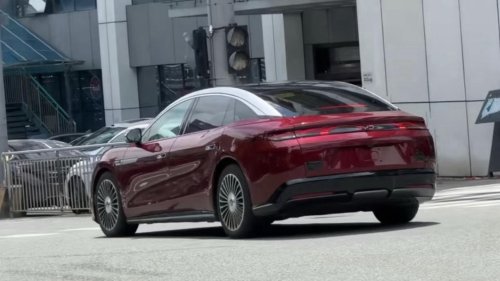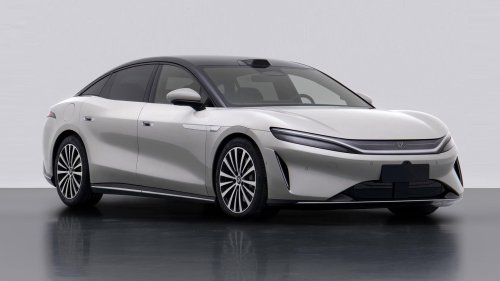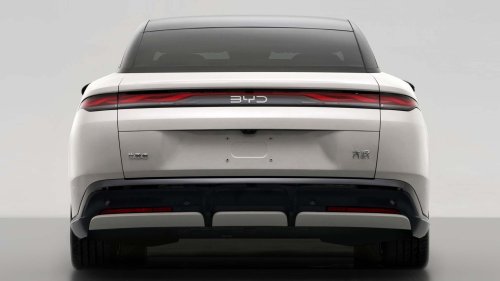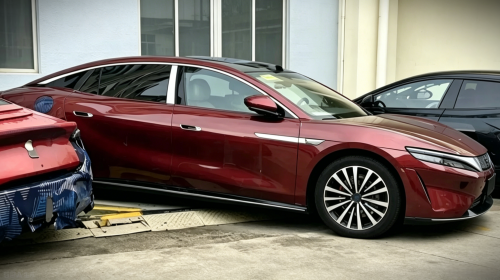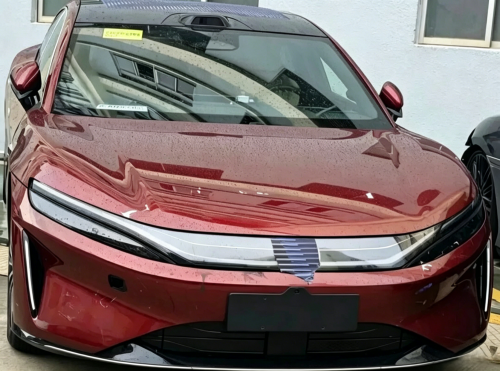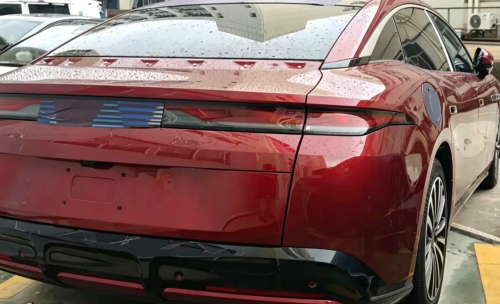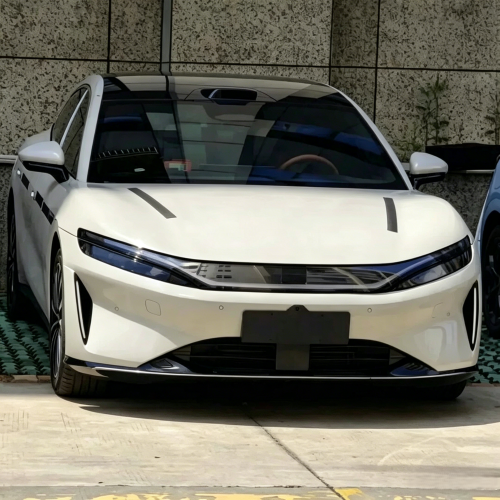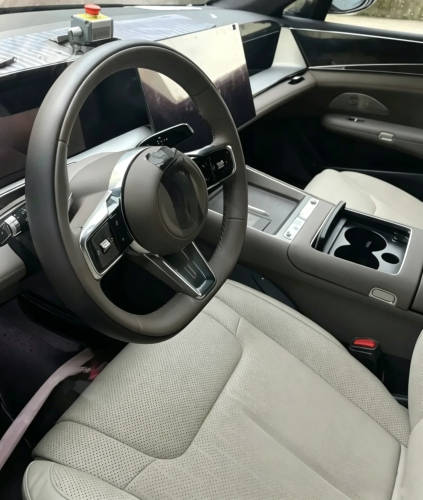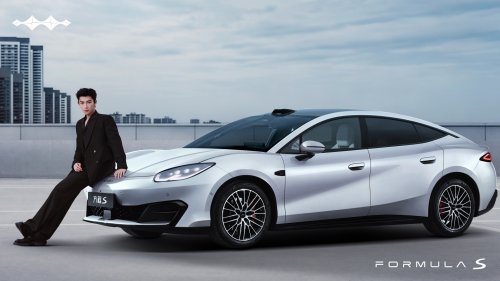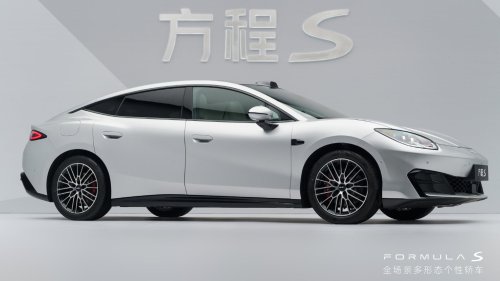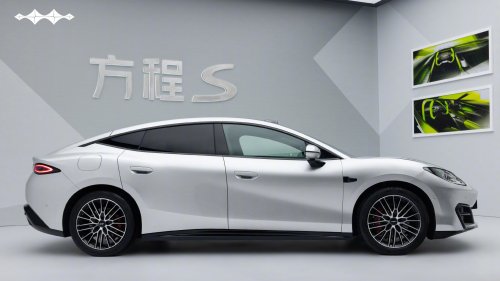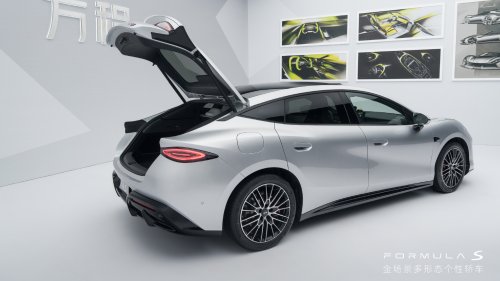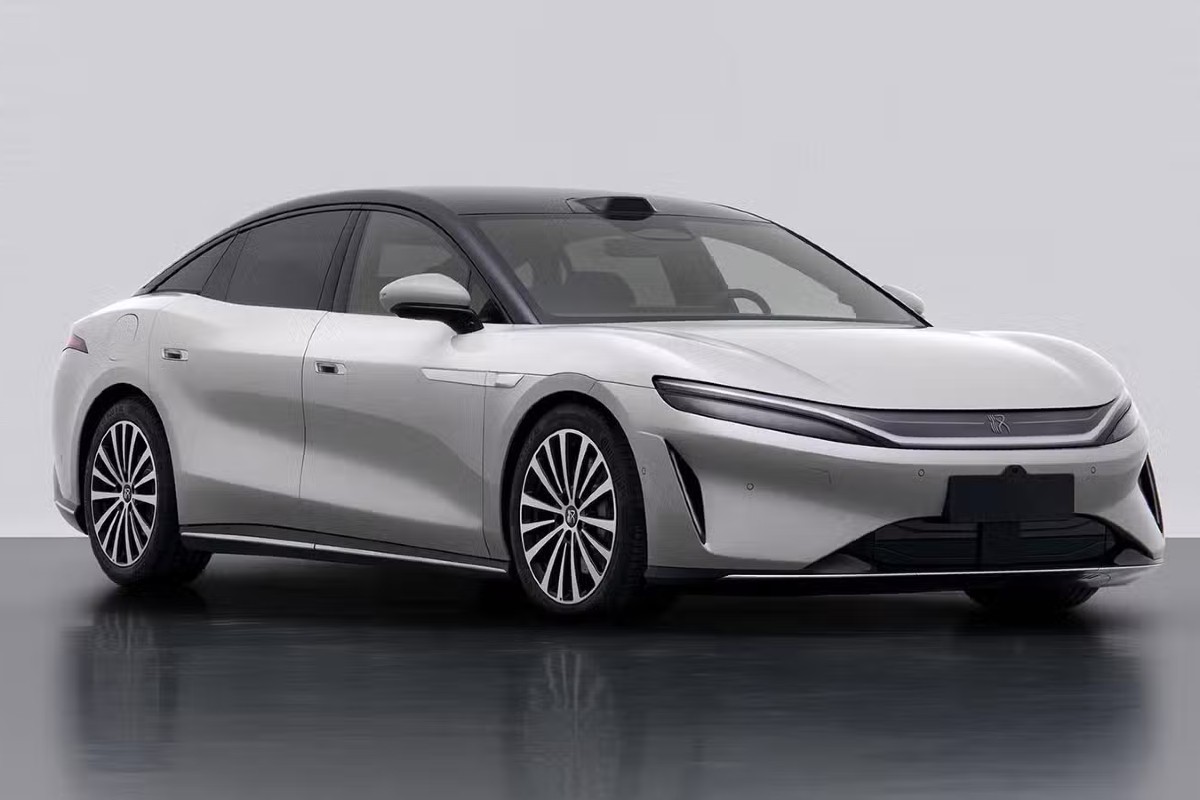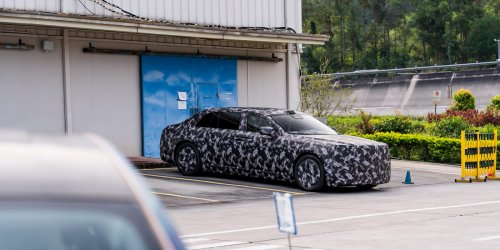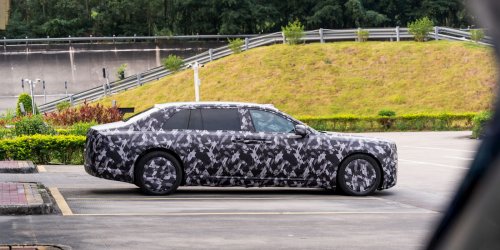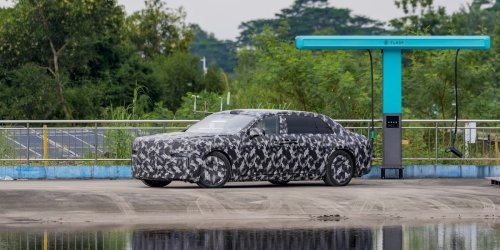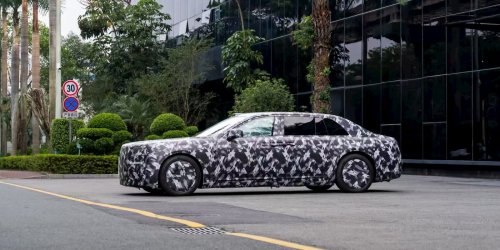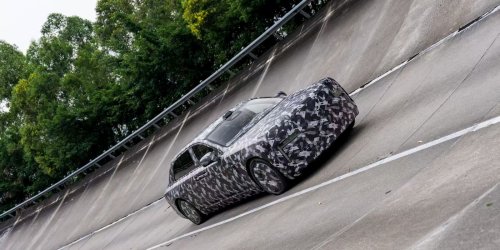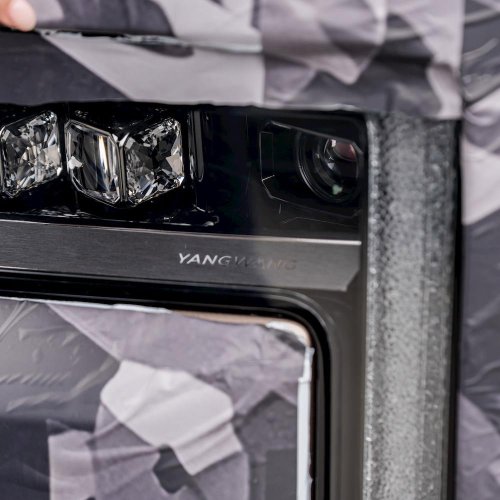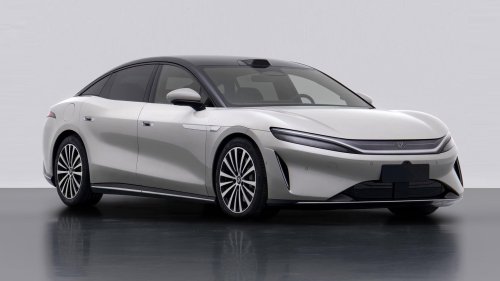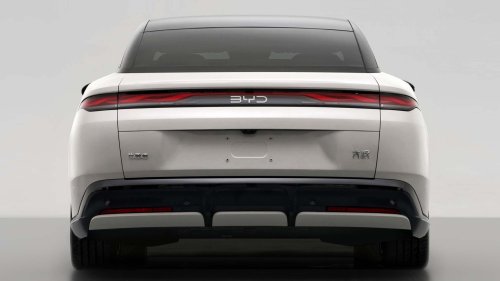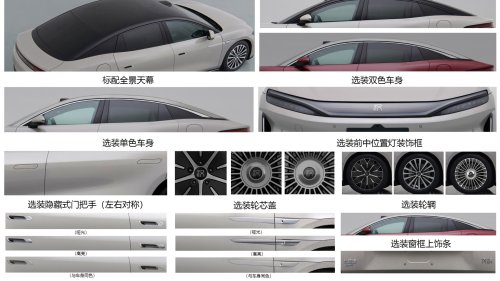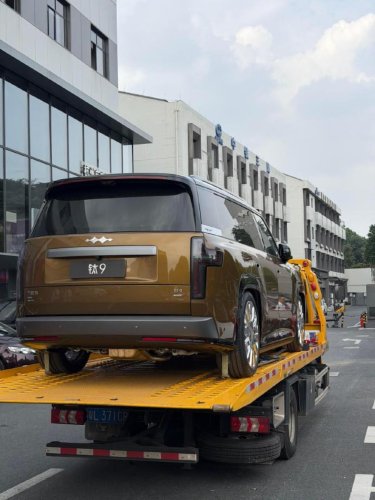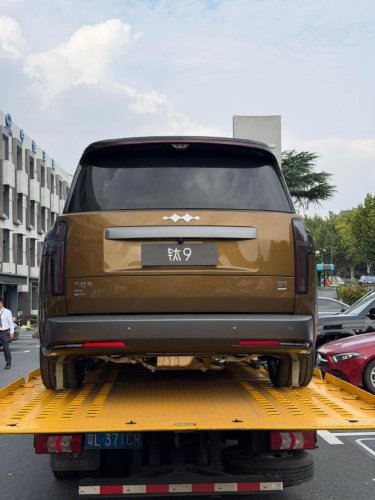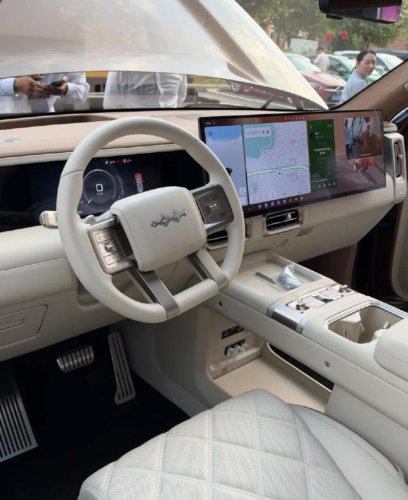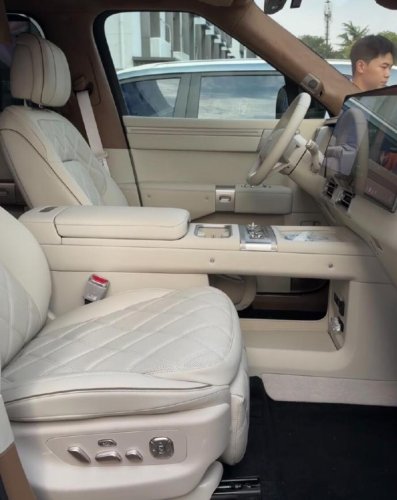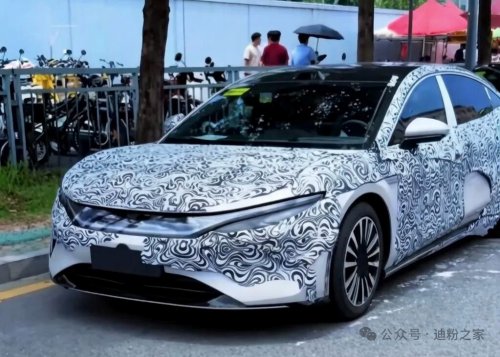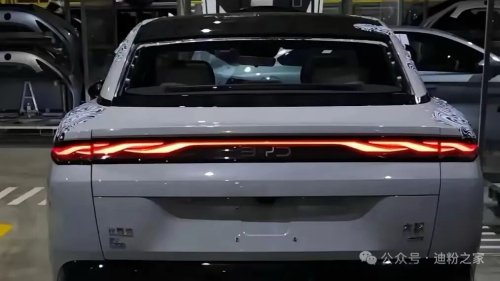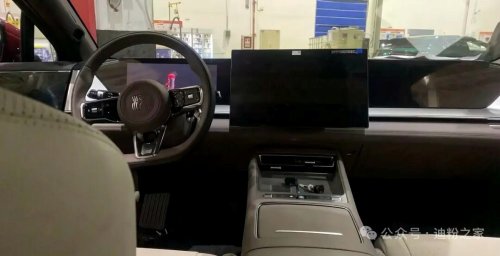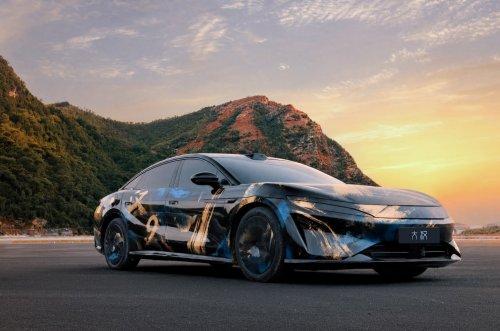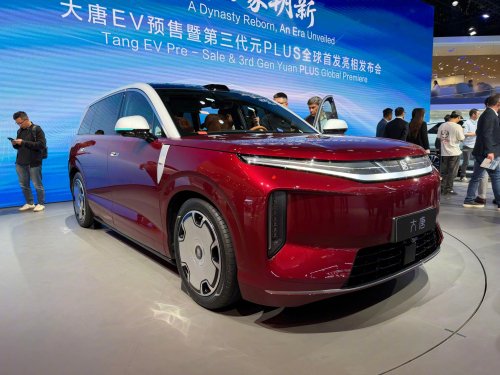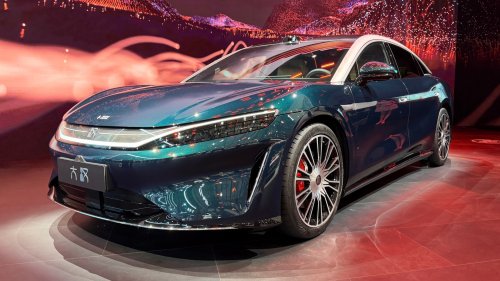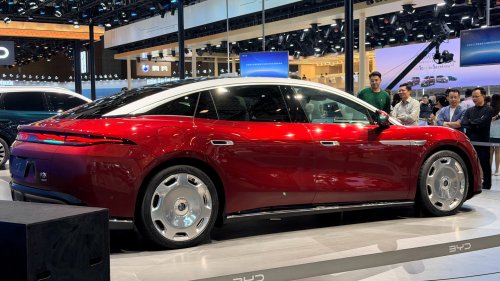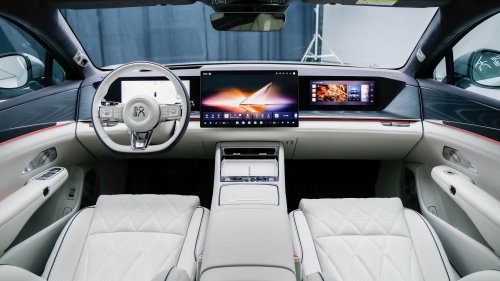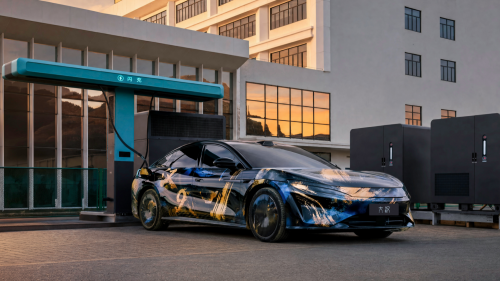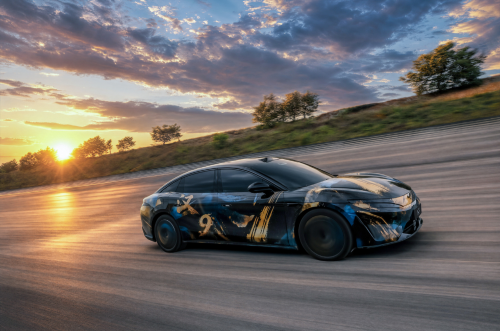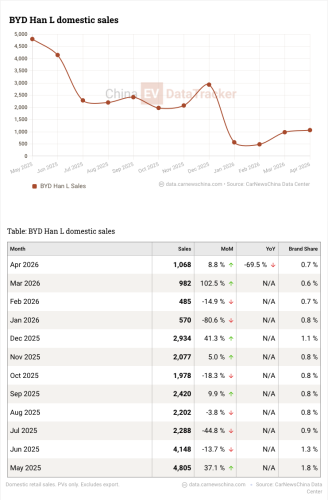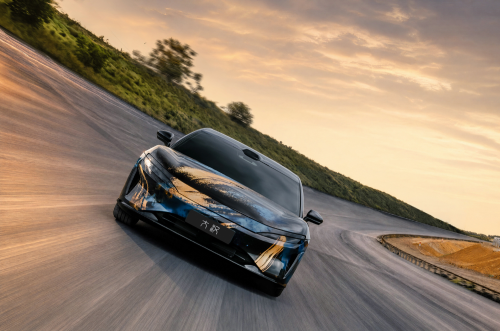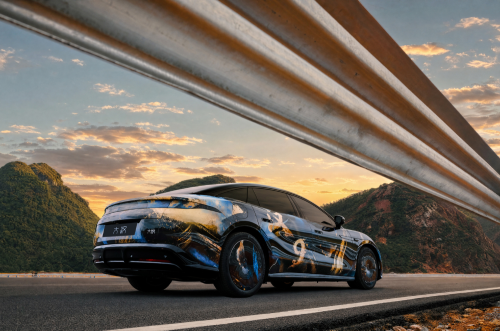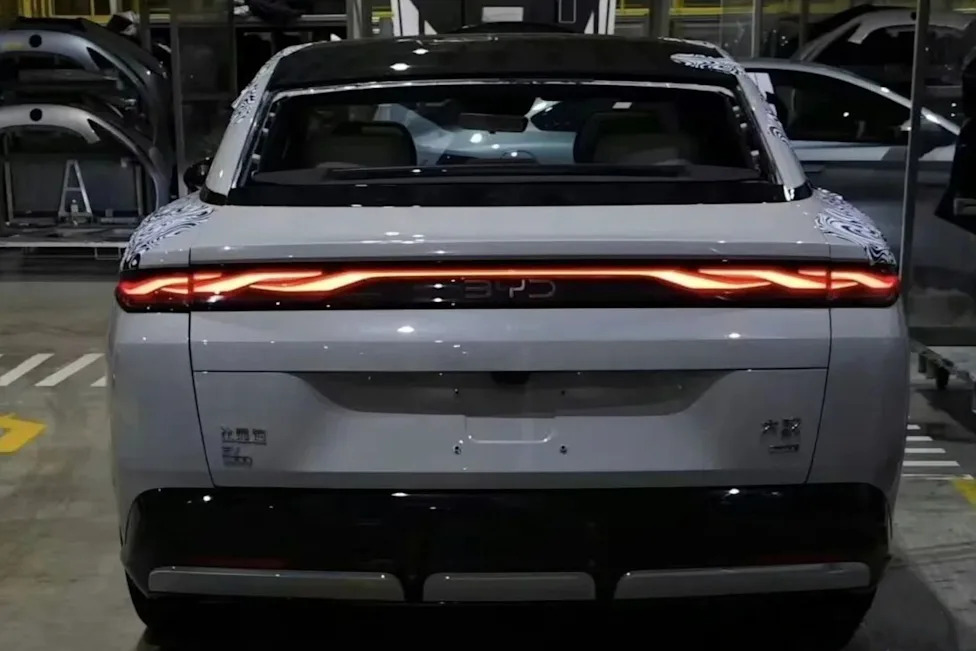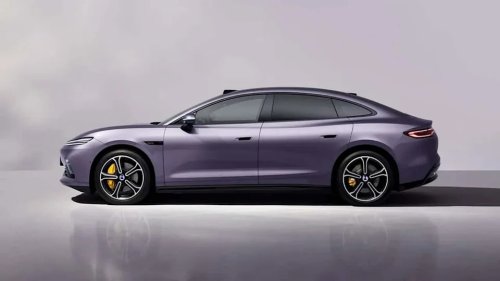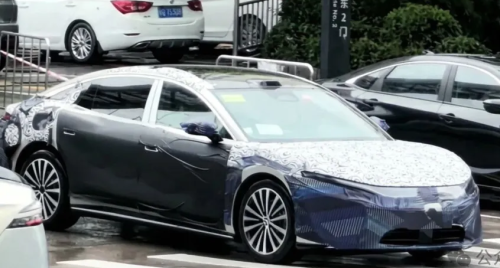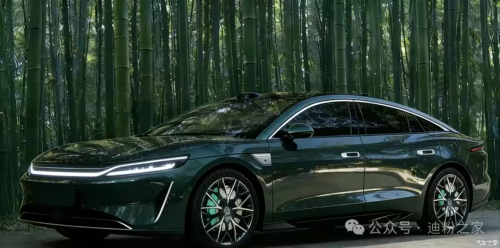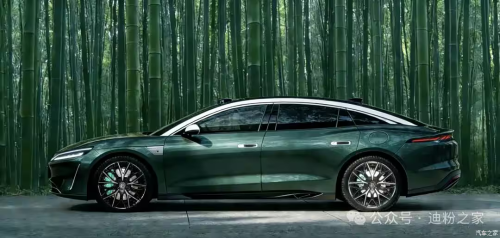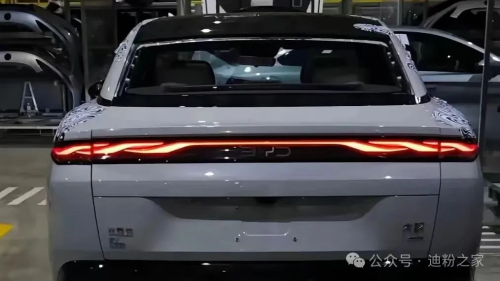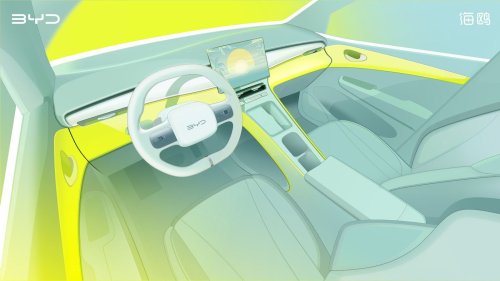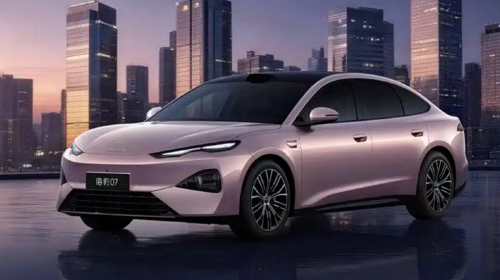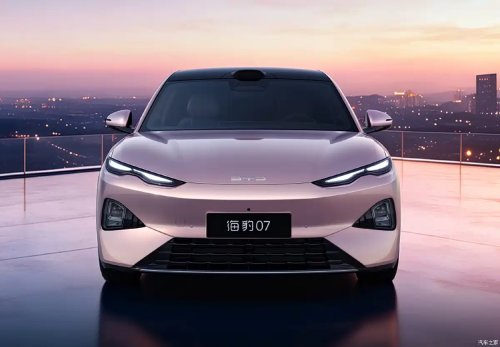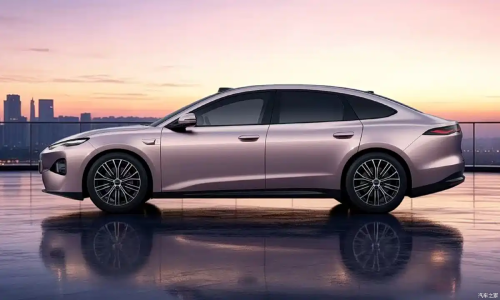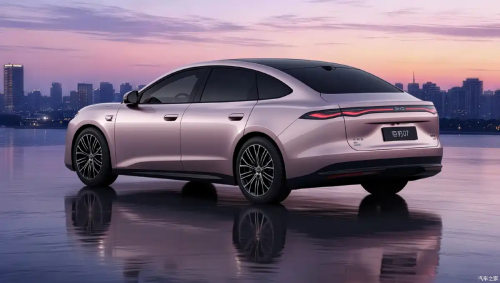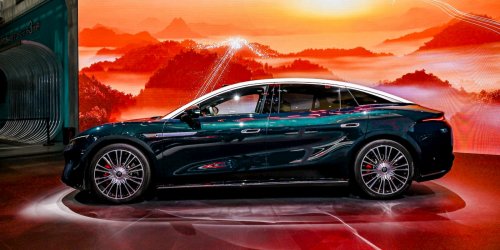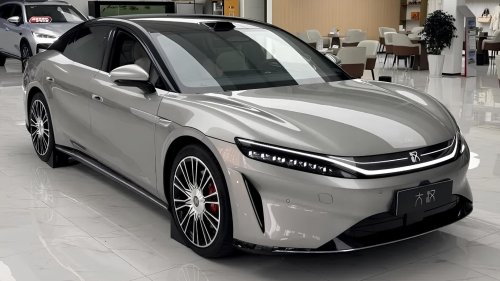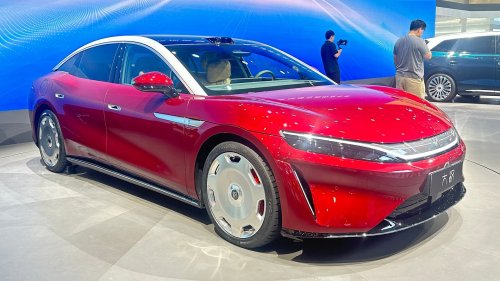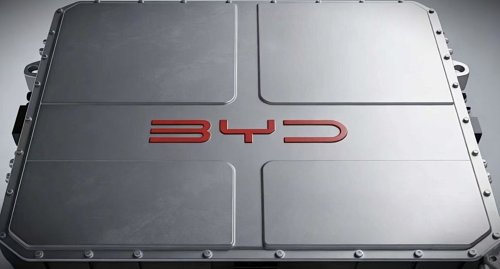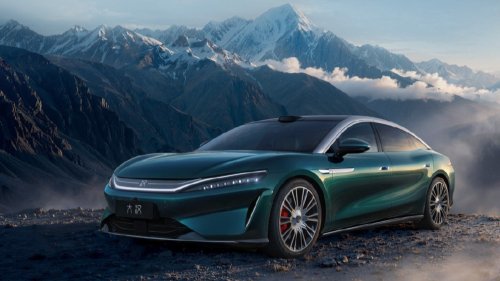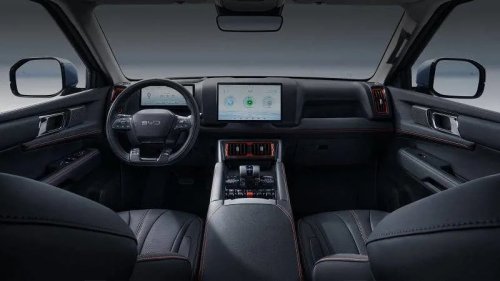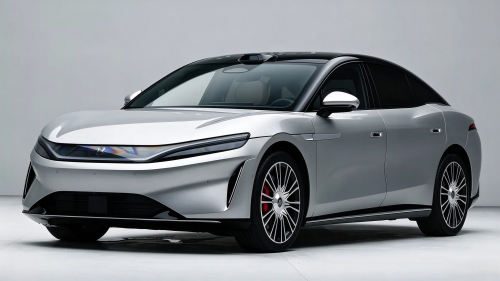
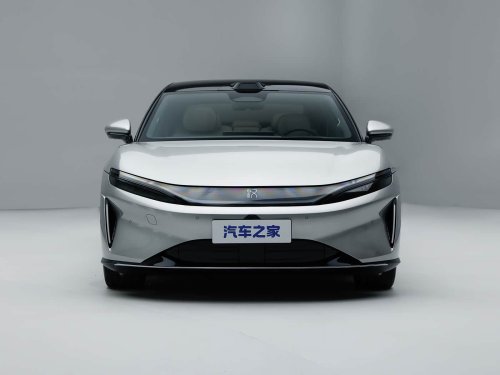
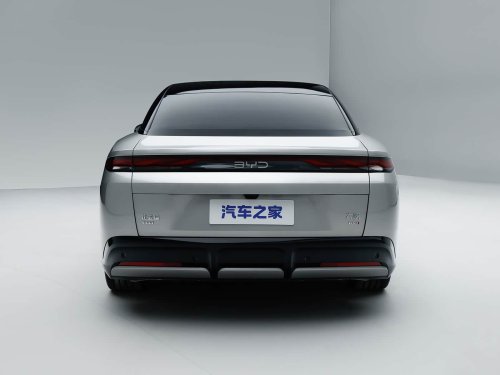
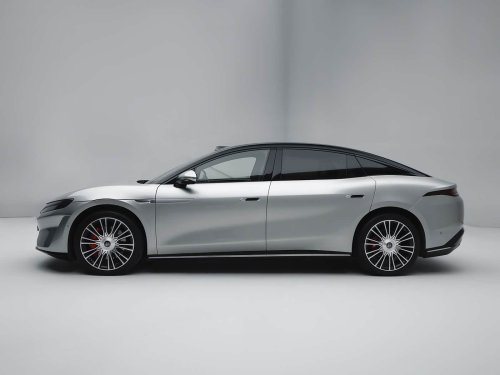
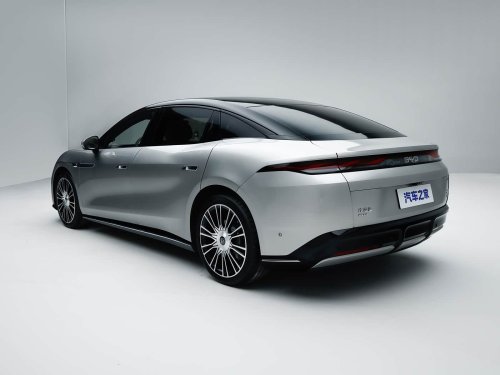
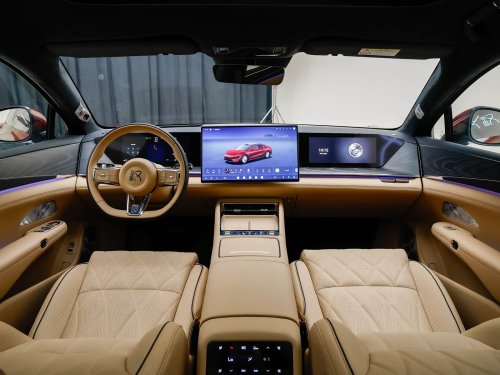
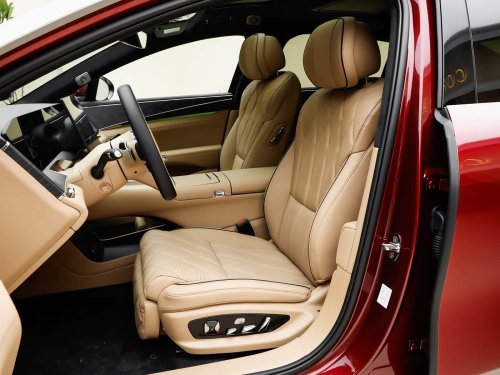
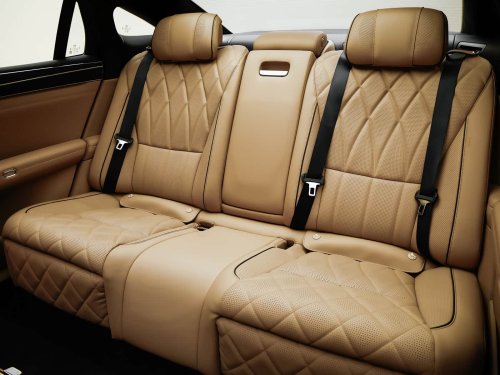
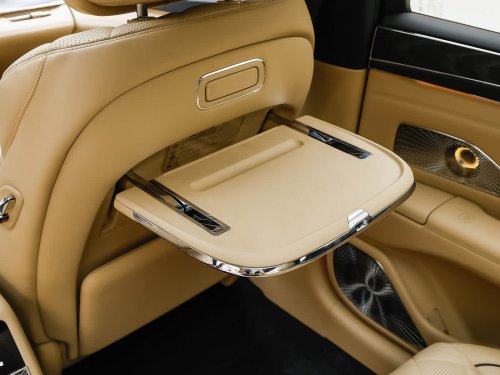



















BYD Da Han EV will launch in China on October 13 with up to 1,008 km of CLTC range. Credit: Autohome BYD will launch the Da Han EV on October 13, 2026. Ahead of the launch, Autohome reported a 0.197 Cd aerodynamic drag coefficient and official energy consumption of 11.5 kWh/100 km for the 1,008-km RWD version. The Da Han opened pre-sales in August at 249,900 to 299,900 yuan (35,300 to 42,400 USD). Customer deliveries are scheduled to begin within two weeks of launch. Aerodynamics and powertrain efficiency The Da Han measures 5,256 mm long, 1,999 mm wide and 1,510 mm tall, with a 3,130 mm wheelbase. Its 0.197 Cd drag coefficient is among the model’s key efficiency figures. All versions use a 102.3 kWh lithium iron phosphate (LFP) second-generation Blade Battery. The EV is offered in three configurations: 1008km RWD Premium: 370 kW (496 hp), 500 Nm, 0–100 km/h in 4.9 seconds, 11.5 kWh/100 km, and 1,008 km CLTC range (approx. 820 km WLTP). 1008km RWD Flagship: It uses the same 370 kW RWD powertrain with additional rear-seat equipment, delivering 1,008 km CLTC range (approx. 820 km WLTP). 880km AWD Flagship: Dual motors producing 570 kW (764 hp) and 910 Nm, 0–100 km/h in 3.3 seconds, 13.1 kWh/100 km, and 880 km CLTC range (approx. 715 km WLTP). The battery can charge from 10% to 97% in nine minutes at compatible high-output charging stations. Standard DiSus-A and ADAS coverage BYD confirmed that chassis and driver-assistance hardware will be standard across the range. Every Da Han has rear-wheel steering and a 4.95-meter turning radius, along with dual-chamber DiSus-A air suspension. Driver assistance uses BYD’s DiPilot system, marketed in China as the God’s Eye 5.0 driver-assistance system. The roof-mounted LiDAR-equipped system supports high-speed and Urban Navigation on Autopilot (Urban NOA), as well as automated valet parking. BYD also provides a one-year full damage coverage guarantee. Under the policy, BYD covers specified economic losses from qualifying legally liable accidents while Urban NOA is being used in compliance with applicable regulations. The coverage also applies to intelligent parking, subject to the stated conditions. The system remains classified as Level 2+ driver assistance. Cabin technology The cabin features a 17.3-inch floating 3K central display running the DiLink 300 interface with BYD’s in-car AI voice agent, named DiDiXia in the domestic market. Audio uses a 7.1.4-channel Devialet sound system with 31 speakers. Other equipment includes Nappa leather upholstery, front seats with zero-gravity positioning and an active fragrance system. Market positioning BYD positions the Da Han above the existing Han EV in the Dynasty sedan lineup. Domestic sales of BYD’s existing Han sedan lineup have weakened substantially through 2026. The standard Han averaged roughly 7,000 to 8,900 monthly deliveries in late 2025, but monthly volume fell to around 3,000 units during 2026. It delivered 2,997 units in August, down 61.4% year over year, reducing its share of BYD’s domestic sales to 1.6%, according to China EV DataTracker. The higher-spec Han L has declined more sharply. After reaching 2,934 units in December 2025, monthly deliveries fell throughout 2026 to 205 units in August, down 90.7% year over year and accounting for 0.1% of BYD’s domestic sales. BYD will announce final retail pricing and delivery details at the October 13 launch. The Da Han EV cabin features a 17.3-inch 3K central display running BYD’s DiLink 300 system.