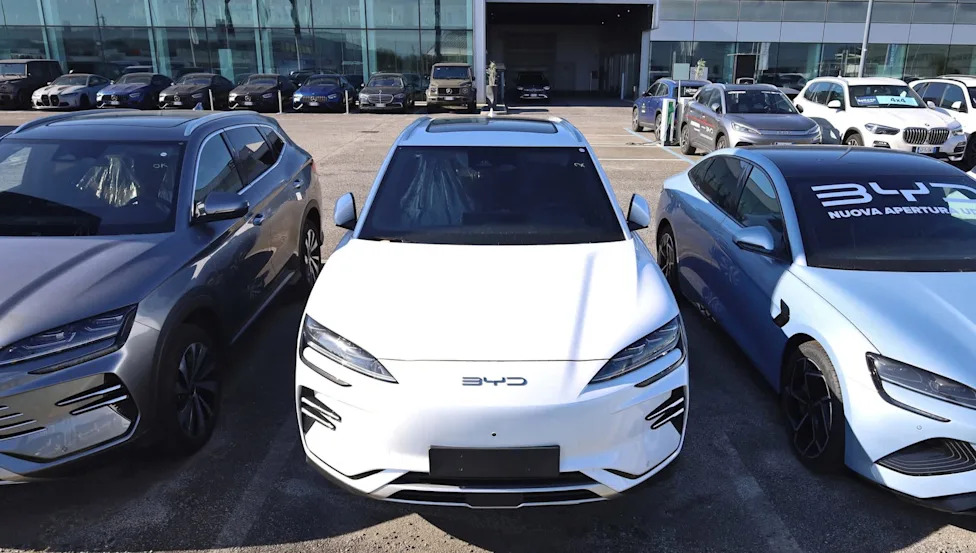
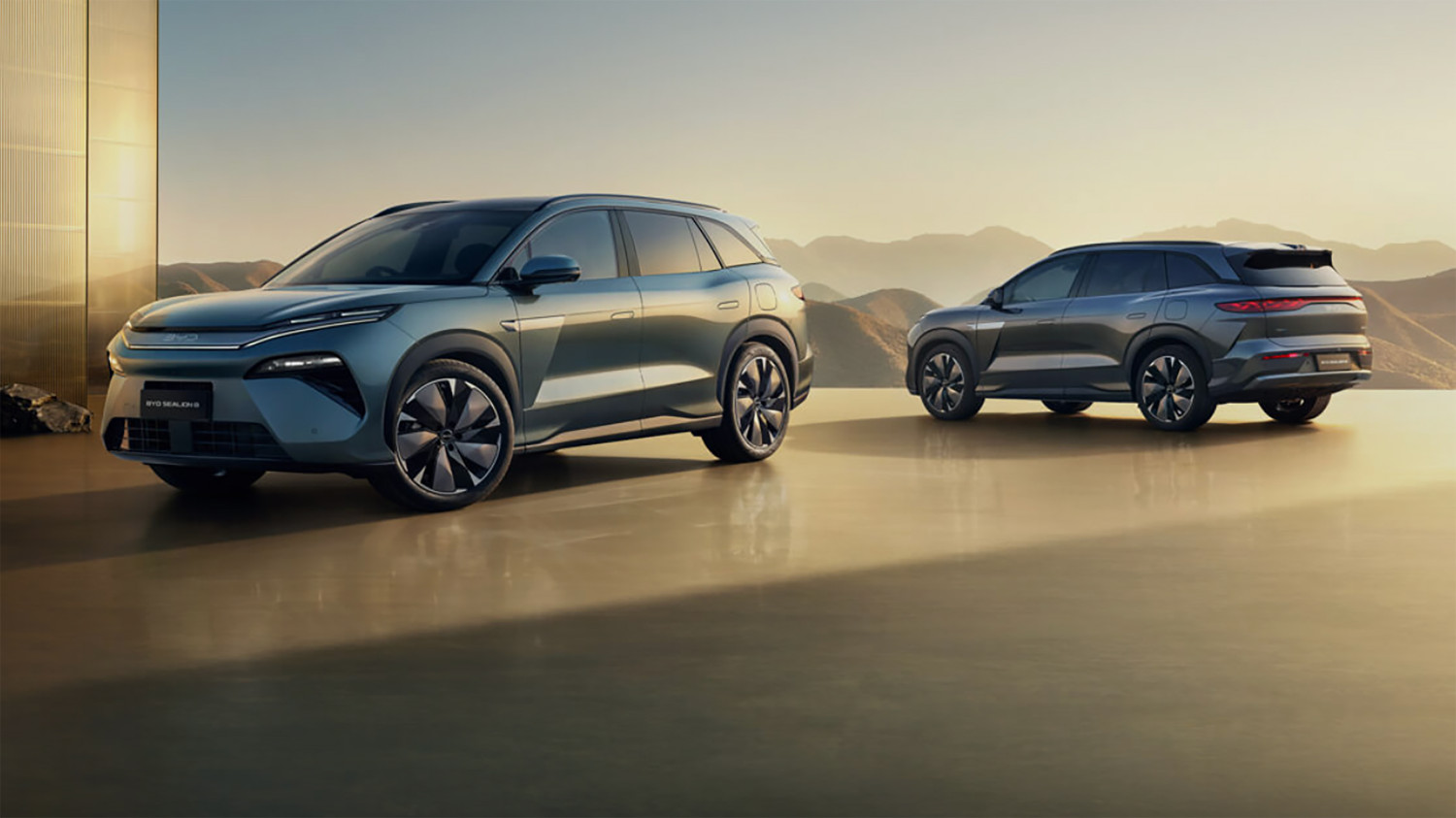
Photo Credit: iStockBYD's streak of five-star safety ratings in Australia has hit a notable snag.As creator The Electric Viking (@electricviking) noted, its lower-priced Sealion 5 plug-in hybrid SUV received a three-star Australasian New Car Assessment Program (ANCAP) rating under tougher 2026 testing criteria.Here's what to knowANCAP assessed the Sealion 5 under the 2026 rules after BYD entered the larger Sealion 8 under the previous testing program. In the YouTube video about the result, the creator argued BYD "didn't want to test this car," but the agency rated it anyway.The crash performance itself was not the biggest issue. The Electric Viking said the SUV "held up relatively well in the physical crashes" and noted a 79% score.What hurt the vehicle most was its active-safety performance. "The emergency lane keeping system did nothing at all while the car was drifting toward the edge of the road," the creator noted.The video added that the SUV was also short on some expected safety equipment, including a rear-seat child-presence alert and automatic post-crash emergency calling. Its collision-avoidance score reached 51%, only just clearing the 50% threshold for a three-star rating.The Electric Viking also pointed out lane-departure crashes account for "more than 40% of the fatal crashes in Australia."More backgroundThe creator presented the Sealion 5 as Australia's cheapest plug-in hybrid, with a price just under 34,000 Australian dollars, or about $23,000 U.S.There was a sharp contrast elsewhere in BYD's lineup, as the newer M9 earned five stars in the same testing. The Electric Viking said the Sealion 5's weaker result reflects older hardware, describing it as built on a platform roughly seven and a half years old.That could hurt the SUV with institutional buyers, since many large fleets and government purchasers in Australia do not take vehicles rated below five stars.Some viewers pushed back on how much lane-keeping technology should influence buying decisions. One asked: "But what percentage of people don't immediately turn off lane keeping assist when they get in a car?"What's being doneANCAP's scoring reflects whether those systems perform when they are supposed to, not whether drivers prefer to use them.That is also part of the case for comparing plug-in hybrids with full EVs instead of assuming the cheaper electrified option is automatically the better buy.If you're considering buying an electric vehicle, a well-rated EV can save money on fuel costs and reduce routine maintenance because it has fewer moving parts than a gas-powered car. Safety and crash scores can also play a large role in that decision.For The Electric Viking, the low safety score was a deal-breaker: "My advice to you is to avoid this vehicle completely."Other drivers disagreed."Maybe we should be training drivers to drive better, not relying on technology to keep in the lane," a user countered.Where can I learn more?While BYD's vehicles are mostly off-limits in the U.S., the brand continues to make aggressive moves elsewhere.• In Australia, BYD's cheapest EV still feels premium despite its budget price.• BYD says 5-minute charging could reach Canada as lower tariffs open the market.• In the U.K., BYD's ultra-cheap Seagull is landing as another budget EV option.Get TCD's free newsletters for easy tips, smart advice, and a chance to earn $5,000 toward home upgrades. To see more stories like this one, change your Google preferences here.


















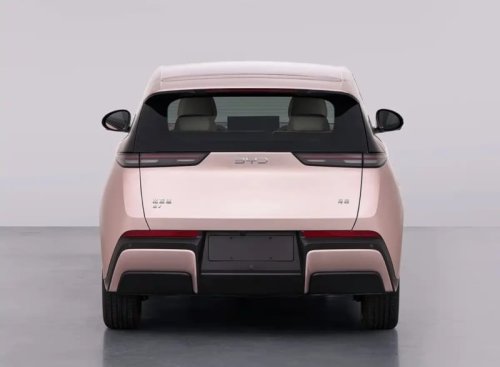
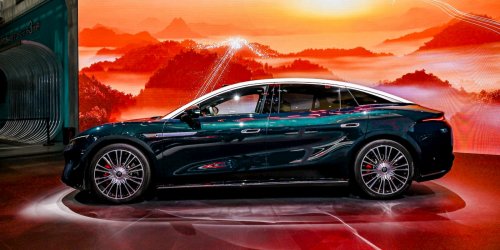

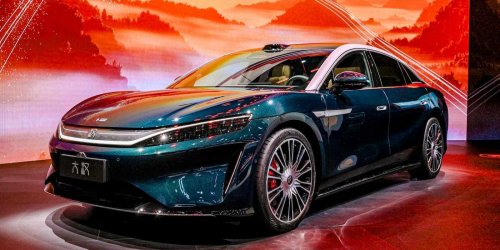
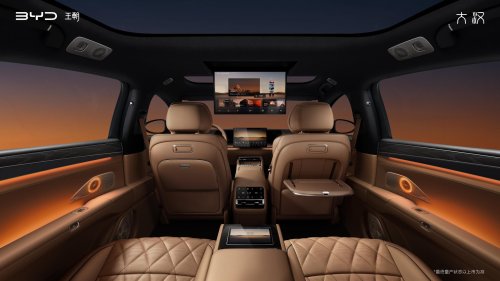


![BYD, BYD Seagull, BYD offers a closer look at the new Seagull EV [Images]](https://cdn.topcarnews.net/thumb/id/aHR0cHM6Ly9pMC53cC5jb20vZWxlY3Ry-ZWsuY28vd3AtY29udGVudC91cGxvYWRz-L3NpdGVzLzMvMjAyNi8wOS9CWUQtbmV3-LVNlYWd1bGwtRVYtdXBkYXRlLmpwZWc_-dz0xNTAwJmFtcDtxdWFsaXR5PTgyJmFt-cDtzdHJpcD1hbGwmYW1wO3NzbD0x/9c0b758dc4a218f611566b2a03c52e8a.jpeg?t=20261005&post_id=64651)
![BYD, BYD Seagull, BYD offers a closer look at the new Seagull EV [Images]](https://cdn.topcarnews.net/thumb/id/aHR0cHM6Ly9lbGVjdHJlay5jby93cC1j-b250ZW50L3VwbG9hZHMvc2l0ZXMvMy8y-MDI2LzA5L0JZRC1uZXctU2VhZ3VsbC1F-Vi0xLmpwZWc_c3RyaXA9aW5mbyZhbXA7-dz03MDA/9f44752c6c4b6208b3a29d7e2ceaf455.jpeg?t=20261005&post_id=64651)
![BYD, BYD Seagull, BYD offers a closer look at the new Seagull EV [Images]](https://cdn.topcarnews.net/thumb/id/aHR0cHM6Ly9lbGVjdHJlay5jby93cC1j-b250ZW50L3VwbG9hZHMvc2l0ZXMvMy8y-MDI2LzA5L0JZRC1uZXctU2VhZ3VsbC1F-Vi0zLmpwZWc_c3RyaXA9aW5mbyZhbXA7-dz03MDA/53e754be2aacba076b7b389ef9413f41.jpeg?t=20261005&post_id=64651)
![BYD, BYD Seagull, BYD offers a closer look at the new Seagull EV [Images]](https://cdn.topcarnews.net/thumb/id/aHR0cHM6Ly9lbGVjdHJlay5jby93cC1j-b250ZW50L3VwbG9hZHMvc2l0ZXMvMy8y-MDI2LzA5L0JZRC1uZXctU2VhZ3VsbC1F-Vi5qcGVnP3N0cmlwPWluZm8mYW1wO3c9-NzAw/3b0cb7f441d090c464769d93120d8543.jpeg?t=20261005&post_id=64651)
![BYD, BYD Seagull, BYD offers a closer look at the new Seagull EV [Images]](https://cdn.topcarnews.net/thumb/id/aHR0cHM6Ly9lbGVjdHJlay5jby93cC1j-b250ZW50L3VwbG9hZHMvc2l0ZXMvMy8y-MDI2LzA5L0JZRC1uZXctU2VhZ3VsbC1F-Vi0yLmpwZWc_c3RyaXA9aW5mbyZhbXA7-dz03MDA/ea2b4ebf38c4e9bf732d179d639b1562.jpeg?t=20261005&post_id=64651)
![BYD, BYD Seagull, BYD offers a closer look at the new Seagull EV [Images]](https://cdn.topcarnews.net/thumb/id/aHR0cHM6Ly9lbGVjdHJlay5jby93cC1j-b250ZW50L3VwbG9hZHMvc2l0ZXMvMy8y-MDI2LzA3L0JZRC1TZWFndWxsLUVWLXVw-ZGF0ZS0zLmpwZWc_c3RyaXA9aW5mbyZh-bXA7dz0xNDAw/02a0f7b5011767092a1ea11a79495fc7.jpeg?t=20261005&post_id=64651)