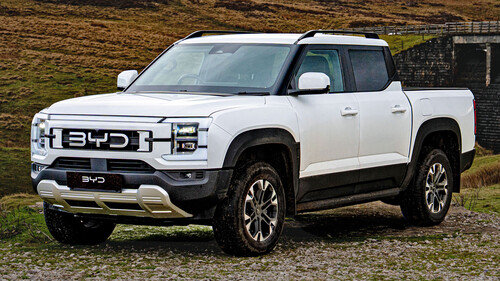
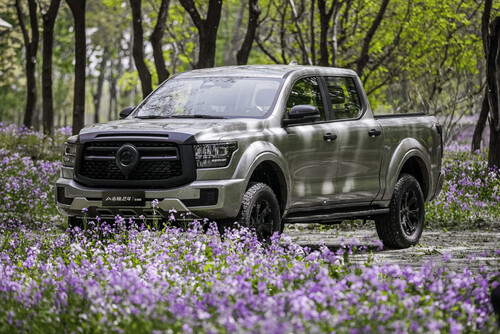
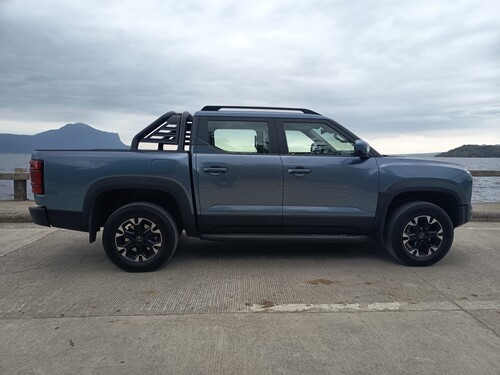
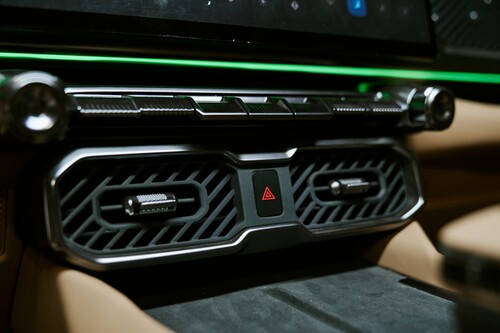
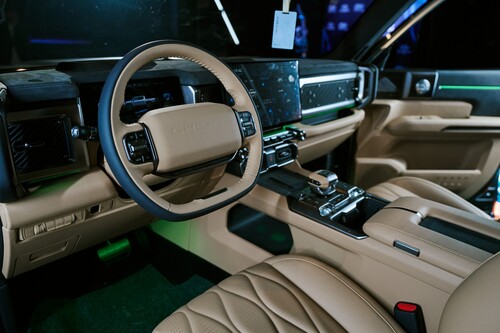
Carter Lavoie · 1 months ago@carterlavoie69Hacker Finds This Chinese BYD Pickup Shockingly Easy to Break Into and Control Remotely Liked by+53 othersPickupPost commentRelated PostsNew BYD Shark pick-up to go Ford Ranger hunting in the UK very soonCharlotte Harris · 12 days agoBYD launches Atto 8 in Europe as seven-seat range-topperLiam Anderson · 12 days agoBYD Is Fixing a Security Flaw After Researchers Hacked Its TruckEvan Wilson · 20 days agoAugust 2026 Off-Road/High-End/Shooting-Brake Sales Rankings: Tesla Model Y Leads, Fangchengbao Titan 7 Stands Out | Gasgoo Auto Research InstituteAva Turner · 12 days agoBYD Shark 6 Hack: Password-Free Access Exposes Lights, Locks and Cabin Microphone 12 · Lauren Harris · 28 days agoBYD Atto 8 becomes the brand’s first car with flash charging in EuropeNoah Rogers · 12 days agoA Hacker Took Control Of A BYD For TV, But Should Should You Be Worried? 17 · Nathan Campbell · 29 days agoGiant new BYD Atto 8 is an all-electric 7-seater aiming to crush the Kia EV9Matthew Moreau · 12 days agoBYD Shark 6 Recalled In Australia Over Runaway Spare Wheels 21 · Chloé Rogers · 1 months agoBYD Dolphin Surf gets range of updates, including a big new screenSamuel Roy · 12 days agoNew BYD Shark plug-in hybrid pickup takes aim at Ford Ranger, with one notable tradeoff 36 · Adam Poirier · 3 months agoChina's September passenger vehicle market: Retail sales slump, exports cushion wholesale declineMia Fortin · 12 days agoGasgoo Daily | Hainan sets 2030 ICE sales ban, China’s auto exports top 1M, BYD Shark pickup near launch 68 · Samuel Roy · 3 months agoAugust 2026 Passenger-Vehicle Domestic-Brand Sales Ranking: BYD Holds a Commanding Lead with 368,323 Units | Gasgoo Research InstituteAiden Leblanc · 12 days agoBYD Shark 6 rebranded under Fang Cheng Bao in China exposed with 20 km/h top speed increase 76 · Adam Pelletier · 3 months agoGeely Auto Enters Canada; NEVs Top 60% of GM's Q3 China Sales; BYD Ti 7 Goes on Sale in UzbekistanLily Johnson · 13 days ago“Structural Shift” Continues in Australia’s Car Market — June Update 81 · Charlotte Wilson · 3 months agoBYD Commercial Vehicle Sales Up 113% in SeptemberAudrey Côté · 13 days agoNew high-spec BYD Shark pick-up hunts the Ford Ranger with £47k price tag 97 · Leo Green · 3 months agoBYD’s Sales Outside of China Rise 154% in SeptemberNathan Wilson · 13 days ago


 +53 others+53 others
 +53 others