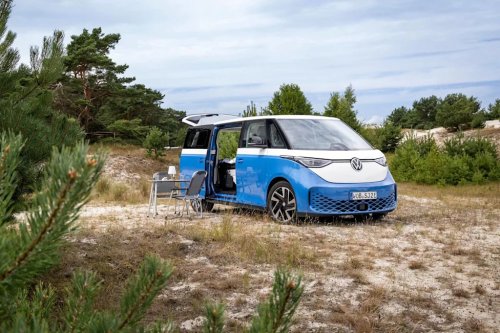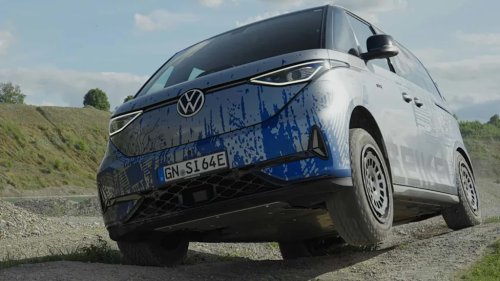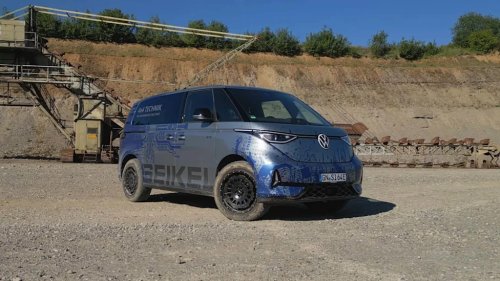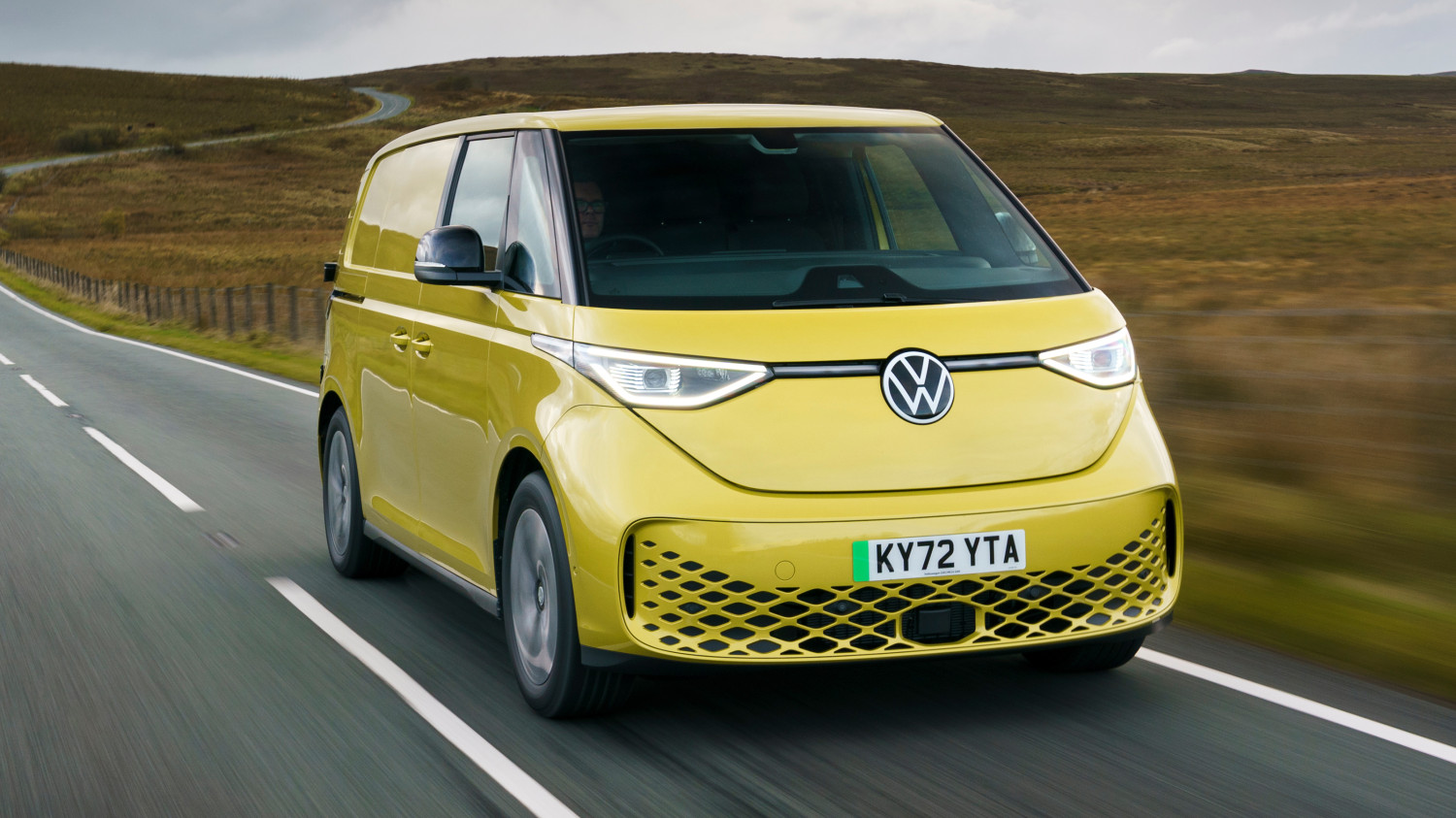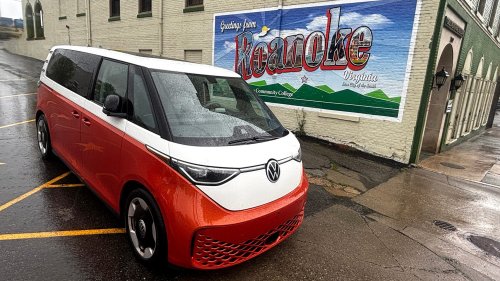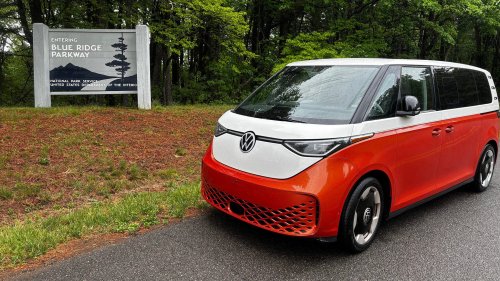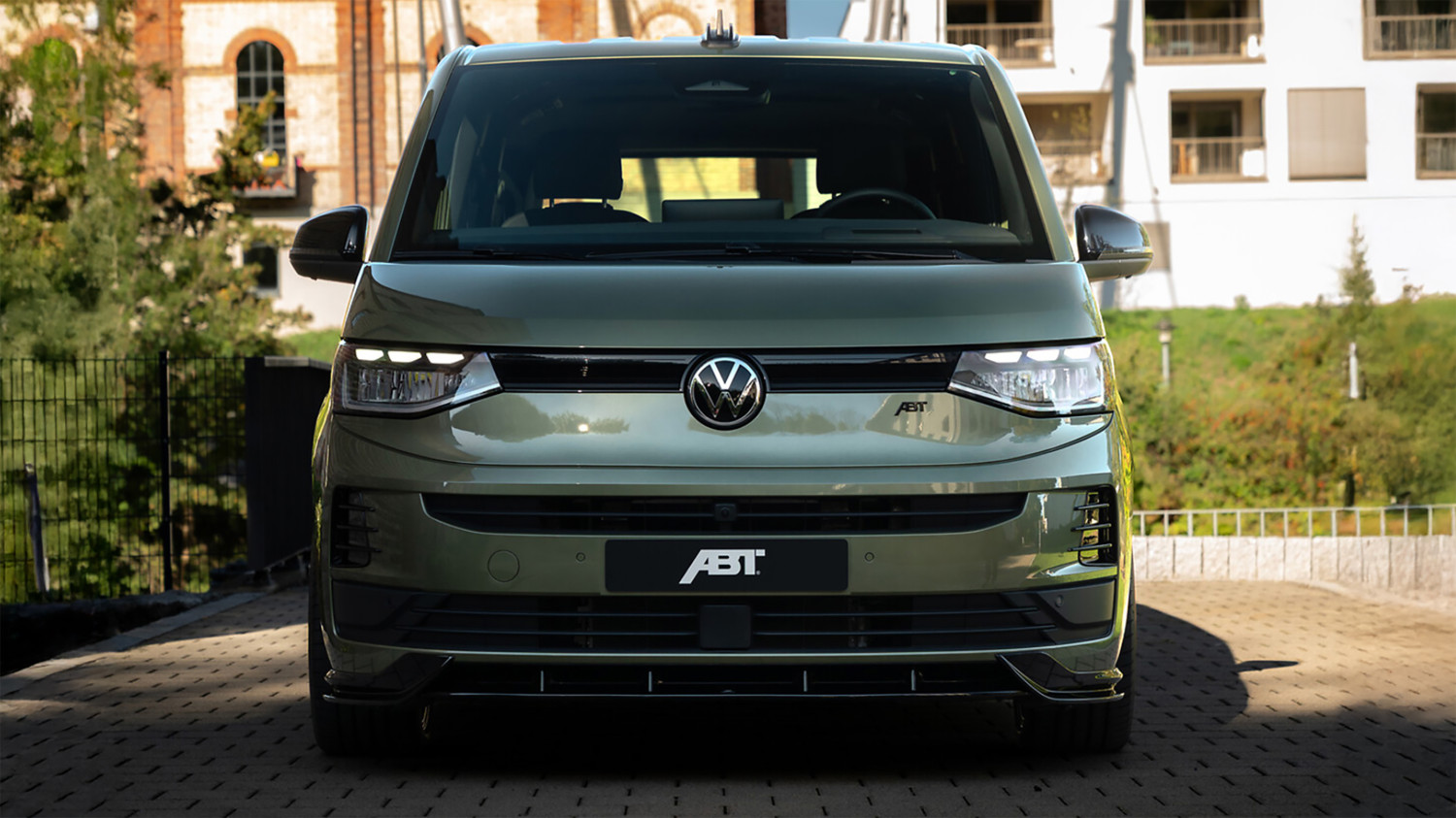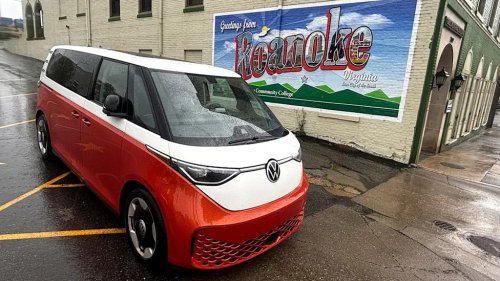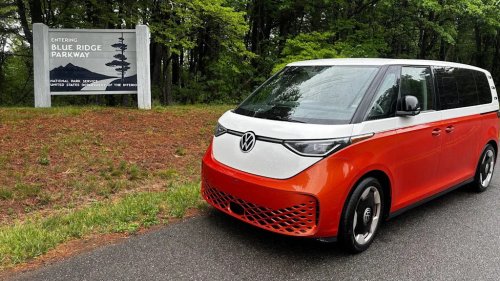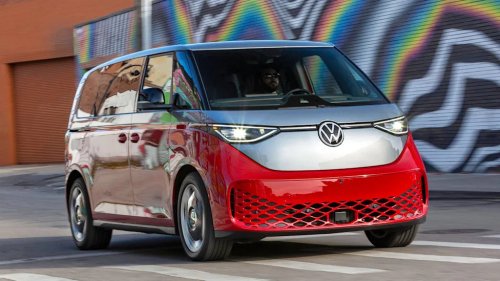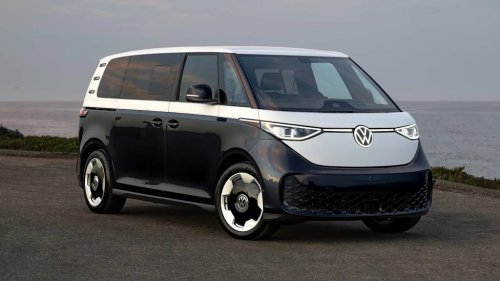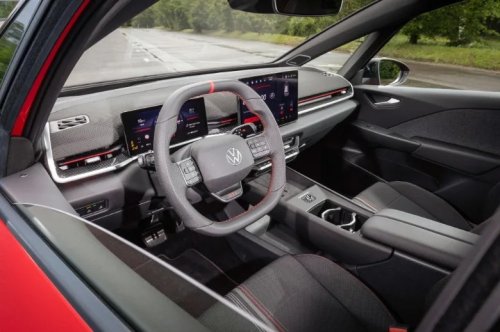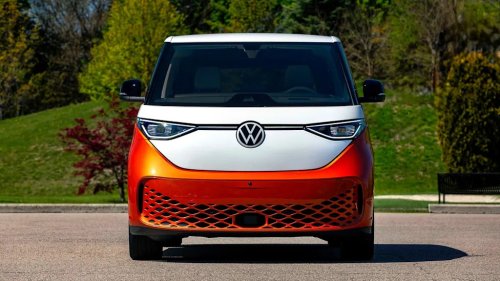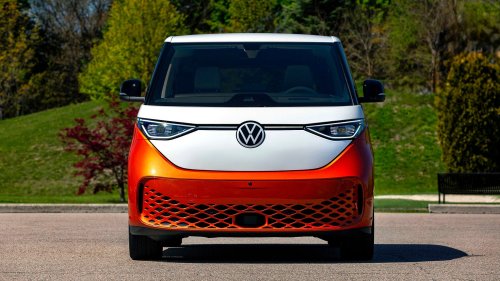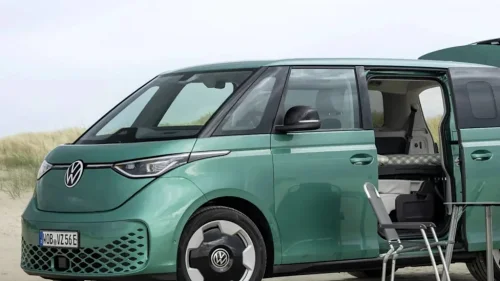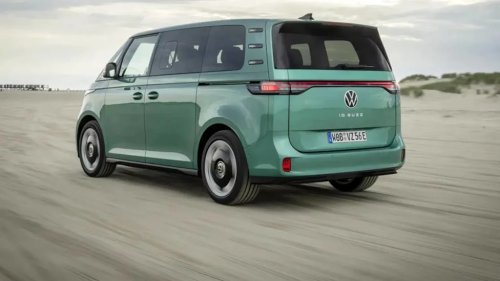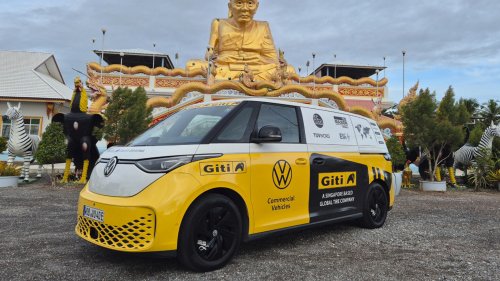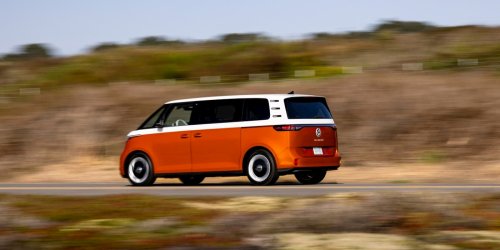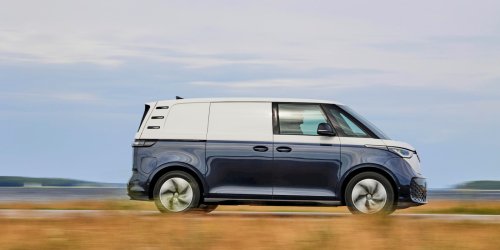
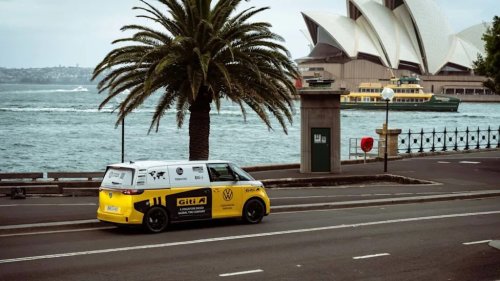
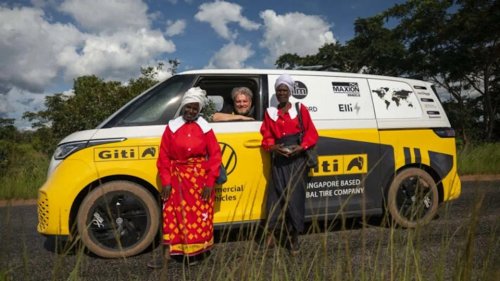



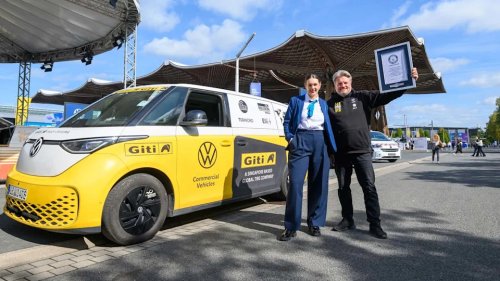
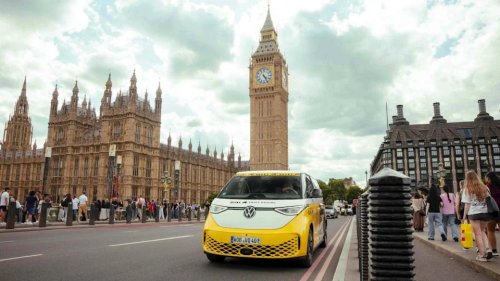

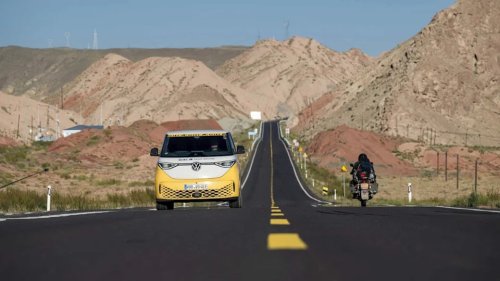

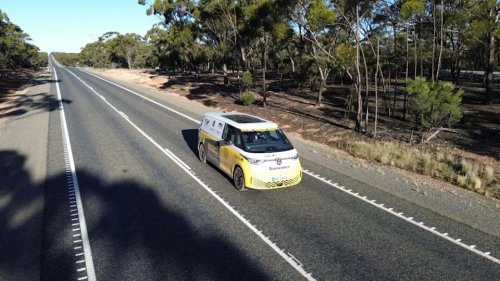


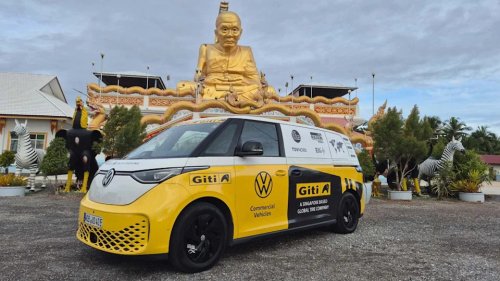
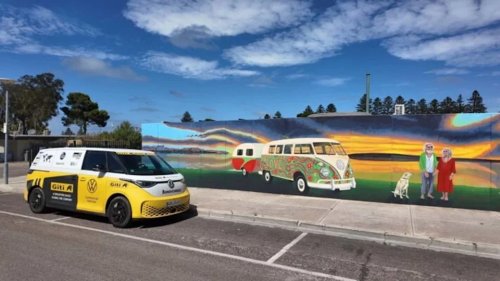




















This VW ID. Buzz Finished A 62,000-Mile World Trip With Nearly 96% Battery HealthInsideEVs[email protected] (Andrei Nedelea)Mon, September 21, 2026 at 8:40 AM UTCAdd us on GoogleVW ID. Buzz World TourThe electric van visited 92 countries in 445 days, and Volkswagen says it completed the entire trip without a single technical breakdown.A VW ID. Buzz traveled around the world for 445 days, through 92 countries without a technical breakdown.Its battery health was measured at 95.75% after the trip.The VW-backed expedition shows what an EV can do with careful planning—even where public chargers are scarce.Automakers have realized that nostalgia can really help sell EVs. The Volkswagen ID. Buzz oozes retro-inspired charm, but it also needs to handle long-distance travel. Rainer Zietlow took that to the extreme with an around-the-world trip, complete with a battery-health check at the end.Zietlow is a German long-distance driver and founder of expedition company Challenge4. With support from Volkswagen and other partners, he covered 61,992 miles (99,767 kilometers), driving the Buzz through 92 countries across six continents. The van needed 16 container ship crossings to complete the route.AdvertisementAdvertisementThe journey began at Volkswagen Commercial Vehicles' Hanover customer center in July 2025 and finished at the city's IAA Transportation show in September 2026. At the end, a Guinness representative presented the award for the most countries visited during a continuous journey in an electric vehicle.VW ID. Buzz World TourVW ID. Buzz World TourVW ID. Buzz World TourVW ID. Buzz World TourAdvertisementAdvertisementVW ID. Buzz World TourVW ID. Buzz World TourVW ID. Buzz World TourVW ID. Buzz World TourAdvertisementAdvertisementVW ID. Buzz World TourVW ID. Buzz World TourVW ID. Buzz World TourVW ID. Buzz World TourAdvertisementAdvertisementVW ID. Buzz World TourVW ID. Buzz World TourVW ID. Buzz World TourVW ID. Buzz World TourAdvertisementAdvertisementVolkswagen says the trip took 445 days, involved more than 300 charging stops, and concluded without a single breakdown.As you can imagine, charging the Buzz in countries with less developed EV infrastructure was a challenge. In Zambia and Tanzania, for instance, Zietlow says he had to plug directly into national electrical substations under supervision because he couldn't find any dedicated EV chargers. South Africa, Morocco, and Rwanda were easier. He even notes that at a Rwandan airport located at an altitude of around 6,600 feet (2,000 meters), he encountered a fleet of ID. Buzz vans being used as shuttle taxis.He describes Saudi Arabia's network as approaching Germany's, praises progress in Brazil and Chile, and puts China in a league of its own. With planning, he argues, long-distance EV travel avoids problems including contaminated or low-quality fuel, oil changes, and typical combustion engine problems such as overheating.TÜV Nord tested the Buzz's battery both before and after the trip. We don't know the exact battery health reading at the start—presumably it was brand new and in perfect condition—but it was 95.75% when the van was tested upon its return to Germany.AdvertisementAdvertisementOverall, this is a very encouraging result for both the ID. Buzz and EVs in general. VW's electric retro van still has its limitations like any EV, such as a significant range drop in cold weather. When we took one on a road trip from Ohio to Michigan, it proved it could handle sustained highway driving just fine, delivering around 230 miles of real-world range at an average speed of 64 mph (103 km/h), almost matching its EPA rating.More VW ID. Buzz StoriesThe VW ID.Buzz Will Get Assisted Lane Changes And Pedestrian DetectionVW Turned The ID. Buzz Into An Electric Camper Van. The U.S. Is Next.The Volkswagen ID. Buzz Returns For 2027 With New Trims And One Big Fix Owners WantedKia's PV5 Makes The VW ID. Buzz Look Excessive