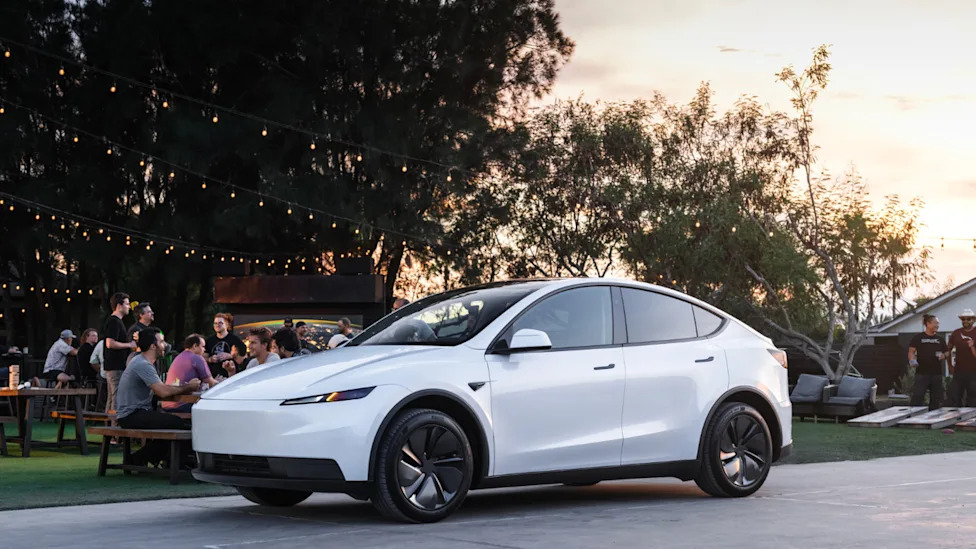
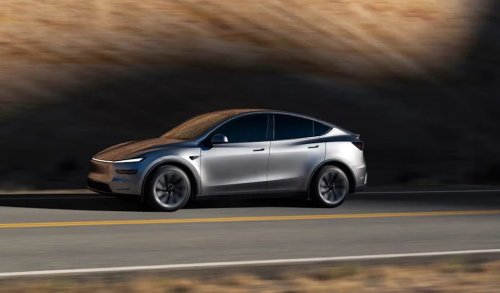
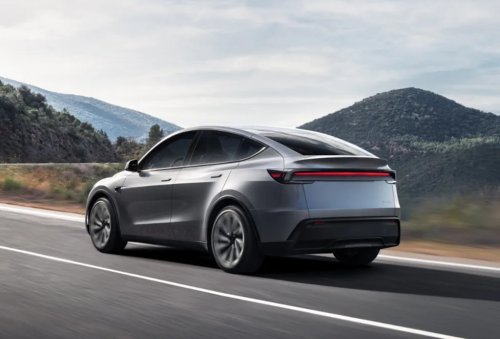
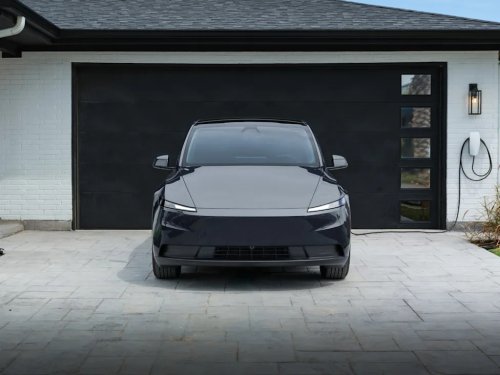
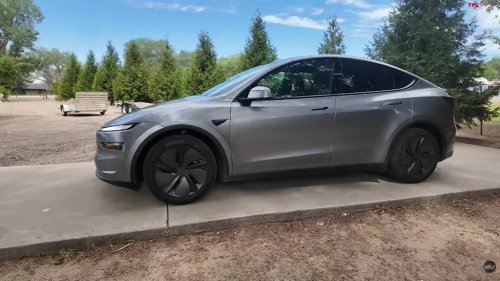
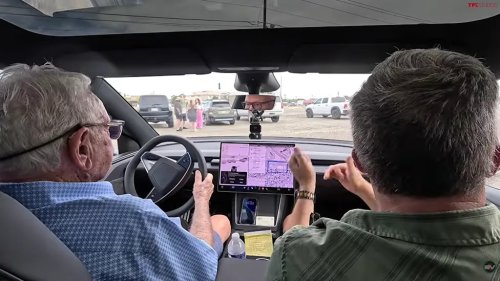
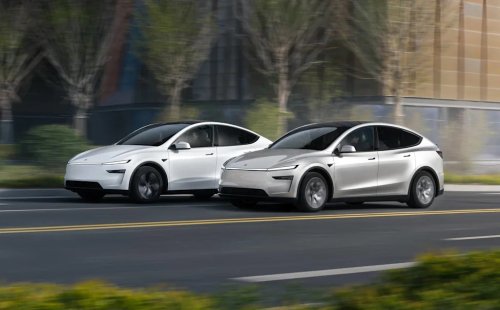
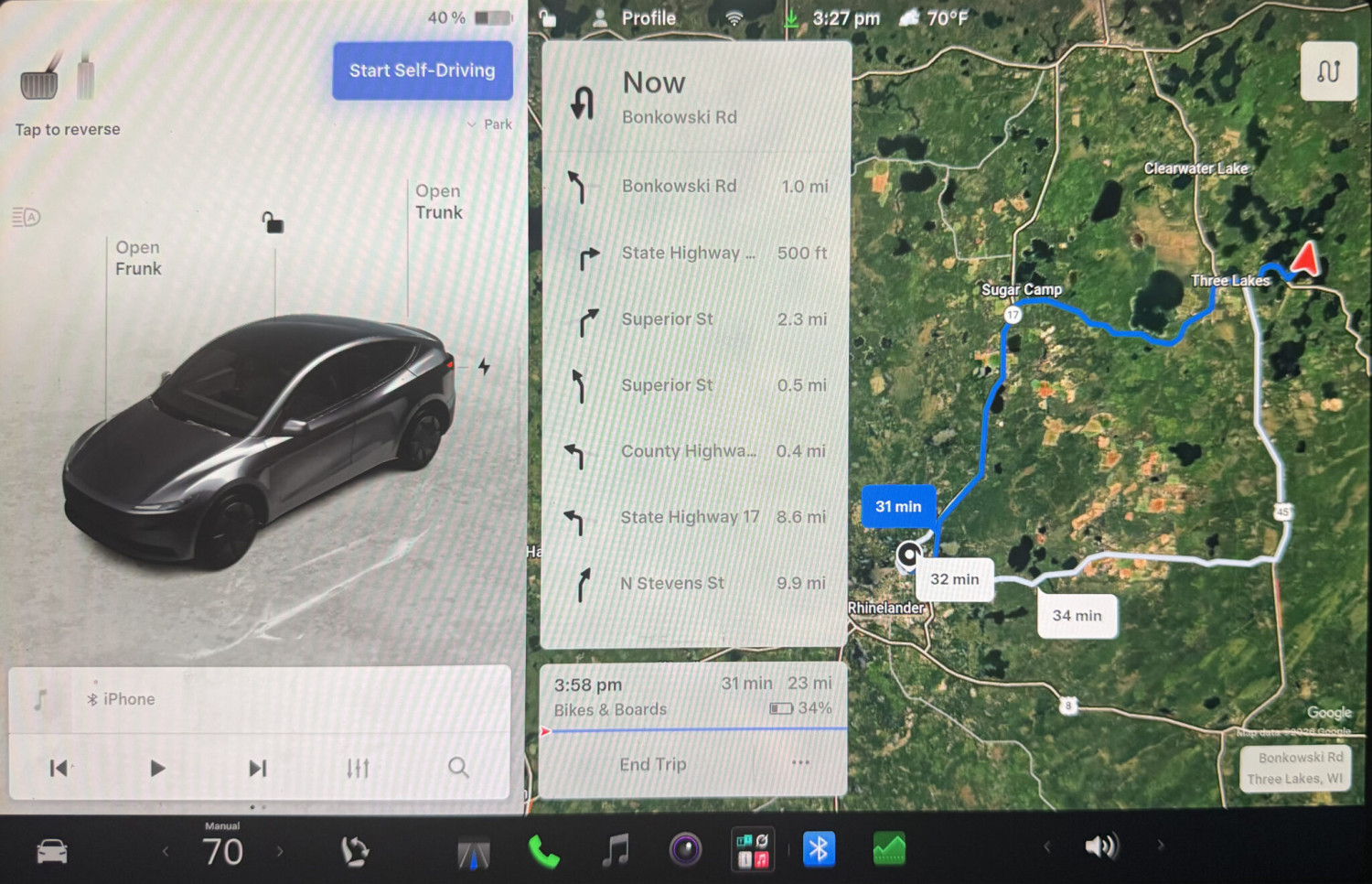
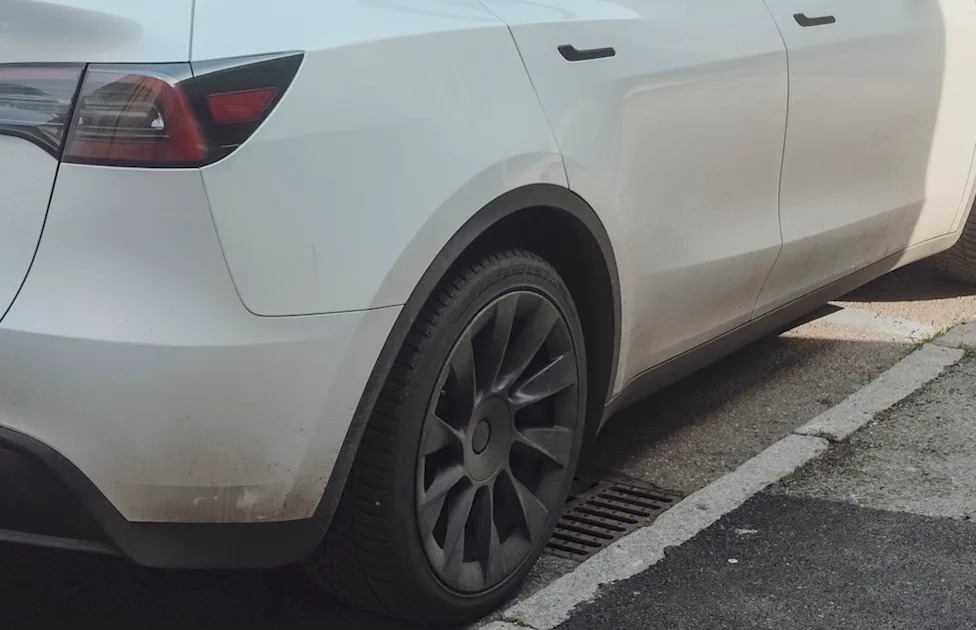
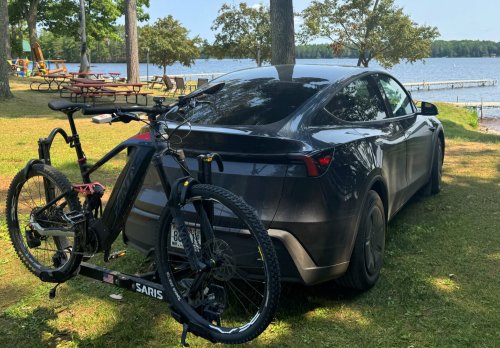
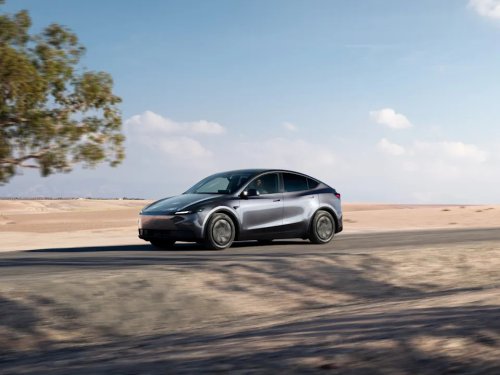
Autoblog and Yahoo may earn commission from links in this article.The Long-Term Battery DebateOne of the biggest concerns about owning an electric vehicle is battery degradation, which can reduce an EV's driving range over time. However, battery technology has advanced significantly in recent years. A study by Recurrent found that EVs retain about 97% of their original range after three years and 95% after five years.Now, a 2026 Tesla Model Y Juniper owner decided to document battery degradation himself, showing the effects of heavy EV use and frequent DC fast charging, which is generally considered more taxing on battery health than AC charging. BCTESLAGUY ran a second battery health test six months after the first test, which was conducted a few weeks after the EV was acquired.AdvertisementAdvertisementAt the time of the video, the Model Y had already accumulated 16,000 miles, which is already above the U.S. average of approximately 13,000 miles driven per year.The Numbers Are InThe battery health test discharges Tesla EVs to between 0% and 10%, then recharges them to 100%, a process that takes about 20 hours. In this Model Y owner's case, the EV returned a 99% battery health result, which surprised him because he expected it to be closer to 97%.For the record, his Model Y had accumulated 2,888 kWh of DC charging and 2,588 kWh of AC charging.The test suggests that even with 16,000 miles in about half a year of ownership and frequent DC fast charging at Tesla's Supercharger, those factors did not significantly affect this Model Y's battery health. He said the EV is still showing 325 miles of range, the same figure it displayed when he conducted the first battery health test.TeslaGood Habits Go A Long WayHowever, it is worth noting that the owner employed several practices to help maintain battery health. He does not charge above 75% or let the battery drop below 35%, keeping it within commonly recommended limits. The battery is also preconditioned to about 40°C to 45°C (104°F to 113°F) to help ensure ideal charging conditions.AdvertisementAdvertisementWhile those practices may seem tedious, owning a gasoline-powered vehicle also involves habits that can help maintain long-term engine health, such as avoiding running the fuel tank nearly empty and limiting frequent short trips in which the engine never reaches its optimal operating temperature. Still, battery degradation may not be a major reason to avoid an EV, as significant degradation often takes several years, if not a decade, to occur, by which point many owners may already be considering a replacement vehicle.TeslaView the 4 images of this gallery on the original articleThis story was originally published by Autoblog on Jun 8, 2026, where it first appeared in the News section. Add Autoblog as a Preferred Source by clicking here.