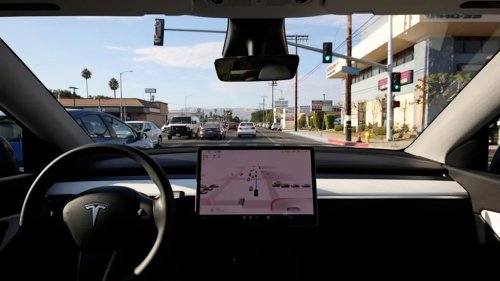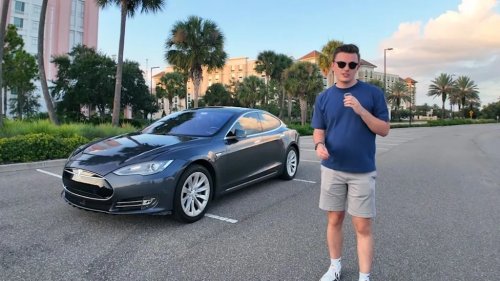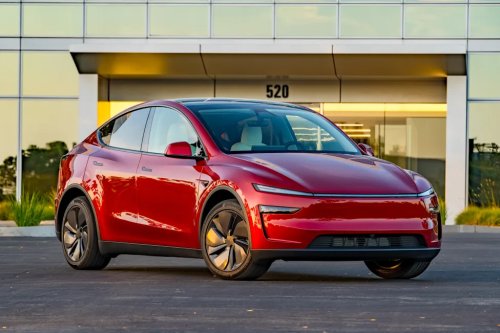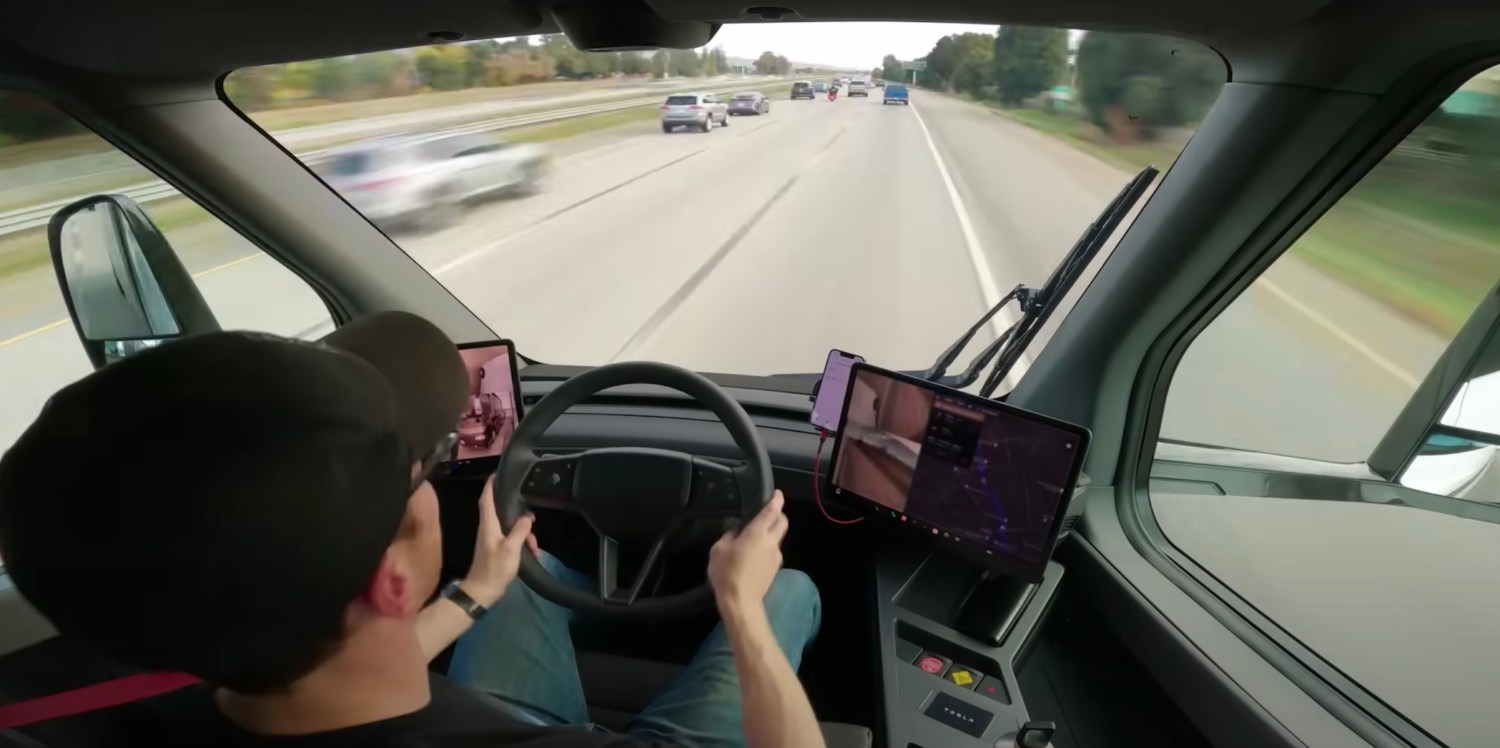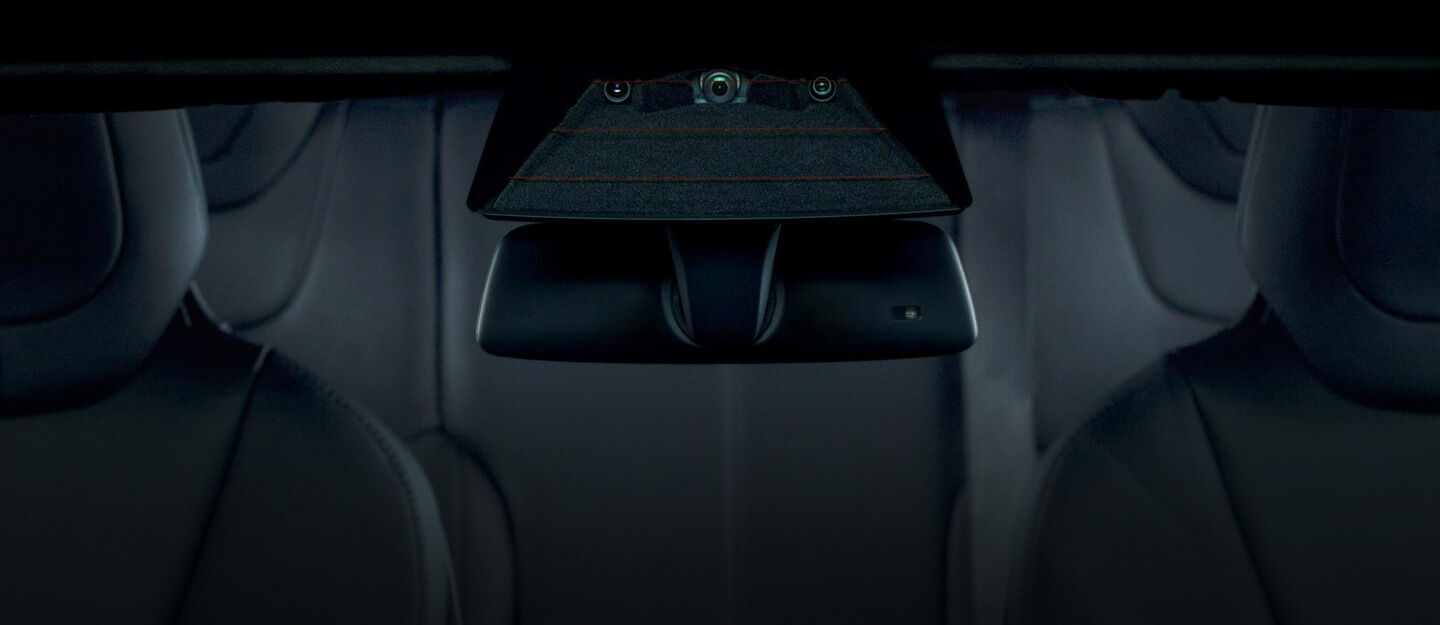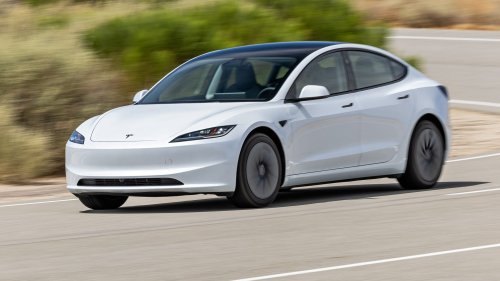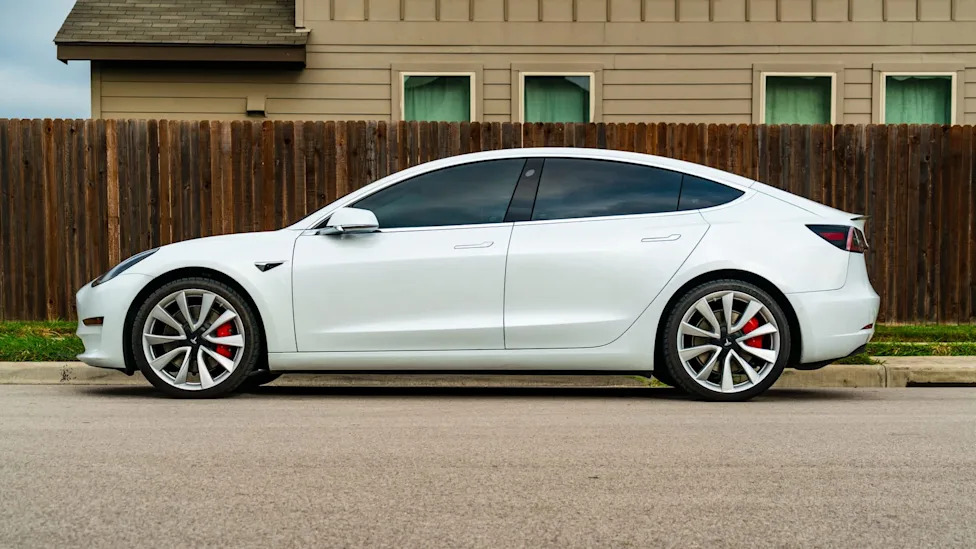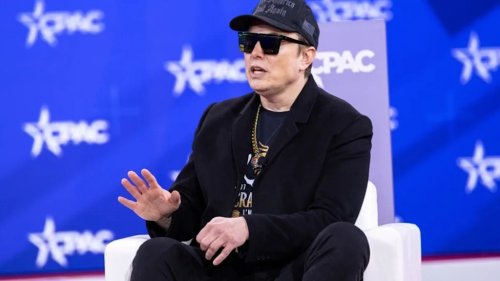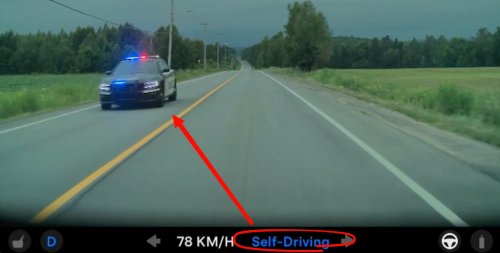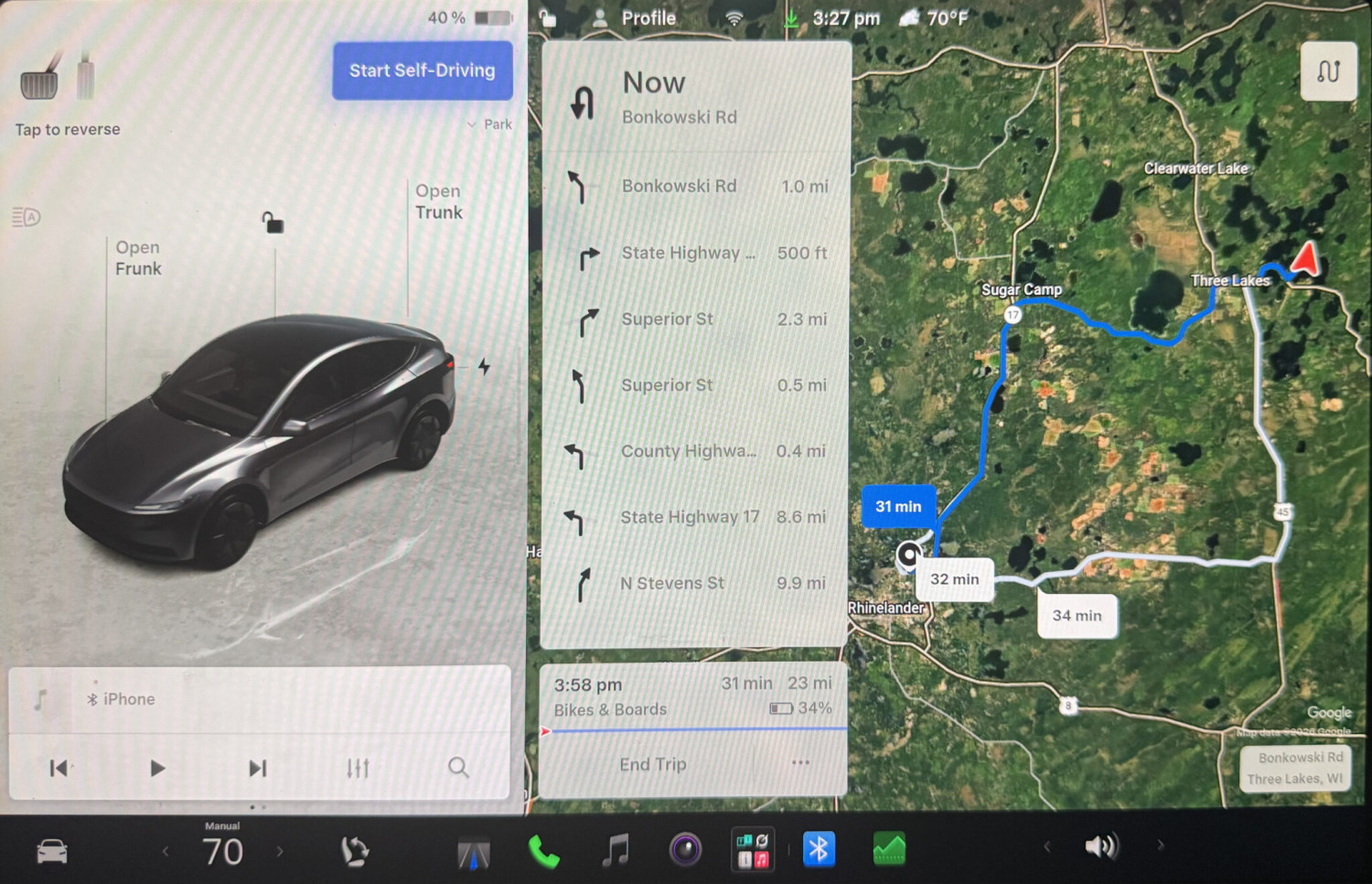













In 2025, an estimated 36,640 traffic fatalities were reported in the US. Let’s dig deeper into auto safety over the years and going forward. History of seatbelts for safety The first patent for a seatbelt was filed by Edward J. Claghorn in 1885, designed specifically for horse-drawn carriages. Nash was the first American manufacturer to offer seatbelts as an option in 1949. Three-Point Design — Nils Bohlin’s patented three-point seatbelt design in 1959 revolutionized safety, becoming standard in vehicles, starting with the 1959 Volvo. Bohlin felt morally compelled to offer his invention to all automobile manufacturers without cost. All cars sold in the US were required to have seatbelts in 1968. By the 1970s, many countries began enacting laws requiring seatbelt use, significantly reducing fatalities. The latest seatbelts incorporate advanced features such as pretensioners, load limiters, and smart sensors, enhancing passenger safety during collisions. It wasn’t enough to just have seatbelts in all cars. Wearing a seatbelt is now required by law in all US states except New Hampshire. Air bags for automobile safety Airbags became mandatory in all new passenger cars sold in the United States starting September 1, 1998, following the Intermodal Surface Transportation Efficiency Act of 1991. However, even though airbags save lives, they also cause injuries. A few weeks ago, my daughter was in an automobile accident where the airbags deployed. In her case, an airbag shattered her left wrist, causing a compound (bone penetrating the skin) fracture. This illustrates the potential double-edged sword of safety innovations. The history of seatbelts shows how an innovation that was a novelty at first then became common, then when the saving of lives became apparent, seatbelt use became required. Where do we stand on safety in the evolution of driving automation like Tesla’s Full Self Driving? Apr 8, 2026: Elon Musk claimed that Tesla’s “Full Self–Driving” is so much safer than human drivers that it could save 90% of the roughly one million lives lost in car crashes globally. An embarrassing personal story: On June 9, I was driving my 2018 Tesla Model 3 in Madison, Wisconsin, using Full Self Driving. At an intersection, I over-road FSD and ran a stop sign. I was struck in the rear of my car by a woman who wasn’t paying close attention and was crossing the intersection in a perpendicular way. I am certain that if I had let FSD drive the car, we would have stopped at the stop sign and the accident would have been avoided. Fortunately, my wife and I were not injured and neither was the woman driving the other car. The woman in the other car was probably saved from injury by her seatbelt. FSD doesn’t use alcohol or drugs, it doesn’t text, and it doesn’t fall asleep. If you also speculate on how often drivers don’t pay close attention for many reasons and how often they make bad decisions while driving, it doesn’t take much speculation to imagine how often accidents could be avoided by FSD. See Waymo’s recent news as well for more on this topic. On the other hand, there have been numerous reports of Tesla FSD causing accidents, and we don’t have full, public data on this matter. Tesla is not only charging $99/month for its certainly lifesaving FSD technology, but it removed a potentially lifesaving technology (automatic lane centering) as a standard feature from all of its new cars a few months ago. Motivation: get more people to pay $99/month for FSD. How is this morally defensible? Tesla has probably spent billions of dollars developing FSD up to this point. Tesla has a large team of engineers working to improve FSD and continues to train it on billions of traffic situations on a huge supercomputer. Tesla has also installed upgraded cameras and upgraded computers that enable the running of the latest version of FSD V14 in all of its new cars since mid 2023. FSD is not perfect now and it makes some sense for Tesla to have a money stream coming in so that it can continue to afford to improve it. But is this worth the price of more traffic fatalities now? It could be quite like the seatbelt story of the past, which went from novelty to a sophisticated, proven, required feature in all cars. We are probably still in the novelty stage at this point with automatic driving systems. In fact, automatic driving systems are much more complex than seatbelts. Tesla’s proprietary FSD is arguably by far the most comprehensive, best performing automatic driving system that works everywhere in the United States today. Tesla’s FSD is not perfect, but it doesn’t have to be. It just must be significantly safer than human drivers to save some of the now ~370,000 people who are being killed in traffic accidents in the US every year. I have been driving my 2026 Tesla Model Y with FSD V14 for 4 months now. Tesla is required to call it “FSD Supervised” because it’s not perfect. It still makes mistakes, for example, on lane selection at stoplights and with the beginning and end (parking) of trips. There is infinite speculation about when (if ever) it will be good enough to remove the “Supervised” qualifier. When will it be good enough that you can text, read a book, and go to sleep when driving? When will you be able to send your car to pick up the kids at school? Tesla has a huge team of engineers training FSD with billions of traffic situations on a huge supercomputer working to reach that next level. However, from my experience, FSD V14 is darn good already! It has been perfect for me on the highways. I speculate that it will be good enough to eliminate the “supervised” qualification on highways in time for the next version (V15). Have we reached the point where Tesla will be morally required to make sure that all new Teslas come with FSD as standard equipment, and will it be morally required to install the software on all Teslas that have the hardware capable of running the latest version of FSD? When will the company be morally obligated to offer FSD for free to any manufacturer willing to install the necessary hardware to run the FSD system? (Much as Nils Bohlin did with his patented 3-point seat belt design in 1959.) Tesla’s proprietary Superchargers were a huge step forward that made driving an EV cross-country practical in the US for the first time. Not many months ago, Tesla made its Superchargers available to all other manufacturers for the first time. Superchargers are now called North American Charging Standard (NACS) chargers, and they have truly become the North American standard for chargers. Are we not far from the time when FSD will be the universally adopted automatic driving standard in the US? Once again, the situation is not as simple as seatbelts. Other manufactures think that Tesla’s all-camera system will never be a good as systems employing lidar and radar as well. This will certainly be true for very bad weather. However, Tesla’s system seems much more economical to deploy and may be good enough. After all, human drivers also pull off the road in extremely bad weather. If you find any of my articles helpful to you, please use my referral link when buying a new Tesla: https://ts.la/arthur73734 (Be sure to use it when you make your order). Tesla keeps changing the program, but here’s the latest: If you are buying a new Tesla Model 3 or Y and use my link, you will get two months of free Full Self Driving (a ~$200 value) on top of the one month that comes free with every new Model Y right now. This will get you a total of 3 months free Full Self Driving. It will be $99/month after that. For a Cybertruck, you will get $1000 off your purchase price. At this moment, Tesla is offering a year of free Supercharging with the purchase of a new Model 3 Premium or Performance.