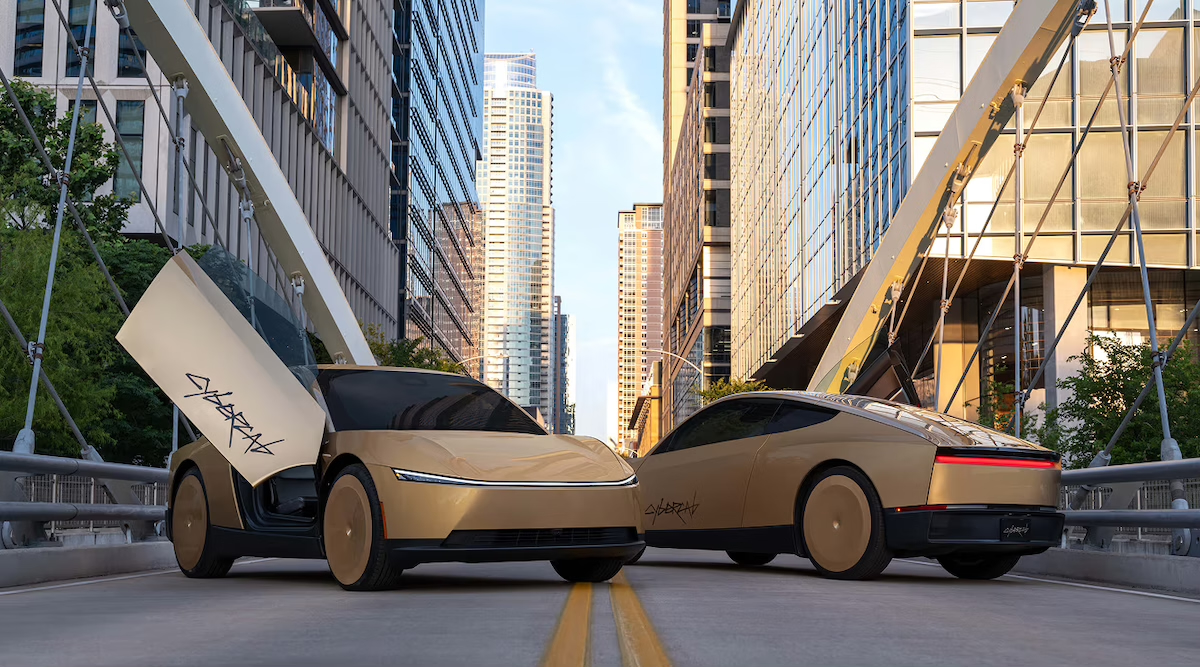
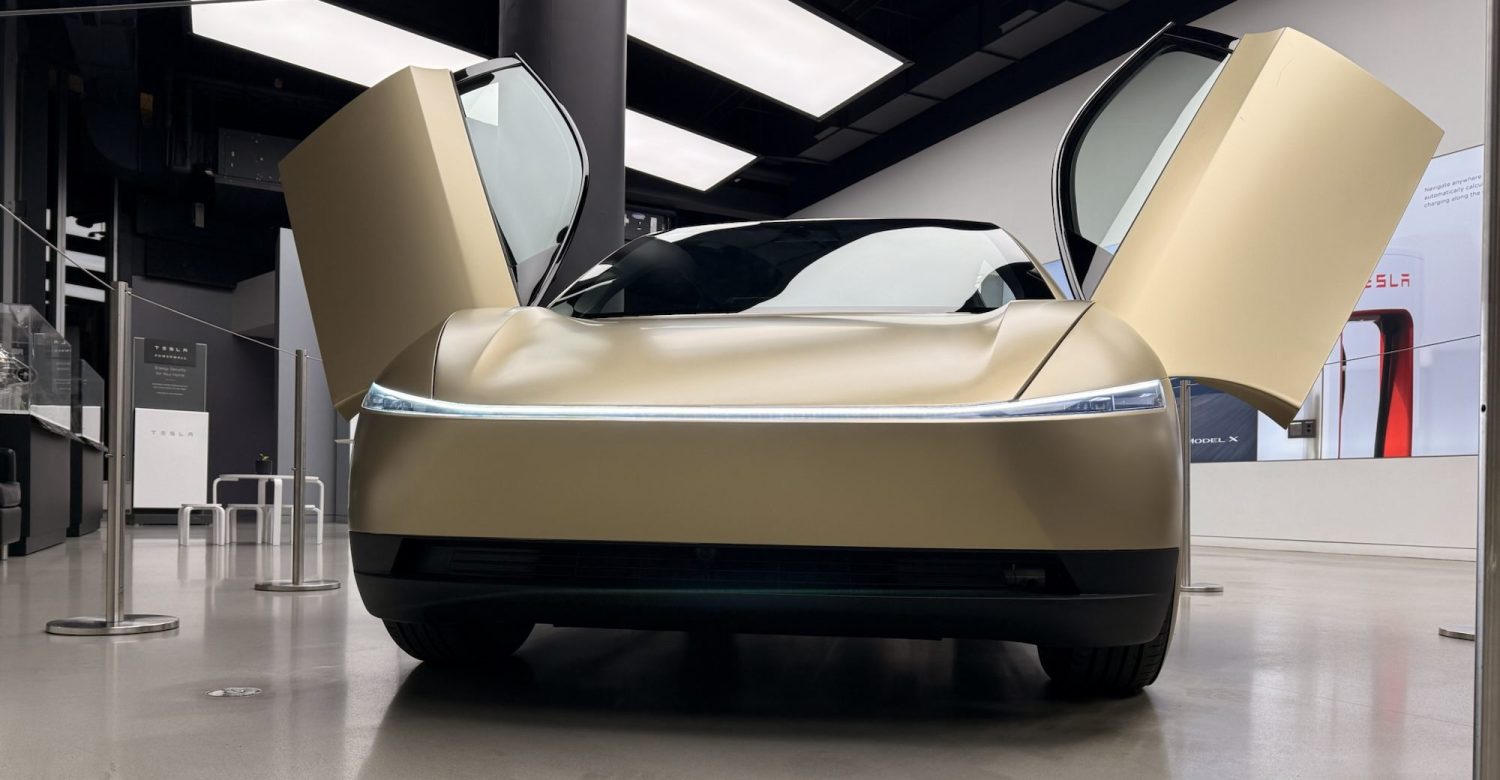
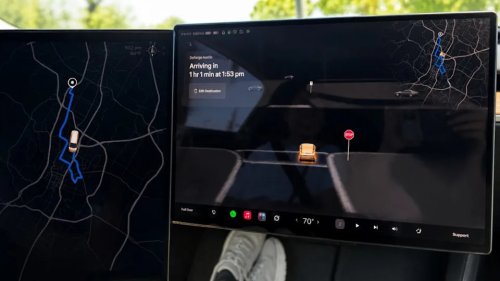
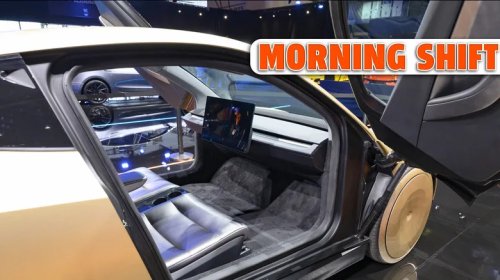
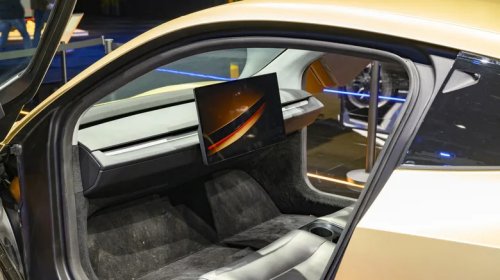
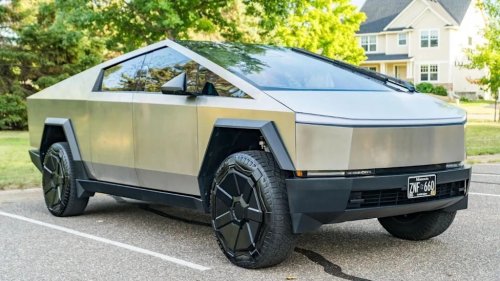
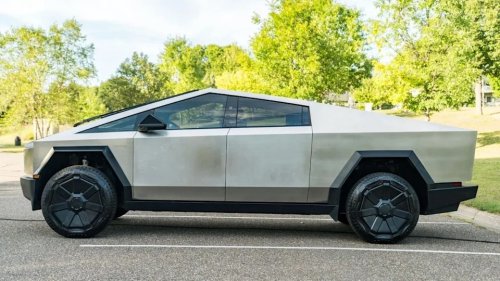
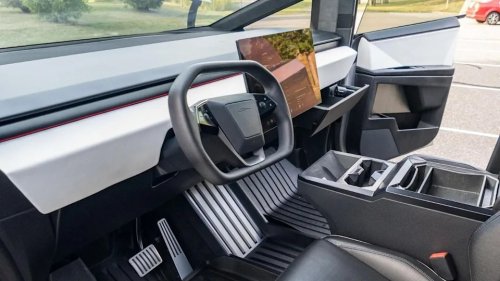
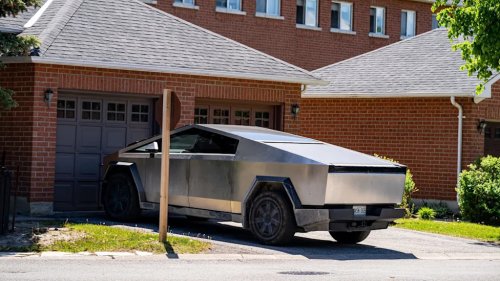
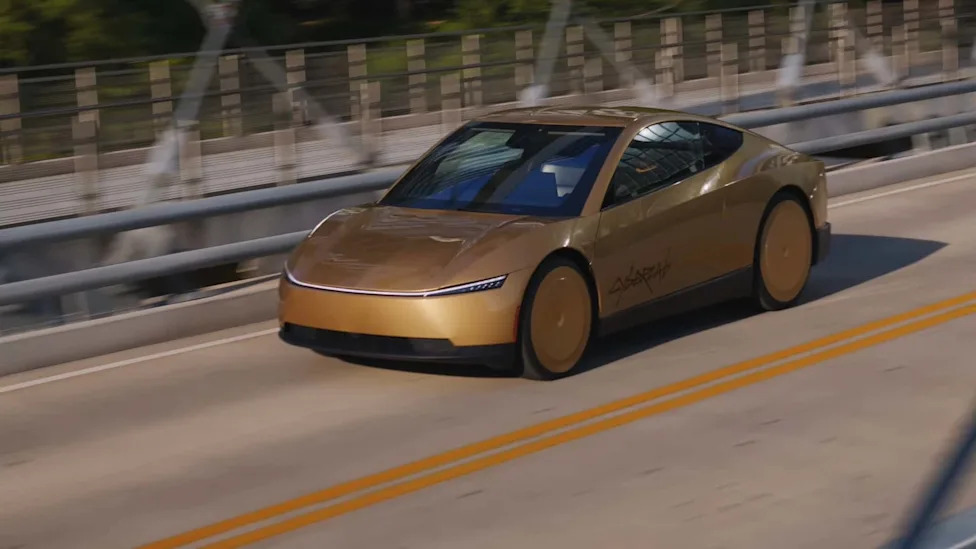
Tesla Cybercab Inherited One Of The Most Annoying Things About Owning A TeslaInsideEVs[email protected] (Rob Stumpf)Mon, September 21, 2026 at 6:40 PM UTCAdd us on GoogleTesla Cybercab RobotaxiRiders report that Tesla's robotaxis are taking long detours, something that Teslas owners have been highlighting for yearsThe Tesla Cybercab seems to have inherited a problem that owners have complained about for years: navigation.One rider says that a simple 10-minute drive took them over an hour to complete.Navigation issues have plagued Tesla owners for some time, but the robotaxi's issues may be compounded by tighter safety constraints.Tesla owners have complained about their cars' navigation systems for years, and now, the cars operating on Tesla's robotaxi network seem to be experiencing similar problems.Normally, this is just something that's annoying. The navigation points you right when you should go left, only for you to figure out that it just put you on a 5-mile detour for seemingly no good reason. If you catch it early enough, just flip a U-turn, and you're golden. Unfortunately, Tesla's driverless cars don't have that option.AdvertisementAdvertisementOne rider in Austin, Texas recently experienced this firsthand when they hopped in a Cybercab expecting a ten-minute trip to their destination. The Cybercab had other plans:"Was supposed to be a quick 10 minute hop from 99 Ranch to the Domain. The car had other plans and took me on a massive south detour through East Austin," wrote one user on Reddit. "Guess the Cybercab wanted the scenic route today. Total ride time was 70 minutes."One issue likely responsible for this rider's hour-long trip in the robotaxi is the restriction on highway travel. Tesla's fleet sticks to surface-level, low-speed roads. Another, as one report from 2025 points out, could be at-grade railroad crossings across Austin. Put the two together, and now the Cybercab has to do some routing magic to make the trip possible. The user said that upon booking the ride, the Robotaxi app didn't indicate how long the trip would take.It's common for robotaxis to have restrictions on which kinds of roads they can handle. Waymo operating in the San Francisco Bay Area for well over a year before its cars began venturing onto highways with paying passengers. Tesla did not respond to questions about whether this detour had to do with a mapping error, operational design domain constraints, or both.AdvertisementAdvertisementHowever, it's hard to ignore that Tesla has had an ongoing mapping problem for ages. Users have been complaining that Tesla's navigation has made illogical decisions for years, including on Full Self-Driving (Supervised). The only difference in this case is that there's no driver behind the wheel to nudge the car in the right direction if that occurs.If the fleet's restrictions on highway use or railroad crossings change in the future, it could help to cut down on some of the issues that early robotaxi riders are seeing today. However, CEO Elon Musk did say that Tesla was going to be "super paranoid" about safety in its rollout. So the expansion to more types of road conditions may happen gradually.Either way, whether it's the tight boundaries that Tesla's driverless cars have today, or generalized navigation issues, it seems that the robotaxi fleet itself isn't immune to the same types of problems that owners have been complaining about online for years.More Tesla Cybercab NewsTesla Says The Cybercab Is Street Legal. Regulators Want To Know How.You Can't Charge The Tesla Cybercab At Home (Yet)Watch Tesla's Wild 'Unboxed' Manufacturing For The Cybercab In ActionTesla Cybercab's Backup Steering Wheel Is A Giant On-Screen Joystick




















 +42 others