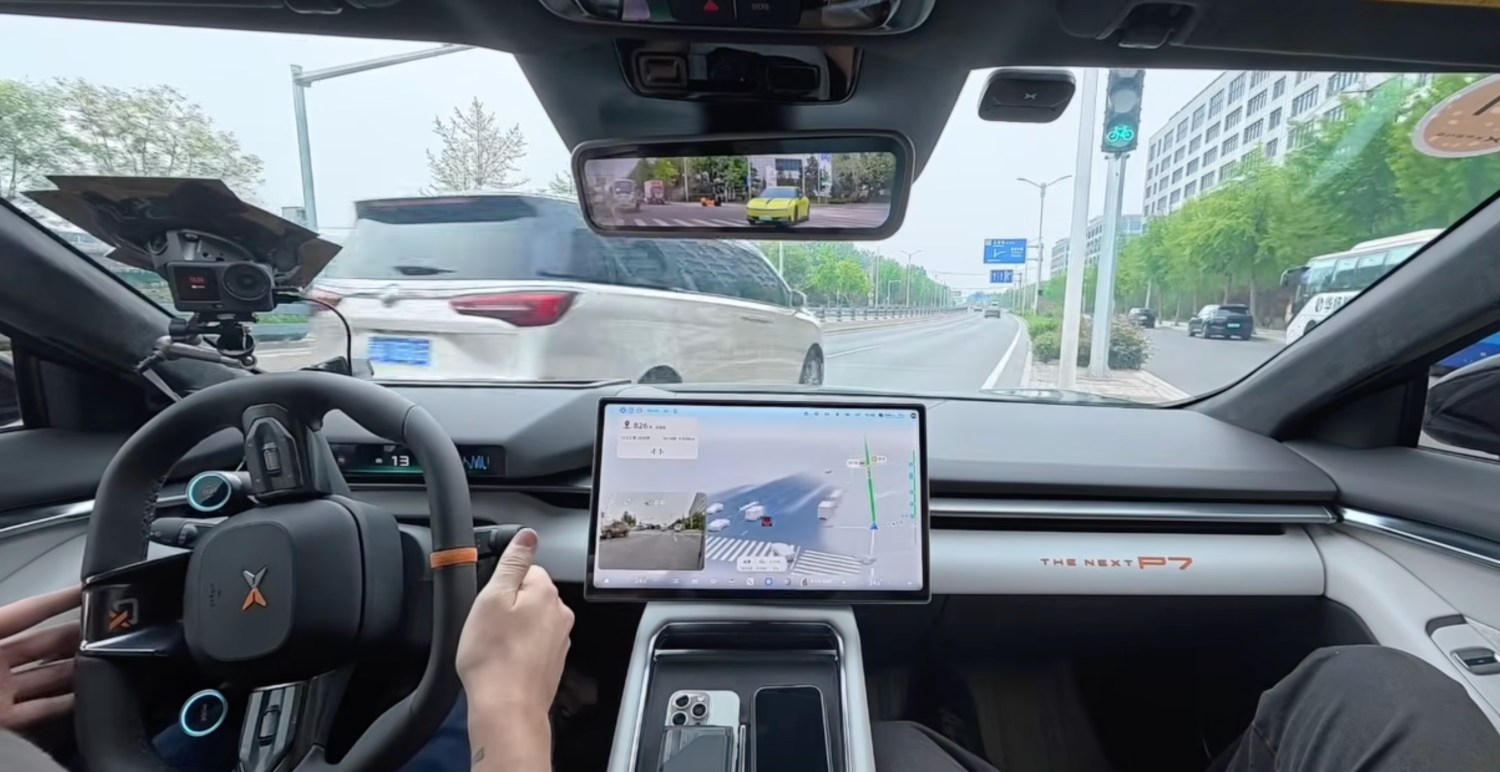
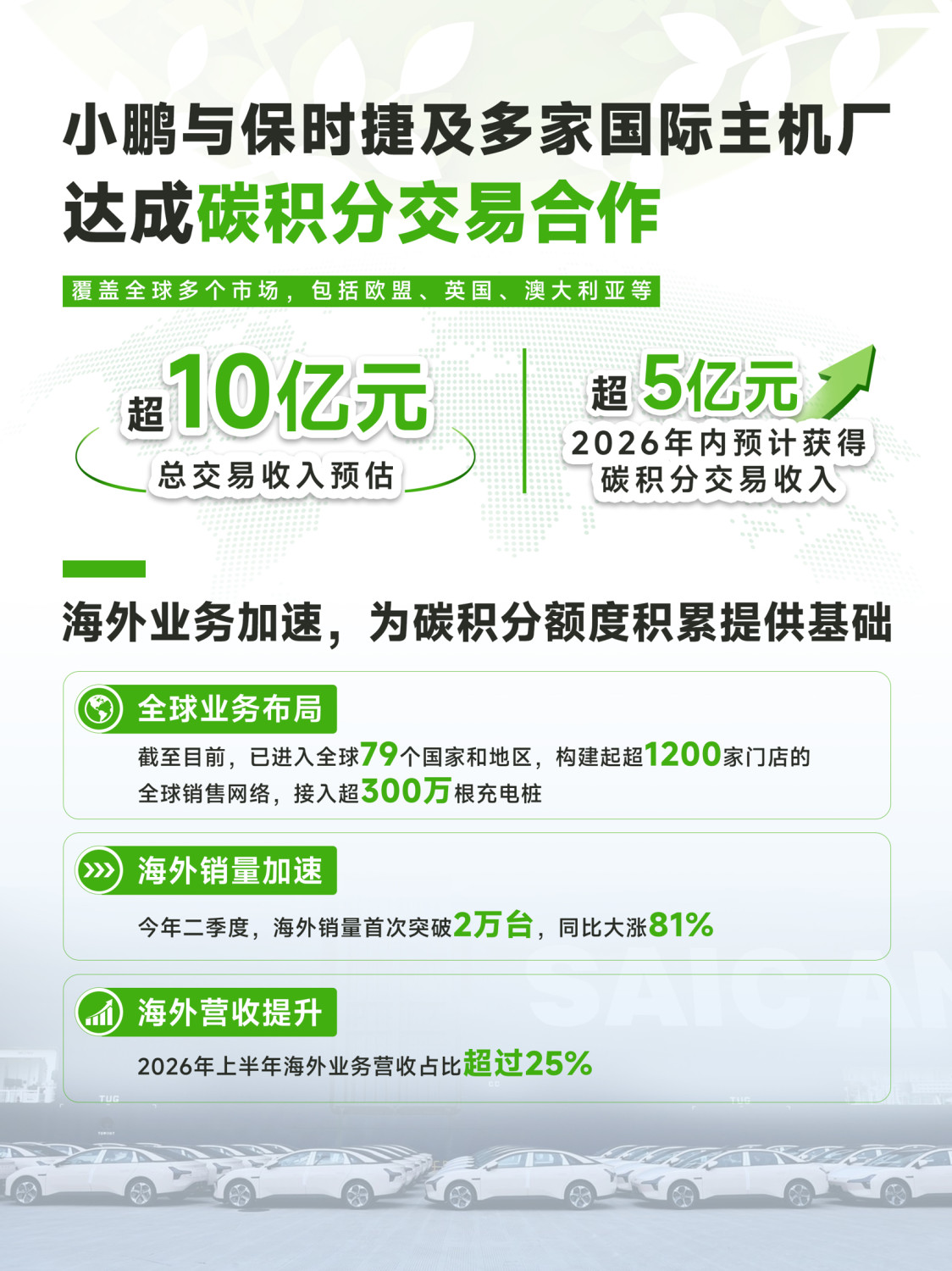
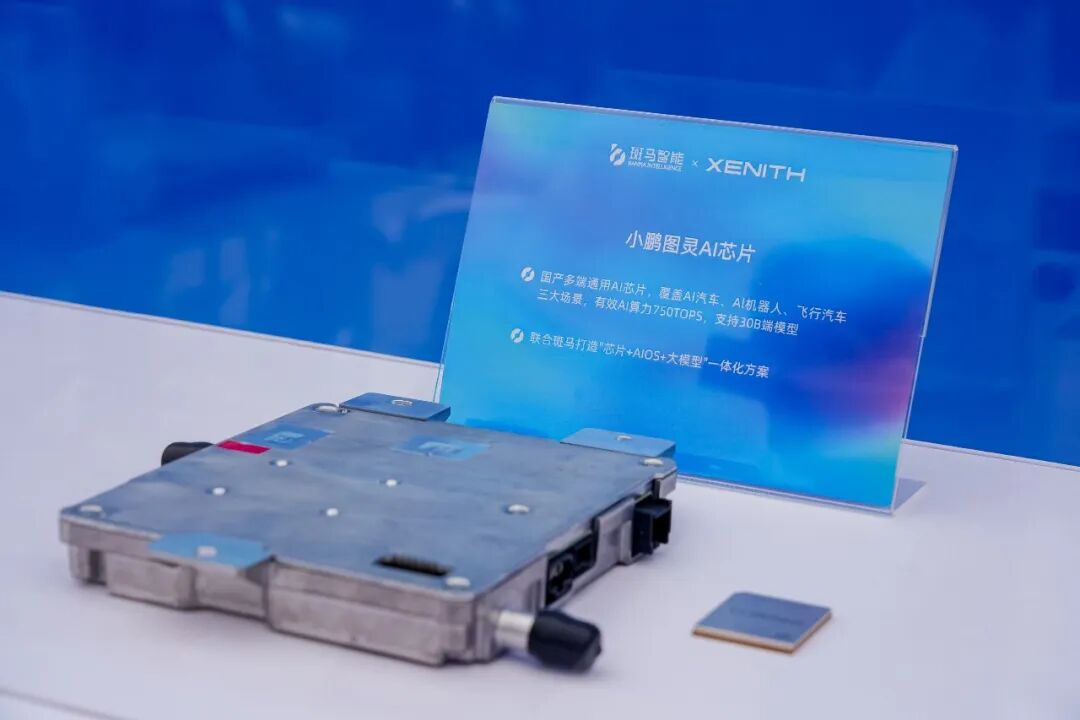
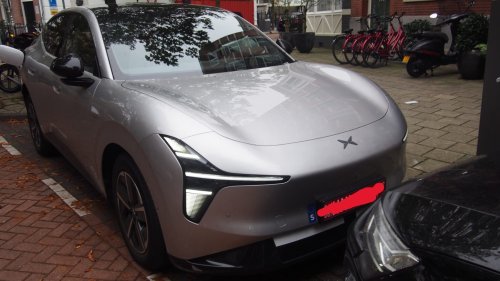
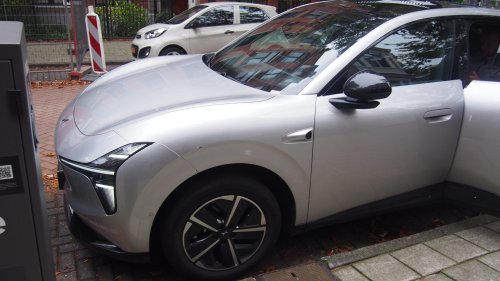
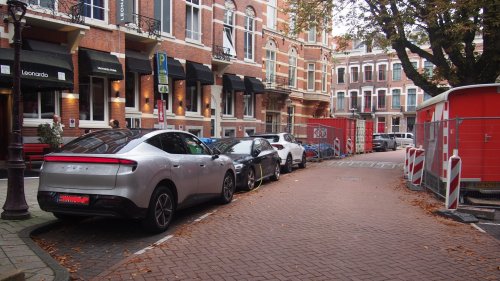
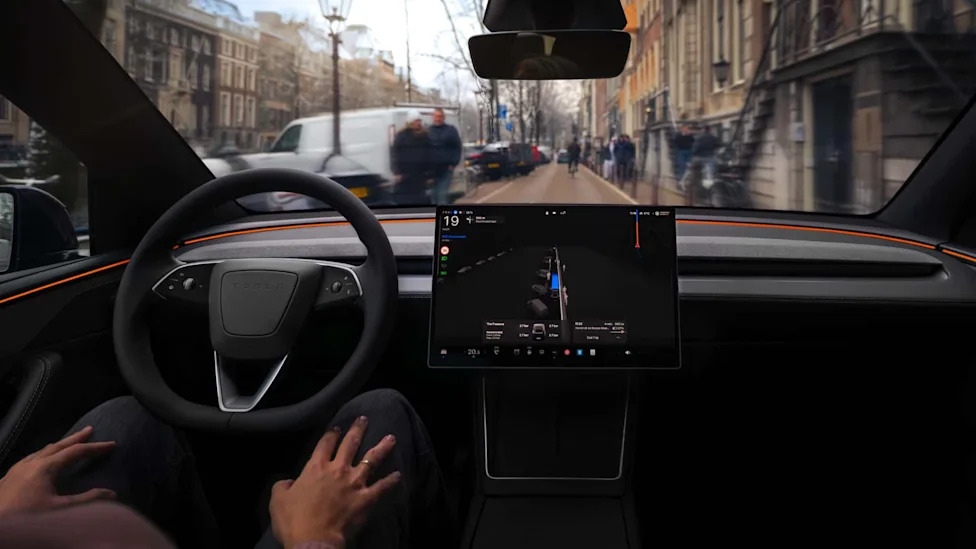
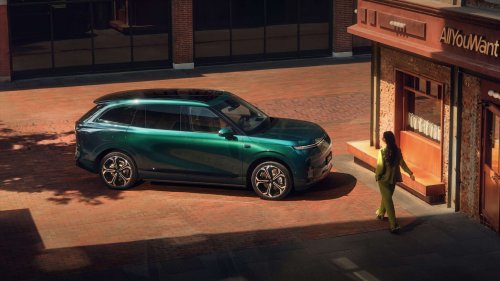
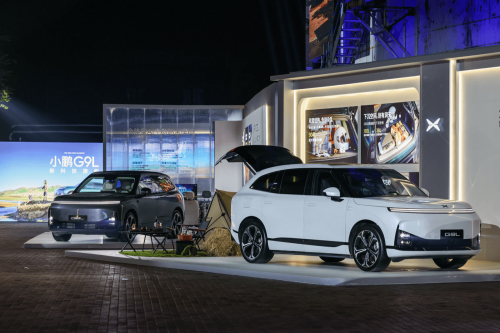
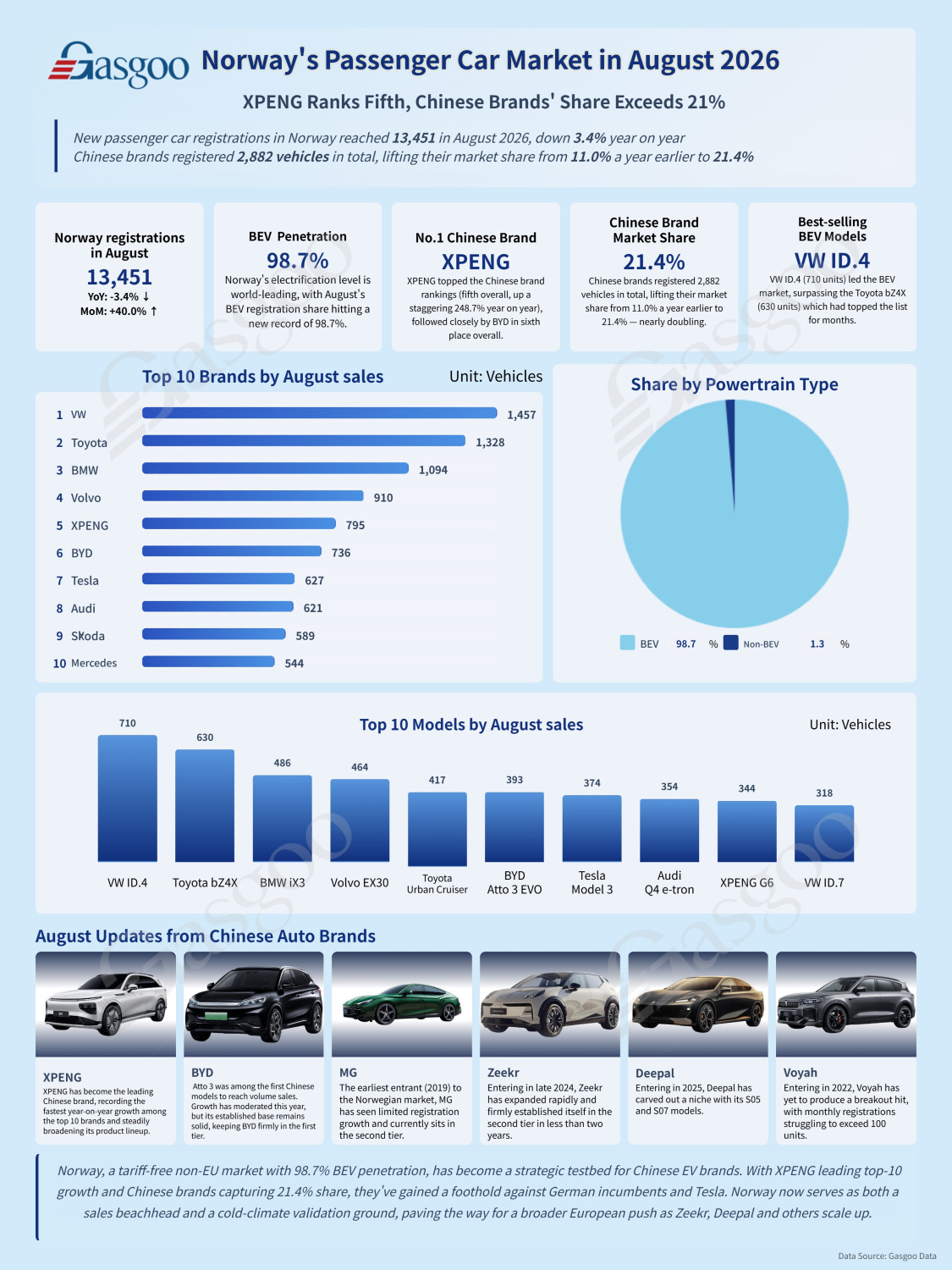
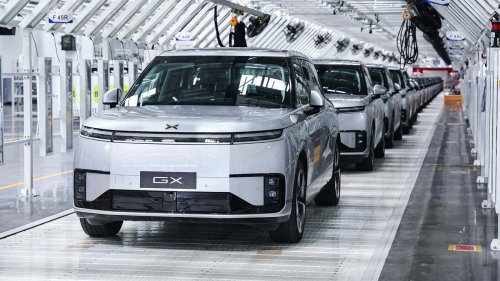
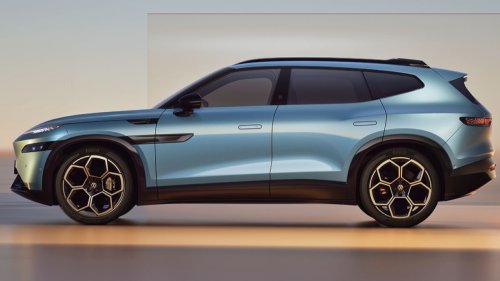
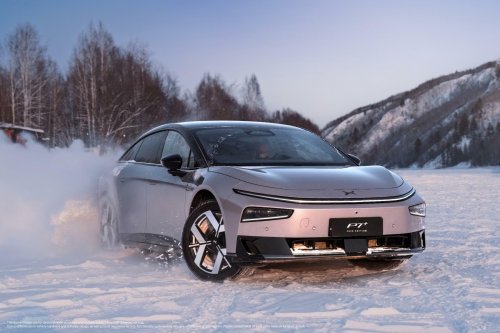
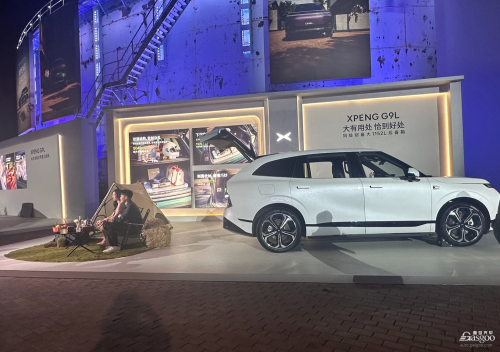
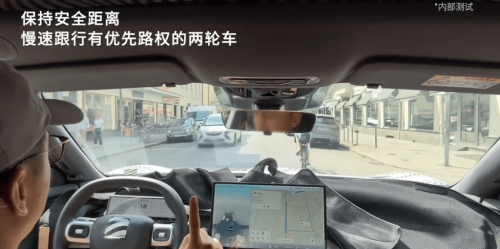
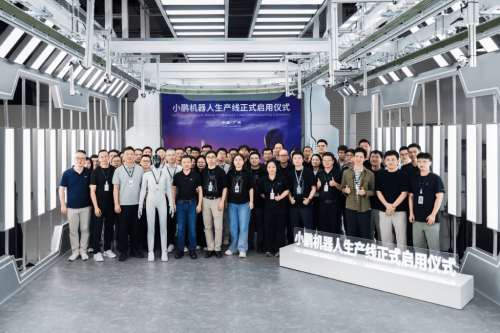
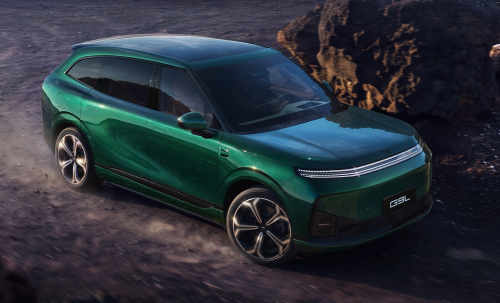
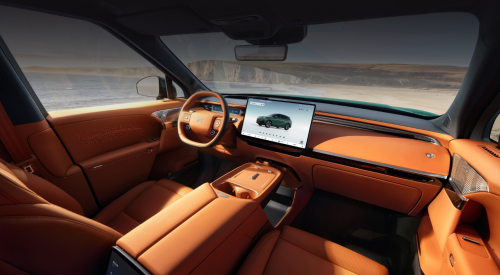
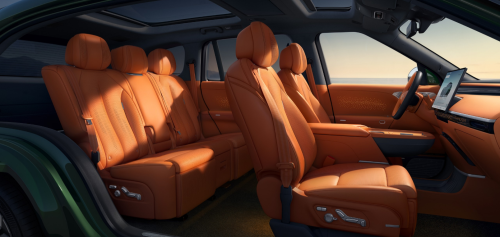
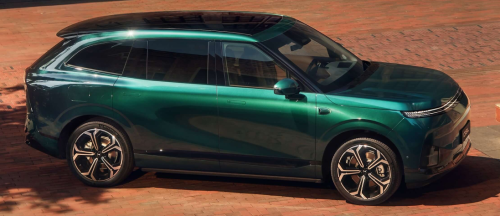
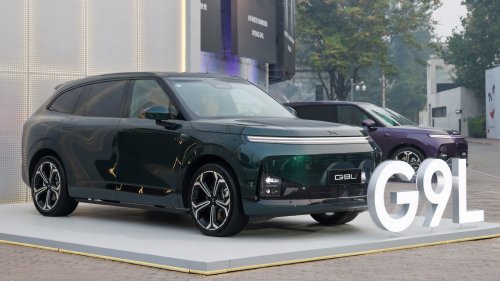
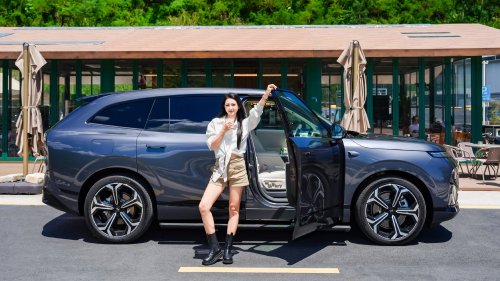
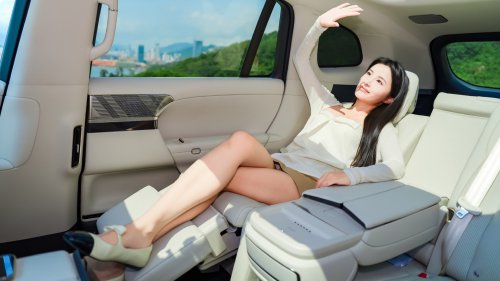
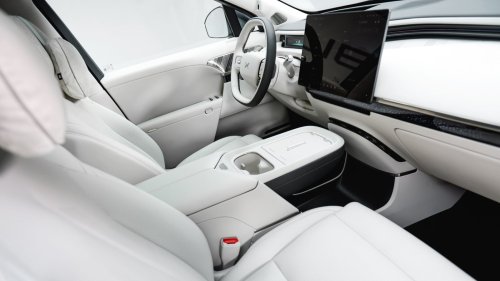
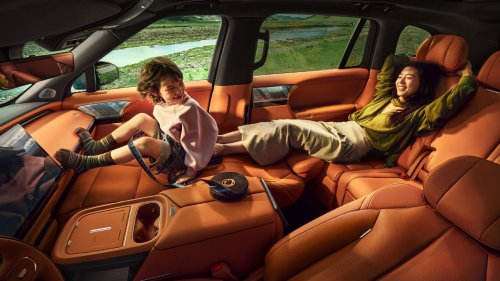
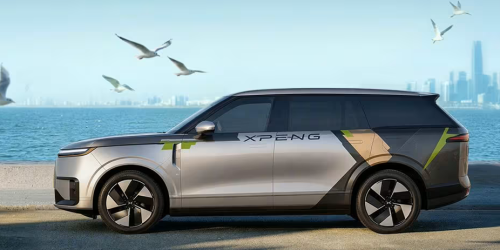
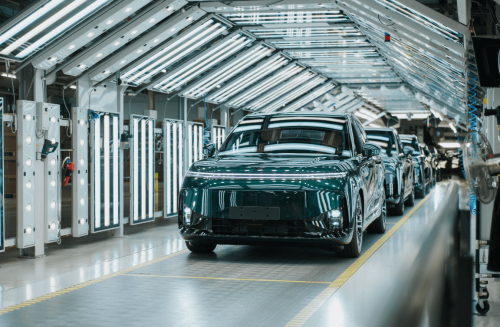
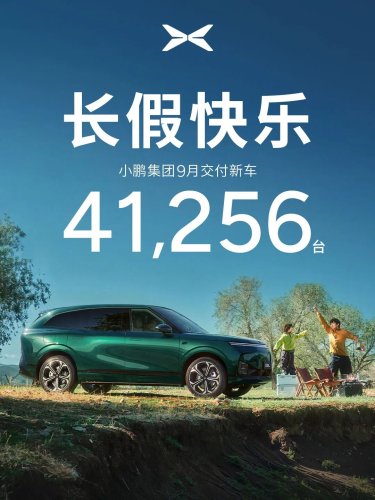
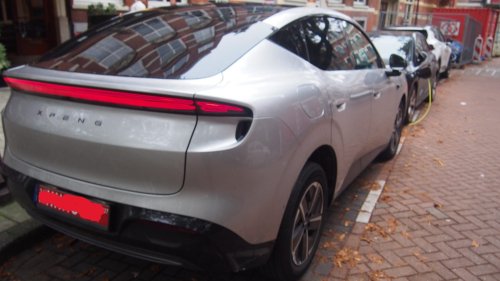
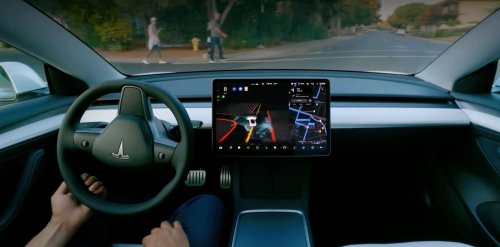
XPeng is trying to turn its self-driving and smart-cockpit systems into a licensing business, courting automakers, suppliers, and software firms well beyond its existing Volkswagen deal, according to a Reuters report. It’s the exact playbook Tesla has been pitching for years with “Full Self-Driving.” The difference is that XPeng is finding interest. The Chinese EV maker set up a “strategic commercialisation team” about six months ago to chase these deals, Reuters reported. On offer: its electrical and electronic vehicle architecture, its smart cockpit, its in-house Turing AI chips, ADAS and autonomous-driving software, and even its robotaxi and humanoid-robot work. No new customers have been named, but XPeng says interested parties have already made contact, and that they could include foreign software developers and auto suppliers as well as carmakers. The Volkswagen blueprint The template for all of this is Volkswagen. VW put roughly $700 million into XPeng in 2023 for a 4.99% stake, then leaned on the startup’s software and electronics for its own China-market EVs. The jointly developed ID.UNYX 08 electric SUV entered mass production in March 2026 running XPeng’s tech. Advertisement - scroll for more content That deal is already showing up on XPeng’s books. Service revenue jumped 93.9% year-over-year to about $400 million in the second quarter of 2026. That’s the high-margin, non-hardware income this whole licensing push is built to scale, and it’s a big reason the stock ticked up around 3% on the report. XPEV is still down about 47% year-to-date. Tesla has wanted this for years Selling your self-driving stack to other automakers is precisely what Elon Musk has been trying to do with FSD since 2021, and he keeps coming up empty. Musk floated “preliminary discussions” with other carmakers in 2021, said Tesla was “happy to license” its tech after a 2023 charging deal with Ford, and claimed in April 2024 that Tesla was “in talks with one major automaker” about FSD. None of it produced a signed licensing deal. Then, last November, Musk admitted the automakers simply don’t want it. “I’ve tried to warn them and even offered to license Tesla FSD, but they don’t want it! Crazy…” he wrote on X. Ford CEO Jim Farley had already said the quiet part out loud, telling the public that “Waymo is better.” Part of the standoff is liability: legacy automakers reportedly wanted Tesla to eat the risk when a licensed system crashes, and Musk called those terms unworkable. A vision-first stack that kept its safety net XPeng’s approach to self-driving actually rhymes with Tesla’s. When we interviewed XPeng’s head of AI earlier this year, Dr. Xianming Liu described the same core philosophy: scale up the data, train end-to-end neural networks, and let the car drive on cameras. But XPeng didn’t gut the sensor suite to get there. Where Tesla deleted radar and ultrasonics in pursuit of pure vision, XPeng keeps them as a separate, redundant safety layer that runs independently of the main driving AI. “We do utilize these other sensors, but they are utilized for the active safety system, which requires an orthogonal system to be totally redundant with the main driving system,” Liu told us. Those sensors power automatic emergency braking and steering as a backstop, even though cameras do the actual driving. It’s the same vision-led bet Tesla made, with a hardware safety net Tesla threw out. For a potential licensing customer nervous about handing driving decisions to a neural network, that redundancy is an easier sell than “cameras only, trust us.” We drove XPeng’s latest system earlier this year, and it made clear Tesla no longer has the “Full Self-Driving” space to itself. Electrek’s Take This is a neat little role reversal. A Chinese EV startup is now the self-driving and electronics supplier to Volkswagen, and it’s shopping that same package to whoever else is behind on software. Tesla has spent half a decade insisting it would be the one to license FSD to the industry, and it hasn’t landed a single deal. The reason XPeng is getting traction and Tesla isn’t comes down to a few unglamorous things. XPeng actually ships to a paying reference customer, with VW mass-producing cars on its stack right now. It kept a redundant safety system, which makes the tech easier to underwrite. And it’s happy to act as a supplier rather than demanding to be the platform everyone bows to. Tesla wants the platform economics without taking on the crash liability, and it still can’t point to an unsupervised product it has delivered to the people who already paid for it –aka all of us FSD owners. The obvious caveat is geopolitics. A US or European automaker licensing Chinese autonomous-driving software and Chinese AI chips is a hard sell in the current climate of data-security reviews and tariffs. So the near-term buyers are probably other Chinese brands, emerging-market automakers, and suppliers rather than Detroit or Wolfsburg’s rivals. Still, the direction of travel is the thing to watch. If you’re driving an EV, powering it with home solar is the closest thing there is to free miles. With electricity rates up almost 10% last year and expected to keep climbing, going solar is one of the best ways to protect yourself against rising costs. And with lease and PPA options, you can do it with zero upfront cost and start saving immediately. If you want to find the best deal, check out EnergySage. It’s a free service with hundreds of pre-vetted installers competing for your business, so you save 20 to 30% compared to going it alone. No sales calls until you pick an installer. Get your free quotes here. Stay up to date with the latest content by subscribing to Electrek on Google News. You’re reading Electrek— experts who break news about Tesla, electric vehicles, and green energy, day after day. Be sure to check out our homepage for all the latest news, and follow Electrek on Twitter, Facebook, and LinkedIn to stay in the loop. Don’t know where to start? Check out our YouTube channel for the latest reviews.