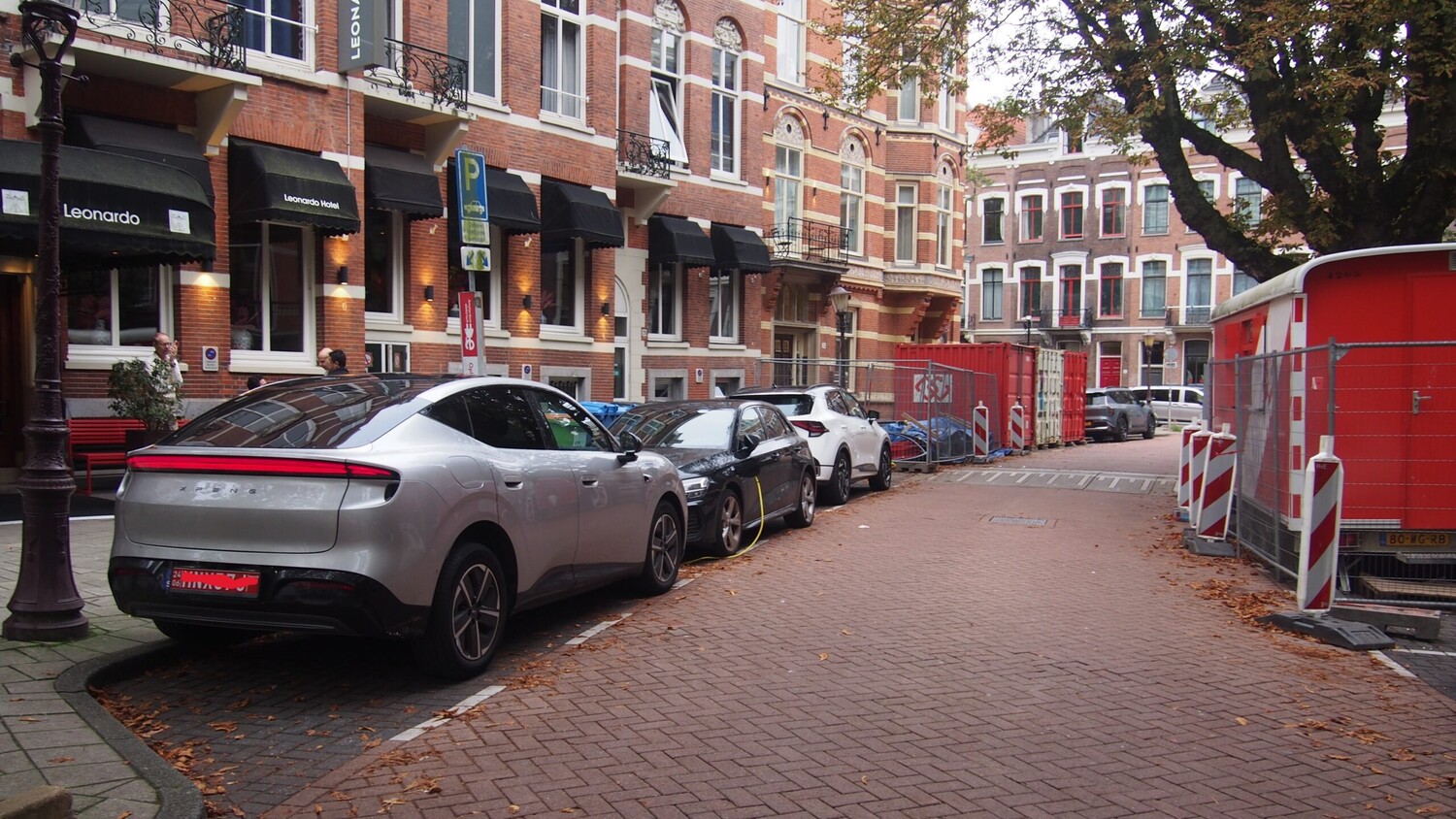
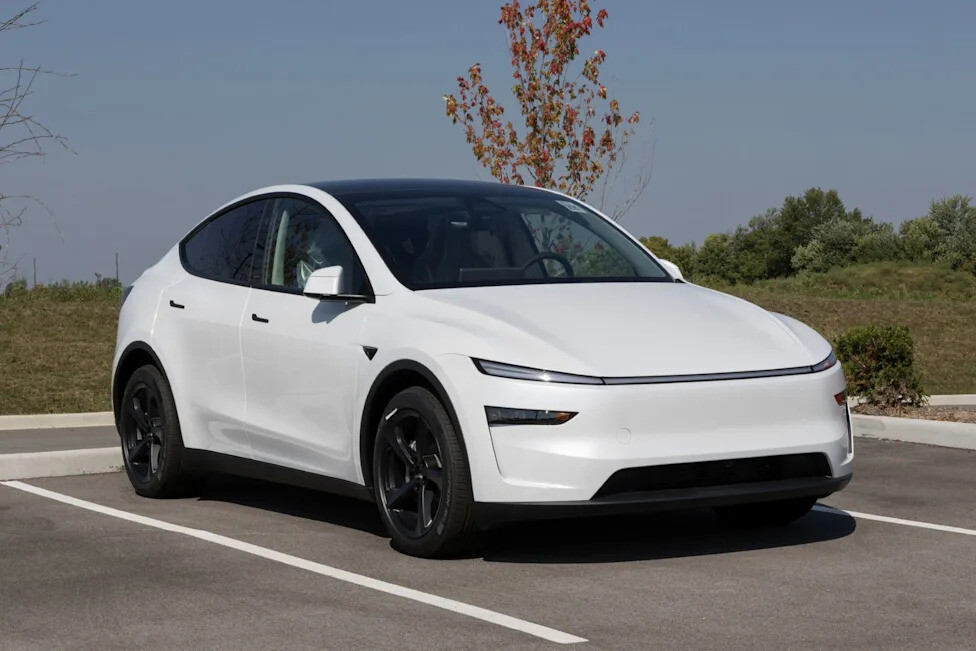
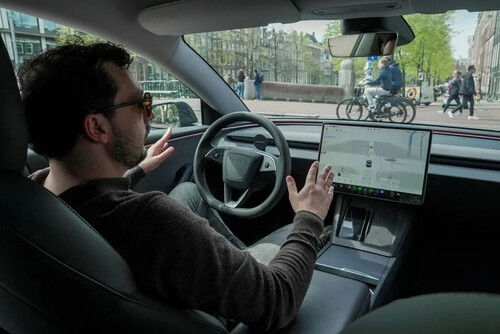
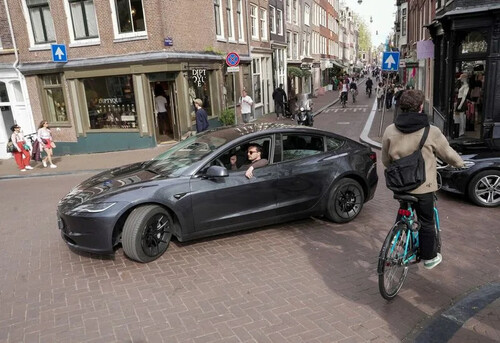
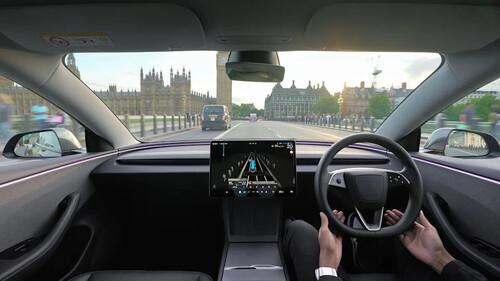
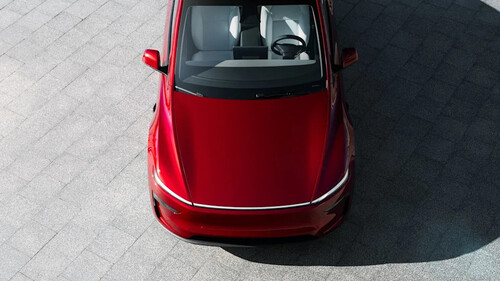
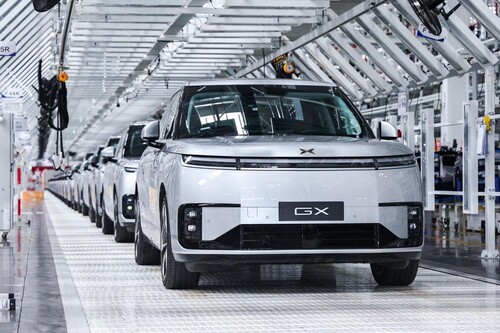
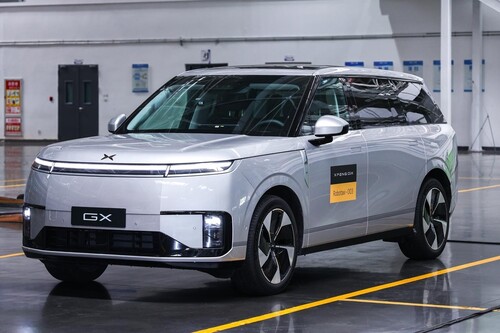
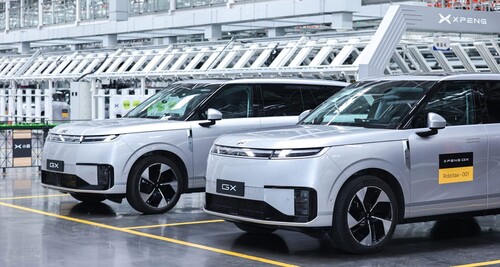
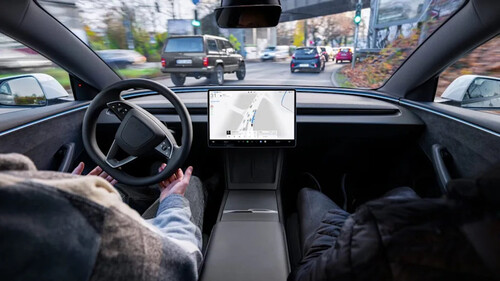
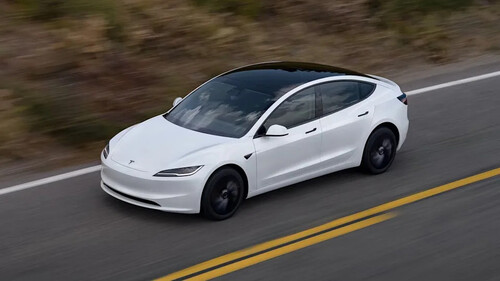
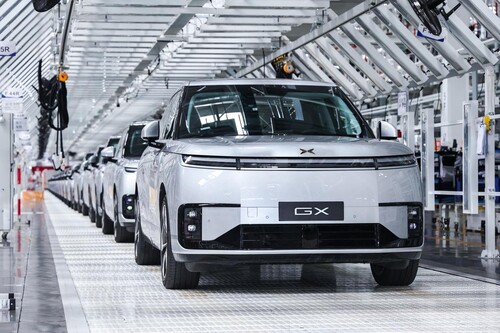
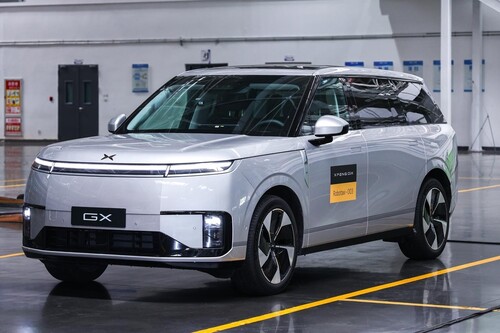
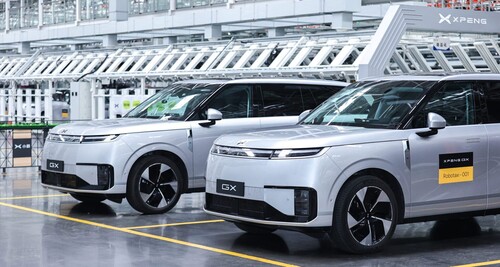
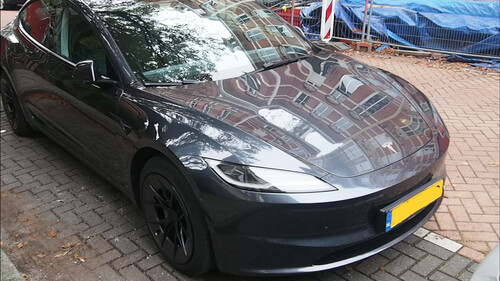
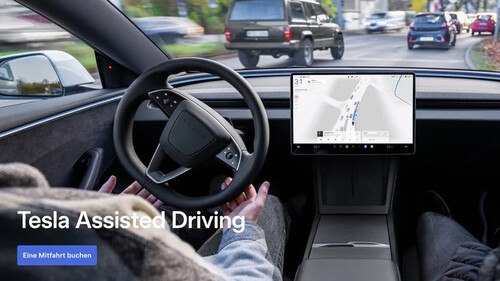
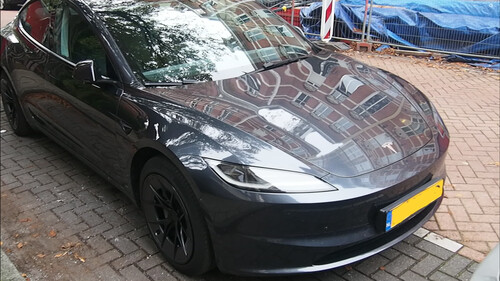
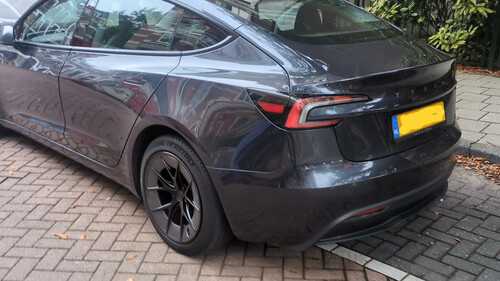
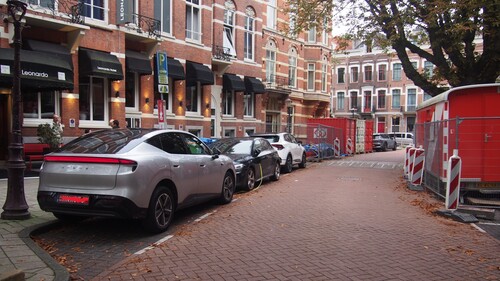
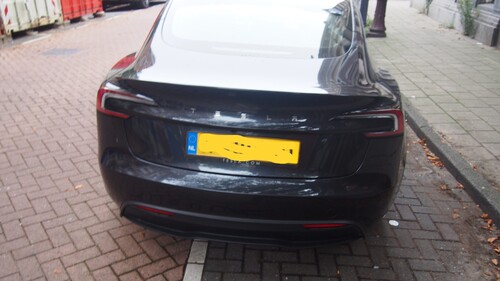
I recently became the first person outside of XPENG to ride in a L03 prototype using XNGP with VLA 2.0 followed by a Tesla Model 3 using FSD on the same roads. Many have experienced FSD, but not on roads where VLA 2.0 is available. People have also driven or ridden in cars with VLA 2.0 in markets where FSD is not approved. I have previously driven with VLA 2.0 in Guangzhou and Beijing and ridden along in Munich. The Netherlands became the first place in Europe to allow FSD. XPENG was testing an L03 prototype with VLA 2.0 in Amsterdam, prior to official release next year. While taxiing to the gate on the return from IFA Berlin, I noticed that XPENG messaged me about testing VLA 2.0 and FSD back to back. I jumped at the chance. A day later, I was on a fight to AMS. I am glad I made the trip. XPENG wanted to keep it low profile, so there was no welcome committee like on many of their press events. I had brought my XPENG jacket from their millionth car event, but they asked me not to wear any automotive logos. So, on a chilly Amsterdam morning with intermittent rain, I ended up wearing my Wu-Tang hoodie. I walked over from the hotel I was staying at to another hotel and met the XPENG team outside. A Dutch YouTuber was also there, who rode in the Tesla first while we took out the XPENG. The test happened on September 11th but was embargoed until now. Unlike some other events, the cars did not have cameras or microphones set up. I had to run out to get an action cam for the cabin shots. The L03 was a pre-production prototype with some remnants of camouflage. It was not pristine and prepped like many press event vehicles. Overall, the car did not draw too much attention to itself on Dutch roads. However, one person came up while we were parked, complimented it, and asked what it was. The car gets more impressive when exploring the details. Due to the prototype testing and insurance concerns, I could not get behind the wheel of either vehicle. Longwen from XPENG’s Munich office piloted both vehicles on the test and graciously answered my questions. Amsterdam is a challenging driving environment. Many of the challenges we faced were beyond what the typical American driver is likely to encounter. Roads can be narrow and complicated. Many were built long before cars to follow the numerous canals. It can be easy to get turned around. Construction along our route and double-parked vehicles made the already narrow roads even more challenging. There are many pedestrians, including tourists, who are too busy looking around to be paying attention. However, a bigger challenge is the bicycles, who are given priority and do not stop for cars or pedestrians. They can seemingly come out of nowhere. Many follow the rules, but there are enough that do not that you can’t count on it. Intermittent rain made it even more challenging, as people in the elements with umbrellas and hoods down were not paying as much attention to other people on the road. VLA 2.0: Anticipate & Act If I had to give an overall description of how VLA 2.0 performed on Dutch roads, I would say that it anticipates what will happen in traffic and acts assertively. You could sense it thinking ahead and then acting. There were only a few times when it seemed to hesitate — although, that was understandable, given the complex traffic. I would have also hesitated at times. When navigating construction, especially where people were present, it seemed to be cautious and polite. Potentially more than human drivers. It gave a significant gap to construction vehicles ahead of it. It also did not immediately re-enter a lane when it saw additional construction in the road ahead, and it left plenty of room for cars that were parking. Of the times that the driver took the wheel during our drive, once was to shift into a lane that we then needed to back out of for construction. Once was to go around a car that was partially blocking the road with its brake lights on but wasn’t moving. And the third was to close a gap between us and a construction vehicle ahead of us so that a vehicle behind us would not be blocking traffic. The L03 would see a bicycle coming, judge the speed, and distance and take the turn. The car would tend to see the bicycles before I did and didn’t need to panic stop. Bicycles also never seemed to need to swerve or apply their brakes, but the car didn’t leave a very large gap. For some people, the gap may feel too small. A Dutch content creator who rode in the L03 after me would have preferred more of a gap. For someone from New York, it felt right. For someone in China, it might have felt overly cautious. XPENG L03 in Amsterdam. Photo by Larry Evans. Which gets into some of the challenges of tuning for local markets. Even if it is safe, it might feel disconcerting to someone based on their unfamiliarity with the system and local driving customs. It might be technically right, but not very polite. AI has the potential to judge trajectories better than people can, but the path might not make passengers feel comfortable. With enough foresight, AI could make decisions faster than people can process a situation, potentially startling them. As people get more comfortable with the system, they may feel more comfortable with it acting more assertively. However, I could see value in letting people control that assertiveness, similar to how they can choose the gap between the car ahead of them in adaptive cruise control. When accelerating up to speed or slowing down, it happens in one smooth motion. Steering through corners also follows a smooth arc. The L03 anticipates how much it will have to brake or accelerate, and it acts without correction. We didn’t experience any need to abruptly emergency brake, but it did have to slow down and stop for some bicycles. When making turns, it tends to anticipate if it can complete the turn before it enters the intersection. I did not experience it getting stuck part way through the turn or intersection, blocking traffic. Despite the traffic being more intense when I rode in the XPENG than later in the day, it did not lead to any cars blowing their horns. Even though it did not seem to be as reactive to the other road users and did not give them as large of a gap, it also did not seem to inconvenience or imperil them. XPENG L03 in Amsterdam. Photo by Larry Evans. The car also anticipated the road itself. It would gently slow down for potholes and speed bumps. The larger the bump, the more it would slow down. The capability was particularly impressive for the XPENG, considering that these types of bumps are uncommon on urban Chinese roads. This combined with a suspension that felt connected but was not harsh to provide a far more comfortable ride than the Tesla. Another difference is the reaction time to user inputs. When starting the system, the XPENG reacted immediately. When hitting a waypoint, it then immediately went to the next one. It did not pause or need to recalculate. Much of this has to do with far more intelligent driving processing power onboard, rather than needing to access the cloud. In addition, the screen was clear and responsive. However, a driver display and HUD also provide essential information without needing to look at the central screen. While physical controls are minimal, a shifter stalk made going into reverse while pulling out of a tight parking space easier than needing to rely on a touchscreen. In addition, voice control can currently adjust many onboard functions but will soon be able to control intelligent driving through conversational requests. That voice control alone has more processing power than Tesla HW4. This function is currently being rolled out in China but was not on our European test vehicle yet. Another useful aspect of the system is the co-driving. The driver can accelerate or slow the vehicle with a button on the steering wheel or use the accelerator pedal, and the system will hold that speed. The driver can also give more room around obstacles or change lanes with the system remaining engaged. The system didn’t disengage during our drive, even though the driver provided input at times. The model also learns from the driver input. This is important for a system that anticipates, as it can better anticipate edge cases and adapt to driver preferences. With more data, the system will continue to improve. By its anticipated European public release in 2027, the car will drive even better. Overall, the L03 felt like a competent Chinese driver rapidly learning the driving customs of another country. I felt it already understood Dutch roads better than I did. At this stage in its development, it could have easily performed flawlessly in Germany, but Amsterdam roads are different. And they are also different in other locations. As XPENG’s model is not rules-based and does not use data labeling, it has an advantage in learning how to drive in different markets. But it needs more data from those markets to keep improving. In Part 2, I will discuss my experience in a Tesla Model 3 with FSD, followed by a wrapup comparing the two cars.