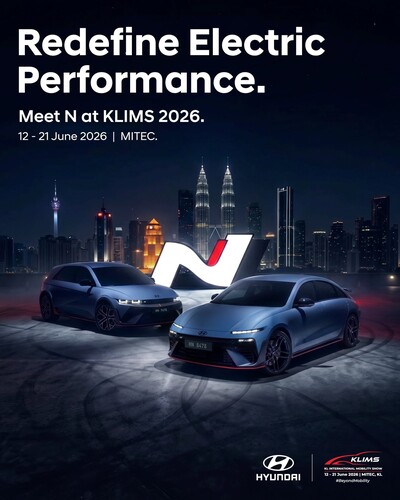
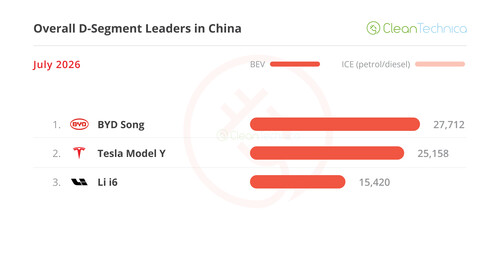
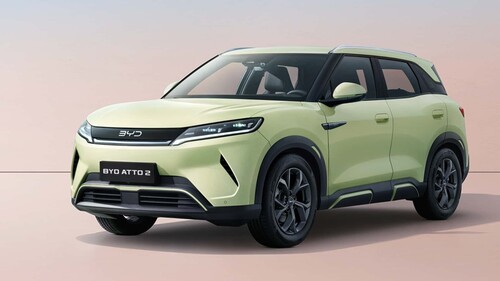
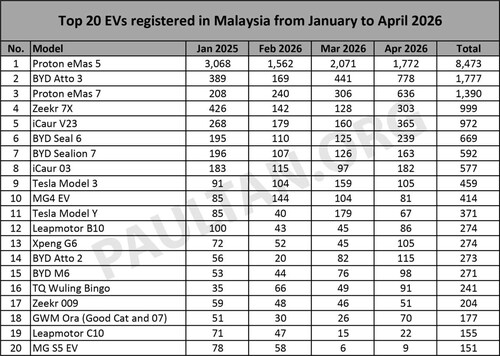
Victoria King · 1 months ago@victoriaking57Norway's Passenger Car Market in August 2026: XPENG Ranks Fifth, Chinese Brands' Share Exceeds 21% Liked by+41 othersBMWBYDBYD AttoChanganMGTeslaToyotaZeekrPost commentRelated PostsKLIMS 2026 happening at MITEC from June 12-21 – here’s what you can expect from each car brand there 21 · Hannah Moreau · 4 months agoAustralia's 7 best-selling EVs are now all Chinese — even Tesla's 18 · Henry Roy · 3 months agoThe ICE Meltdown Continues — July’s China EV Sales Report (44% BEV Share) 62 · Gabriel White · 2 months agoAustralian Plugin Vehicle Sales, September Update — Are Mainstream Media Finally Waking Up?Jackson Labelle · 13 days agoThese Were Europe's Best-Selling Cars Last Month 62 · Mason Walker · 1 years agoStaying chilled amid the chaos on a hands-free drive in Beijing 75 · Madeleine King · 2 months agoNew BMW i3 gets a huge £10k price cut as entry-level 40 xDrive model arrives 27 · Noah Turner · 25 days agoIonna Charging Network Doubled to Over 180 Sites in 2026. Its CEO Tells Us What’s NextConnor Poirier · 23 days agoCar Prices Are Near $50,000, but Buyers Keep Returning to These BrandsParker Hill · 14 days agoEU Reaches Agreement With China To Reduce The Import Of Plug-In Hybrids By HalfMadeleine Girard · 13 days agoTop 20 EV cars in April – eMas 5 still top with 1,772 units, but eMas 7 trails Atto 3; QV-E in 18th, 52 units 92 · Annabelle Scott · 5 months agoGermany's Passenger Vehicle Market in June: Chinese Brands Nearly Double Share; Tesla Model Y Leads BEVs 59 · Morgan Moreau · 3 months agoPure Electric Vehicle Brands Take Center Stage at Indonesia Auto Show 23 · Kayla King · 2 months ago"Golden September" Promotion War: Buyers Wait, Sellers Rush 92 · Lucas Lavoie · 1 months agoVFACTS: Australia’s best-selling brands and models in the first half of 2025 24 · Amélie Brown · 1 years agoChina's Gnarly Sales Slide Just Hit The 10-Month Mark 48 · Sophie Morgan · 2 months agoToyota debuts updated bZ5 in China at nearly half the price of a Tesla Model Y 31 · Chloé Wilson · 1 months agoTesla, BMW and Volvo Are Losing Familiar Models for 2027 – See Which Vehicles Won’t Return 38 · Kayla Mitchell · 26 days agoThe Best AWD Sedans You Can Buy in 2026: From 50 MPG to 1,234 HPMorgan White · 17 days agoToyota Vs. Subaru Sales: One Brand Is Quietly Winning With The Same CarsLeo Harris · 13 days ago


 +41 others+41 others
 +41 others