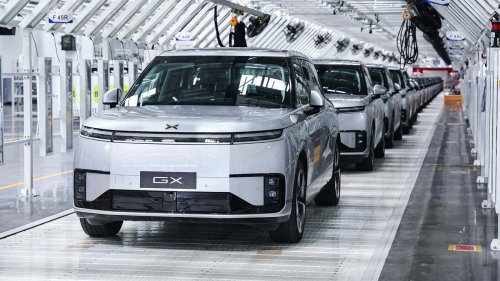
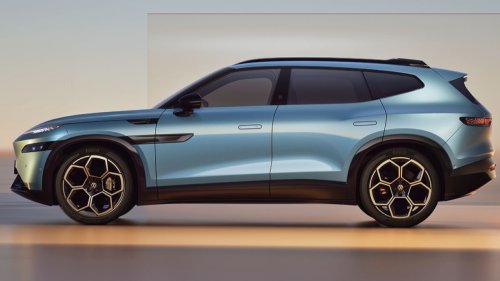
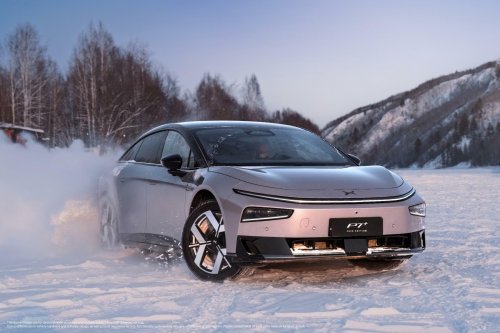
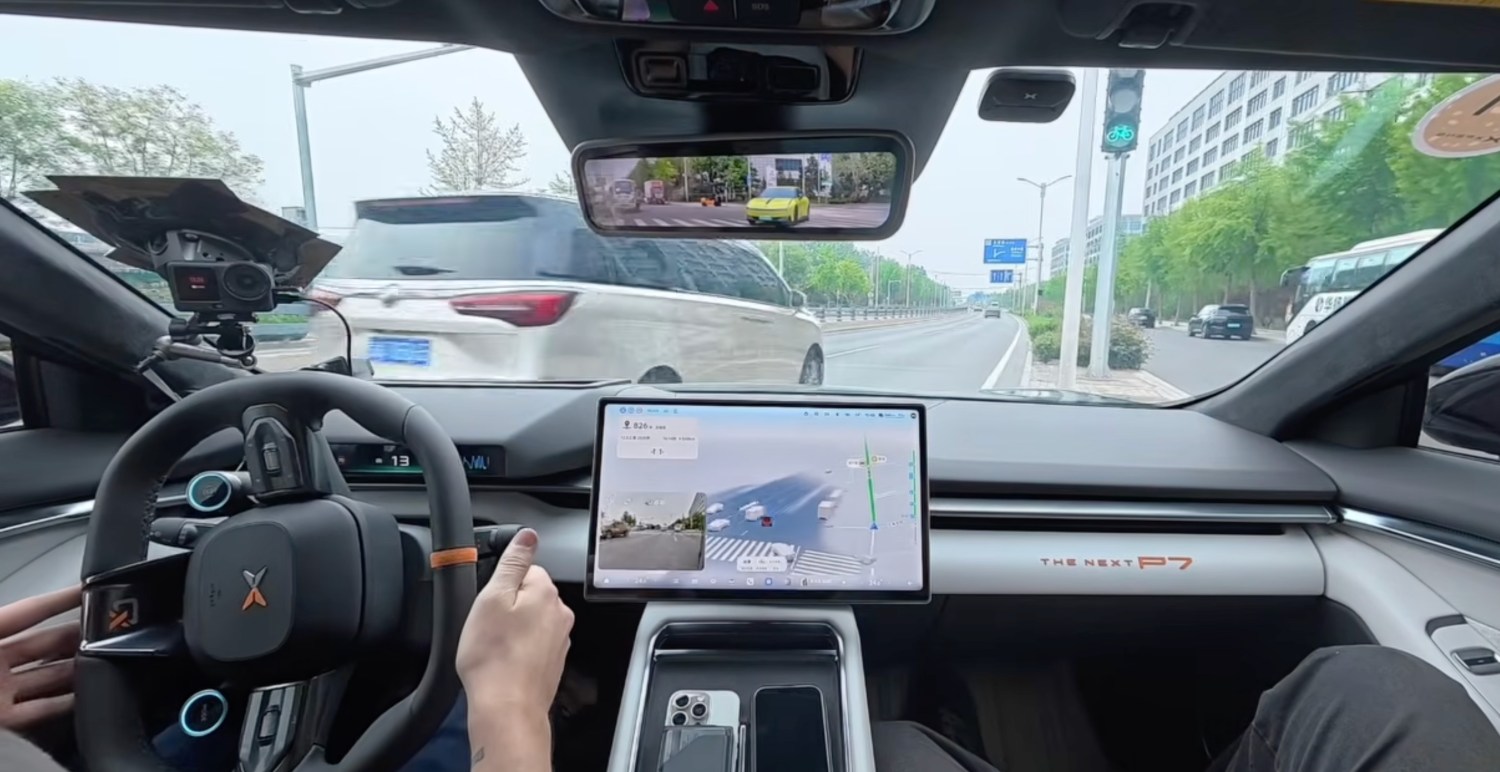
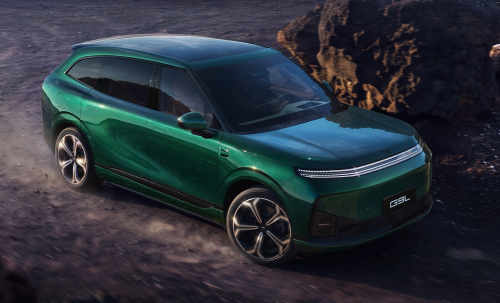
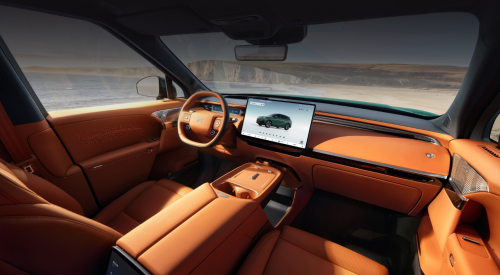
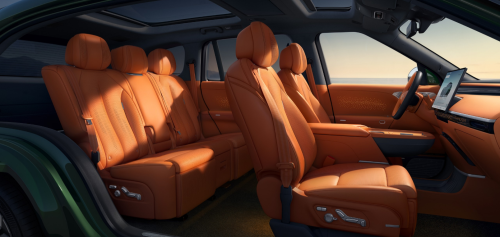
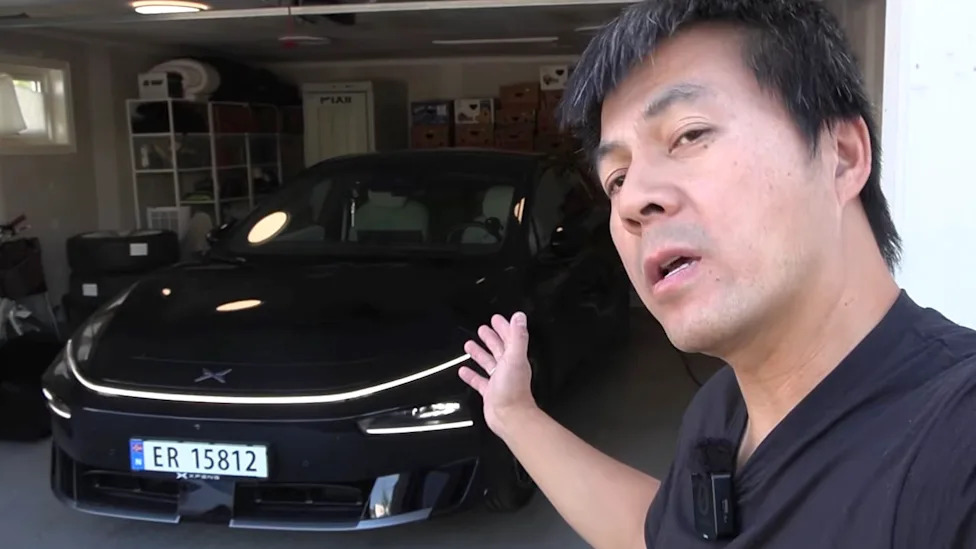
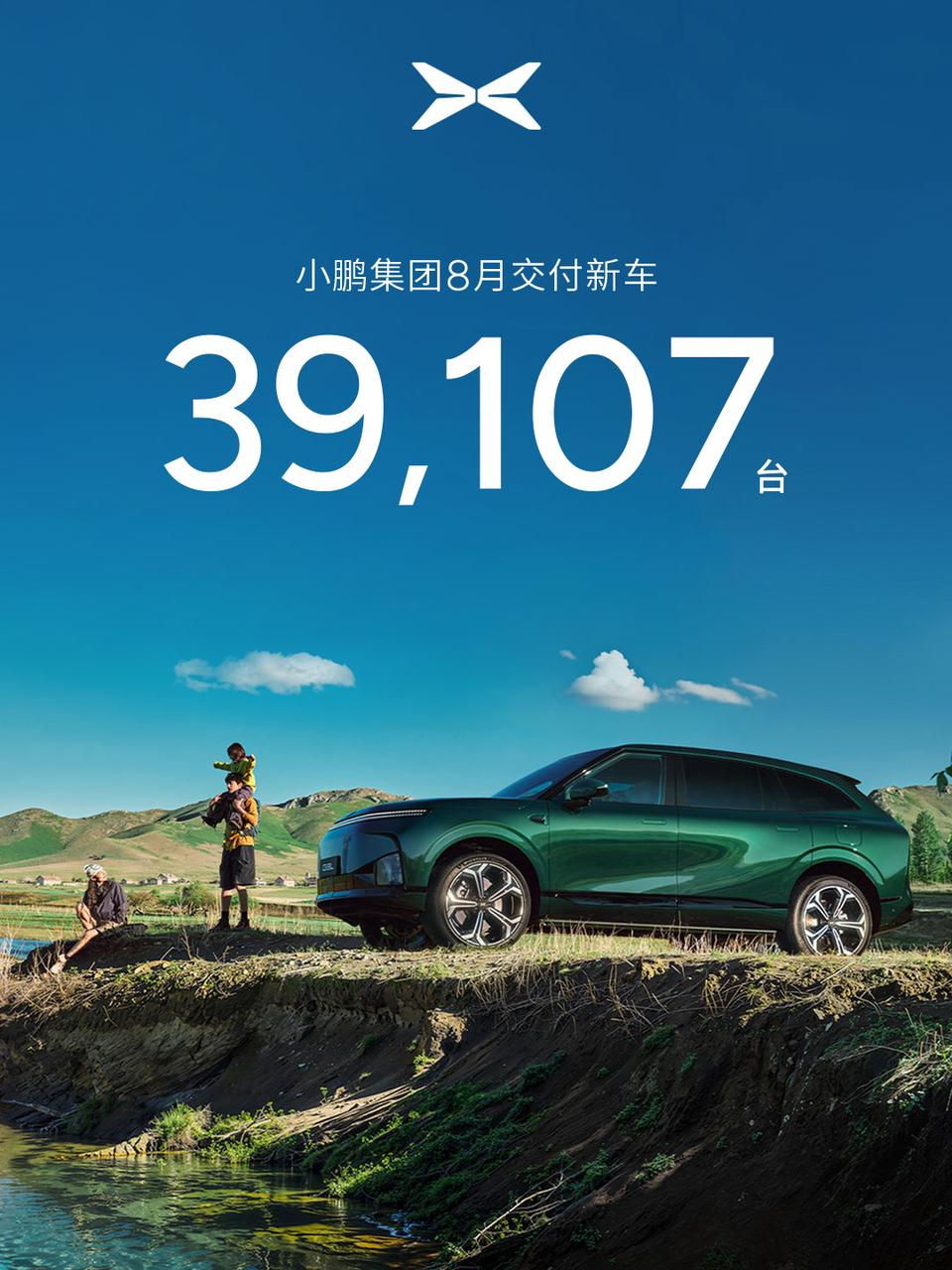
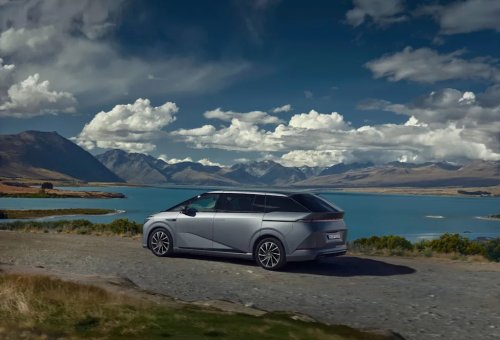
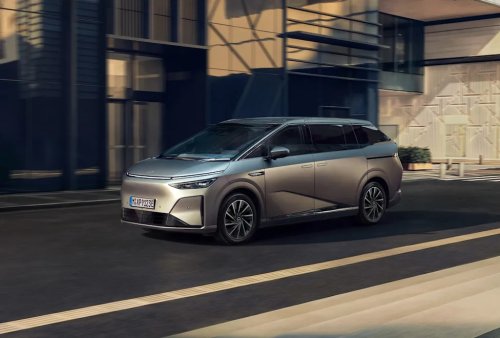
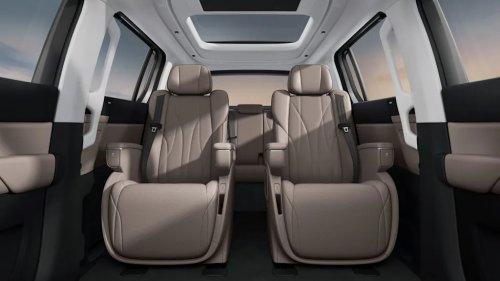
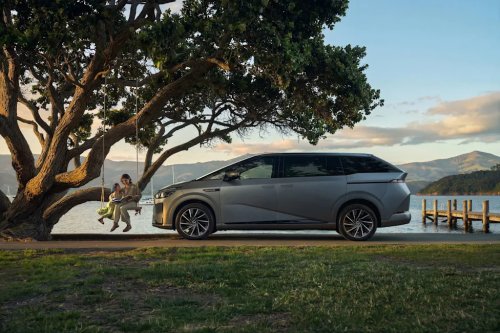
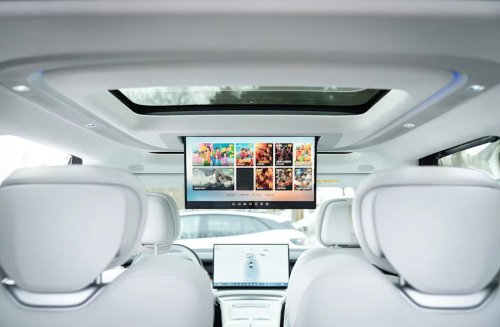
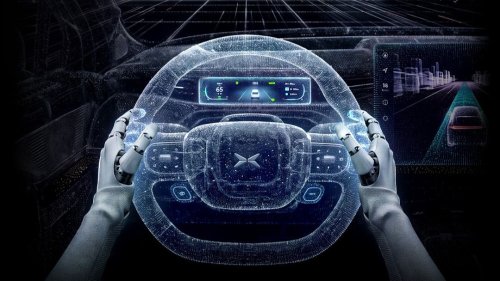
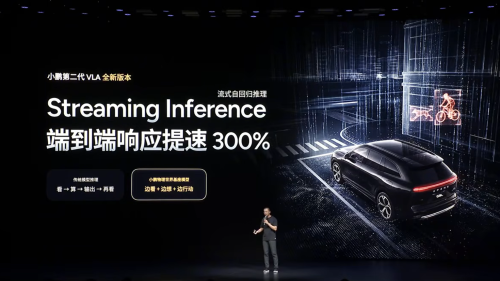
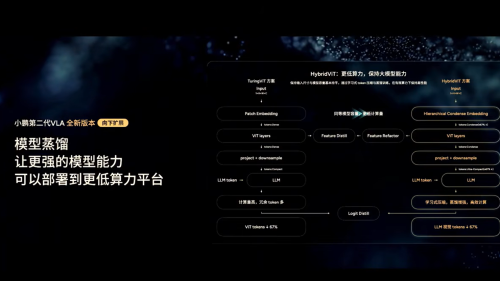
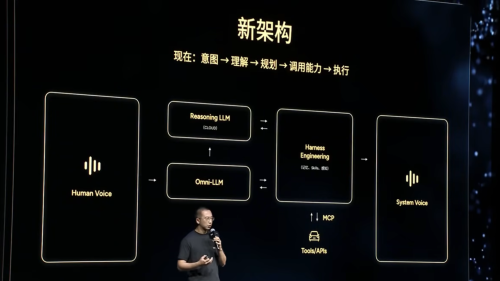
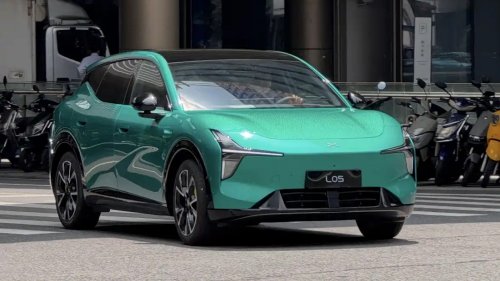
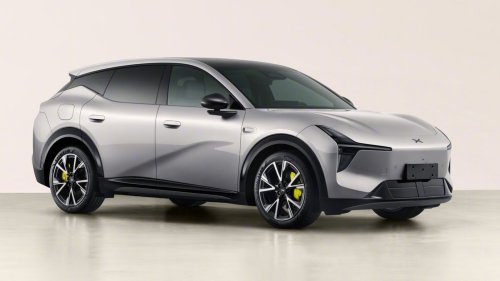
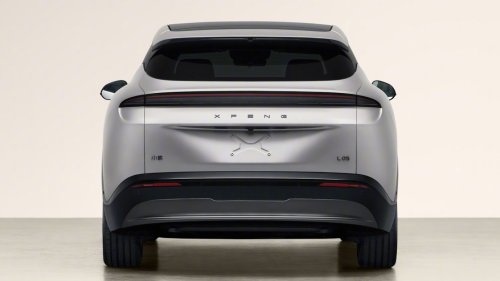
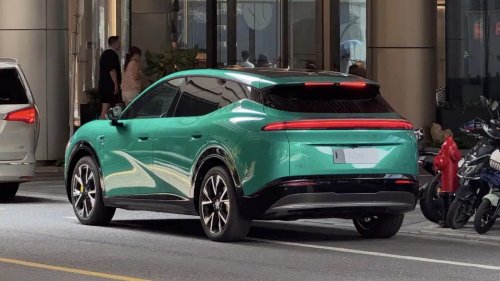
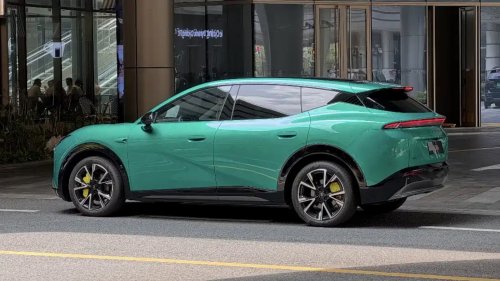
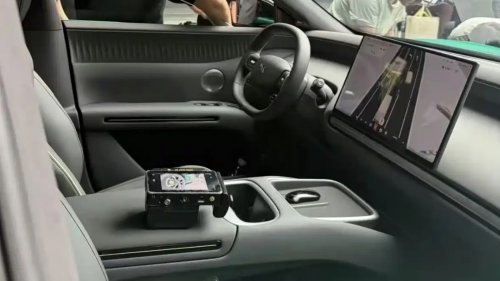
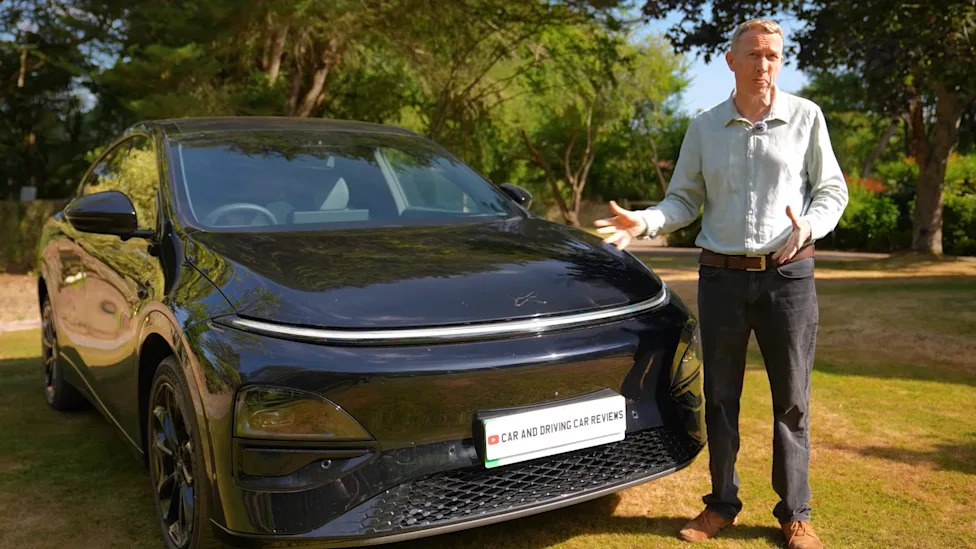
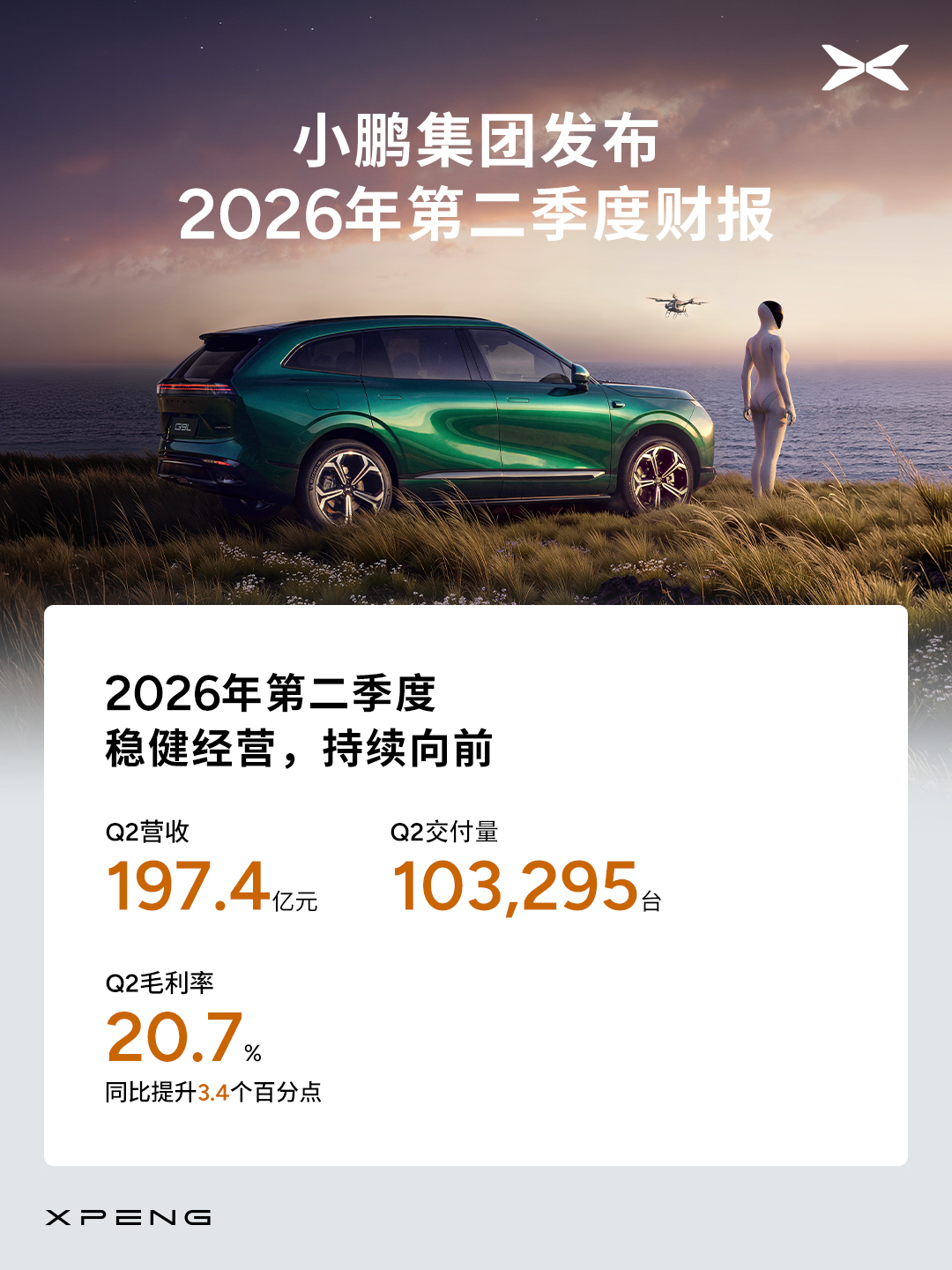
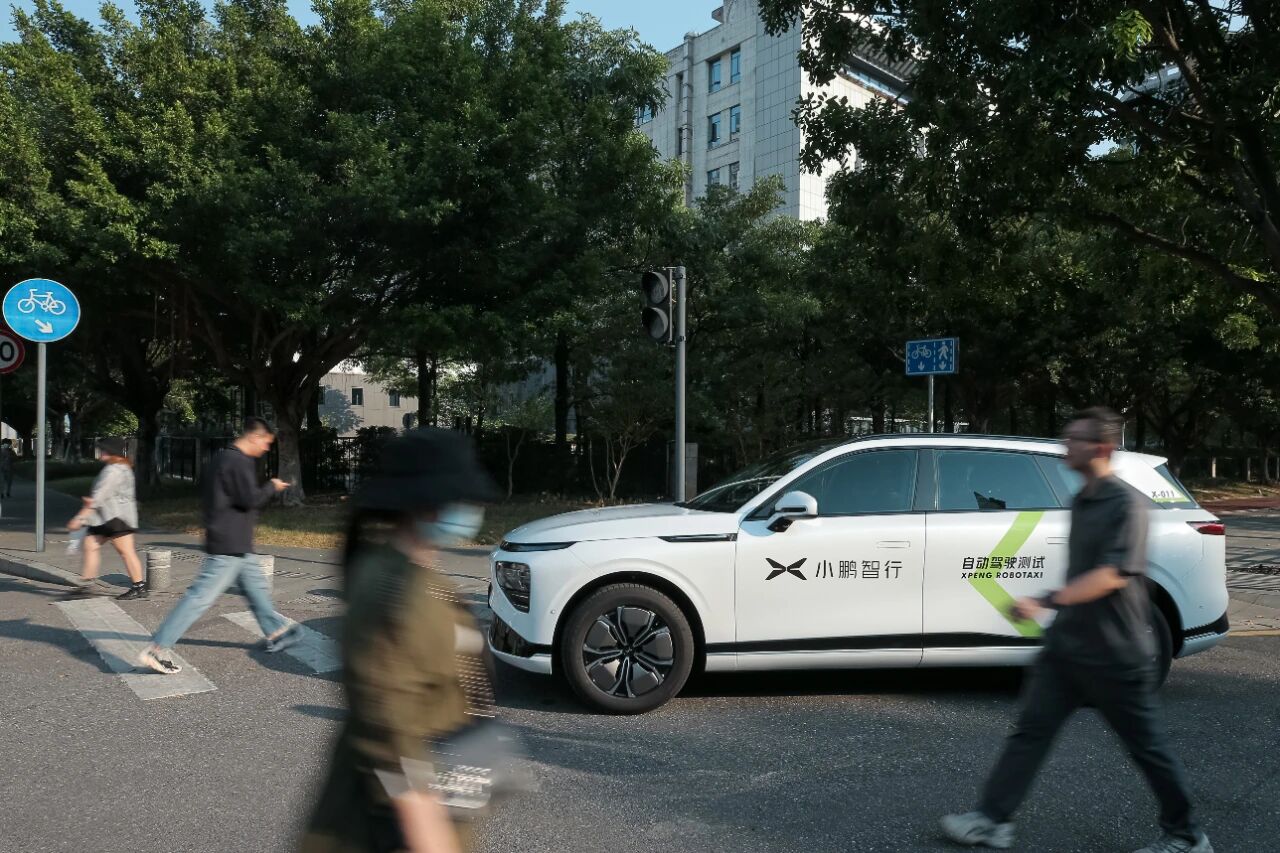
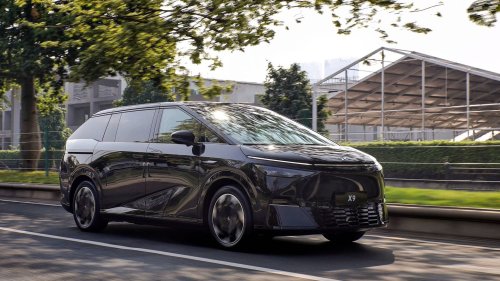
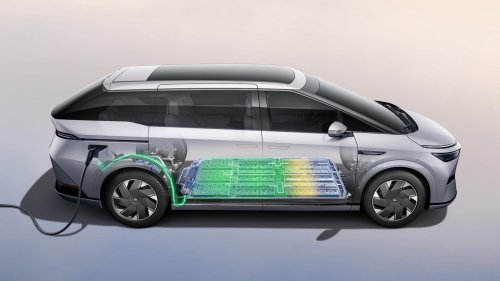
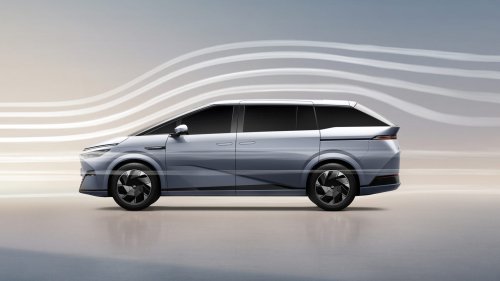
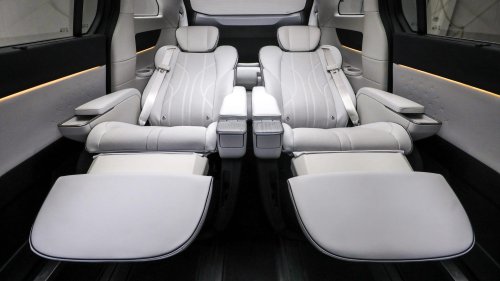
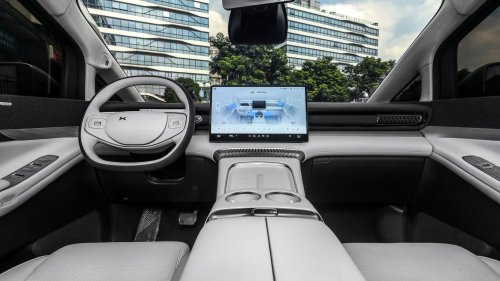
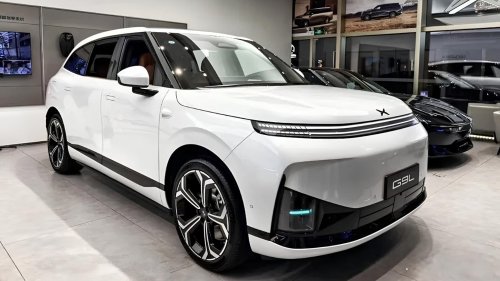
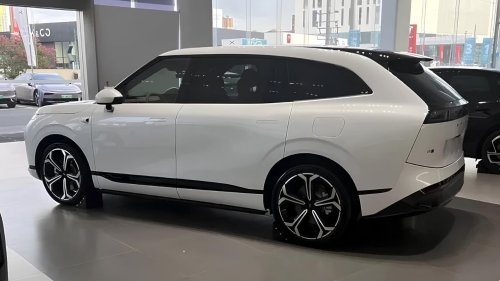
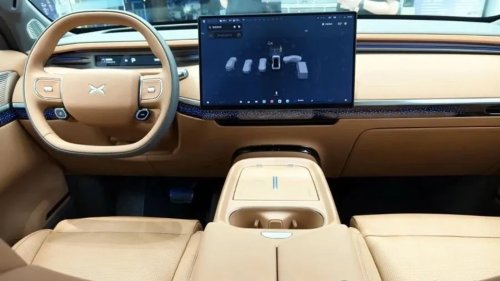
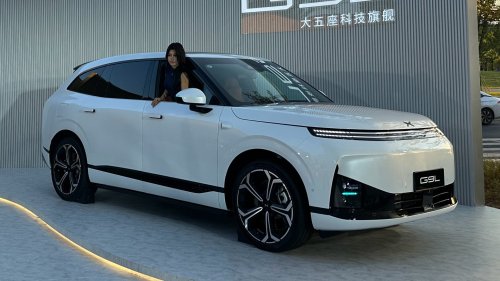
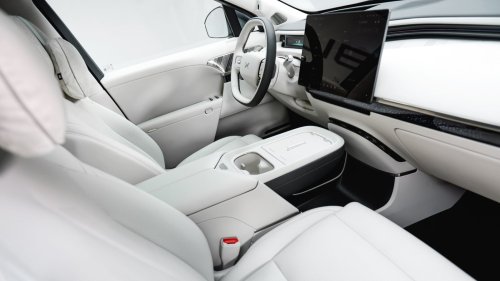
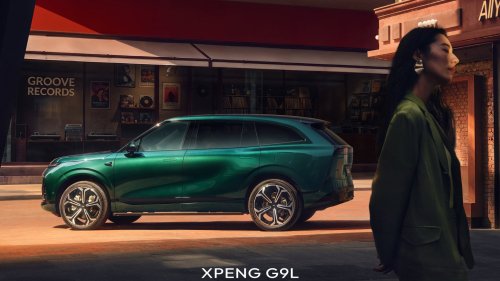
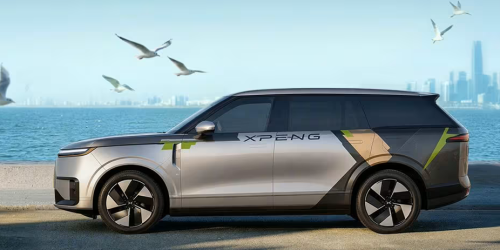
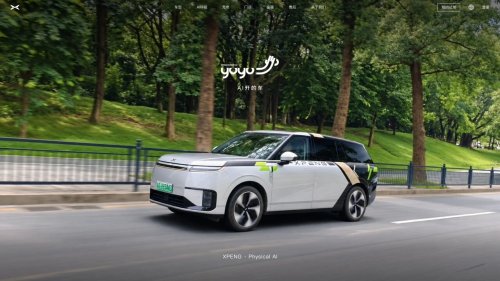
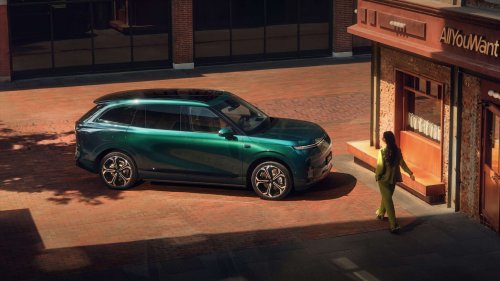
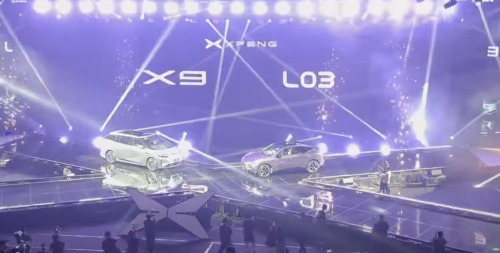
Possible launch models include the recently launched L03 and the globally ready X9 XPENG is preparing to enter the Philippine market in the third quarter of 2026, bringing with it a business model built around artificial intelligence, advanced driver assistance and software-defined vehicles rather than simply another lineup of battery-powered cars. XPENG Philippines through its public relations arm has confirmed that it will begin operations in the country in Q3 with two Smart EV models. The company has not yet formally identified the vehicles, but the teaser released ahead of the announcement points strongly to the L03 SUV coupe and the X9 premium electric MPV. The L03, unlike many China-focused XPENG products, was developed from the outset as a global vehicle when it was officially unveiled at the L03 in Munich earlier in July. Describing it as its first “global vehicle” the model would be sold in 65 countries and regions, making it a significant part of its international expansion strategy. In Europe, the vehicle is marketed solely as the XPENG L03; MONA is the name used exclusively for the Chinese-market version. No third party This make this L03 particularly relevant to the Philippines. The Philippine operation will be a direct subsidiary of XPENG rather than simply a conventional third-party distributor. The company says it currently has a presence in more than 60 countries and regions, supported by more than 380 overseas stores and regional operations in markets including Germany, the United Kingdom, France, Australia, Thailand and Mexico. The company has yet to announce its Philippine pricing, specifications, dealerships or charging partners. A pack of local media is on its way to China soon to see the factory and the models. Clearly, L03 already provides a clearer indication of what XPENG wants its international business to become. At 4,650 millimeters long and 1,920 mm wide, the L03 occupies a space below the XPENG G6 while approaching the dimensions of vehicles such as the Tesla Model Y. I spoke to my colleague, Cleantechnica Larry Evans, who recently examined the L03 in Munich, noted that it is slightly longer than a Toyota RAV4 but shorter than a Model Y. Evans has been following the L03 closely as XPENG prepares to take it into international markets. His assessment is significant because he sees the vehicle not merely as another Chinese EV export but as a product designed around the requirements of markets outside China. “What really sets vehicles apart is the execution,” Evans wrote after examining the L03 in person in Munich. Evans has been following the L03 from its development in China to its global debut in Munich. In our discussion about XPENG’s Philippine prospects, we kept coming back to one point: the L03 may be the company’s most logical vehicle for this market precisely because it was not developed simply as a China-market car and then adapted for export. XPENG calls it its first truly global launch, with the L03 introduced “simultaneously” in 65 markets. But “simultaneously” is Chinese for “within this year.” What this means, according to Larry is that gives it an important advantage for the Philippines–“the car was designed with international roads, regulations and consumers in mind, rather than being an export derivative of a vehicle built primarily for China.” The sweet spot in the global EV market Evans had already described the L03 as sitting in the “sweet spot of the global EV market.” After seeing the production vehicle in Munich, he focused less on the headline technology than on how the car was executed, from its packaging and visibility to its materials and details. “What really sets vehicles apart is the execution,” he wrote. That may be particularly relevant in the Philippines, where the next stage of EV adoption will have to move beyond enthusiasts. A large premium EV can demonstrate what the technology can do, but a crossover that can function as an everyday family car has a much broader potential market. The L03 also gives XPENG some flexibility on propulsion. Its global-market versions include a battery-electric model and, in selected markets, the PowerX range-extender version. The BEV Long Range is rated for up to 520 kilometers, while the range-extender version is designed to provide more than 1,000 kilometers of total range. That could be useful in the Philippines, where charging infrastructure is expanding but remains uneven outside the major urban centers. A range extender does not eliminate the need for charging, but it reduces one of the barriers that still makes some buyers hesitate to switch from an internal-combustion vehicle. The technology is there as well. XPENG has integrated Google Maps Auto SDK into the L03, linking navigation with energy-use calculations and the company’s intelligent-driving functions. Its VLA 2.0 system is targeted for global deployment in 2027. But that is where XPENG will have to be careful in the Philippines. The technology should support the car, not become the product itself. Buyers will still judge the L03 on price, range, comfort, reliability, service and parts availability before they care about the sophistication of its AI. How about the X9? The X9, if it is one of the two Philippine launch vehicles, offers a different proposition. Its seven-seat layout fits the country’s strong MPV market, while its 800-volt architecture, rear-wheel steering and advanced suspension give XPENG a credible technology flagship. But it is likely to address a much smaller and more affluent segment than the L03. That makes the two cars potentially complementary. The X9 can establish what XPENG is capable of; the L03 can determine how far the brand can go. The Philippine launch will therefore be less a test of whether Filipinos are ready for AI than whether XPENG can hide enough of the complexity behind a car that simply works. That is the real opportunity for the L03. It does not have to persuade the Philippine buyer to become an AI enthusiast. It has to persuade that buyer that this is a good car, with the technology making the ownership experience better rather than becoming an end in itself. If XPENG gets that balance right, the L03 could be much more important to the company’s Philippine strategy than the more spectacular X9.