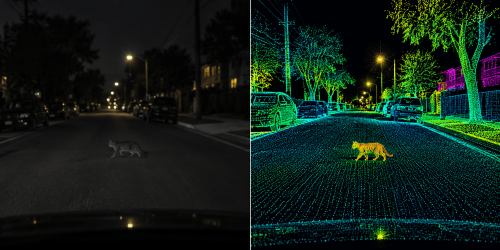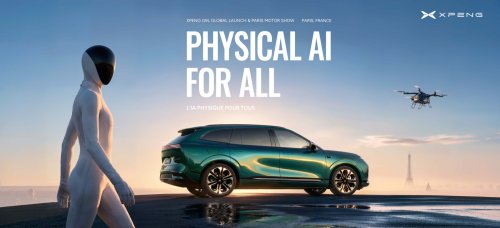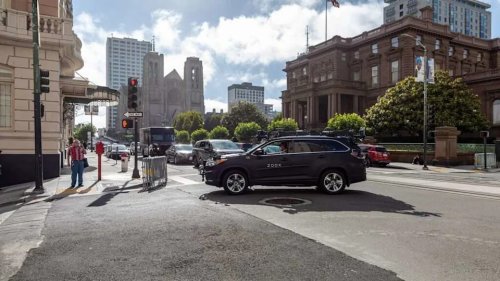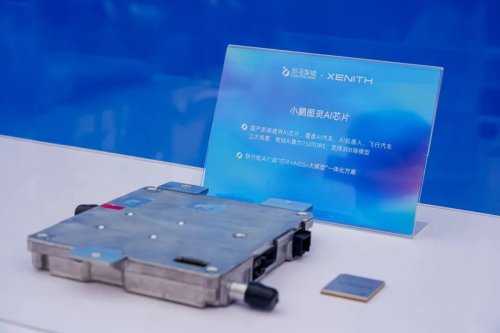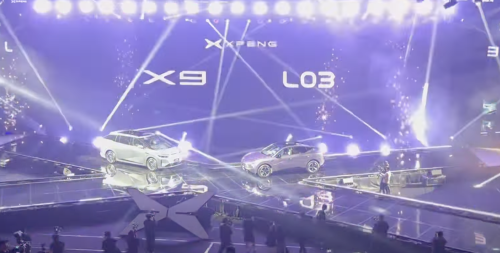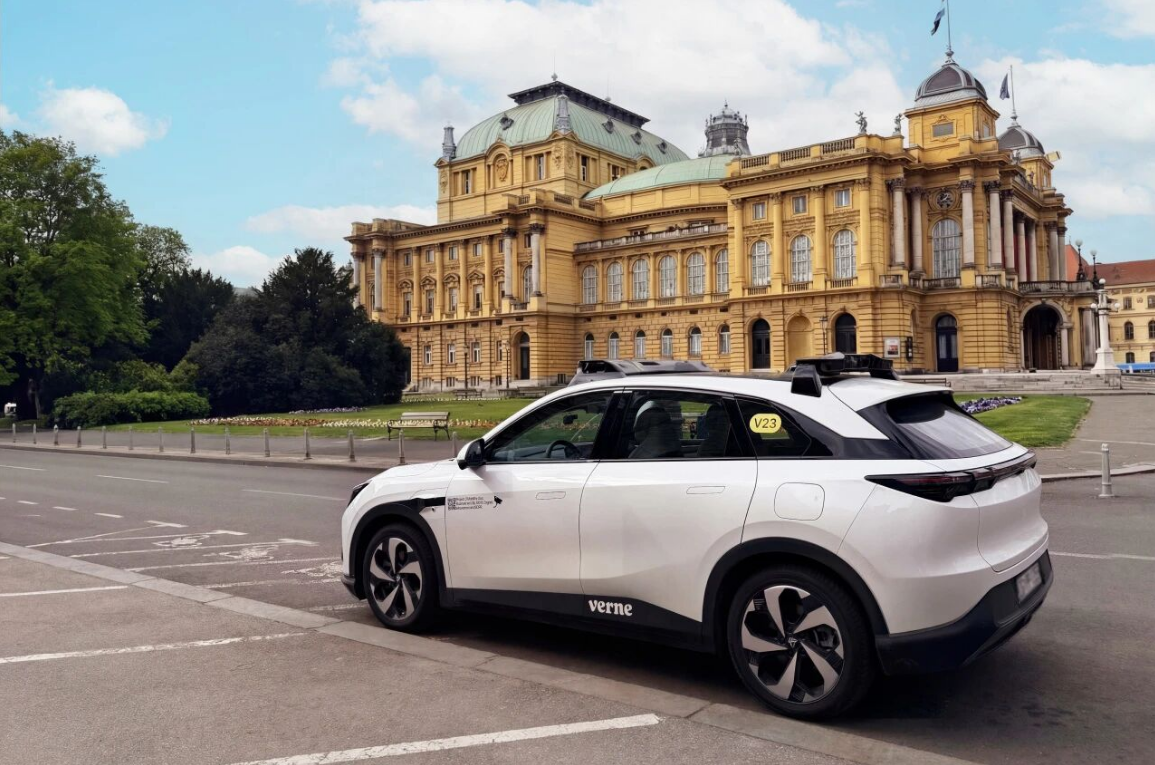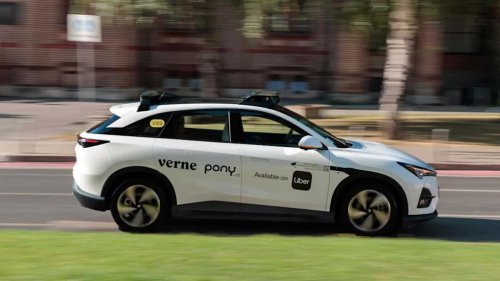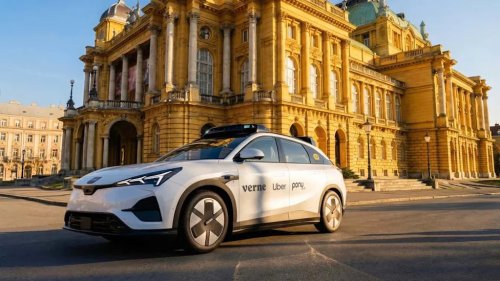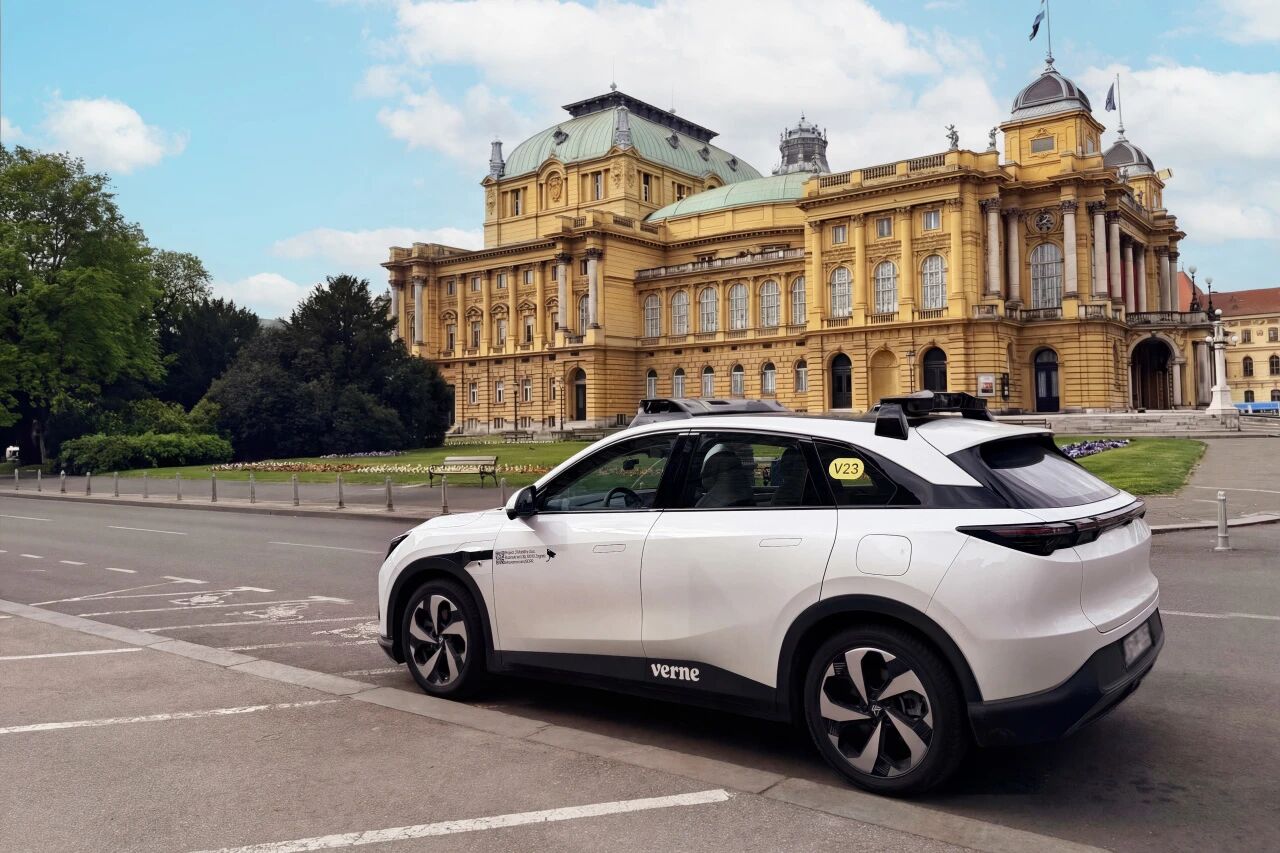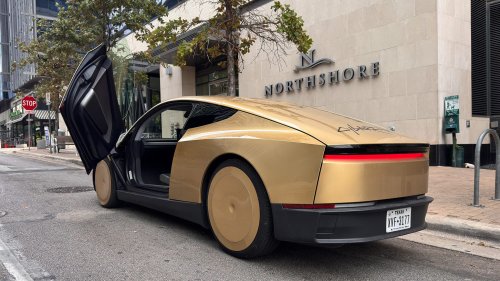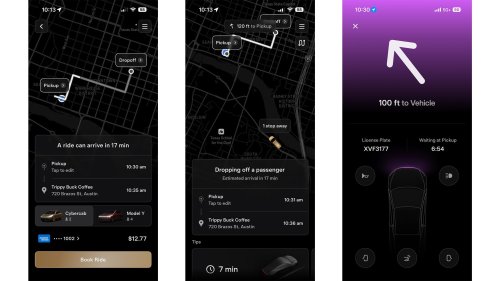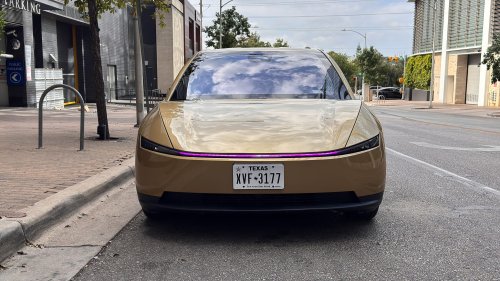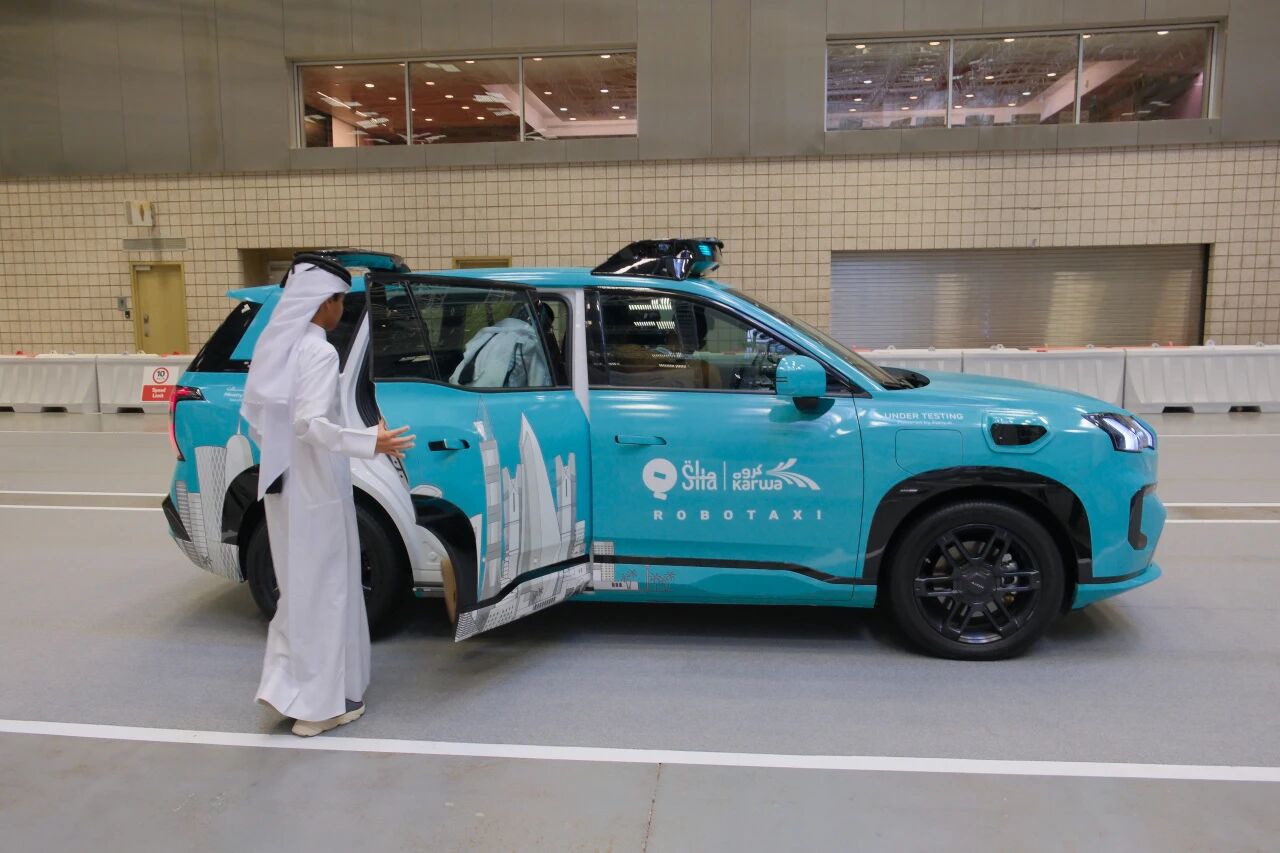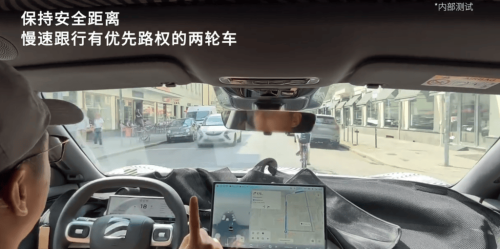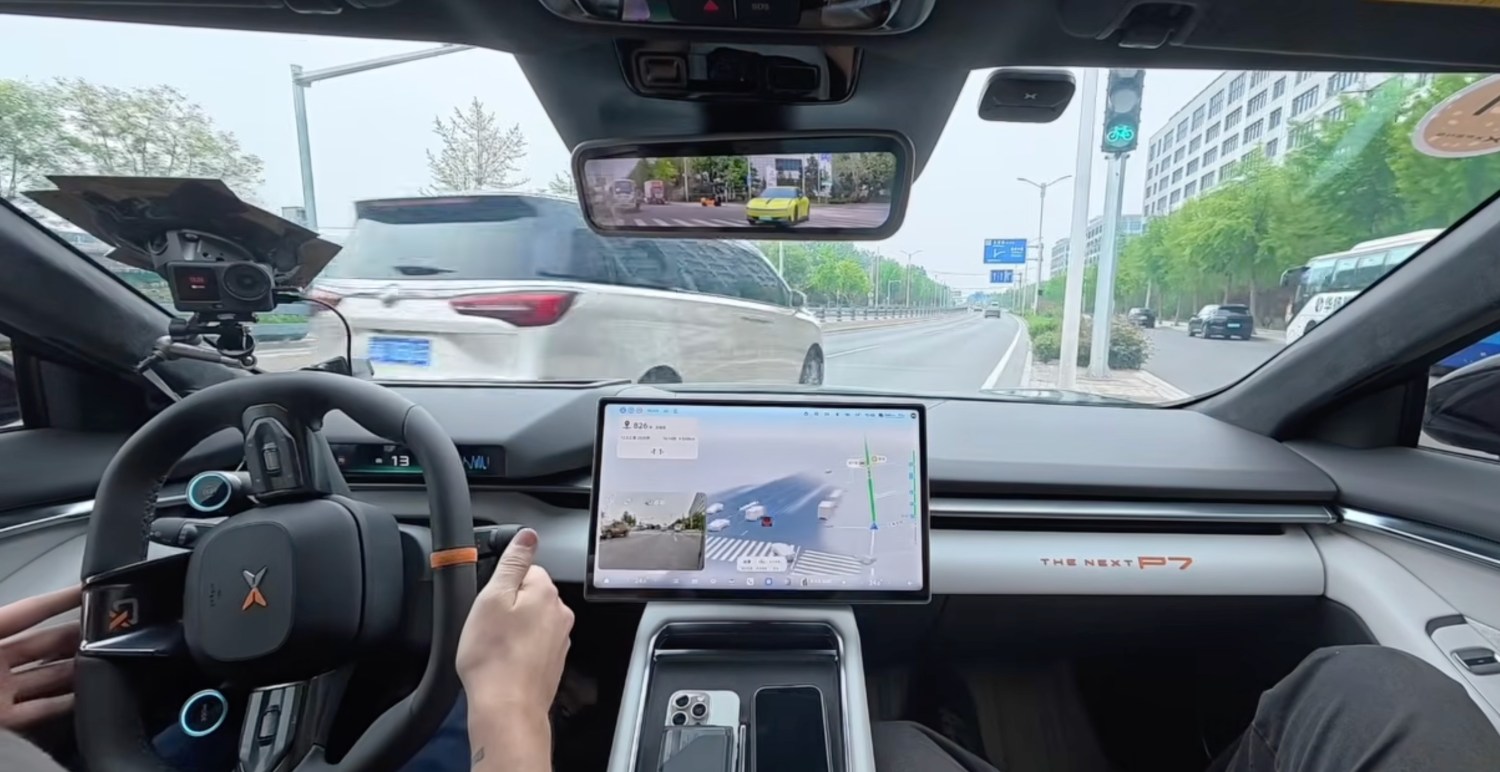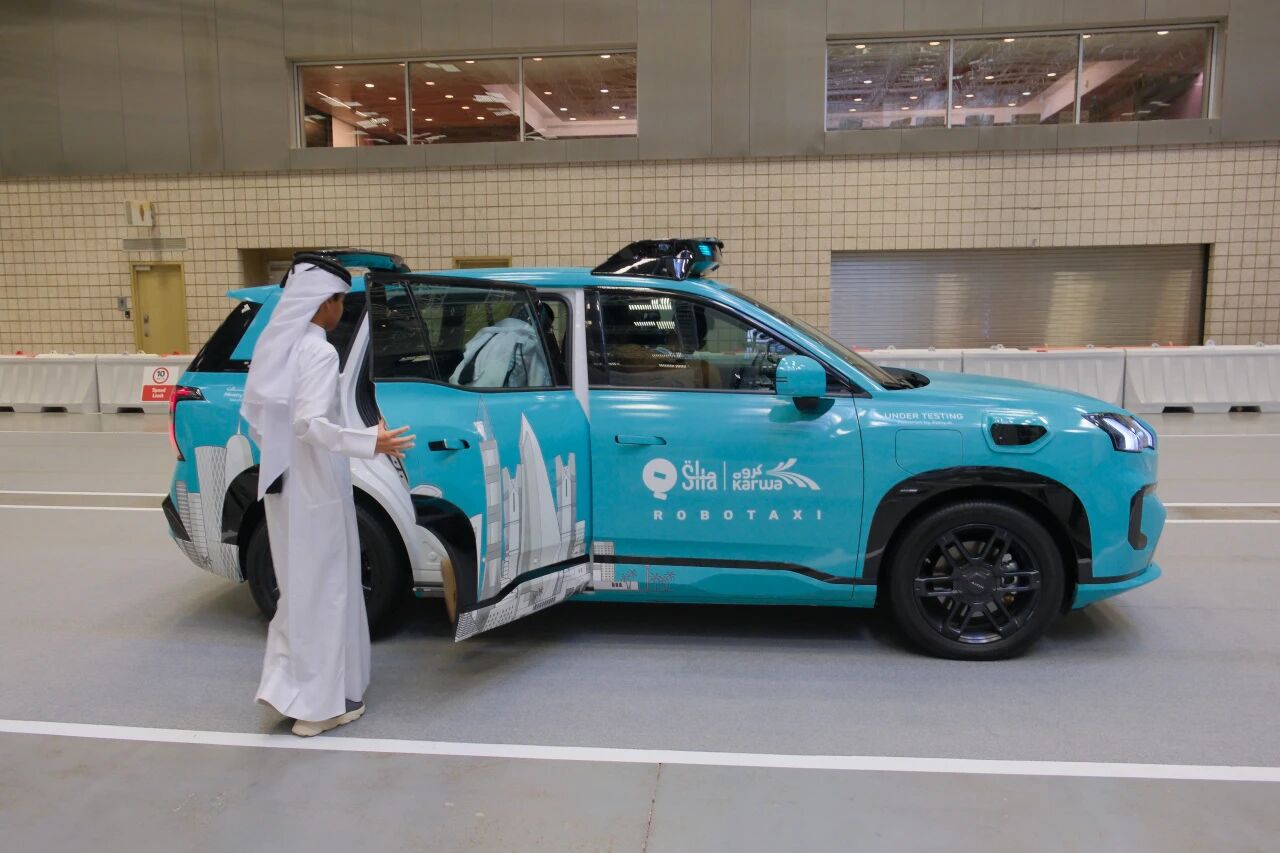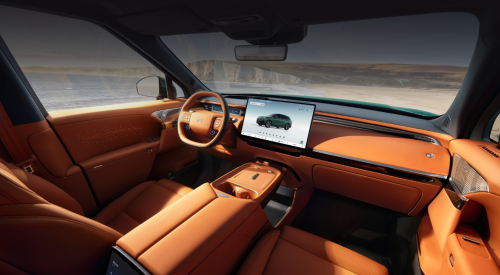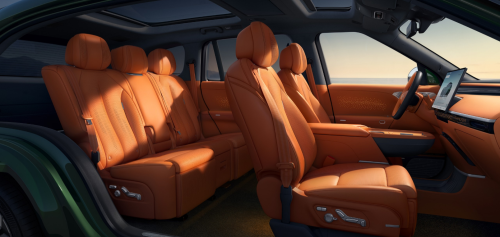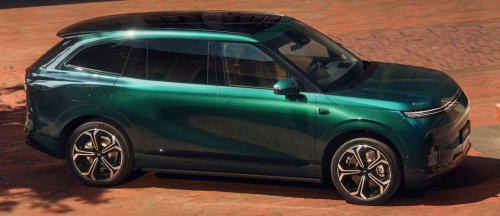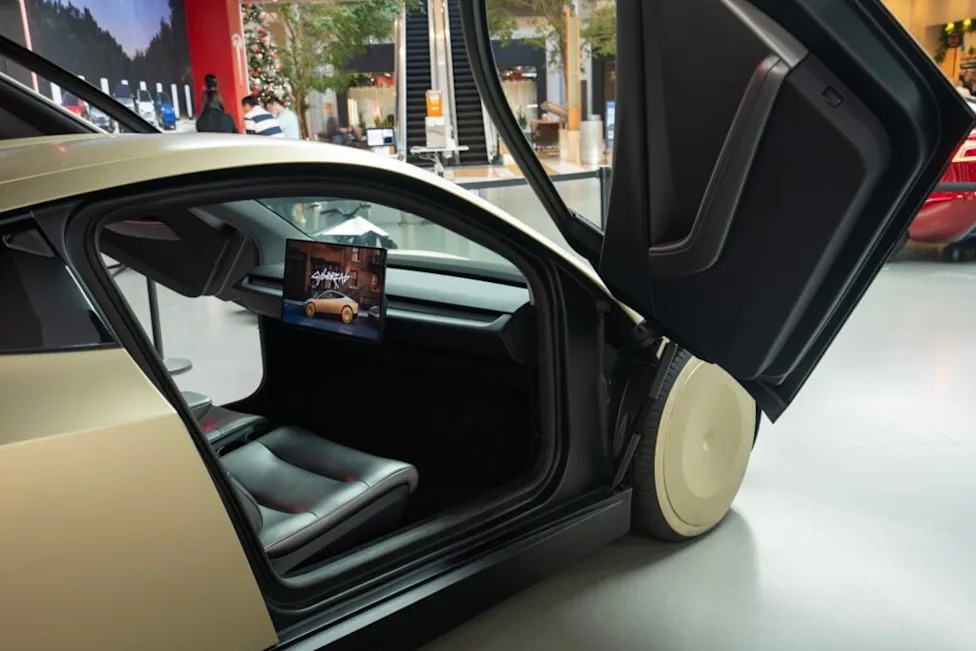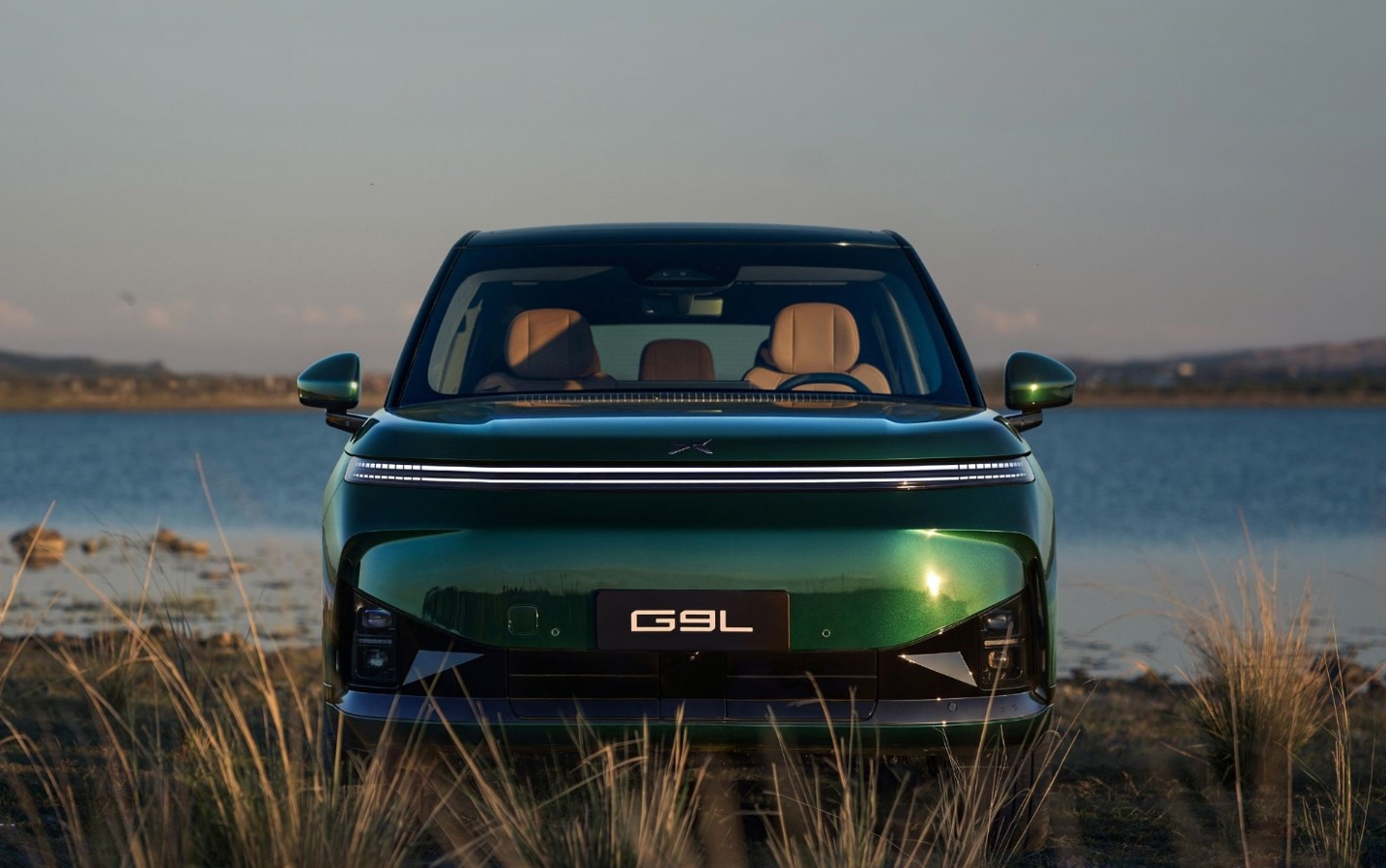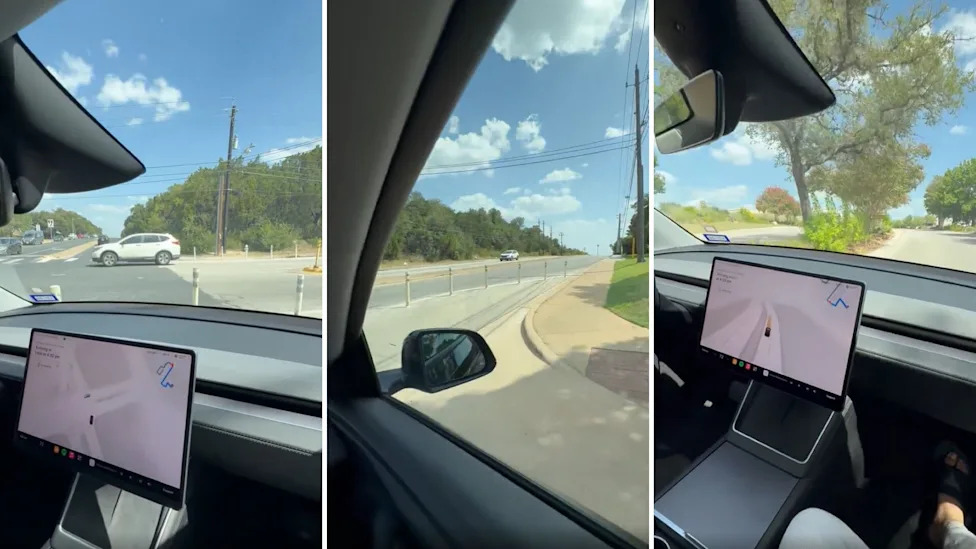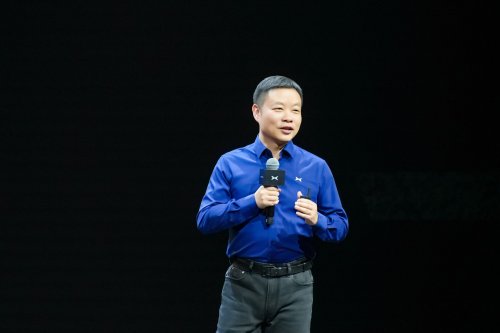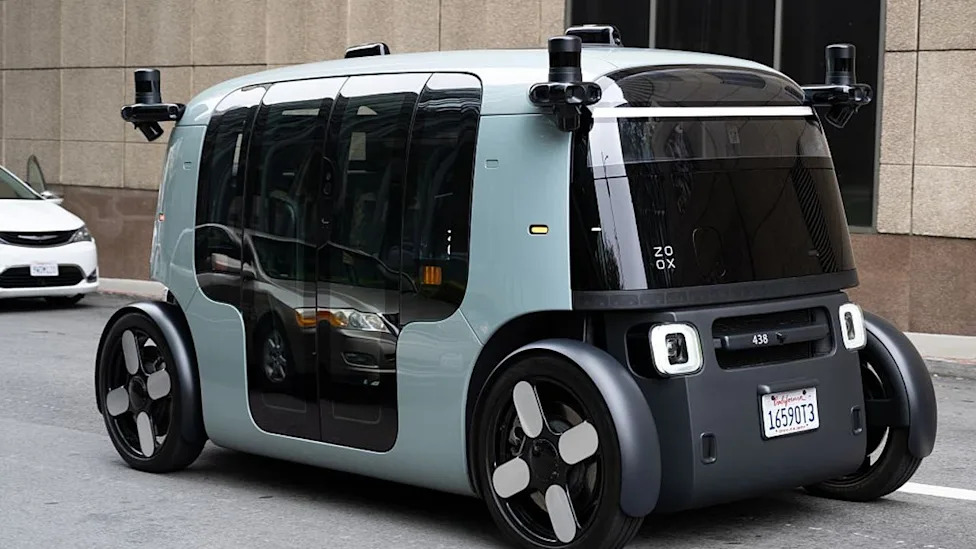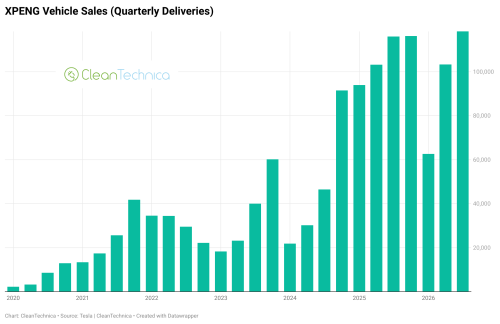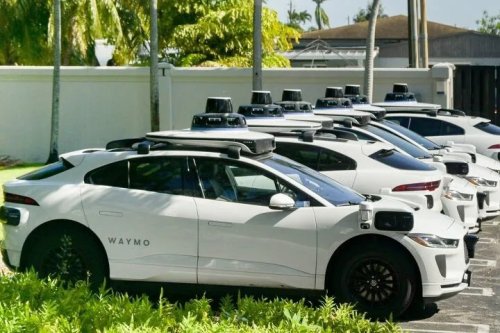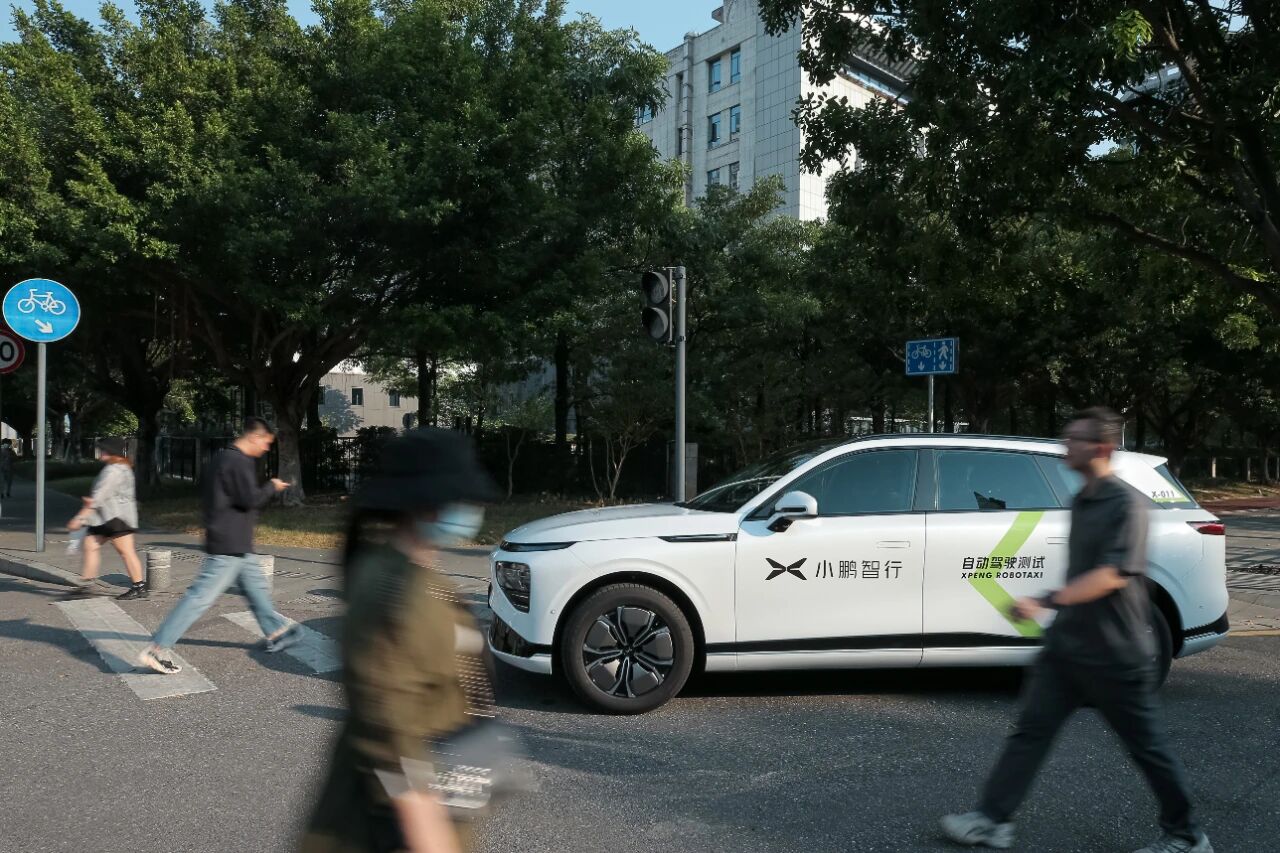



















Gasgoo Munich- On August 24, XPENG Group released its second-quarter and first-half 2026 earnings report. During the earnings call that evening, XPENG Chairman and CEO He Xiaopeng revealed that a mass-produced Robotaxi equipped with the second-generation VLA system has completed more than 2,000 internal test orders in Guangzhou, successfully navigating the full workflow of passenger demonstration operations.Image Source: XPENG MotorsHe Xiaopeng stated that the company has finished developing a cloud-based intervention platform and aims to launch passenger operations without safety officers next year (2027). According to the earnings call, XPENG’s Robotaxi unit has already completed 2,000 internal test orders in Guangzhou, with the goal of commencing driverless passenger services in 2027.On the physical AI front, the second-generation VLA autonomous driving model has completed localization testing in Germany, attempting to adapt to road conditions in both China and Europe using a single model. To accelerate the commercialization of physical AI technologies, XPENG recently formed a group-level business development team. The company is actively negotiating with domestic and international partners to bring its Turing AI chips, second-generation VLA model, Robotaxi, and humanoid robot technologies to global markets.Financial results show that XPENG generated total revenue of 19.74 billion yuan in the second quarter of 2026, an 8.0% year-over-year increase and a 51.5% rise from the previous quarter. Total vehicle deliveries climbed to 103,295 units, surging 64.8% quarter-over-quarter, while the comprehensive gross margin stood at 20.7% — up 3.4 percentage points year-over-year. Research and development expenses reached 2.91 billion yuan, jumping 32.1% annually, driven primarily by investments in new model iterations, autonomous driving, and physical AI technologies. By the end of the second quarter, XPENG’s cash reserve totaled 40.48 billion yuan.He Xiaopeng also announced that the second-generation VLA large model will undergo its first major upgrade at the end of August, increasing on-device model parameters by 3.5 times.