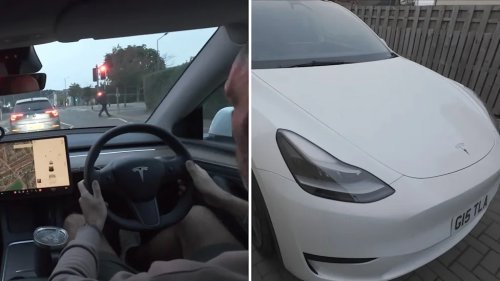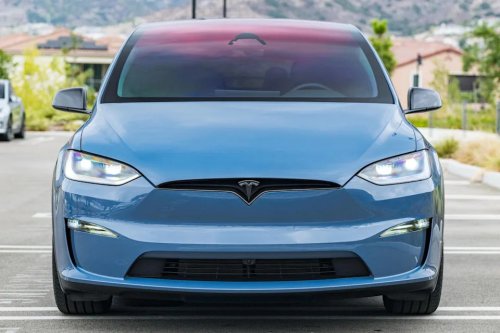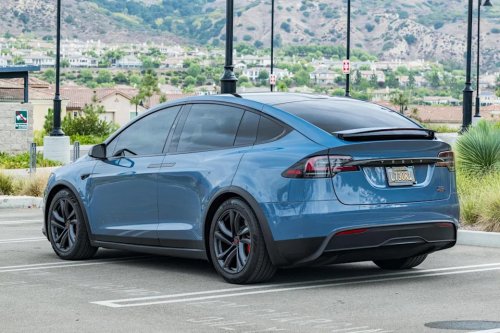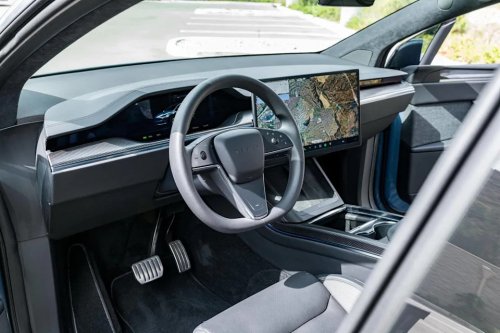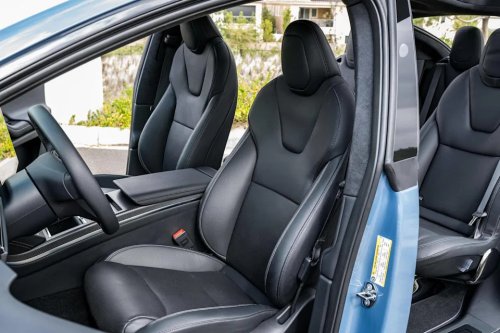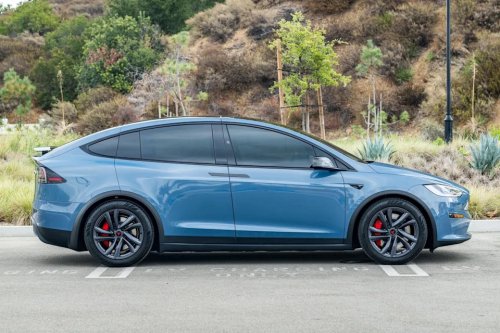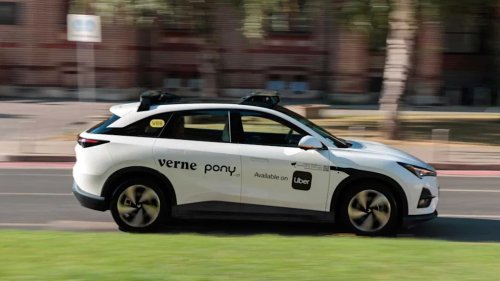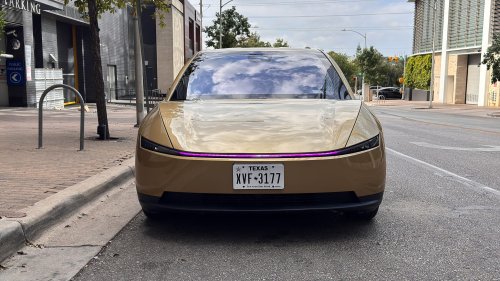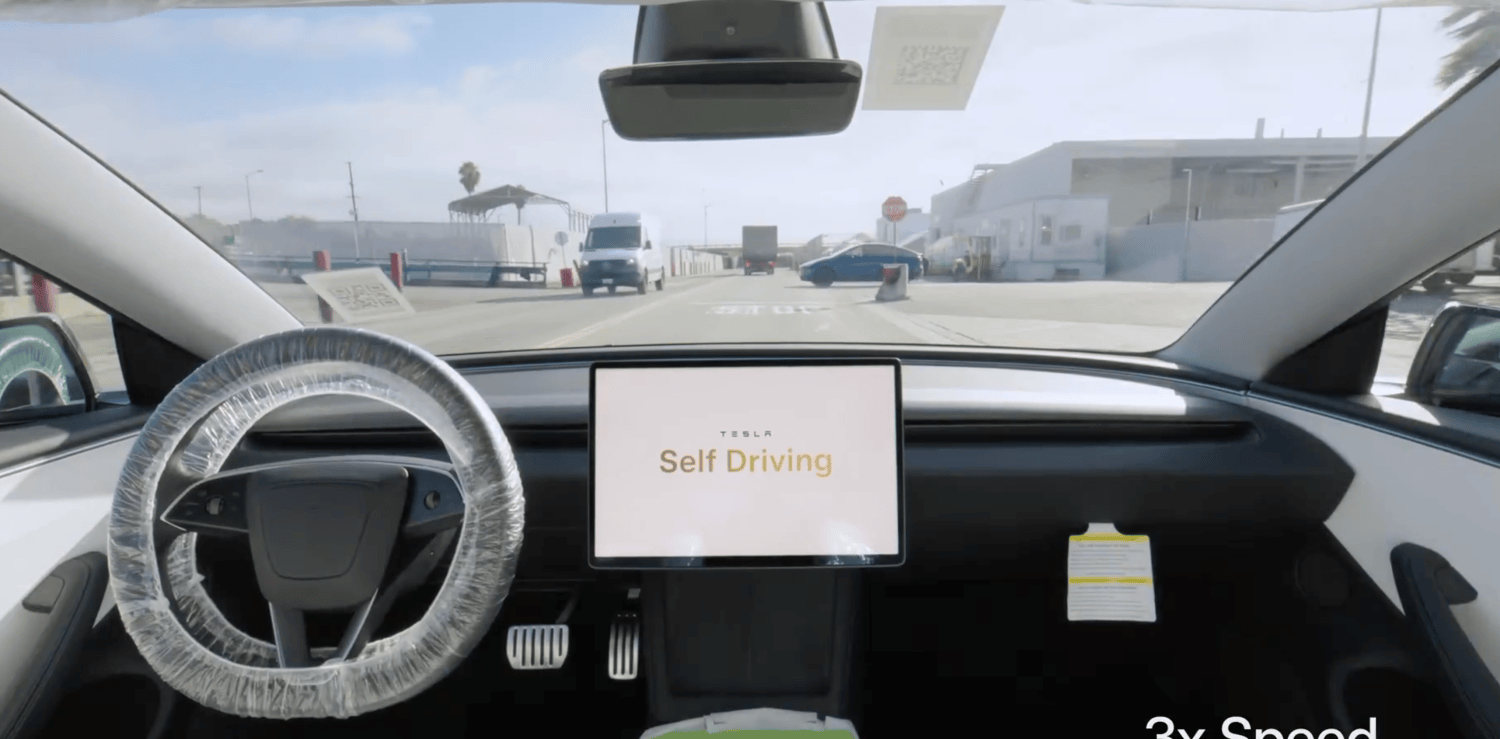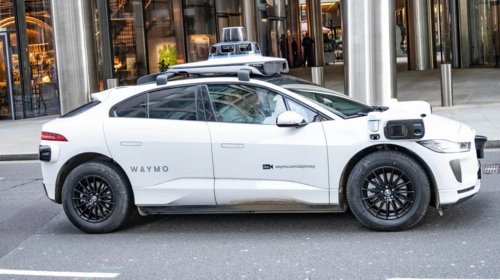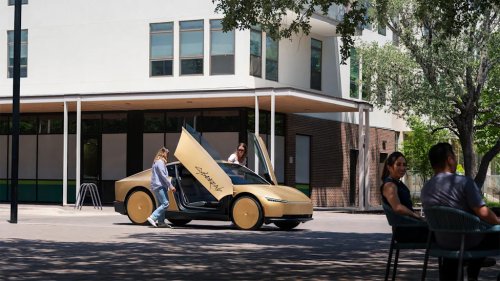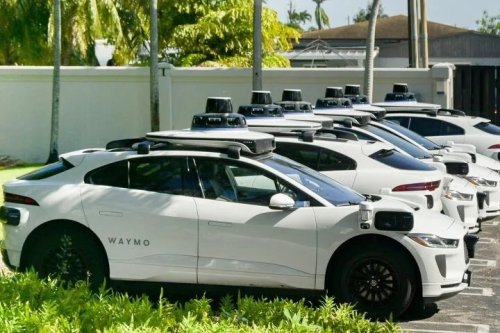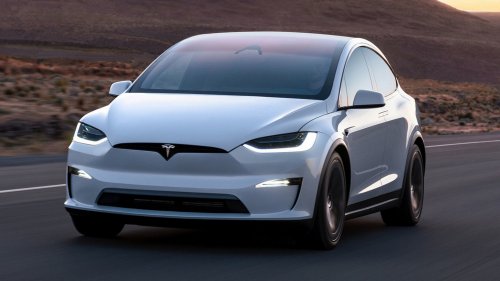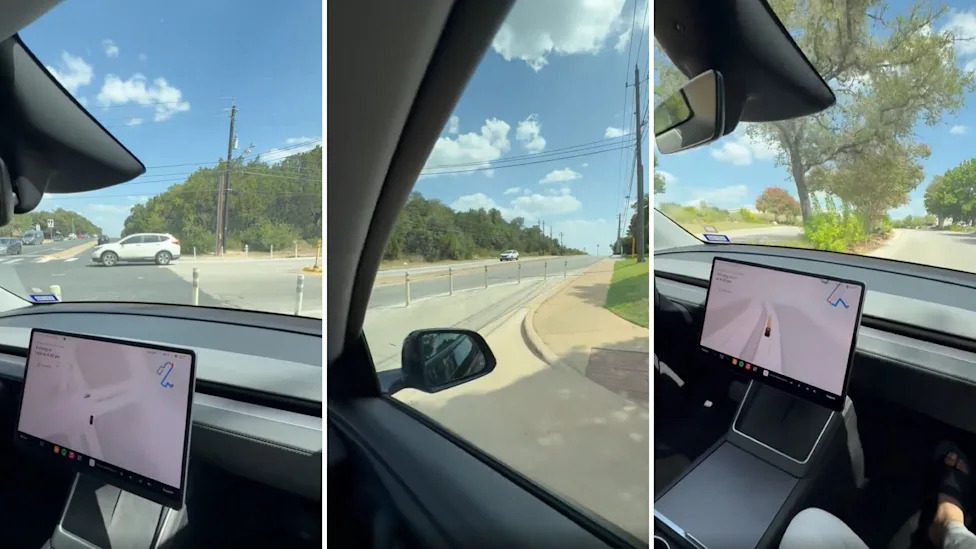















Photo Credit: RedditA Tesla Robotaxi in Austin, Texas, stopped for a row of bollards protecting a closed lane before driving through them anyway, highlighting the validity of the scrutiny self-driving technology faces.The Driven reported that nobody was hurt, but incidents such as this are why there are so many concerns about autonomous vehicle responses to ordinary street changes like curb extensions and protected work zones.Here's what to knowFootage of the incident was shared on Reddit and shows the Robotaxi steering into a section of roadway that had been narrowed or closed off with bollards. After coming to a stop, the Robotaxi appeared to be "pulsing the brakes" rather than reversing, and then struck two bollards, forcing its way past them.(Click here if the embedded video does not appear.)People on Reddit identified the intersection, and several wrote that the barriers had been there for "at least 3 years."AdvertisementAdvertisementTesla has publicly emphasized the program's safety, but it's clear it is not a system without faults.The Driven noted that Tesla AI executive Ashok Elluswamy called the Robotaxi safety record "impeccable" only a few weeks ago, saying, "We have driven more than 380,000 miles of unsupervised robotaxi now across six cities in two different states. We have had zero notable incidents."More backgroundTesla CEO Elon Musk has said autonomous vehicles would be judged more harshly than conventional cars, and he's not wrong.A human driver clipping a bollard might be treated as a routine mistake, but a driverless vehicle doing the same thing can quickly become a broader referendum on the readiness and safety of the technology.AdvertisementAdvertisementElectrek reported that Tesla has 31 active Robotaxis across all markets, with about 14 of them operating unsupervised. While 380,000 unsupervised miles seems like a high number, Waymo said in June it had completed 220.6 million rider-only miles without a human driver aboard, according to The Driven. Waymo claims its vehicles were involved in 94% fewer crashes tied to serious or fatal injuries, as well as 82% fewer airbag-deployment crashes and 82% fewer crashes involving any reported injury. The Driven also cited reports that Waymo recalled 3,871 vehicles because software could direct cars into freeway construction zones.What's being done?One of the main safeguards is restraint. In Australia, for example, autonomous-driving technology still must be supervised, reflecting a more cautious stance as the systems continue to improve.Across the industry, companies are also leaning on large-scale testing, software updates, and recalls when needed. AdvertisementAdvertisementStreet designs that look obvious to a person may not always be handled smoothly by software, which can affect trip reliability as much as perceptions of safety and public trust. Even a low-speed street mistake can snowball into much bigger questions as unsupervised ride-hailing expands into more cities.Get TCD's free newsletters for easy tips, smart advice, and a chance to earn $5,000 toward home upgrades. To see more stories like this one, change your Google preferences here.