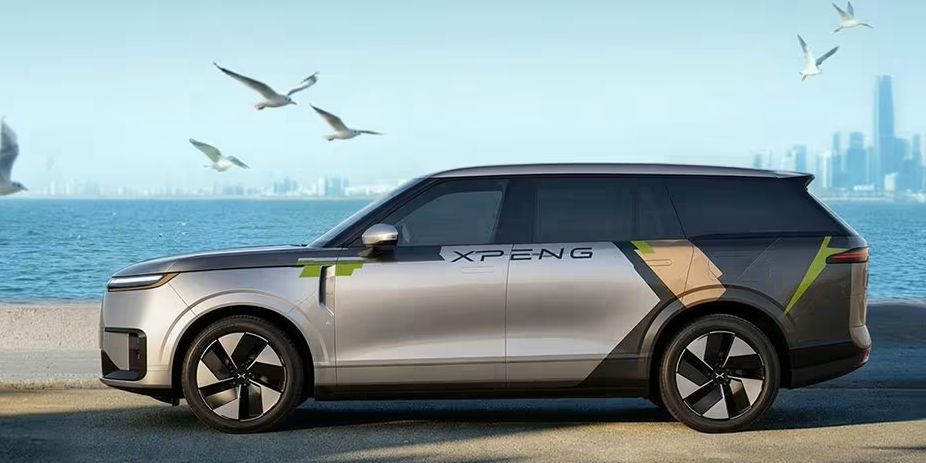
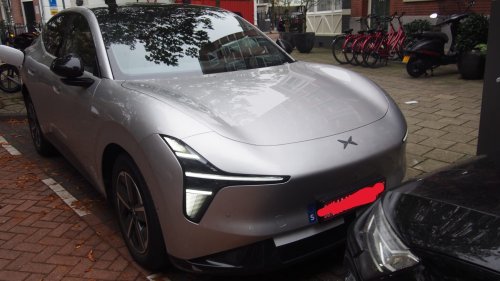
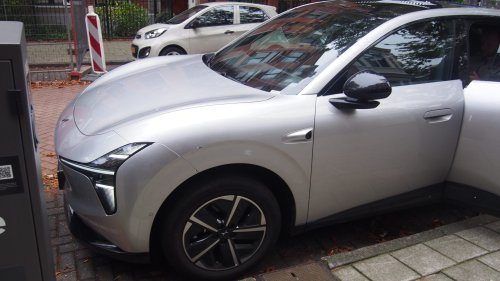
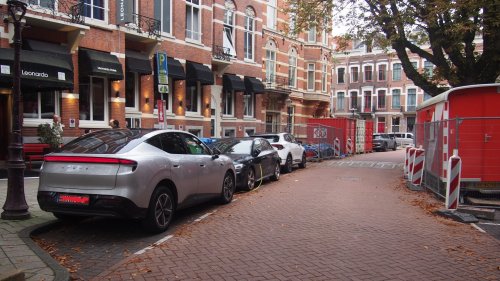
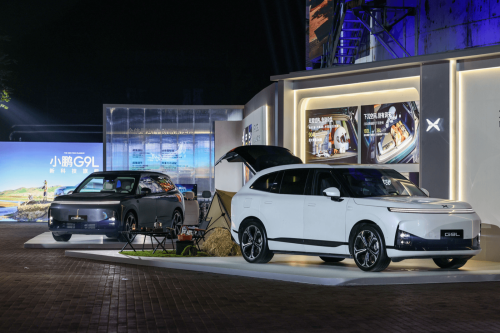
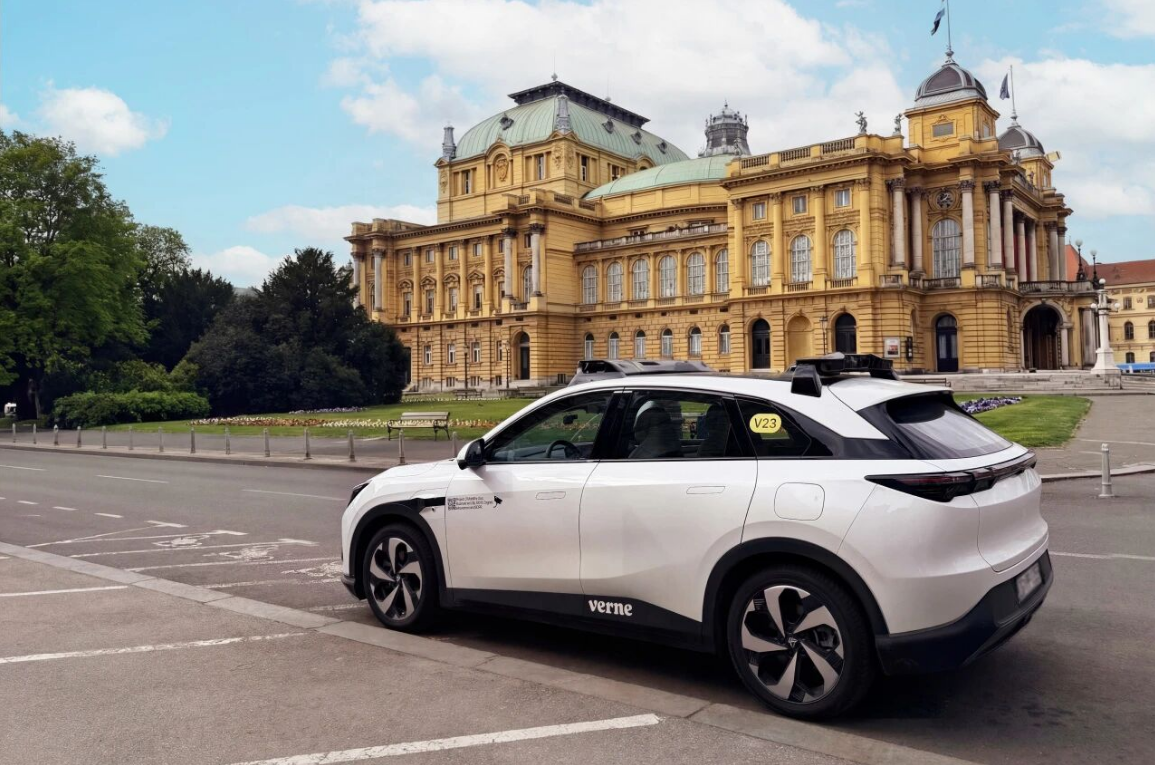
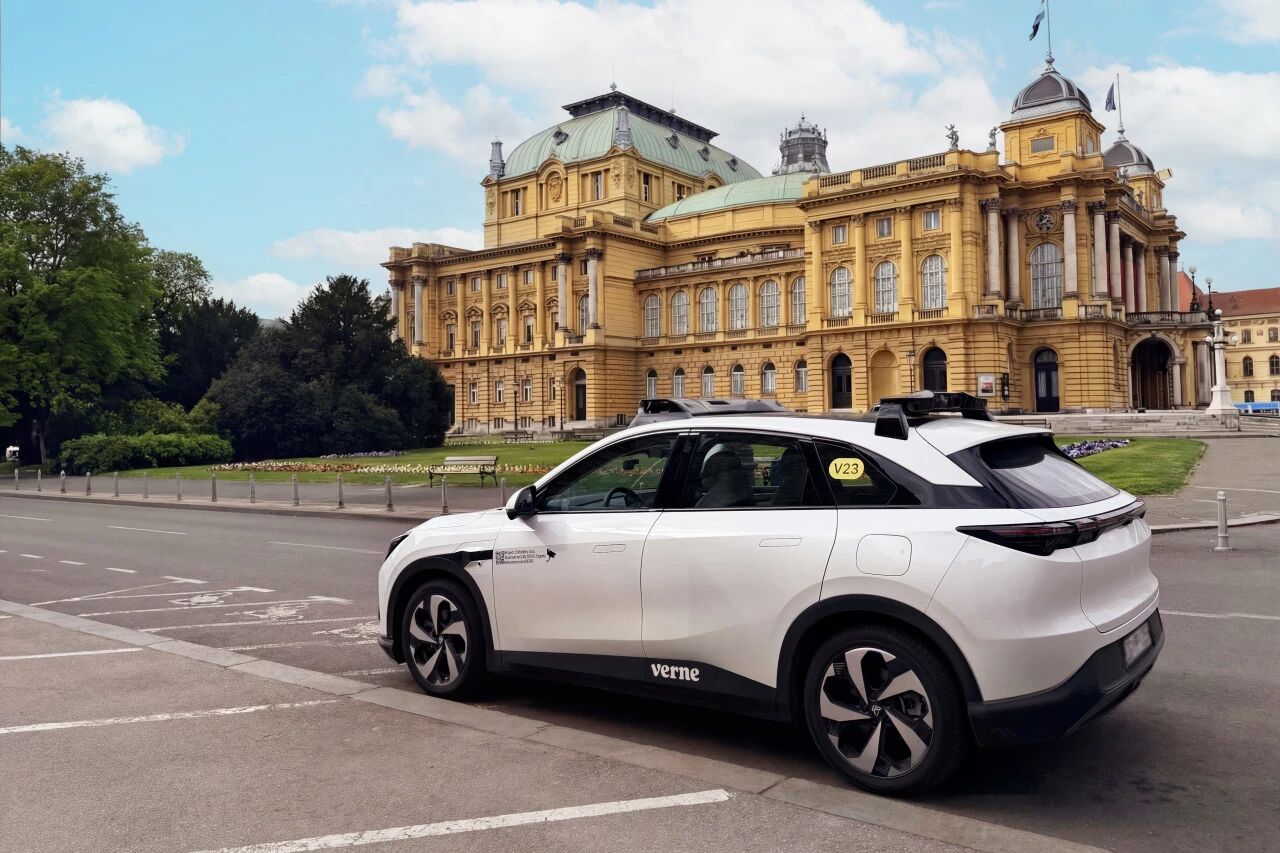
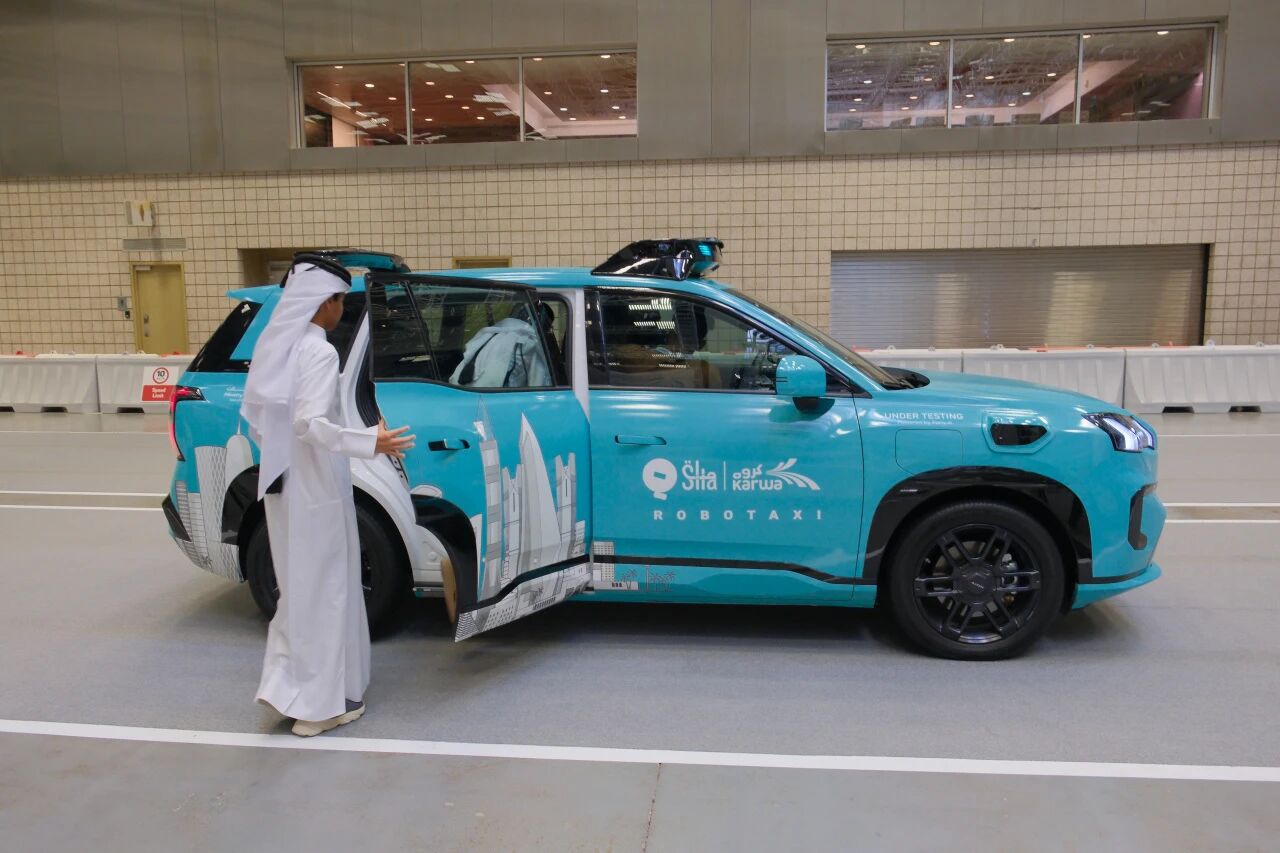
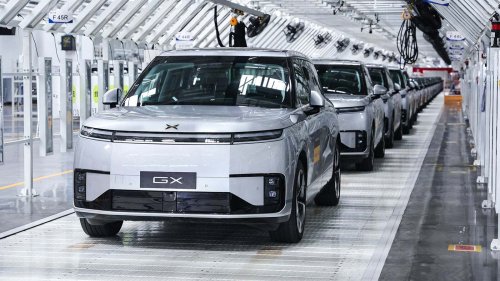
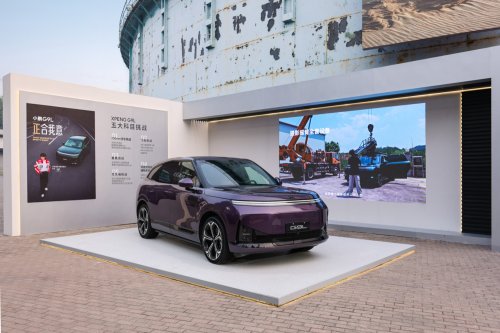
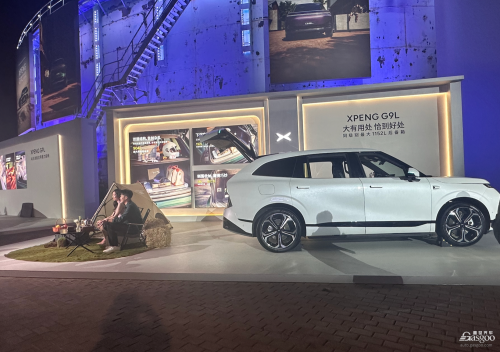
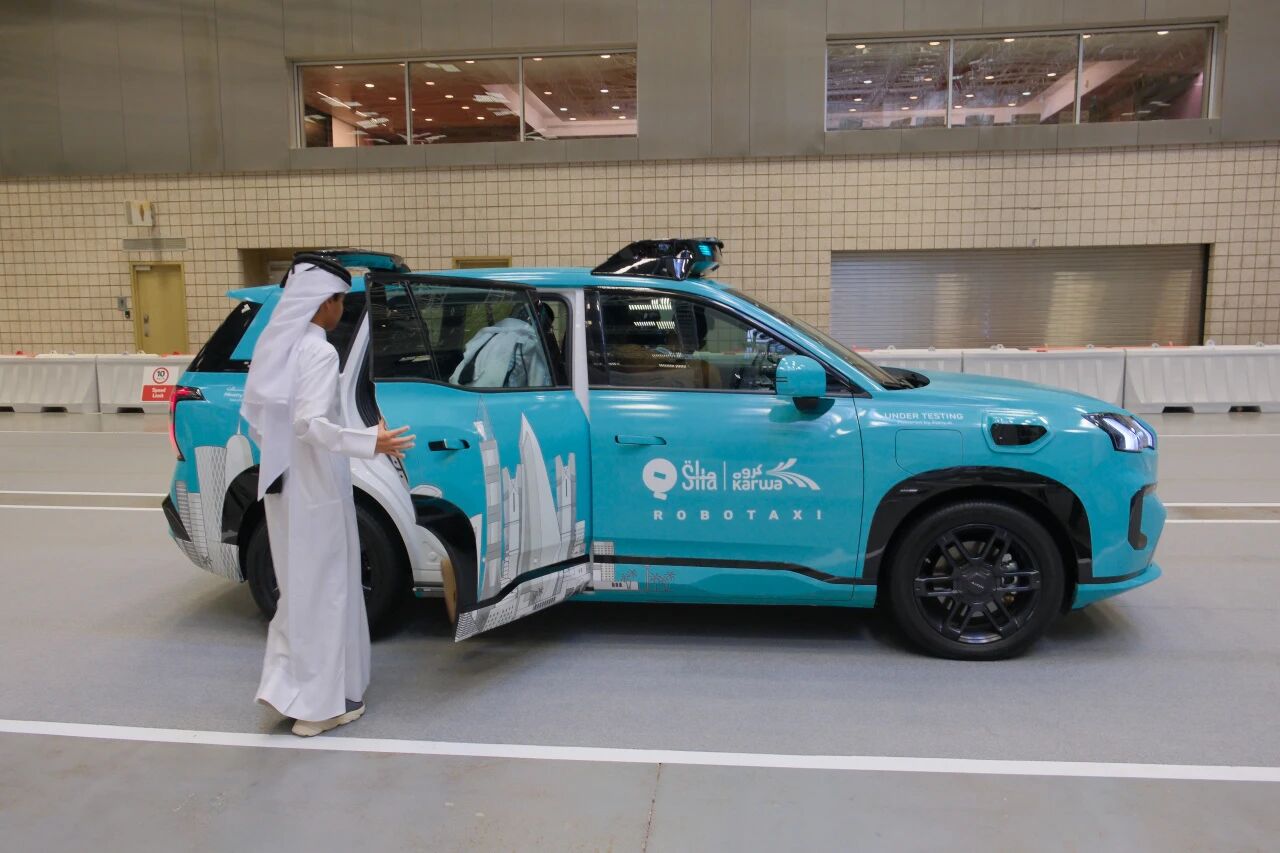
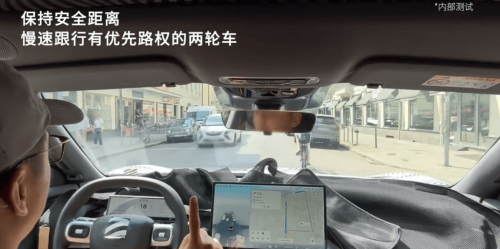
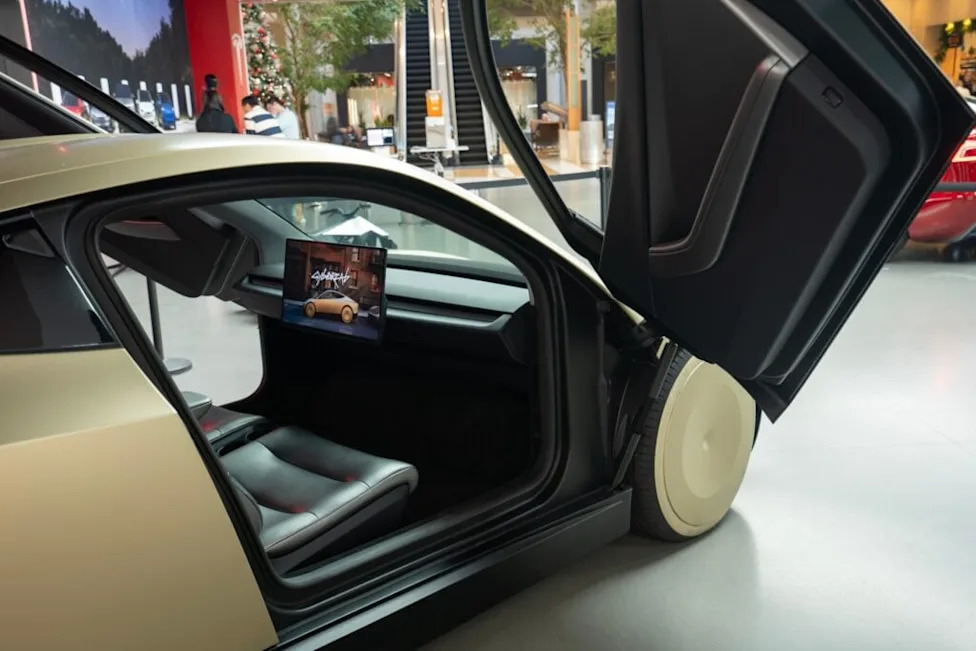
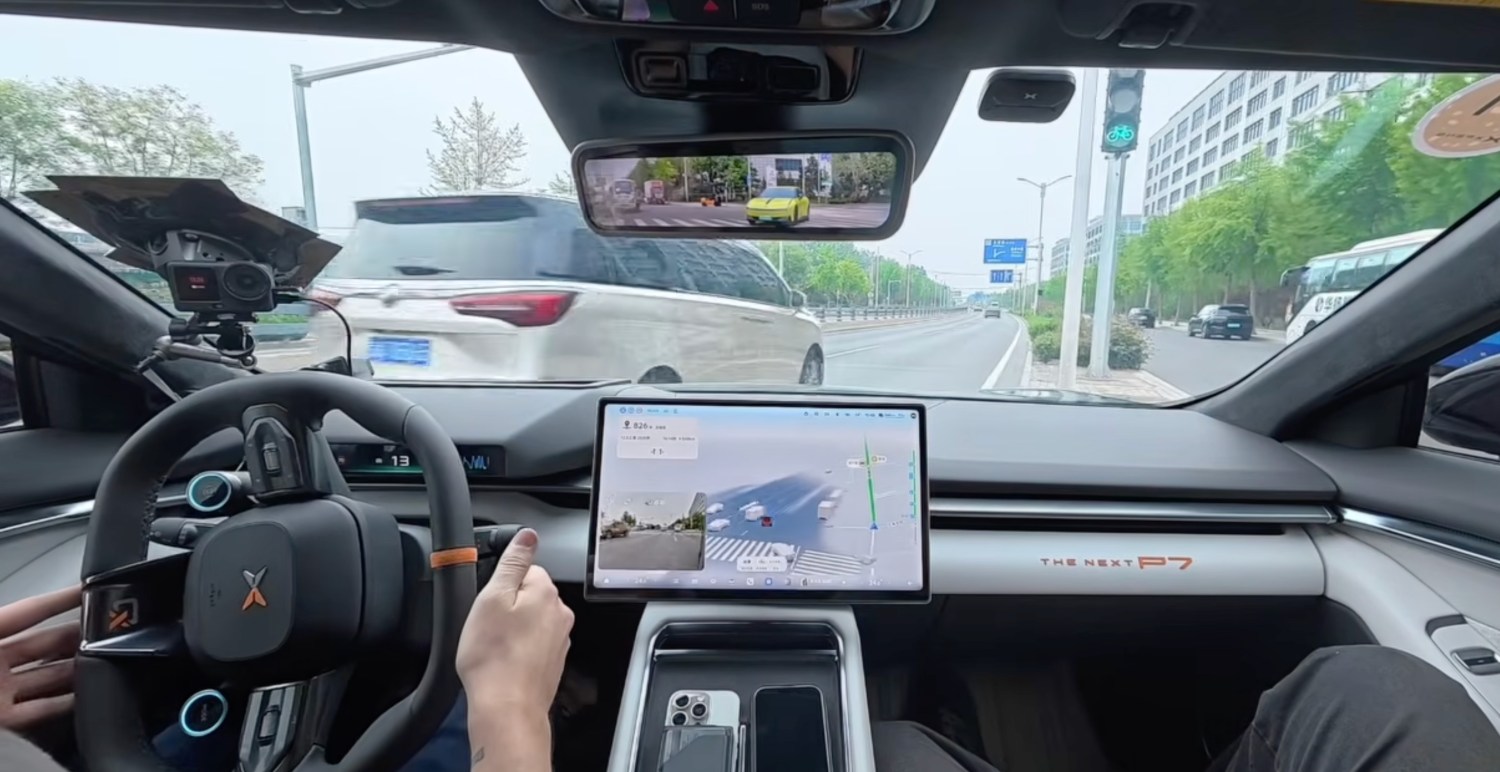
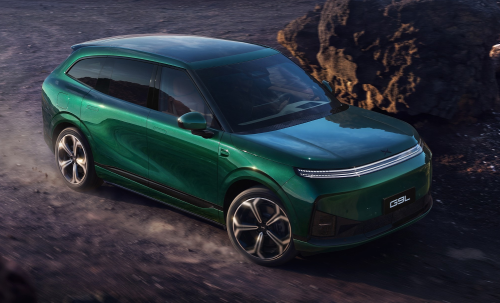
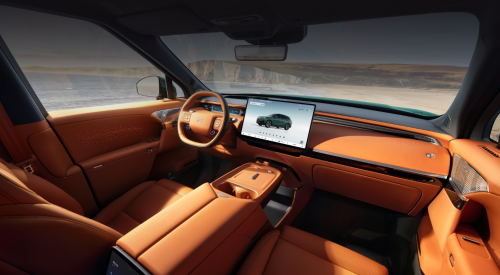
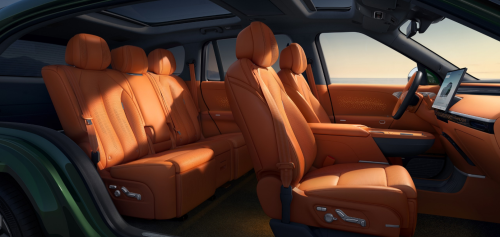
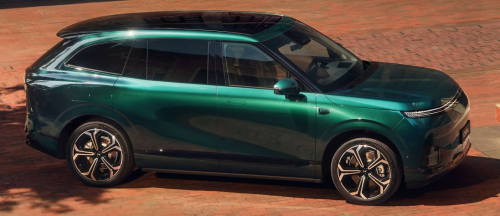
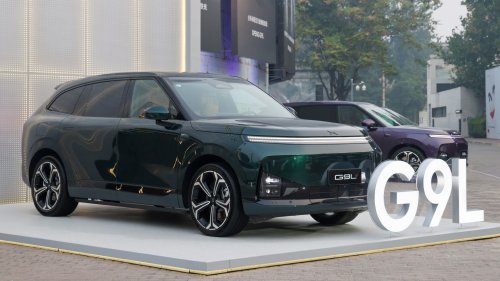
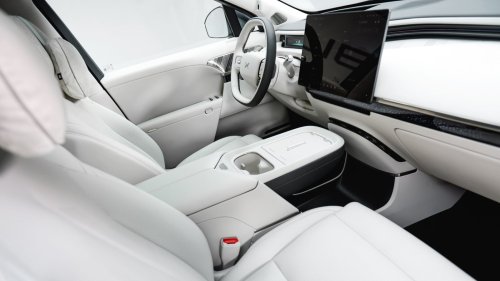
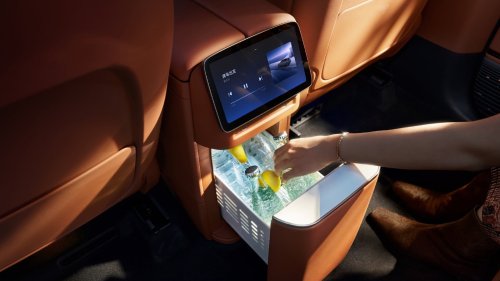
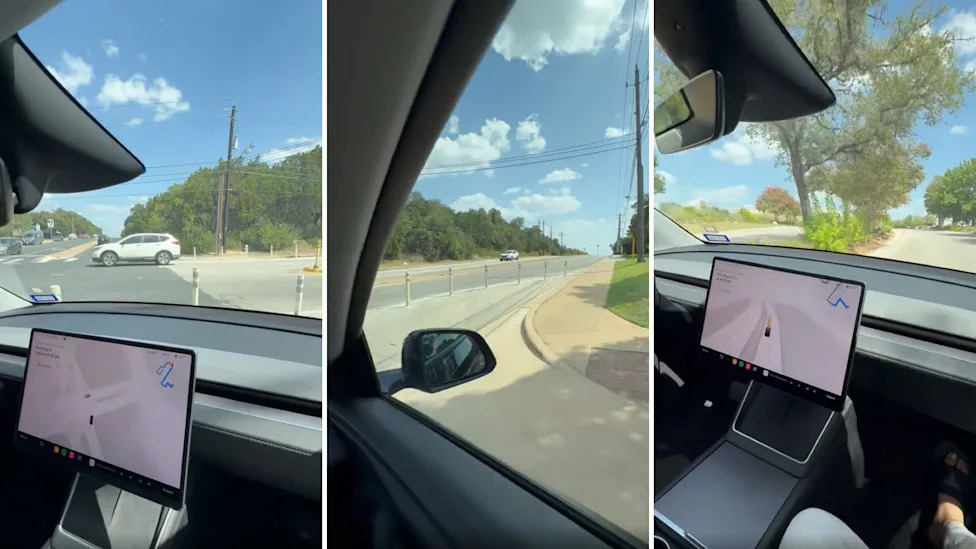
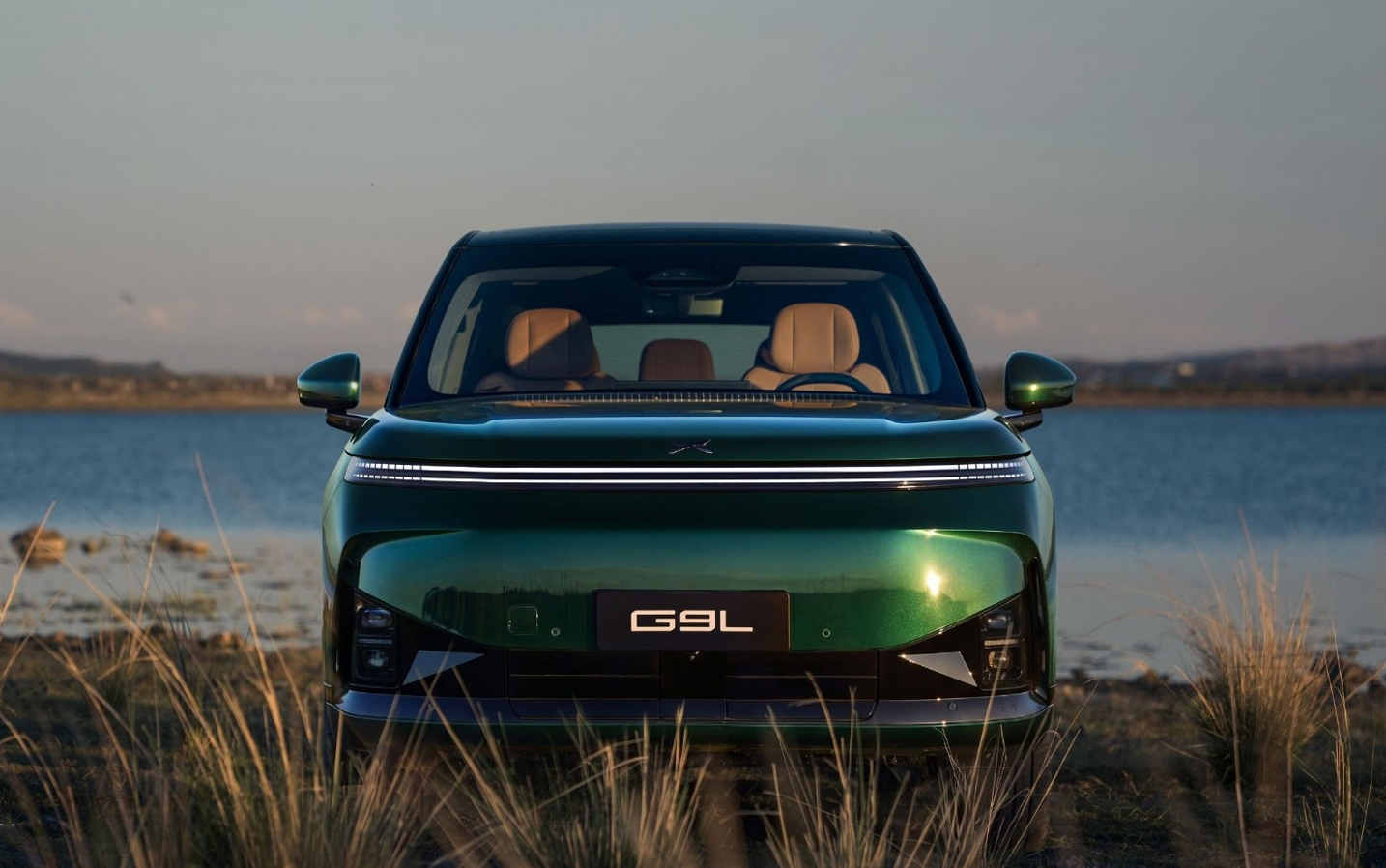
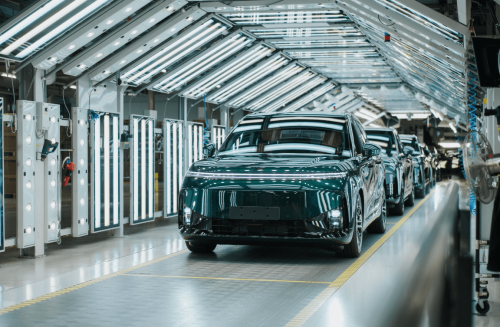
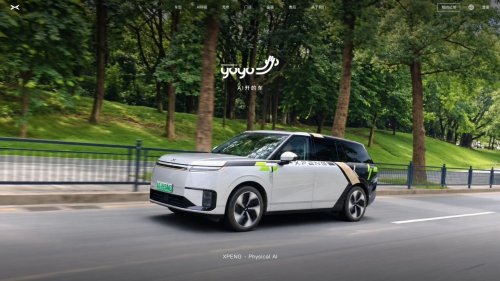
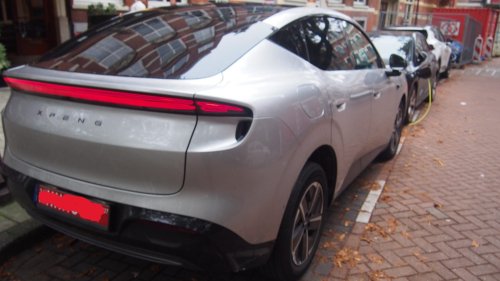
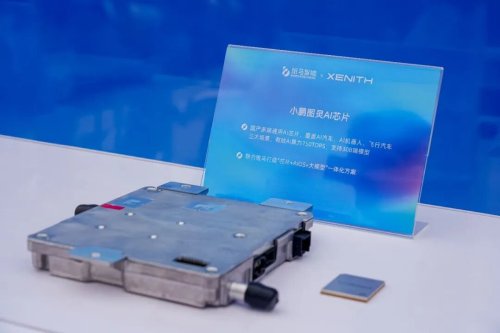
Xpeng named its robotaxi service Yoyo (小鹏悠游) on October 8 and opened it to users in China through an invitation-based program, according to company CEO He Xiaopeng. The GX-based vehicle has completed more than 2,200 trial rides by employees and is ready to expand testing to external users. Xpeng launched a dedicated ride-hailing mini-program, accessible via invitation codes to book pilot ride slots. The announcement did not disclose the fleet size or a date for unrestricted public service. Mini programs are very popular in China: think of them as apps inside an app. Most users use only one major app on their phone, mainly WeChat, and inside this app are all the other apps you need 90% of the time: for example, Didi (Chinese Uber), JD (Chinese Amazon), Meituan (food delivery), or Bilibili (Chinese YouTube). And now also the Yoyo robotaxi app from Xpeng. Passengers can use the mini-program to set cabin temperature and activate the fragrance system before pickup. The vehicle also offers seats marketed as “zero-gravity,” massage functions, and a rear entertainment screen. The robotaxi is based on Xpeng’s flagship GX SUV and uses four of the company’s in-house Turing AI chips. Xpeng says they deliver 3,000 TOPS of effective computing power. The vehicle runs its second-generation Vision-Language-Action model, known as VLA 2.0, using a vision-based system without lidar or high-definition maps. Xpeng describes the vehicle as designed for Level 4 autonomous driving, which allows a system to perform the driving task without human intervention within defined operating conditions. The company announced its robotaxi plans in November 2025 and began regular road testing in January 2026. The production vehicle rolled off the assembly line in Guangzhou in May, followed by employee ride trials in July covering online booking, autonomous pickup, and trip completion. In August, Xpeng obtained a Guangzhou remote-testing qualification that allows road tests without a safety operator in the driver’s seat on designated Class I, II, and III test roads. Chairman and CEO He Xiaopeng said that month that the company had completed development of a cloud-based remote takeover platform. Xpeng plans to begin pilot operations and small- to medium-scale demonstration services during 2026, using Guangzhou to develop operating experience for expansion elsewhere. The company previously set a 2027 target for passenger services without safety drivers. He has also said the Guangzhou robotaxi business could reach break-even at the vehicle level as early as the second half of 2027. That target concerns individual vehicle economics rather than the overall robotaxi business’s profitability. He identified vehicle density within the operating area as a key factor. Xpeng plans to generate revenue through vehicle sales, technology services and a share of operating revenue, while partners handle local fleet operations. Its proposed package combines the vehicle platform, autonomous driving software and AI capabilities. Xpeng is discussing partnerships in Europe, the Middle East and Southeast Asia. The company also plans to introduce a model developed specifically for robotaxi operations in 2027, with He expecting overseas markets eventually to account for most of the business. The October 8 statement did not name overseas operating partners or provide launch dates. Editor’s comment Xpeng’s robotaxi is worth watching, and not only because of its overseas launch plans. The last time I tested Xpeng’s VLA 2 was this April on Beijing roads, and I would get a lot of hate for this claim in China, but it felt even better than Huawei Qiankun ADS, generally considered the leader in domestic ADAS. As China’s EV price war and overcompetition seem nowhere near the end, Xpeng compensates for low margins on car sales by pivoting to other revenue streams: humanoid robots, overseas sales, and its latest attempt: robotaxi service. We will keep an eye on it. READ ALSO Xpeng’s autonomous driving director, Candice Yuan: L4 self-driving is less complex than L2+ with human driver | INTERVIEW