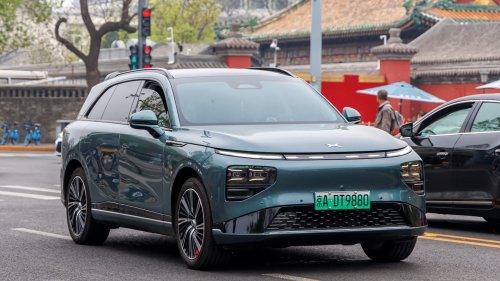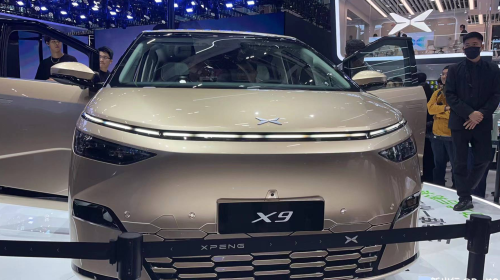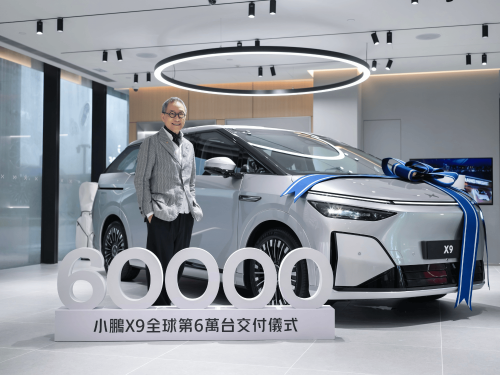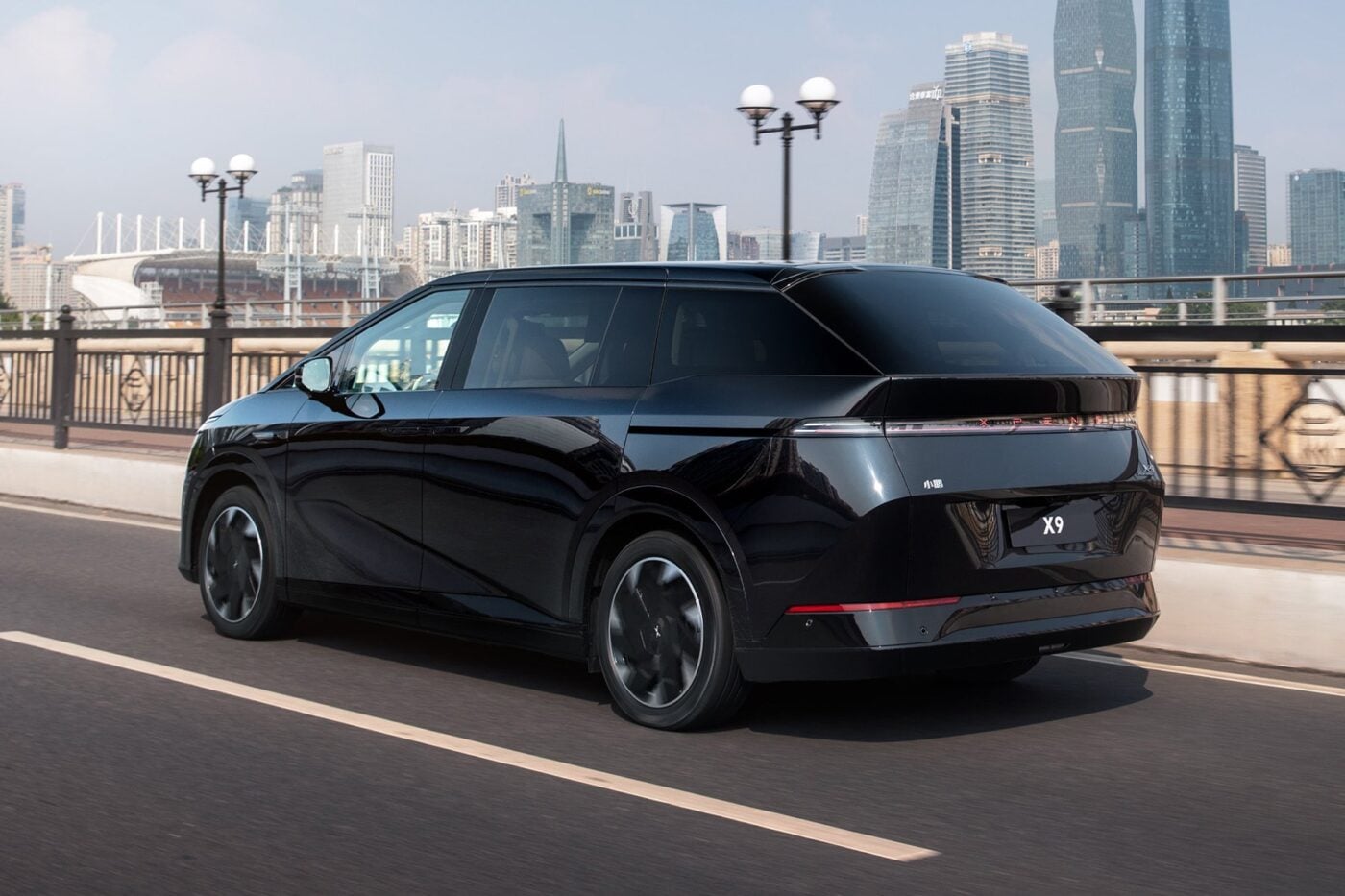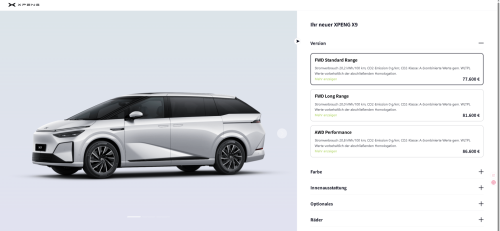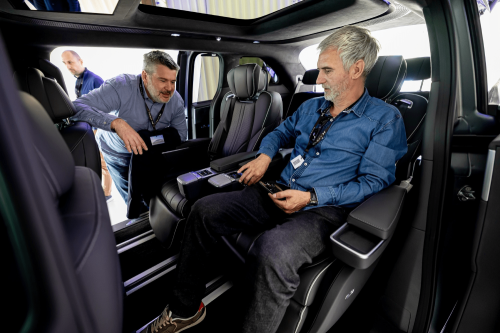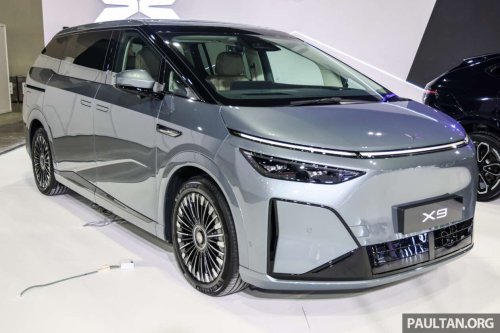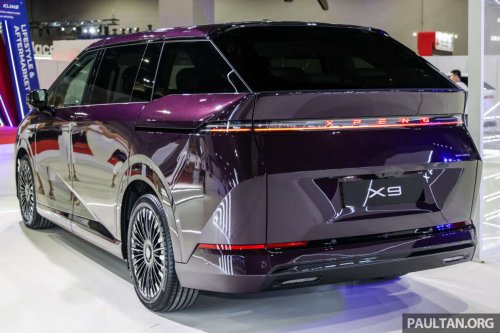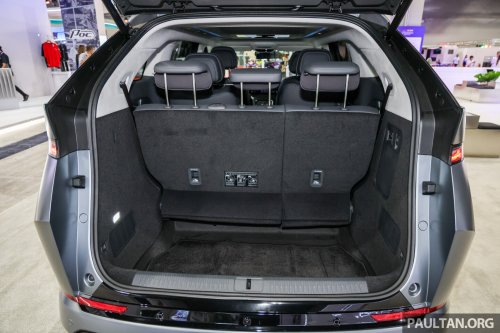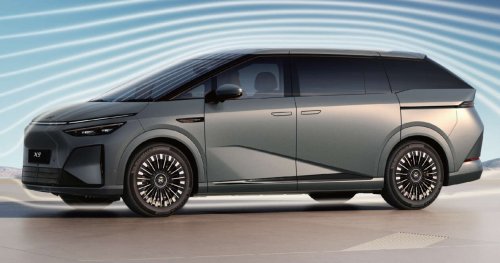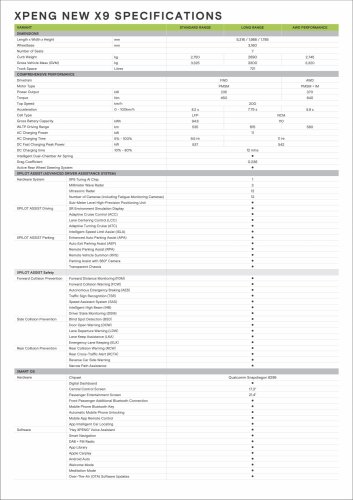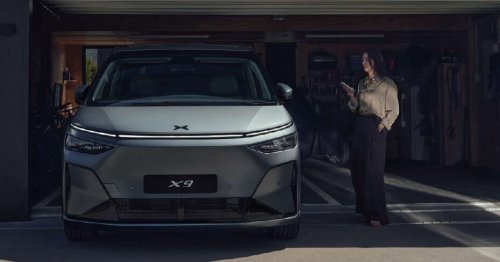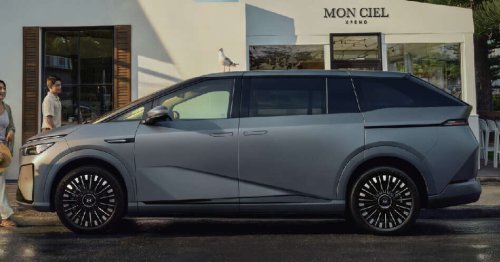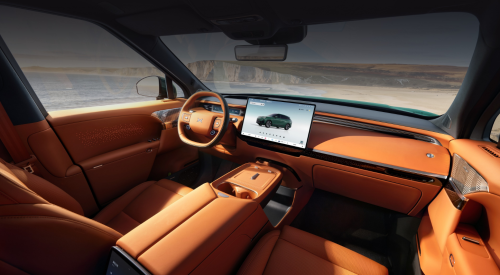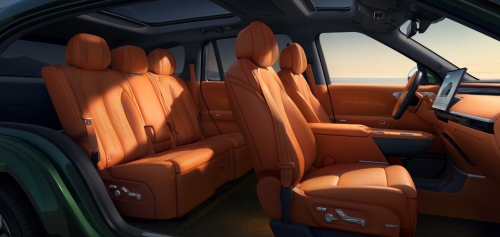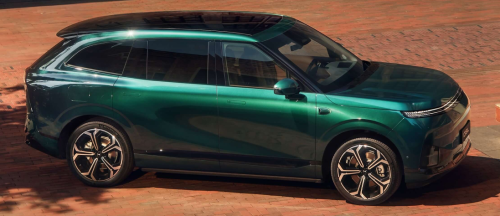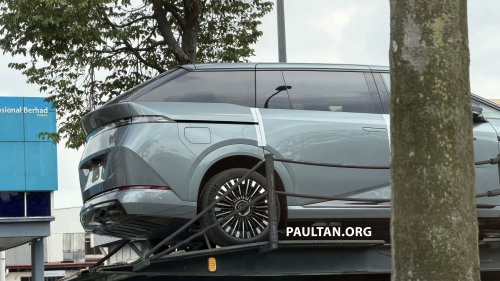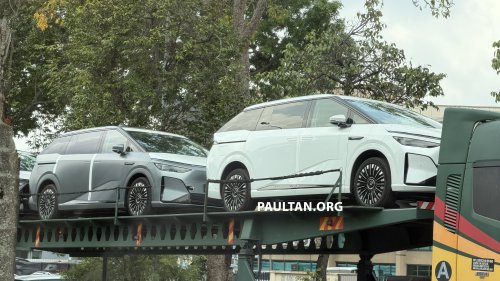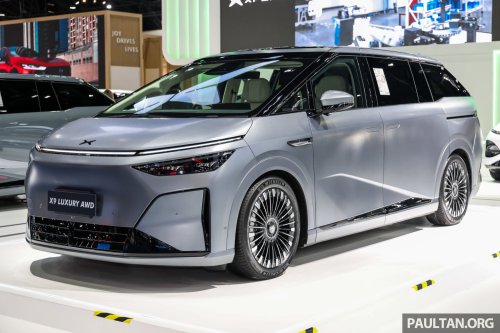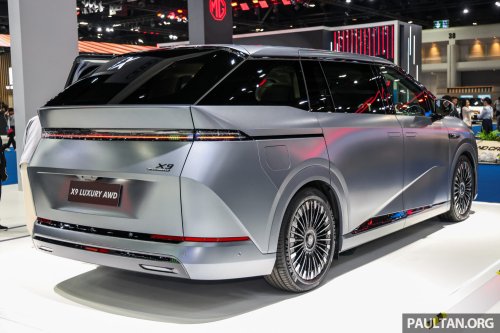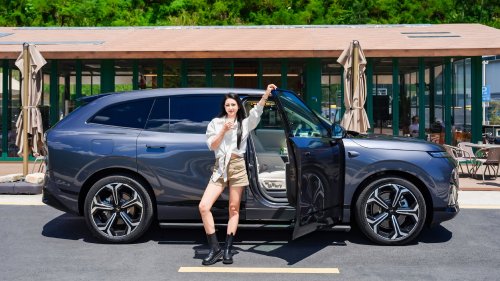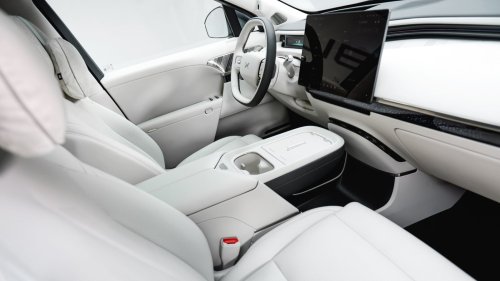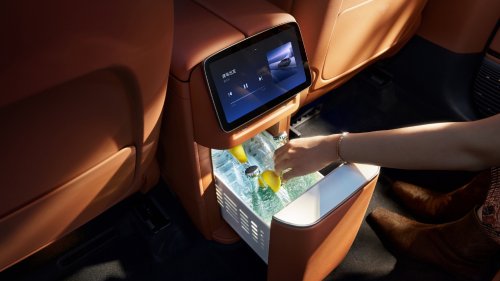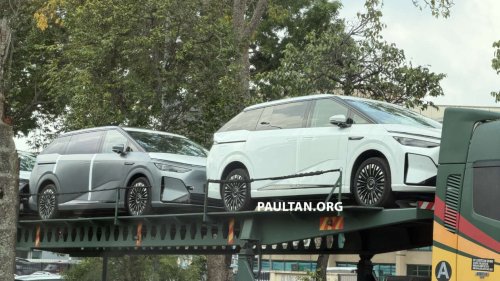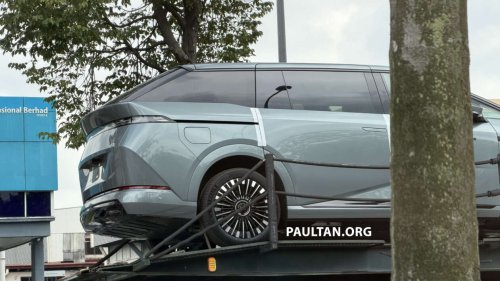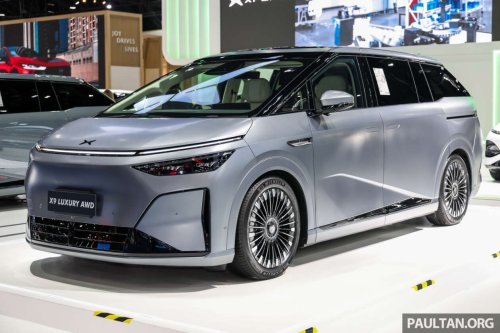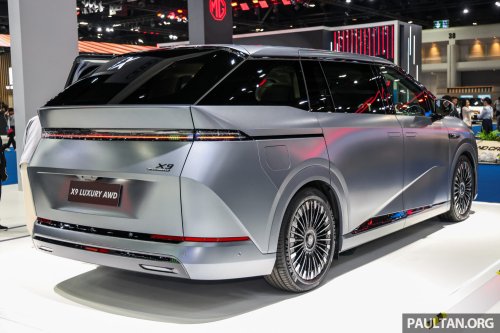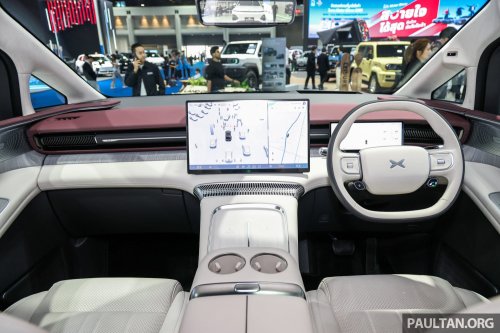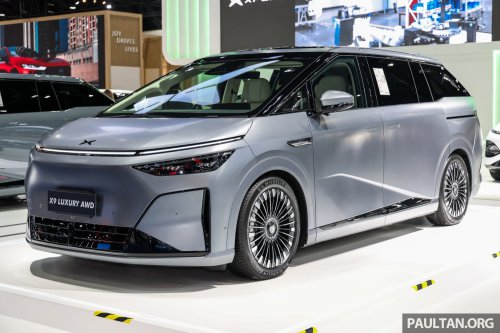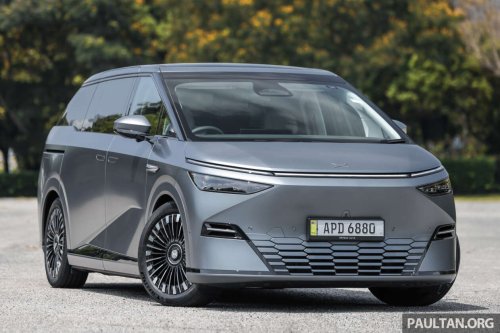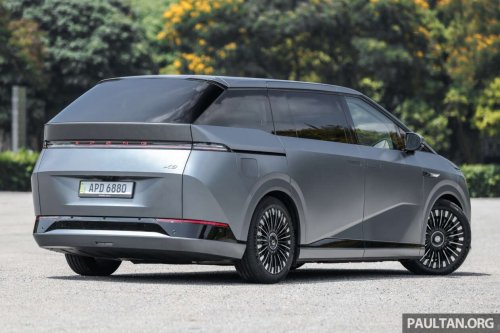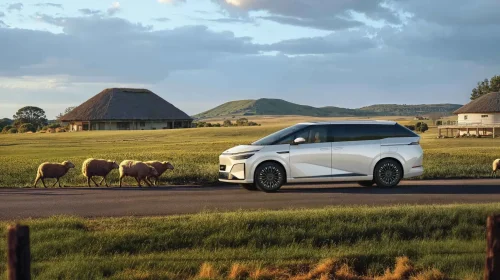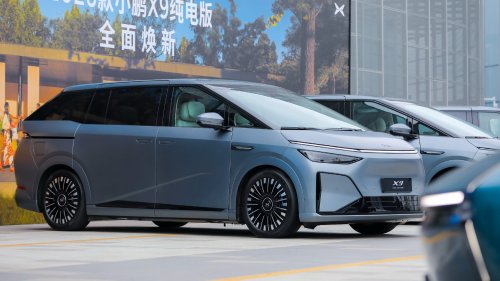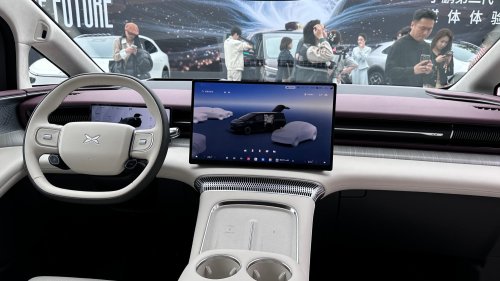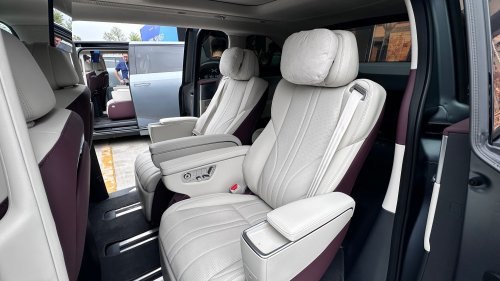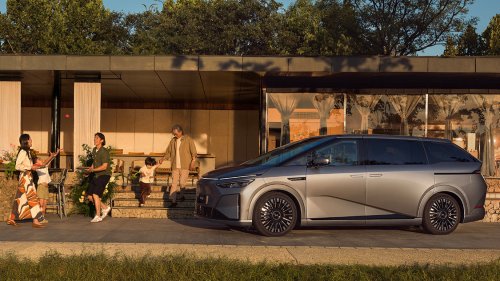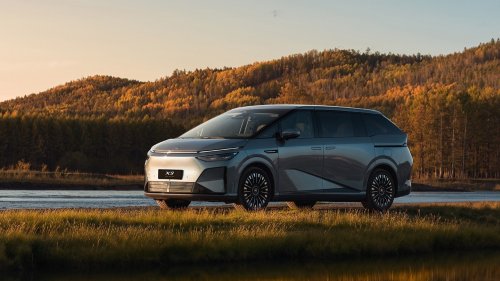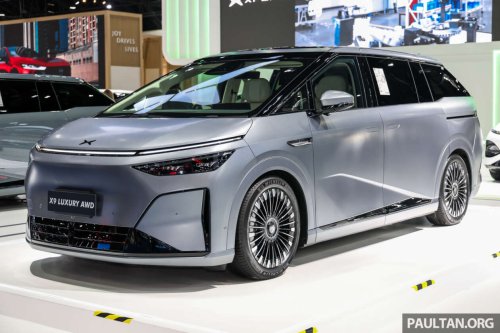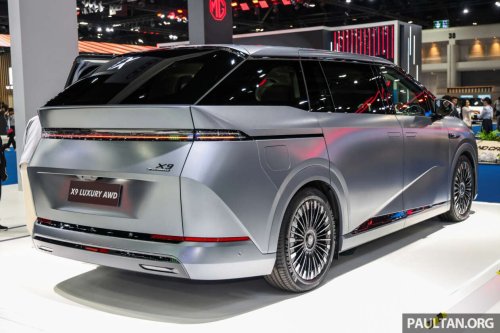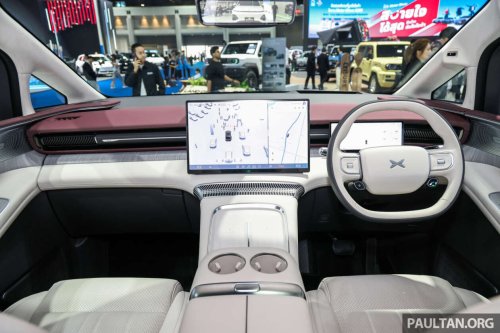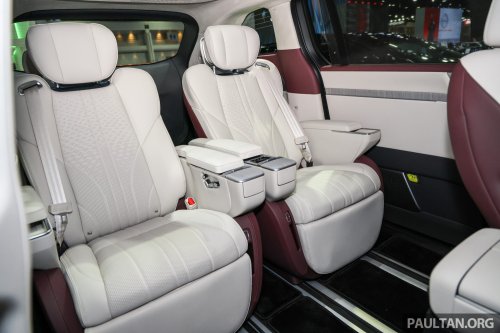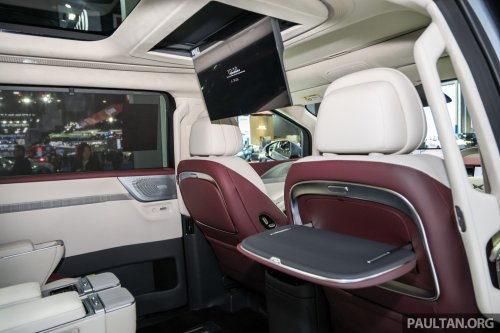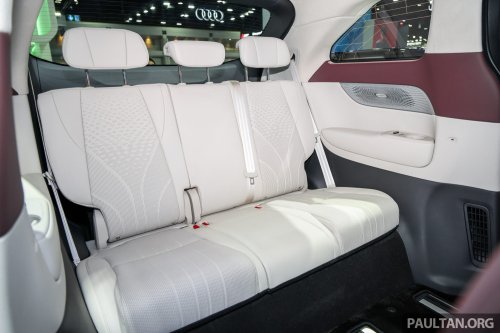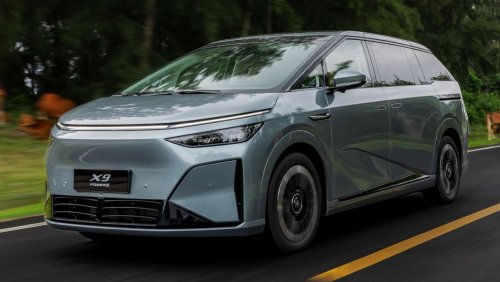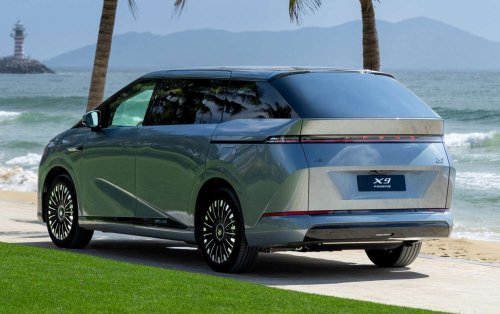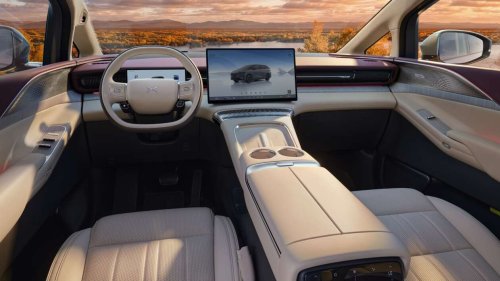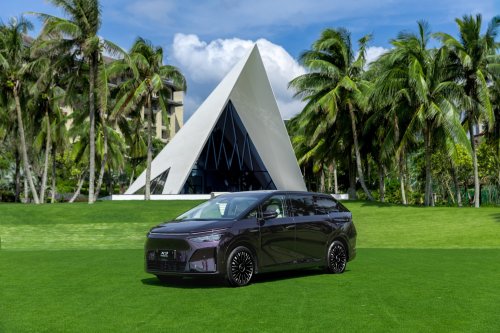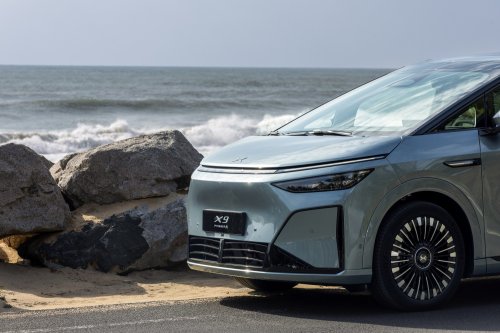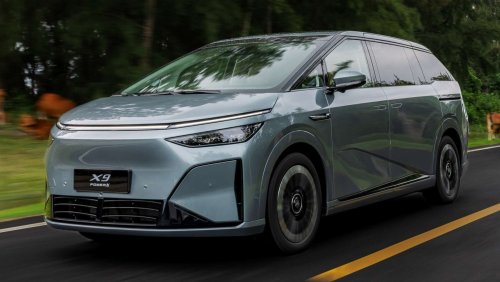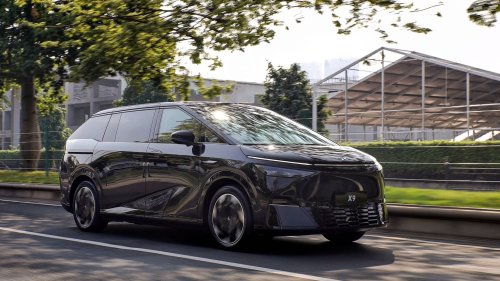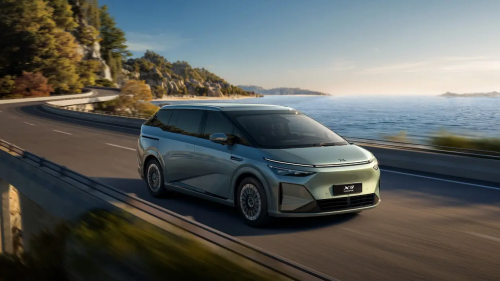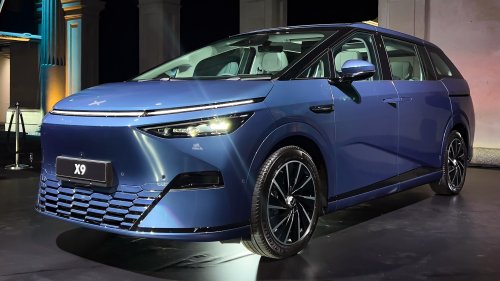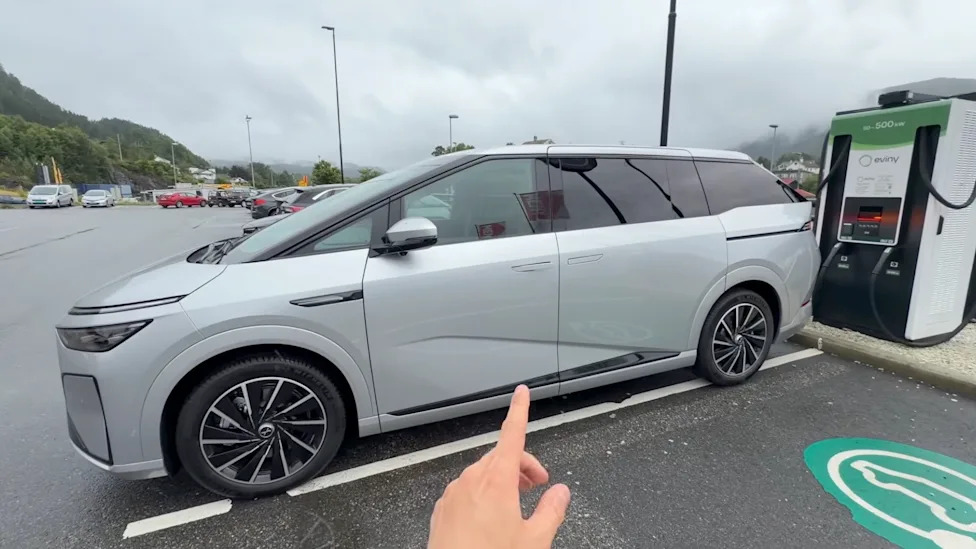



















Photo Credit: YouTubeThe larger an EV gets, the harder it can be to balance interior space with efficiency on the road. A real-world charging test of the XPENG X9 in Norway suggests that high charging speeds can help make up for that drawback.What happened?A YouTube test drive from Out of Spec Roaming (@OutofSpecRoaming) focused on the charging issue in everyday use. "Big EVs have a physics problem," the host said, referencing the increased energy consumption. They then used the three-row XPENG X9 to show how much ultra-fast charging can help.AdvertisementAdvertisementThe AWD model featured in the video uses an 800-volt platform and a 110-kilowatt-hour battery. It went from 10% to 80% in 13 minutes and 11 seconds on a 500-kilowatt charger, with a peak of 423 kilowatts and an average of 362 kilowatts during the session.According to the reviewer, charge speed can make a huge difference because roomy, boxy, family vehicles usually give up highway efficiency in exchange for space. They said "the only solution for MPVs to be viable on road trips" is fast charging.One commenter wrote: "This is road trip monster, charging speeds are incredible."Why does it matter?Road-trip charging remains a key question for buyers of larger electric family vehicles. The X9's charging performance suggests that concern could ease as hardware continues to improve.AdvertisementAdvertisementEVs can already save drivers money with lower fuel costs and less routine maintenance than gas-powered vehicles. They also avoid tailpipe pollution, which is better for local air quality compared to gas-guzzling cars.Charging is relevant for shoppers who are less worried about commuting and plan to use the vehicle for long-distance trips. Out of Spec Roaming argued that fast charging gives families "flexibility" by reducing the need to plan every stop around a long wait."Great point," one commenter agreed. "We also used to do it like that: go to McDonalds, toilet, eat, go for the next stop. But you tend to eat mostly crap then, and stop more often than you would."What's being done?Automakers are increasingly pairing larger EVs with bigger batteries and 800-volt architectures to speed charging, while charging companies across Europe continue rolling out higher-power stations.AdvertisementAdvertisementFor the X9 specifically, the vehicle does not need to reach its claimed 540-kilowatt maximum to impress. Even on available public equipment, the Out of Spec Roaming host said, many drivers can still get an "amazing charging session."Buying an electric vehicle is becoming more accessible, even if you need lots of passenger room. Charging an EV at home often costs less than using public chargers, but basic Level 1 charging tends to be slow. Qmerit provides free, instant installation estimates for faster Level 2 home charger installations.Get TCD's free newsletters for easy tips, smart advice, and a chance to earn $5,000 toward home upgrades. To see more stories like this one, change your Google preferences here.