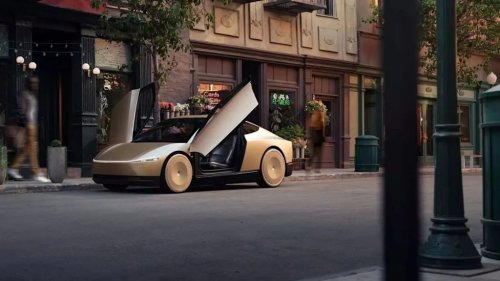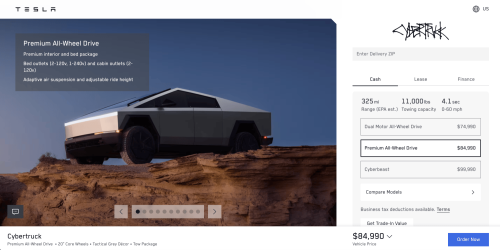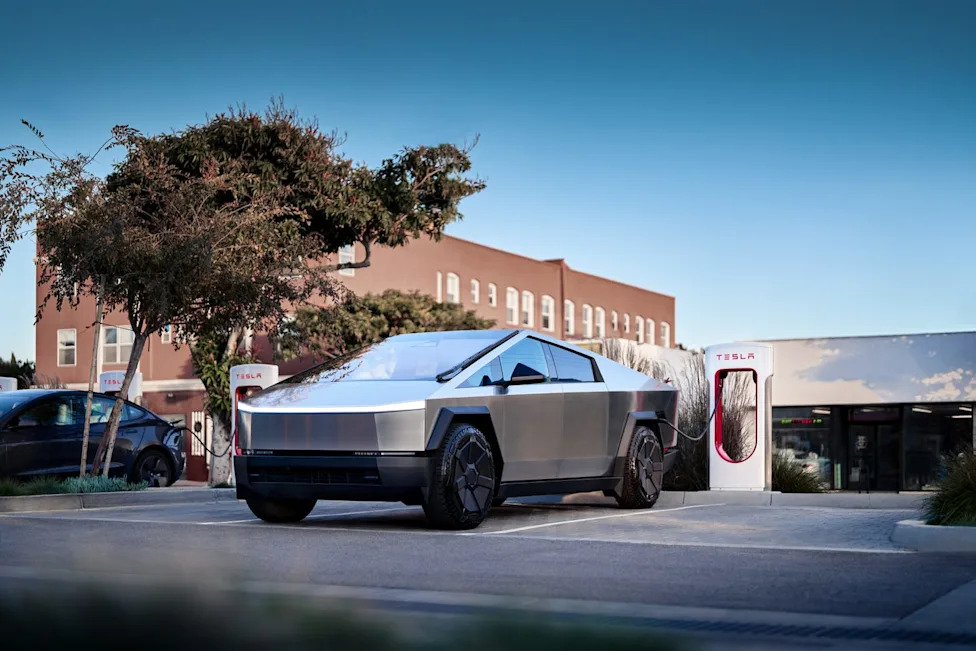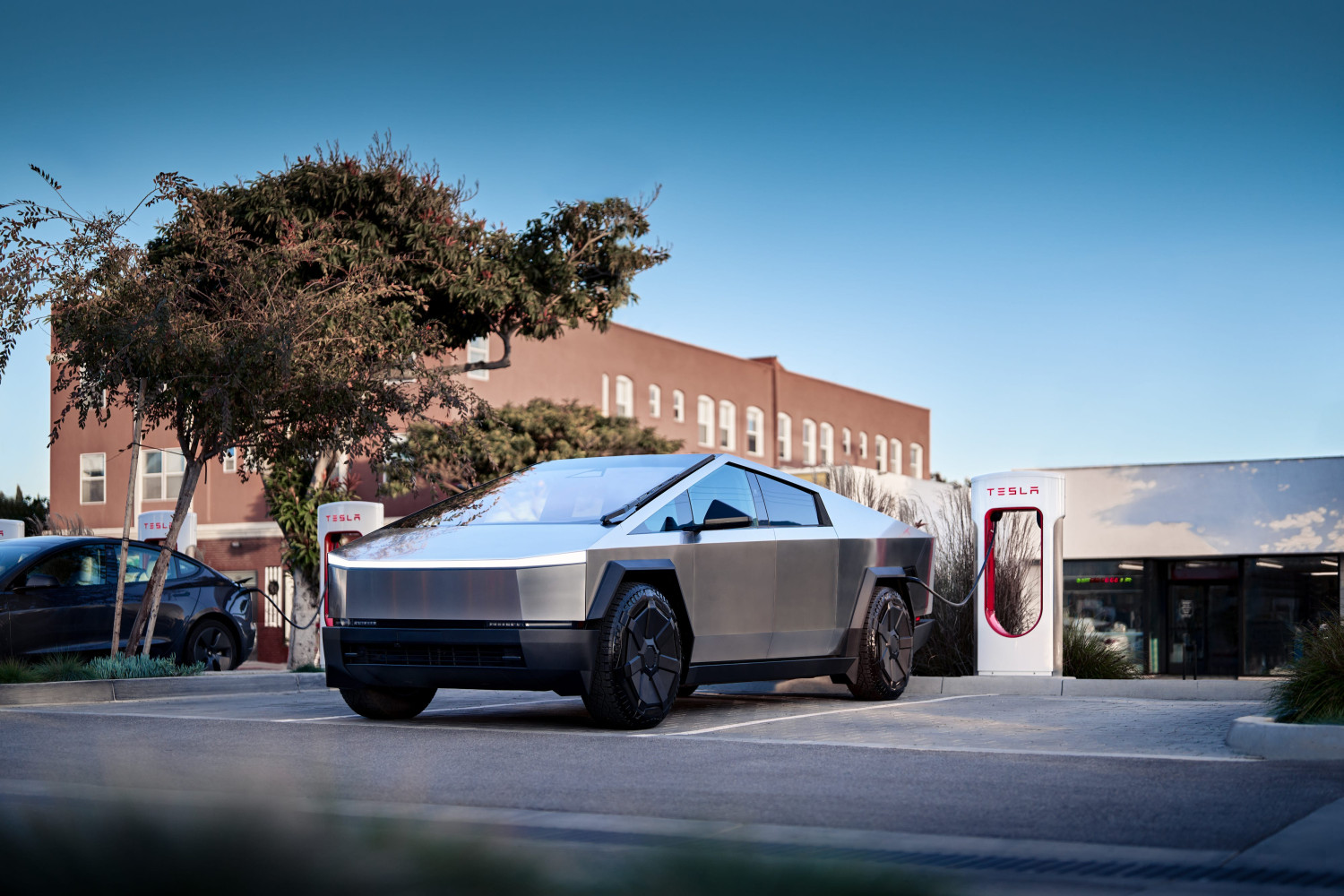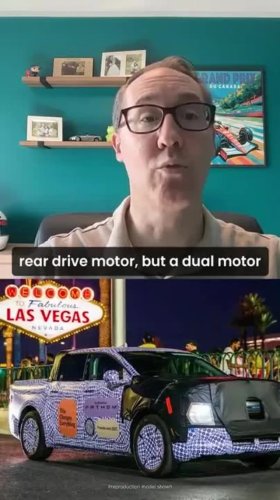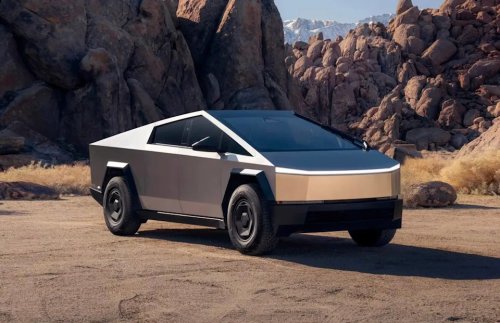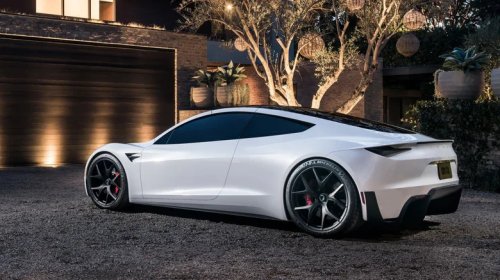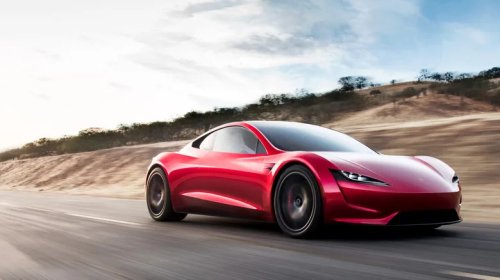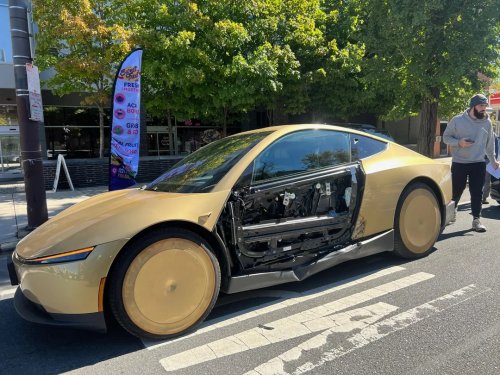













It was a mystery wrapped in an enigma when Tesla CEO Elon Musk failed to show up for the much-anticipated launch of the company’s new Cybercab in Austin, Texas. Investors also greeted the September 3 event with a less than enthusiastic response, leading Tesla stock to sink throughout the following days. A rebound has occurred since then, but Tesla still has left some questions unanswered — 21 of them, to be exact. Questions Swirl Around Cybercab Launch, Again If the September 3 launch was meant to demonstrate Cybercab’s ability to steer itself through the streets of Austin without the benefit of a human operator, maybe it did, and maybe it didn’t. Tesla is pitching the Cybercab as a pure robotaxi, meaning it is designed without a steering wheel or any other sort of human-manipulated controls, though Motortrend is among the auto industry news organizations reporting that the Cybercab can indeed be operated manually, by virtue of a “secret” virtual joystick. Musk has also been known to show off the forthcoming Optimus “autonomous” humanoid robot with a remote control assist from human operators, so there’s that. Fully and completely autonomous or not, the September 3 Cybercab launch raised questions about first responder safety, among other concerns. More recently, the Cybercab has attracted a rash of pranksters jumping in front of the robotaxi to “prove” its autonomous driving system works. Just one day after the Austin launch, the National Highway Traffic Safety Administration also jumped in to remind everyone that the Cybercab is not necessarily ready for primetime. “The US Department of Transportation’s National Highway Traffic Safety Administration (NHTSA) today announced that it has opened an Audit Query (AQ) to investigate Tesla’s certification that its new Cybercab meets all applicable Federal Motor Vehicle Safety Standards (FMVSS),” NHTSA announced. “NHTSA’s Audit Query will evaluate the technical data and processes Tesla relied upon to self-certify compliance for a vehicle lacking traditional human controls,” NHTSA added for emphasis. To further cloud the rollout, earlier this week a Cybercab reportedly avoided a routine, 10-minute ride drive and instead chose a 70-minute detour, underscoring the technology’s unreadiness for highway travel. “Was supposed to be a quick 10 minute hop from 99 Ranch to the Domain. The car had other plans and took me on a massive south detour through East Austin. Guess the Cybercab wanted the scenic route today. Total ride time was 70 minutes,” wrote Reddit poster TyGuy539 on r/Austin. The Gloves Come Flying Off Of course, Elon Musk himself oversaw the gutting of staff at NHTSA and other federal offices during his role as the chief of Trump’s budget-hacking “DOGE” office, so it’s unclear how much investigating NHTSA can actually do. Still, the office has some teeth left, and evidently Tesla still has some ‘splaining to do. As part of the Audit Query, NHTSA issued a “Special Order” that requires Tesla to submit the technical background supporting its Cybercab self-certification, under oath, by September 30. “Based on information available to NHTSA, the Cybercab is a purpose-built vehicle that Tesla certified as compliant with all applicable Federal Motor Vehicle Safety Standards (FMVSS),” NHTSA reminds everyone, especially Tesla Head of Litigation Brian Jazeri and Tesla Associate General Counsel Eric Williams, to whom the Special Order is addressed. “Self-certification is a foundational responsibility for vehicle manufacturers under the National Traffic and Motor Vehicle Safety Act of 1966 (Safety Act), as amended and recodified, 49 U.S.C. Chapter 30,” NHTSA further reminds. The Special Order lists 21 specific requests for information. In terms of the September 3 demonstration in Austin, #5 is particularly interesting: “Confirm whether the subject vehicles are capable of being driven by a human driver using temporarily attached human driver controls.” Request #6 is also of interest: “State whether temporarily installed human driver controls or other equipment for use by a human driver were a part of Tesla’s basis for certifying compliance with any FMVSS. If so, describe the human driver controls and list the FMVSS for which the human driver controls were used as a part of Tesla’s basis for certifying compliance.” Request #13 further indicates that NHTSA may have caught Tesla in a mistruth regarding the nature of the September 3 rollout. “State whether the subject vehicles have a turn signal operative unit that is self- canceling by steering wheel rotation. Also state whether the subject vehicles have a manually operated control of a turn signal operating unit,” NHTSA demands, then continues: “If the answer to any of the previous statements is no, provide in detail how Tesla determined that the subject vehicles complied with FMVSS No. 108 (49 CFR § 571.108) S9.1.1. If your answer differs depending on whether any human driver control or other equipment for use by a human driver is temporarily installed in the vehicle, describe in detail how it differs.” Tesla Lives To See Another Day Regardless of the Cybercab kerfluffle, Tesla has maintained its position as the #1 seller of EVs in the US. Other stakeholders were giving the automaker a run for the money until last year, when the premature death of the federal EV tax credit sparked an electrification pullback among Ford and General Motors, among others. As reported by Kelly Blue Book earlier today, Tesla led other automakers in EV sales for August, with Toyota, Rivian, Hyundai, and Cadillac following up. However, Tesla sales in August were 3.8% lower than in July, while Toyota went up 34.9% in the same period. More to the point, the overall EV sales picture in the US looks dim indeed, largely if not exclusively due to last year’s sharp U-turn in federal energy policy. “New EV sales were up 2.5% from July, but down 46.9% from 2025,” KBB notes, referring to the numbers for August. EVs accounted for just 5.7% of new vehicle sales in the US in August, even as the global marketplace jumped to more than 25%. All else being equal, Trump’s ill-fated war in Iran could help turn the sales slump around. Trump can also take part of the responsibility for enabling Russia to drag out its unprovoked invasion of Ukraine, which is also impacting global oil markets. The conflict was launched by Russian President Vladimir Putin in February of 2022, prompting Ukraine to attack Russia’s oil infrastructure in defense. The attacks have intensified since then, cutting deeply into Russia’s ability to export diesel and gasoline. With all this in mind, Tesla has an opportunity to see its sales numbers increase over the coming months. Beyond that, it’s anybody’s guess. The new Ford Fathom electric pickup truck is still on track for volume production next year, and Rivian somehow managed to secure a $4.5 billion Energy Department loan to build a new factory in Georgia, among other signs of rising competition in the US market. Photo: The Tesla Cybercab rollout in Austin, Texas has been colored by many questions, including a list of 21 specific demands for information from the National Highway Traffic Safety Administration (courtesy of Tesla via CleanTechnica archive).