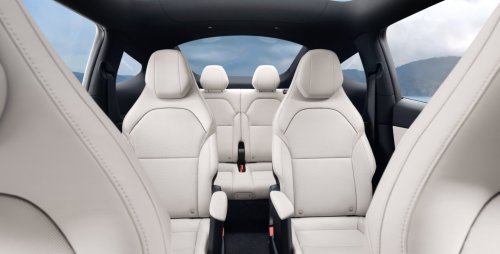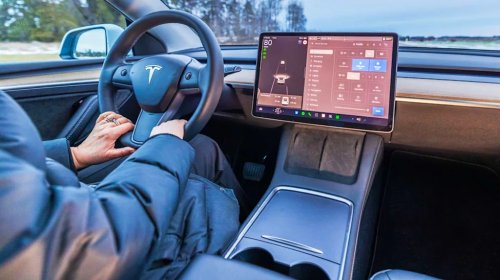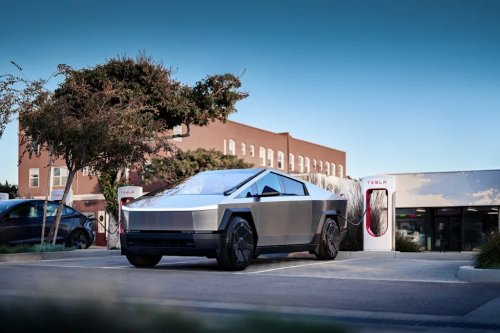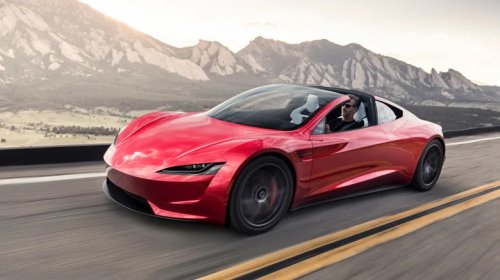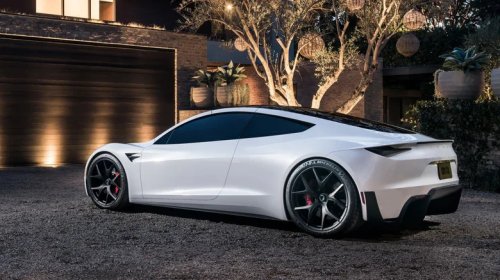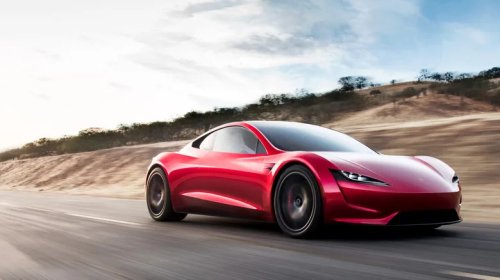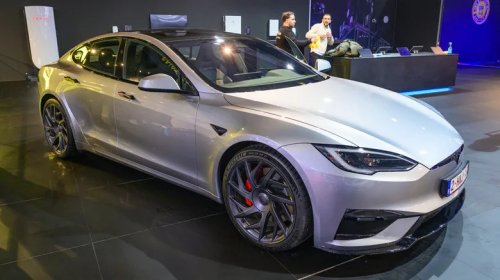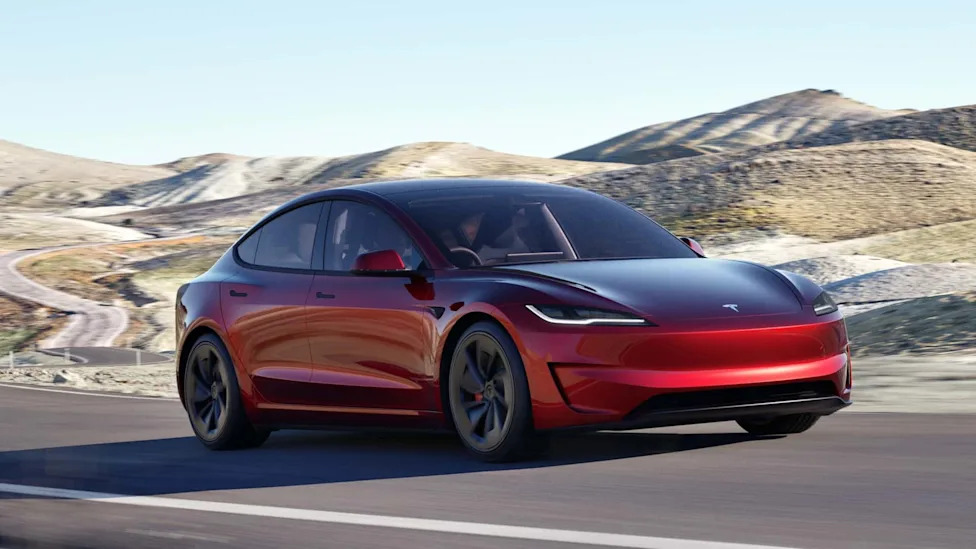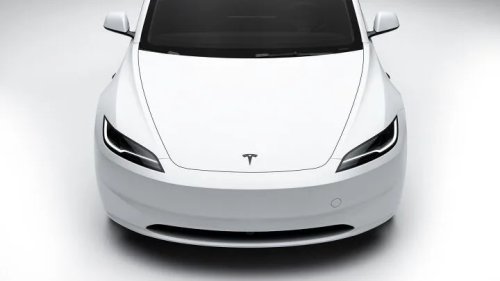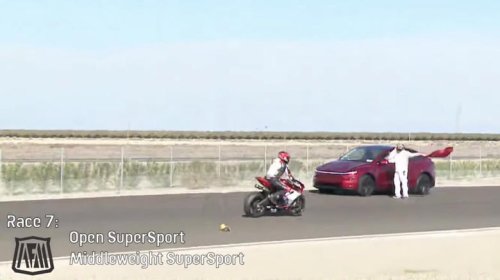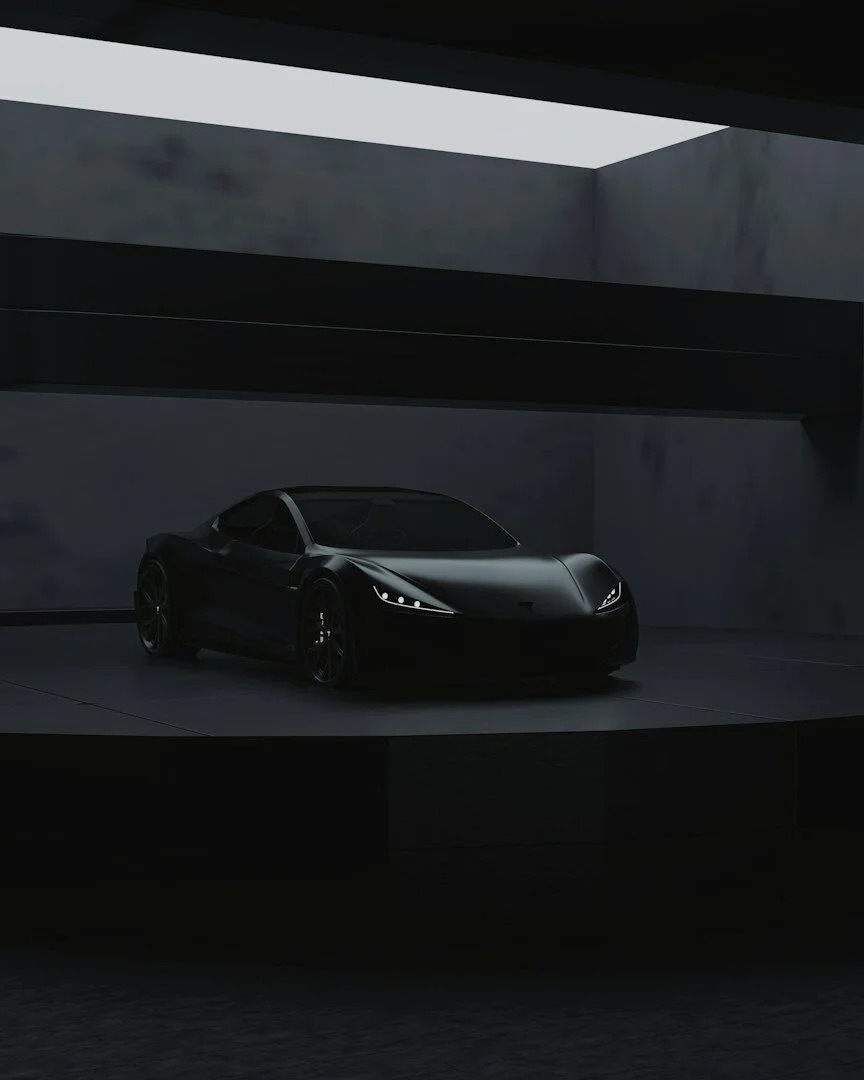

















Tesla's Next Roadster Finally Has a Reveal Date. Here's What's Real, What's Patent, and What's Pure Hype.The Auto WireEve NowellThu, September 17, 2026 at 1:08 AM UTCAdd us on GoogleTesla's Next Roadster Finally Has a Reveal Date. Here's What's Real, What's Patent, and What's Pure Hype.Tesla's second-generation Roadster has spent so long as a reservation page that owners of the first one could have raised a kid to driving age in the meantime. On Saturday, September 12, the company finally gave it a date. Tesla's official X account posted a teaser with a two-word-plus-one caption, "Go for launch," and Elon Musk replied underneath with the details: "New Tesla Roadster Unveil 10.01."So October 1 is the day. What Tesla hasn't said is at least as interesting as what it has.What's actually confirmedThe list is short. Tesla has confirmed an unveiling on October 1, and nothing about production timing, pricing, or specifications for the car it plans to show. The Roadster web page has been quietly refreshed. Its social-sharing image is now a file named "Roadster-Countdown-Social," and its description still calls the car the quickest vehicle in the world, with record-setting acceleration, range, and performance.Related ArticlesFour LLCs, One Factory: Inside an Auto Supplier's $620,000 Discrimination SettlementHyundai's Point-and-Speak Car Controls: Inside the Patent TrailAdvertisementAdvertisement"Unveil" is the operative word. It is not "deliveries," "production," or "order books open." Tesla fans who have been through the Cybertruck and Semi cycles know those milestones can be years apart.The numbers Tesla is still carryingThe spec sheet on Tesla's Roadster page is where things get fun, and where readers should pay attention. The company lists 0–60 mph in 1.9 seconds, 0–100 mph in 4.2 seconds, a quarter-mile in 8.8 seconds, a top speed of over 250 mph, and 620 miles of range. It also lists four seats, all-wheel drive, and a $50,000 base reservation. The page describes a lightweight removable glass roof that stows in the trunk.One figure on that list deserves a closer look: "Wheel Torque: 10,000 Nm."That is not a number you can hold up against a Ferrari's torque figure. Automakers usually quote torque at the crankshaft or the motor. Wheel torque is what's left after that output has been multiplied through the gear reduction. An electric motor spinning to high rpm through a steep reduction gear can produce an enormous number at the hub without being wildly more powerful than rivals on paper. It's a legitimate measurement, just a different one, and it makes a spec sheet look like it came from a mining truck. When the October 1 figures arrive, check which torque number Tesla is quoting before you start comparing.AdvertisementAdvertisementIt's also worth remembering where those figures came from. Tesla published them for the version shown when the Roadster debuted alongside the Semi. Whether the car rolling out on October 1 keeps them, beats them, or quietly revises them is the first thing worth watching.The fan in the room"Go for launch" is mission-control language, and Tesla leans into the space theme on purpose. In February 2018, SpaceX's first Falcon Heavy test flight carried a Tesla Roadster as its only payload, bolted to the rocket's second stage. A mannequin named Starman sat behind the wheel in a SpaceX suit, and the car was sent into an orbit around the Sun reaching beyond Mars. That car was the original Roadster. The new one is being marketed with the same rocket-age swagger.For a better idea of where Tesla engineers have been spending their time, skip the teaser and read the paperwork. U.S. Patent 12,377,920, titled "Adaptive vehicle aerodynamics for downforce," describes a system with fans placed in airflow pathways. At least one of those pathways leads to an enclosed area under the car. Deployable skirts touch the road surface to seal off that area, and the fans pull air out of it to create low pressure. The patent's method claims have a control system reading sensor data, choosing a skirt configuration, and switching between operating modes.Put simply, that is a fan car: a vehicle that sucks itself onto the pavement instead of relying only on speed to build downforce. The big advantage is that conventional wings and diffusers do very little at low speed, while a fan-driven underbody can generate grip from a standstill. That is precisely where a 1.9-second 0–60 time is won or lost.AdvertisementAdvertisementA caveat: the patent never mentions the Roadster. Companies patent plenty of ideas that never reach production. Still, if you were designing a car to put record-setting acceleration through four tires, this is the kind of hardware you would sketch out.The mechanical and ownership reality checkIf anything like that patent reaches a road car, owners will be living with problems most sports car buyers have never faced.Skirts that touch the road wear out. Anything designed to seal against the pavement is a consumable part. Expect inspection intervals, replacement costs, and a tense relationship with speed bumps and steep driveways.Fans ingest debris. High-speed fans pulling air from under a car will swallow grit, water, and the occasional leaf. That means filters, bearing wear, and the question of what happens in winter slush.More actuators, more failure points. Active aero depends on motors, sensors, and software working together. The out-of-warranty repair estimate for a car like this is something nobody can quote yet, and that uncertainty is precisely what insurers dislike.On insurance, a low-volume, carbon-heavy, extremely fast car with no claims history will almost certainly be priced through specialty or agreed-value policies at first. The 1.9-second claim works against you here too, because underwriters rate risk as well as replacement cost.The regulatory fine printThere is an unglamorous detail that matters here. The U.S. does not pre-approve cars before they go on sale. NHTSA says the federal Safety Act created a self-certification process in which each manufacturer certifies that its vehicles meet every applicable safety standard. The agency then runs periodic enforcement tests and investigates alleged defects.Related ArticlesFCA's Pentastar Warranty Settlement Isn't About a Bad Valve Train. It's About Who Gets to Define 'High-Priced.'Wake Up: Saturday's Automotive News Morning Round-UpAdvertisementAdvertisementThat means Tesla alone decides whether whatever it shows on October 1 is presented as a street-legal production car. It also means the pressure falls on Tesla to certify every exotic piece of hardware the car carries, including anything that deploys, spins, or vents. A show car and a certified production car are different legal objects. Watch which one Tesla says it is presenting.What reservation holders and shoppers should doIf you have money sitting in a Roadster reservation, October 1 is your chance to get answers. Look for four things: a firm production start, confirmed pricing, which spec figures survived, and whether the features in the teaser are standard, optional, or demo-only. Before deciding whether to stay in line, reread the reservation terms you agreed to.If you're shopping, keep your expectations modest. An unveiling tells you what Tesla wants you to see. The delivery date will tell you what Tesla can actually build.Do you believe the new Roadster will actually deliver on the hype? Tell us in the comments.Join our Newsletter, follow our Instagram page, and connect with us on Facebook.