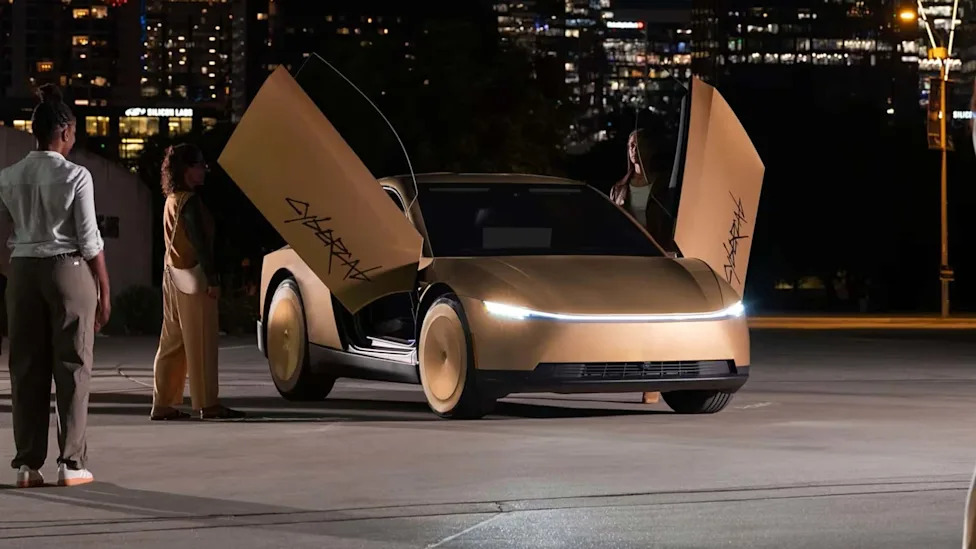
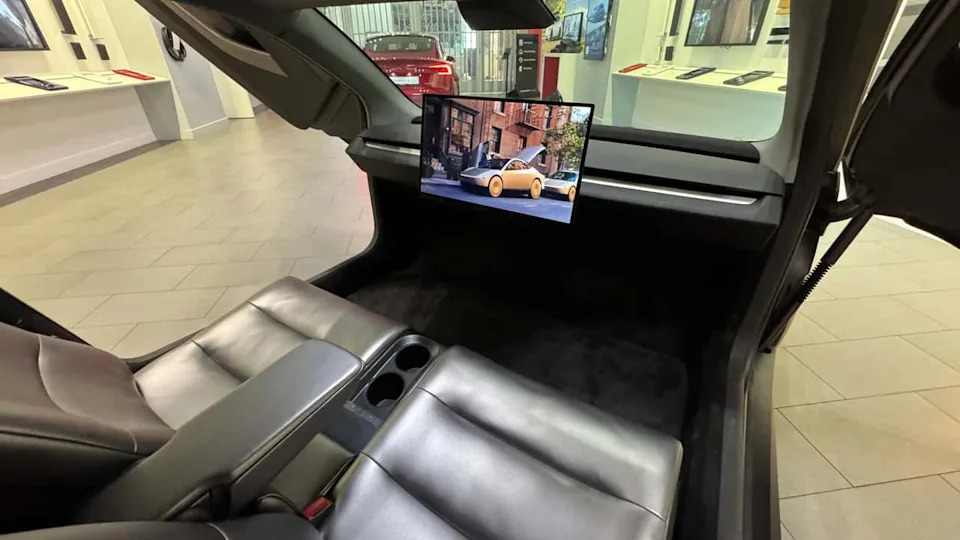
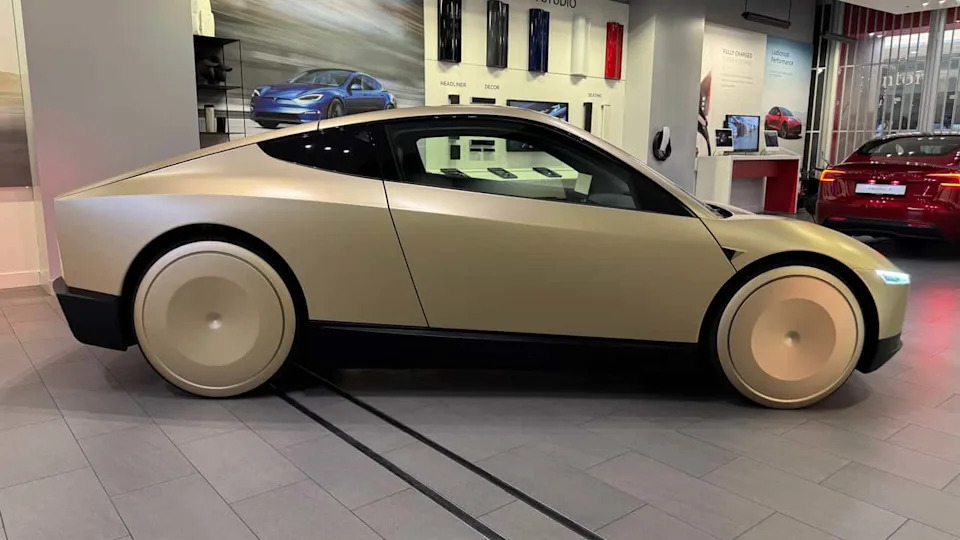















Tesla Says The Cybercab Is Street Legal. Regulators Want To Know How.InsideEVs[email protected] (Tim Levin)Wed, September 16, 2026 at 6:31 PM UTCAdd us on GoogleTesla Cybercab RobotaxiThe country's top road safety agency gave Tesla until the end of the month to answer questions about the Cybercab's self certification.America's top road safety regulator sent Tesla a detailed list of questions about the Cybercab.The National Highway Traffic Safety Administration wants to know how the Cybercab complies with requirements around brake pedals, mirrors, and turn signalTesla launched its highly unconventional Cybercab to the streets of Austin, Texas, earlier this month. America's top road-safety agency wants to know exactly how that happened.In a letter released on Tuesday, the National Highway Traffic Safety Administration grilled Tesla on the process it used to self-certify that the taxi met Federal Motor Vehicle Safety Standards (FMVSS), which require that cars have features like side-view mirrors and brake pedals. Tesla wants to take on Waymo by deploying Cybercabs far and wide. While that vision is currently limited by Tesla's own technology, it may also depend on how this probe shakes out.AdvertisementAdvertisementIn some other parts of the world, like the European Union, cars have to receive regulatory approval before they hit roads. In the U.S., manufacturers self-certify their vehicles but are subject to NHTSA scrutiny after the fact.The Tesla Cybercab seen liveMere hours after driverless Cybercabs started zipping around Austin as part of Tesla's Robotaxi network on September 3, NHTSA said it was looking into how Tesla determined the vehicle was street legal. But it didn't go into much detail. The list of questions the agency sent to Tesla—which the automaker must respond to by September 30—sheds some light on which specific parts of the Cybercab NHTSA is scrutinizing.First off, the agency asked for some basic facts about the Cybercab and its rollout: the SAE automation level of the vehicle, how many there are, where Tesla operates them or plans to in the future, and what operational design domain they're subject to. That's autonomous vehicle jargon for the conditions the taxi can drive in, including weather, geographical constraints, top speed, and road environment.It also wants to know broadly which FMVSS Tesla believes the Cybercab is subject to and how it complied, plus whether the vehicles can be piloted by a human driver and whether that factored into the Cybercab's compliance. As some riders observed in the early days of the rollout, the Cybercab appears to have a touchscreen-based joystick for manually moving it around at low speeds.The Tesla Cybercab seen liveThen the agency gets into the nitty gritty. This is where we start to get a sense of where NHTSA believes Tesla may have skirted the rules.AdvertisementAdvertisementIt asked whether the Cybercab is "equipped with controls, telltales, and indicators meeting the requirements in FMVSS No. 101" and "how the subject vehicles display the vehicle's shift position under the requirements in FMVSS No. 102."It also asked "whether the subject vehicles have a turn signal operative unit that is self canceling by steering wheel rotation." It's safe to say they do not, since they don't have a steering wheel at all. NHTSA also inquired about an interior rearview mirror, exterior mirrors, and electronic stability control telltales.It also mentioned brakes, calling out a passage in the FMVSS—"The service brakes shall be activated by means of a foot control"—and asking how Tesla determined that the Cybercab met that requirement. The Cybercab has electronically actuated brakes that can be controlled by the autonomous system or a remote operator, but the vehicle doesn't have pedals.The Department of Transportation has been working to change vehicle rules to better accommodate the coming wave of driverless vehicles. Under President Biden, it clarified how crash-protection systems should work in cars without steering wheels. In June, Trump's DOT it proposed a rule that would allow manufacturers to forego brake pedals.AdvertisementAdvertisementStill, companies that want to operate autonomous vehicles that don't meet today's standards need to apply for an exemption. That exemption, however, comes with an annual quota, which Tesla may have been trying to avoid. There is a precedent here. Amazon-owned Zoox self-certified its steering wheel-free pod, was investigated by NHTSA, and ultimately was granted the country's first exemption for a commercial autonomous service based around a purpose-built robotaxi.That may be where the Tesla situation is headed too. It's also possible that the automaker's lawyers will make a convincing argument. (Tesla didn't respond to a request for comment.) NHTSA itself acknowledges that the rules need updating for vehicles like the Cybercab. But until those updates arrive, the agency wants Tesla to explain how a car without pedals or mirrors doesn't need an exemption. The final ask of NHTSA's letter sums it up:"In light of the Agency's stated position in Final Rule, Occupant Protection for Vehicles with Automated Driving Systems [...] that other regulatory changes to the FMVSS not impacted by the rulemaking [...] would likely be necessary to permit a vehicle solely operated by an [automated driving system] to be manufactured for sale (absent an exemption to the FMVSS under 49 CFR Part 555), and in light of the Agency's publicly-announced plans to modernize the FMVSS, provide a detailed explanation of how the subject vehicles comply without any exemption under 49 CFR Part 555."Contact the author: [email protected]We Think You'll Enjoy...The Porsche Cayenne Electric Can Now Charge WirelesslyTesla's New 'Accordion' Superchargers Promise Instant CommissioningThe 2027 Ford F-150 Unlocks Hands-Free Towing Through BlueCruiseGM's New UI For Trucks Plays Nice With CarPlay