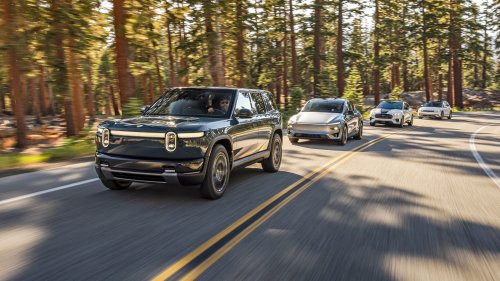
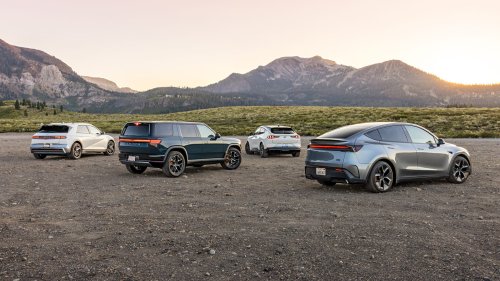
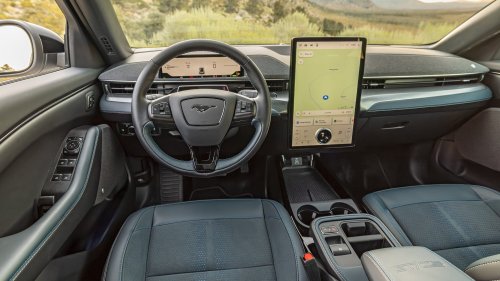
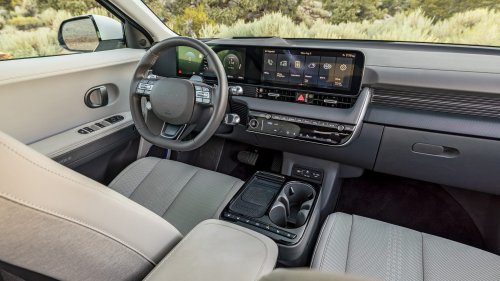
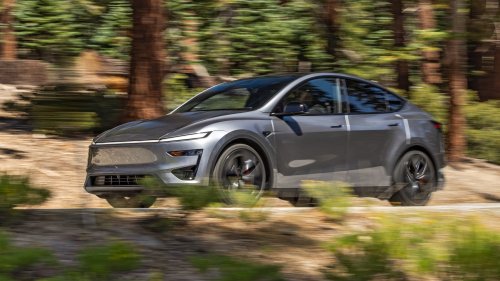
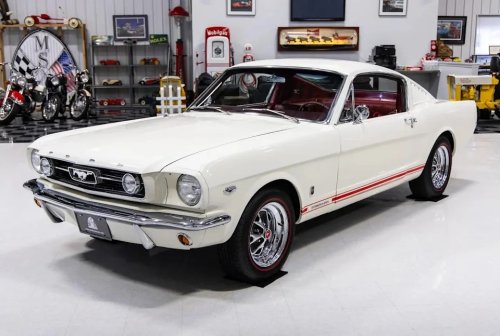
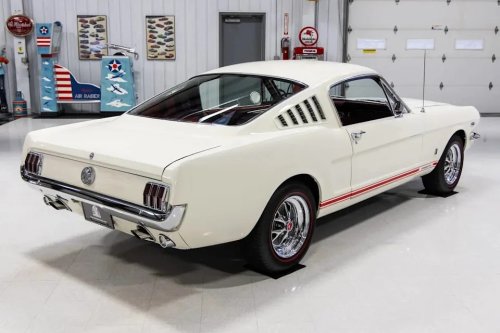
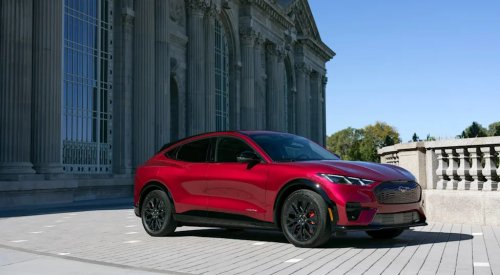
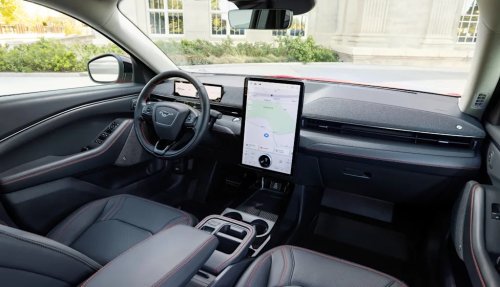
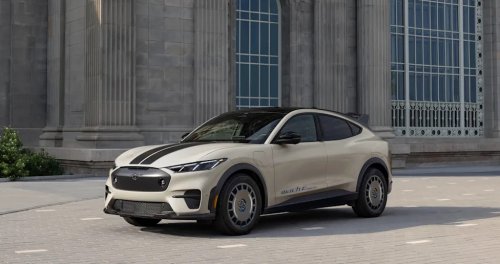
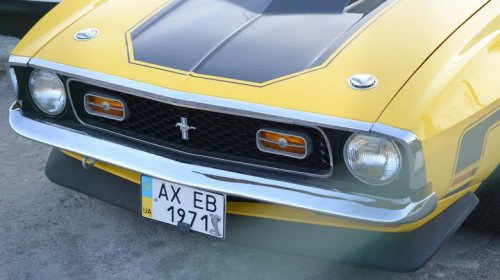
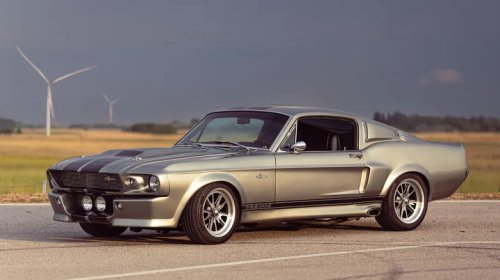
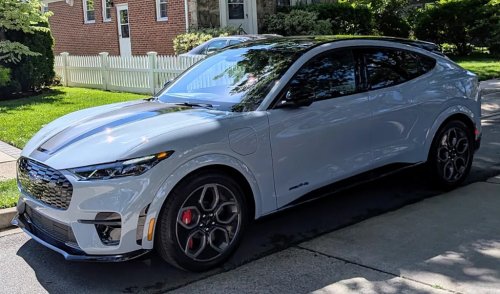
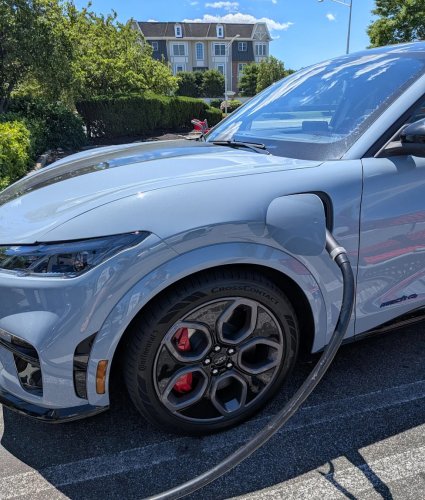
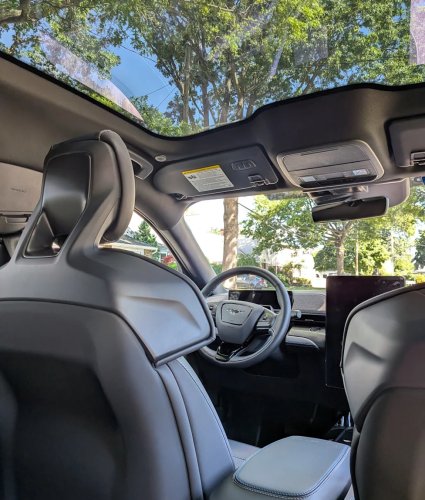
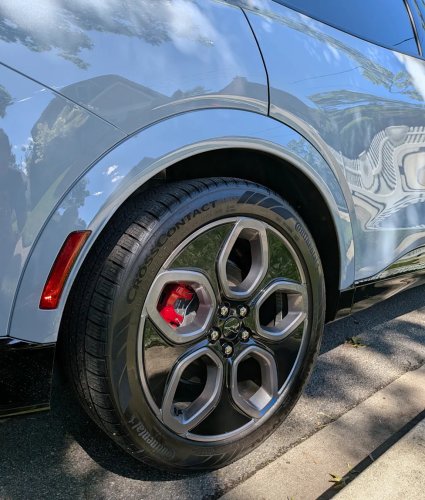
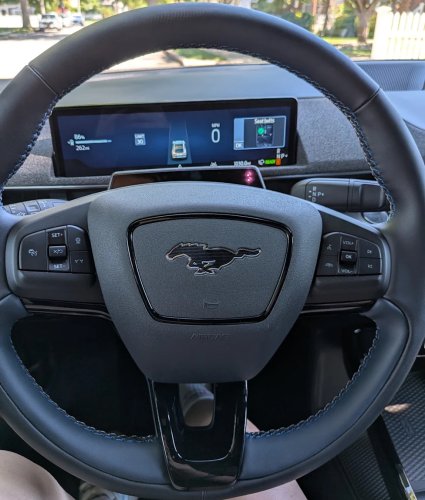
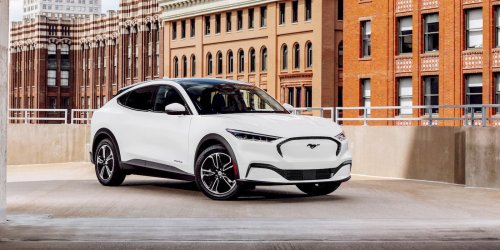
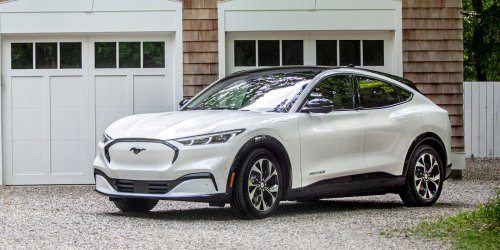
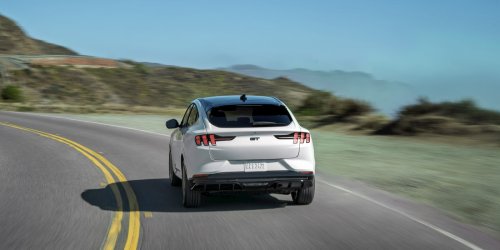
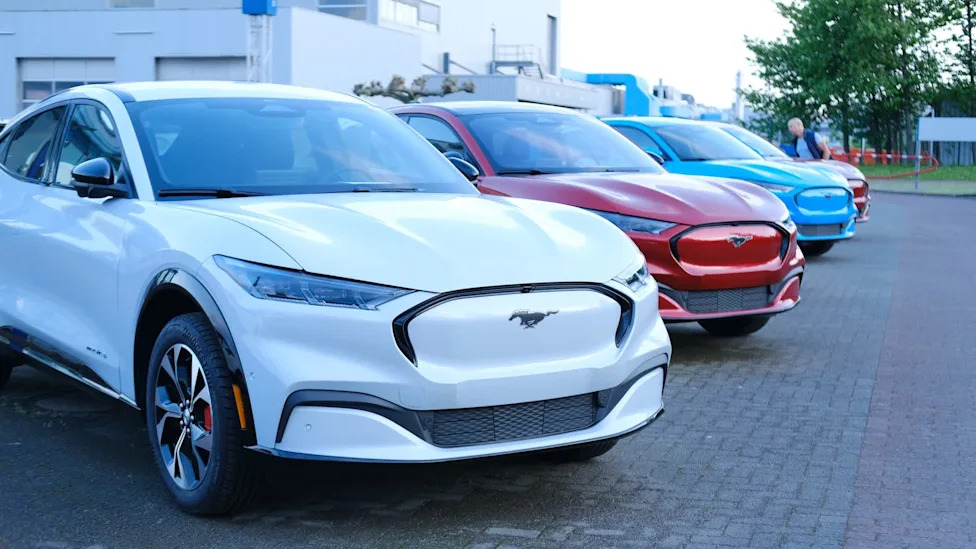
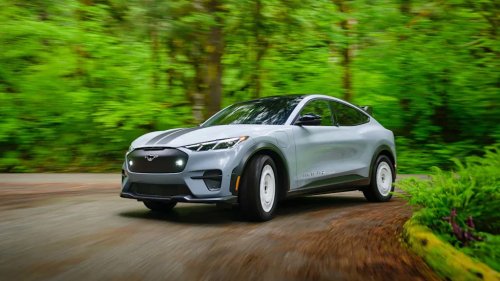
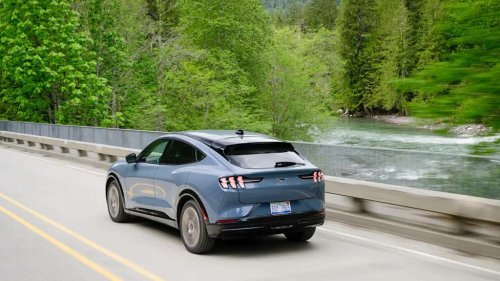
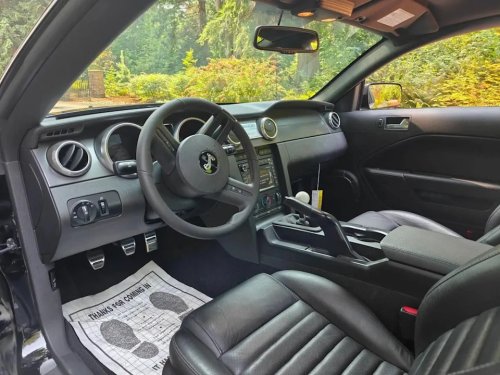
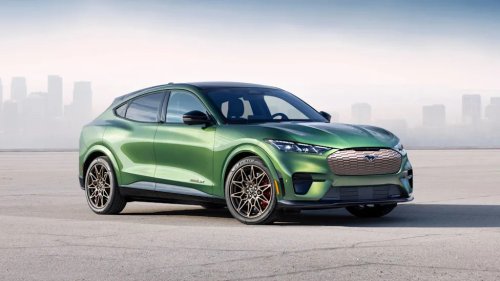
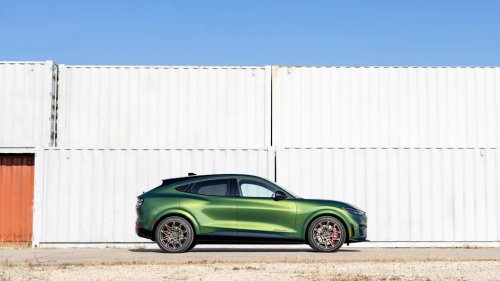
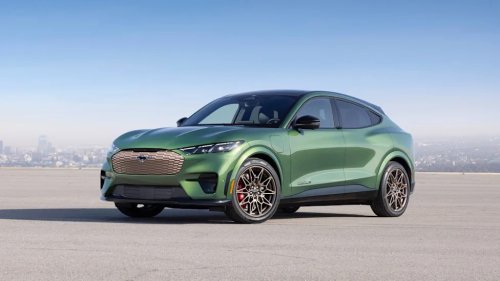
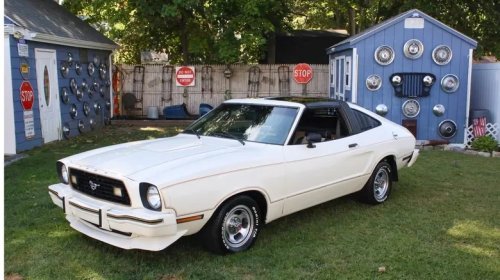
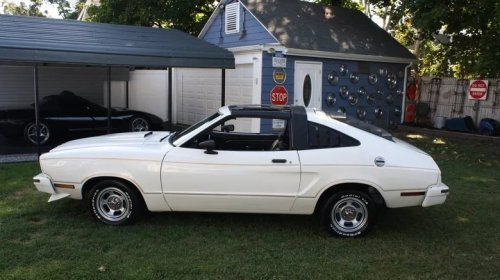
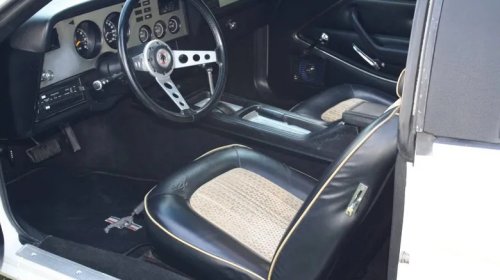
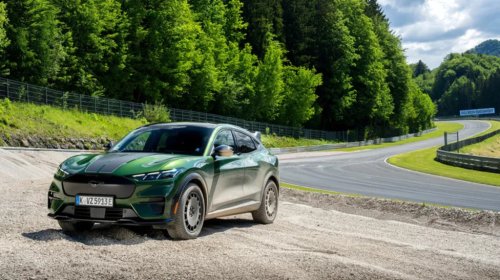
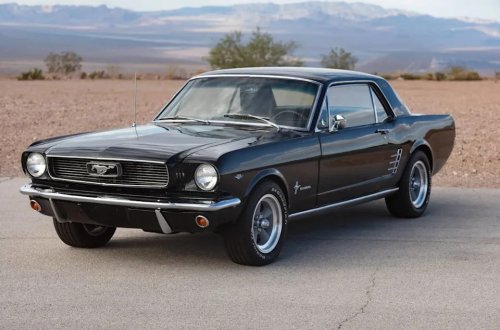
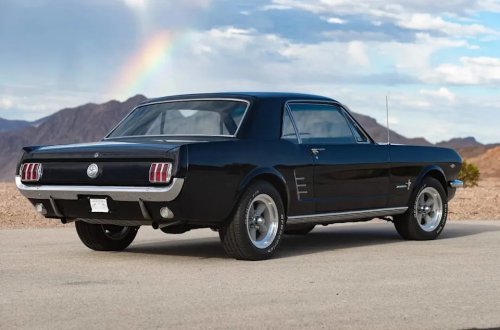
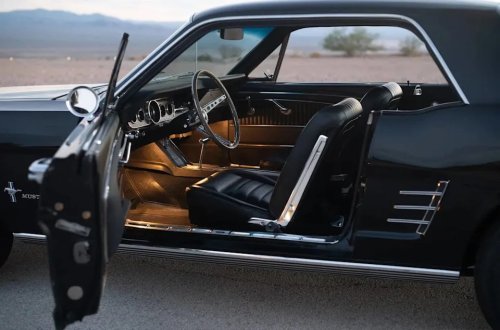
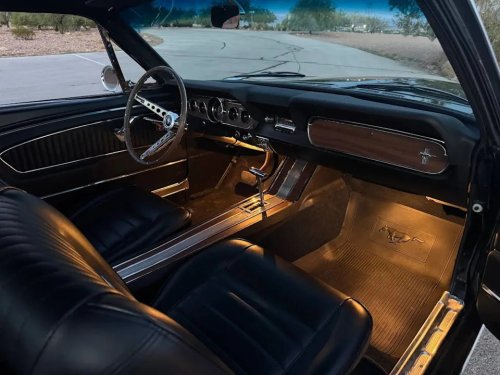
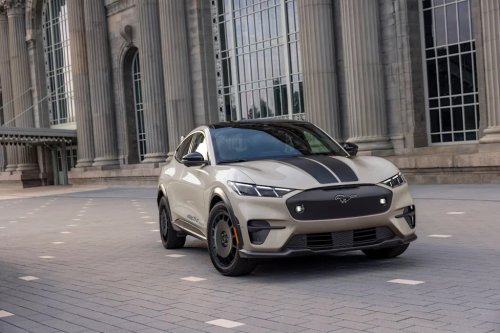
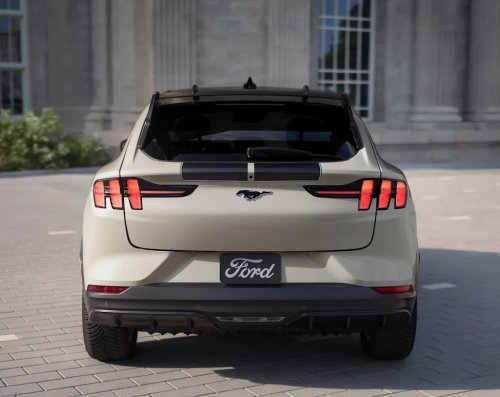
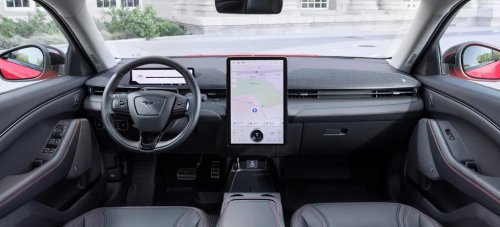
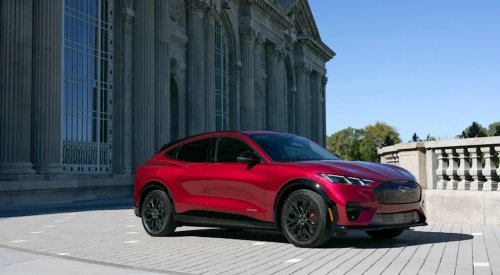
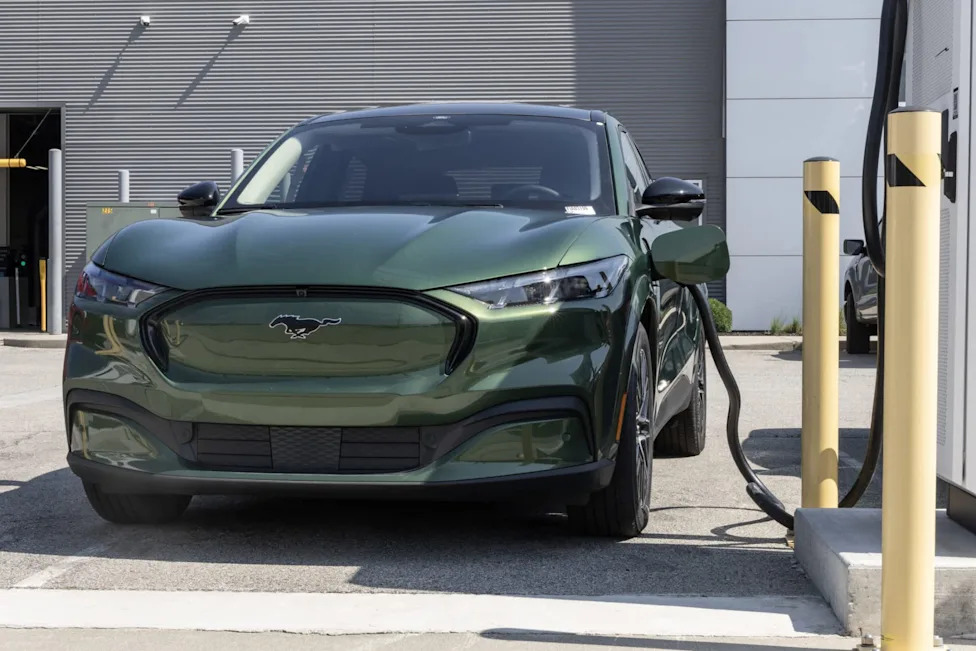
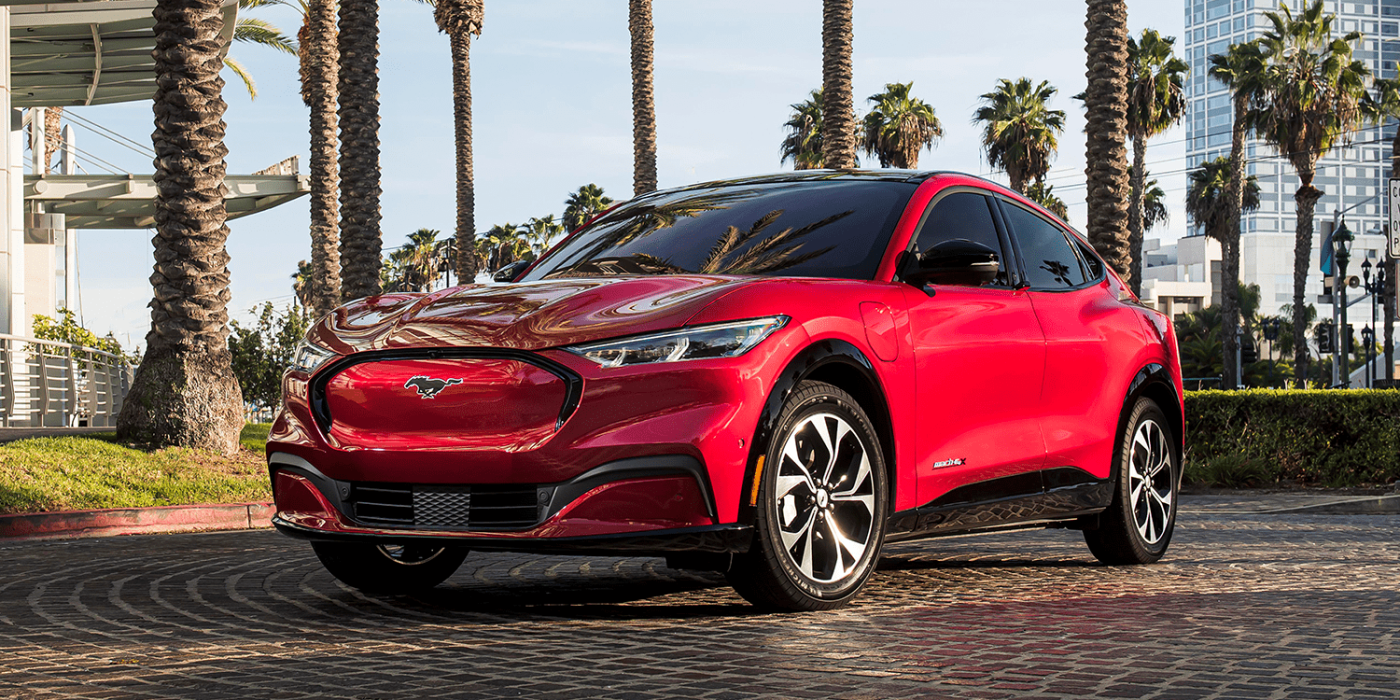
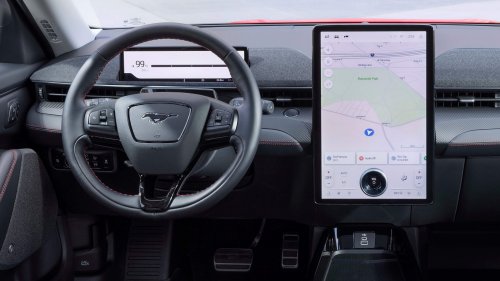
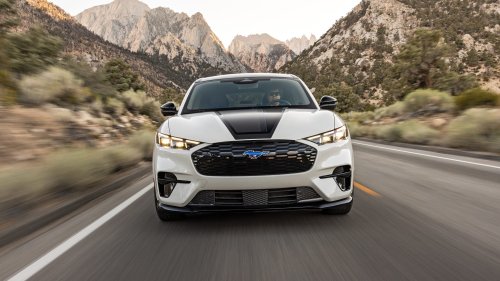
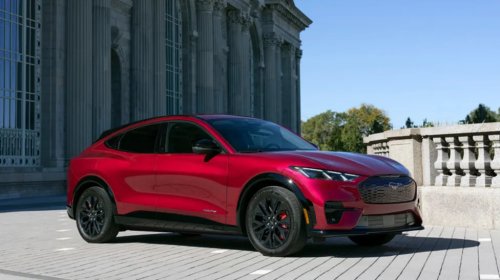
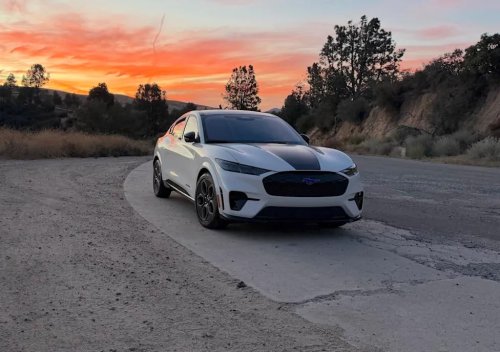
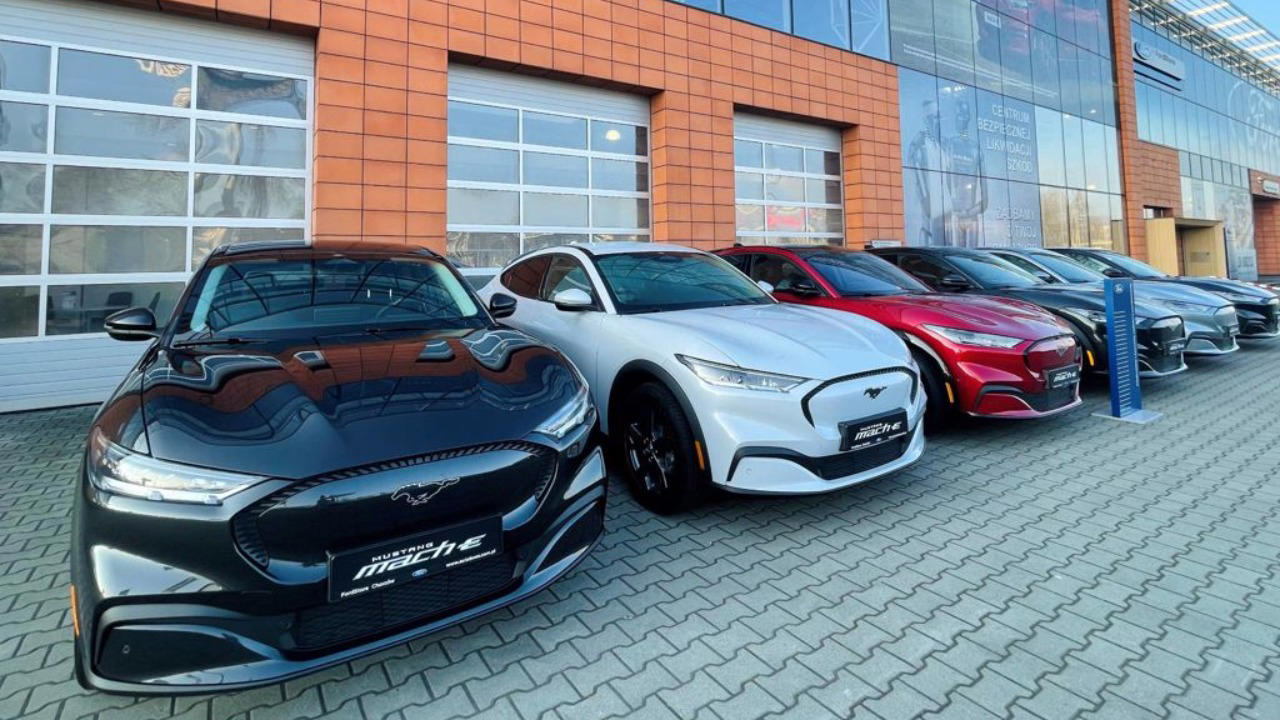
The Mustang Mach-E debate that split Ford loyalistsThe release of the Mustang Mach-E, Ford’s fully electric SUV, has stirred both excitement and controversy among Ford enthusiasts. This shift from traditional muscle car roots to a modern electric vehicle has sparked passionate debates about brand identity, innovation, and the future of Ford. The key issues dividing Ford loyalists are reflective of broader trends in the automotive industry as it navigates the transition to electrification. The Evolution of the Mustang Legacy The Mustang has long stood as a symbol of American automotive prowess, embodying the spirit of freedom and performance since its debut in 1964. As an iconic muscle car, it has evolved through various iterations, maintaining its position as a staple of power and style. The decision to introduce the Mustang Mach-E marked a significant pivot for Ford, as it sought to leverage the Mustang’s storied legacy to make a bold entry into the electric vehicle market. Expanding the Mustang brand into the electric realm was a strategic move, aimed at capitalizing on the growing demand for sustainable transportation solutions. However, the use of the Mustang nameplate for an SUV has been a point of contention. Critics argue that the Mach-E’s SUV form factor and electric powertrain diverge too sharply from the traditional Mustang ethos. Yet, Ford believes that the Mach-E embodies the spirit of innovation that has always been central to the Mustang brand. Design and Performance Controversies Design-wise, the Mustang Mach-E introduces a new language that blends modern aesthetics with subtle nods to its heritage. While the classic Mustang boasts a long hood and sleek silhouette, the Mach-E features a more aerodynamic shape, necessary for optimizing electric range. The distinct front grille and tri-bar tail lamps are clear references to Mustang tradition, yet the overall design remains a departure from the classic muscle car appearance. Performance expectations have also fueled the debate. Traditional Mustang models are celebrated for their powerful V8 engines and rear-wheel-drive dynamics, whereas the Mach-E offers electric all-wheel drive and instant torque. The Mach-E’s GT variant, for instance, delivers up to 480 horsepower, a figure that aligns with the Mustang’s performance legacy. Ford aims to strike a balance by offering an electric vehicle that honors the brand’s heritage while pushing the boundaries of innovation. Impact on Brand Identity Ford’s strategic push towards electrification is evident in the positioning of the Mach-E within its broader lineup. As part of Ford’s commitment to sustainability, the Mach-E serves as a cornerstone for the company’s electric future, alongside other initiatives such as the F-150 Lightning. However, some Mustang purists worry that the Mach-E’s SUV form and electric nature dilute the Mustang brand, traditionally associated with petrol-fueled performance. In response to such criticism, Ford has actively engaged with its community, emphasizing the Mach-E’s adherence to the Mustang’s core values of excitement and performance. By offering a range of options, from the standard models to the high-performance Mach-E GT, Ford seeks to appeal to a wide array of consumers while reassuring loyalists that the Mustang’s spirit remains intact. Consumer Reception and Market Impact Since its release, the Mustang Mach-E has garnered a positive reception in the market. Sales figures have shown promising trends, with the Mach-E quickly becoming one of the top-selling electric SUVs in the United States. Its competitive pricing, starting around $42,000 for the base model, makes it an attractive option for consumers looking to transition to electric vehicles without sacrificing performance. The Mach-E has attracted a diverse customer base, including both traditional Ford enthusiasts and new buyers interested in electric mobility. Many are drawn to the vehicle’s blend of performance, technology, and eco-friendliness. As the electric vehicle market continues to expand, the Mach-E positions Ford to compete with other manufacturers such as Tesla and Volkswagen, which have also made significant strides in the electric SUV segment. The Future of Ford and the Mach-E Looking ahead, the long-term impact of the Mach-E on Ford’s brand and product lineup remains a topic of keen interest. The success of the Mach-E could pave the way for further innovations and expansions in Ford’s electric vehicle offerings. With the automotive industry increasingly shifting towards electrification, Ford is likely to continue leveraging the Mustang brand as a bridge between its heritage and future. Ford has indicated plans to expand its electric vehicle portfolio, with more models expected to follow the Mach-E in combining performance with sustainability. As the company navigates this transition, addressing the divide among its loyalists will be crucial. By maintaining open communication and continuing to innovate, Ford aims to reassure its customer base while attracting new buyers. The Mustang Mach-E stands as a testament to Ford’s commitment to evolving with the times while staying true to its roots. More from Fast Lane Only Unboxing the WWII Jeep in a Crate 15 rare Chevys collectors are quietly buying 10 underrated V8s still worth hunting down Police notice this before you even roll window down



















 +44 others