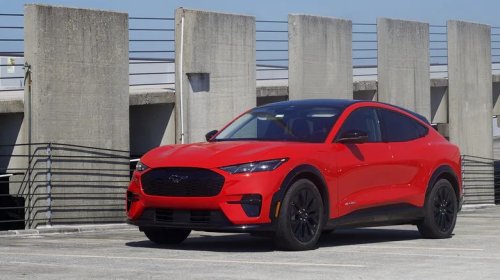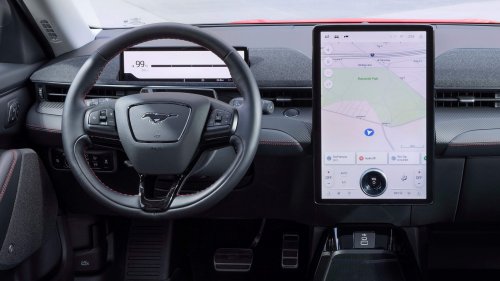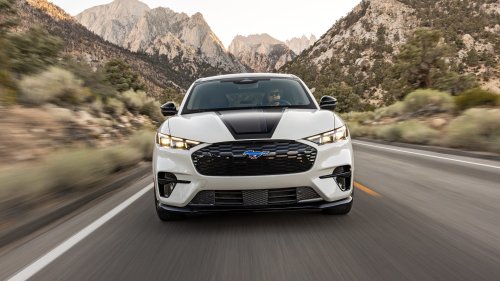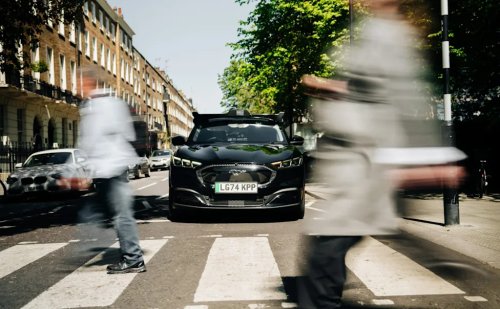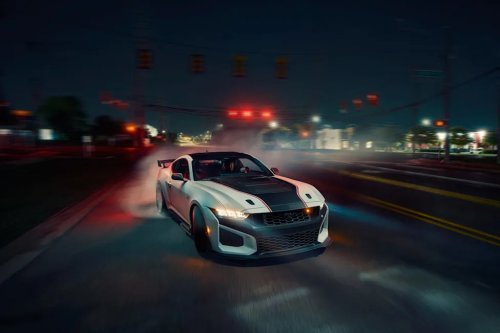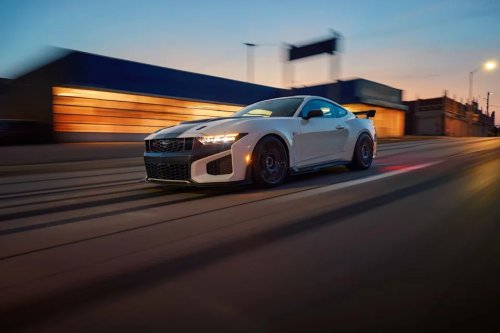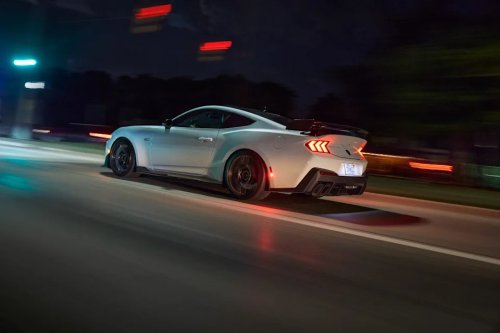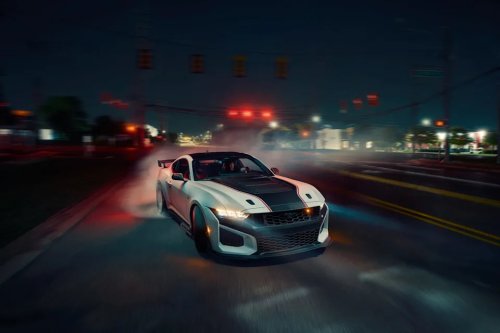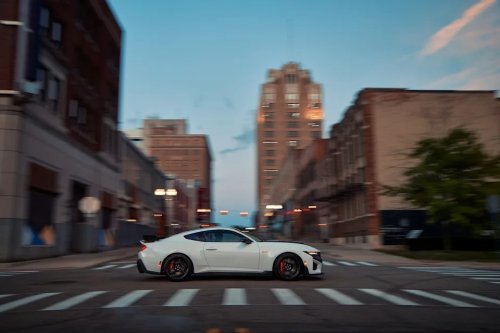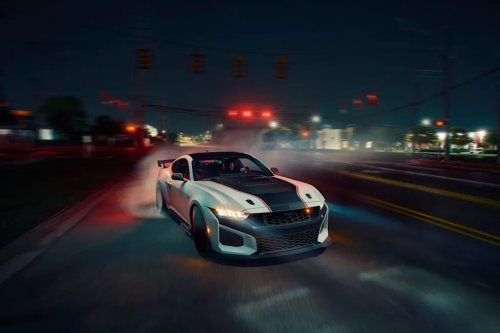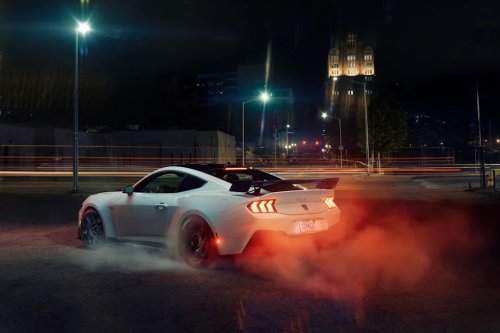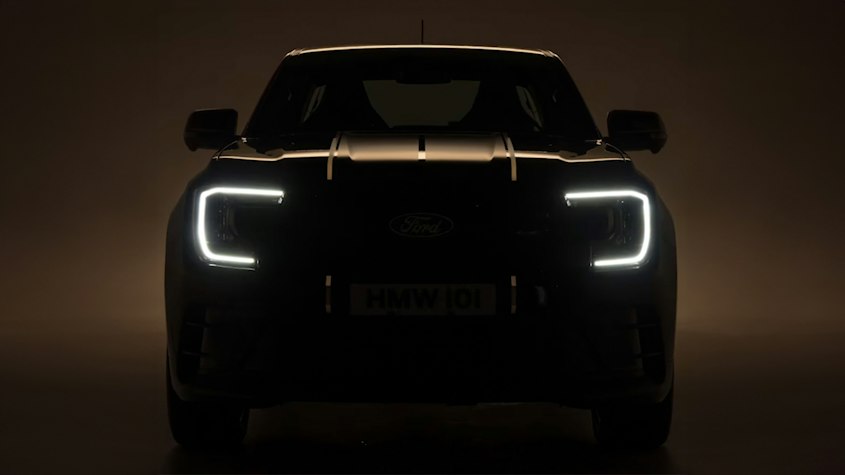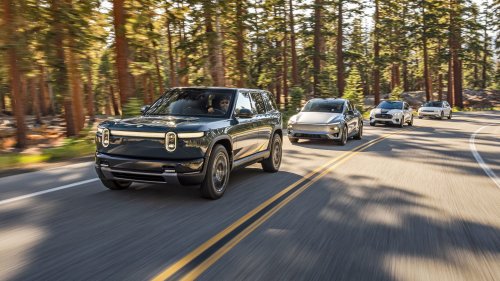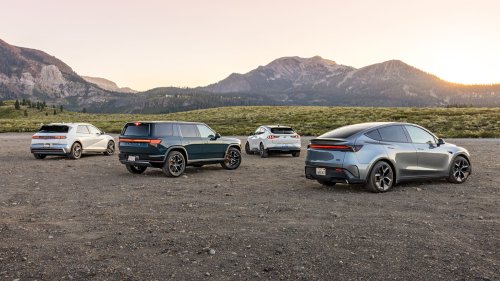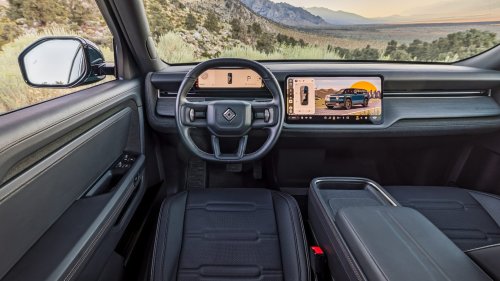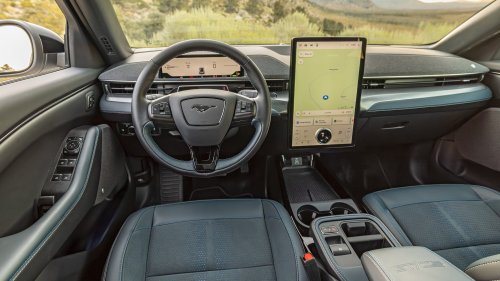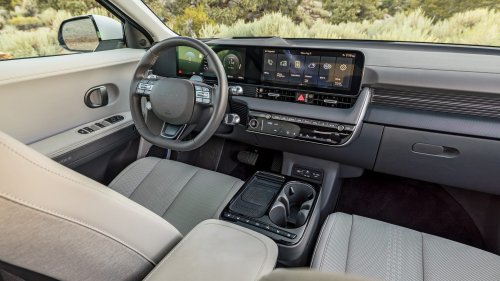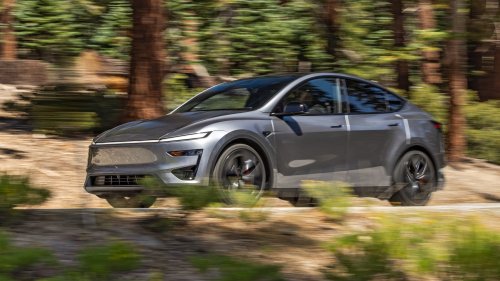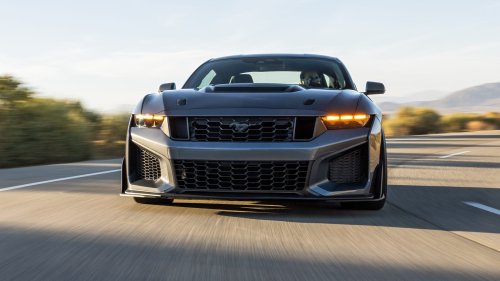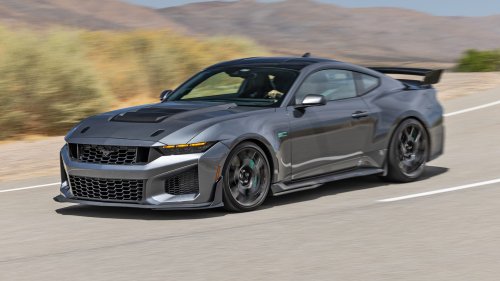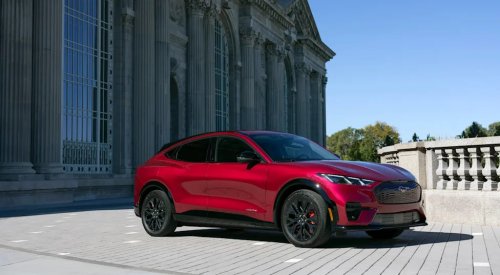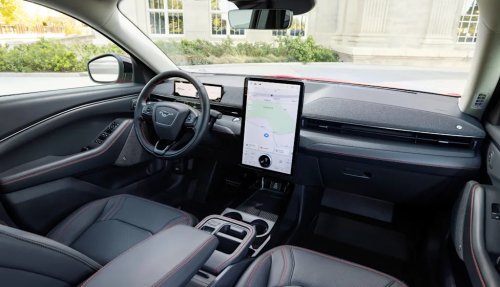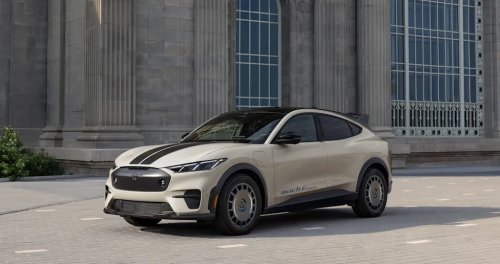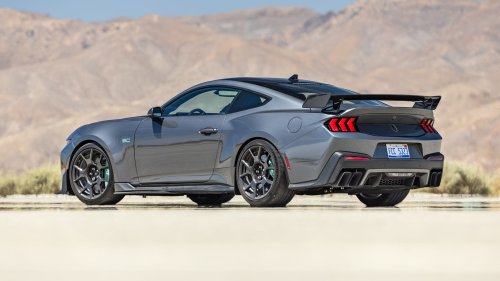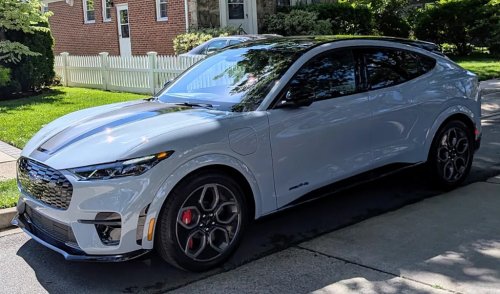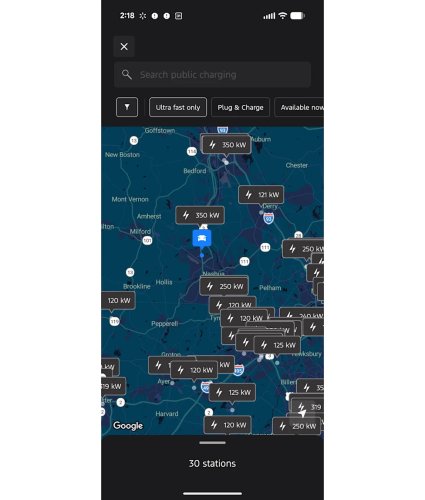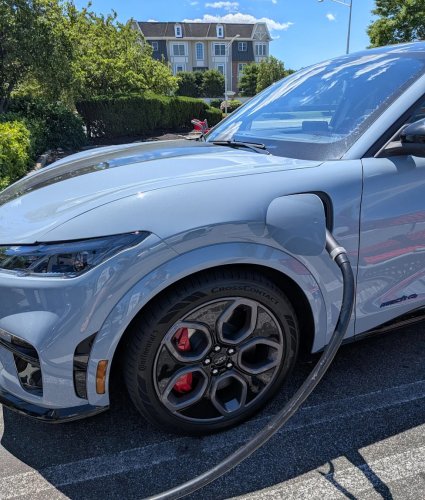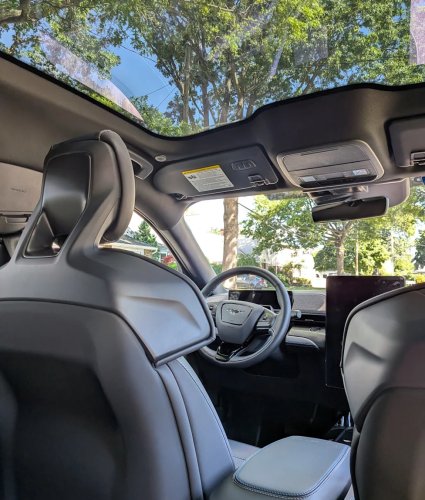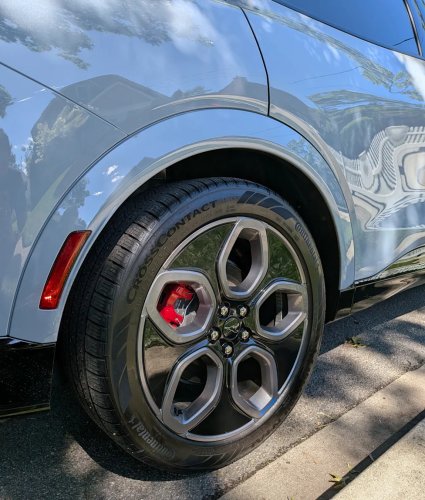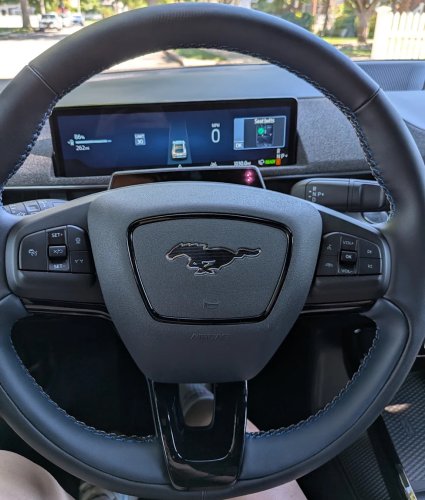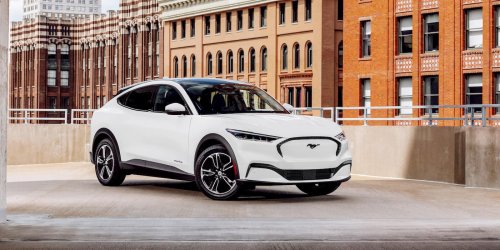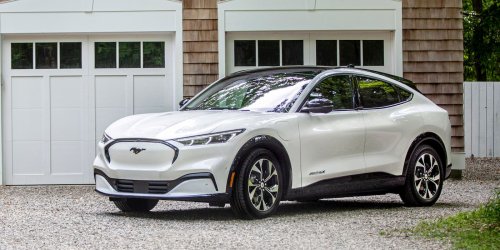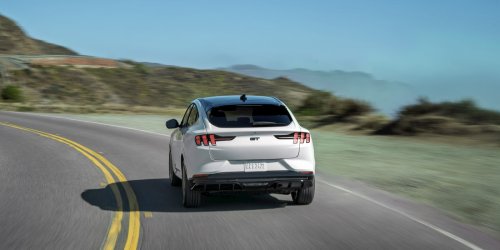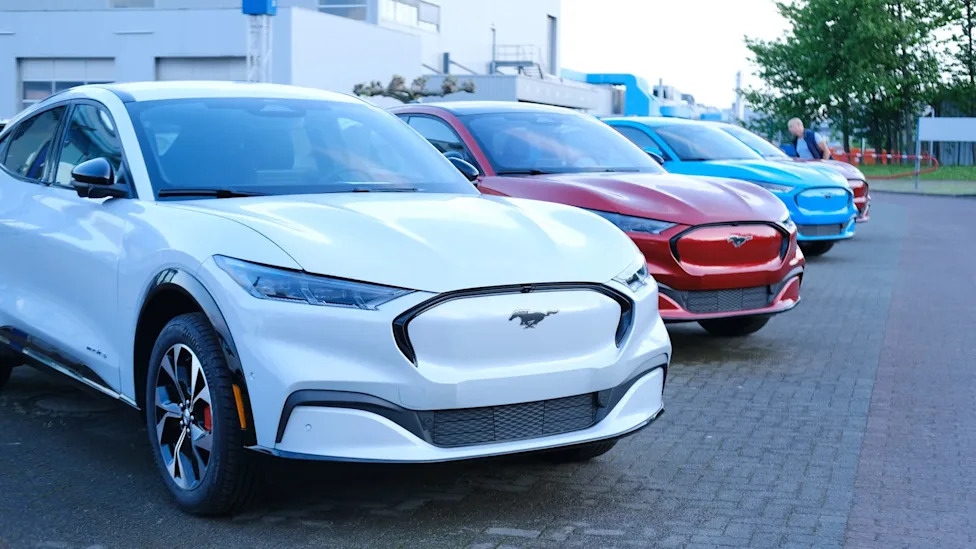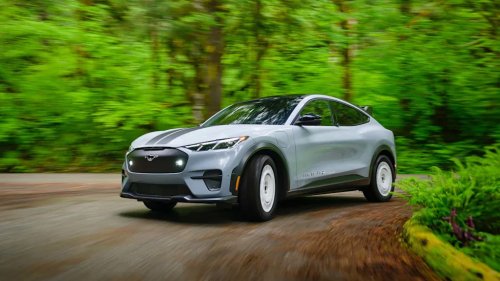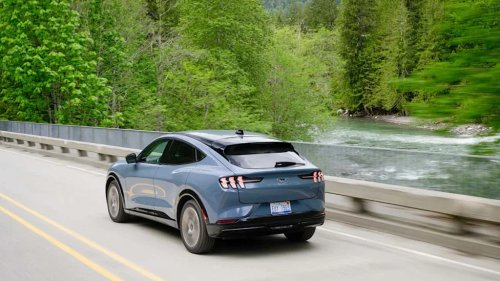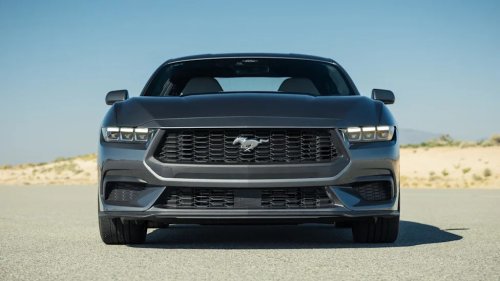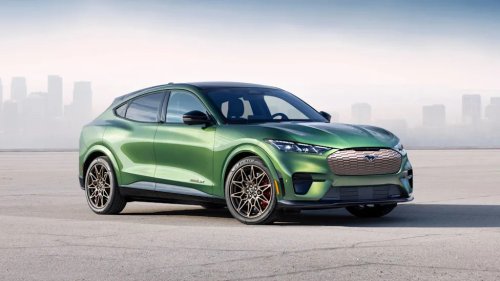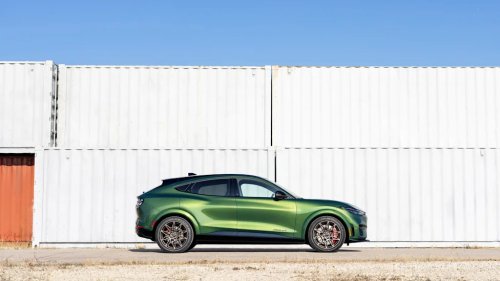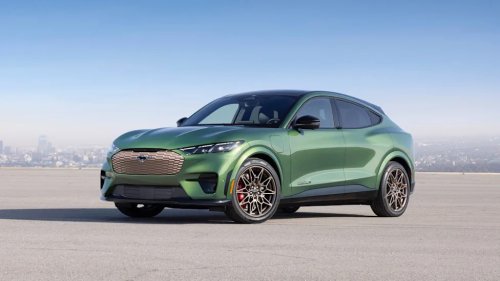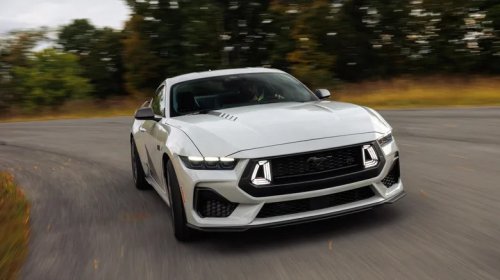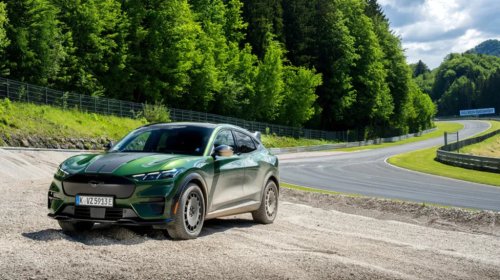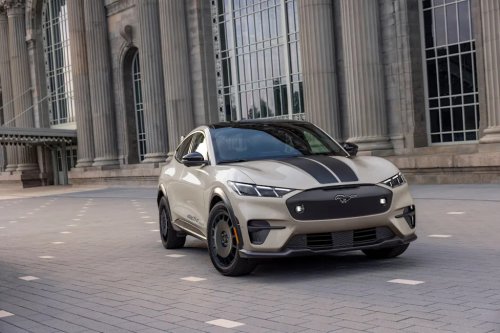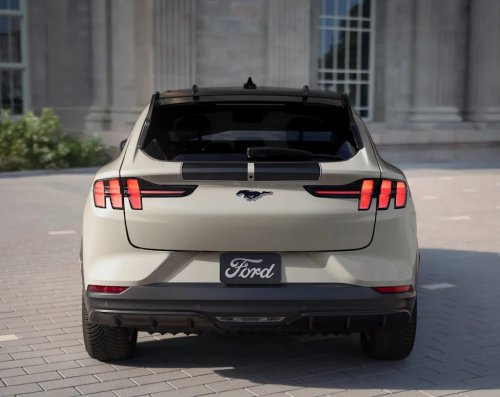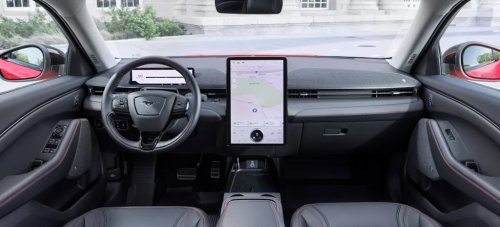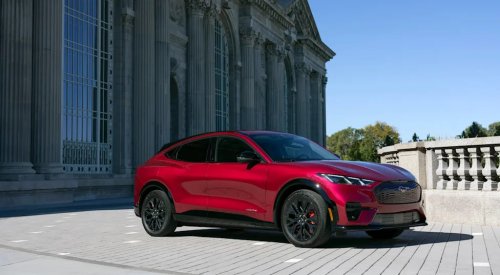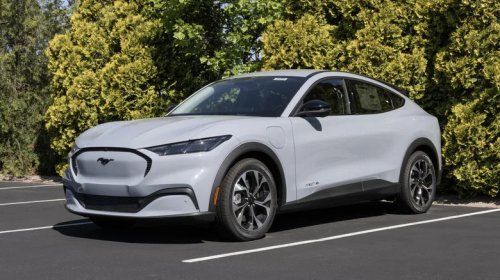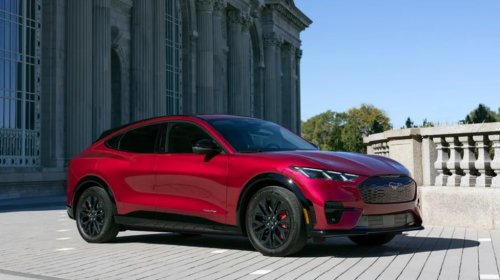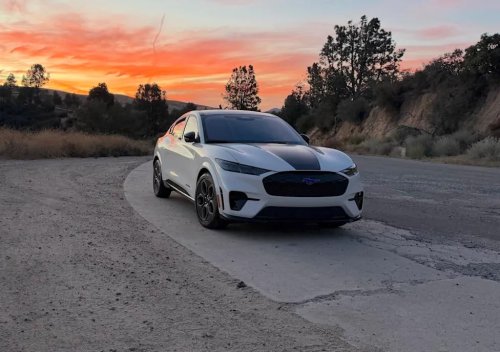
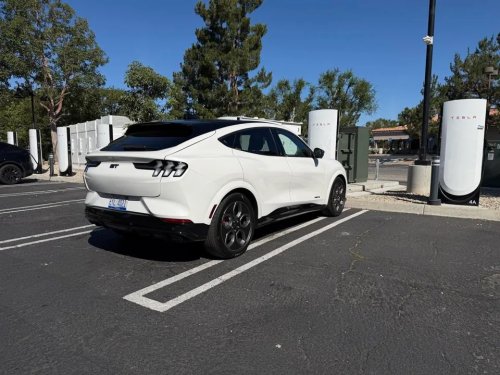
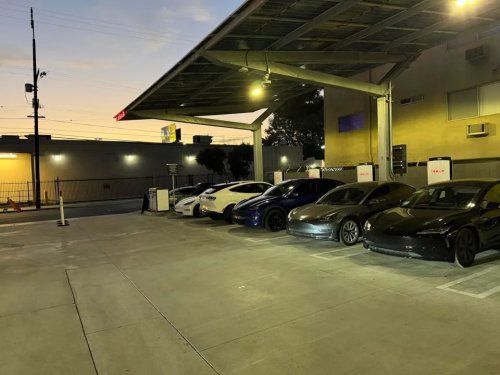
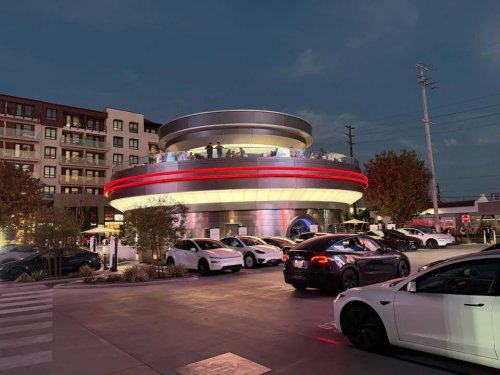



















2026 Ford Mustang Mach-E GT in the high desert (Mojave).Credit: Brooke CrothersThe Ford Mustang Mach-E hasn't changed much since it was introduced in 2019. But it's remarkable how well it's held up.TL;DR: The Mustang Mach-E GT is (insanely) fast, handles well, is easy to charge, and has a solid driver assist system (BlueCruise). The downside: not a lot has changed physically in the seven years since the Mach-E was introduced. Range: 280 miles for the GT (AWD). It comes with a Tesla Supercharger adapter. MSRP: $65,485. But the MSRP on the 2026 Mach-E Select RWD with BlueCruise is much lower and starts at $37,000.Charging at a Tesla Supercharger in Simi Valley, California.The Bad: Needs A RefreshFord CEO Jim Farley made clear that the Mach-E – at least in some ways – is less-than-cutting-edge in comments to Office Hours: Business Edition podcast in November of 2025. "I was very humbled when we took apart the first Model 3 Tesla and started to take apart the Chinese vehicles. When we took them apart, it was shocking what we found," Farley said. Ford found that the Mustang Mach-E had about one mile (1.6 km) more electrical wiring than a Tesla, which added extra weight to the vehicle, requiring a larger – and pricier – battery.The Good: BlueCruise Driver AssistBut there's a lot that's positive about the Mach-E. Ford's BlueCruise is one of the few good Advanced Driver Assistance Systems (ADAS) out there. I would say BlueCruise 1.5 is on par with General Motors' Super Cruise, Rivian's Autonomy Platform and Lucid's newest version of DreamDrive. Only Tesla's Full Self-Driving (FSD) is superior. ADAS will only get more important going forward. Think: Tesla FSD, Tesla Cybercab and Waymo and Zoox robotaxis. And all the vehicle autonomy that's happening in China. That's where the car world is headed (whether you like it or not).AdvertisementAdvertisementOnce engaged on mapped highways, BlueCruise handles over 90% of highway driving duties — steering, acceleration, braking, and following distance – and when approaching slower traffic, BlueCruise 1.5 can autonomously initiate and execute an overtake and return to the slower lane once clear. In moderate traffic conditions, BlueCruise executes all of the above smoothly and predictably without requiring driver input.Like every advanced driver assist system out there, it has its limitations. But I don't want to single out Ford. This is common to all ADAS, even the best. That includes: too conservative with overtakes in heavier traffic (forcing the driver to intervene) and sudden BlueCruise disengagement. The latter can be especially vexing because you're assuming the car is driving itself and you may not be prepared for a sudden shutdown.What Most Americans Don't Get About ADASDespite heavy traffic and edge-case limitations and occasional disengagements, hands-free systems like BlueCruise 1.5 are necessary going forward as drivers get increasingly distracted by their devices and in-vehicle screens. A car with an active ADAS is much safer than a distracted driver. A good ADAS is always focused on the road and never gets distracted. That's why you'll be using an ADAS eventually. And a good ADAS makes a long, grueling road trip enjoyable because it takes over the highway driving duties. (Try BlueCruise on a long, ruler-edge straight California desert highway and you'll never go back.)Charging at the Tesla Diner in Hollywood, squeezed between a Model Y and Model 3 at the end.Tesla Diner in Hollywood. I charge there often, depending on the week.Charging: A BreezeEasy charging is a must for any EV. I can't count the times that I've gone to war with chargers at Electrify America. If that happens too many times, it's a valid reason for some people to go back to gas. That never happens (in my experience) at Tesla Superchargers. With the Mach-E you attach the Tesla adapter, plug it in and the vehicle starts charging immediately. I went from 20 percent to a 90 percent charge in about 30 minutes.Speed, ComfortSpeed: First of all let me say that many of the newer AWD EVs I test are fast. Insanely fast. I recently tested a 2026 AWD Subaru Uncharted EV that was shockingly fast. The Mach-E GT is in that league. Newer higher-trim AWD EVs are so fast and have such neck-snapping torque that they almost seem – for lack of a better description – to get ahead of themselves. EVs like the Mach-E GT accelerate so fast that if you're not prepared you can lose control. On an open stretch of a four-lane California desert highway, you can be going over 100 MPH almost instantly without even realizing it. Point: proceed with caution when mashing the accelerator.AdvertisementAdvertisementRide: I'm not an expert on (i.e., oversensitized to) ride comfort. But I would agree with Edmunds that the ride can get uncomfortable on bumpy roads. And there was some road noise coming from the back that could be at times a little loud.ConclusionThe Mach-E may be long in the tooth but I didn't really see it. As long as Ford keeps BlueCruise updates coming on a regular cadence and gets the range over 300 miles on more trims, and (maybe?) in the not-too-distant future equips it with a Tesla NACS charging port (as promised in 2023), the Mach-E will remain a solid EV for the next year or two. That said, it will eventually need a major overhaul/refresh.This article was originally published on Forbes.com