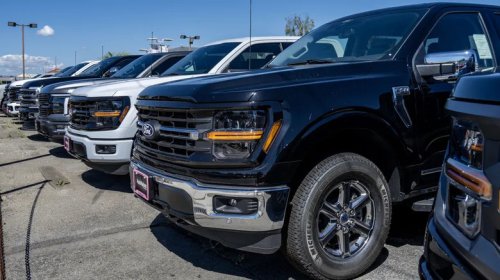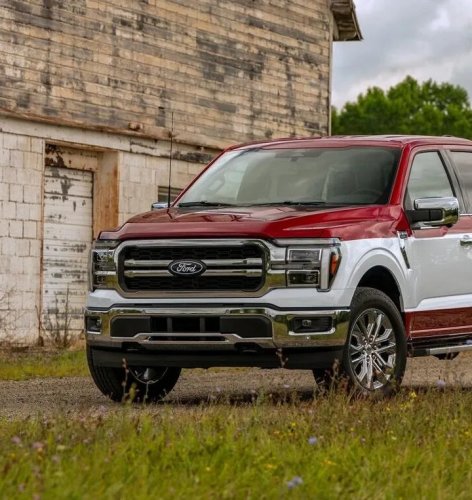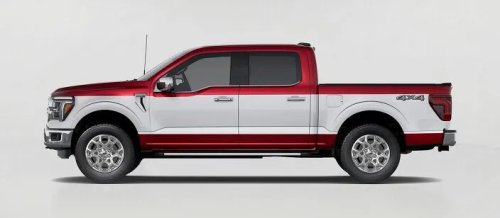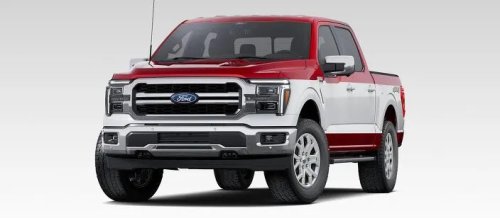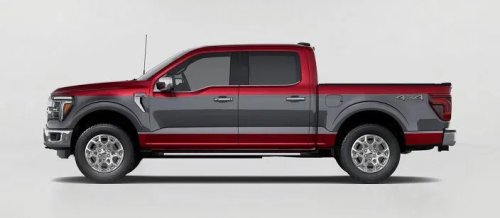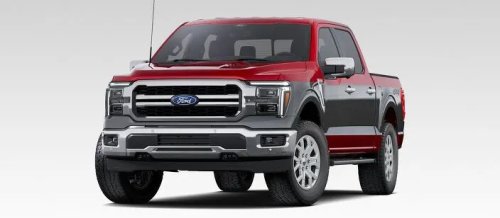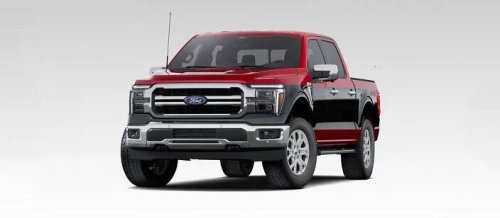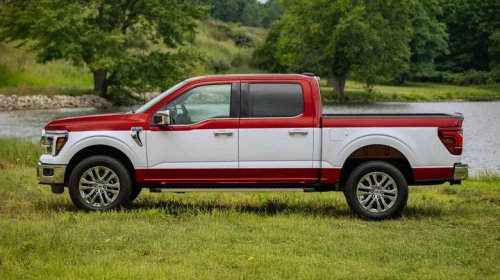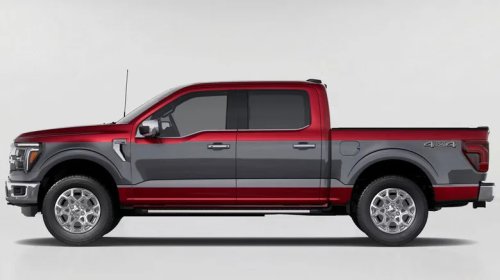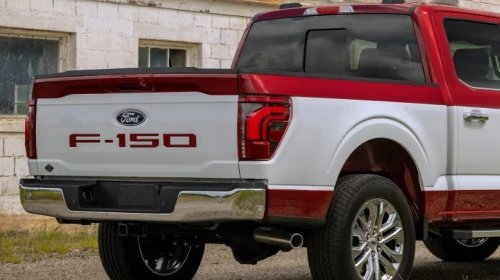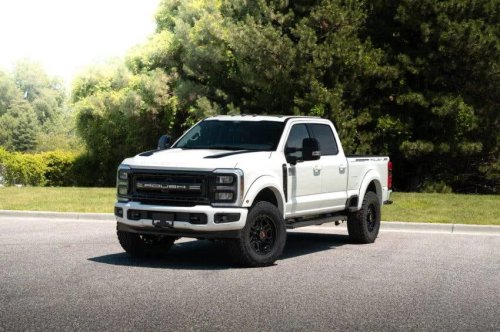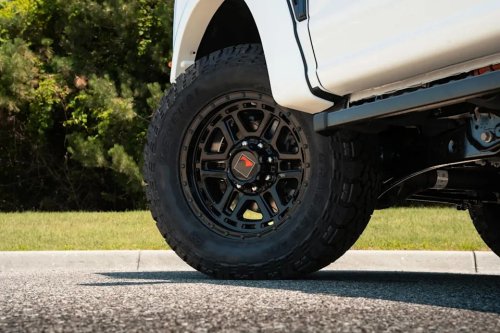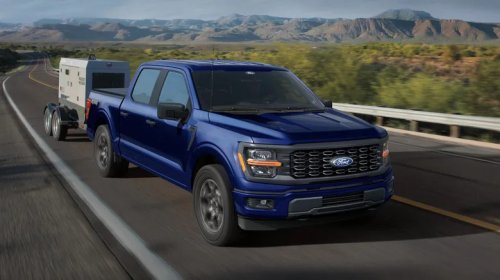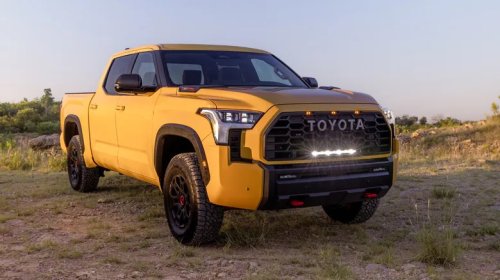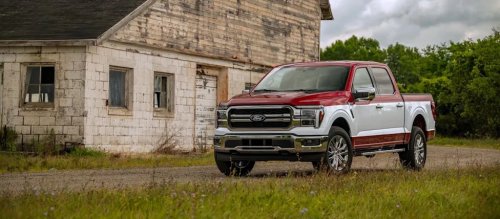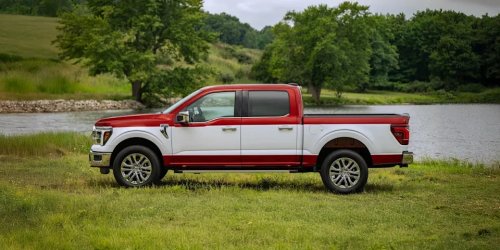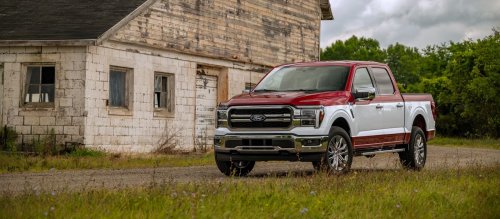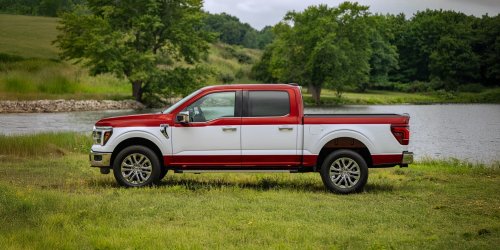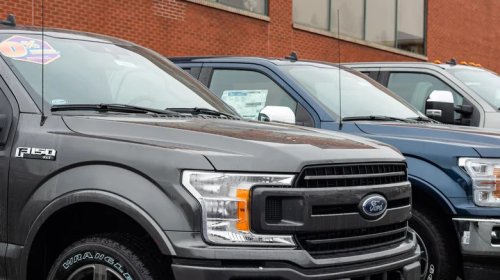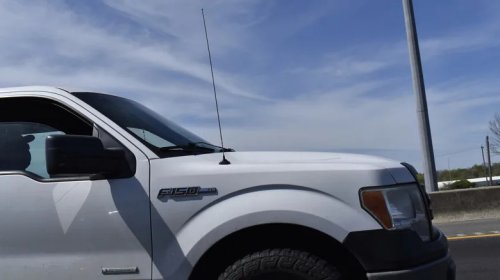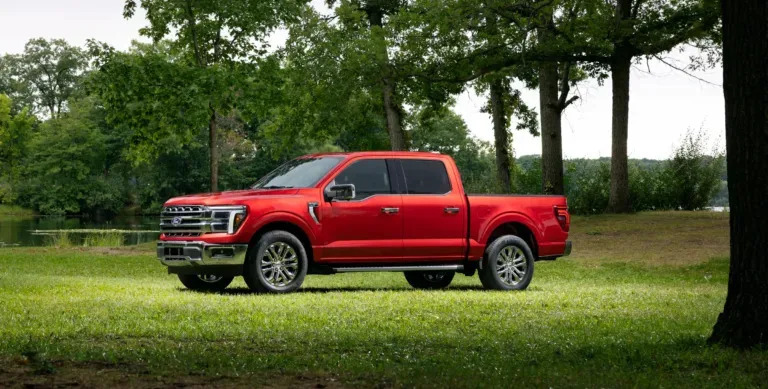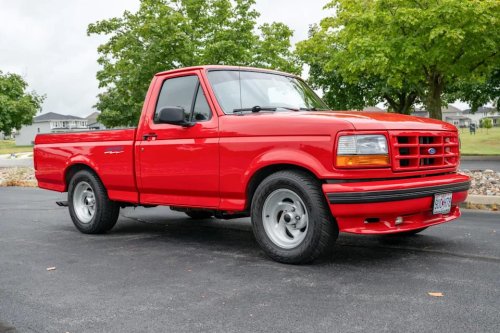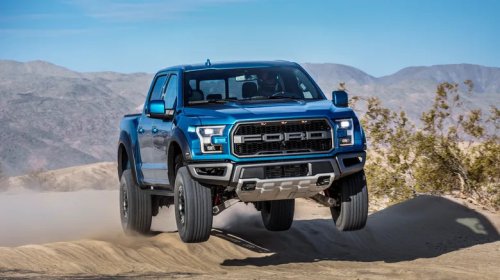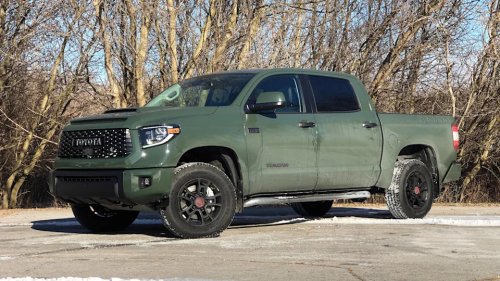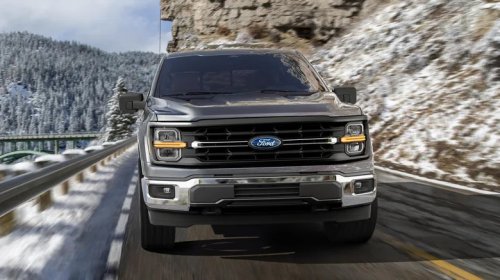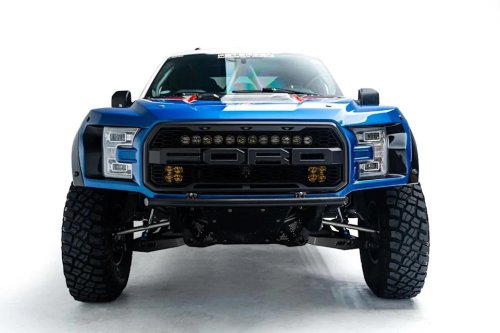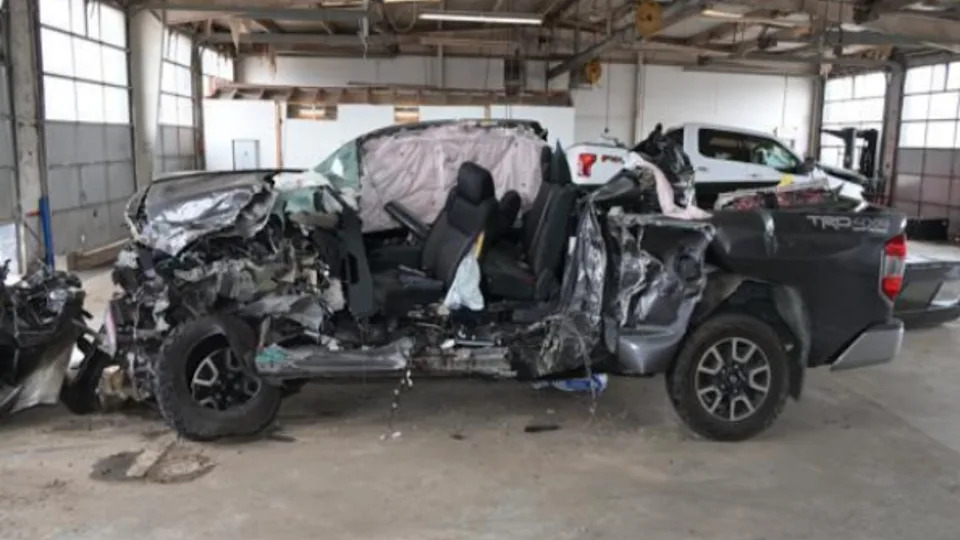
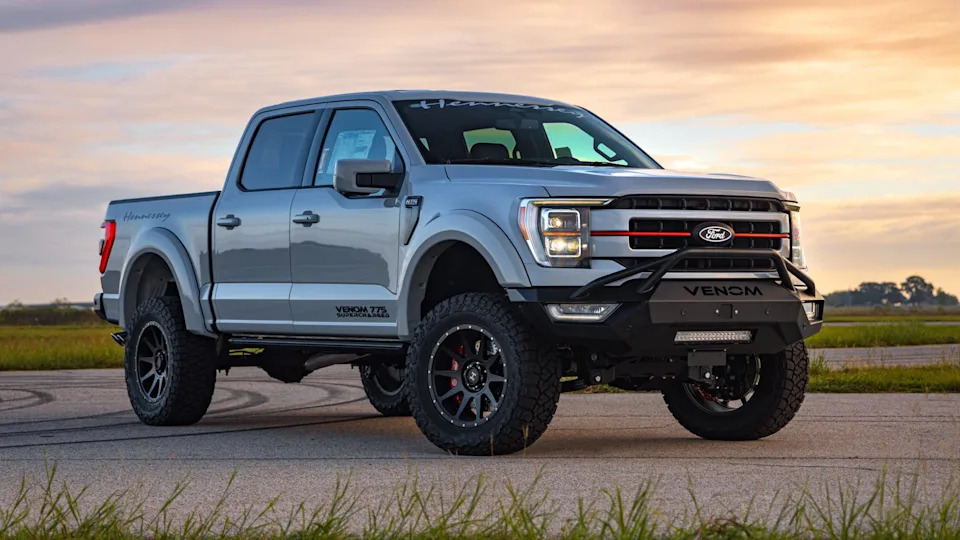



















A horrific death allegedly caused by an aftermarket suspension lift kit could have very serious consequences for the seller, installer and manufacturers of the off-road accessory.The suspension lift kit, which reportedly raised the height of a Ford F-150 truck by six inches, is at the center of a wrongful death lawsuit following a crash that killed a man in Georgia.The F-150's Suspension Lift Kit Upgrade Is Blamed for the FatalityRepairer Driven NewsAccording to Repairer Driven News citing from the suit, Charles Holloway Jr. was killed when the driver of the lifted Ford F-150, Scott Douglas Kneiss, crossed the center line in the morning of January 8 and struck Holloway's Toyota Tundra head-on. The lawsuit alleges that under normal circumstances, Holloway would have survived, but the suspension lift kit made the F-150 climb onto the Toyota's passenger cabin.The lifted Ford F-150 overrode and bypassed the Toyota Tundra's engineered crash protection systems and entered the occupant compartment and driver survival space of the Toyota Tundra. The lift kit caused catastrophic intrusion into the occupant survival space of the Toyota Tundra.The victim's wife, Lolita Holloway, filed the lawsuit in the Georgia State Court of Gwinnet County in September. Defendants in the case include the F-150 driver, the dealer that sold the truck, the business that installed the suspension lift kit, and the manufacturer of the aftermarket equipment.The court filing states that the aftermarket lift kit "raised the ride height, suspension geometry, frame rails, and crash structures of the Ford F-150 well above OEM factory specifications and crash compatibility zones."As a result, when the two vehicles collided head on, "the elevated frame rails and crash structures of the Ford F-150 bypassed the structural frame rails, crash-energy management systems, and occupant protection structures of the Toyota Tundra."It Is Illegal in Georgia to Lift or Lower a Vehicle's Suspension by More Than Two InchesHennessey PerformanceAlso according to the document, the lift kit and modified suspension interfered with and degraded the F-150's crash avoidance, collision mitigation and warning systems. This is said to have prevented the systems from operating as designed and from avoiding or mitigating the collision with the Toyota.The filing claims that Courtesy Ford dealership, GRJ Offroad, Sport Truck, Fox Factory (Sport Truck's holding corporation) and RealTruck "caused and enhanced the fatal occupant intrusion and fatal injuries by designing, manufacturing, marketing, distributing, installing, integrating, promoting, and selling" the lift kit.The reasoning behind this is that the defendants knew or should have known that raising the suspension geometry, frame rails, and ride height above factory specifications and OEM engineered crash compatibility zones would create a danger to occupants of the other passenger vehicles operating on public roads.According to Georgia law, it is unlawful to alter the suspension system of any private passenger motor vehicle which may be operated on any public street or highway more than two inches above or below the factor recommendation for any vehicle, the court documents point out. The purpose of the law is to protect the public from dangers associated with vehicles that have been modified in ways that affect their handling, stability and crash compatibility.It goes without saying that this case is one to follow as its verdict could set a precedent for other similar lawsuits in the future.