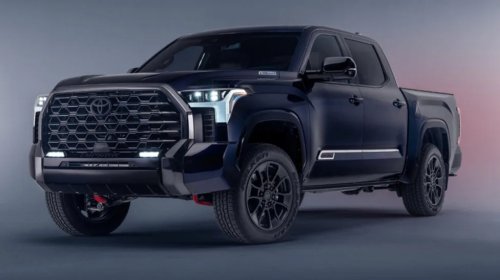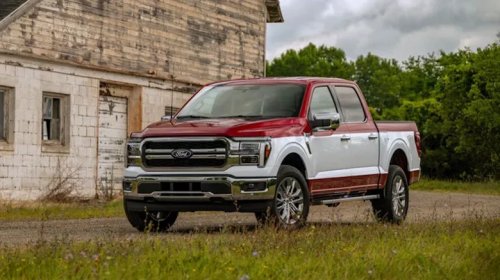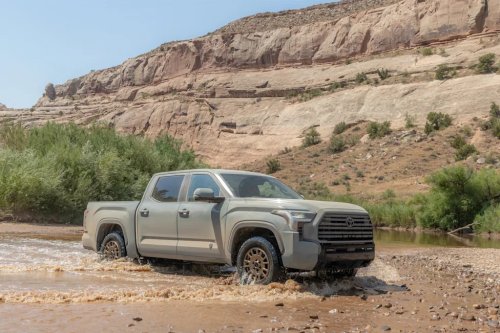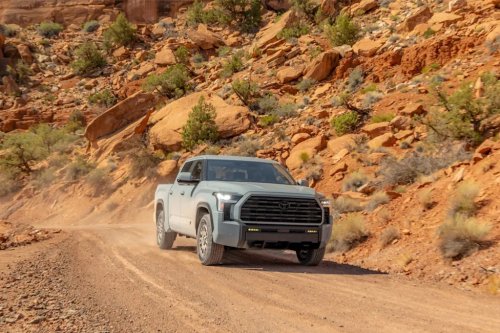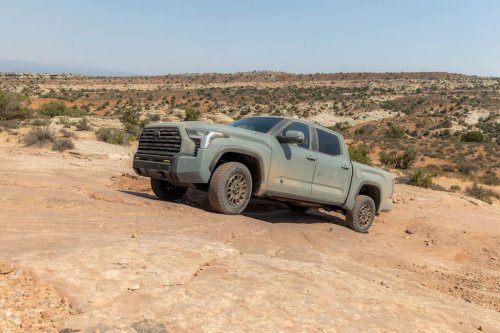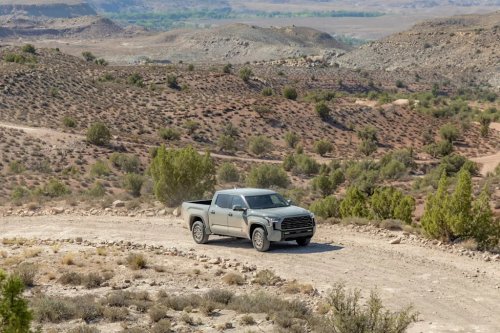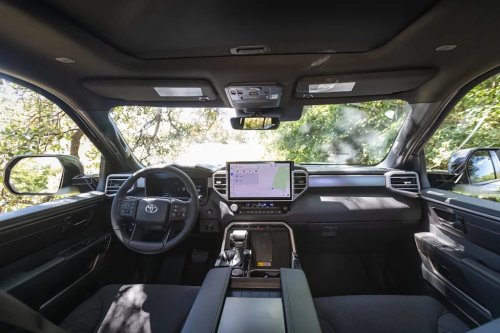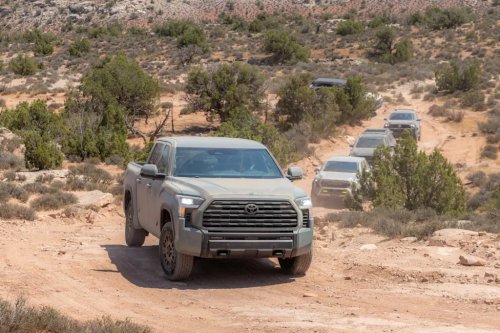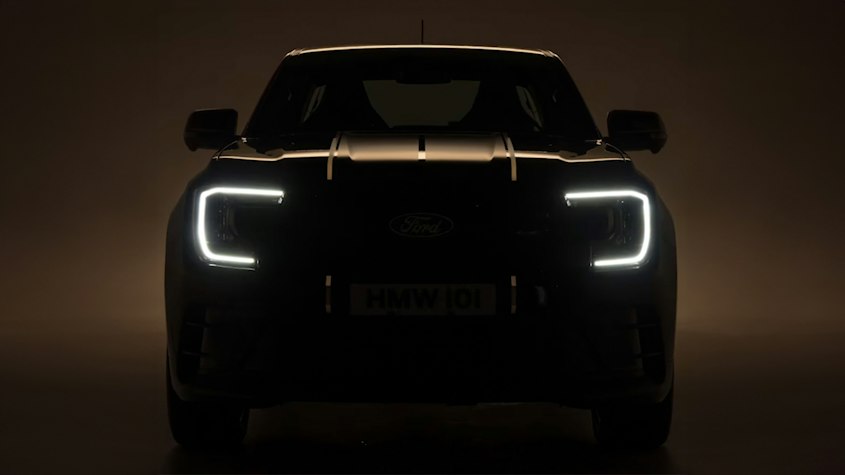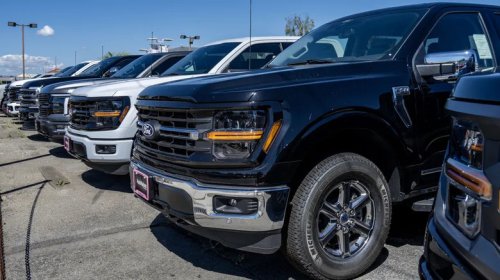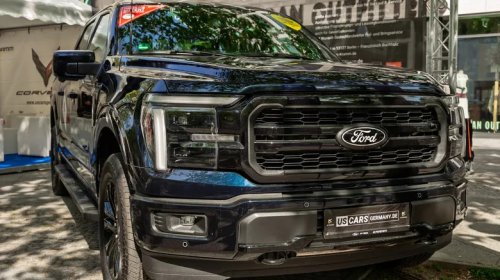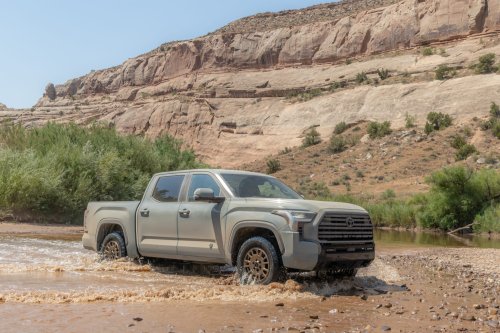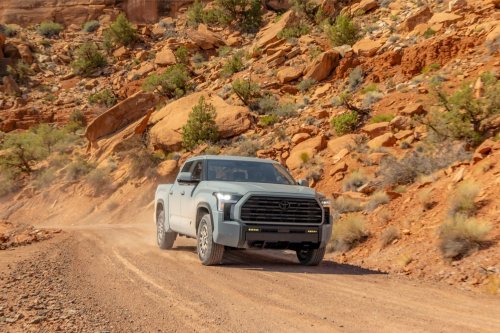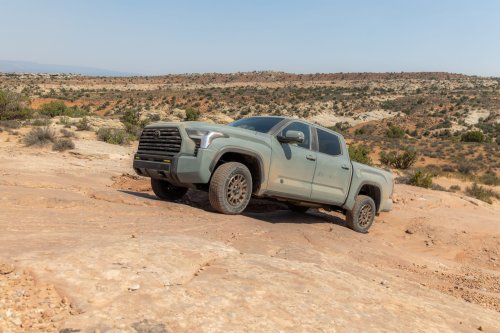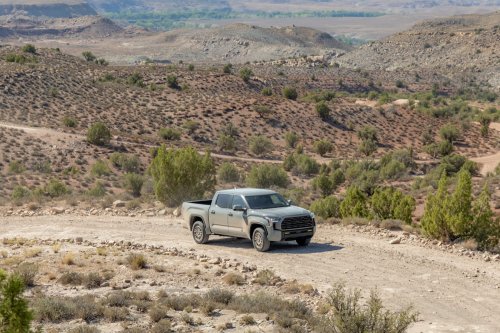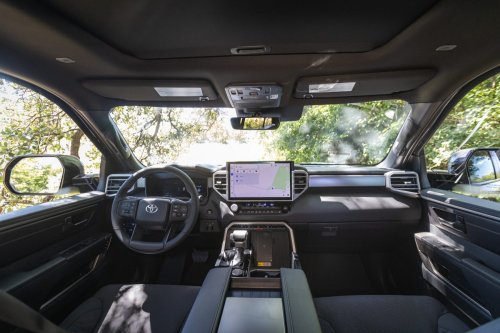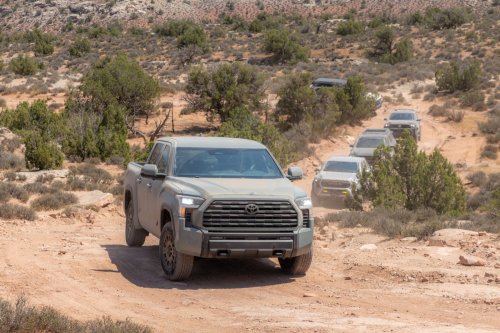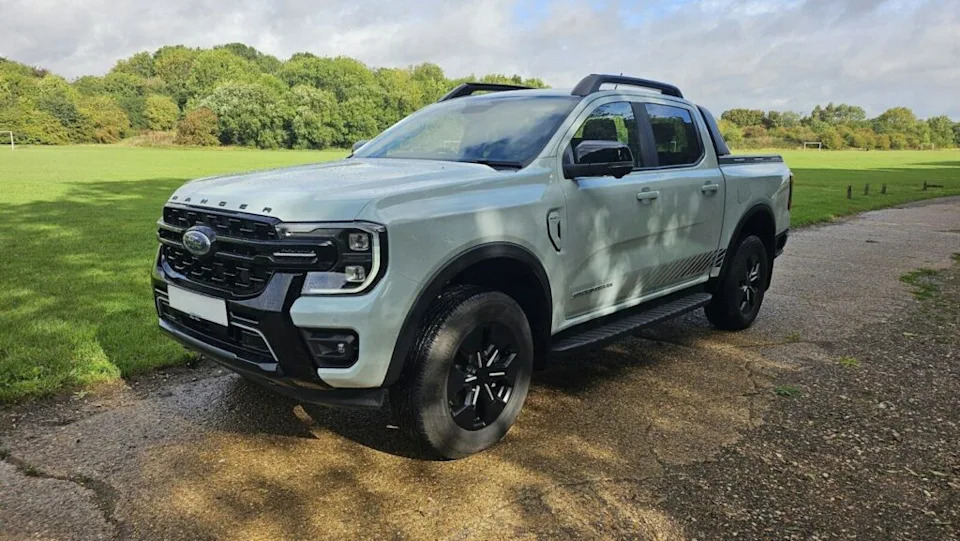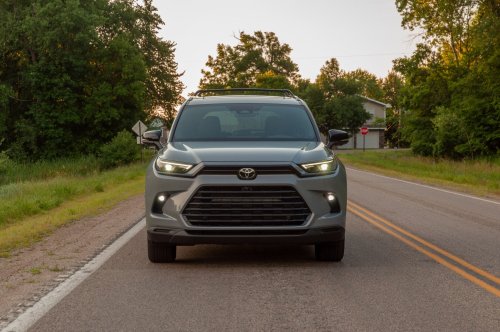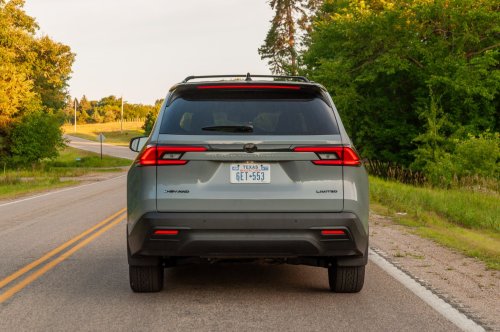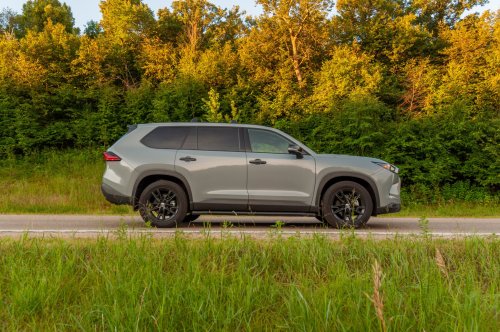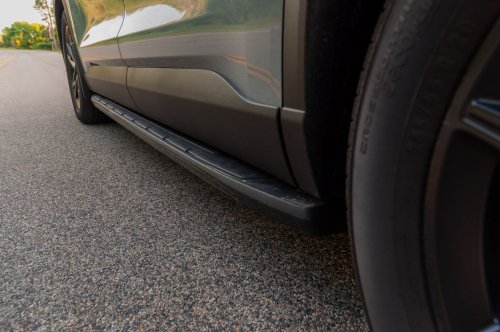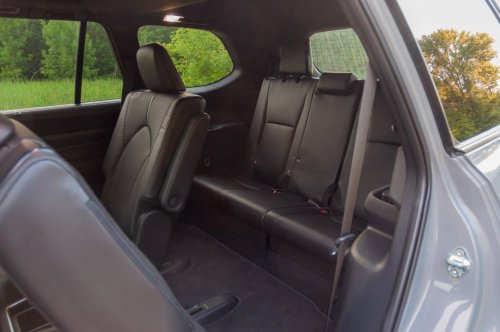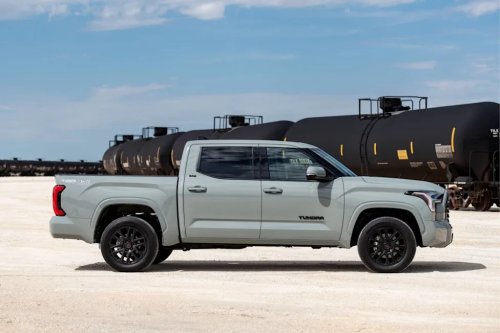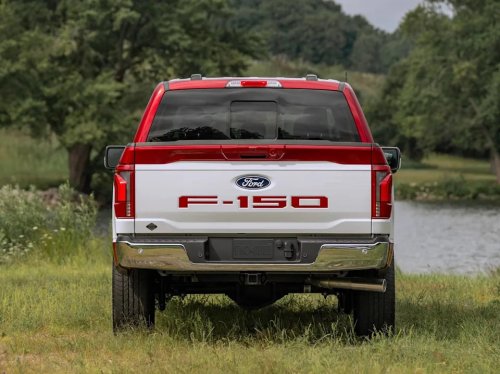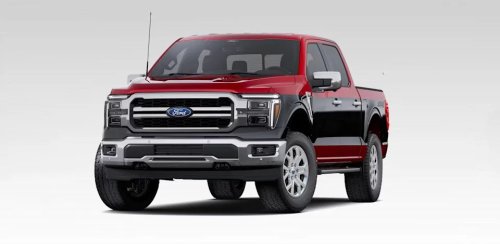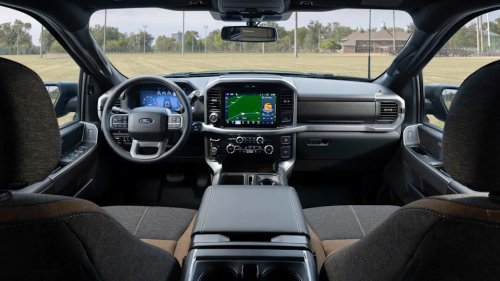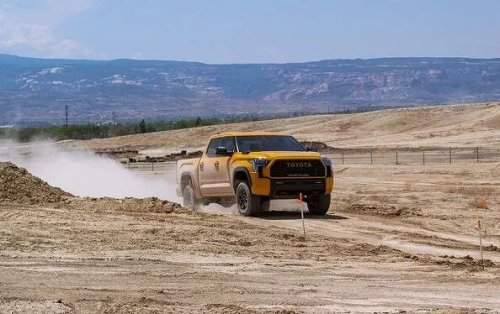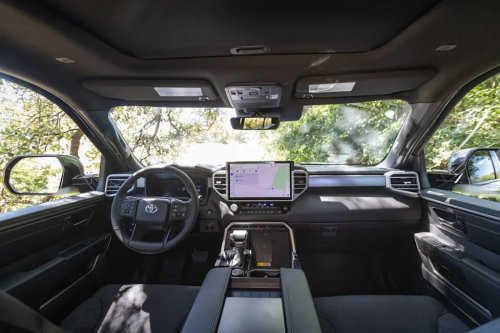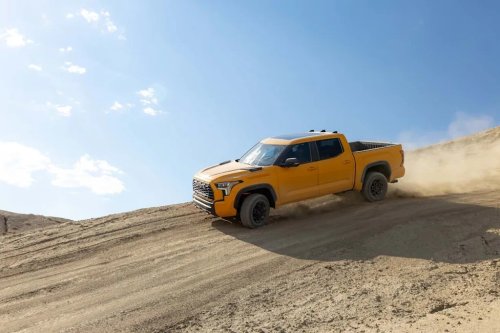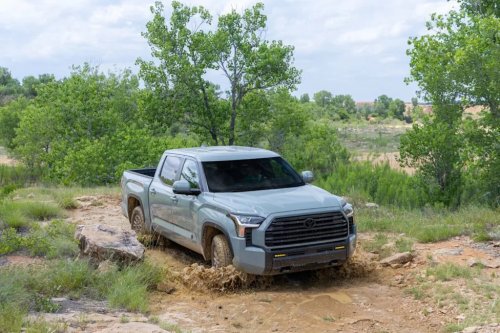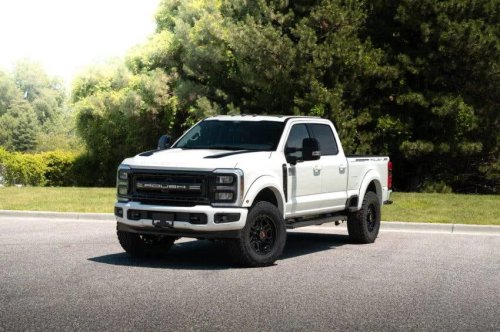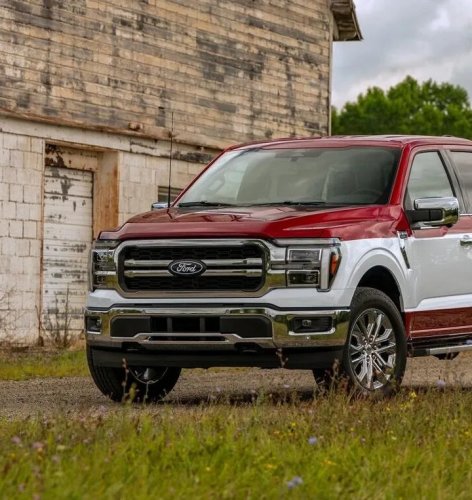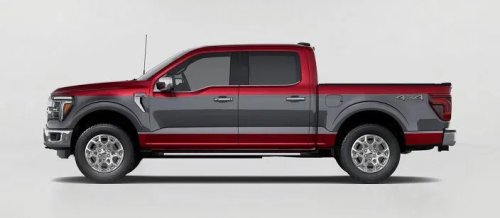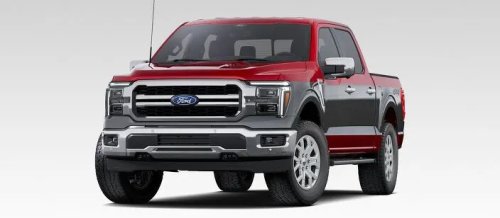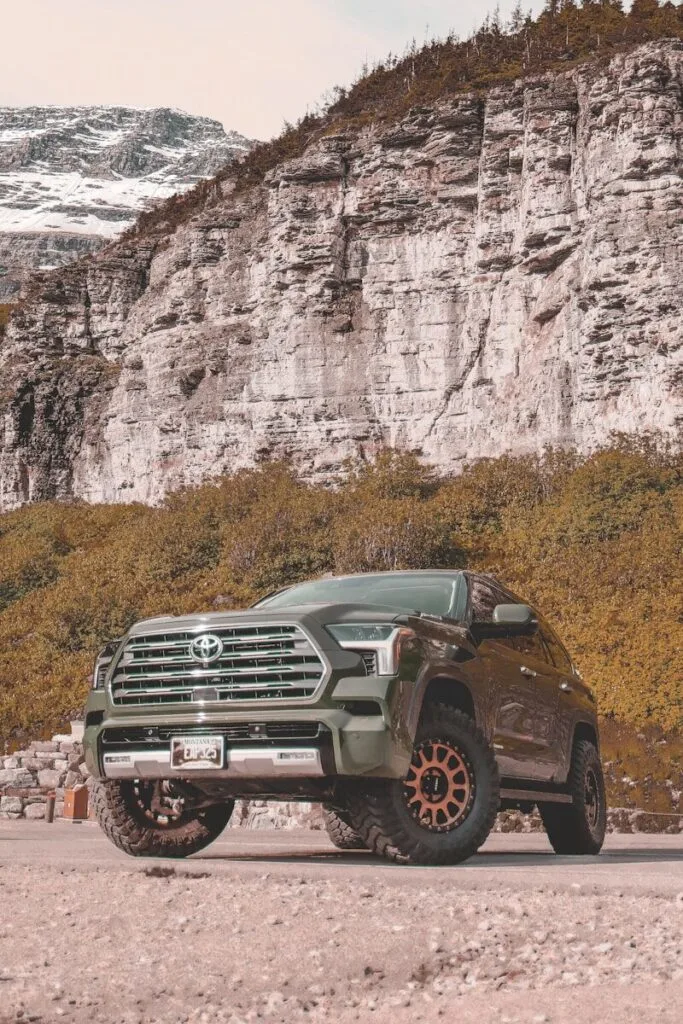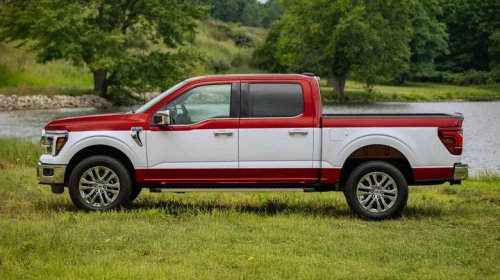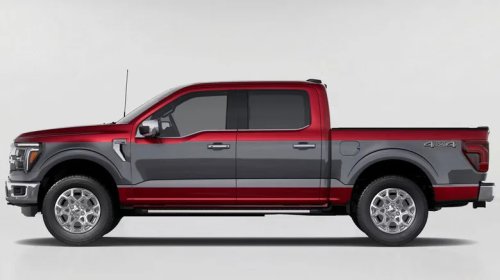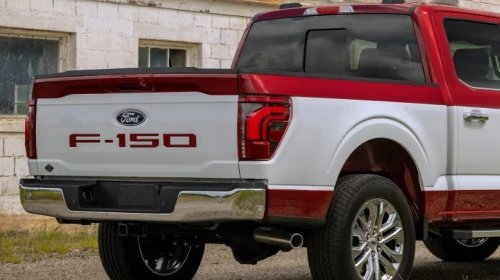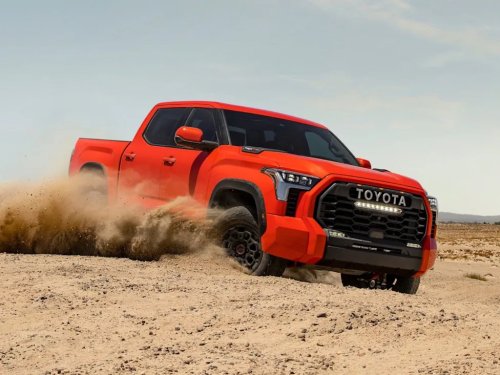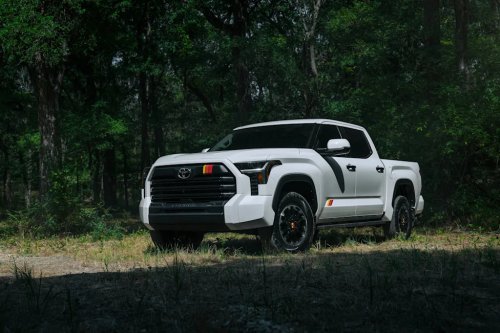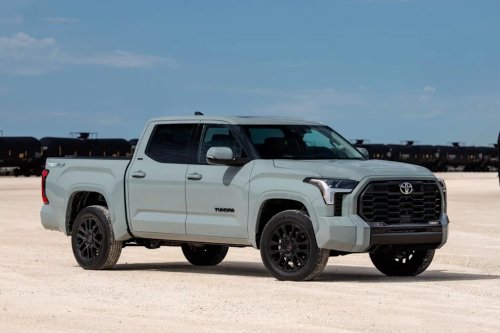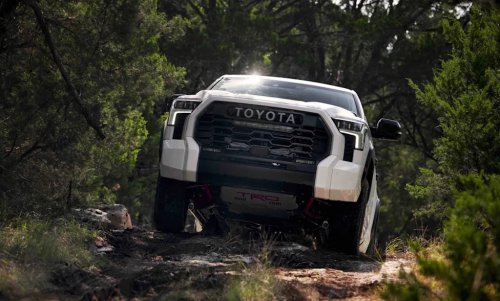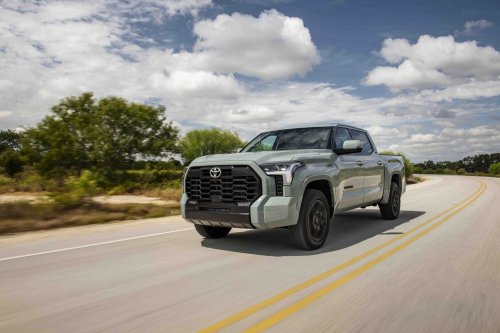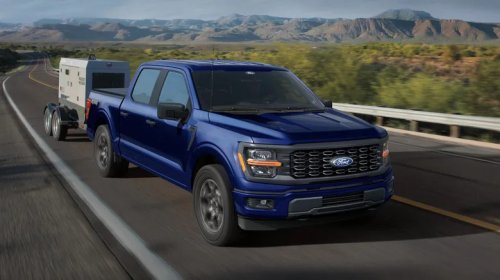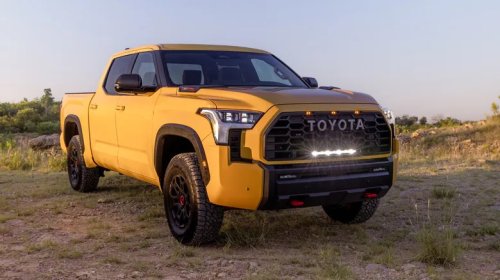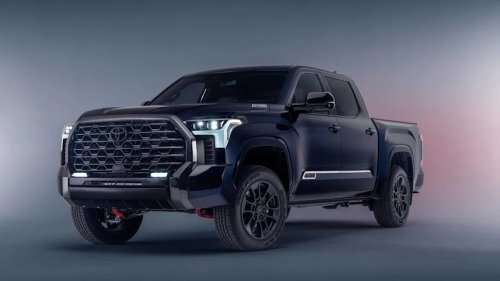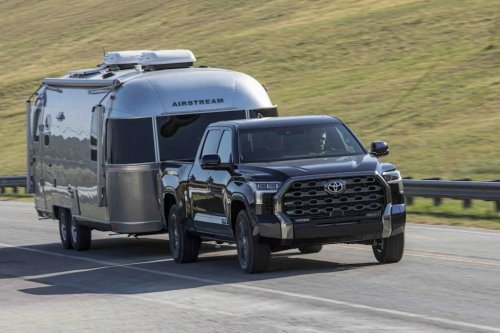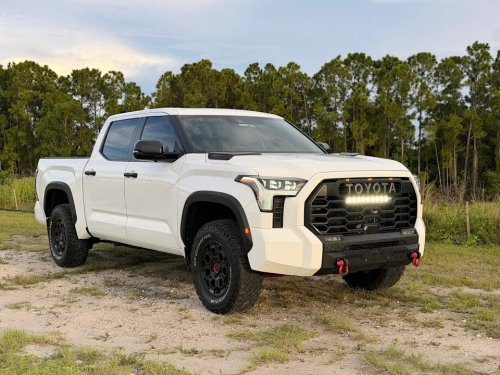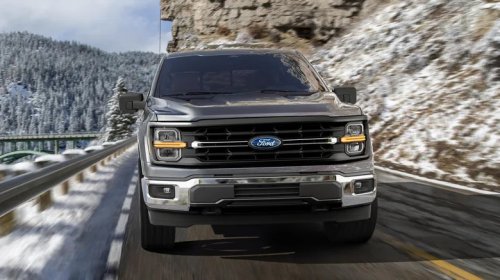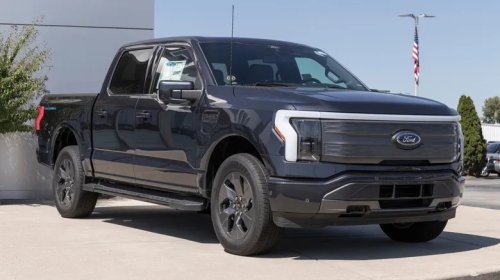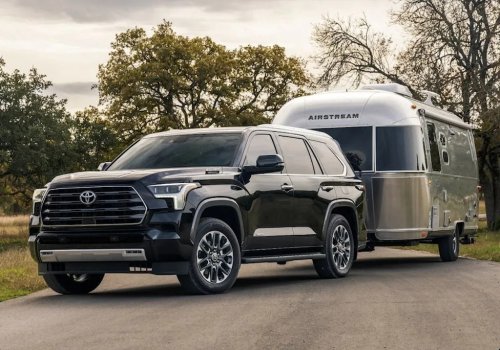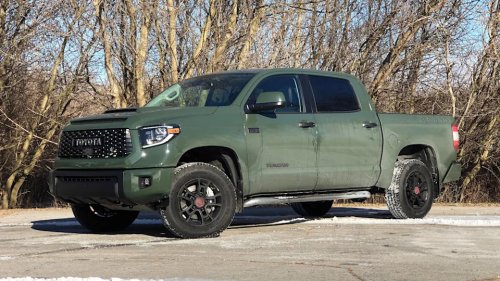
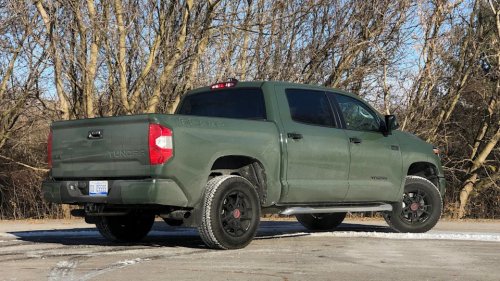
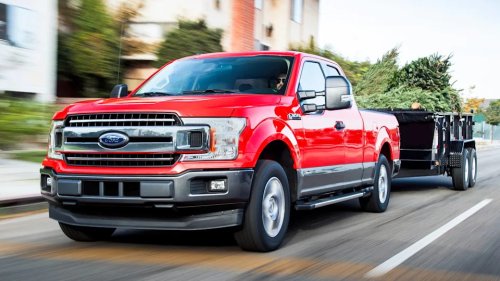
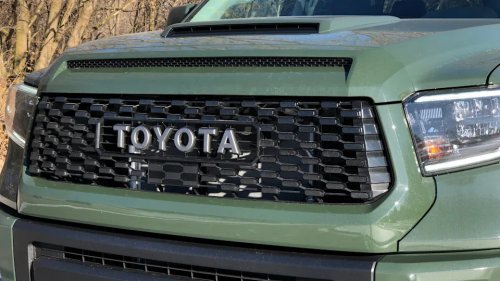
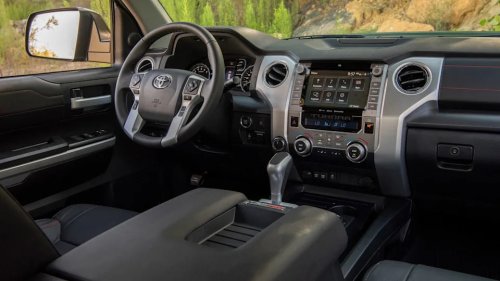
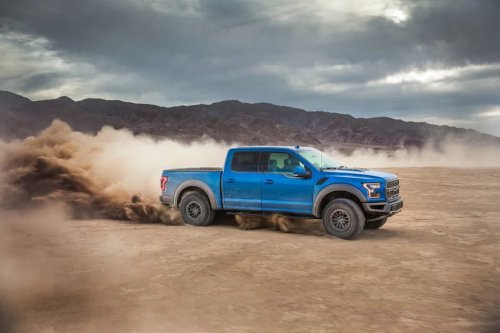



















America's FavoriteThe Ford F-150 is America's most popular pickup, and it has been so for decades. Apart from offering lots of choices, it also has a strong reputation as a workhorse. Meanwhile, the Toyota Tundra stands out for people who want a full-size truck with the automaker's well-known reliability.But when you look at 5-year depreciation between the two, there is a big difference. The 2026 iSeeCars study found the Toyota Tundra loses just 21.2% of its value after five years. The F-150 drops low at 37.9%. That's a significant gap.That puts the Tundra near the top of the pickup food chain, second only to its little brother, the Tacoma. The F-150 limps in at 10th place. Of course, that doesn't mean the Tundra is the perfect truck for everyone. The F-150 still wins on sheer variety and engine choices. But if resale value is your north star, the Toyota makes a pretty convincing case.Zac PalmerThe NumbersBased on the iSeeCars study, the Tundra's depreciation rate is much lower than the F-150's and is also well below the truck segment's 34.2% average.MeasureToyota TundraFord F-150Five-year depreciation21.20%37.90%Average dollar difference from MSRP$8,746$14,141Approximate value retained78.80%62.10%Ranking among trucks2nd10thDo the math, and the Toyota comes out ahead by $5,395 compared to the F-150. Translation: the Tundra keeps more of your hard-earned cash in your pocket.Of course, these numbers do not predict the future for every truck, but they show the financial advantage of owning a vehicle that keeps its value.Zac PalmerToyota Tundra vs Ford F-150: Major DifferencesThe F-150 stands out for its many options. Depending on the year, you can choose from several engines, cab and bed combinations, and trims that range from basic work trucks to luxury or off-road models. Gas and hybrid powertrains are also available.The latest Tundra replaced the V8 engine with a twin-turbo 3.4-liter V6, and there is also a hybrid i-FORCE MAX version for more power and efficiency. Toyota made these changes to improve performance and fuel economy.Both trucks can haul and tow with the best of them, but the numbers jump around depending on which version you pick. So, check the fine print for the exact model you're eyeing instead of just chasing the headline figures.If you want to build your truck exactly your way, the F-150 is your playground. If keeping your investment safe from the depreciation monster is your thing, the Tundra's got your back.Toyota Tundra vs Ford F-150: The Reliability FactorToyota's rep for durability is legendary, and that definitely helps used Tundras fetch top dollar. But let's be real: no badge can promise a drama-free ride every single year or with every engine.The new Tundra's turbo V6 and hybrid setup are a big shift from the old-school V8s. As for the F-150, reliability is a mixed bag depending on the year, engine, and how it's been treated.The iSeeCars study is all about depreciation, not reliability. If you're shopping used, do your homework: check service records, look up recalls, and get a mechanic to give it a once-over.Zac PalmerWhy the Toyota Tundra Holds Its Value BetterToyota's strong brand and steady demand probably help the Tundra hold its value, even if the study doesn't spell out exactly why.Trucks have another ace up their sleeve: they're just plain useful. Towing, hauling, and off-road chops still matter to secondhand buyers, which is why pickups hang onto their value better than most cars.Toyota's loyal fanbase and reputation only boost demand for used Tundras. But don't forget: price, mileage, condition, and your local market still play a big role in what you'll actually pay (or get back) in the end.ToyotaTrucks vs Other SegmentsThe Tundra's strong showing is part of a bigger story. According to iSeeCars, trucks had the lowest average five-year depreciation of any major vehicle segment in 2026, even lower than hybrids.Vehicle segmentFive-year depreciationTrucks34.20%Hybrids35.40%SUVs44.90%All vehicles41.80%Electric vehicles57.20%Bottom line: the used market still loves a good truck. Meanwhile, electric vehicles took the biggest depreciation hit, losing over half their value in five years.So if you're torn between the Tundra and F-150, here's the takeaway: the Ford gives you endless choices, but the Toyota wins big when it comes to holding its value. If you plan to sell or trade your truck down the road, the Tundra's lower depreciation could mean more money in your pocket.The MethodologyThe iSeeCars study considered more than 950,000 five-year-old used vehicles sold between March 2025 and February 2026. Researchers compared original manufacturer's suggested retail prices with used-car asking prices to estimate depreciation, adjusting MSRPs for inflation using US Bureau of Labor Statistics data.The study excluded heavy-duty trucks, vans, discontinued models, and low-volume vehicles. These figures represent averages rather than guaranteed resale values. Mileage, condition, maintenance history, equipment, and local demand can all affect how much an individual truck is worth after five years.The study also measures depreciation rather than directly establishing reliability or explaining why a particular model retains its value.