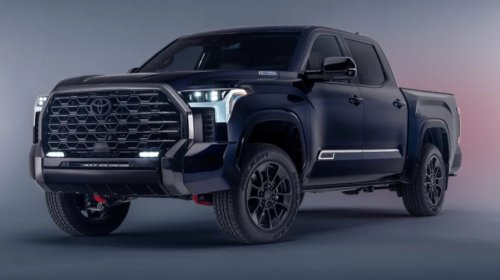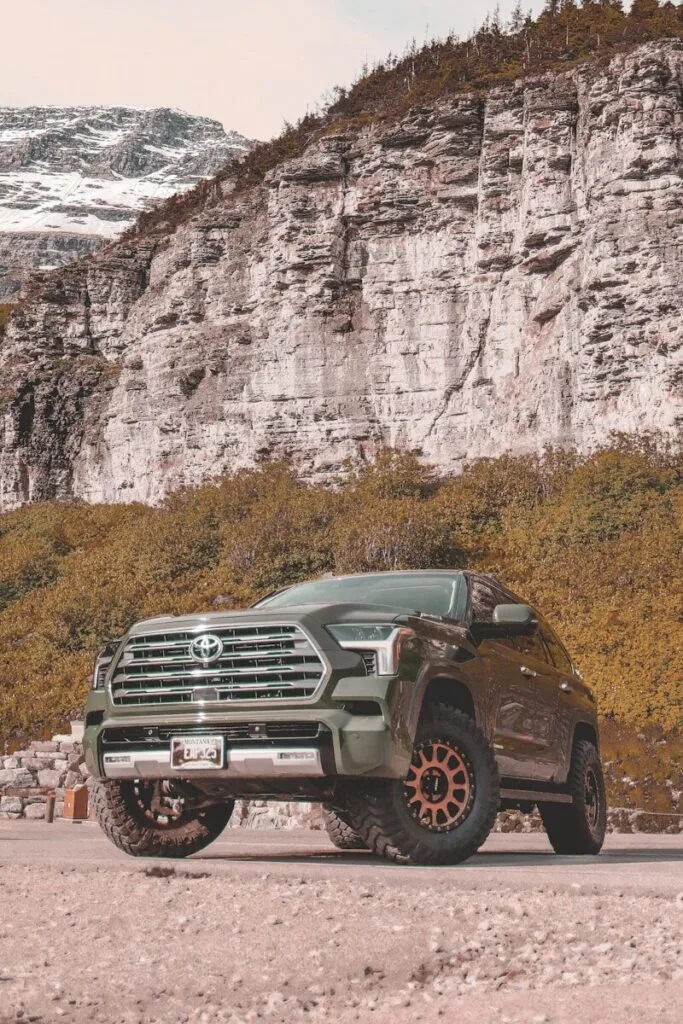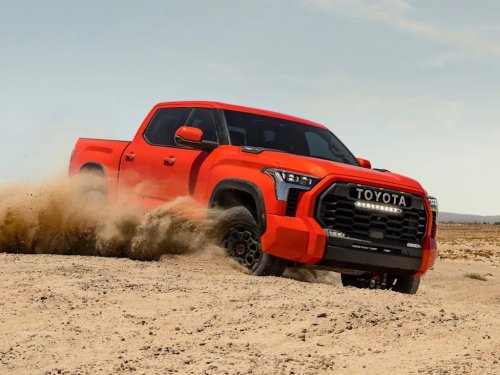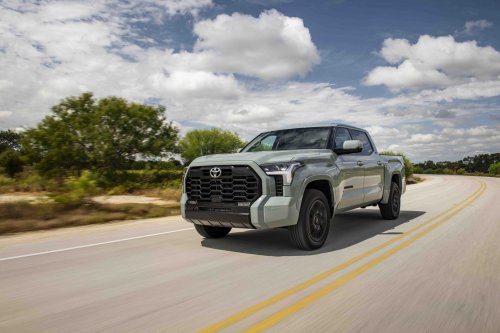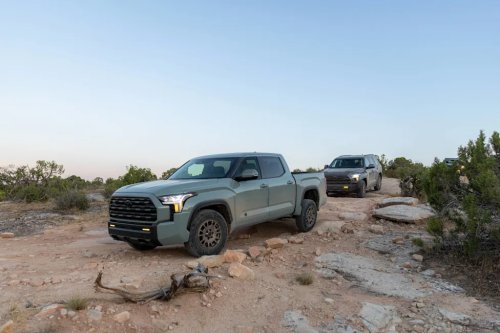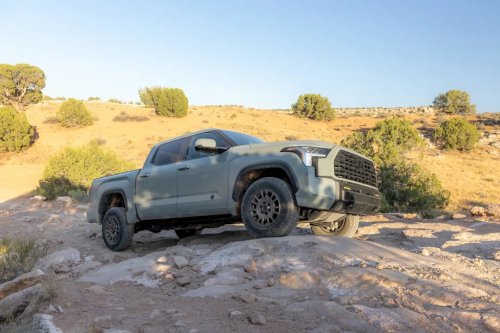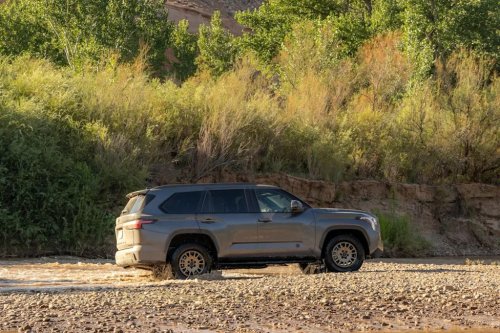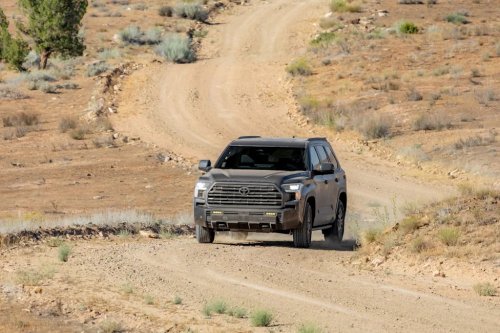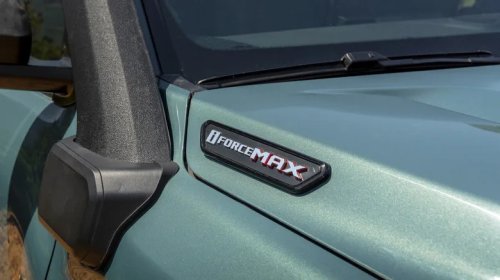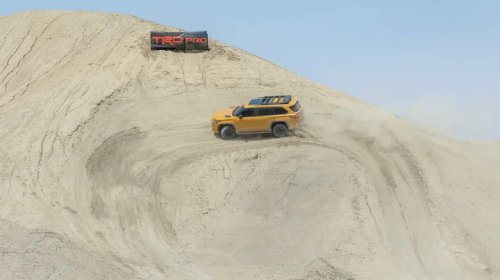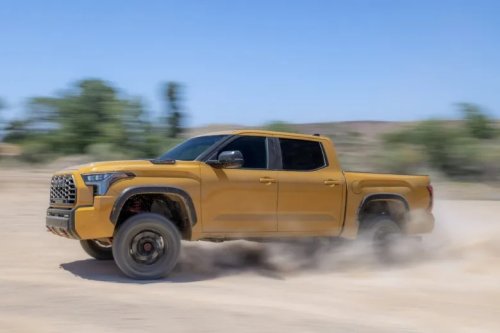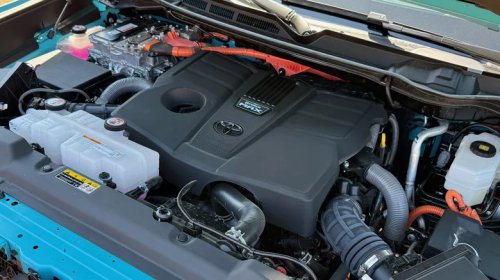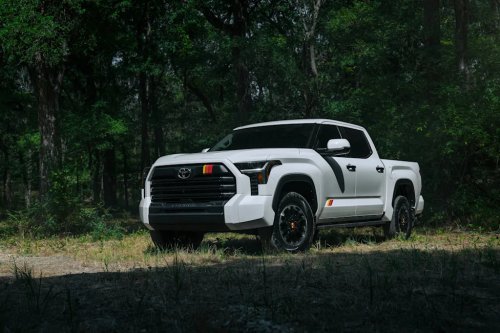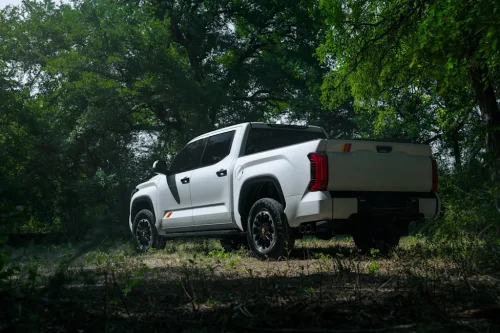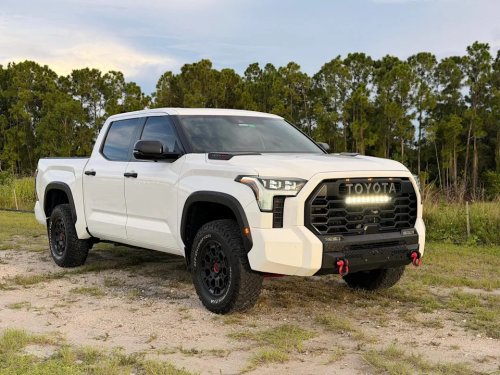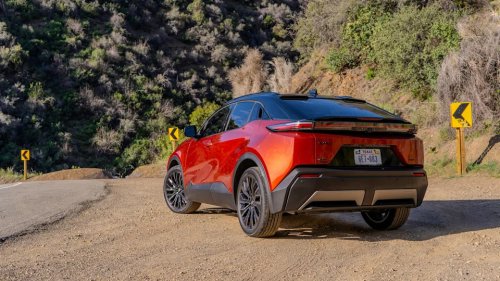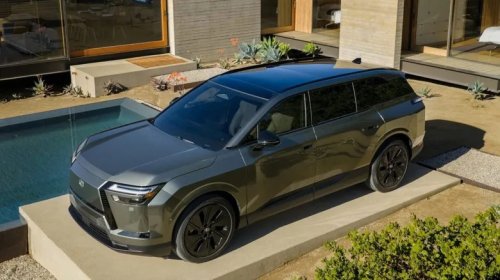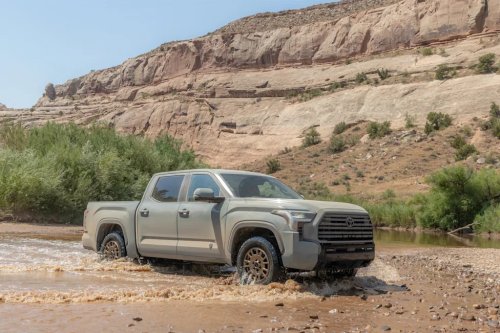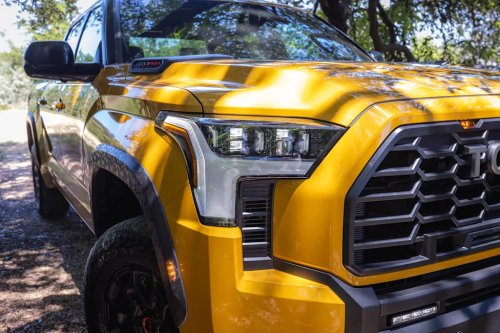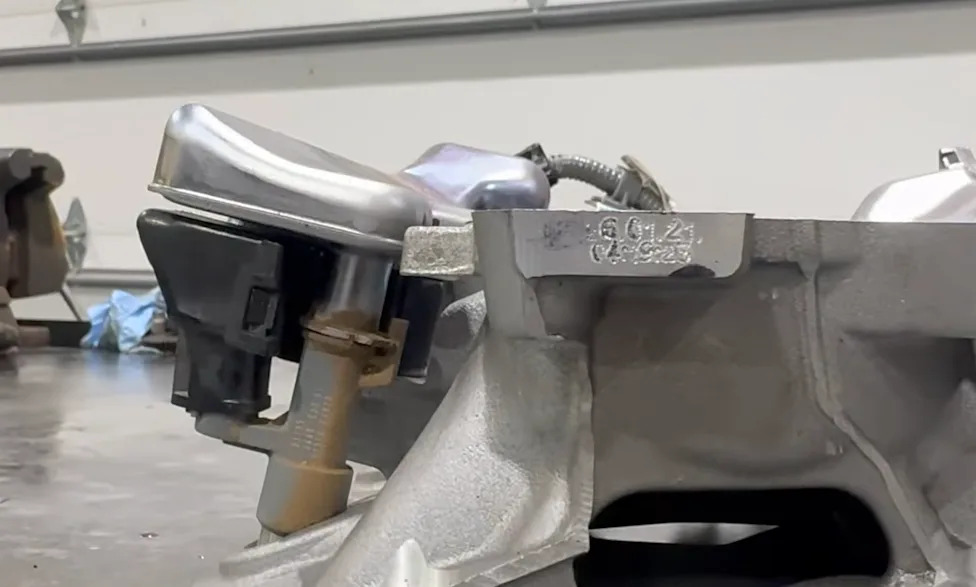
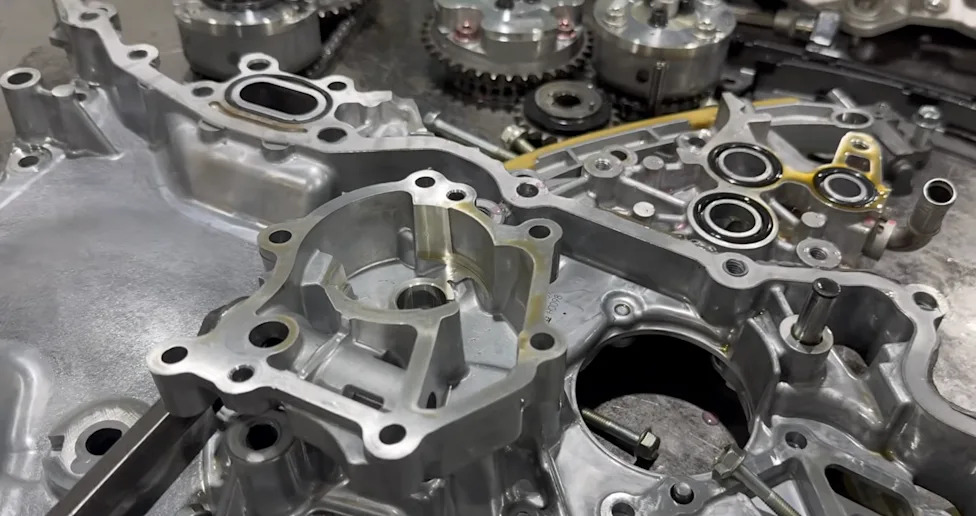
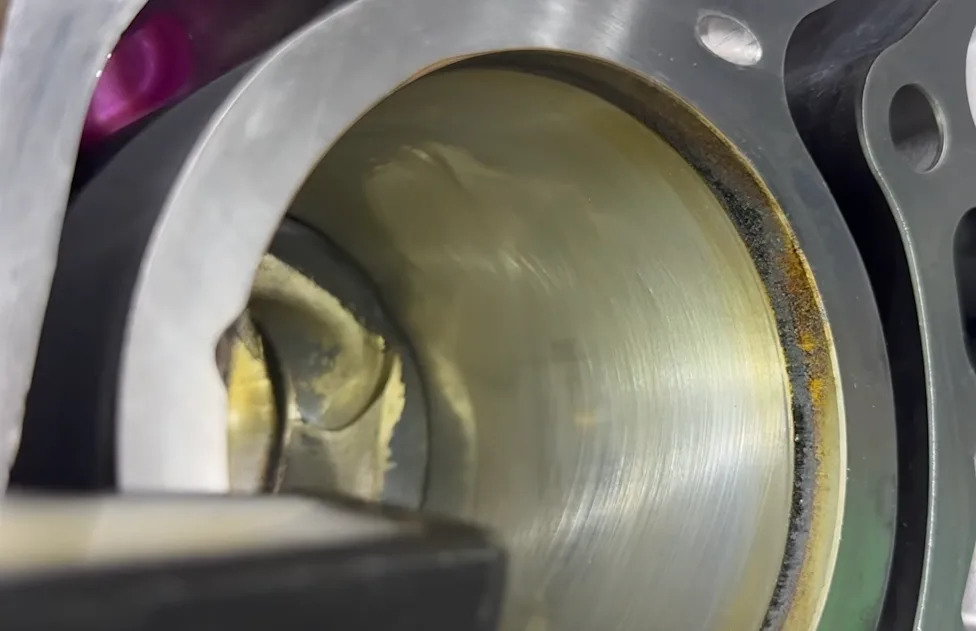



















Autoblog and Yahoo may earn commission from links in this article.Toyota's Problematic V6Toyota's twin-turbo 3.4-liter V35A-FTS V6 hasn't exactly had an easy ride. This engine, found in the latest Toyota Tundra, Sequoia, and Lexus LX, has been the star of a massive recall thanks to catastrophic bearing failures. Toyota blames leftover machining debris from the factory, which can sneak into the engine and chew up the crankshaft bearings.The recall list keeps growing, and Toyota's solution has been to swap in new engines for affected owners. But as a fresh teardown reveals, even some of these replacement mills aren't out of the woods.A Questionable Replacement EngineThe latest engine autopsy comes courtesy of I Do Cars, a channel that's no stranger to V35A carnage. This engine supposedly came out of a 2022 Tundra with around 64,000 miles, so at first glance, it looked like just another recall casualty.AdvertisementAdvertisementHowever, as discovered during the teardown, this wasn't the truck's original engine. The lower intake manifold showed a build date of January 21, 2026. More date stamps inside the engine backed up the same story. It was a replacement long block, so this Tundra had already been through one engine swap after the recall.I Do Cars/YouTubeA Spotless Engine That Still FailedFor most of the teardown, this replacement engine looked like it had just rolled off the assembly line. The spark plugs were fresh, the valve train was spotless, and there wasn't a hint of varnish or sludge under the valve covers. Both turbos spun like new, and the water pump, timing chains, guides, and oil pump barely showed any wear.Even with both cylinder heads off, the pistons, combustion chambers, and cylinder walls looked suspiciously clean for an engine with so many miles. The first real red flag popped up when the timing system was torn down – metallic debris packed behind one of the timing idler gears, even though the timing parts themselves looked nearly untouched.Once the oil pan came off, the mystery glitter in the oil meant that bearing material was floating around inside. Pulling the bed plate revealed the smoking gun – the third main bearing had spun, seized itself to the crankshaft journal, and sent metallic shrapnel throughout the engine.AdvertisementAdvertisementIronically, the front main bearing – the one Toyota's recall covered – looked perfectly fine.I Do Cars/YouTubeView the 2 images of this gallery on the original articleWhat Tundra Owners Should Take AwayThis teardown doesn't mean every replacement V35A is doomed, and it doesn't exactly blow up Toyota's theory about leftover machining debris causing the original failures.What it does show is that this supposedly spotless replacement engine still managed to spin a main bearing. I Do Cars notes that a lot of the metallic debris probably came after the bearing let go, so it's tough to say if debris caused the failure or was just a messy side effect.AdvertisementAdvertisementIf you own one of these trucks, keep your ears open for weird knocking sounds, watch for low oil pressure warnings, and check for metal bits during oil changes. Any of those signs mean it's time to get your engine checked out – especially if your truck's already been recalled or had its engine swapped.Toyota hasn't said if engines built after January 2026 got any extra fixes beyond the recall repair. Until more engines get torn down, this is just one case – not proof of a bigger problem. But it's a good reminder: swapping in a new engine doesn't magically solve every mystery with Toyota's twin-turbo V6.I Do Cars/YouTubeView the 2 images of this gallery on the original articleThis story was originally published by Autoblog on Sep 8, 2026, where it first appeared in the News section. Add Autoblog as a Preferred Source by clicking here.