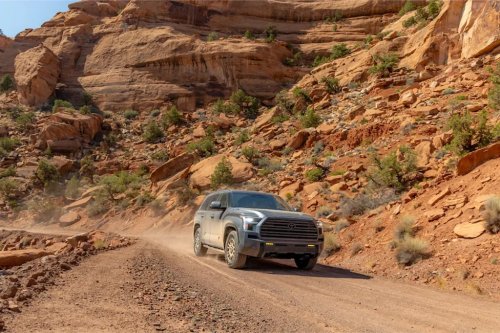
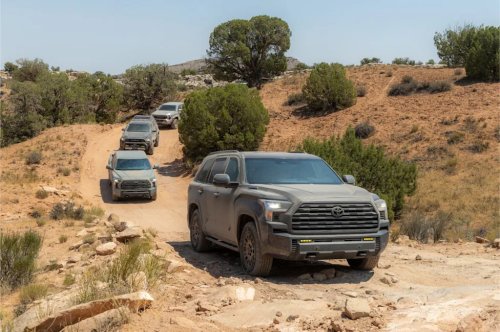
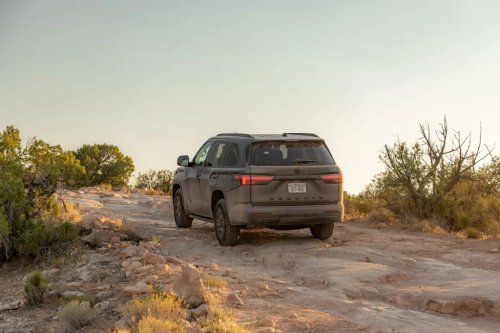
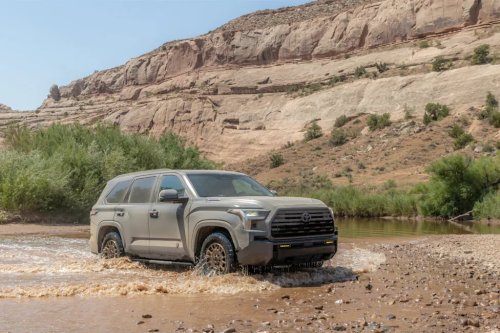
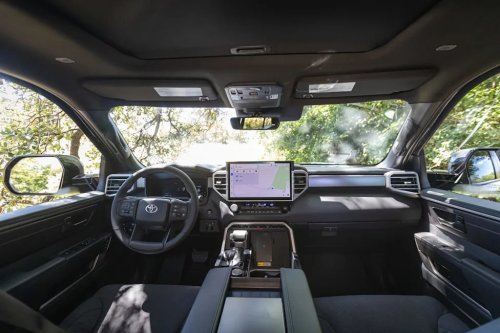
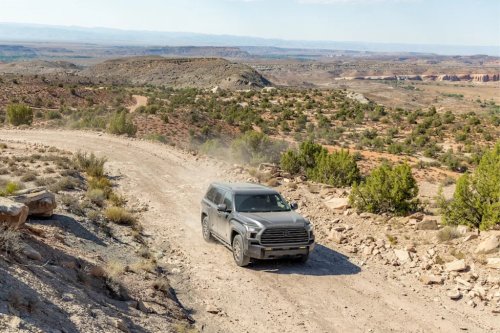
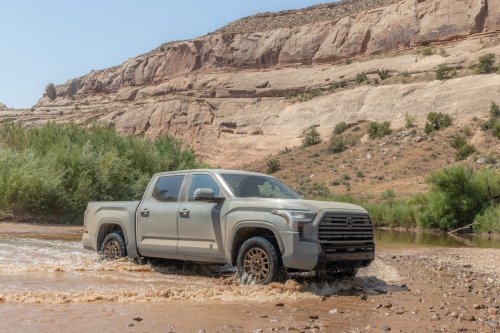
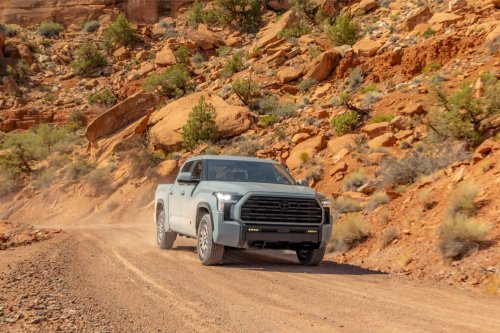
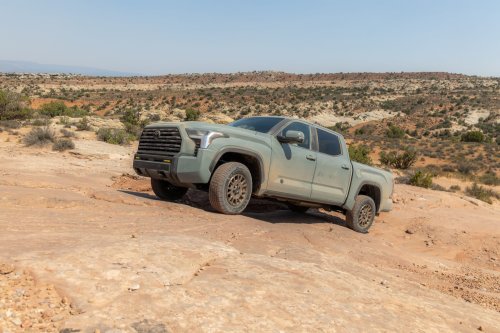
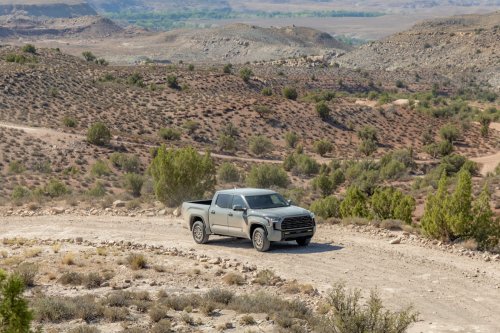
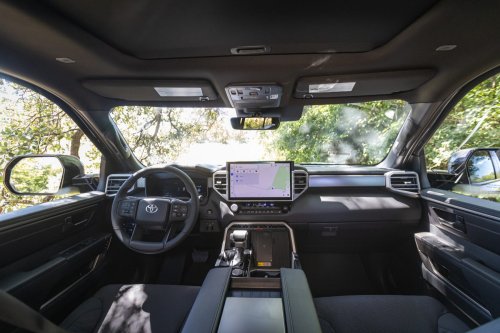
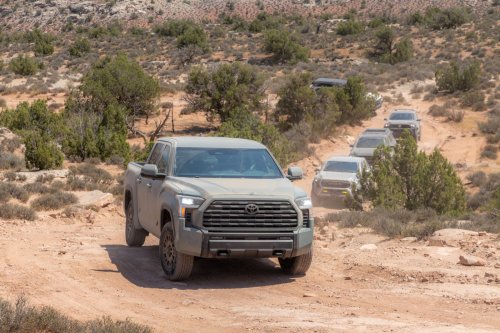
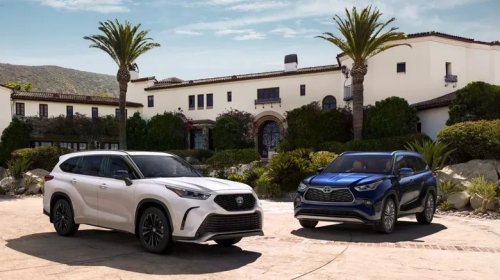
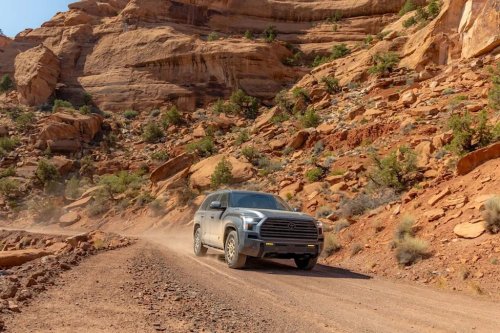
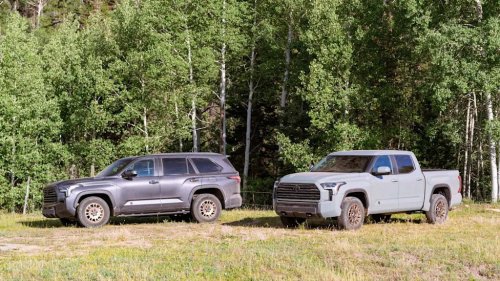
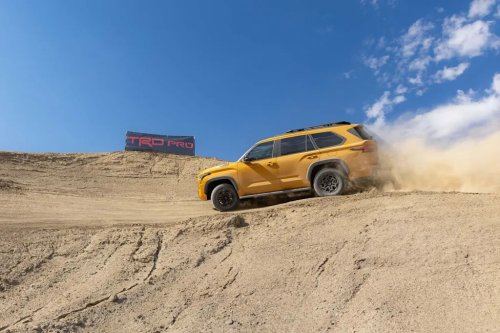
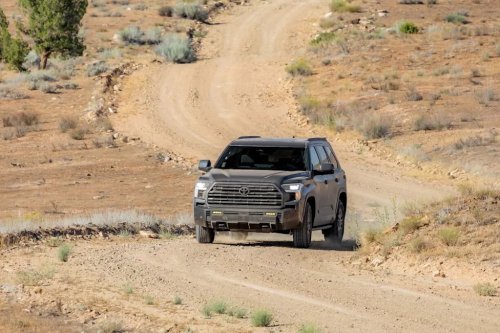
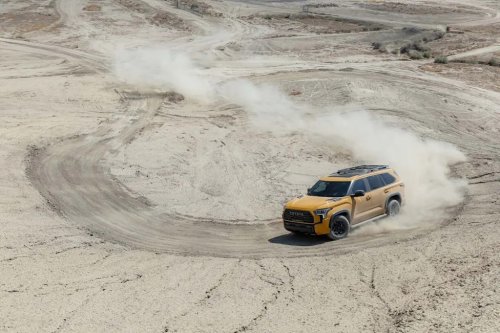
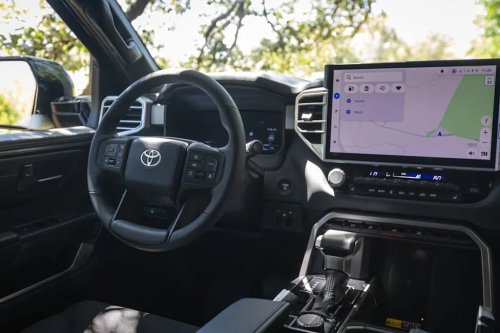
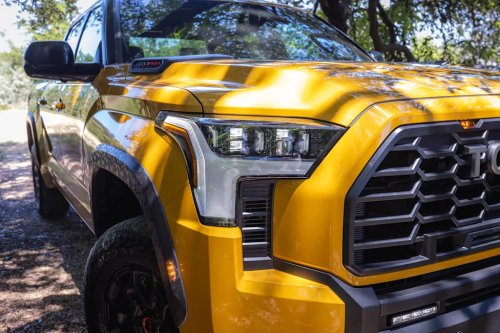
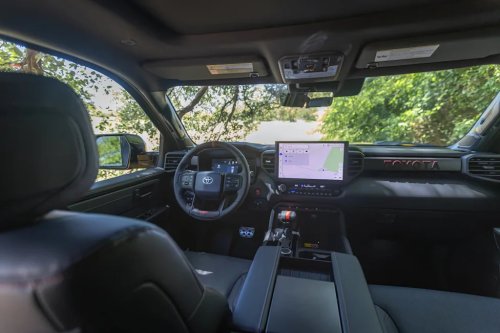
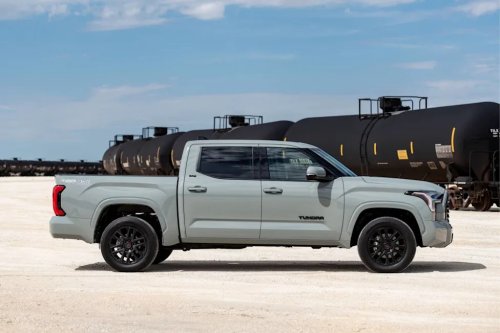
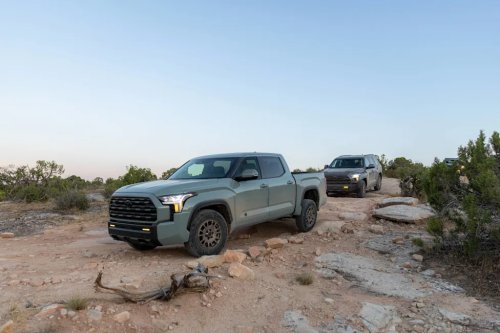
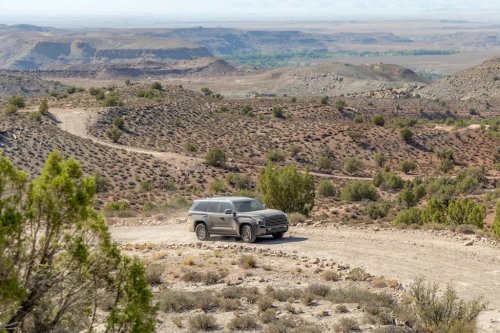
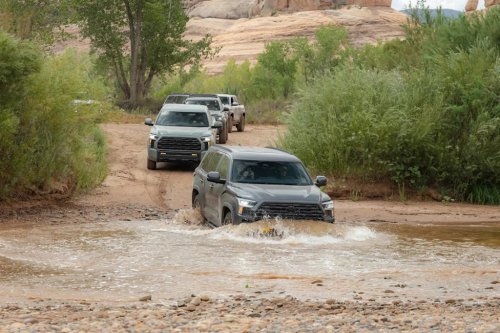
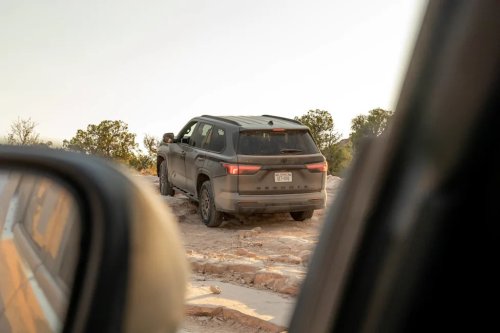
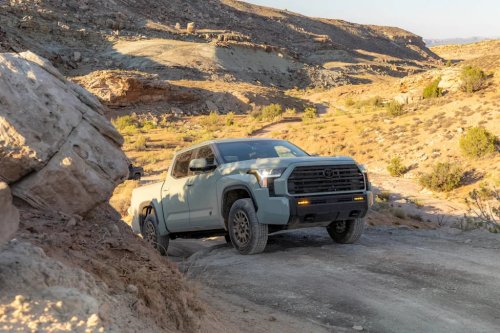
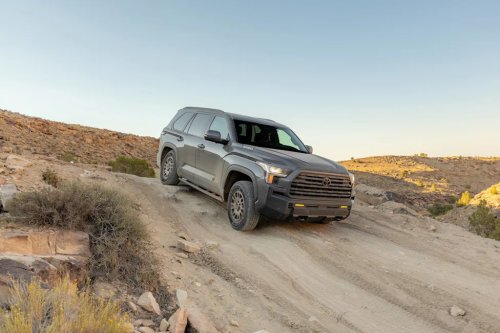
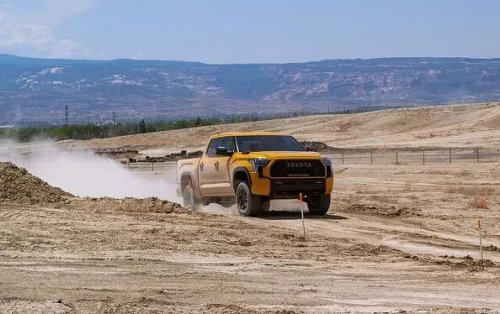
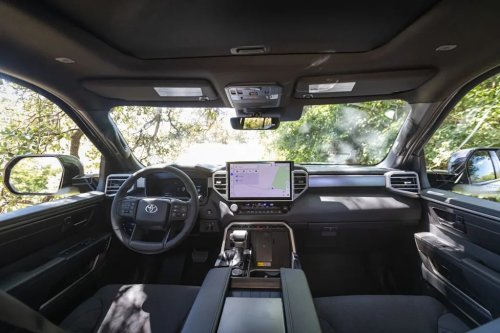
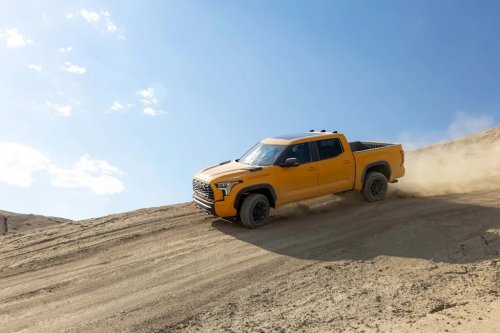
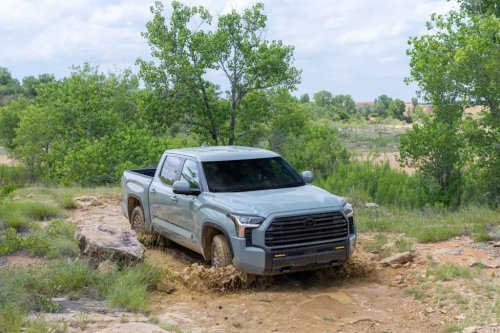
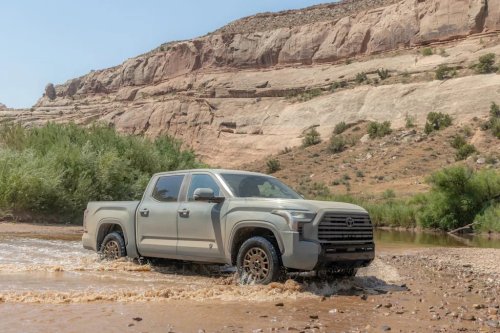
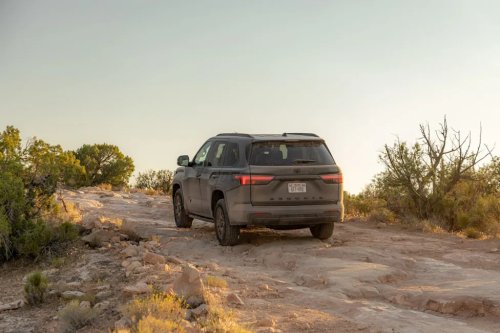
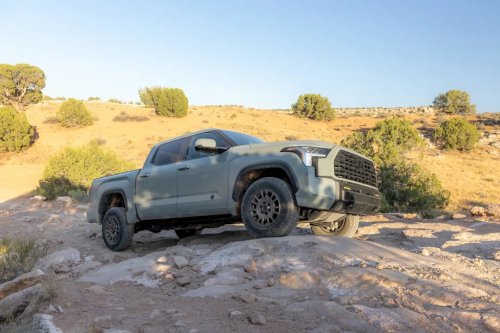
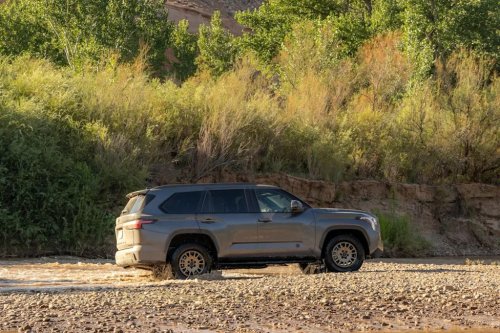
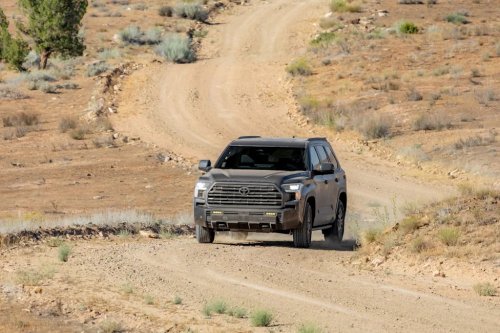
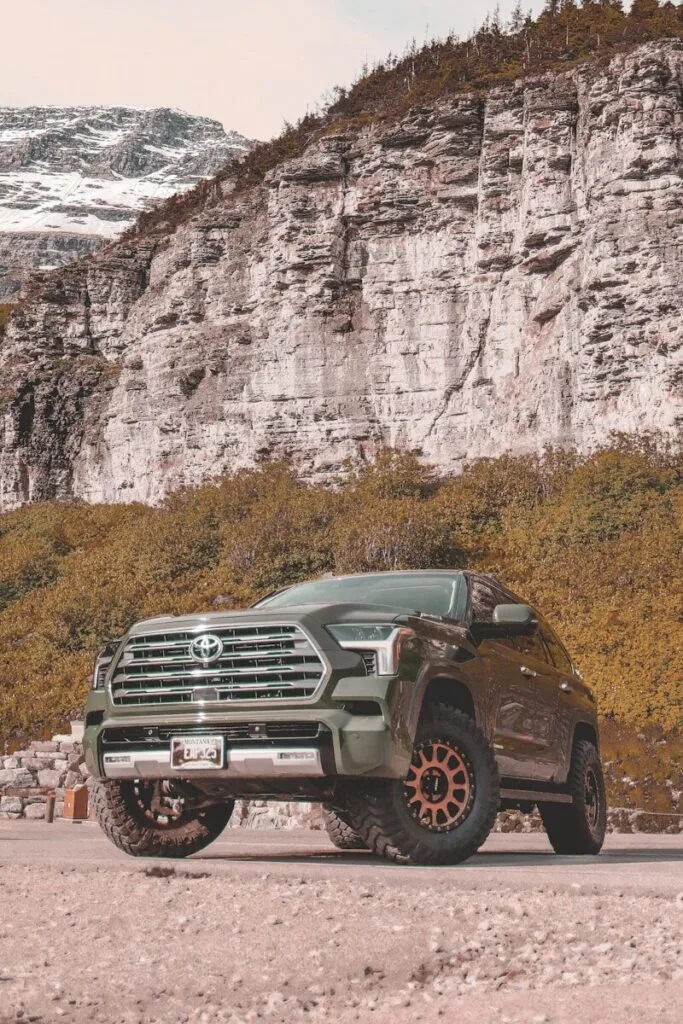
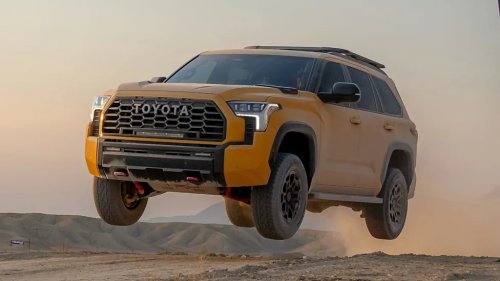
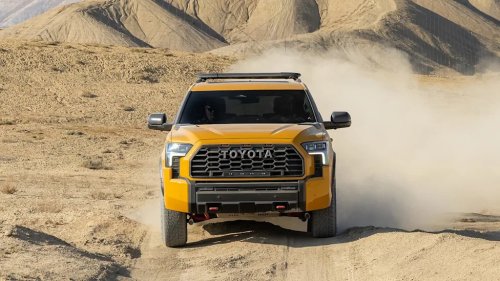
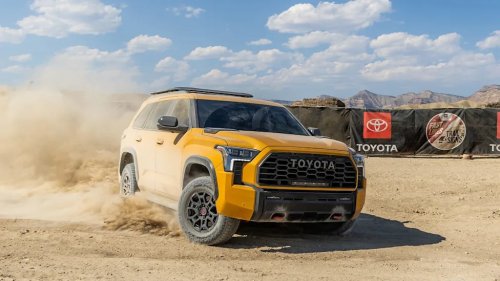
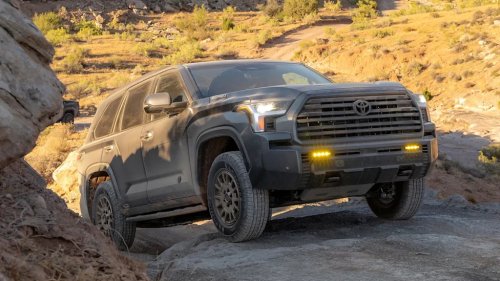
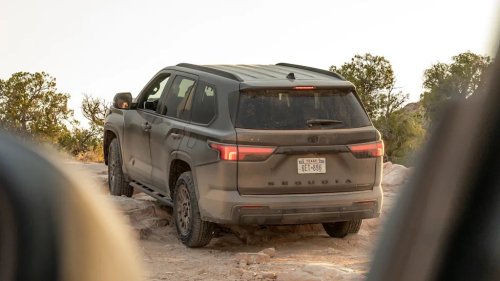
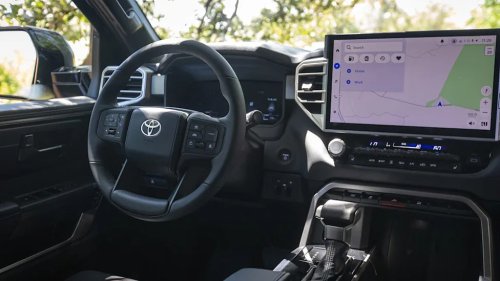
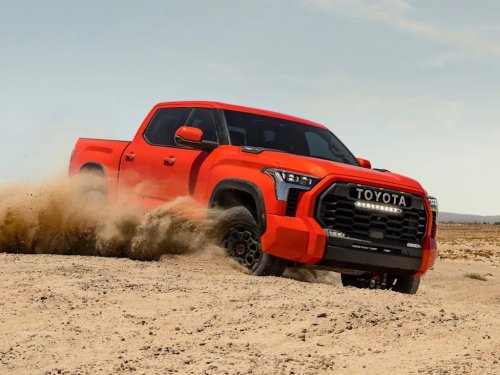
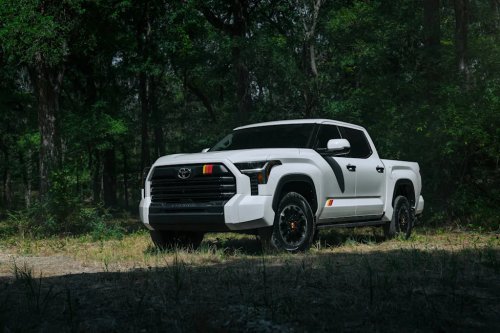
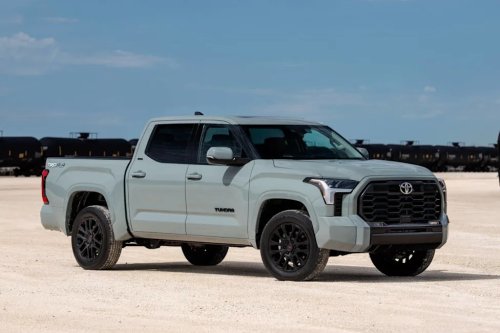
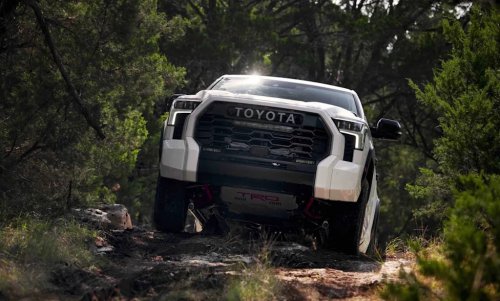
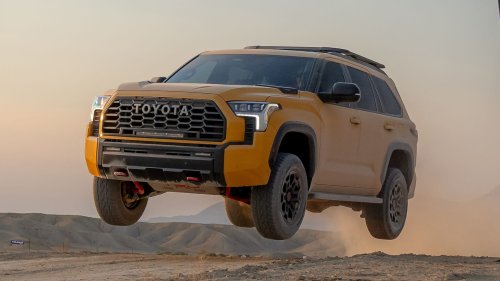
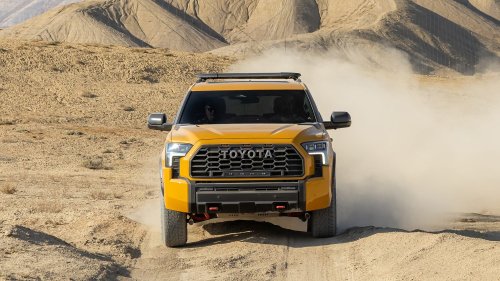
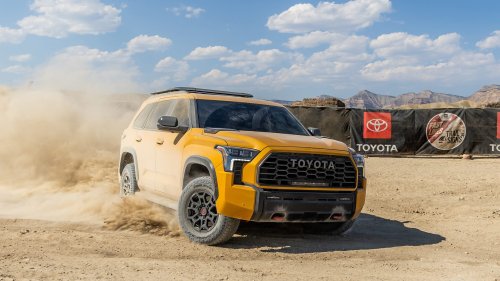
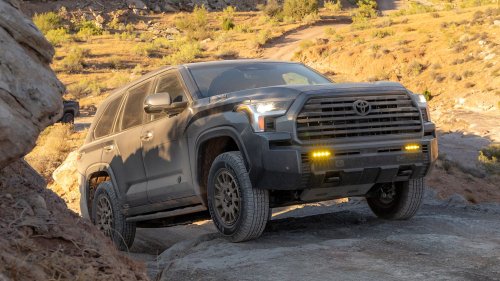
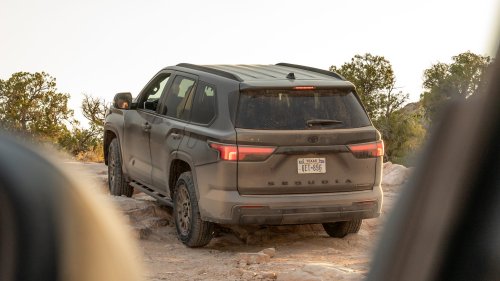
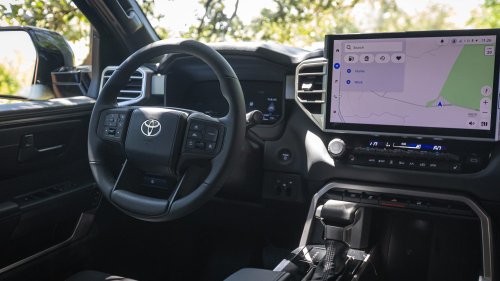
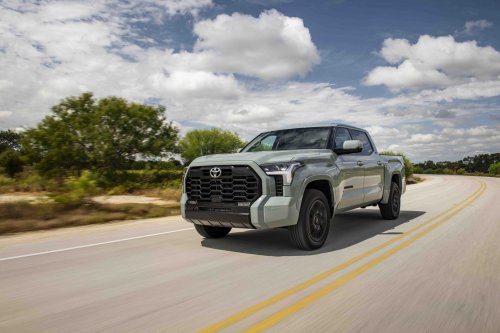
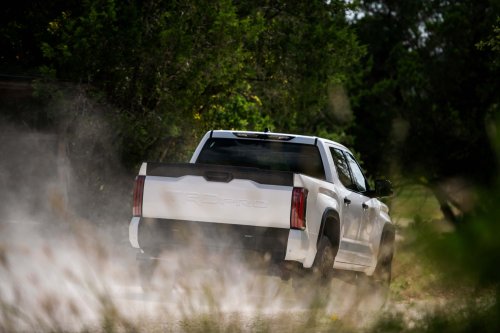
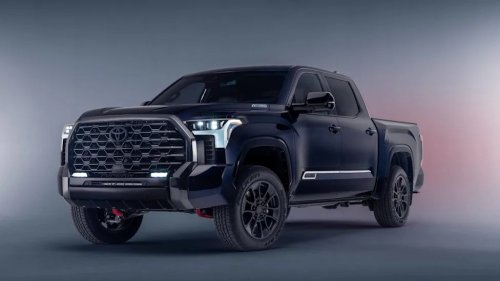
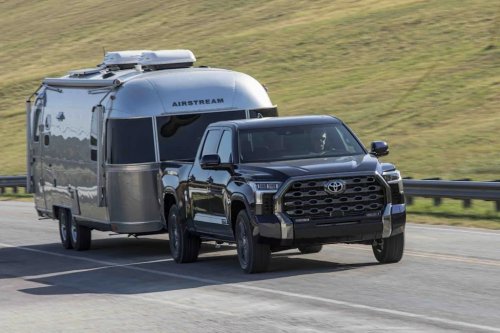
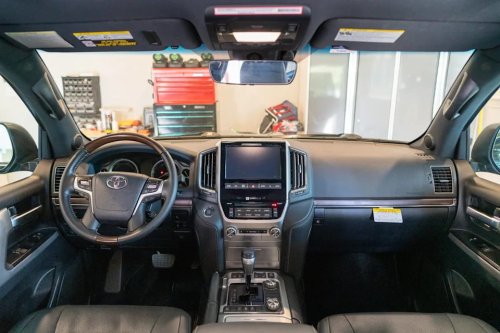
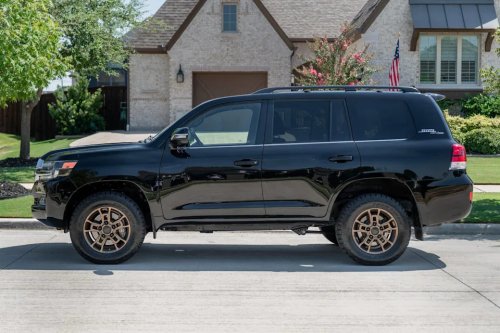
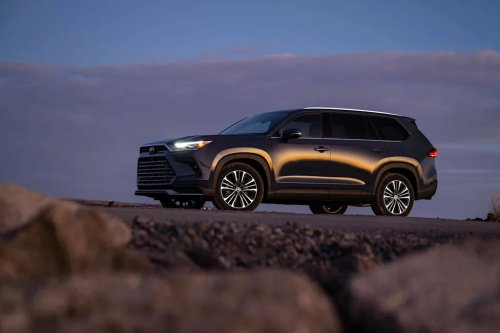
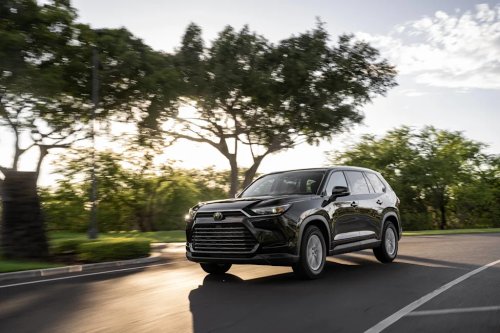
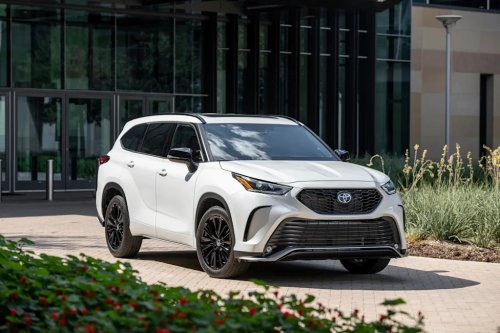
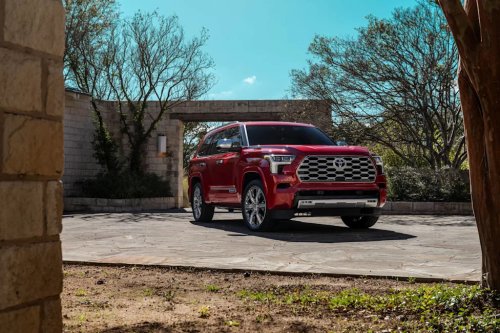
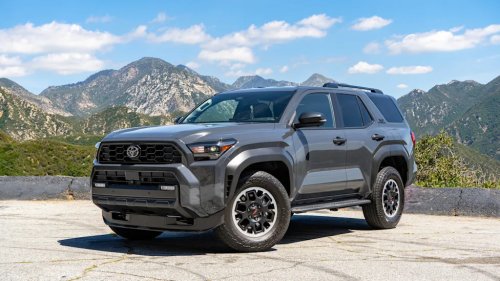
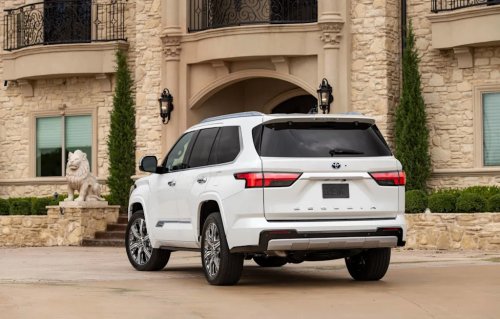
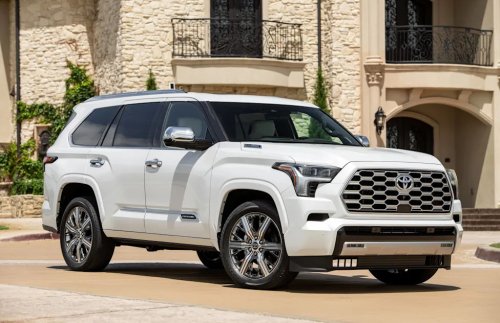
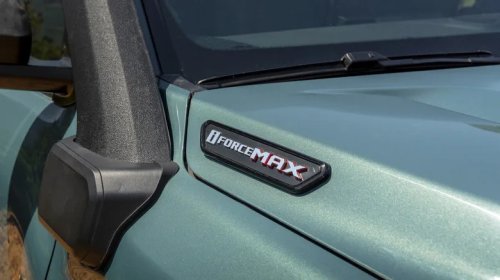
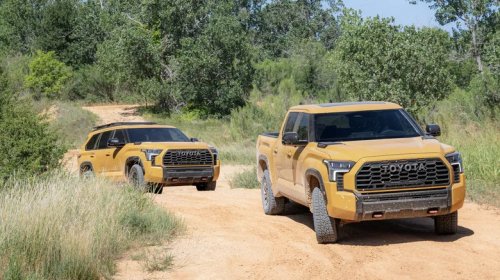
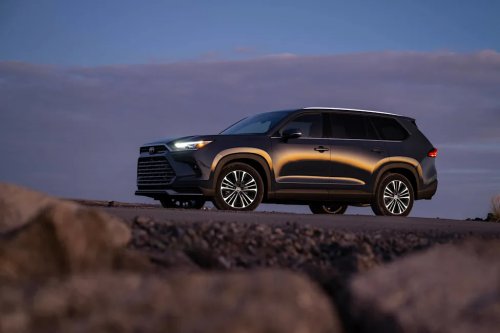
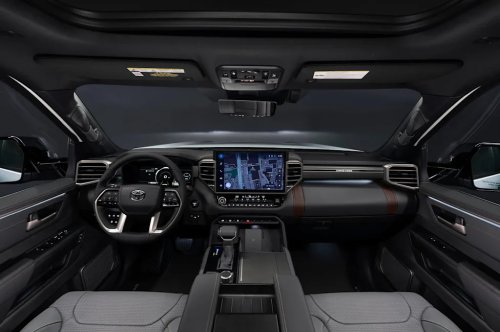
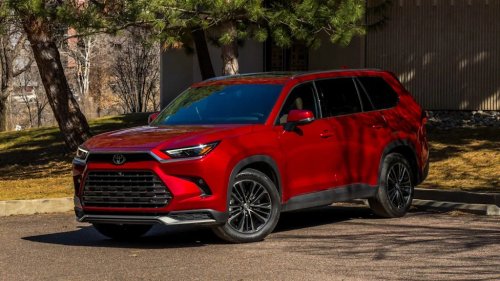
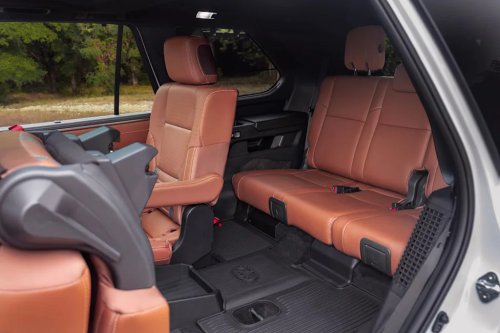
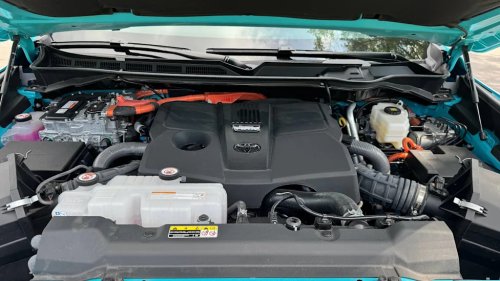
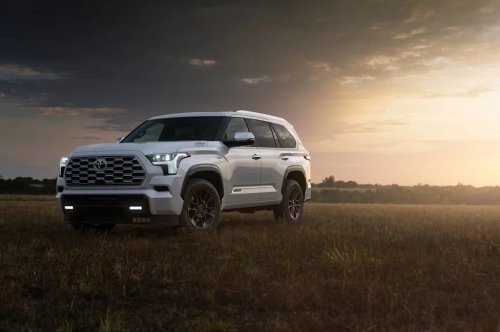
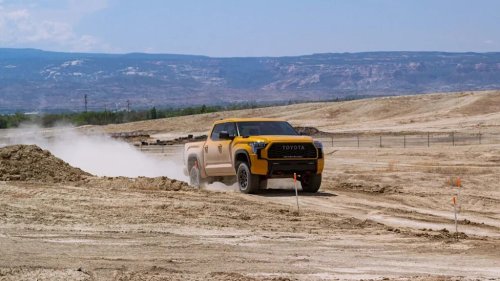
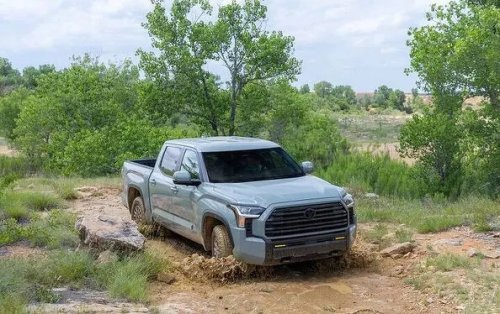
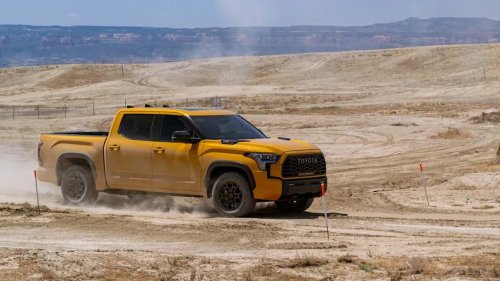
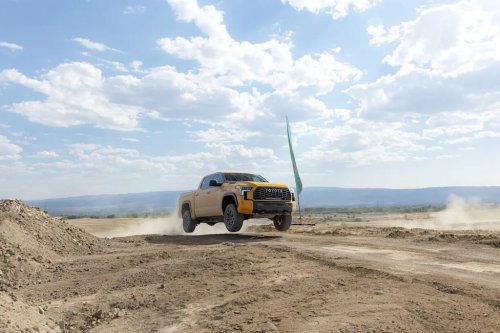
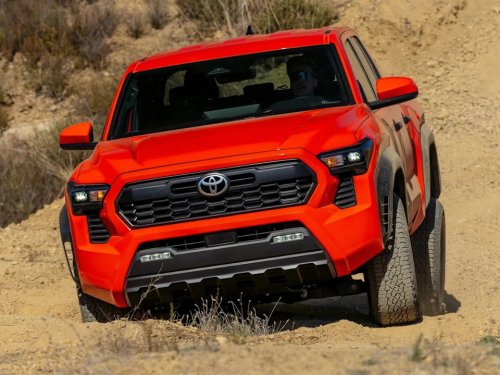
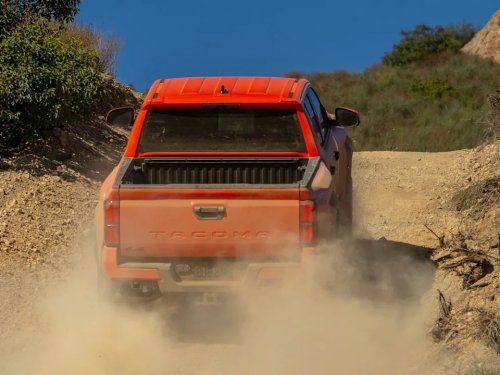
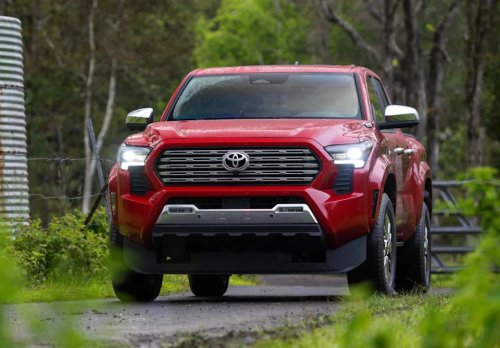
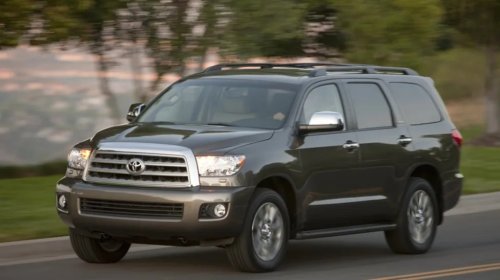
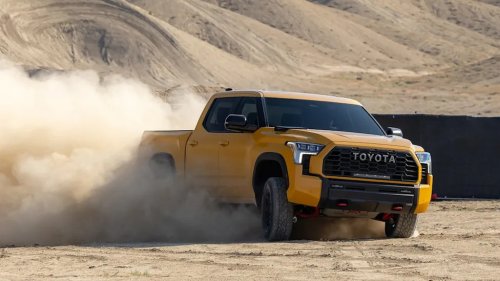
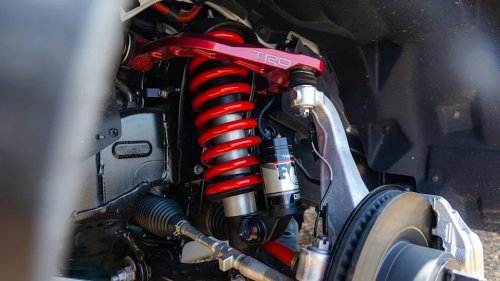
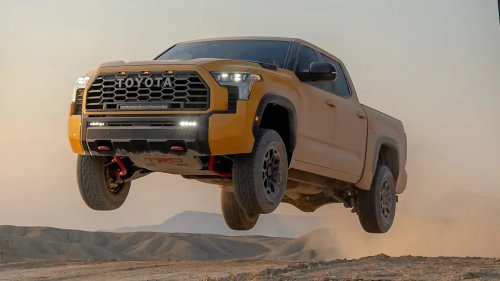
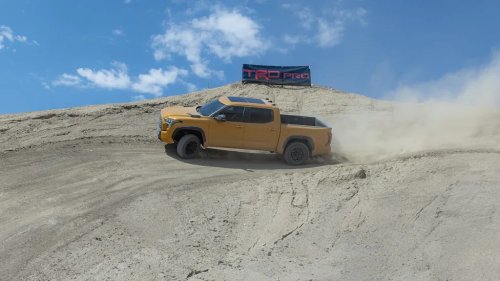
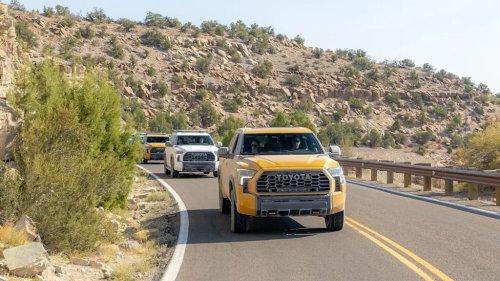
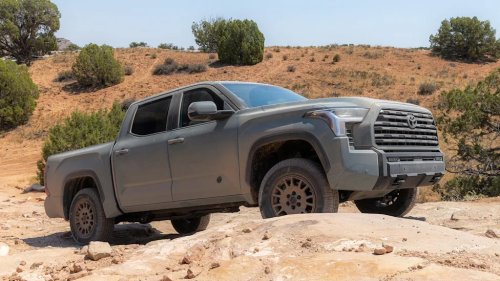
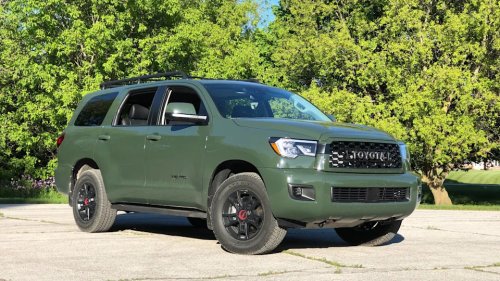
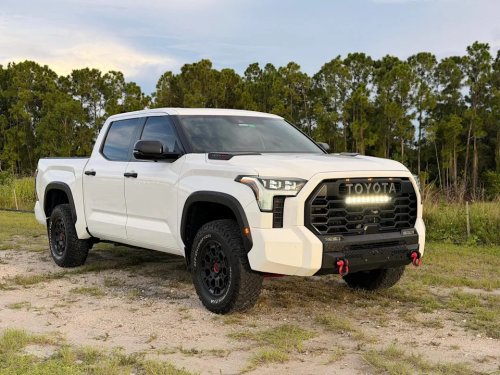
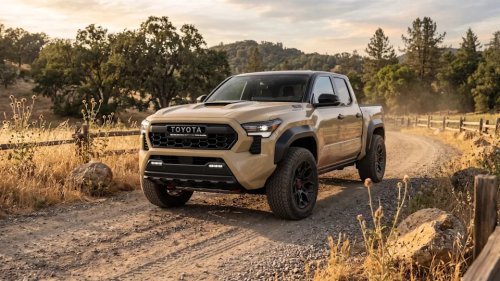
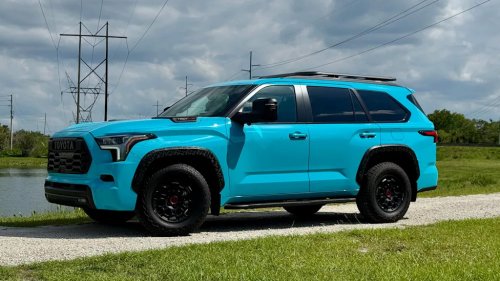
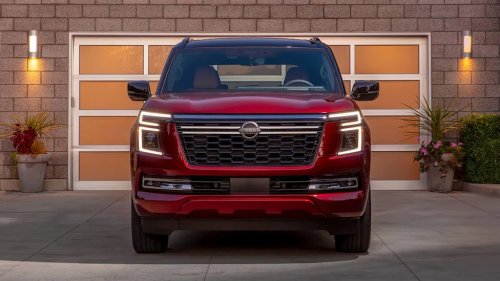
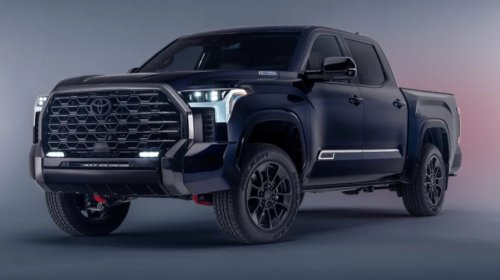
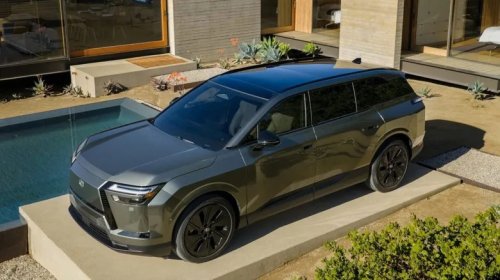
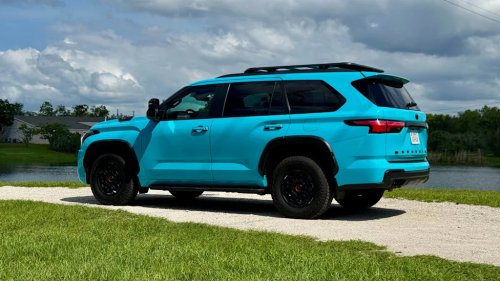
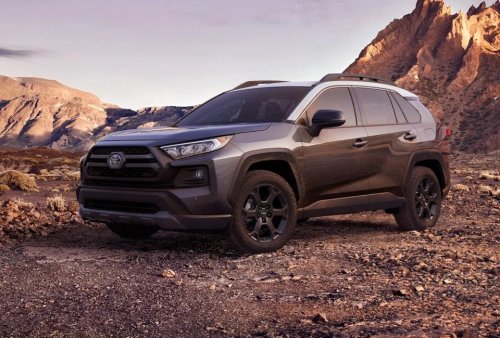
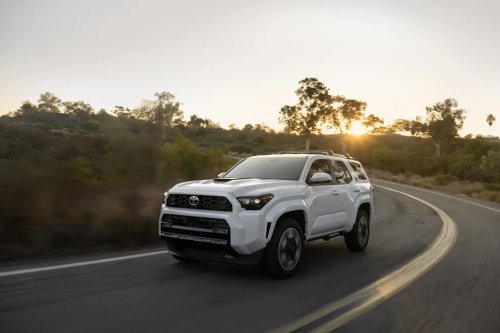
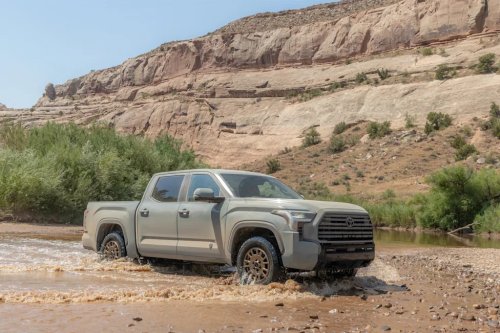
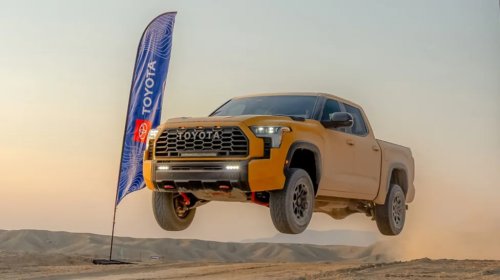
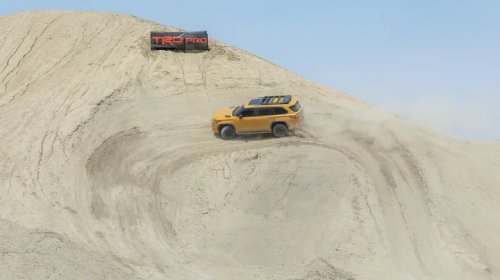
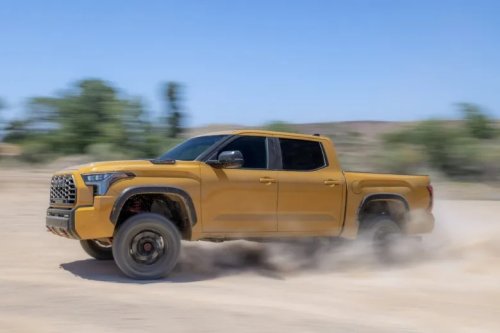
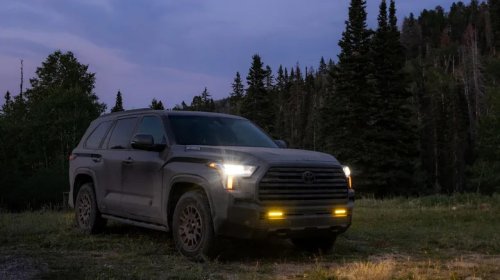
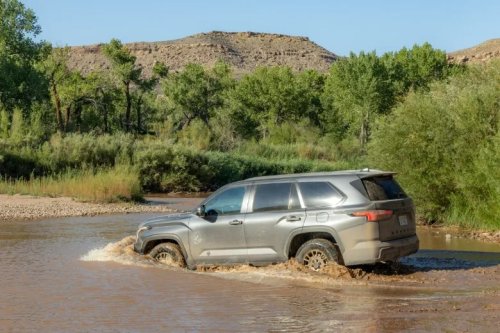
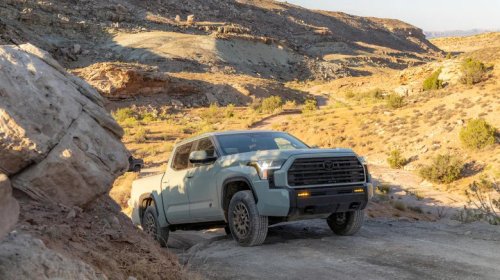
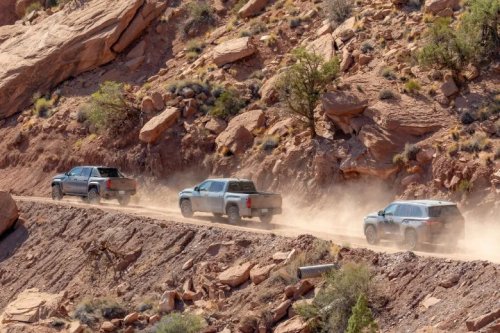
ToyotaIdeally, the first drive of a new vehicle will include some major changes compared to the previous model. You show up, drive the car, evaluate the changes, and report back on what you liked and didn't like. That's also not what Toyota did with the 2027 Tundraand Sequoia, though. The Sequoia's front end is now the same one you find on the Tundra, making it much more of a true Tundra Wagon than it was before, but if you're looking for major updates, you won't find them here.Toyota did, however, add a Trailhunter trim to the '27 Tundra and Sequoia. If you can't keep up with Toyota's off-road trims, the Trailhunter is the one built for overlanding and rock crawling. TRD Pros, on the other hand, are meant for higher speeds in the desert. In addition to the rock crawling-focused upgrades that come with the new Trailhunter trims, the 14-inch center screen that was previously an upgrade in either vehicle now comes standard in both, and you get the latest version of Toyota's infotainment and safety systems. But really, the big story for 2027 is the new Trailhunter trims' locking rear differential, crawl control, front recovery hooks, better underbody protection, Old Man Emu suspension, trail tires, and bronze wheels.It's hard to know how many people are really looking for a minivan that can both tow and rock crawl, but the new Trailhunters are a big deal to Toyota. Important enough that Toyota more or less turned the media drive into one incredibly long off-road adventure (including overnight camping). Since Toyota brought some TRD Pros along, we also got to have a little high-speed desert fun, complete with multiple truck jumps. It was a tough assignment, but when your boss forces you, what choice do you have? You've got to jump the trucks.AdvertisementAdvertisementFull Disclosure: Toyota wanted me to drive the 2027 Tundra and Sequoia so badly, it flew me to Grand Junction, Colorado, put me up in a hotel, and provided plenty of food and drinks. Toyota also provided the camping equipment and covered a one-day fishing license. It also distracted us with go-karts while finishing setup on the off-road course. I didn't catch any fish and finished middle of the pack in the go-karts.Read more: 5 Nearly Indestructible Transmissions (And The Cars That Use Them)Trucks jump goodToyotaI don't have much to tell you about how the '27 Tundra and Sequoia compare to the pre-refresh versions because so little changed, and the Trailhunter trims are new. I also haven't spent enough time off-roading the competition to give you any real buying advice. But I can definitely tell you that jumping trucks is fun, and if you spend a couple of days off-roading them, you'll start to understand why people are willing to pay something like $70,000 for a full-size off-road Toyota.There's no getting around the fact that the Tundra and Sequoia are big. Big enough that it took me longer to adapt to the Sequoia TRD Pro's size than I would've liked. I mean, we're only talking about a couple of minutes, which isn't bad for someone who dailies a Fiat 500e, but most press cars are a quick adjustment. The Sequoia, on the other hand, felt impossibly wide. That's less of a problem in the desert, where you tend to have a lot more room, but it still slowed me down. I also doubt any actual buyers will off-road their new Sequoias or Tundras after driving on-road for less than a mile.ToyotaNo press trip is going to include an obstacle that's actually risky, but this course did have one of the most intimidating obstacles I've ever seen on a media drive. It was a massive, high banked turn that more or less involved driving straight up a dune and then turning around to drive back down without rolling over and causing an incident. Even after several hours of wearing the track down, neither the Sequoia nor the Tundra had any issues making that turn. Both just powered up the incline and carried enough momentum to make it down like it was no big deal, with the hybrid V6 providing plenty of power and Sand mode distributing the torque appropriately.AdvertisementAdvertisementSadly, the jumps also felt like no big deal. In fact, if I hadn't seen other drivers get plenty of air on the course, I would have thought I didn't get any air at all. Part of that has to do with both the Sequoia and Tundra being big, but their suspensions also did a great job of absorbing the impact without bouncing around. More drama would have been more fun, but it would have also been less safe. You don't want suspension components breaking out where nobody can reach you. Once I got used to it, though, how could I not keep jumping?Fewer seats, more slidesToyotaI'm talking about the Sequoia TRD Pro and the Tundra TRD Pro pretty interchangeably here because they're just so similar. With less weight over the rear end, the Tundra was the more tailhappy of the two, so that's one difference. But despite usually preferring slidier cars, I actually ended up preferring the Sequoia. Something more predictable and easier to control is just easier to drive faster. Really, I preferred the 4Runner TRD Pro over either, since it's smaller and lighter, but I'm trying to focus on the full-size Toyotas here.I can also confirm that every truck we drove handled the heat just fine. We swapped vehicles every lap, so I ended up driving several throughout the day, and even as we were about to leave, I didn't see any elevated engine temperatures. It was seriously hot outside, too. Like "one of the trucks showed an external temperature of 128 degrees" hot. They just kept going.ToyotaI don't know how useful that information will be to any prospective Sequoia or Tundra TRD Pro buyers since it isn't exactly groundbreaking information. Also, you tend to know whether you want a truck bed or the extra seats going in, so handling differences in the sand probably aren't going to be a dealbreaker. Still, that is what I learned. Well, that, and depending on the color of your dust, the new honey yellow paint options might look even better covered in dust than they do when they're clean.AdvertisementAdvertisementThe next day, we switched to Trailhunters for an absolutely gorgeous drive that showed off the sandstone formations in western Colorado before we climbed to about 9,000 feet to spend the night. Those trails weren't the toughest test of any of the Trailhunters' capabilities, but the added elevation did deliver a nice break from the ridiculous heat. You're also never going to catch me complaining about the opportunity to camp next to a pond in the mountains, especially since I didn't get eaten by a bear.Crawling rocks in the TrailhuntersToyotaDay three sent us back into the desert in the Trailhunters, this time to do some actual rock crawling. That trail took us out into Utah, very close to Moab, and while I don't think we encountered any sections of the trail that would give Hell's Revenge a run for its money, it was still probably too serious for the current crop of off-road-package-equipped crossovers. Every Tundra and Sequoia Trailhunter that I drove handled those obstacles without trouble. That's to be expected on a press trip where the automaker selected the route ahead of time, but the gouges in the rocks on some of the toughest sections showed just how many previous off-roaders hadn't been prepared for how tough the trail was. Being overprepared helps keep you safe, but it also helps keep you from destroying the trail.ToyotaMy only real issue I had was that the exterior cameras should probably be sharper. The display isn't so blurry that it isn't useable, but in situations where you have to rely on the cameras, a higher-resolution display would be helpful. Off-roading will never be as exhausting as backpacking, since the truck does all the work, but bouncing around in your seat for three days straight still takes it out of you. And I have to give it to the Tundra and Sequoia Trailhunters. As capable as their suspensions are off-road, they're also pretty darn comfortable on the highway as you race back to the hotel for your first shower in far too long.AdvertisementAdvertisementIn fact, they're both comfortable enough cruisers that you could probably buy a TRD Pro or a Trailhunter to drive around town without being too miserable. But after spending several days doing what these off-road Tundras and Sequoias were meant to do, it just feels sad. Like buying a BMW M4 and then never leaving Manhattan. In a country with so many gorgeous places that can only be seen if you leave paved roads behind, why would you buy something built for off-roading and then not go exploring? It's so beautiful out there. At least go camp by a lake. Want more like this? Join the Jalopnik newsletter to get the latest auto news sent straight to your inbox, and follow us or add us as a preferred search source on Google.Read the original article on Jalopnik.












 +35 others