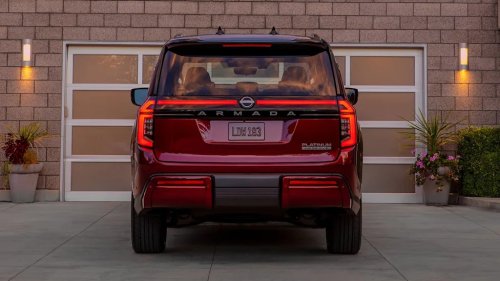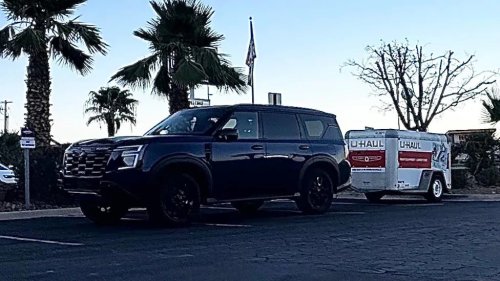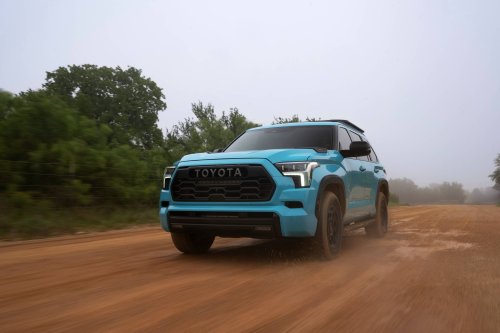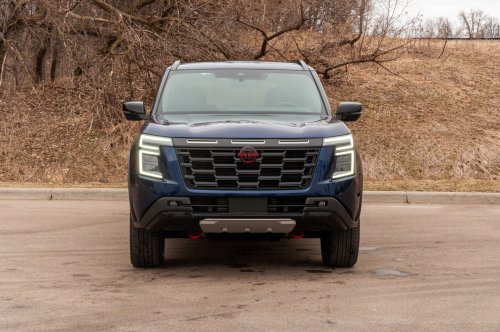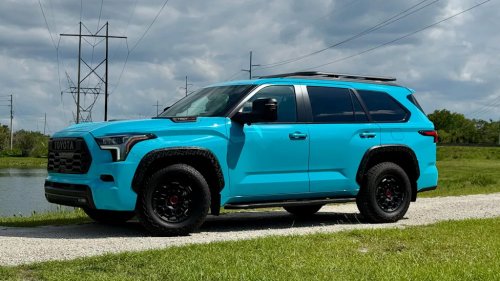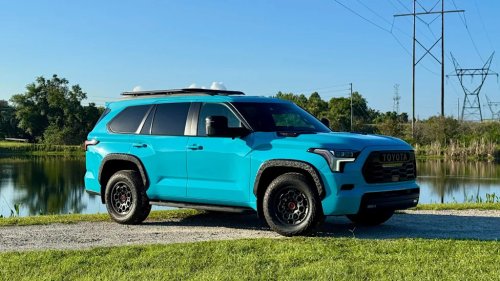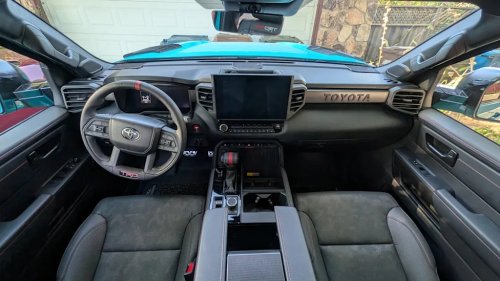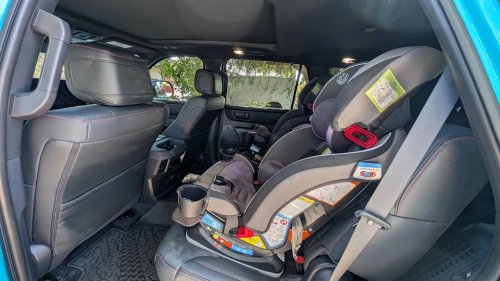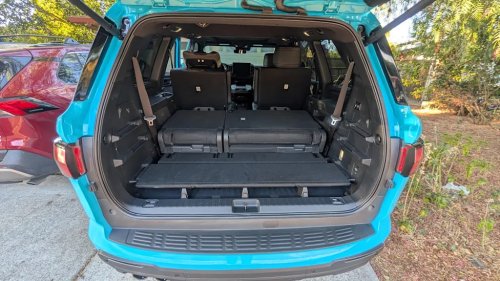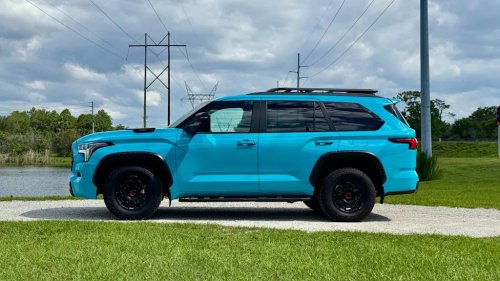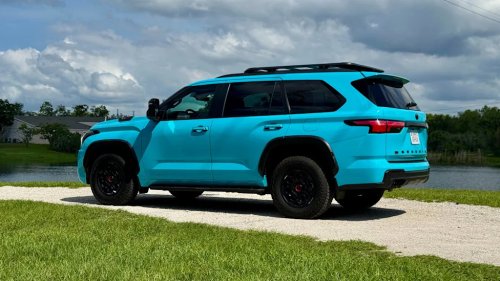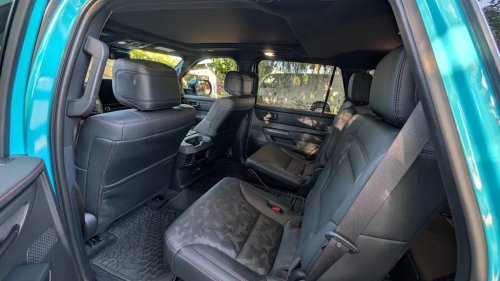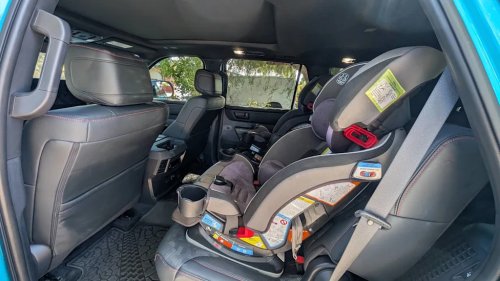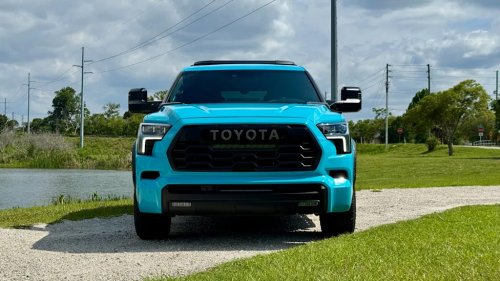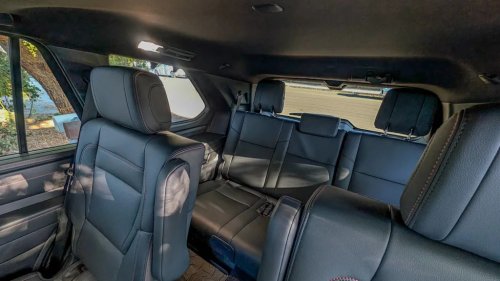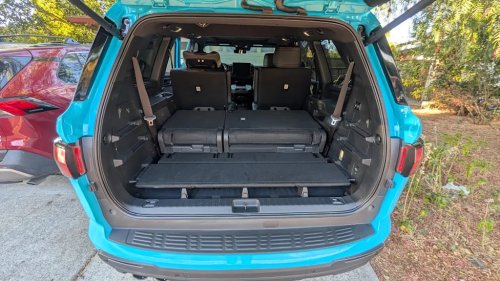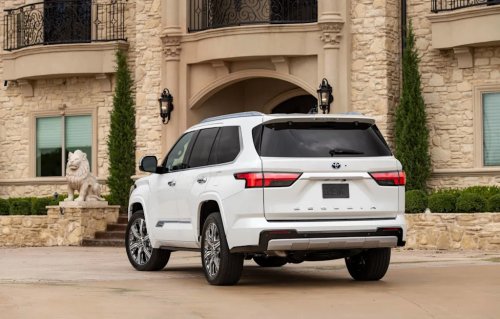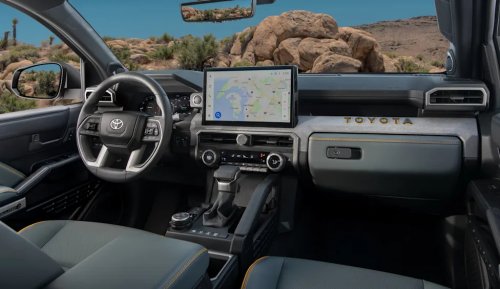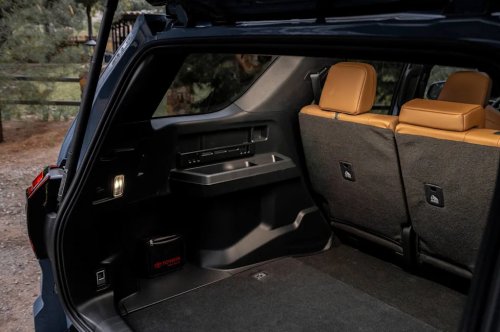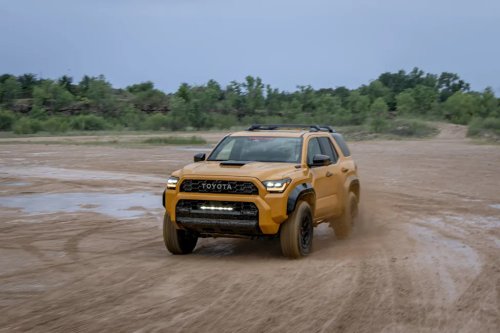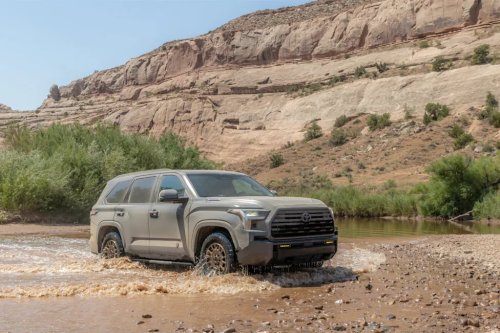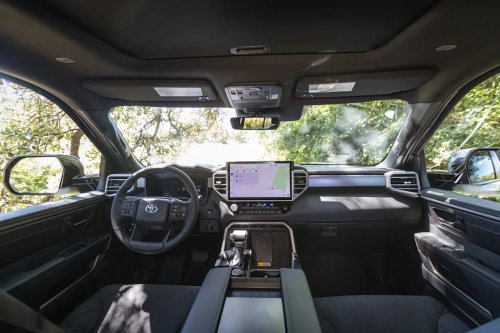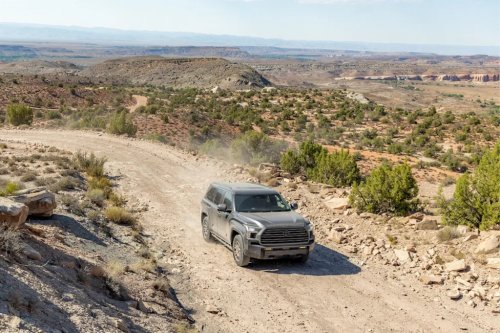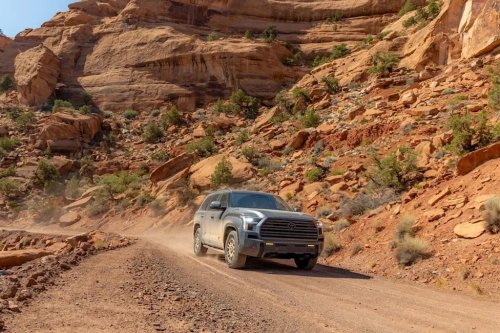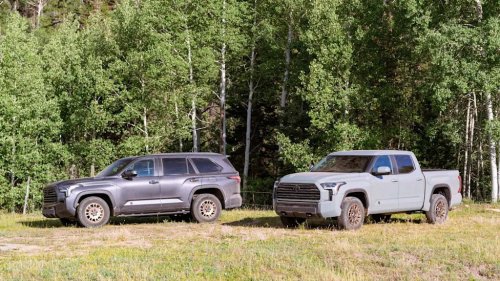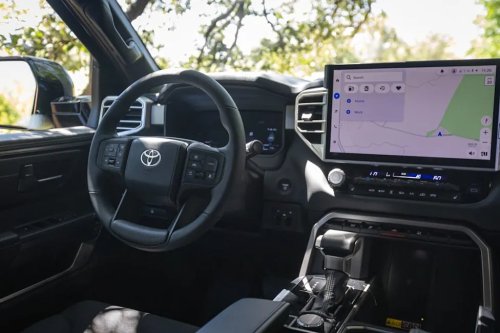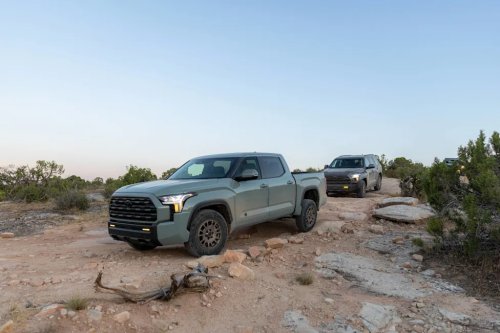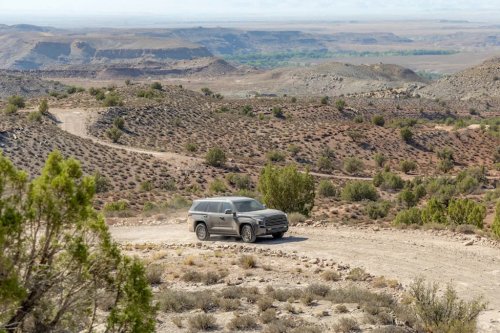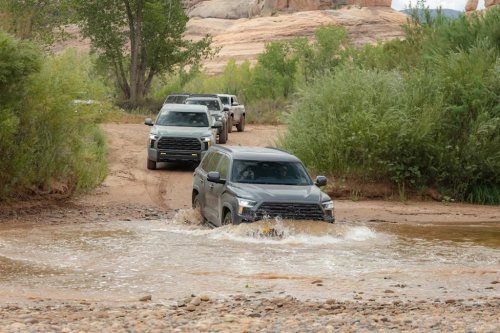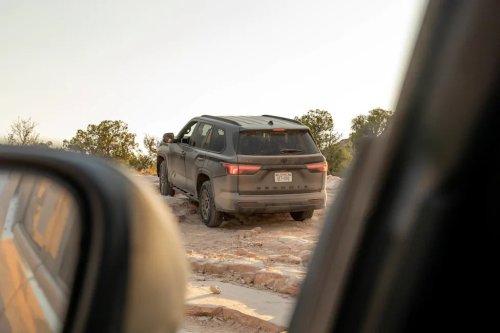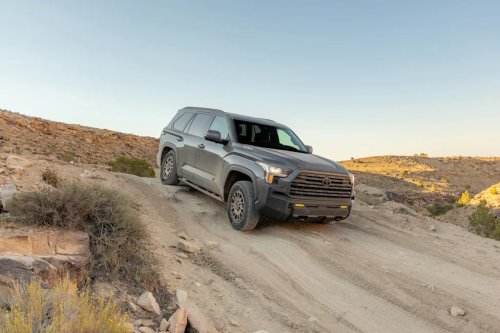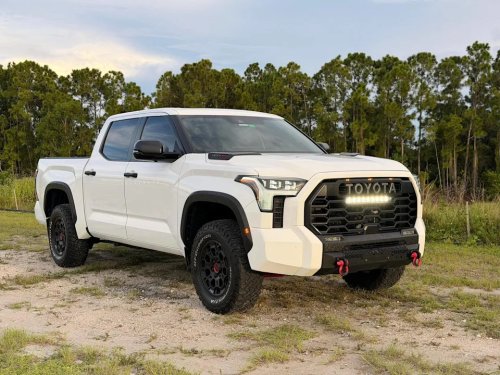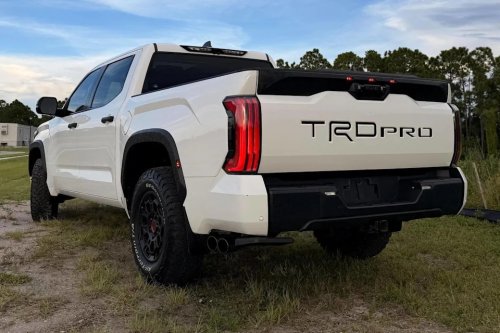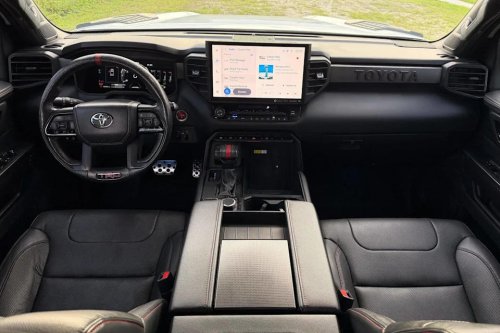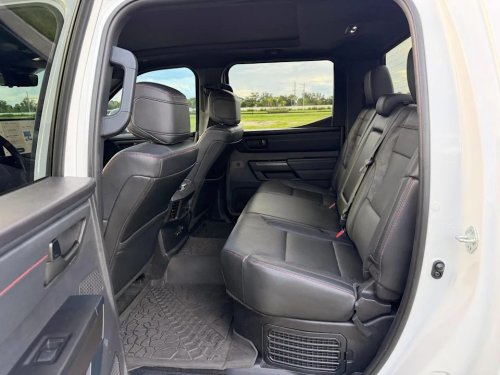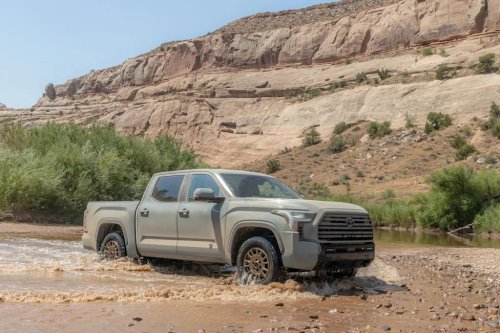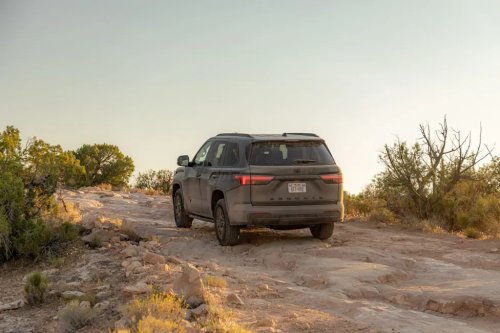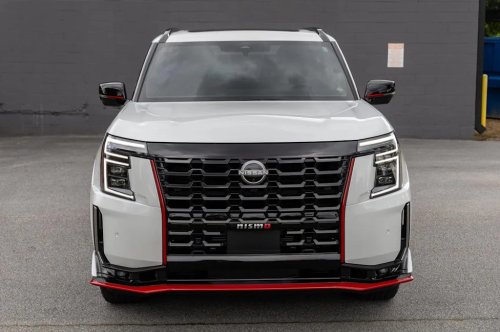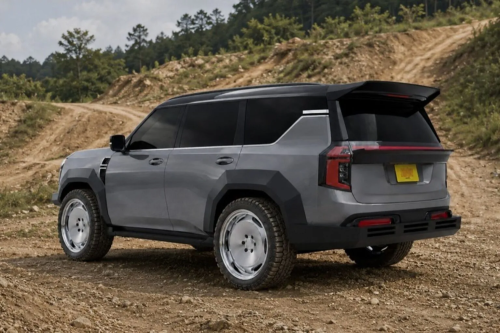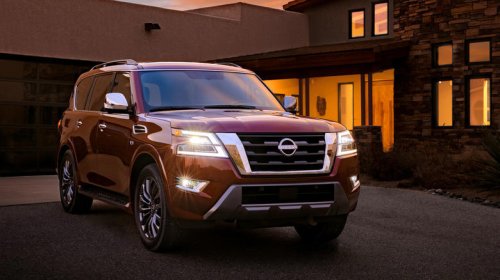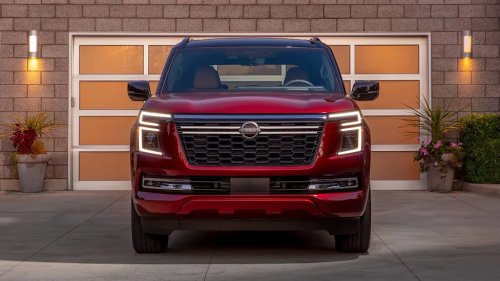
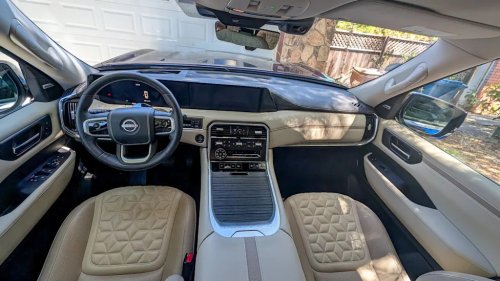
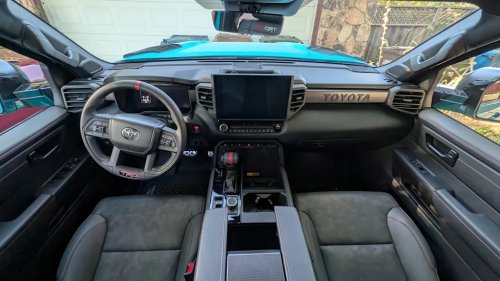
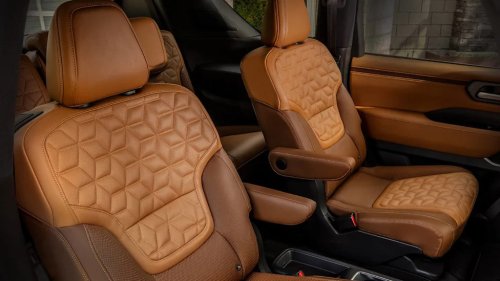
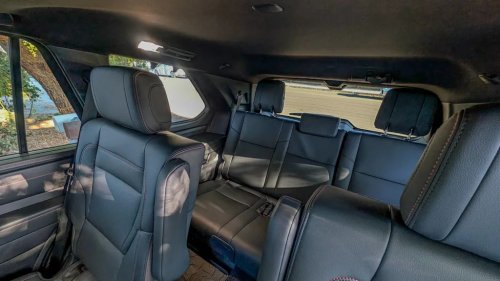
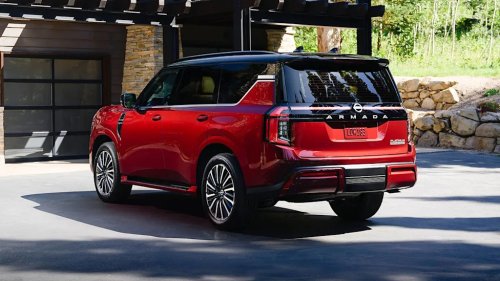
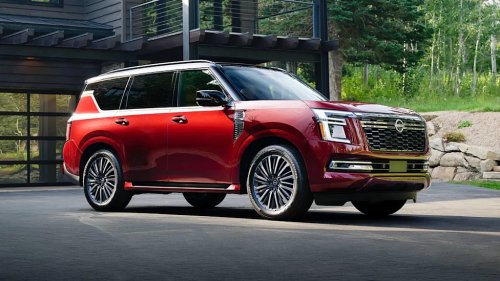
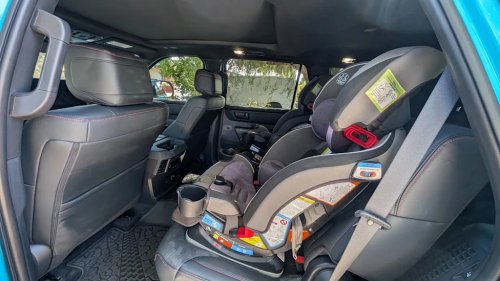
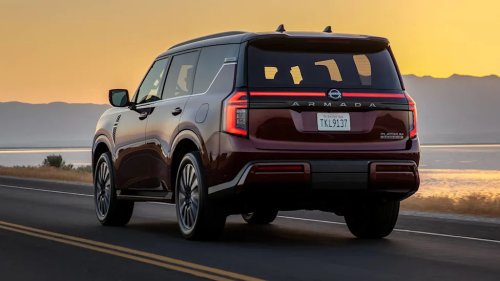
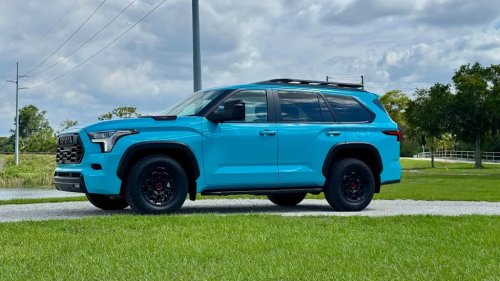



















Autoblog and Yahoo may earn commission from links in this article.For over two decades, the Toyota Sequoia and Nissan Armada have served as the Japanese titans of the American full-size SUV market. When both landed in the early 2000s, they brought heavy-duty, truck-based platforms and naturally aspirated V8s (RIP) to a segment long dominated by the Detroit Three. For years, they were the elder statesmen of the class—rugged, thirsty, and soldiering on with ancient tech while crossovers took over the suburbs. Fast forward to today, and both nameplates have undergone massive, modern reinventions. View the 2 images of this gallery on the original articleAdvertisementAdvertisementBoth have ditched the old V8s for high-output twin-turbo V6 powerplants (though the Sequoia is now a "hybrid"—more on that later), loaded up on massive digital displays, and pushed top-tier trims well past the $80K mark. Yet despite walking into the modern era side-by-side, they've taken radically different paths to win over the 3-row SUV crowd: the Sequoia TRD Pro leans into uncompromising, trail-ready brawn, while the Armada Platinum Reserve aims straight for executive-level family luxury. So, which is the one I'd pick for my family? My conclusion was a bit harder to come to than I thought it would. Let's discuss.Related: Road Ethos Launches: The New Automotive Lifestyle Site You Should ReadInterior quality and technology: Nissan wins on styleStepping inside both SUVs makes it obvious that each brand is following a completely different philosophy. The Nissan Armada Platinum Reserve leans heavily into borderline luxury: the materials are tremendously upscale, with rich white quilted leather, and amenities like front massaging seats make long highway stints more relaxing. The Sequoia TRD Pro, on the other hand, embraces a rugged, tactical vibe with durable SofTex upholstery, technical camo inserts, and chunky, glove-friendly controls. It's mostly black, but a fun camo print is strewn across the seats, and the all-weather floor mats had raised patterns that resembled muddy tire tracks. Both are functional, but the Nissan's interior design and layout made it feel oh-so premium.Kristen BrownOn the software and screen front, Toyota's 14-inch Toyota Audio Multimedia (MMS) system is clean, fast, and intuitive, giving you easy access to off-road cameras and wireless smartphone mirroring. But Nissan's dual-screen Monolith display setup with Google built-in is exceptionally slick—and its Invisible Hood View is a standout feature. By stitching together forward camera angles to make the front end "see-through," the Armada lets you spot wheel placement over steep curbs in tight pickup lanes or rocks on a trail with unmatched confidence. The Armada is so large my landlord could charge rent for its space in the driveway, but that feature made it so much easier to maneuver and park in tight spaces.Kristen BrownFor passengers, both were incredibly cozy for my family, with large windows, built-in sunshades, and a large sunroof. It was easy to install car seats into both sets of captain's chairs, with readily visible lower LATCH points and easy-to-access top tether points. To me, I could tell that whoever engineered both SUVs had kids. Second and third row space and accommodations: both are great, but the Toyota winsWhen it comes to passenger space, the tape measure reveals two very different approaches to third-row packaging. Up in the second row, both full-size SUVs are neck-and-neck, each delivering a generous 39.2 inches of legroom that easily accommodates bulky rear-facing car seats and tall passengers alike. The third row is where the Toyota shines, though. The Nissan Armada provides a fixed 32.9 inches of third-row legroom. Because it lacks a hybrid battery eating into the floor, the Armada offers a much more natural seating position with a proper footwell and comfortable under-thigh support. Each SUV offered dedicated A/C vents in the third row, USB-C charging ports, individual cupholders, and a large porthole window.NissanThe Toyota Sequoia TRD Pro, though, counters its lack of sliding second-row chairs with a clever sliding third-row seat on a six-inch track, giving you a dynamic range of 28.1 to 33.7 inches of legroom. Slid all the way back, it actually edges out the Armada with 33.7 inches of stretch-out space—though the raised floor forces a slightly knees-up seating posture. Slid fully forward to 28.1 inches, it pinches legroom to reclaim crucial trunk space.Kristen BrownAdvertisementAdvertisementBeyond the raw numbers, the power-folding seat mechanisms revealed a crucial difference in family-first electronic safety logic. In the Armada, having seats mounted on rails adds welcome flexibility, but its power-folding system presented a frustrating quirk: the seat continued to motor down even as my 190-pound husband was sitting in it, refusing to stop until the button was physically released. The Sequoia TRD Pro, by contrast, proved far smarter. When its power-folding seat met resistance—in this case, pushing against a headrest that fell on the cushion—it immediately halted operation and sounded a warning chime. While the Sequoia's third row still grapples with an awkward, tiered cargo shelf caused by the hybrid battery, its sliding flexibility and built-in pinch-prevention sensors offer peace of mind when kids and gear are constantly shuffling in the back.Related: 2026 Toyota 4Runner VS. Sequoia: Is the Bigger SUV Worth $23K More?Power and mileage: the Nissan wins—but barelyBoth full-size rigs have ditched the old-school naturally aspirated V8s in favor of muscular twin-turbo V6 engines. The Toyota produces a combined horsepower figure of 437 horsepower and 583 lb-ft of torque, while the Nissan generates 425 horsepower and 516 lb-ft of torque. Both deliver effortless passing power and boast heavy-duty maximum tow ratings (around 8,500 lbs for the Armada and over 9,000 lbs for the Sequoia). Where things get amusing is at the fuel pump. On paper, the Sequoia's i-FORCE MAX hybrid system is supposed to deliver some efficiency gains over traditional gas powertrains. In reality, neither is easy on gas, but the non-hybrid Nissan proved more efficient. I averaged about 18 MPG compared to the Sequoia TRD Pro's thirstier 16 MPG average.Pricing: the Nissan winsNeither of these range-topping haulers comes cheap, with both knocking on the door of the $80,000 to $90,000 mark once options, accessories, and destination fees are factored in. Since they're fairly similar in price, choosing between them ultimately boils down to what you need more: a plush family hauler or an uncompromising off-roader. Because both rigs come equipped with stout body-on-frame platforms, robust 4WD systems, and two-speed transfer cases, both are plenty capable of handling bad weather and backcountry roads.NissanBut their day-to-day sweet spots couldn't be more distinct. If your life is rooted firmly in the suburbs—navigating daily school drop-offs, grocery runs, and long highway road trips—the Armada Platinum Reserve is an easy choice thanks to its supple ride and executive-level comfort. But if you need something truly rugged to tackle rocky trailheads, haul heavy toys over steep grades, and take a beating in the mud, nothing quite touches the hardware and capability baked into the Sequoia TRD Pro.AdvertisementAdvertisementRelated: The 2026 Nissan Armada Platinum Reserve Is a Nearly Perfect Family Car, With One Unfortunate FlawFamily-friendliness: it's a tieWhen looking strictly at everyday parenting logistics, the two SUVs are practically even. Both do an excellent job keeping second- and third-row passengers comfortable with dedicated ceiling- and pillar-mounted air vents, separate digital climate controls, and integrated rear sunshades to block midday glare. They are equally well-stocked with the modern parent essentials: fast-charging USB-C ports are generously sprinkled throughout all three rows so devices stay alive on road trips, and there are more than enough deep cup holders and oversized door pockets to swallow juice boxes, massive water bottles, and loose kid clutter. Kristen BrownWhether you're running a cross-town carpool or embarking on a cross-country vacation, both vehicles ensure that everyone in the back stays charged, cooled, and thoroughly accommodated. However, I got the impression that the Nissan Armada was specifically designed around space, utility, and comfort, while the most prominent mission for the Toyota was capability. The Toyota can do it, but you can tell it's not the mission it's set to accomplish. It's an off-roader first, and a family-hauler second, while for the Nissan, it's reversed. But that can be due to the trim of the Sequoia I tested, too. I'd have to revisit that once I test a Capstone or Limited trim.Off-road readiness: both are capable, but the TRD Pro trim is tough to beatWhile the Armada Platinum Reserve is more than capable of handling snowy highways, rutted gravel fire roads, and basic campsite trails thanks to its full-time 4WD system and terrain modes, the Sequoia TRD Pro is engineered for a completely different tier of punishment. It doesn't just look the part. The company tacked on serious, factory-backed trail armor and hardware that transforms this full-size SUV into a truck that can tackle Moab right off the lot.Underneath, the TRD Pro ditches standard road dampers for a dedicated set of 2.5-inch FOX internal bypass coil-overs up front and remote-reservoir shocks in the rear. Paired with a 1.1-inch factory front leveling lift, it delivers 9.1 inches of ground clearance and a plush, bottom-out-resistant ride over harsh washboard tracks and rocky terrain. It rides on 18-inch matte-black forged BBS wheels wrapped in 33-inch Falken Wildpeak all-terrain tires, giving it substantial sidewall cushion and excellent grip.Jared Rosenholtz/AutoblogWhen trails get technical, the Sequoia's true truck pedigree shines. It features a selectable part-time 4WD system with a true low-range transfer case and an electronically locking rear differential—a critical feature missing on the luxury-focused Armada. Backed by a 1/4-inch thick aluminum front skid plate, Multi-Terrain Select (MTS), and Crawl Control, the Sequoia walks up loose scree and rocky steps with ease. Add in the integrated front LED light bar built directly into the heritage TOYOTA grille, and the Sequoia TRD Pro feels less like a compromised three-row family hauler and more like an overlanding rig built to take a beating straight off the showroom floor.AdvertisementAdvertisementRelated: I Drove Toyota's Most Expensive Vehicle. Is the 2026 Sequoia Capstone Worth $90 Grand?Final thoughtsBoth of these full-size SUVs bring tremendous capability to the table, but they shine in very different ways. The Nissan Armada Platinum Reserve impresses with its near-luxury refinement, gorgeous screens, plush seating, and floaty ride. My family and I loved running errands in the Nissan. And the interior made it feel so much more expensive than it really was.However, the Toyota Sequoia TRD Pro earns huge praise for clever utility: its sliding third-row versatility, the remarkably sturdy 220-lb adjustable cargo shelf, and crucial safety details—like rear power-seat obstruction sensors and alarms—make it an exceptionally well-thought-out tool for families who truly use their truck for truck duties. Out of the two, I'd pick the Toyota every time—but mostly because it could haul my Jeep and my kids to visit my family in Moab, and then I can beat it up off-road, too.This story was originally published by Autoblog on Aug 31, 2026, where it first appeared in the Reviews section. Add Autoblog as a Preferred Source by clicking here.