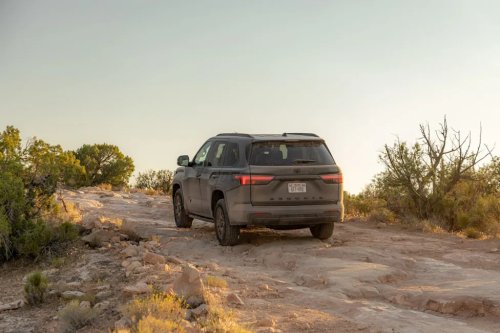
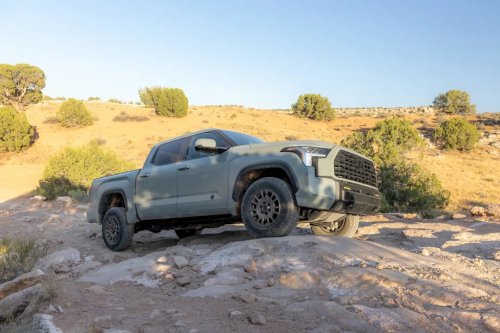
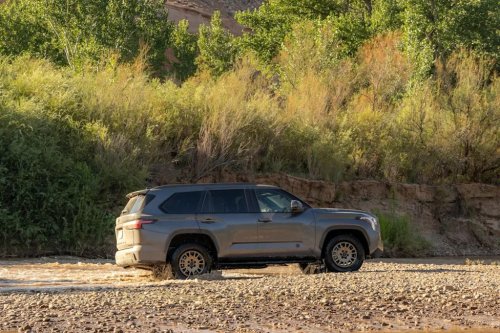
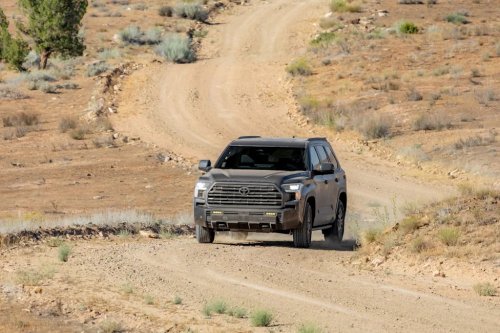
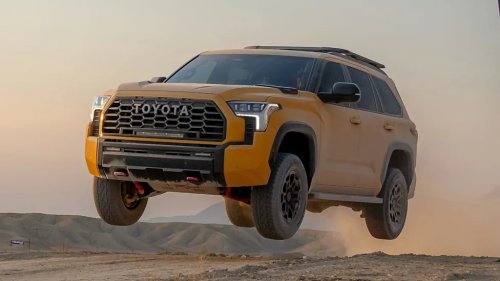
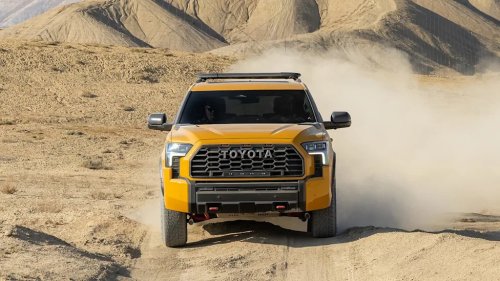
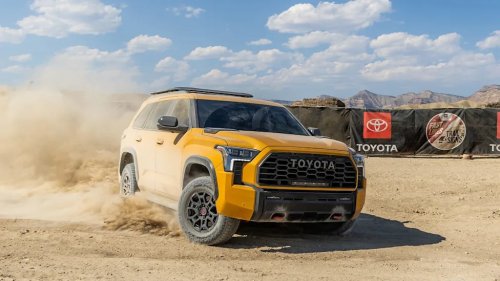
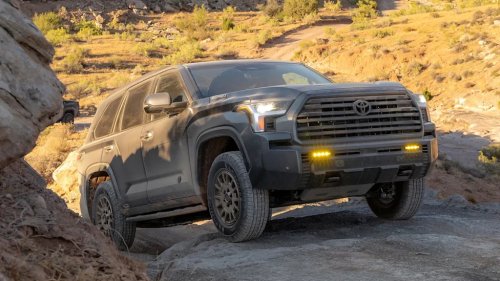
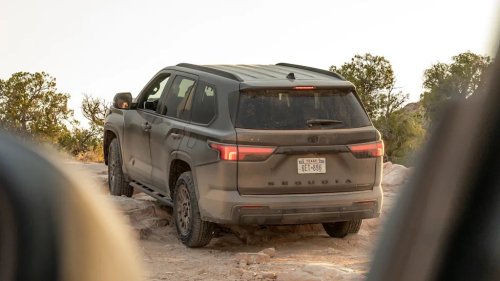
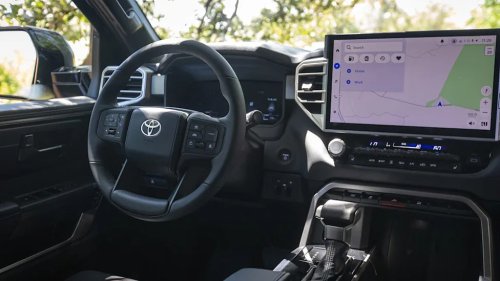
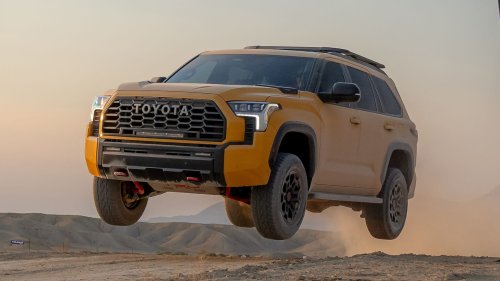
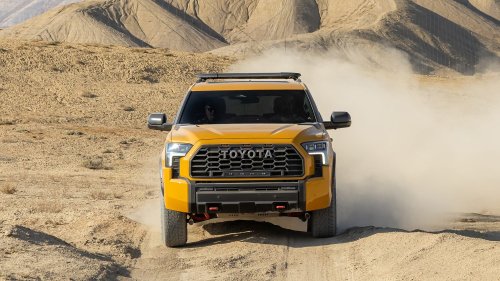
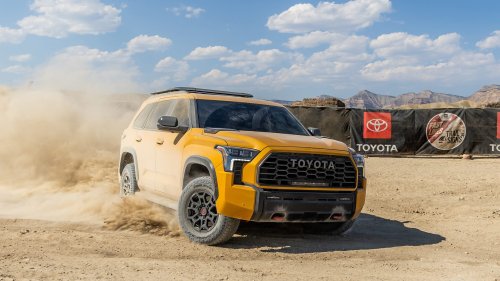
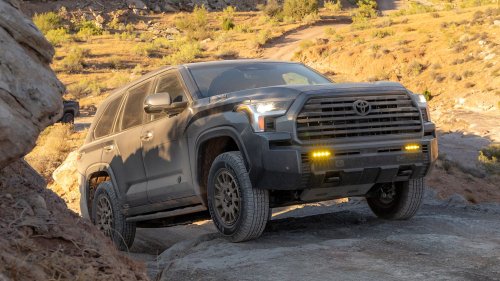
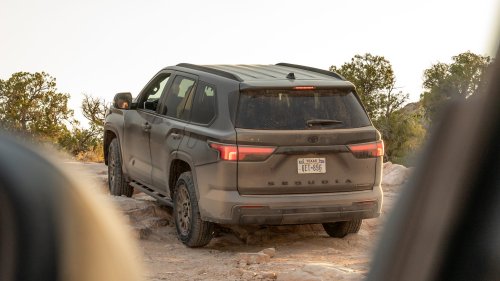
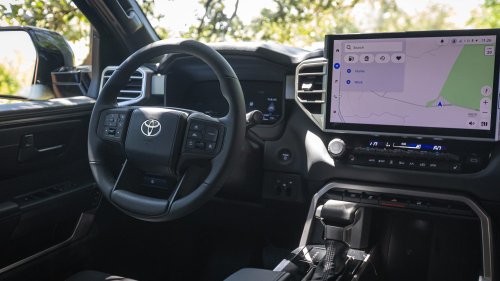
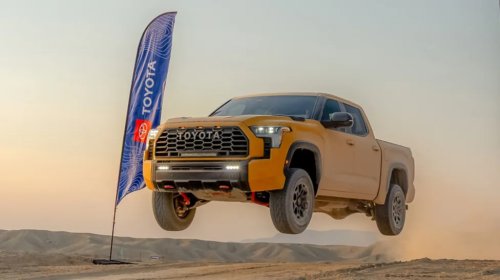
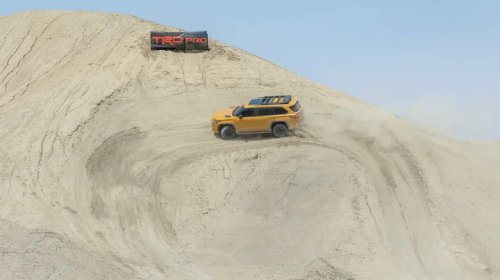
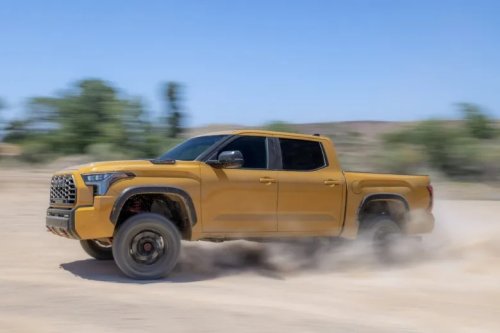
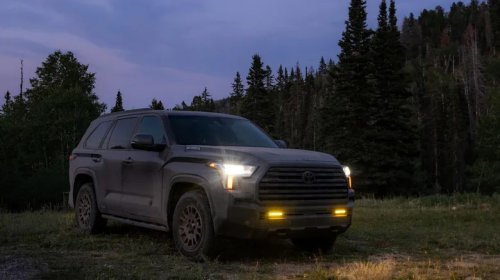
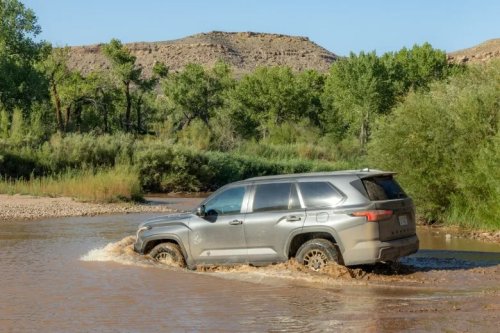
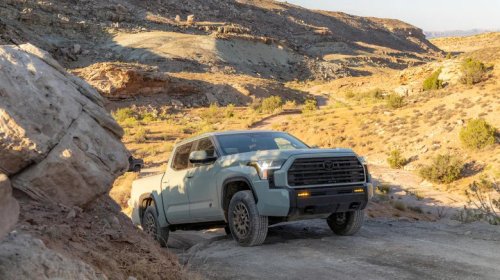
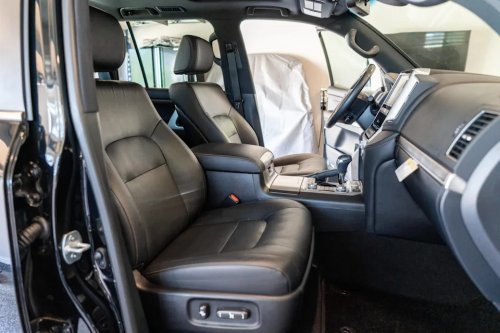
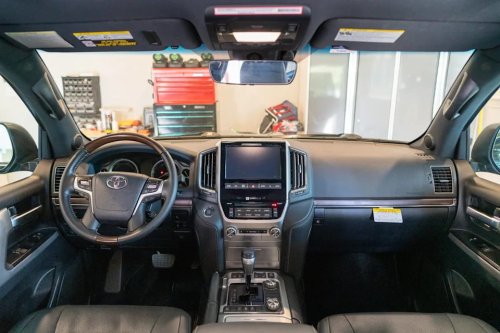
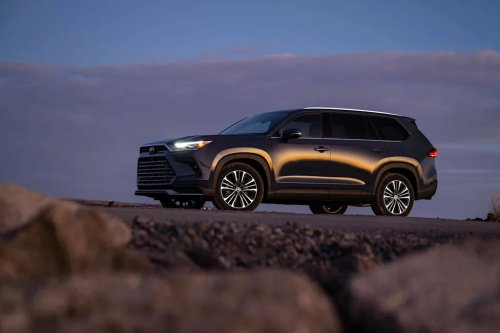
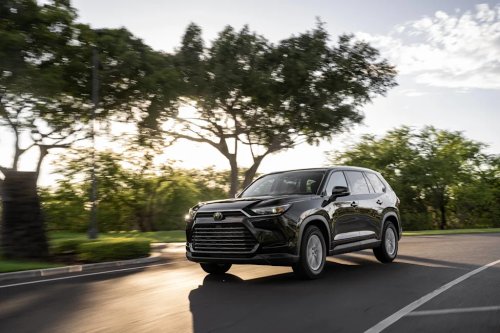
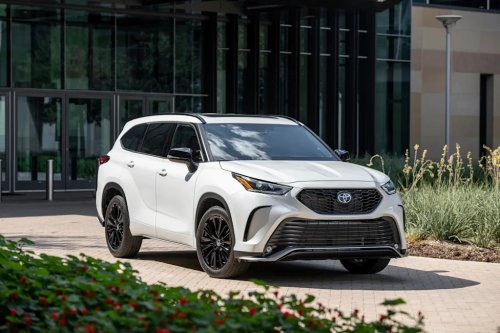
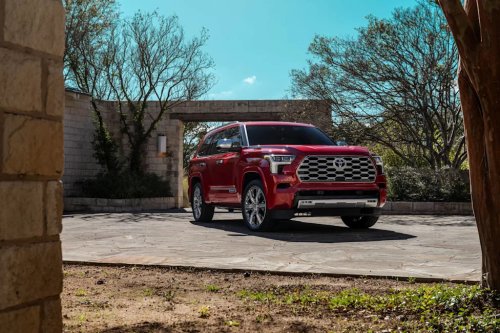
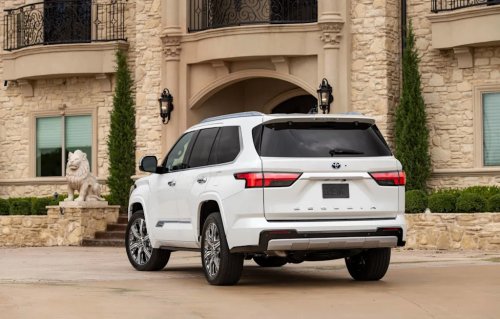
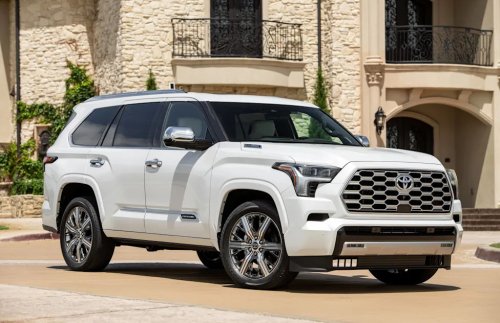
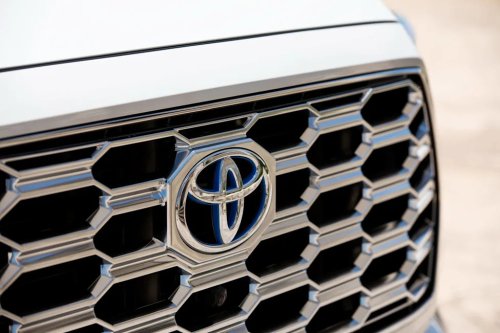
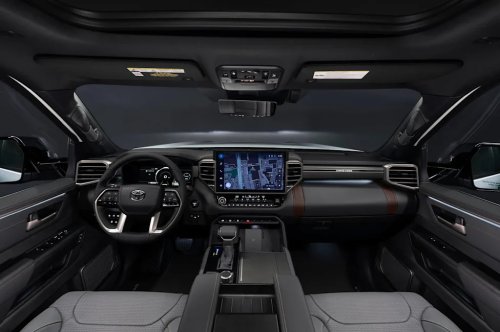
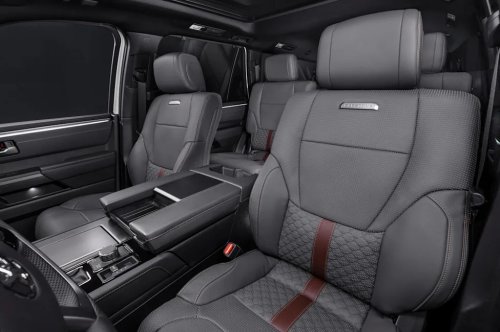
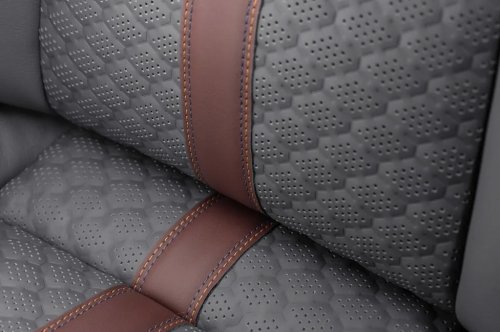
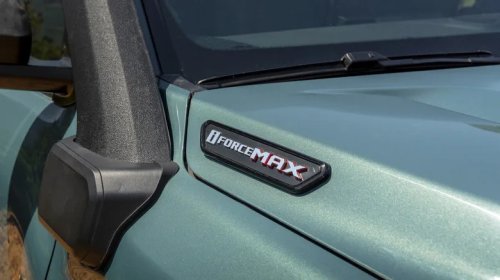
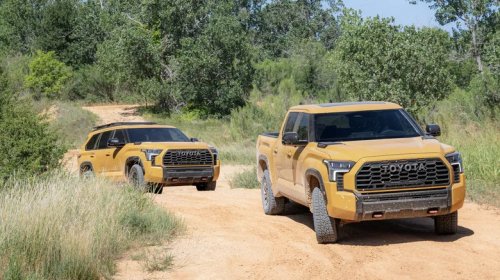
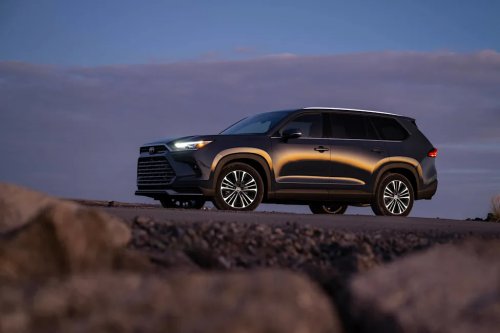
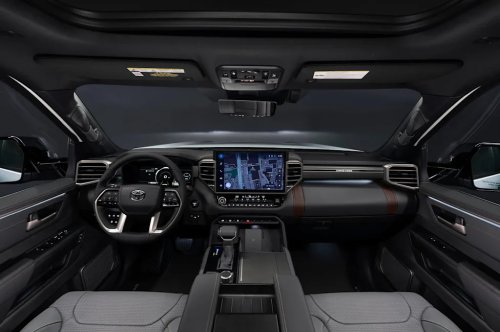
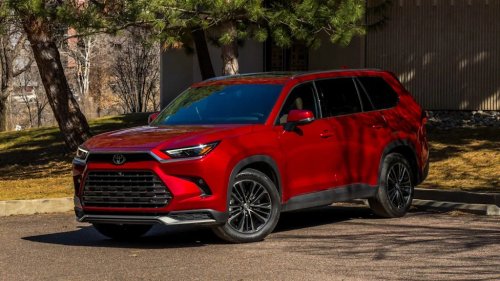
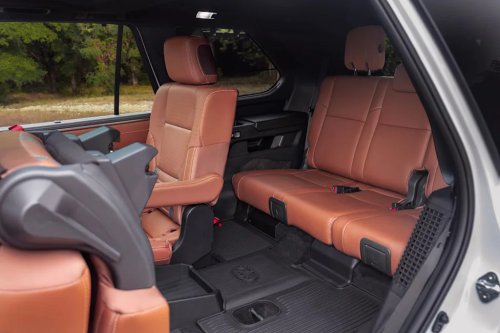
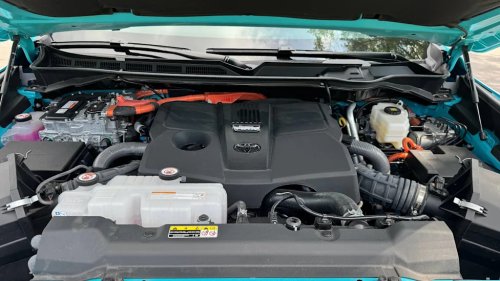
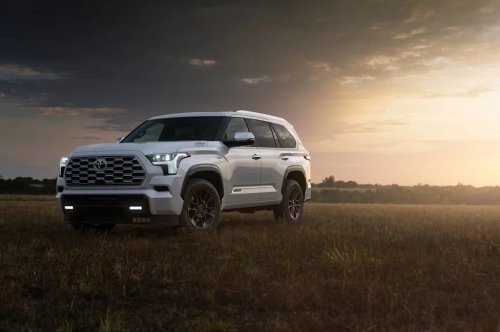
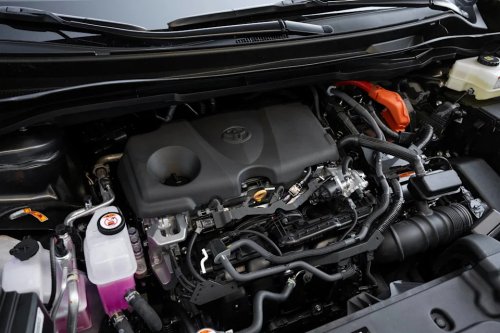
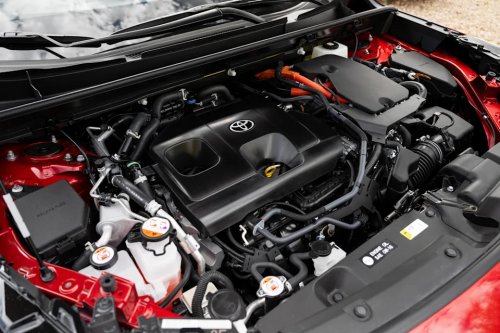
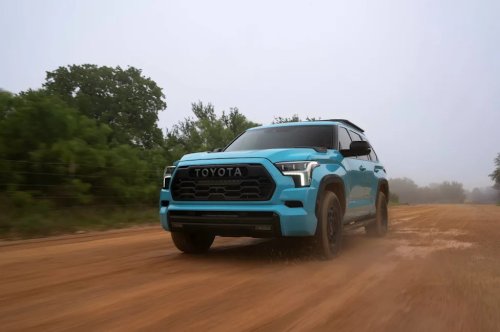
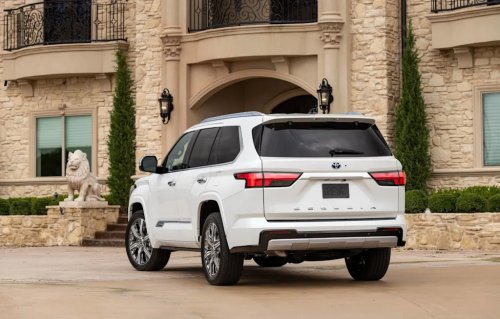
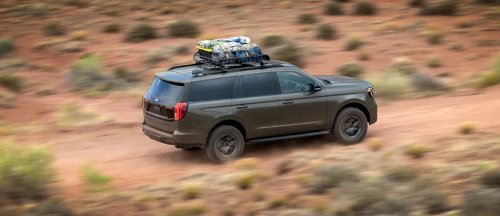
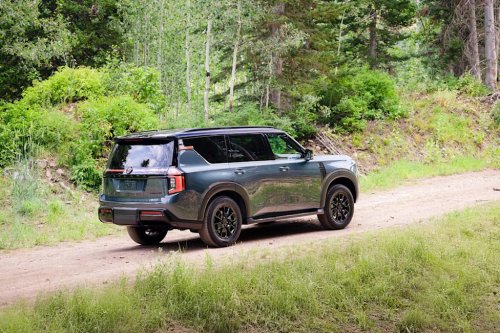
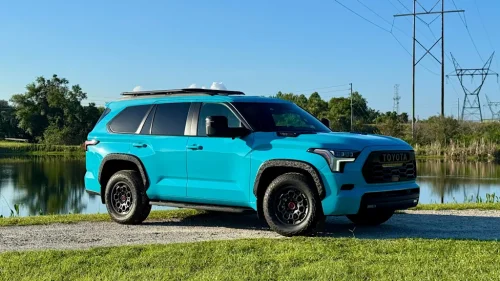
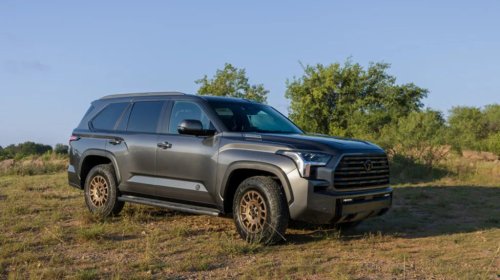
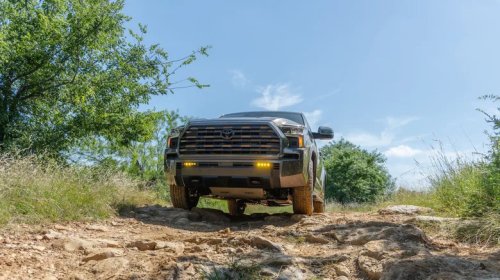
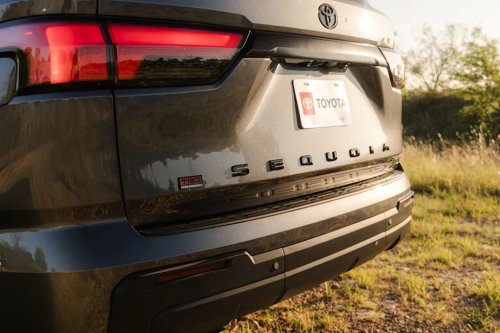
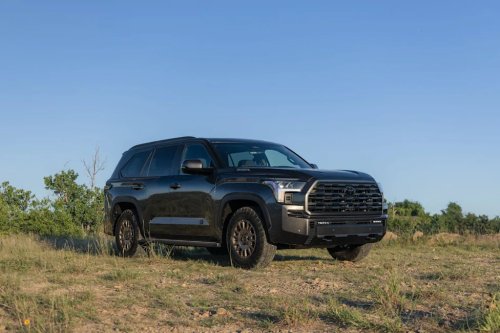
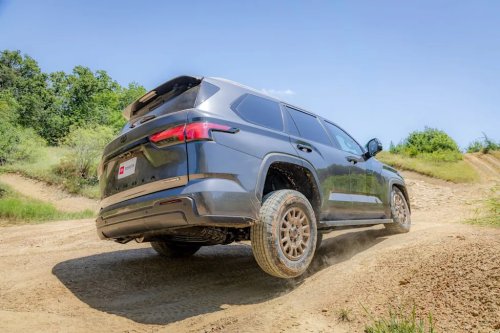
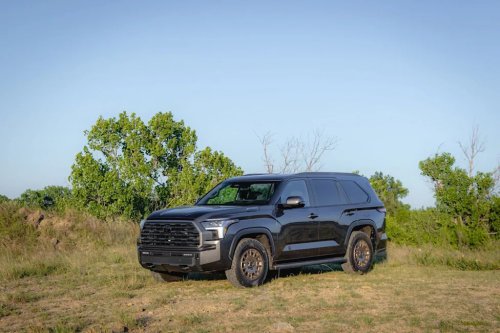
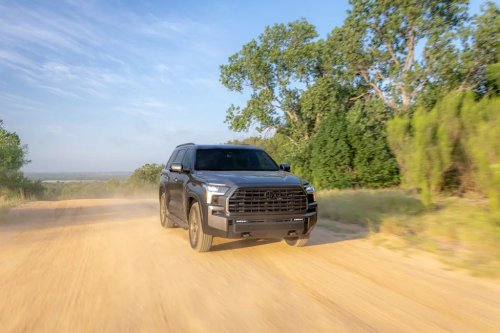
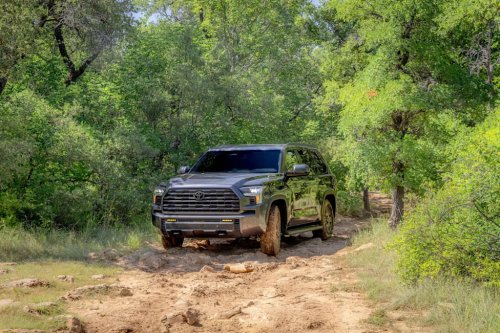
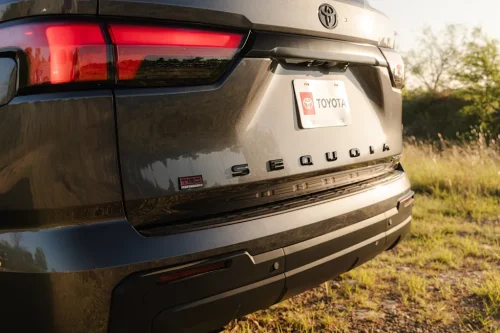
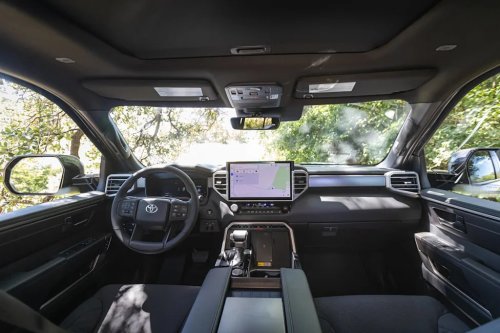
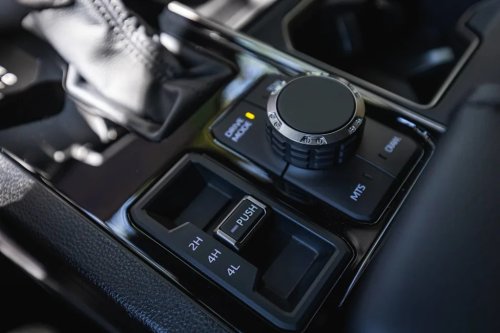
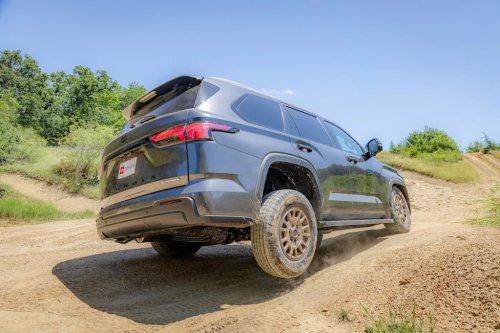
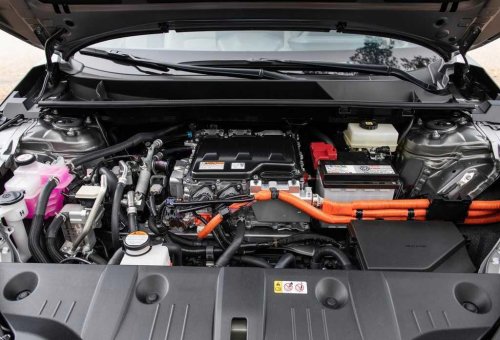
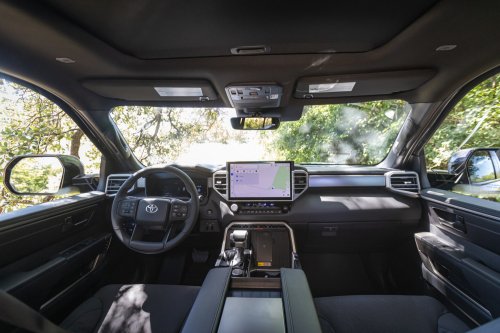
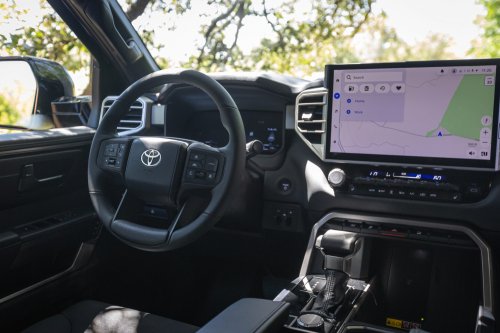
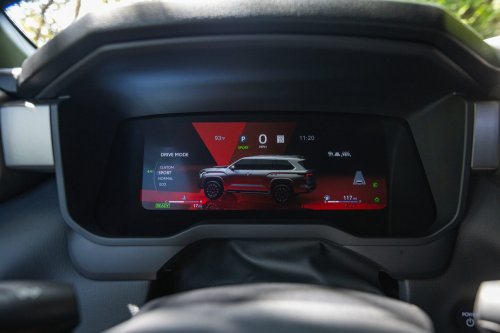
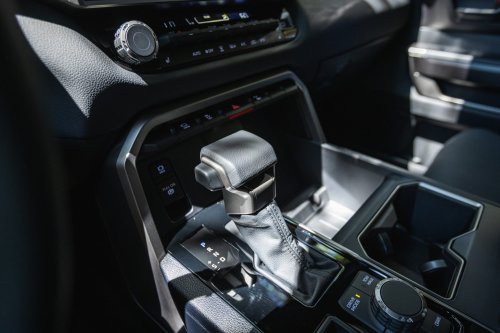
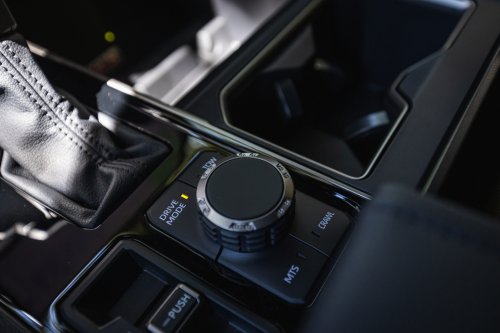
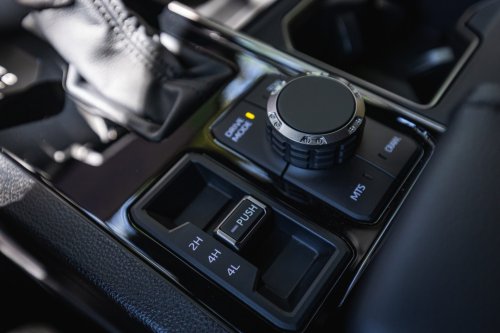
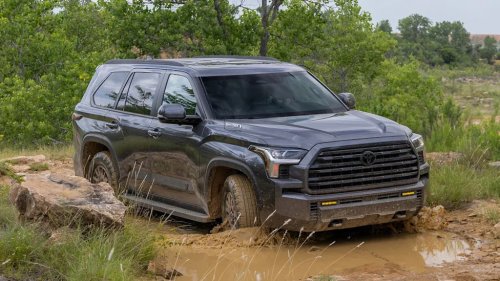
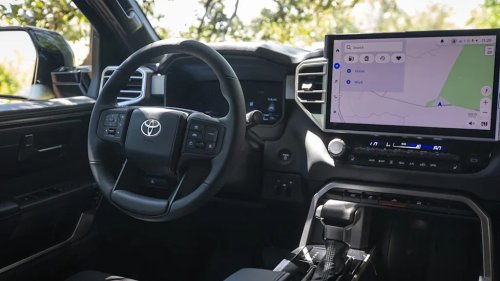
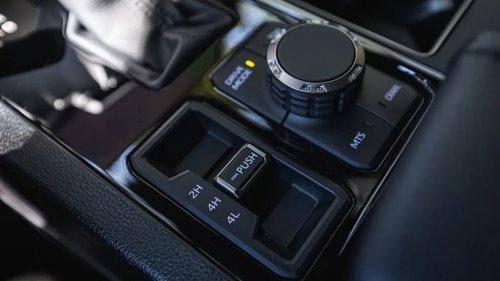
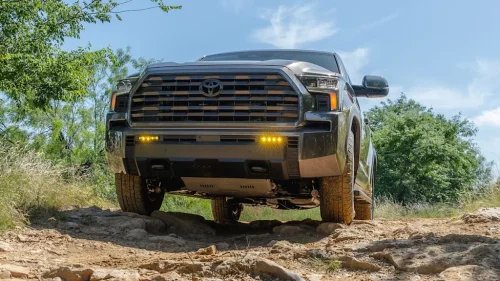
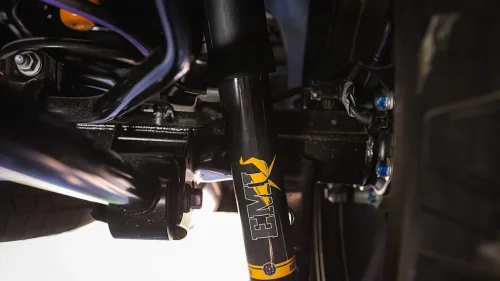
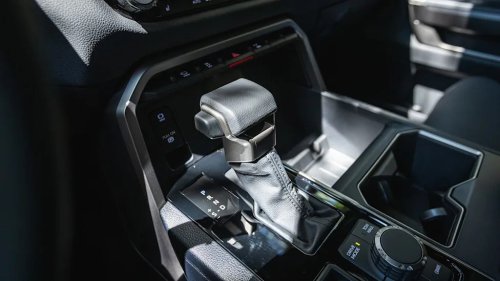
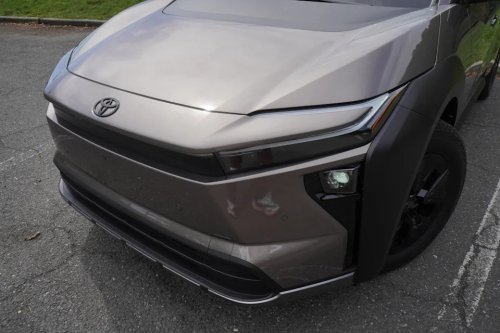
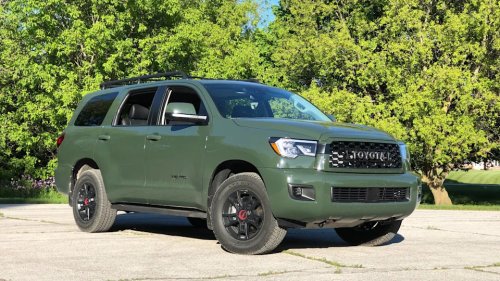
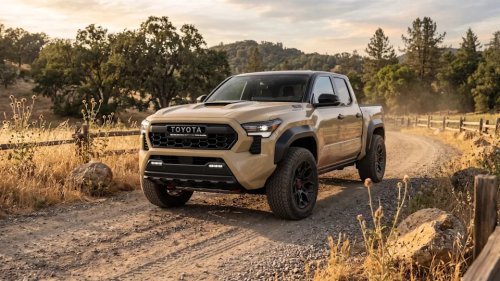
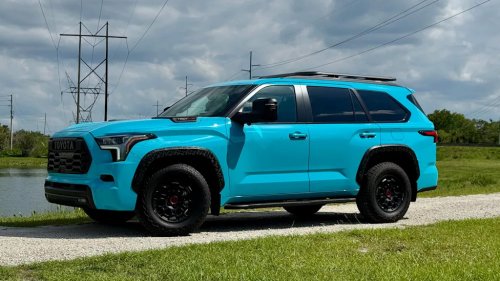
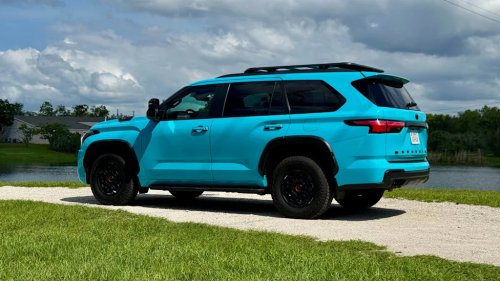
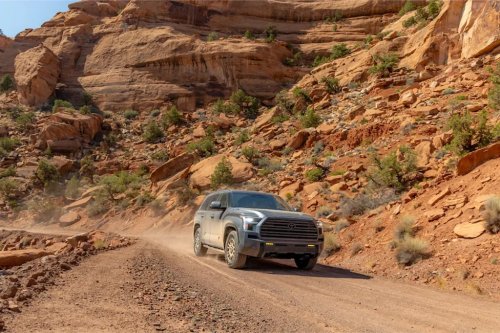
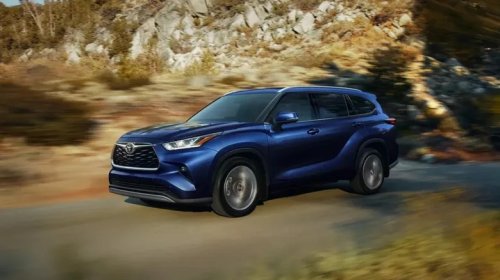
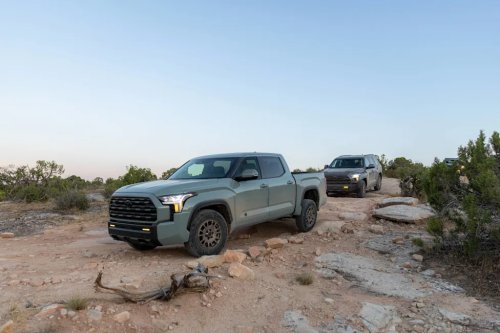
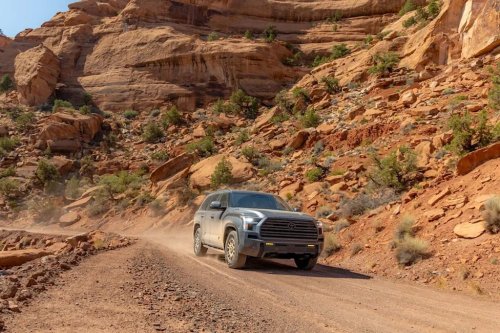
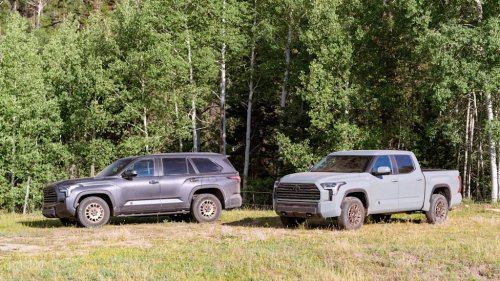
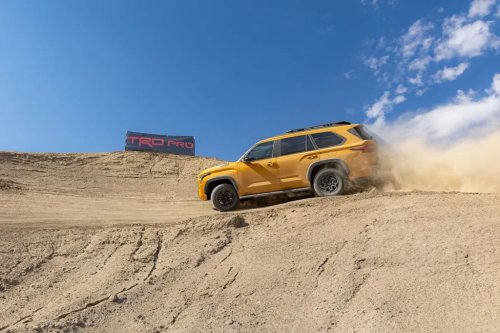
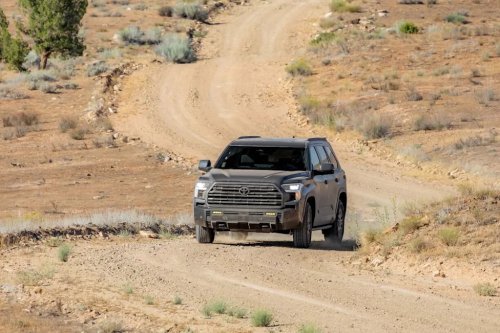
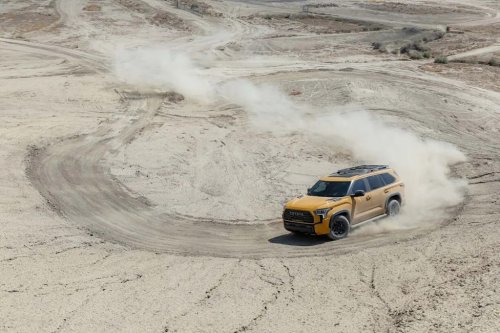
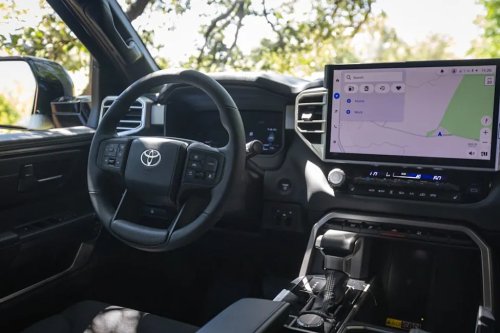
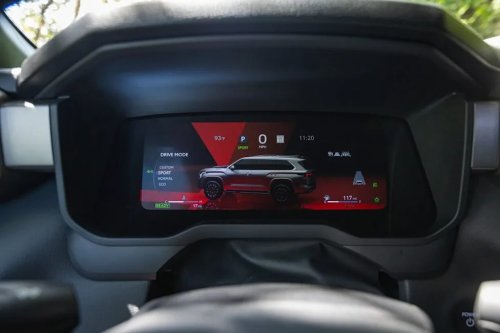
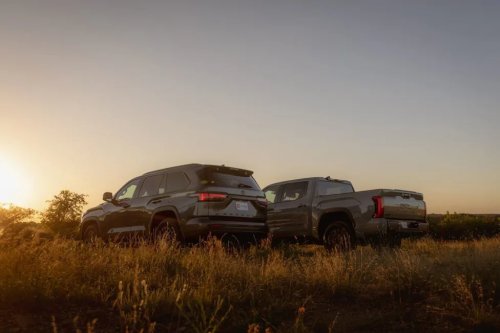
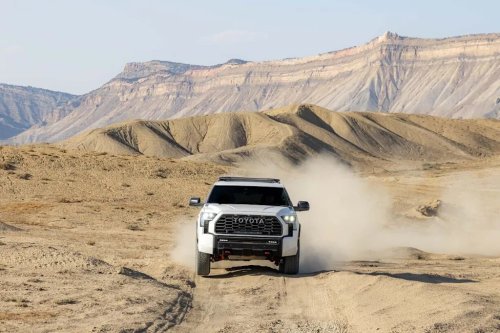
Image: ToyotaImage: ToyotaGrand Junction, Colo.-The full-size family SUV market is a notoriously cutthroat one.Allegiances last generations-almost as long as the trees that give Toyota's largest SUV its name. The 2027 Toyota Sequoia is the third generation of this large three-row SUV, arriving later this year as part of the model's mid-cycle facelift. The Japanese brand has been thorough, thoughtfully improving various aspects of the family hauler, from tech upgrades to a new package aimed at overlanders.2027 Toyota Sequoia Quick TakeStill comfortable yet compromised, the 2027 Toyota Sequoia is a satisfying update of the brand's largest family hauler. Nonetheless, it still comes up short against the established three-row, body-on-frame competition.Image: Kyle PatrickImage: Kyle PatrickWhat's New for 2027?Get ready for a whole lot of overlap with the 2027 Toyota Tundra, which we also drove at the same event.AdvertisementAdvertisementLike its bed-equipped buddy, the Sequoia sees no standard changes in the engine bay, keeping its hybrid 3.4-liter turbocharged V6 on all trims. Power remains 437 horsepower and 586 pound-feet of torque, with a 10-speed automatic handling shifting duty. There is an available performance package, which takes the horsepower rating to a stouter 466 hp.Along with some slight styling tweaks inside and out (more on those in a minute), there's a new Trailhunter package (not trim), larger standard infotainment screen, and an improved suite of safety assists.Image: ToyotaImage: ToyotaExterior Style:The Sequoia always had a cleaner front-end design than the Tundra, and for 2027 Toyota is recognizing that by largely copy-pasting it to the truck. The Tundra's faux intakes below the headlights are now on the SUV too, but the reshaped grille and bumper more than make up for that. The TRD Pro continues to roll on very cool BBS alloys framed by digital-camouflage fender flares, a look that separates the full-sizers from the smaller Tacoma and 4Runner. This year's special exterior hue is Honey Comb; the bus comparisons become even harder to shake for the Sequoia, but after a day's worth of playing in the sand, it looks good.AdvertisementAdvertisementMeanwhile, the Trailhunter builds off the proletariat SR5 trim, adding bronze wheels, light all-terrain tires, additional underbody protection, an uprated suspension, integrated tow hooks, and a smattering of the compass-based badge.Image: ToyotaImage: ToyotaPowertrain and Fuel Economy:Unlike the Tundra, the Sequoia sticks to only the hybrid version of Toyota's powerful i-Force Max V6. Judged purely by performance against the class, it remains one of the best options: smooth in delivery (and in its blending of combustion and electric power), effortlessly powerful, and decently efficient. It even sounds quite good, especially in TRD Pro form. The 10-speed auto is also excellent, responding well to on-demand shifts yet also happily selecting the right ratio for the job when left to its own devices. There is no jerky low-speed progress nor curious in-gear flat spots.However, powertrains don't exist in a bubble, so it's important to note the ongoing issues facing the 3.4L V6.Image: ToyotaImage: ToyotaHandling and Drivability:Toyota let us loose on a dedicated, multi-mile dirt track in the TRD Pro Sequoia (as well as the Tundra, 4Runner, and Tacoma). While the size and performance of the 4Runner makes it my personal fave of the quartet, it's the Sequoia that impresses most. This big beast can feel vague and under-damped on tarmac, but on the sand and silt it comes into its own, behaving like an overgrown WRX. Credit to the Fox QS3 shocks, borrowed from the mid-sizers but tuned for the added heft of the big boys. As the steering weights up nicely in the high-banked berms, the Sequoia can be positively chucked into corners, rolling towards the outside front tire as expected but allowing for remarkable tail-end agility. It's only once one catches the view of the third-row seats in the rearview that they're reminded this is a 208-inch behemoth. There is a noticeable difference between Multi-Terrain Select (MTS) drive modes too: the sand setting allows for the most wheelspin, useful on this surface.AdvertisementAdvertisementThe Trailhunter is far less brutal. On the road it's more vague, more willing to roll. It adopts an Old Man Emu suspension, but one without the remote reservoirs found on the 4Runner. This gives the Sequoia a useful amount of articulation once we find the trails, and its shorter overhangs compared to the Tundra give it more options for picking lines.Special mention for Crawl Control, which is essentially cruise control for off-roading. Not only does it handle descents (eliminating the previous Downhill Assist Control), but it will climb at a steady speed too. Top speed is limited to around 6 mph in 4LO, but for '27 the system also works with 4HI, with a top clip comfortably north of 20 mph. When the system does need to slow the big SUV down, it does so smoothly and without much noise.Ride Quality and Comfort:Surprise, surprise: the kit that makes the Sequoia TRD Pro such a laugh riot on the dirt track makes it a more comfortable rig on the roads there. There's a lot of tire noise, a trait that has dogged the Sequoia since this generation launched, but beyond that the experience is pleasant, considering the high-speed capability on offer.Just like the Tacoma and 4Runner, the Sequoia skips Toyota's IsoDynamic seats whereas its pickup sibling has them on the option list. While there isn't an official reason, we imagine the Sequoia's increased likelihood of carrying second-row passengers is the reason why. On that note, the second row is technically spacious but as ever lacks in seat adjustability. And the third row, while also reasonably spacious for adults, is cursed with an awkwardly low cushion height. Cargo space isn't exactly capacious either, given the size of the Sequoia.AdvertisementAdvertisementWe spend more time in regular driving situations in the Sequoia Trailhunter than in the TRD Pro. While it clearly isn't as comfortable on the road, the light all-terrain rubber still takes the sting out of larger surface irregularities, and the loose-limbed setup of the OME suspension ensures it takes most bumps in stride with ease. There is none of the pogoing we witnessed in the Tundra.Image: ToyotaImage: ToyotaInterior Style and Quality:As before, the Sequoia's cabin is essentially identical to the Tundra's. A quartet of vents punctuate the distinctly two-level dashboard design, with different trim pieces depending on, er, trim. A large center console with integrated armrests makes it easy to get comfortable, while still swallowing plenty of the bits and bobs of two days spent on the trail. We like the logic of the shifter, cupholder, and phone charger placement, ensuring a minimum of hand-on-hand accidents with the driver and front-seat passenger. Lots of grippy physical controls earn the Sequoia good usability points too, as well as the always-excellent multi-purpose dial that handles controls for the two-speed transfer case, drive modes, and MTS.With these being pre-production units, final judgement on material quality will have to wait. We suspect it will be similar to earlier models: good, but not at the level of the best from Chevy or GMC.Image: ToyotaImage: ToyotaTech and Safety:A 14.0-inch infotainment screen is now standard on all trims. Better than that, the infotainment system itself is now the new setup that debuted on the RAV4. It's a solid step forward for the brand, adding extra usability in the form of easy-to-understand menu cards without drowning the driver in a Netflix-style wave of Too Many Options. Swiping and prodding produces immediate results, and a useful easy-access menu lets folks access a smattering of favorites. As in the Tundra, Toyota's Drive Recorder is standard, providing owners with a credible alternative to fiddly aftermarket dashcams.AdvertisementAdvertisementTSS 4.0 includes the usual assists like an automated emergency braking system, full-range adaptive cruise control, lane-keep assist, road sign recognition, and Toyota's Proactive Drive Assist. The brand says they've all been tweaked to be smoother in operation, though given the nature of this first encounter, in 4LO crawling along trails, we didn't have much time to put that to the test.2027 toyota sequoia first drive review growing improvementsValue, Dollars, and Sense:Pricing details for the 2027 Sequoia lineup will arrive closer to its autumn production start. Expect a slight climb upward for the TRD Pro, which starts at $84,660 at the time of writing. The SR5 is the entry point of the current lineup at $67,920; we hope with the Trailhunter it can stay under $74,000.2027 toyota sequoia first drive review growing improvementsFinal Thoughts: 2027 Toyota Sequoia First Drive ReviewFrom behind the wheel, the 2027 Toyota Sequoia remains an impressive rig, in either Trailhunter or TRD Pro guise at any rate. It's comfortable, logical, and blessed with an easy-to-like powertrain. The updates only broaden its appeal. Nonetheless, as a three-row SUV with the worst way-back in the segment and a small cargo hold, the latest Sequoia may struggle to convince buyers to jump ship from any of the competitors.Become an AutoGuide insider. Get the latest from the automotive world first by subscribing to our newsletter here.AdvertisementAdvertisement:Pros:Cons:Addictive powerSilly thirstSuper capable off-roadSilly sizeSurprisingly comfortable on-roadSilly price















 +14 others