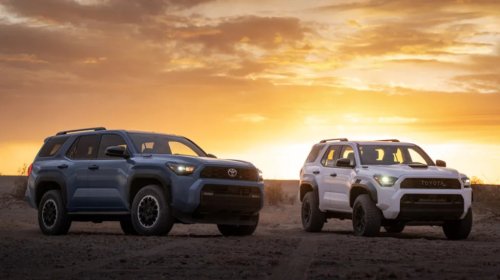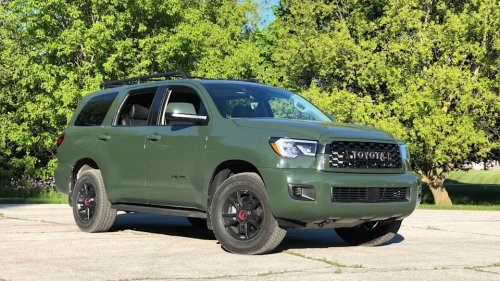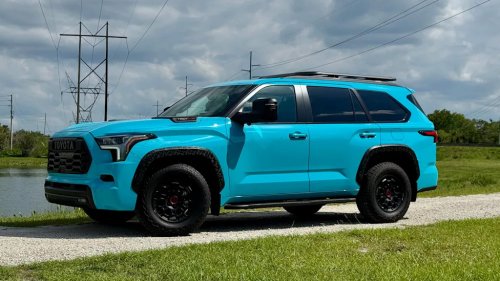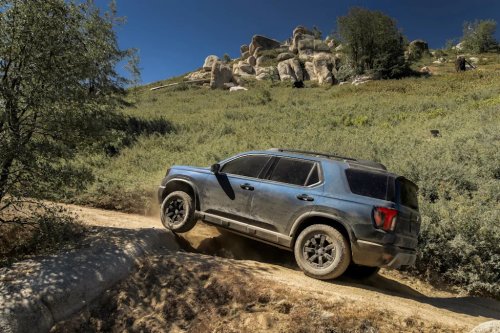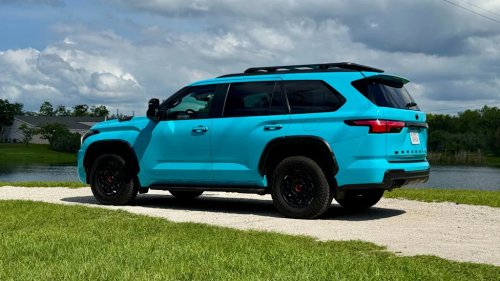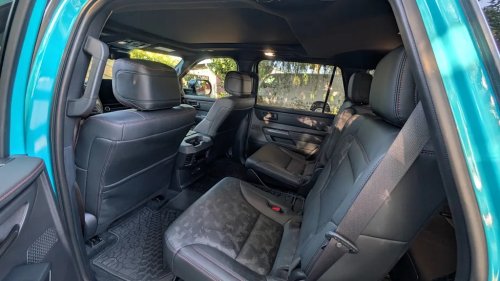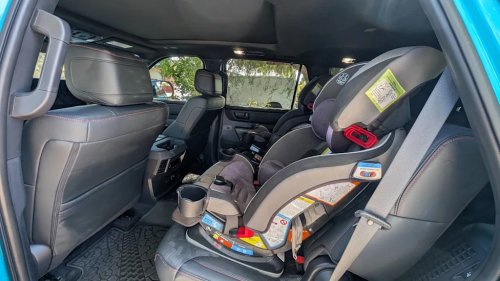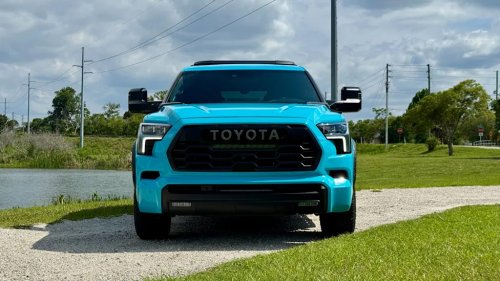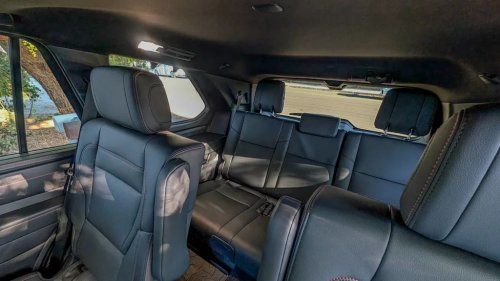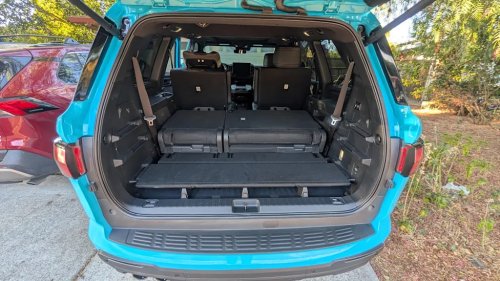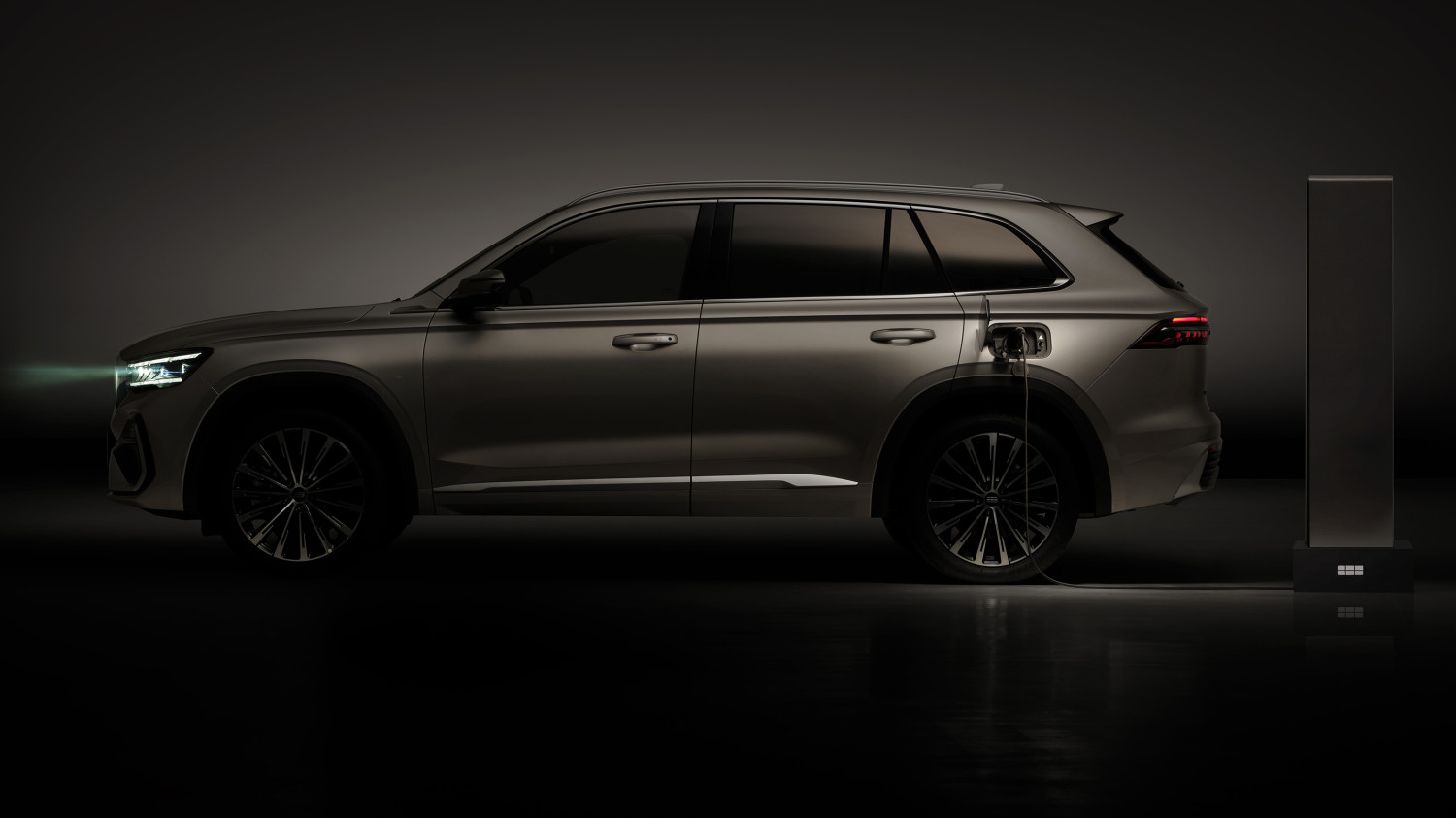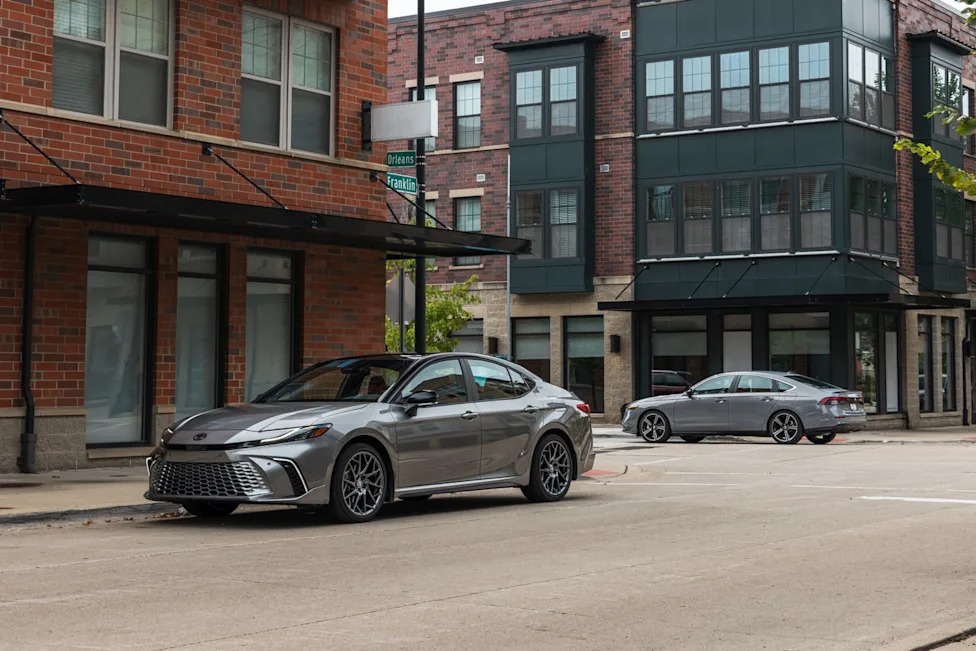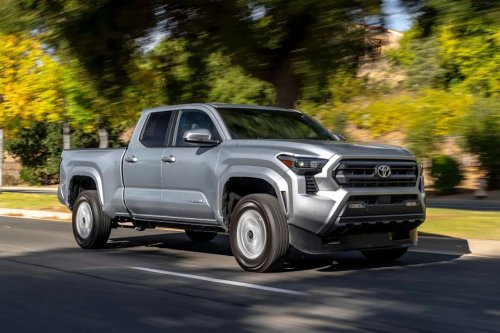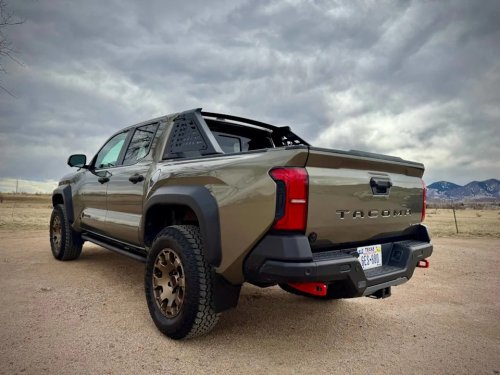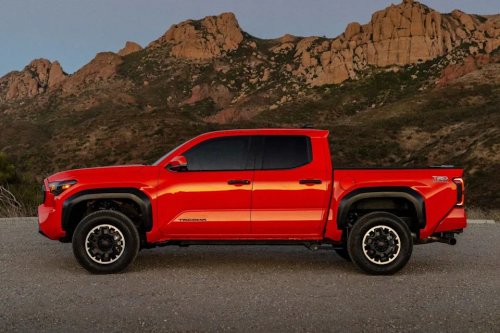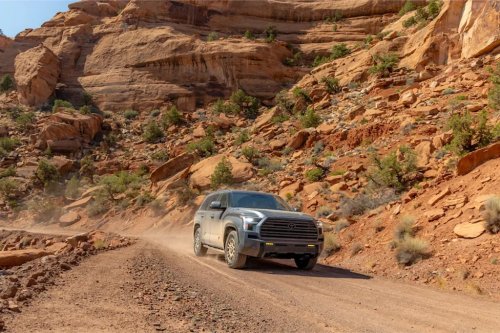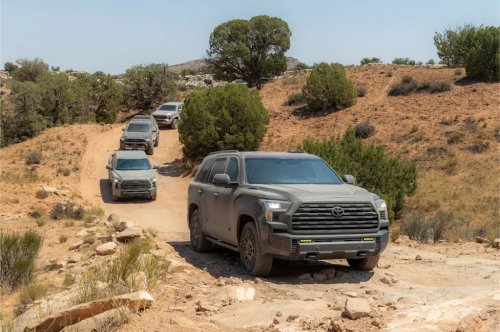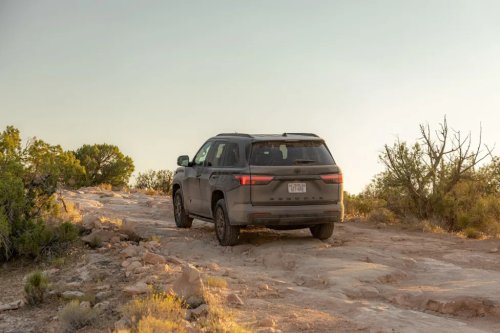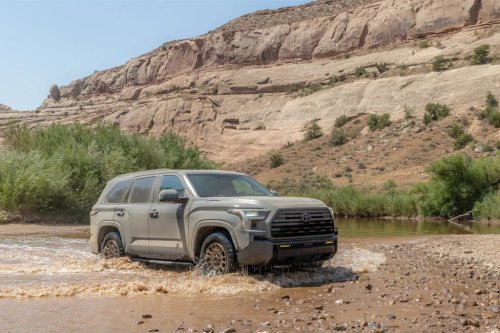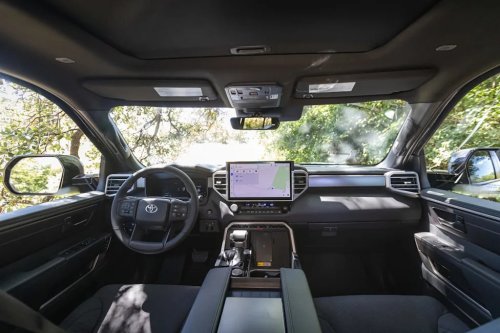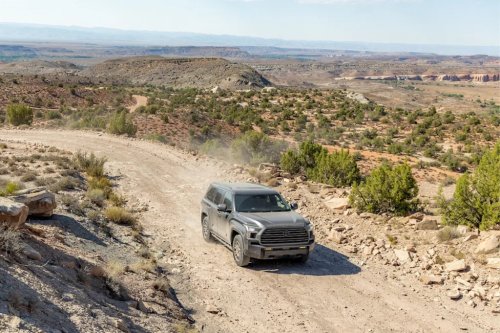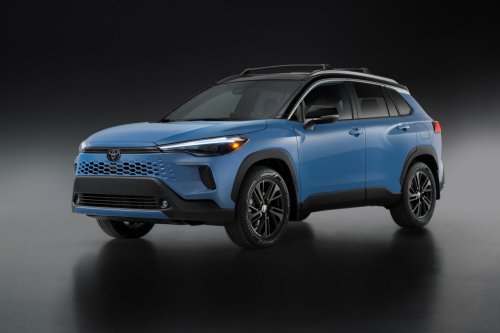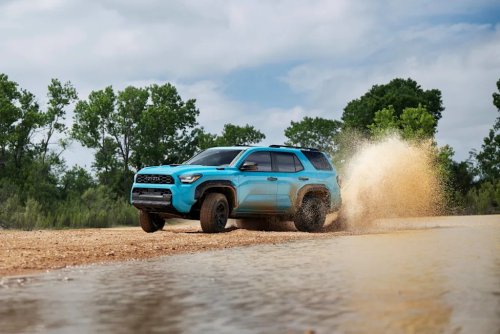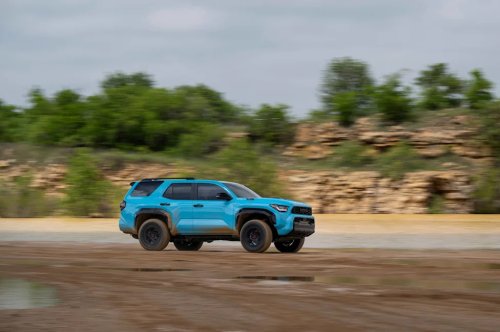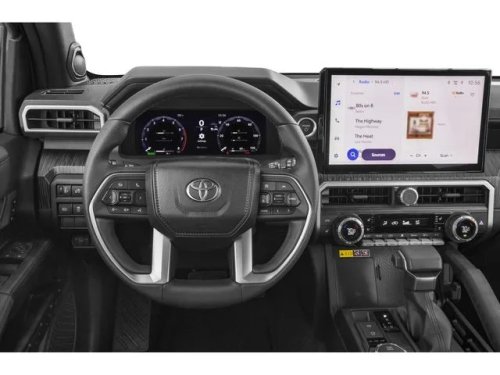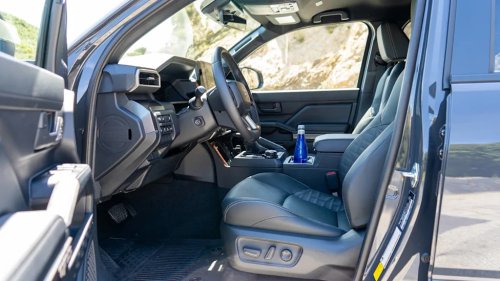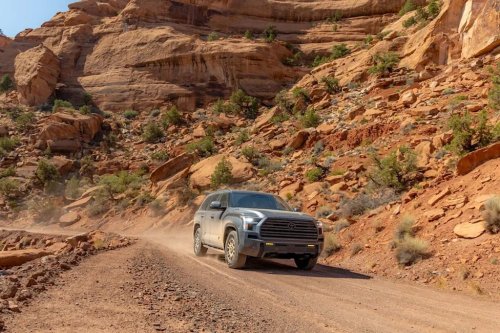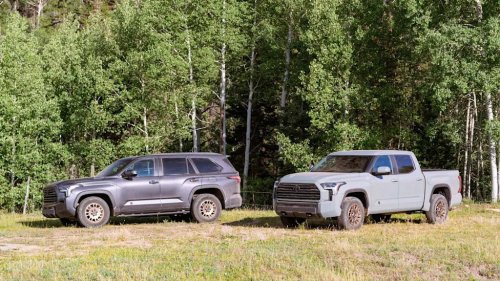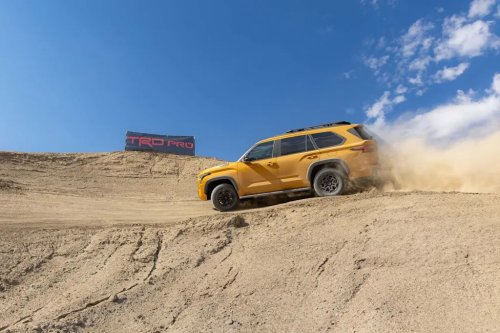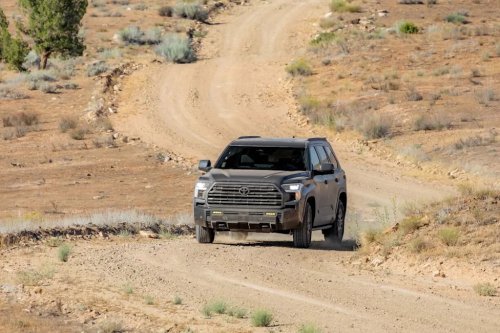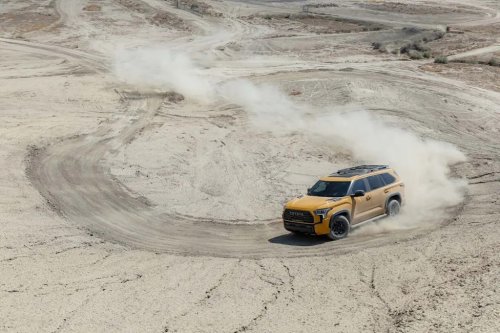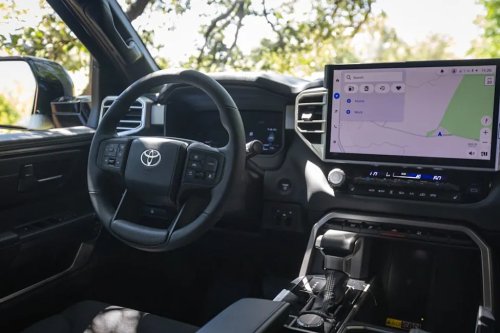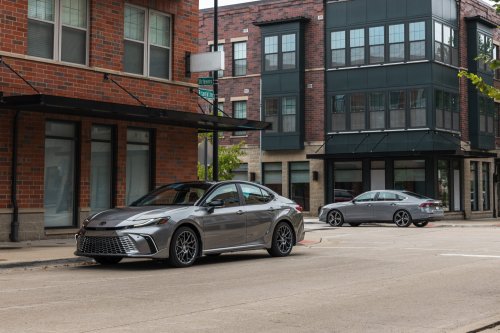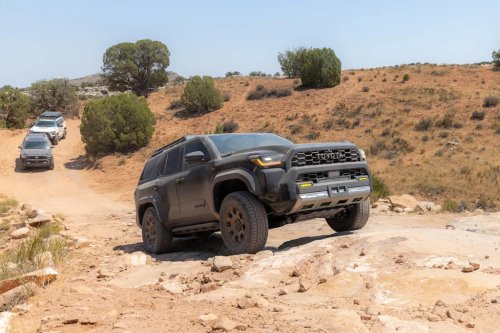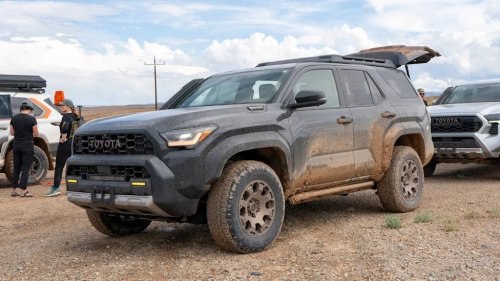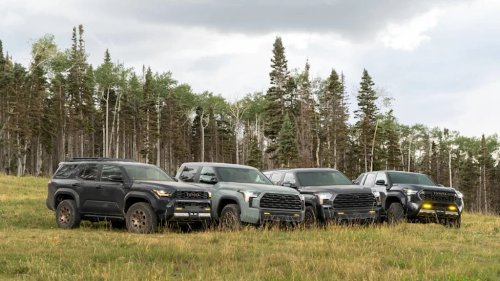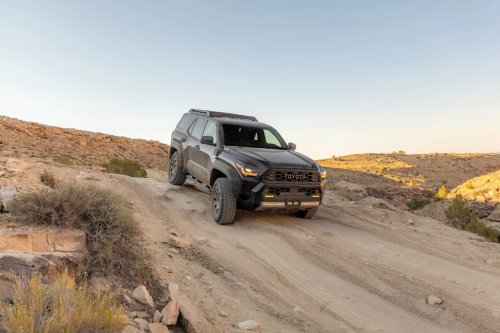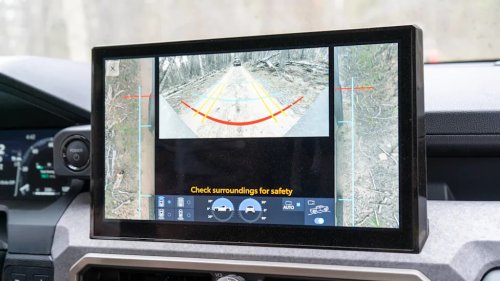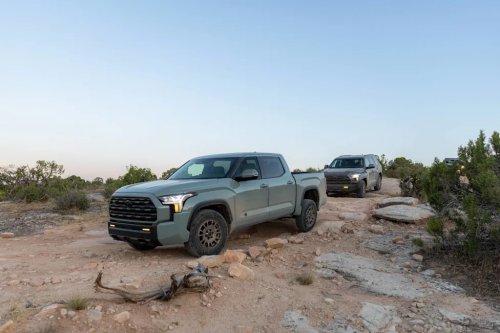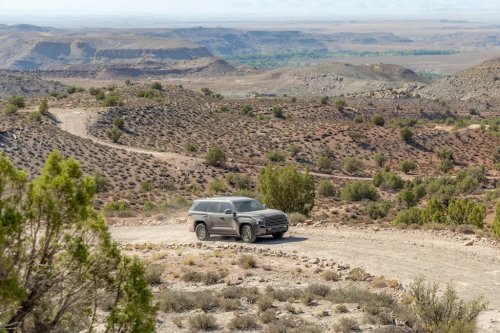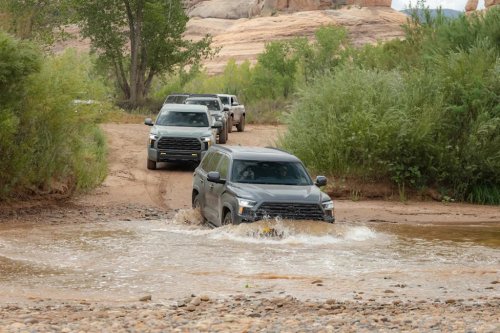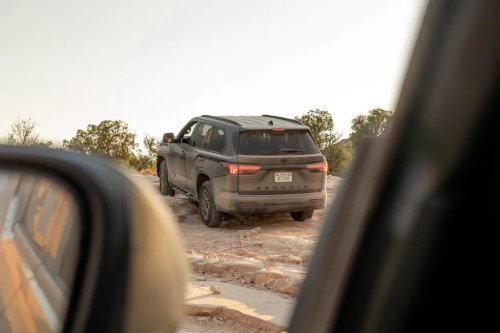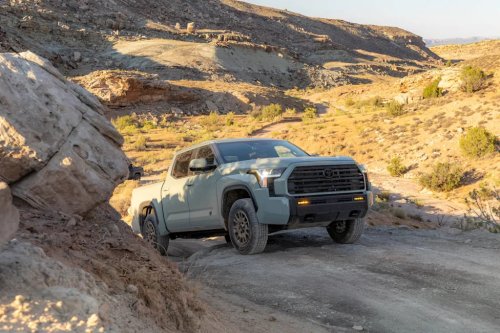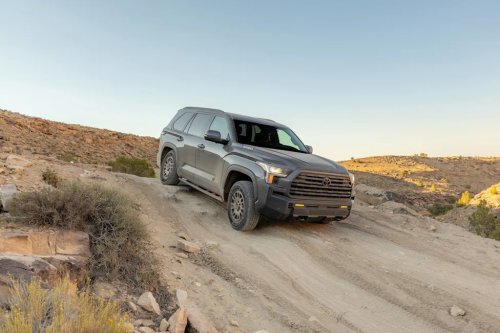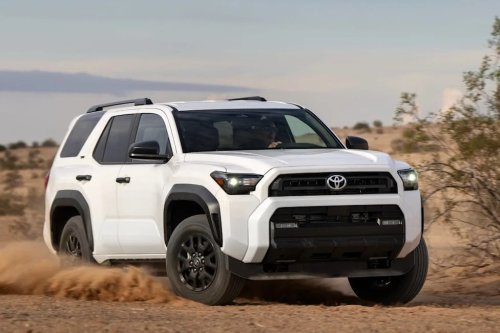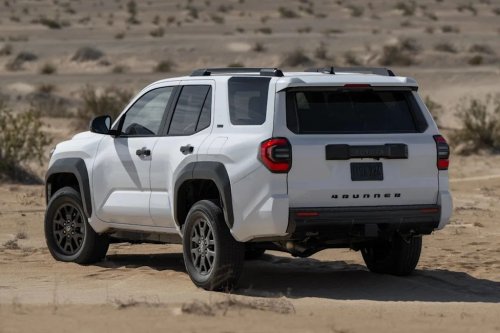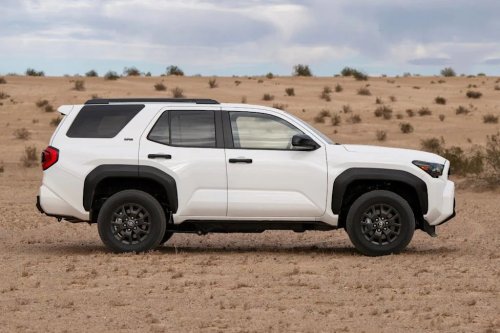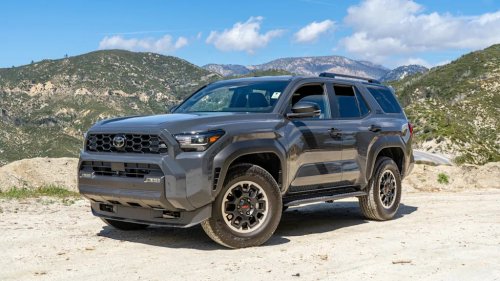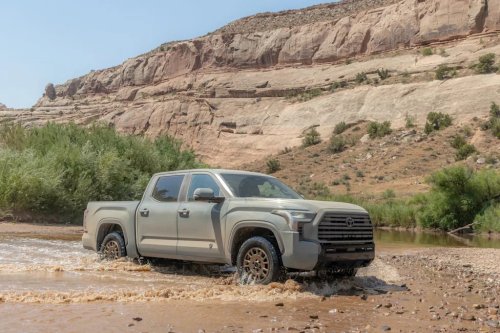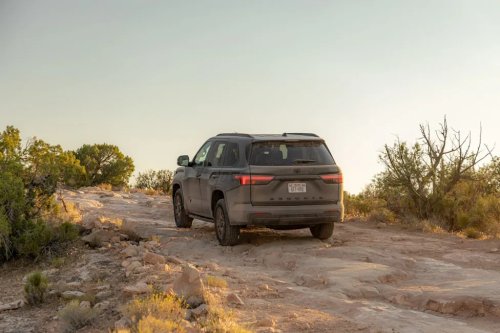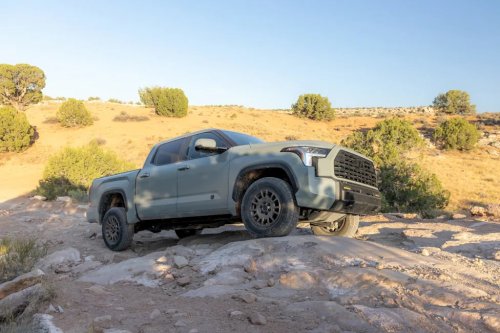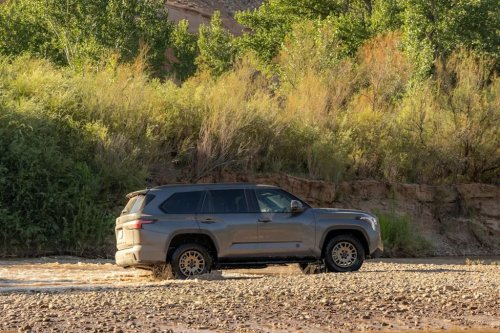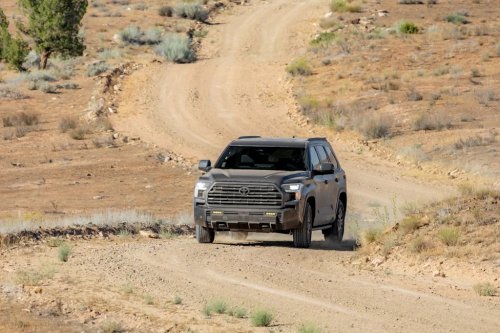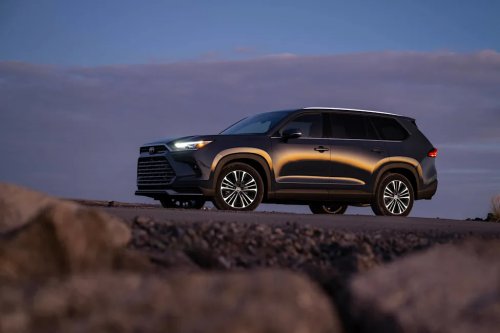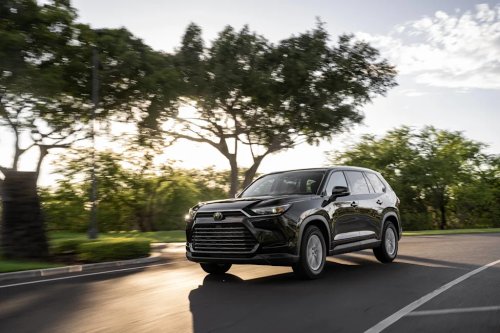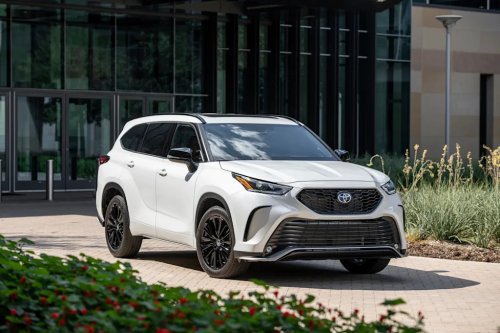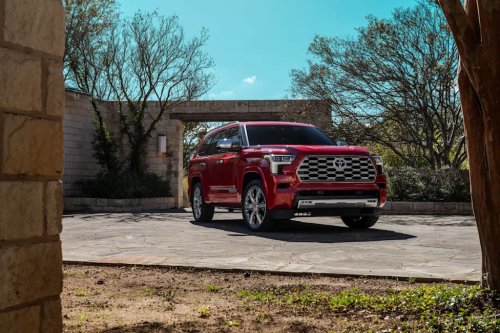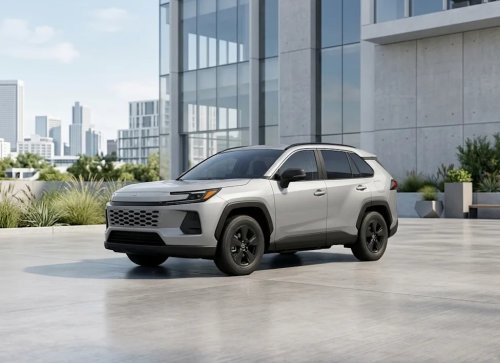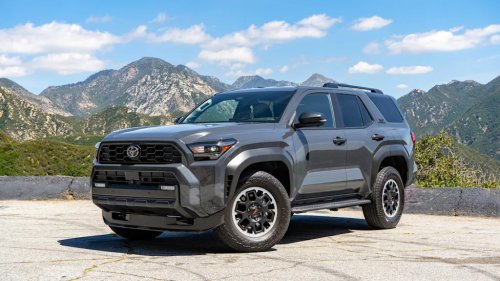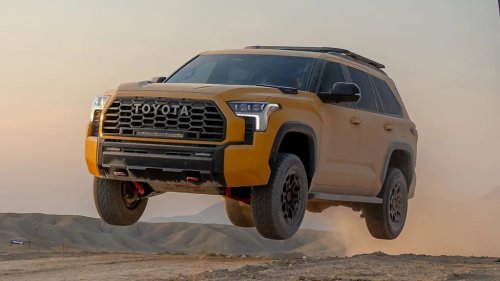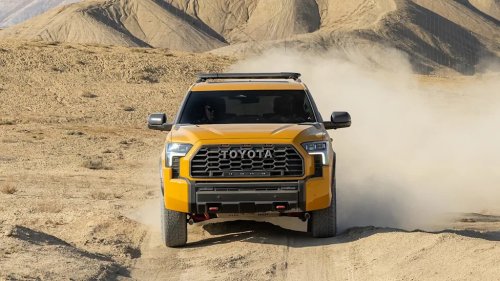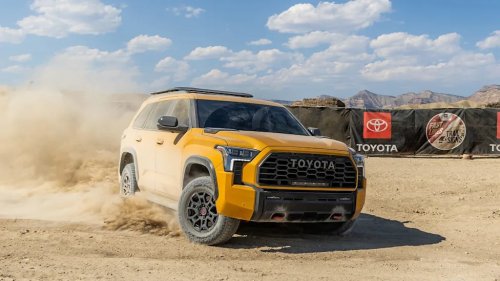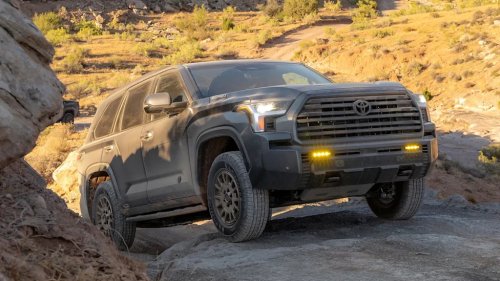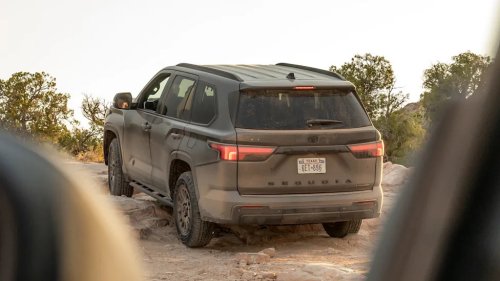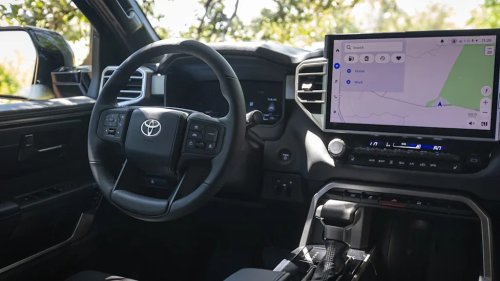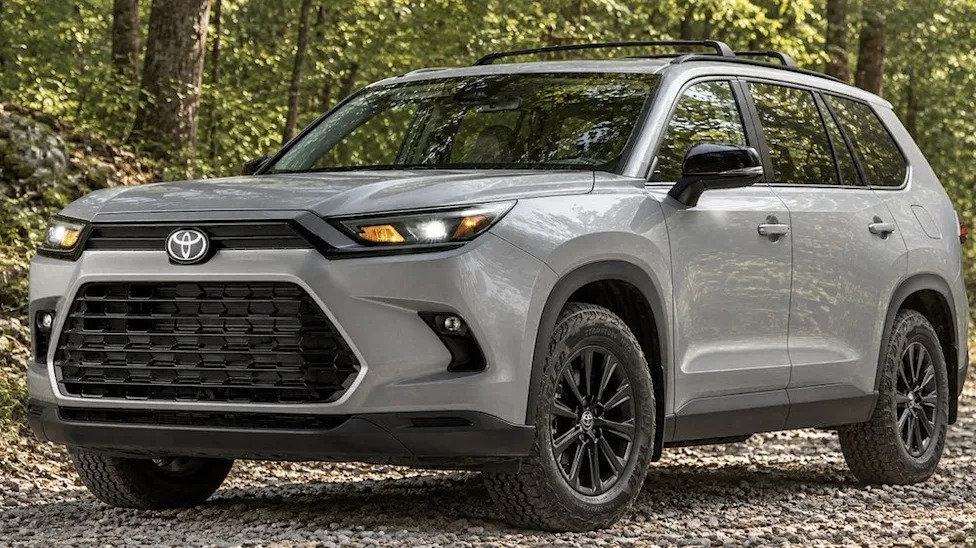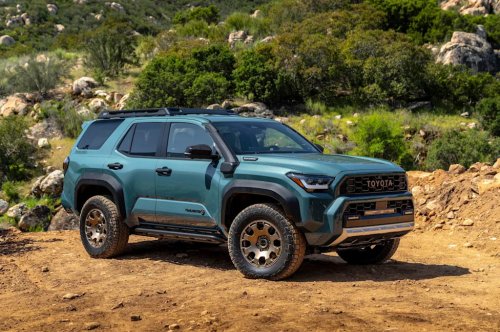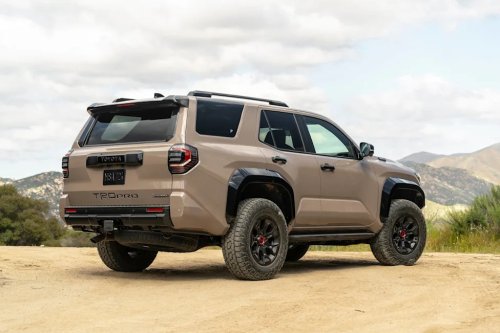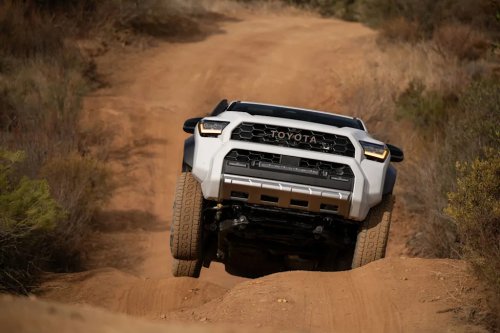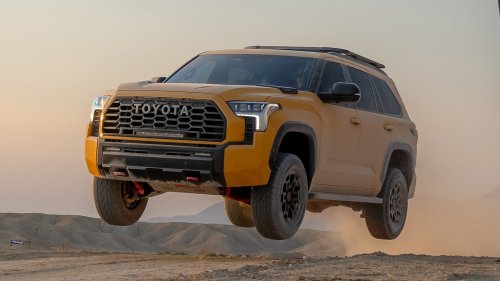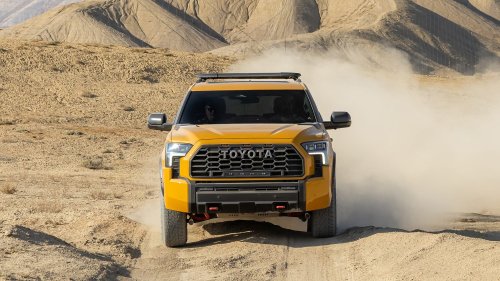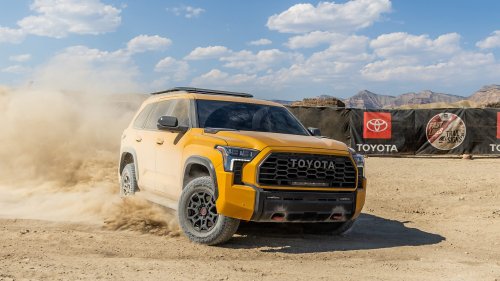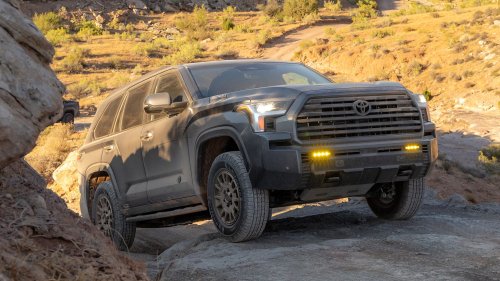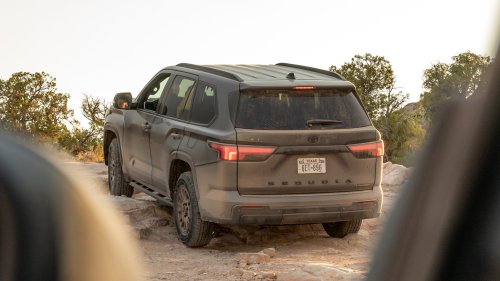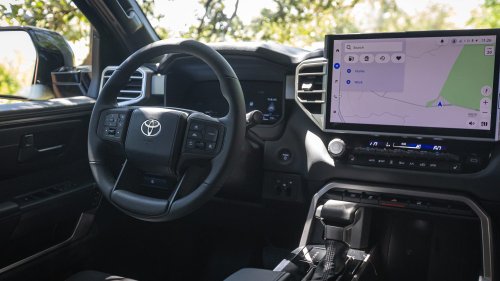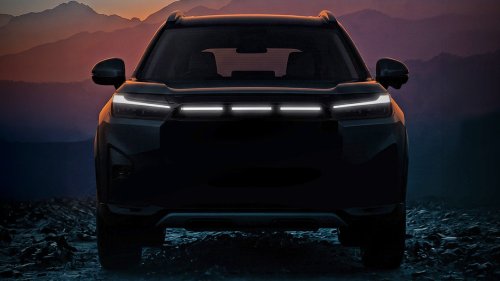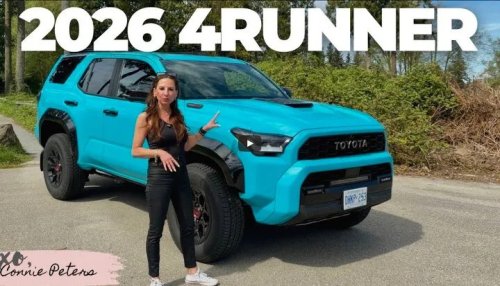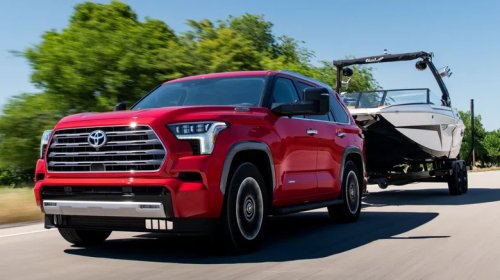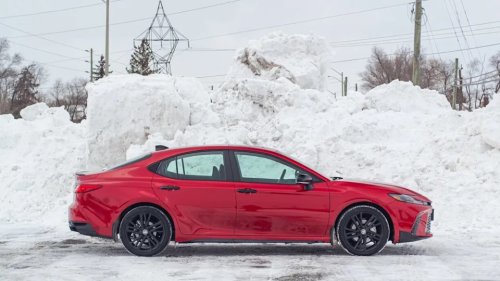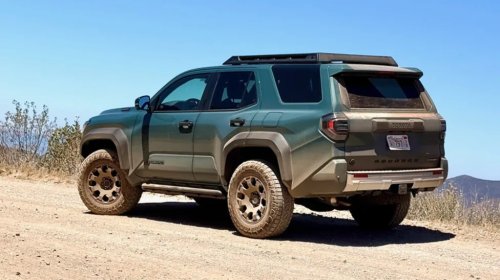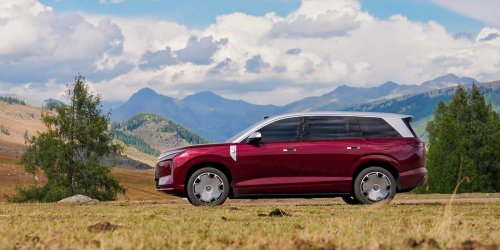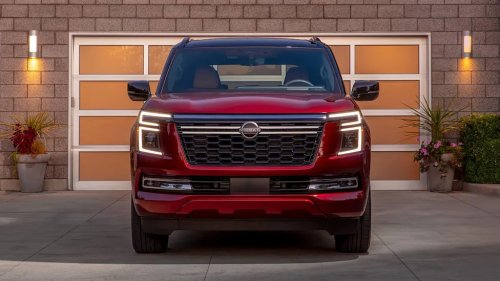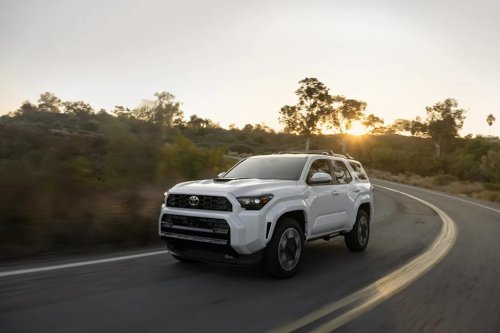
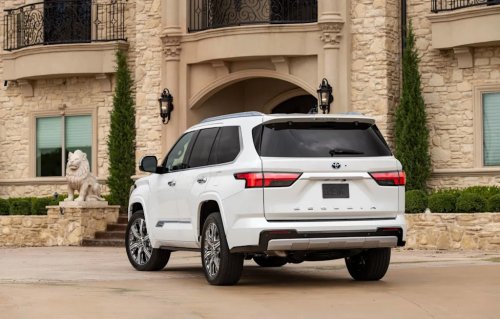
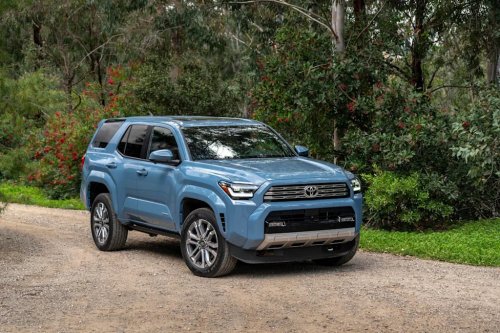
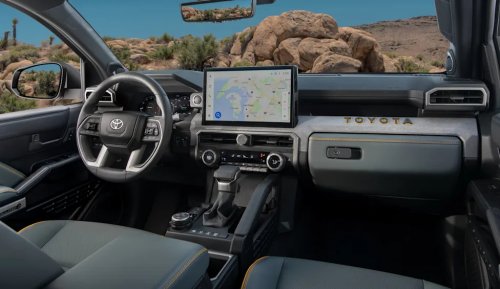
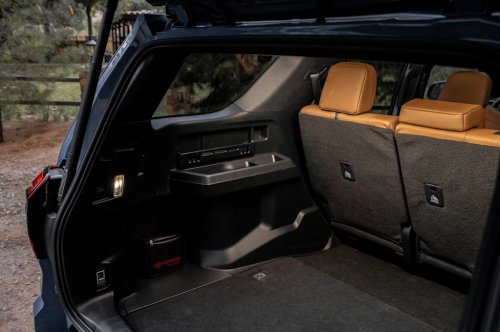
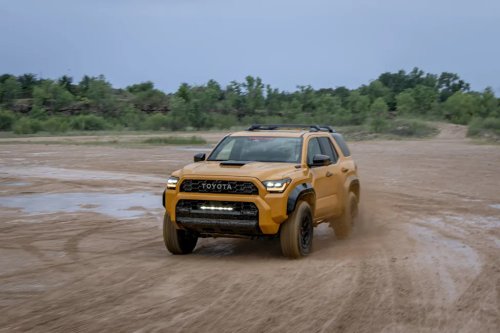



















Autoblog and Yahoo may earn commission from links in this article.2026 Toyota 4Runner vs Sequoia: ComparisonThe Toyota 4Runner is already pretty capable as it is. It's practical, it's great off-road, decent on-road, and does family duties without much issue. The 4Runner is a trusted nameplate, too, as it's been around for over 40 years. Truth be told, its size is just right for a lot of customers, but of course, there are those who want even more.That's where the Sequoia steps in. A clear rival to the likes of the Chevrolet Tahoe and Ford Expedition, it's been Toyota's full-size offering for over 25 years. Like the 4Runner, it's built up a strong reputation over the decades: practical, capable, and incredibly family-friendly. The thing is, it's about $23,000 between the 4Runner and Sequoia, so it's worth asking if it's worth paying that much to move that one size class up.ToyotaView the 2 images of this gallery on the original articleSpace and Practicality: Closer Than You ThinkIn terms of size, the difference between the 4Runner and Sequoia is night and day. One is clearly a full-size SUV, and the other is firmly a midsize model. The thing is, passenger space is closer than one would think, particularly in front legroom and headroom. Obviously, the Sequoia's size has its advantages in terms of hip room with 62.6 inches versus 56.5 inches. As for rear legroom, it's 39.2 inches versus 34.8 inches in favor of the Sequoia.AdvertisementAdvertisementHowever, third-row legroom is actually bigger in the 4Runner at 31.8 inches against its big brother's 28.1 inches. Front legroom is also marginally more in the midsize SUV at 41.8 inches, while the Sequoia is at 41.2 inches. Headroom differences are also small across all three rows. Obviously, the Sequoia wins on cargo capacity, even with all three rows up. So in this Sequoia vs 4Runner size, the bigger one pips it, but only because it can carry more. In terms of passenger space, you won't complain much if you don't carry at least five all the timeToyotaView the 2 images of this gallery on the original articlePerformance and Economy: Equal Economy, but Size Matters for PowerIf we were to do a Sequoia vs 4Runner drag race, the Sequoia will win it each time. Yes, it's heavier, but the twin-turbo hybrid V6 easily overpowers the two engine choices in the 4Runner. The Sequoia's electrified powertrain makes 437 hp and 583 lb-ft of torque, enough for a 0-60 mph time under six seconds, depending on conditions.As for the 4Runner, there's the standard 2.4-liter turbo with 278 hp and 317 lb-ft of torque, and the hybridized version of that making 326 hp and 465 lb-ft of torque. The hybrid is about half a second slower to 60 mph than the Sequoia, and the pure combustion engine is slower still. We wouldn't call it underpowered, regardless.AdvertisementAdvertisementWhat about fuel economy? The two-wheel drive 4Runner without hybrid assist does 20 MPG city / 26 MPG highway / 22 MPG combined, while adding four-wheel drive drops it to 19 MPG city / 25 MPG highway / 21 MPG combined. For the 4Runner hybrid, EPA rates it at 23 MPG city / 24 MPG highway / 23 MPG combined. Moving to the Sequoia, it's 21 MPG city / 24 MPG highway / 22 MPG combined for rear-drive, and 19 MPG city / 22 MPG highway/ 20 MPG combined for four-wheel drive.ToyotaView the 2 images of this gallery on the original articleFeatures and Options: No Shortage of PersonalizationIn terms of standard equipment, the two are pretty much identical. There's the now-usual barrage of advanced driver assists, along with creature comforts and conveniences to go along with it. Interiors follow the same blocky theme Toyota trucks and SUVs have these days, and the difference lies in accommodations.We do have to note that three-row seating is an option in the 4Runner and standard in the Sequoia, but those who don't really need the extra row may find that as a plus, as that also means more cargo space. Both do come with a whole host of option packages and accessories to fill one's desire, so you can start out with base models and tack on as many trinkets as possible.ToyotaView the 2 images of this gallery on the original articleTrims and Pricing: 4Runner Serves Up ValueThe 4Runner and Sequoia are separated by $23,455. That's, quite literally, a Corolla's worth of a price difference, so we're talking serious money here. For the 4Runner, there are 12 trims to choose from, namely SR5, TRD Sport, TRD Pro, TRD Off-Road, TRD Sport Premium, TRD Off-Road Premium, and Limited for the pure combustion models, while it's TRD Off-Road i-Force Max, TRD Off-Road Premium i-Force Max, Limited i-Force Max, Platinum, TRD Pro, and Trailhunter for the hybrids. Moving to the Sequoia, all are hybrids with SR5, Limited, Platinum, TRD Pro, 1794 Edition, and Capstone. There's a new Trailhunter model for the 2027 model, though.AdvertisementAdvertisementFor the price range, the 4Runner goes from $42,270 to $68,600, while the Sequoia ranges from $65,725 to $86,135. To put things into perspective, you can get a very well-equipped, high-spec 4Runner with a good amount of bells and whistles for a bare, two-wheel drive Sequoia. The price gap gets bigger the higher up the trims you go, which makes you wonder if you really need to pay that much for the extra space.ToyotaView the 2 images of this gallery on the original articleFinal ThoughtsFull-size SUVs are pricier than ever, and the Toyota Sequoia is no exception to that. While it does undercut some of its rivals, there's no denying the fact that the smaller 4Runner can do a lot of the things this giant SUV does. The current 4Runner is already that good, and for the most part, it meets the needs of most people.That said, those who need the extra space will be pleased with the Sequoia, but if it were up to us, have a good think before plopping down the extra cash for the bigger SUV. Remember, the larger the vehicle, the larger the running costs, and that's also something to consider in the long run.ToyotaThis story was originally published by Autoblog on Aug 26, 2026, where it first appeared in the Features section. Add Autoblog as a Preferred Source by clicking here.