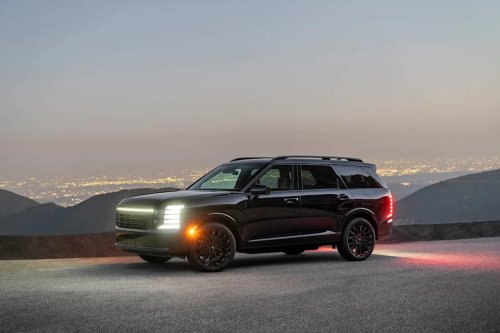
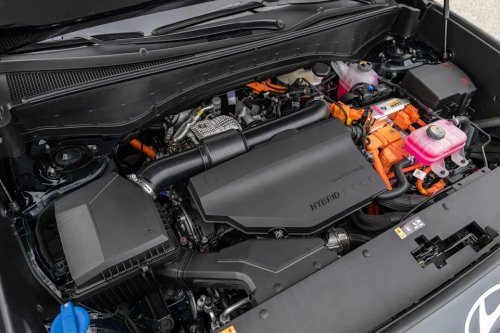
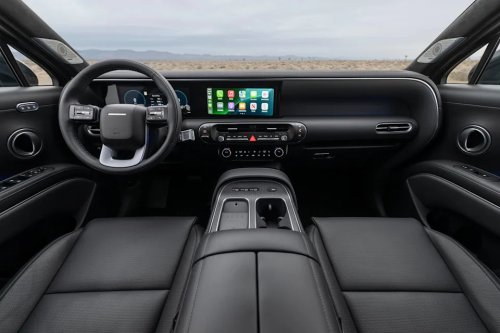
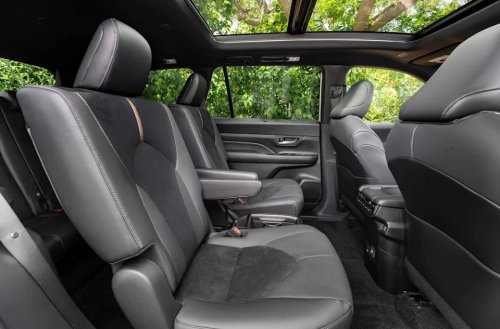
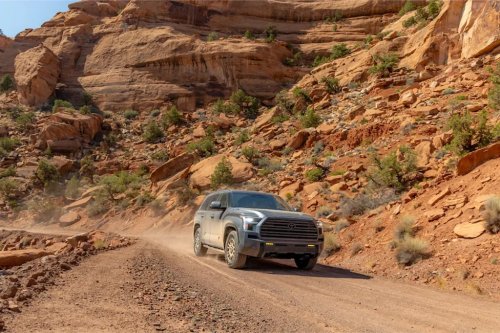
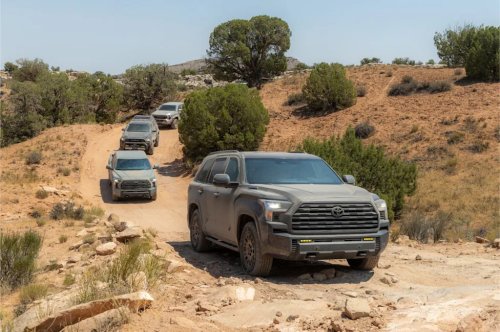
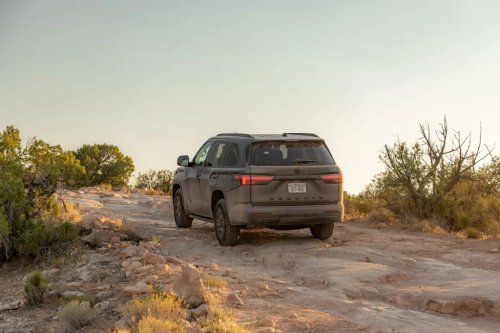
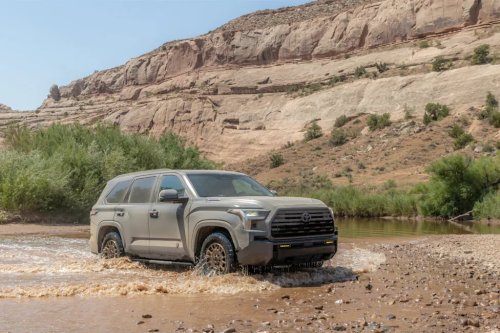
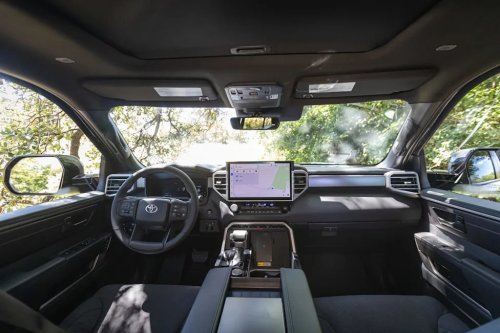
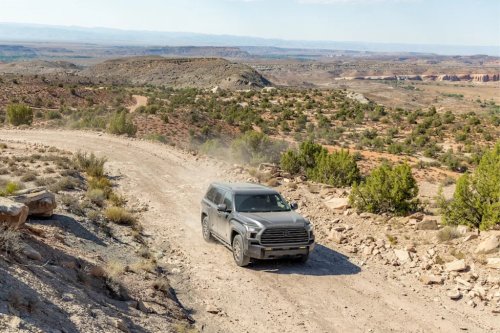
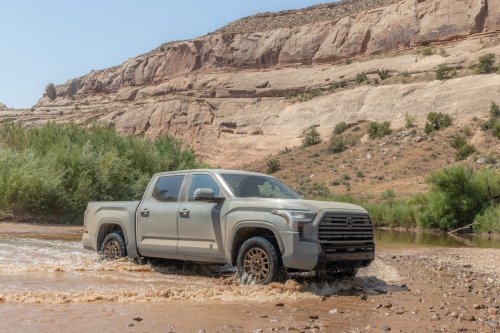
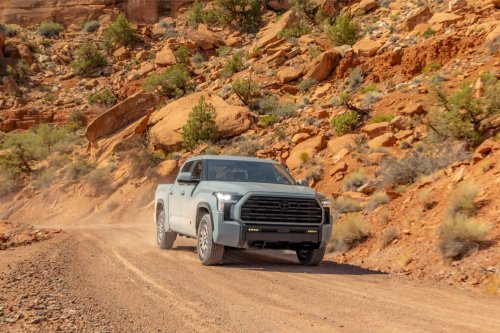
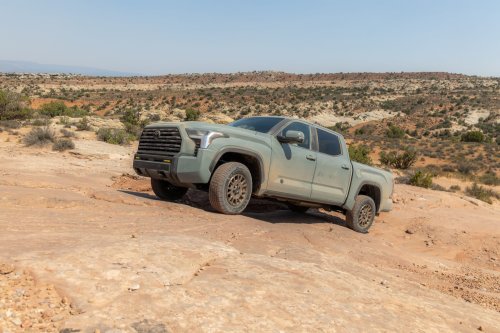
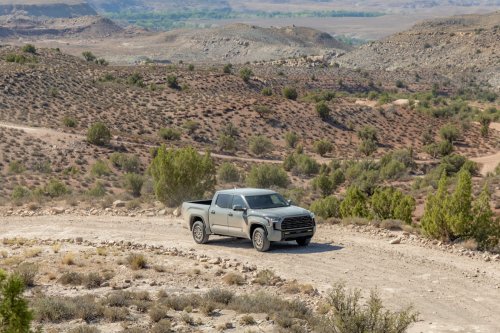
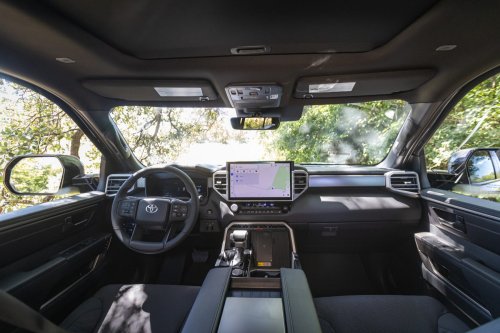
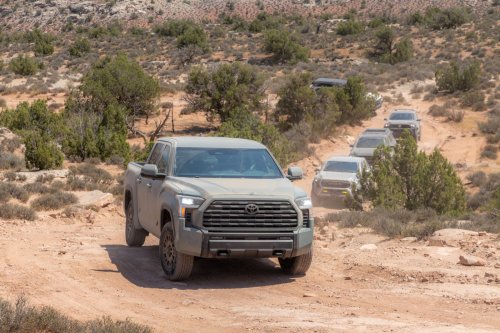
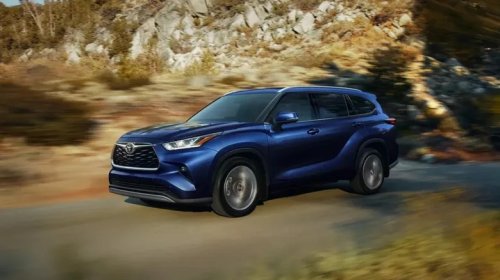
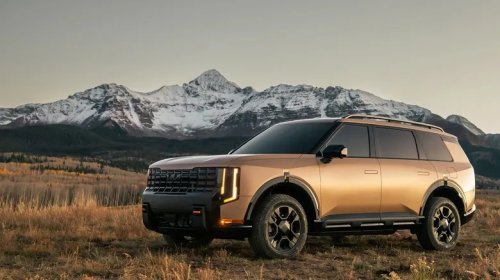
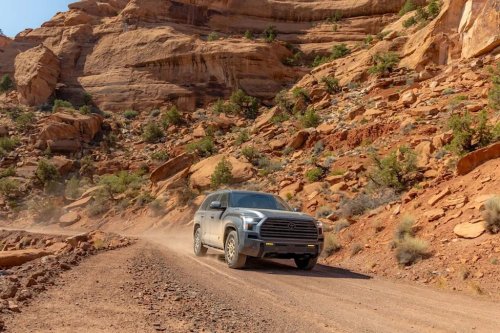
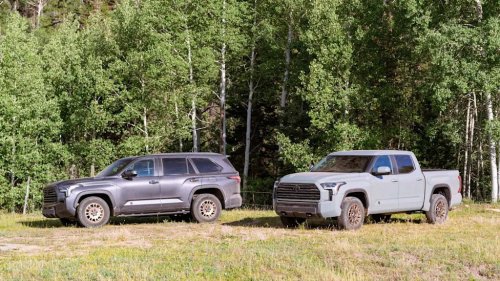
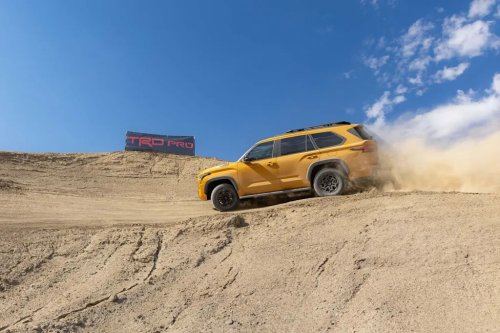
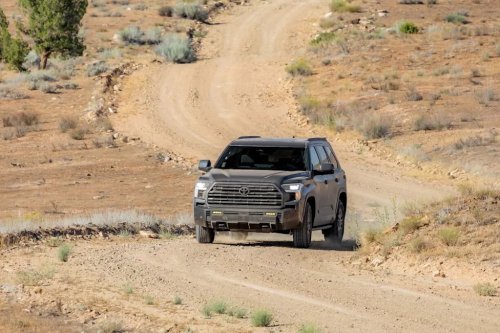
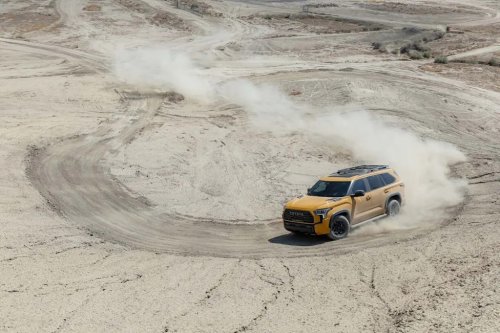
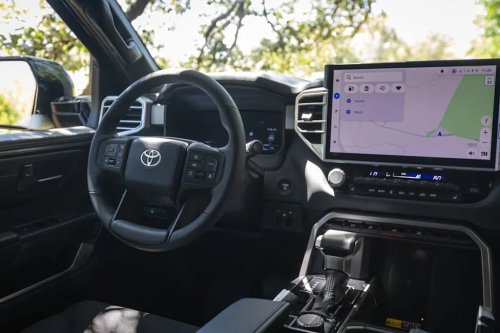
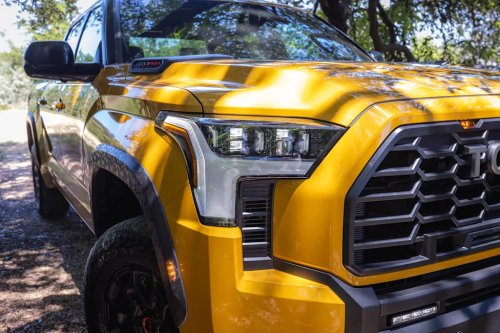
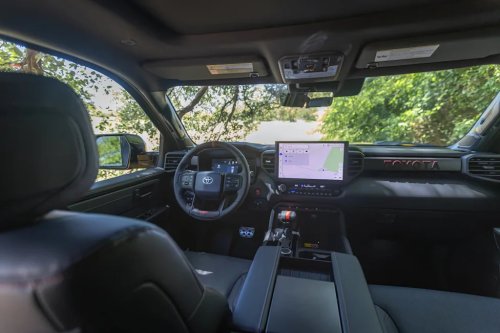
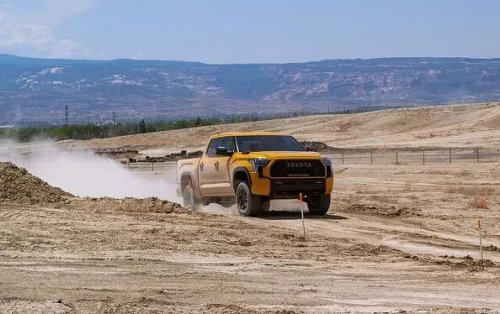
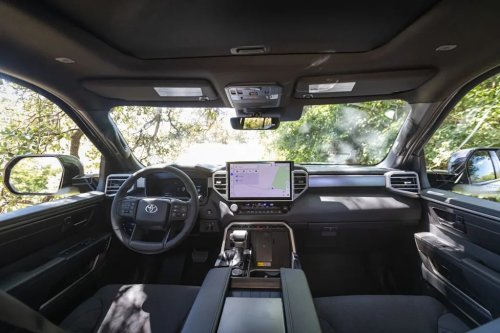
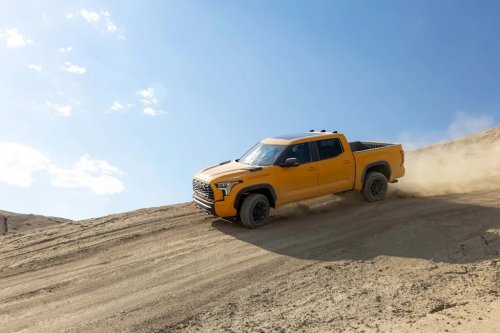
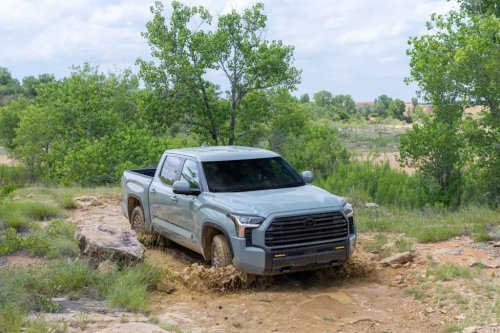
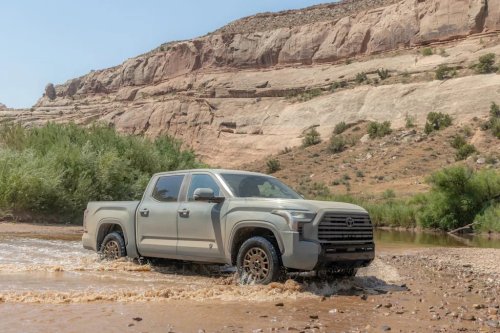
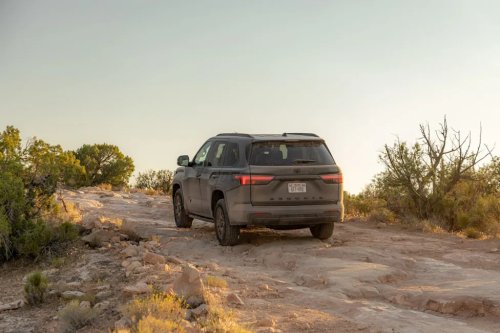
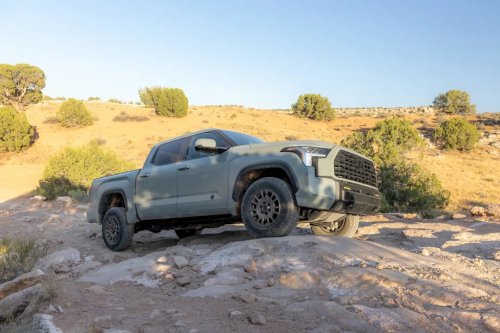
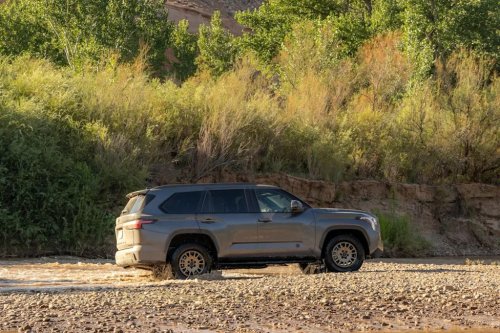
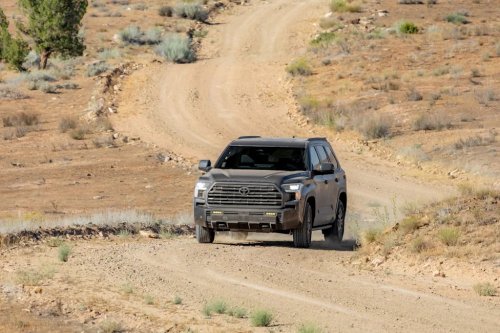
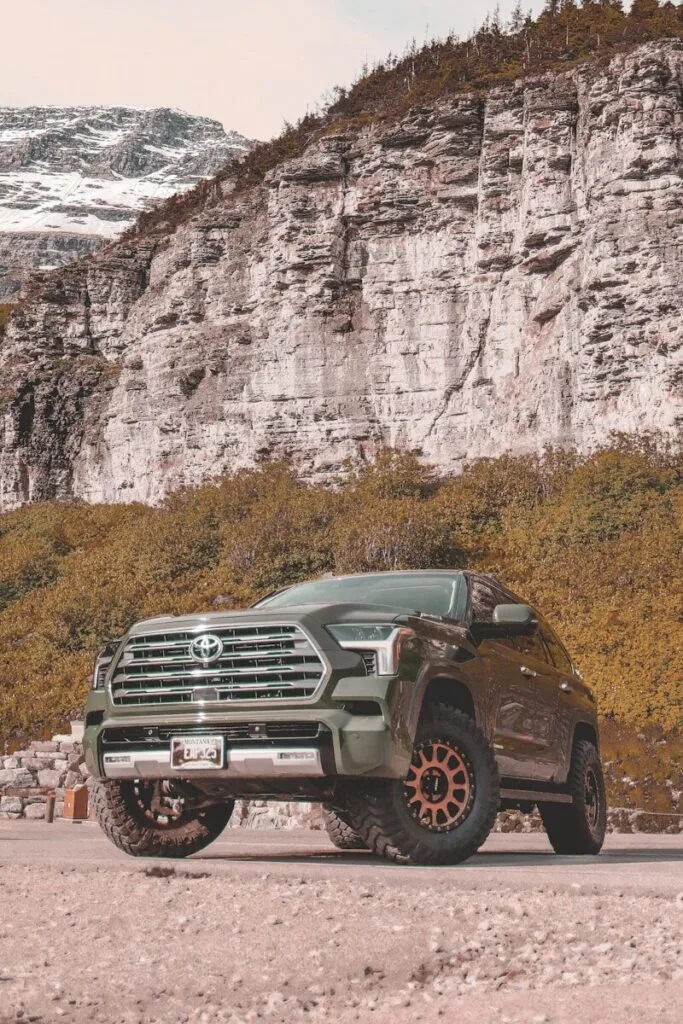
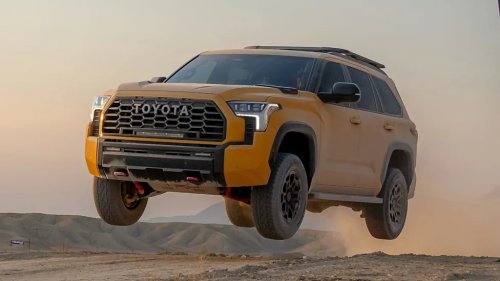
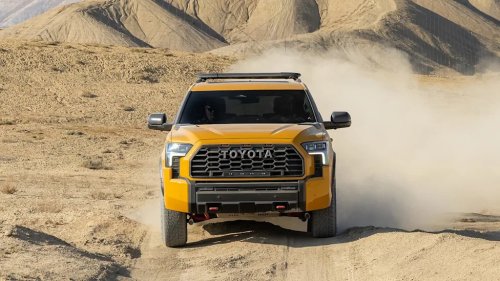
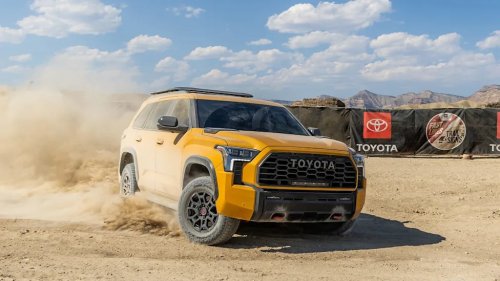
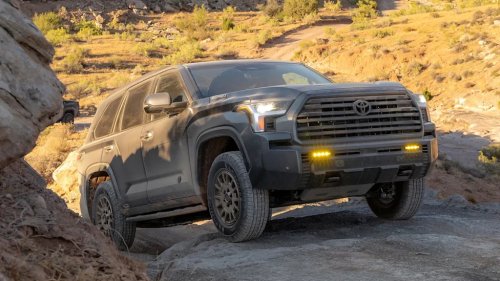
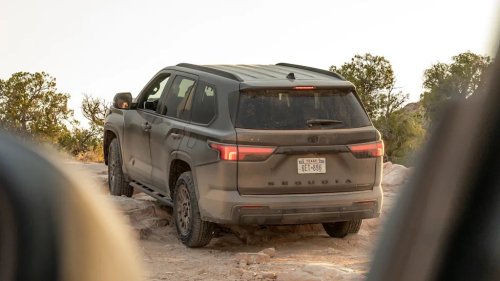
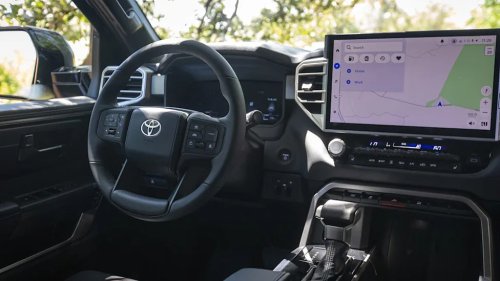
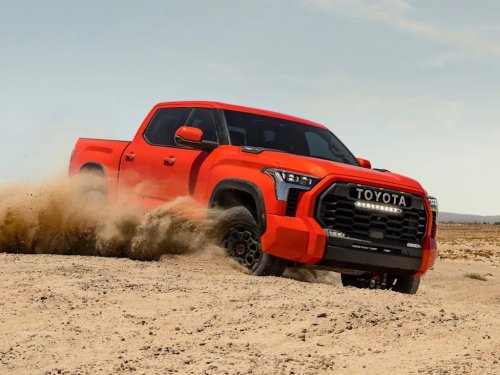
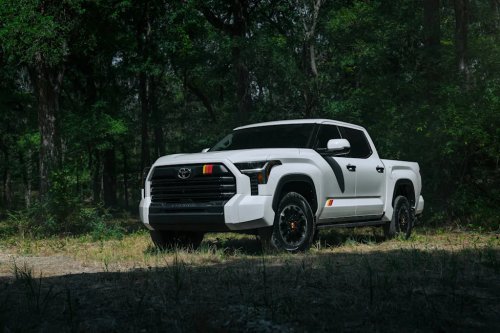
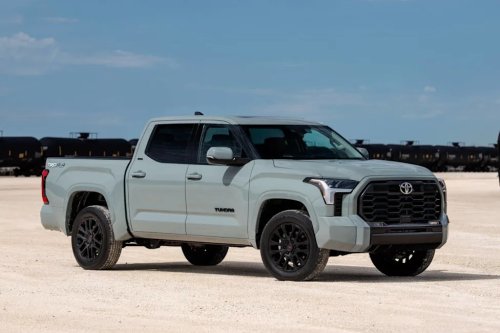
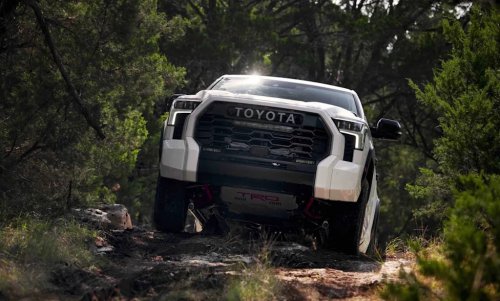
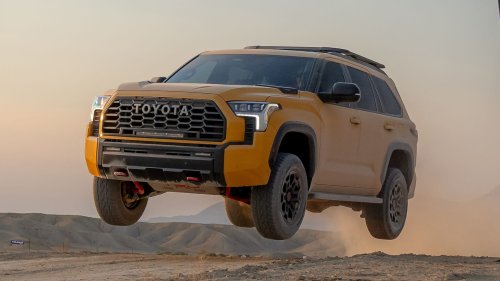
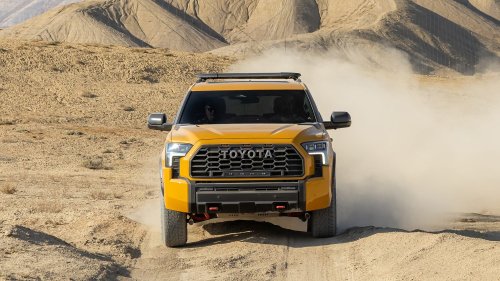
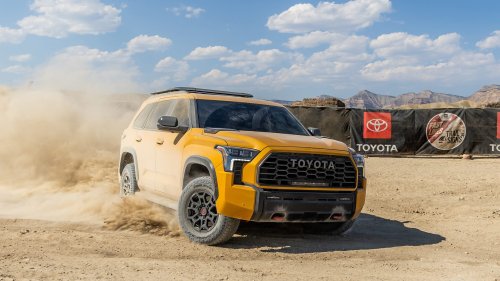
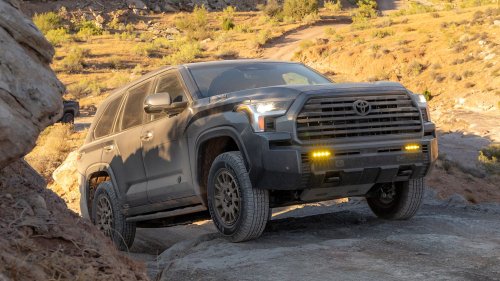
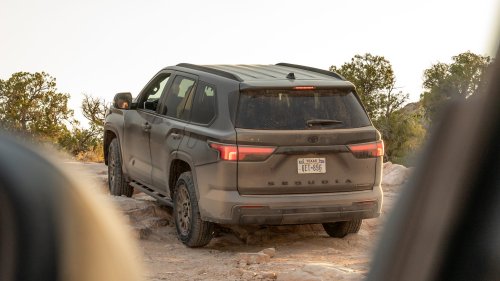
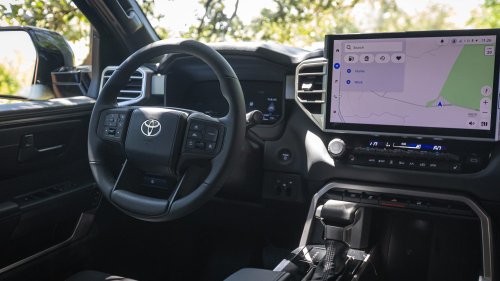
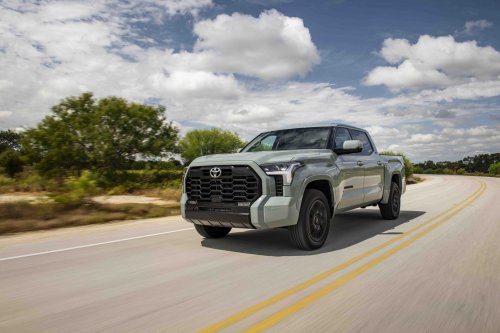
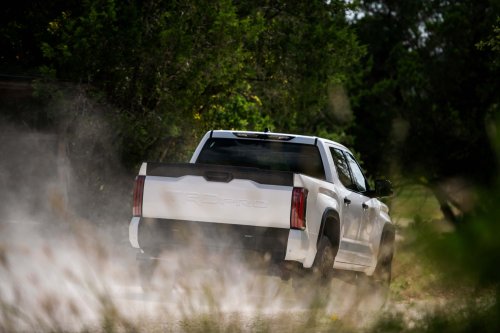
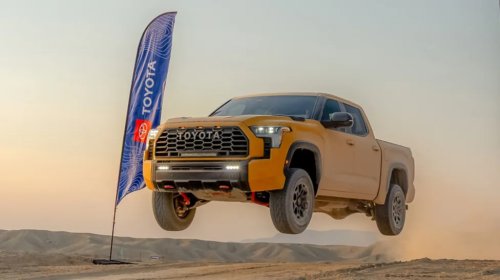
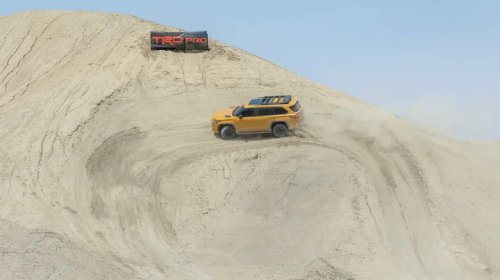
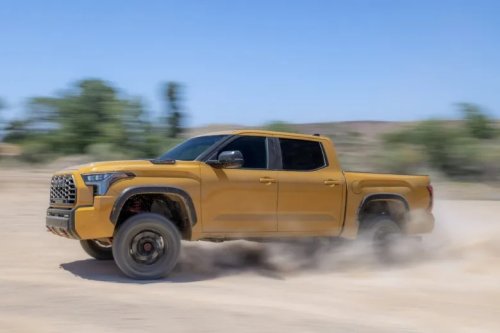
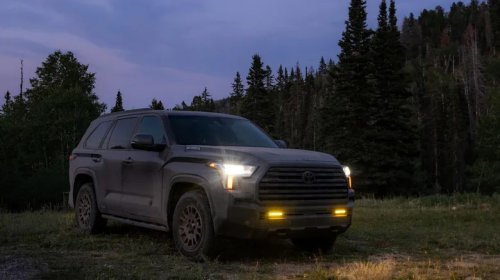
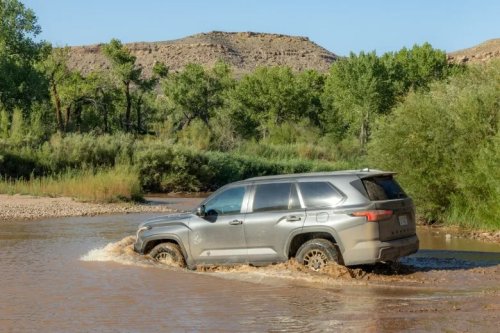
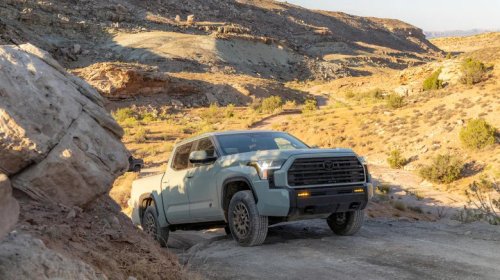
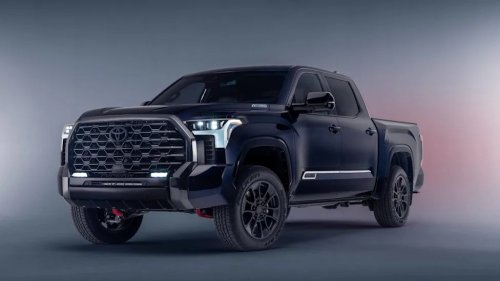
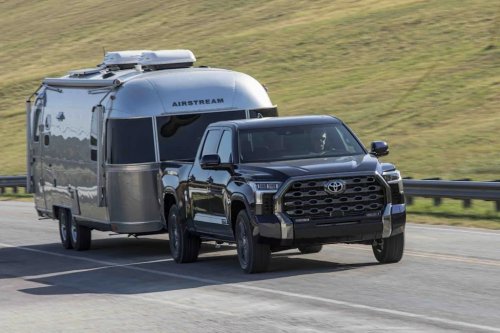
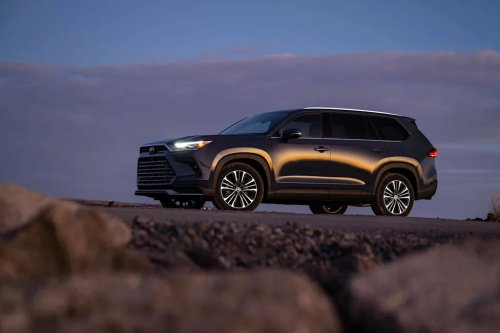
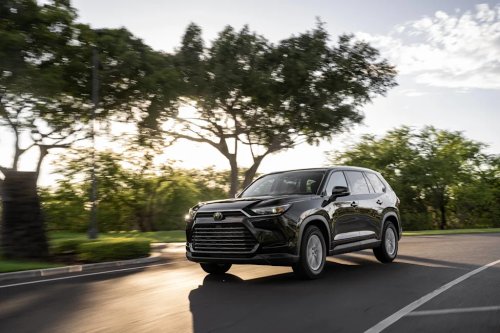
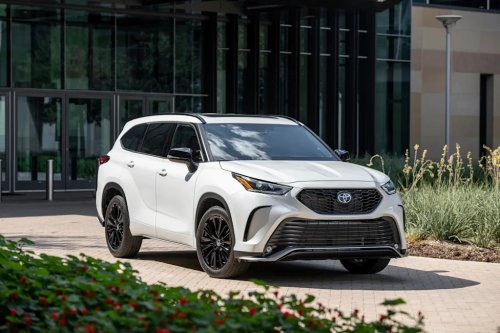
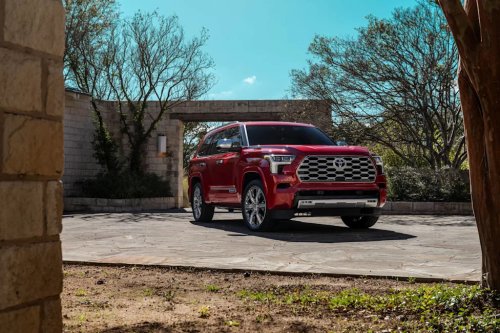
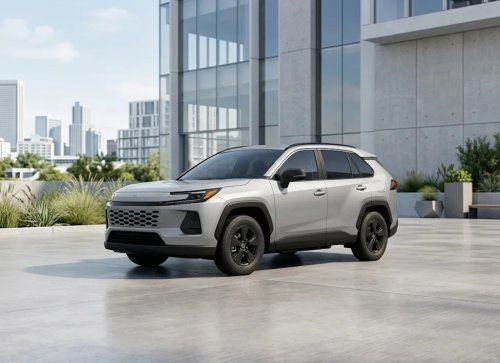
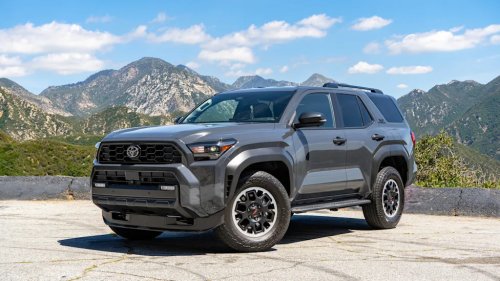
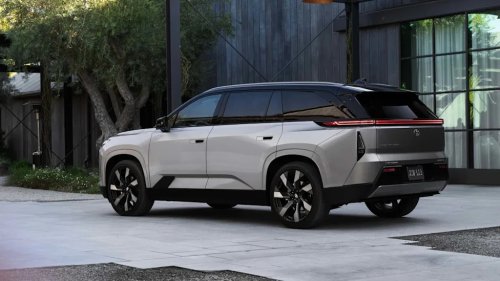
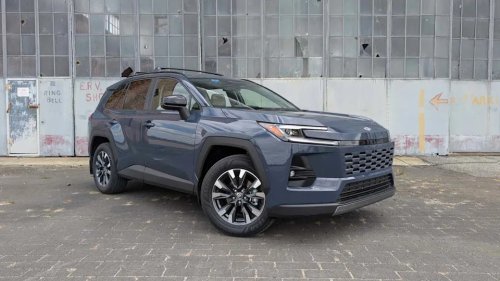
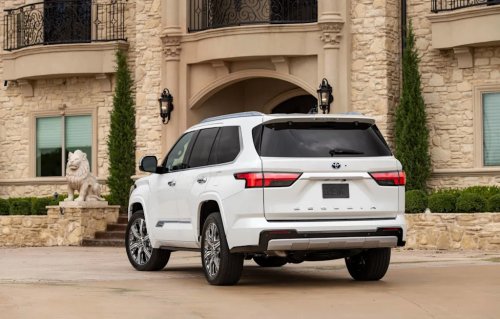
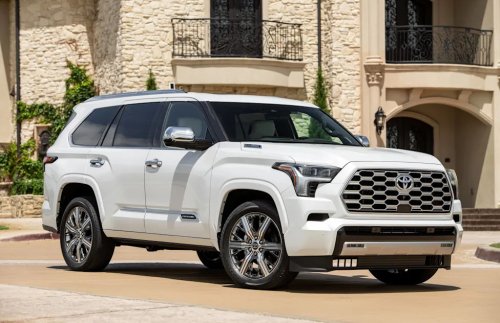
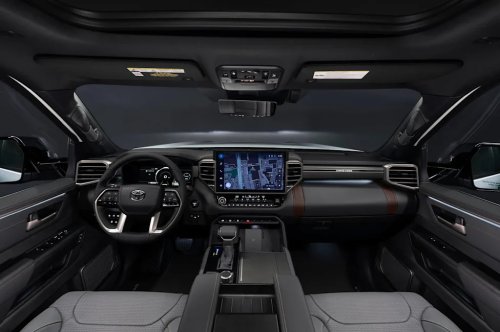
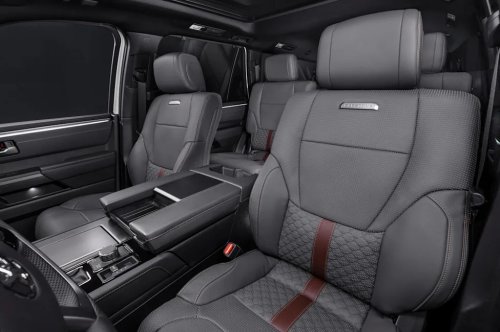
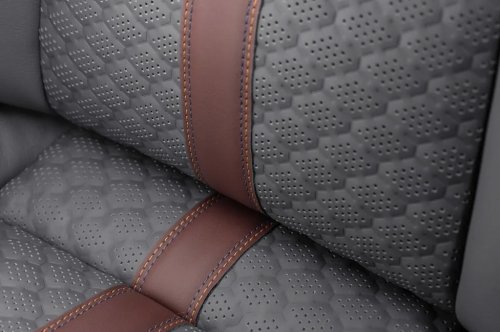
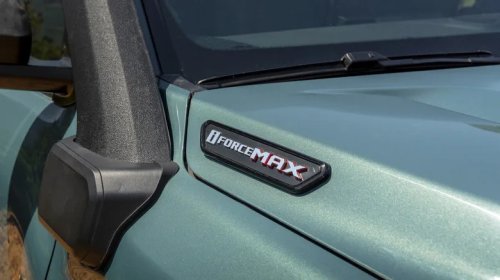
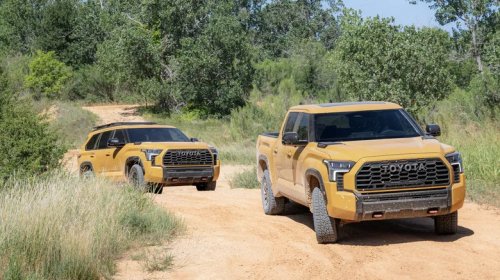
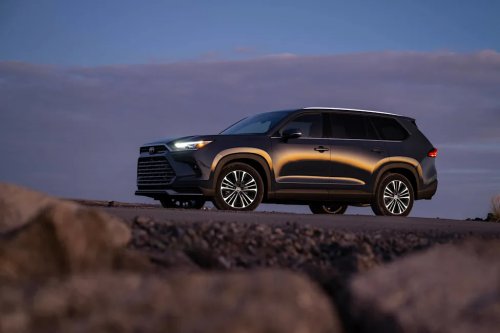
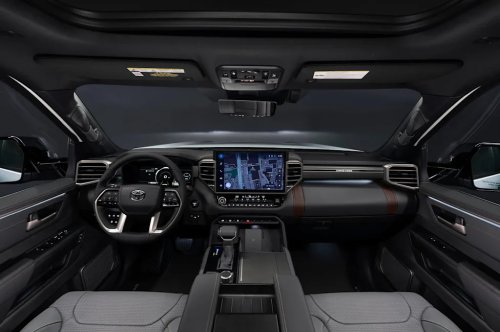
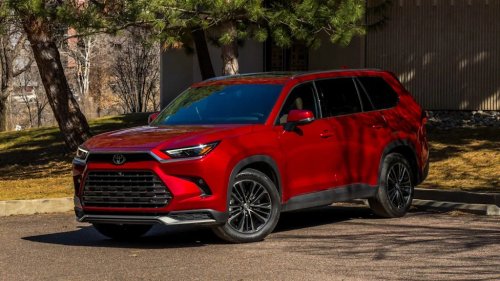
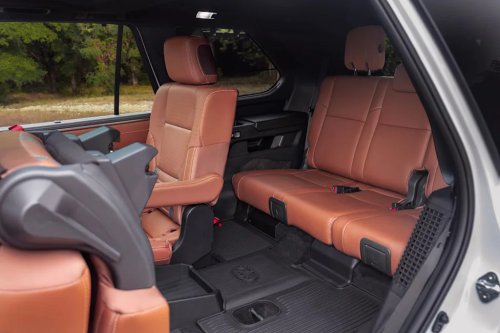
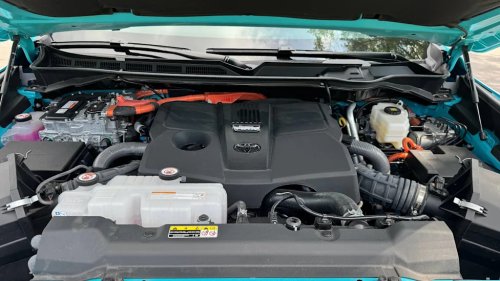
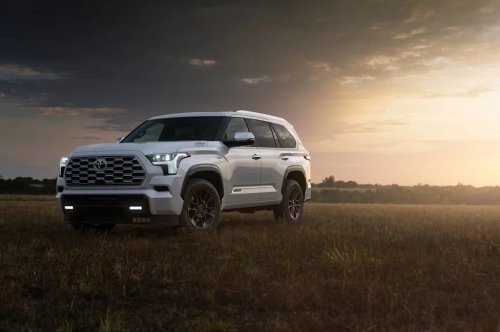
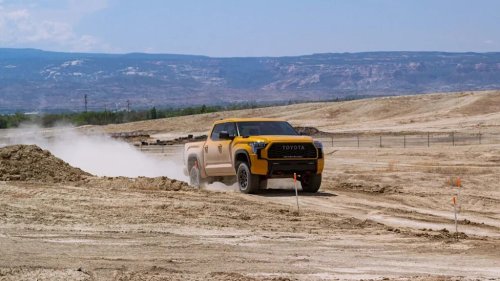
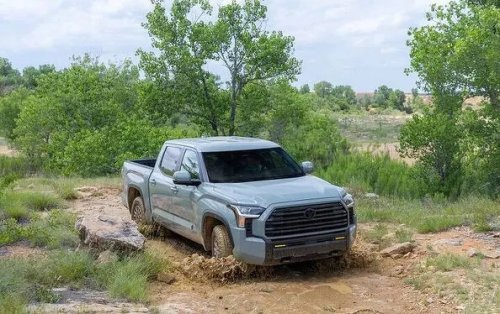
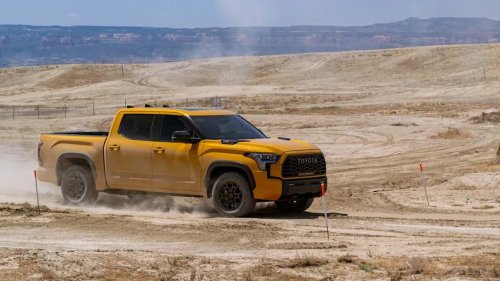
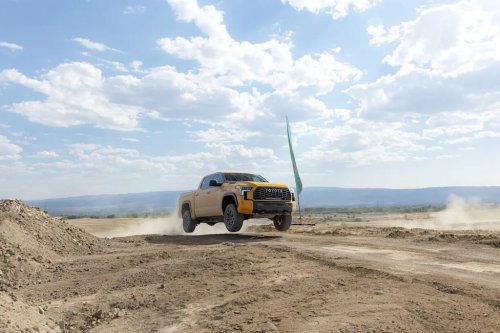
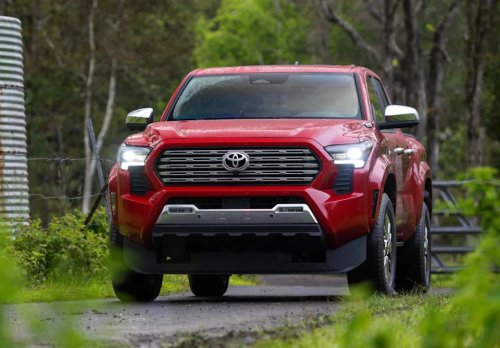
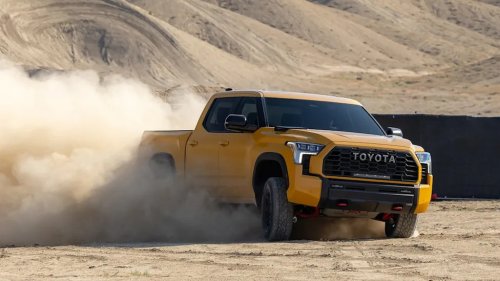
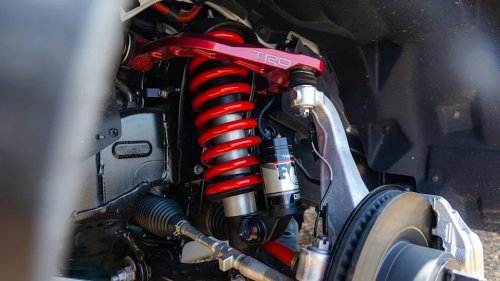
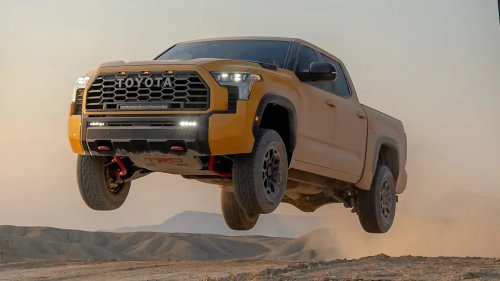
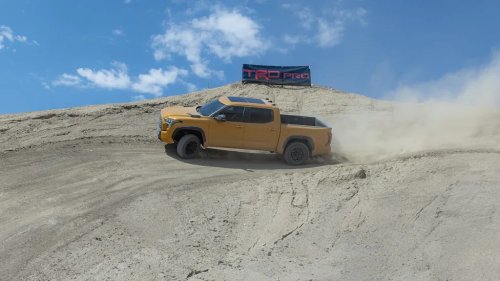
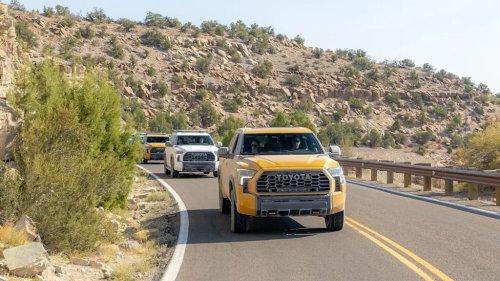
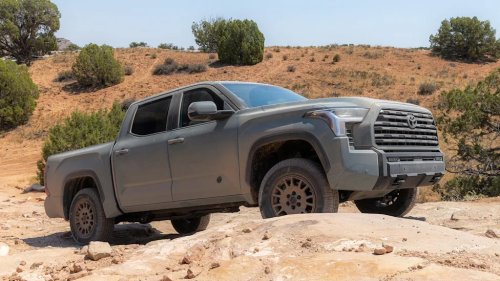
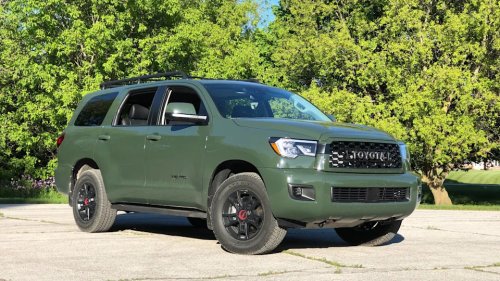
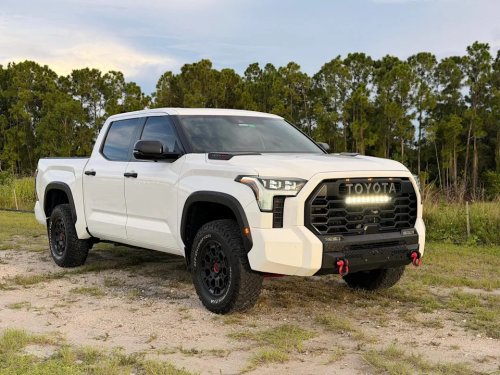
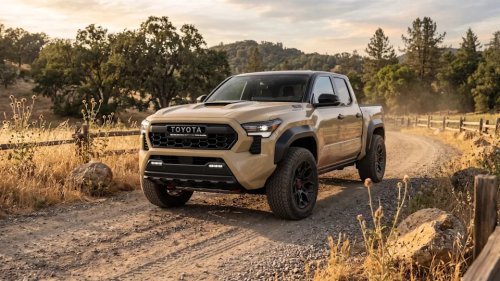
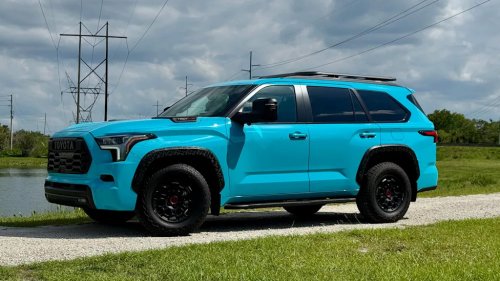
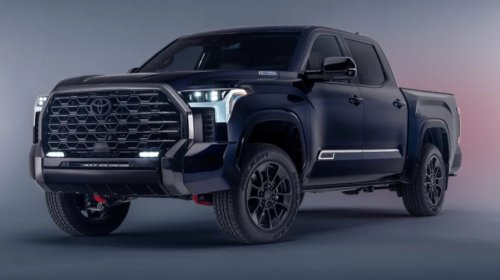
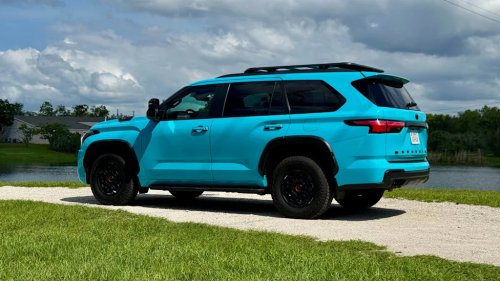
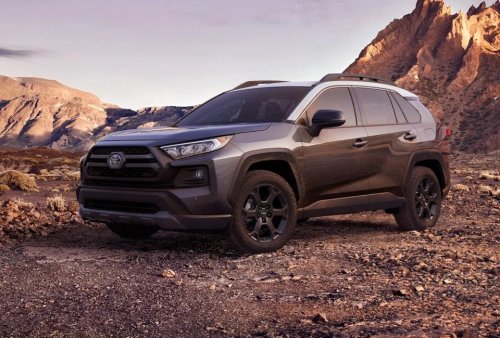
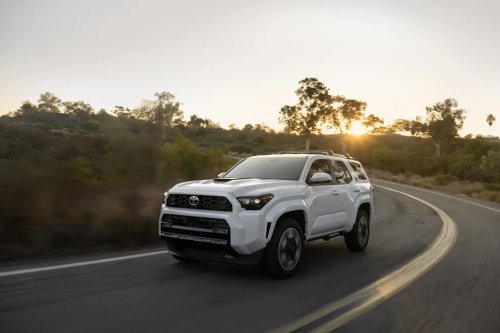
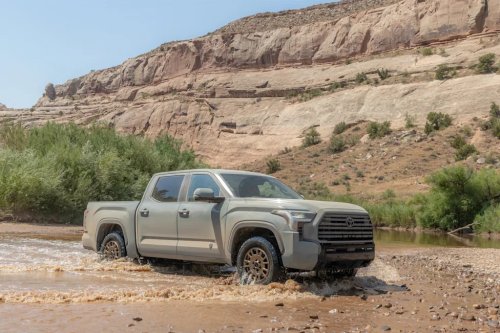
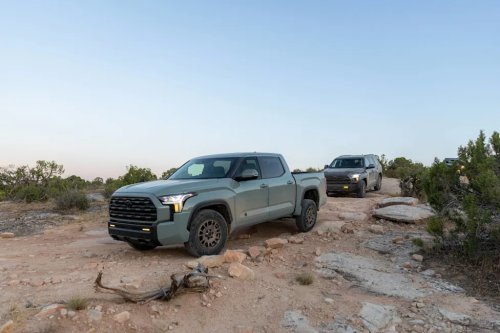
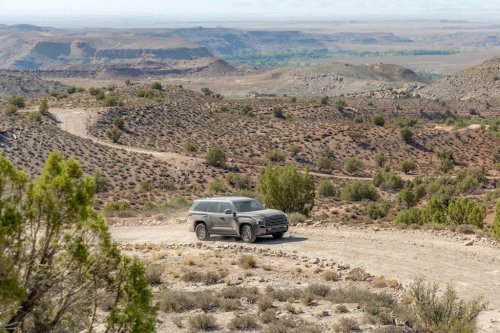
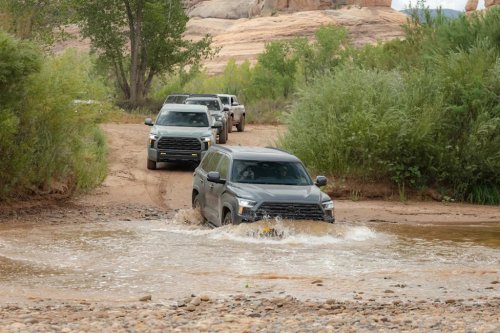
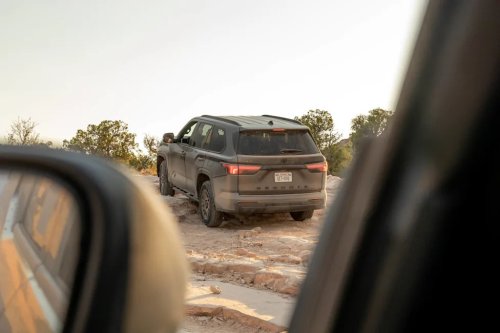
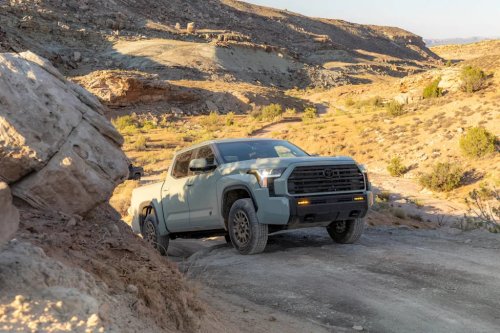
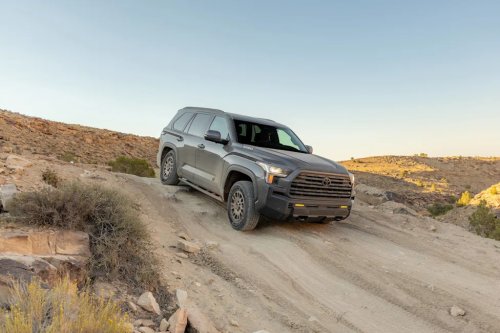
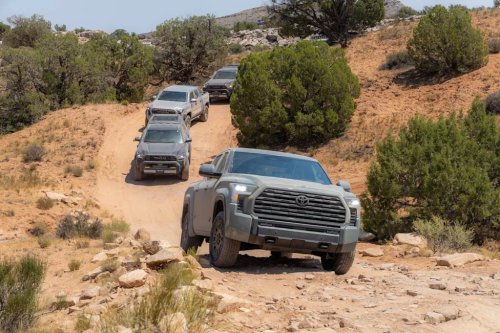
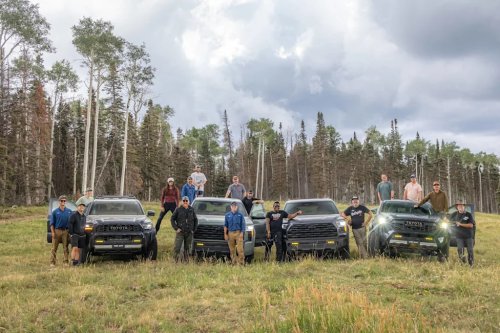
Autoblog and Yahoo may earn commission from links in this article.Unlike the 4Runner and Tacoma, Toyota's largest Trailhunter models aren't designed to be complete overlanding builds. In the same way a house can be sold fully furnished or simply built with the right foundation, the 2027 Toyota Tundra Trailhunter and 2027 Toyota Sequoia Trailhunter are more starting points than finished adventure rigs. Last week, Toyota flew me out to Grand Junction, Colorado, to get a sense of just how capable those foundations are, and after a few days of dusting around in the desert, camping at an altitude of nearly 9,500 ft, exploring historic caves, and making a few good friends along the way, both the Tundra and the Sequoia delivered on their promises.Toyota's logic is fairly simple here: give buyers the hard-to-add stuff from the factory, then let them expand outward based on their own unique wants and needs. On both the Tundra and Sequoia, the new Trailhunter package is based on the SR5 grade and adds Old Man Emu upgraded suspension, Michelin LTX Trail 265/70R18 tires, front recovery hooks, underbody protection, Multi-Terrain Select, Crawl Control, a locking rear differential, bronze-colored wheels, and Trailhunter badging. In other words, Toyota handles the suspension, electronics, and foundational off-road hardware so owners can handle the tents, racks, storage systems, lighting, fridges, drawers, recovery boards, and whatever else eventually turns a truck into a global adventure truck.AdvertisementAdvertisementThat all sounds quite sensible in theory, but perhaps the more interesting part is that, after driving both through the desert and mountains outside Moab, Utah, it was clear they were already plenty capable before the owners added anything at all.2027 Toyota Tundra Trailhunter & 2027 Toyota Sequoia TrailhunterToyotaThese Are Foundations, Not Final BuildsThe Tundra and Sequoia Trailhunter models aren't intended to replace dedicated custom overlanding builds. Toyota seems to understand that the full-size truck and SUV overlanding crowd is rarely satisfied with a factory checklist—these buyers tend to know exactly what tent they want, what drawer system fits their gear, and which accessory catalog will best suit a certain expedition. So instead of trying to finish the job with a one-size-fits-all package, Toyota wants to offer a better starting point.Toyota has not yet announced full 2027 Tundra or Sequoia pricing, with final details planned for fall 2026, but the market positioning is crystal clear: Trailhunter is meant to be a more accessible package than TRD Pro, aimed less at high-speed desert theatrics and more at people who want a durable, buildable, adventure platform that includes the stuff that's more difficult to add later, and none of the extra fluff.Thinking about selling your car? Get an instant cash offer online now. Click here to get started.2027 Toyota Sequoia TrailhunterToyotaKey SpecificationsCategory2027 Toyota Tundra Trailhunter2027 Toyota Sequoia TrailhunterVehicle typeFull-size pickup truckFull-size three-row SUVPowertrain specs3.4L i-FORCE twin-turbo V6; 389 hp / 479 lb-ft3.4L i-FORCE MAX twin-turbo V6 hybrid; 437 hp / 583 lb-ftTransmission10-speed automatic10-speed automaticKey advantagePickup bed, simpler setup, easier gear-hauling platformMore occupant capacity, enclosed cargo area, hybrid torqueTrailhunter suspensionOld Man Emu upgraded suspensionOld Man Emu upgraded suspensionTiresMichelin LTX Trail 265/70R18Michelin LTX Trail 265/70R18Off-road hardwareFront recovery hooks, added underbody protection, locking rear differentialFront recovery hooks, added underbody protection, locking rear differentialOff-road techMulti-Terrain Select, Crawl ControlMulti-Terrain Select, Crawl ControlVisual detailsBronze-colored wheels, Trailhunter badgingBronze-colored wheels, Trailhunter badgingInverterAvailable 2.4-kW inverter on i-FORCE MAX grades2.4-kW inverterInfotainmentLatest Toyota Audio Multimedia with standard 14-inch screenLatest Toyota Audio Multimedia with standard 14-inch screenSafety techToyota Safety Sense 4.0 standardToyota Safety Sense 4.0 standard2027 Toyota Tundra Trailhunter & 2027 Toyota Sequoia TrailhunterToyotaStock Trucks, Two Weeks Of Moab AbuseThe route Toyota chose for its "Fast Lines & Trail Signs" event was far from the sort of carefully manicured gravel driveway you might find on the typical press program. Over the course of the event, the Tundra and Sequoia Trailhunter models, as well as a handful of Tacoma and 4Runner Trailhunter models, dealt with a bit of everything: sand, slickrock, gravel, ledges, ruts, climbs, descents, washboard, river crossings, and narrow technical sections where the added size of a full-size Toyota became impossible to ignore. The Tacoma and 4Runner handled the same obstacles more easily, as expected—they are smaller, shorter, and simply better suited to technical terrain, but the Tundra and Sequoia still conquered it all.AdvertisementAdvertisementThese were completely stock vehicles, and they had been taking Moab-area abuse for a whole week before I got there, and continued to hold their own during the week I was there. They weren't pampered show trucks posing for golden-hour photos before retiring to a hotel garage and an on-site detail team. These trucks were used and abused, repeatedly, in exactly the kind of terrain their buyers will daydream about when they first lay eyes on those sharp bronze wheels and enticing Trailhunter badges.2027 Toyota Sequoia TrailhunterToyotaWith the backdrop of the incredibly vast and diverse terrain of Western Colorado and the picturesque plateaus of Utah, we trudged on through lightning storms, flash flooding, scorching heat, a flat tire, and endless banter over the radio. Our trucks never faltered, carrying us through what would otherwise be considered testing terrain with relative ease and comfort, guiding us along a journey we'll remember vividly for the rest of our lives.Shopping for a new car? Click here to get a great deal on your next vehicle. Powered by Carvana, no haggle pricing, 100% online.2027 Toyota Tundra TrailhunterToyotaTundra Trailhunter: The Simpler Pickup FoundationThe Tundra Trailhunter might make the most obvious sense as a builder's platform. It's still a traditional pickup truck and, in this form, less complicated than the Sequoia because it doesn't have a hybrid system. That might be important to buyers who plan to use it far from home, especially in rural areas where simplicity still feels like a kind of luxury. Its bed is also a natural advantage: overlanding gear, camping equipment, recovery tools, and dusty cargo all make more sense in a pickup bed than behind the second row of an SUV. The Tundra feels like the easier vehicle to imagine with a rack, rooftop tent, bed storage, and a proper long-distance build, even if that's all still possible with the Sequoia.On pavement and rough dirt, the Old Man Emu suspension felt compliant. The ride was comfortable, though the Tundra lacked the detachable sway bar fitted to the Tacoma and 4Runner Trailhunter models, which made those smaller trucks feel smoother over some bumpy sections. That is less a criticism than a reminder that these big Trailhunters aren't trying to be the most technical Toyota off-roaders in the lineup. Instead, they aim to be useful, capable foundations.2027 Toyota Sequoia TrailhunterToyotaSequoia Trailhunter: The Comfortable Family Adventure SUVThe Sequoia Trailhunter makes a different argument. It has the i-FORCE MAX hybrid system, which adds immediate low-end torque that proved useful over steeper terrain. I personally preferred that extra shove, especially when easing a large SUV up and over obstacles where smooth, instant response matters most. The Sequoia was also the more comfortable of the two, though that might be a pretty obvious observation. After all, it is an enclosed SUV with greater occupant capacity and a more family-oriented mission. If the Tundra is the better platform for gear, the Sequoia is the better platform for people.AdvertisementAdvertisementToyota also equips the Sequoia with a 2.4-kW inverter, reinforcing its role in camping, tailgating, and travel. The raised cargo floor and hybrid packaging may limit some traditional wagon/SUV flexibility, but as a family adventure vehicle, the Sequoia Trailhunter still feels convincing. The biggest compromise is cabin content. Because these Trailhunter models are SR5-based, the Tundra and Sequoia don't get the richer seating experience found in the Tacoma and 4Runner Trailhunter models. Those smaller Trailhunters offer ventilated synthetic leather seats, while the big trucks make do with basic cloth and no ventilation. Some buyers might reasonably expect more from an expectedly expensive full-size adventure vehicle, even if Toyota's package logic is focused more on capability than luxury.2027 Toyota Tundra TrailhunterToyotaThe Updated Tech Helps, But Capability Is The PointFor 2027, both Tundra and Sequoia will also receive Toyota's latest Audio Multimedia system, featuring a standard 14-inch screen, updated home-screen widgets, and faster "Hey Toyota" voice assistant responses. Toyota Safety Sense 4.0 is also standard on both models.Those upgrades matter, but they are not the reason this package works.The reason it all works is that the Trailhunter formula feels properly matched to what these big vehicles are. The bronze wheels and badging add presence; the Old Man Emu suspension improves rough-road compliance; the Michelin LTX Trail tires felt appropriate for the terrain; and the electronic off-road systems give drivers confidence when a full-size truck or SUV starts feeling very full-size. There were moments when the added mass was noticeable compared with the 4Runner and Tacoma. There was also less clearance in some situations, mostly because of the added length. But that all feels like an acceptable trade-off for buyers who need the size.2027 Toyota Trailhunter ModelsToyotaFinal TakeawayThe 2027 Toyota Tundra and Sequoia Trailhunter models are not the final word in factory overlanding. Instead, they represent something even more useful: factory-backed starting points that work straight out of the box, then leave room for owners to shape them around their own lives. Buy one, adventure with it, and add to it as needed.AdvertisementAdvertisementThe Tundra is the simpler, more traditional pickup foundation. The Sequoia is the more comfortable, hybrid-assisted family adventure platform. I don't think one is obviously better than the other, because they solve different problems for different kinds of people. What impressed me most is that both managed the same terrain as the smaller and more aggressively outfitted Trailhunter models out of the box, even if the Tacoma and 4Runner made it look a bit easier. Against a Moab backdrop, after days of repeated abuse, the full-size Trailhunters still felt calm, capable, and ready for more.Autoblog aims to feature only the best products and services. If you buy something via one of our links, we may earn a commission.This story was originally published by Autoblog on Aug 18, 2026, where it first appeared in the Reviews section. Add Autoblog as a Preferred Source by clicking here.














 +9 others