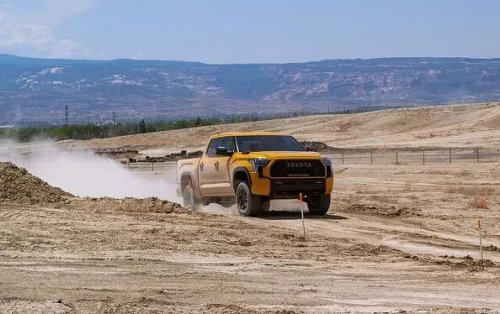
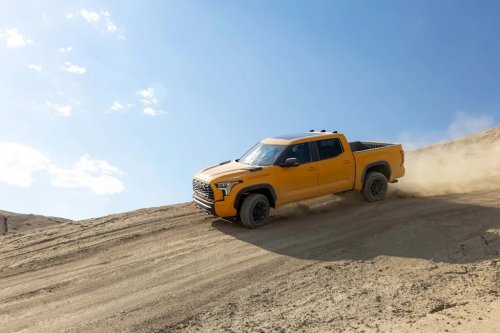
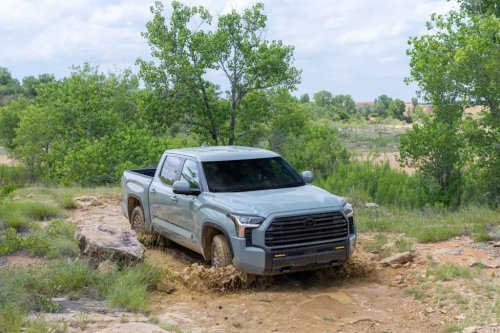
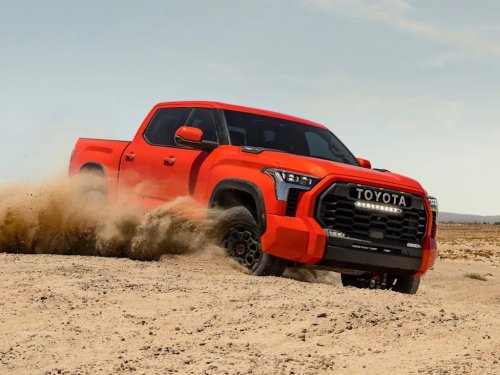
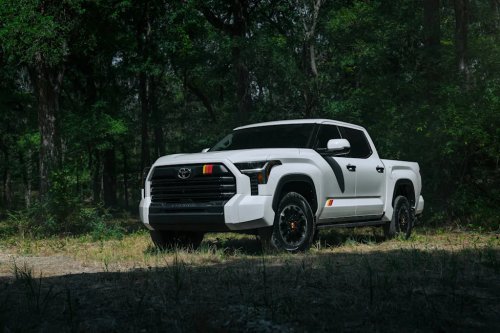
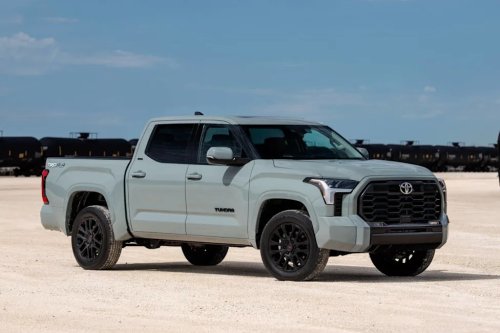
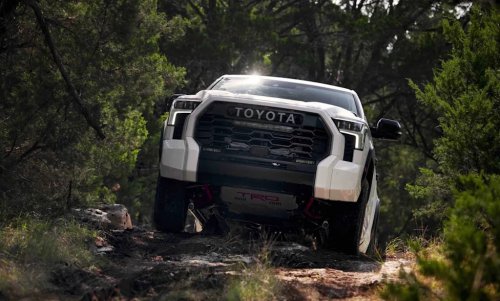
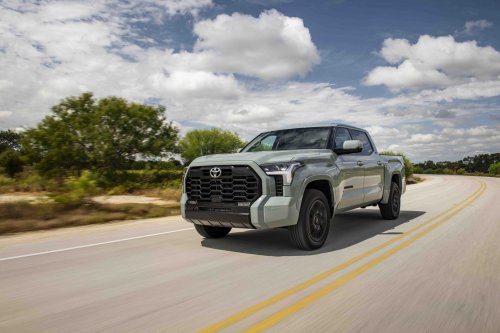
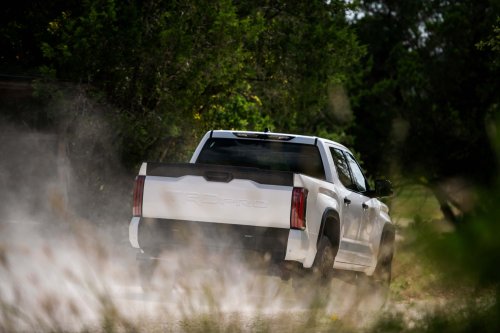
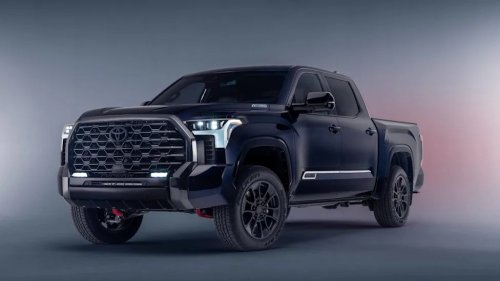
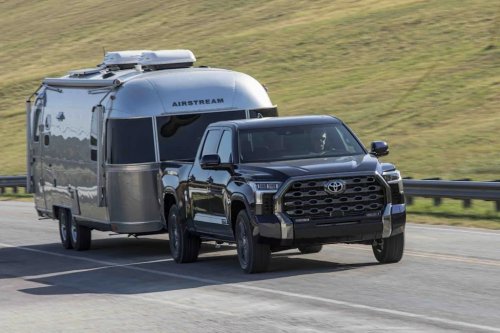
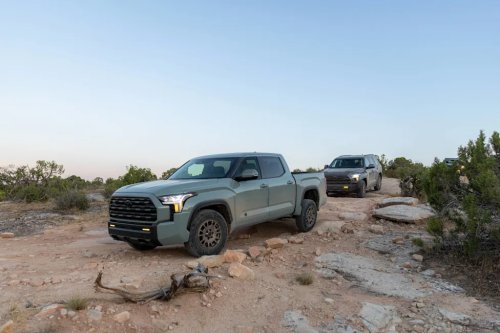
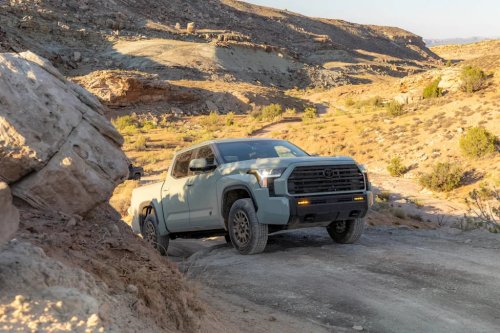
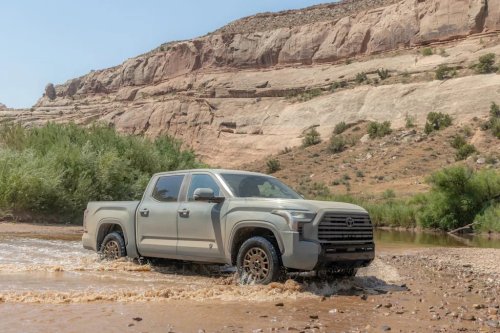
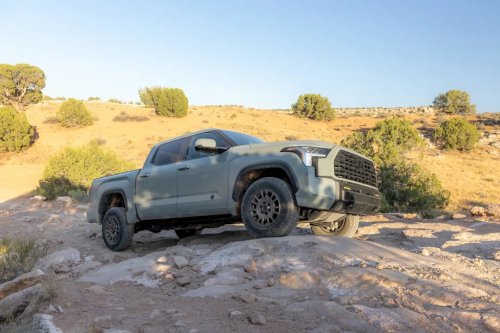
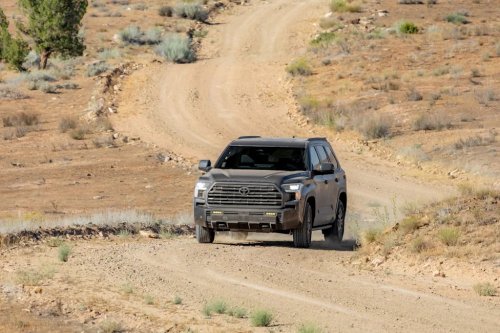
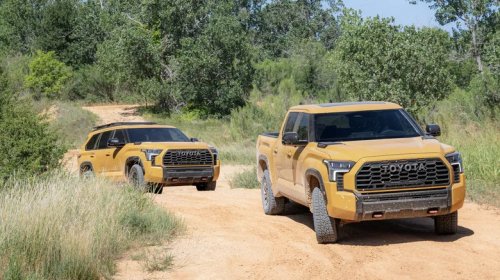
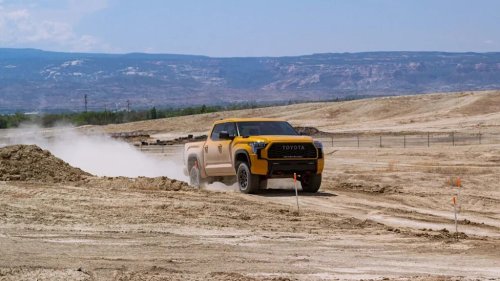
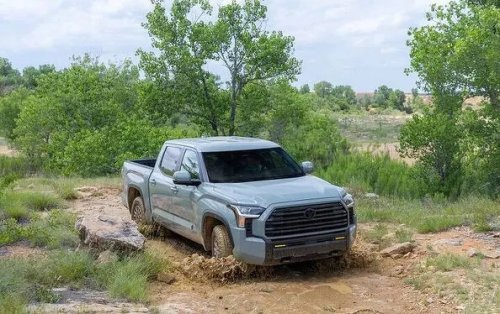
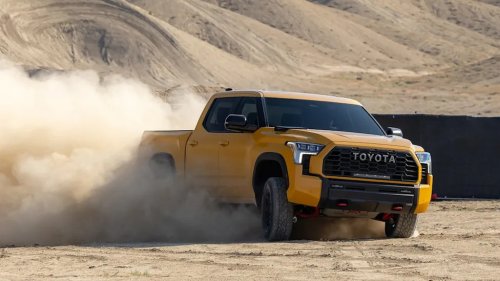
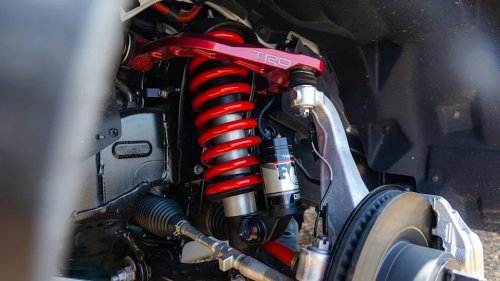
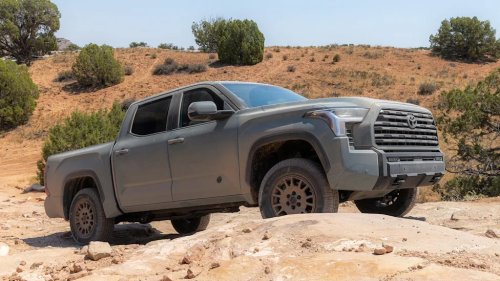
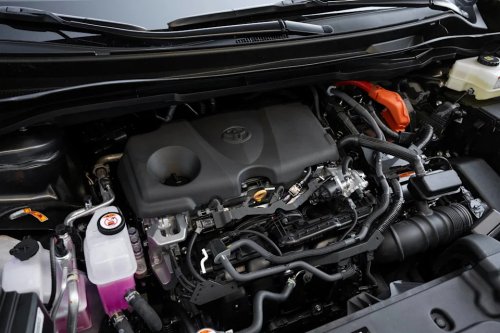
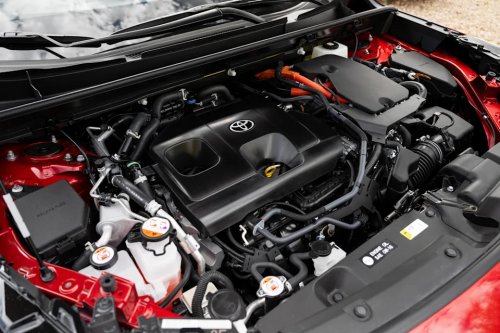
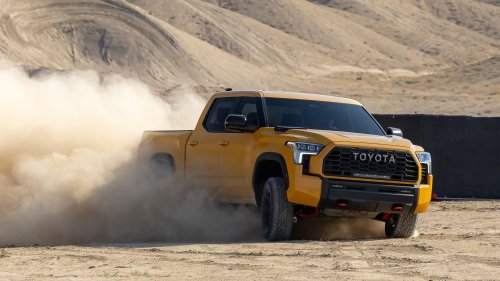
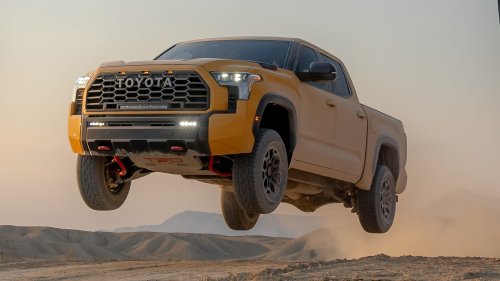
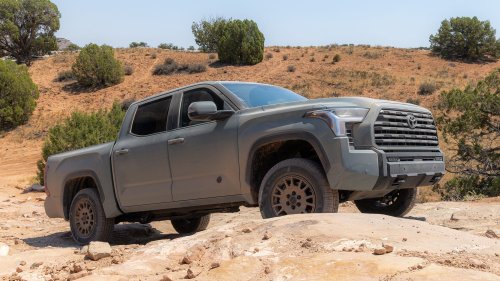
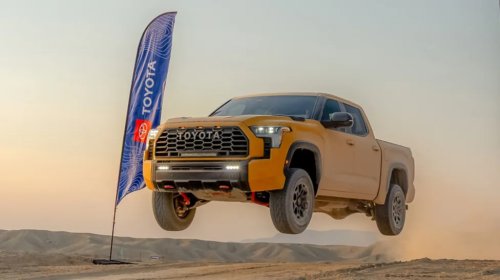
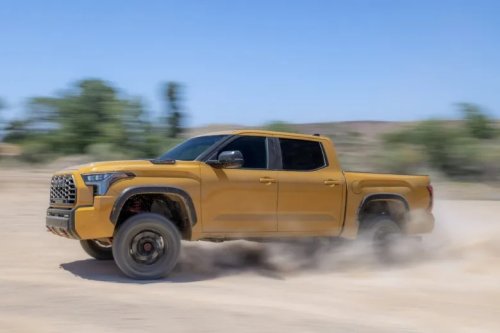
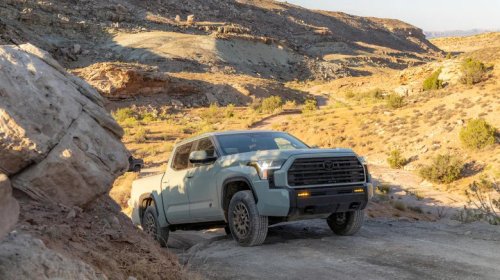
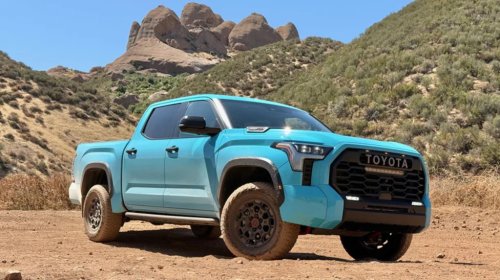
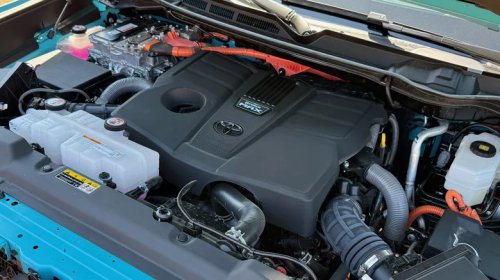
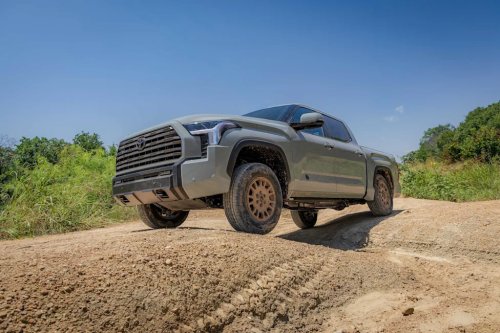
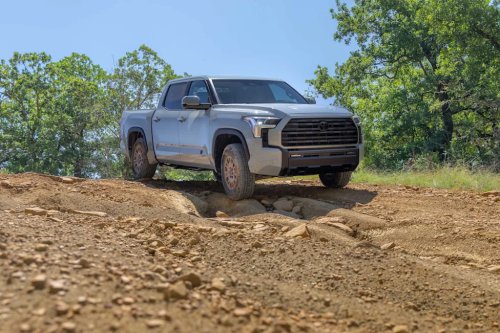
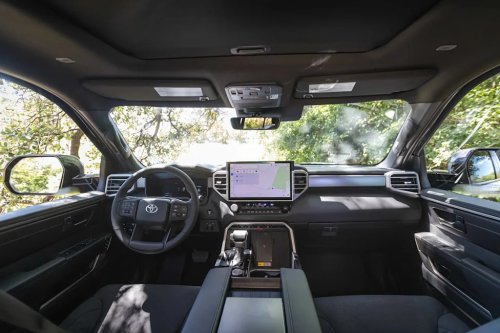
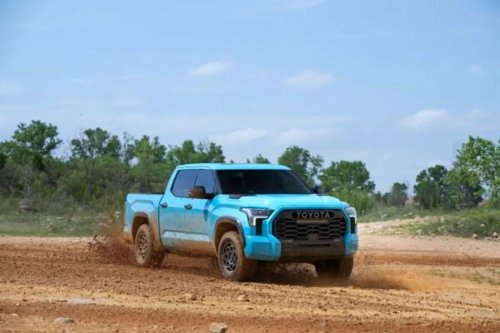
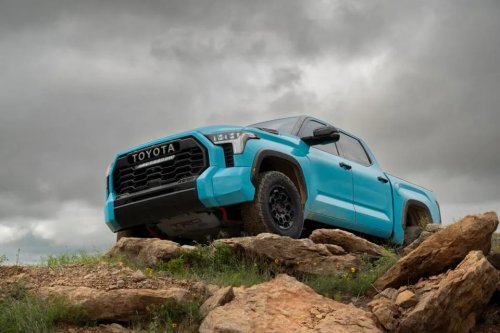
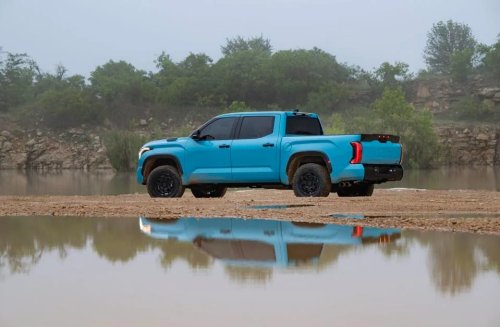
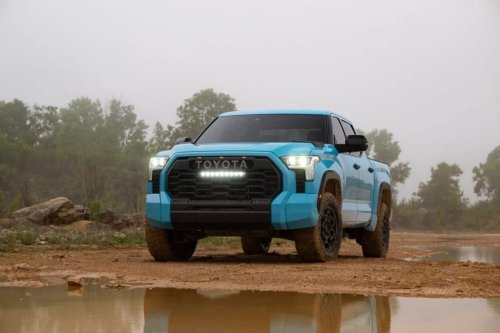
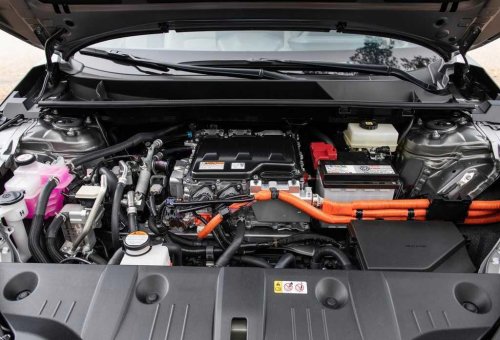
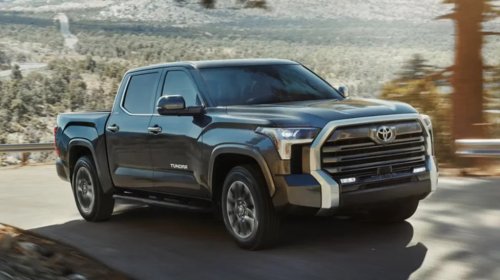
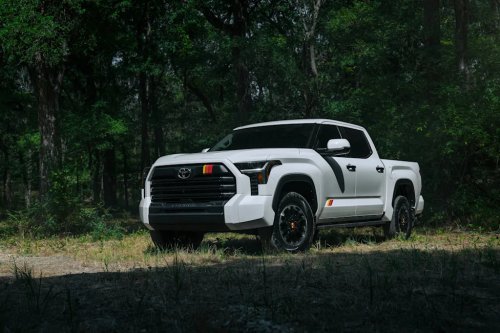
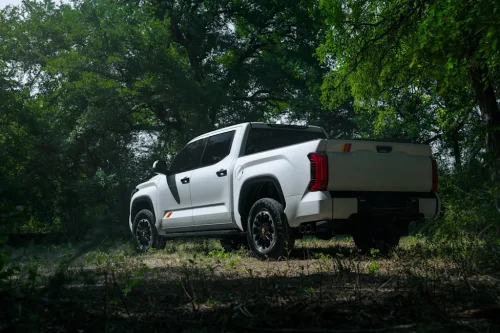
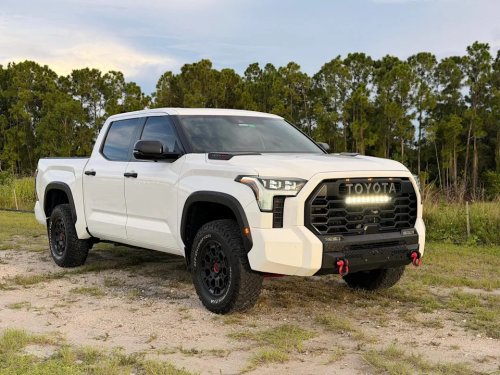
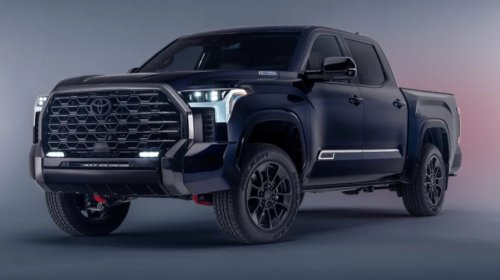
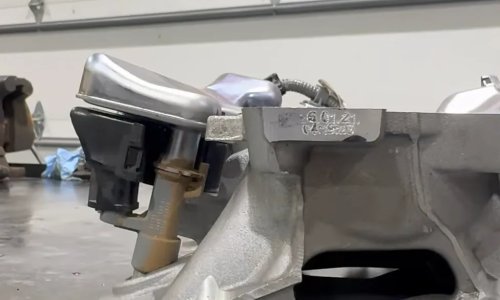
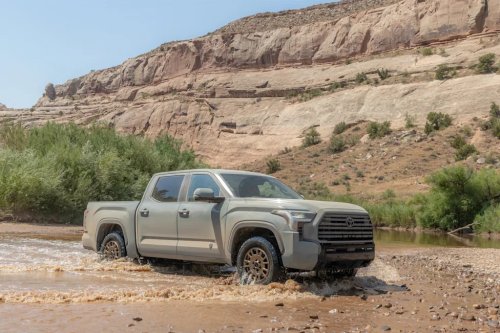
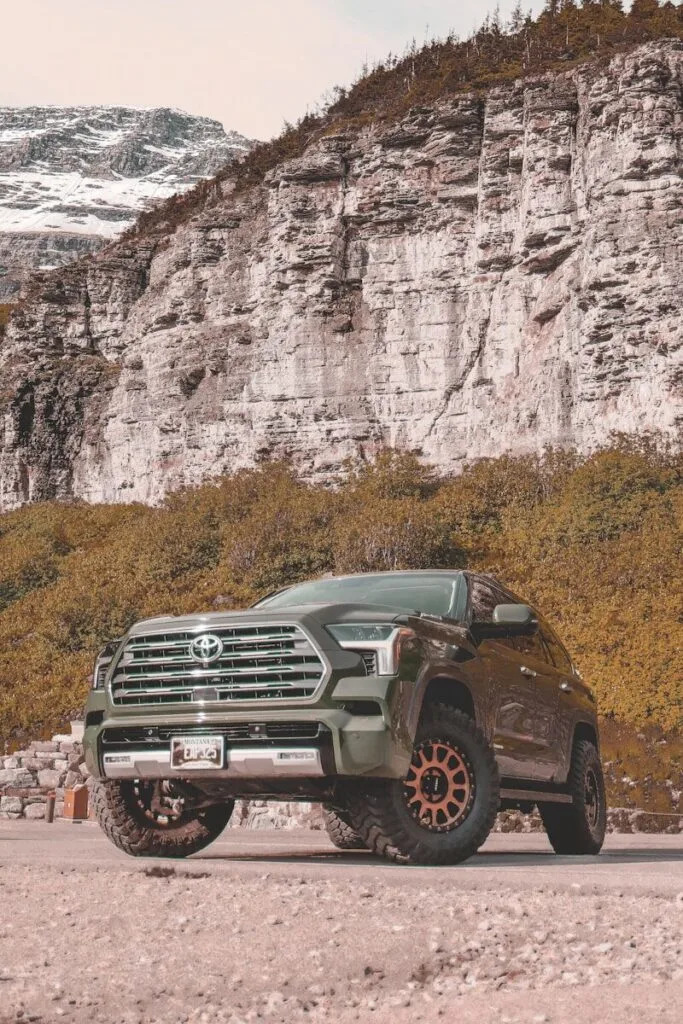
Automakers sometimes have to disassemble an entire engine to determine whether a defect warrants replacement, which can involve significant time and labor costs. Toyota, however, has been using a clever trick to identify a particular problem without having to open the engine- just by hitting it with a hammer.But it isn't just any old hammer; it is a specialized tool that helps technicians perform a V35A Crank Bearing Inspection to determine whether the bearing is damaged, without having to take the engine apart. The ingenious solution can reveal signs of damage and provide a relatively accurate way to identify potential bearing problems.Pickup Truck SUV Talk reported that the method is not so simple after all. Toyota's technical instructions show technicians hitting the crankshaft pulley while a connected accelerometer and diagnostic computer measure the resulting feedback. Once technicians have repeated this process several times to establish a consistent response, the results help them determine whether the engine requires a more detailed inspection or needs to be replaced.AdvertisementAdvertisementThe V35A Crank Bearing Inspection is being carried out on Toyota Tundra pickups equipped with certain V35A twin-turbo V6 engines, specifically certain 2022-2024 models. The Japanese automaker found that machining debris can be left behind in the engine, which can potentially damage the main bearings, sometimes leading to engine failure.A green truck parked in front of a mountainToyota clarified that engines produced after 2024 came with an improved No. 1 main bearing that is better designed to resist certain debris that might remain in the engine. Road & Track reached out to Toyota for more information about the solution and received a response via email. The Toyota spokesperson wrote:"This remedy was developed to be effective in identifying if the engine needs to be replaced in a covered vehicle. Fundamentally, this inspection uses the resonant frequency of the front of the crankshaft to assess the condition of the #1 main bearing. The development of this inspection included testing numerous engines to identify the resonant frequency differences between a #1 main bearing with and without abnormal wear. Using an inspection software, dealers will evaluate the #1 main bearing and collect available vehicle drive data to confirm the condition of that bearing. If the inspection software cannot confirm that the bearing will be free from abnormal wear due to this issue, dealers will replace the engine."


















 +78 others